Die Paleis van die Hoë Priester
Beskrywing
Annas
was hoëpriester n.C. 7-14. In n.C. 25 is Kajafas, wat met die dogter van Annas getroud was ([Joh 18:13 ]), tot daardie amp verhef, en waarskynlik is Annas nou president van die Sanhedrin gemaak, of adjunk of medehelper van die hoëpriester, en is dus ook saam met Kajafas hoëpriester genoem ([Luk 3:2 ]). Volgens die Mosaïese wet was die hoëpriesterskap lewenslank beklee ([Nm 3:10]); en alhoewel Annas deur die Romeinse goewerneur afgesit is, het die Jode hom moontlik steeds as wettig die hoëpriester beskou. Ons Here is eers voor Annas gebring, en na 'n kort ondervraging van hom ([Joh 1:18 -23]) is hy na Kajafas gestuur, waar sommige lede van die Sanhedrin vergader het, en die eerste verhoor van Jesus plaasgevind het ([Matt 26:57 -68]). Hierdie ondersoek van ons Here voor Annas word slegs deur Johannes aangeteken. Annas was president van die Sanhedrin voor wie Petrus en Johannes gebring is ([Hand 4:6 ]).
EBD
Kajafas
die Joodse hoëpriester (n.C. 27-36) aan die begin van ons Here se openbare bediening, in die regering van Tiberius ([Luk 3:2 ]), en ook ten tye van sy veroordeling en kruisiging ([Matt 26:3 ; Matt 26:57 ; Joh 11:49 ; Joh 18:13 ; Joh 18:14 ]). Hy het hierdie amp gedurende die hele administrasie van Pilatus beklee. Sy vrou was die dogter van Annas, wat voorheen hoëpriester was, en was waarskynlik die plaasvervanger of adjunk (Heb. sagan) van Kajafas. Hy was van die sekte van die Sadduseërs ([Hand 5:17 ]), en was 'n lid van die raad toe hy sy mening gegee het dat Jesus doodgemaak moet word "vir die volk, en dat die hele nasie nie vergaan nie" ([Joh 11:50 ]). In hierdie woorde het hy onbewustelik 'n profesie uitgespreek. "Soos Saul, was hy 'n profeet ten spyte van homself." Kajafas het geen mag gehad om die doodstraf op te lê nie, en daarom is Jesus na Pilatus, die Romeinse goewerneur, gestuur sodat hy behoorlik die vonnis teen hom kon uitspreek ([Matt 27:2 ; Joh 18:28 ]). Op 'n latere tydstip is sy vyandigheid teenoor die evangelie steeds duidelik ([Hand 4:6 ]). (Sien ANNAS)
EBD
skakels
Street View
prente
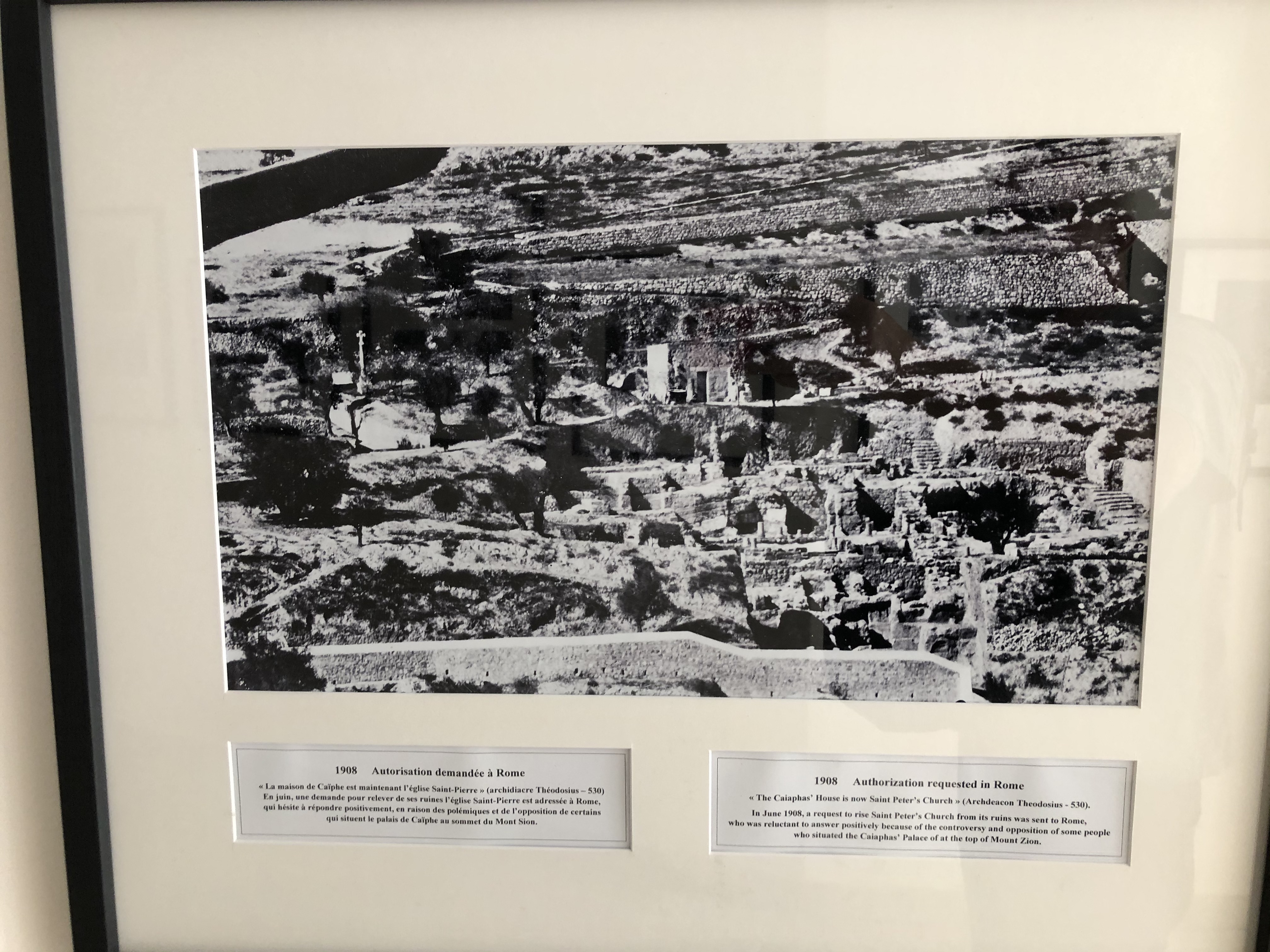
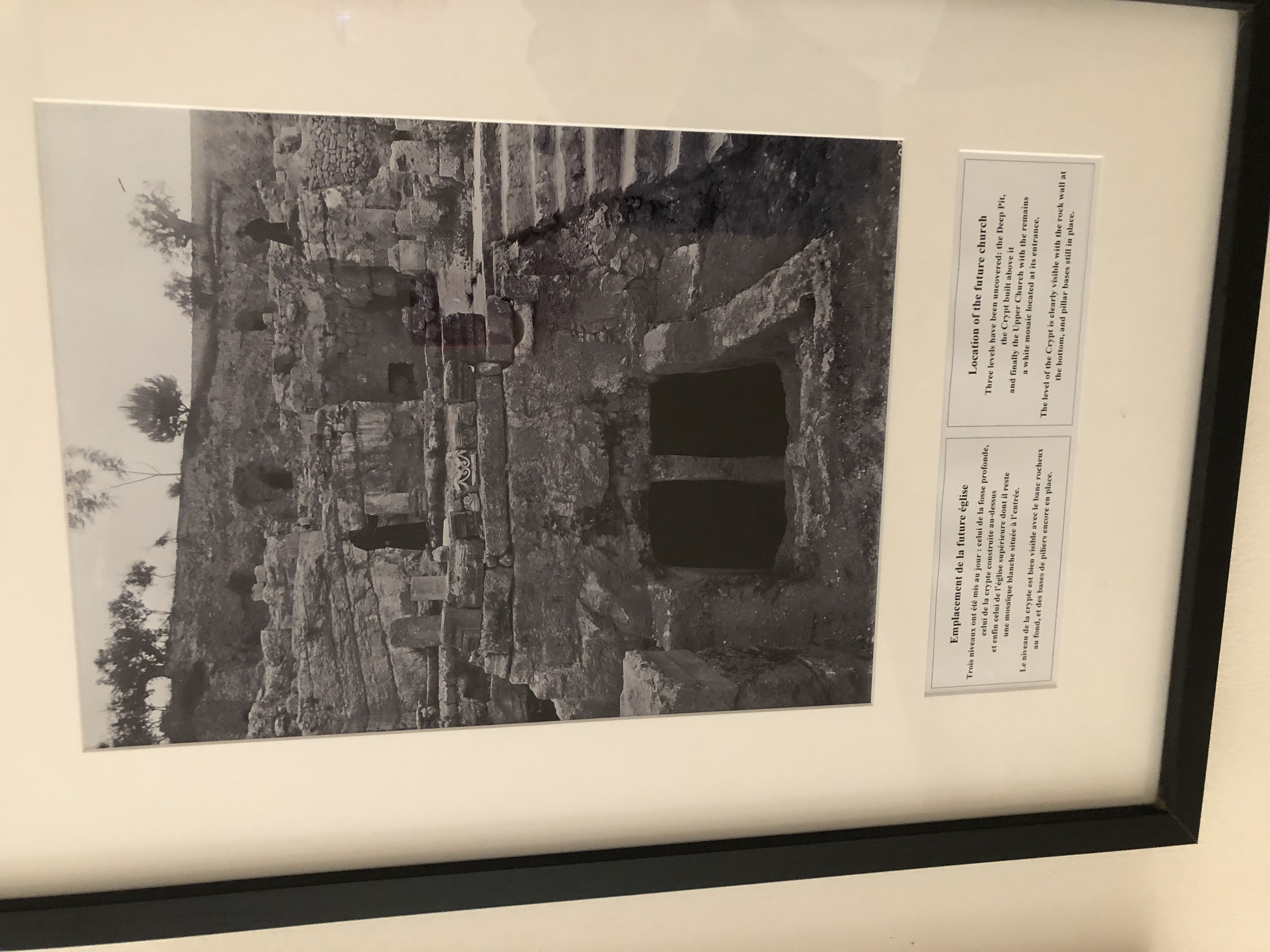
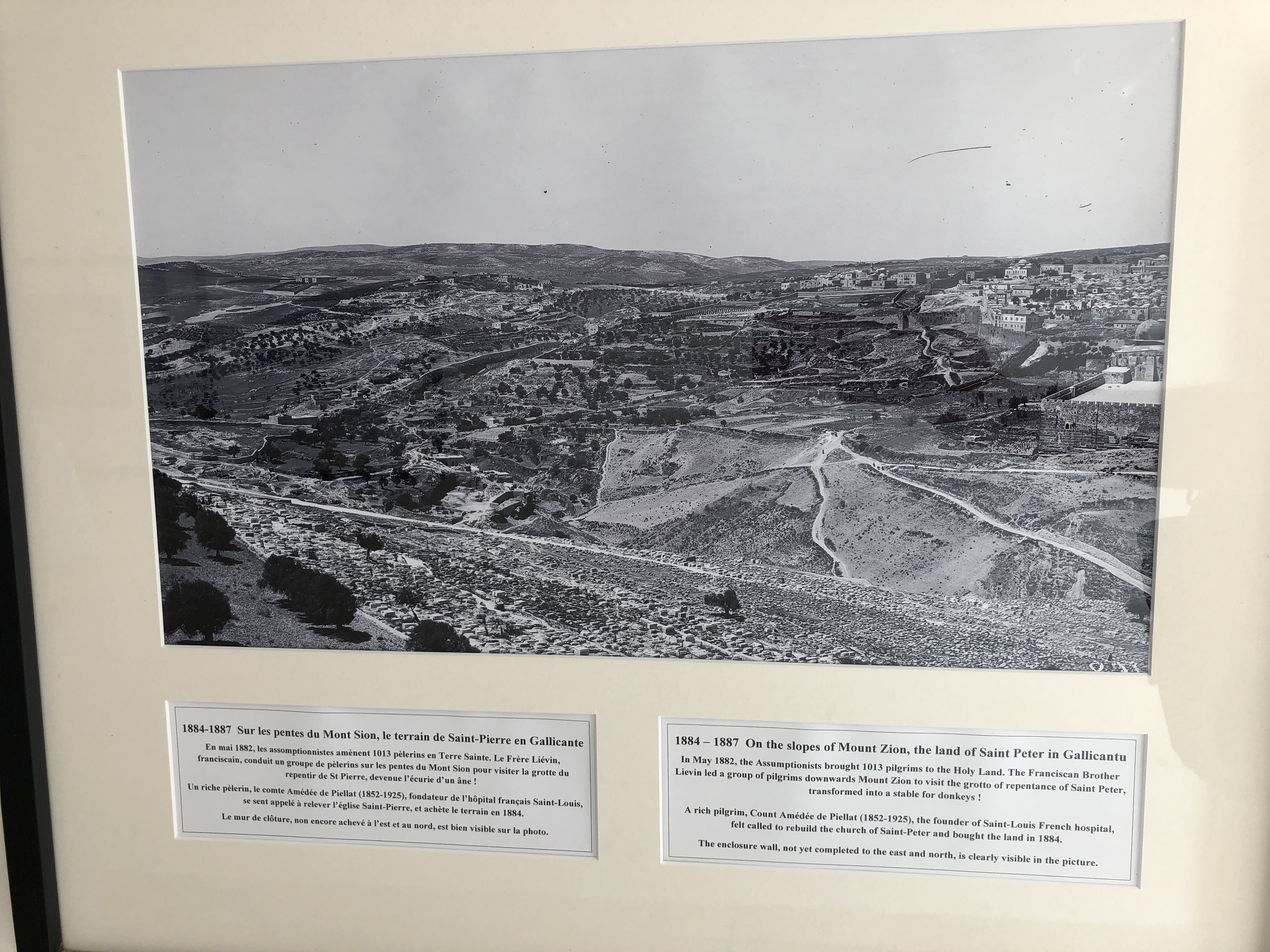
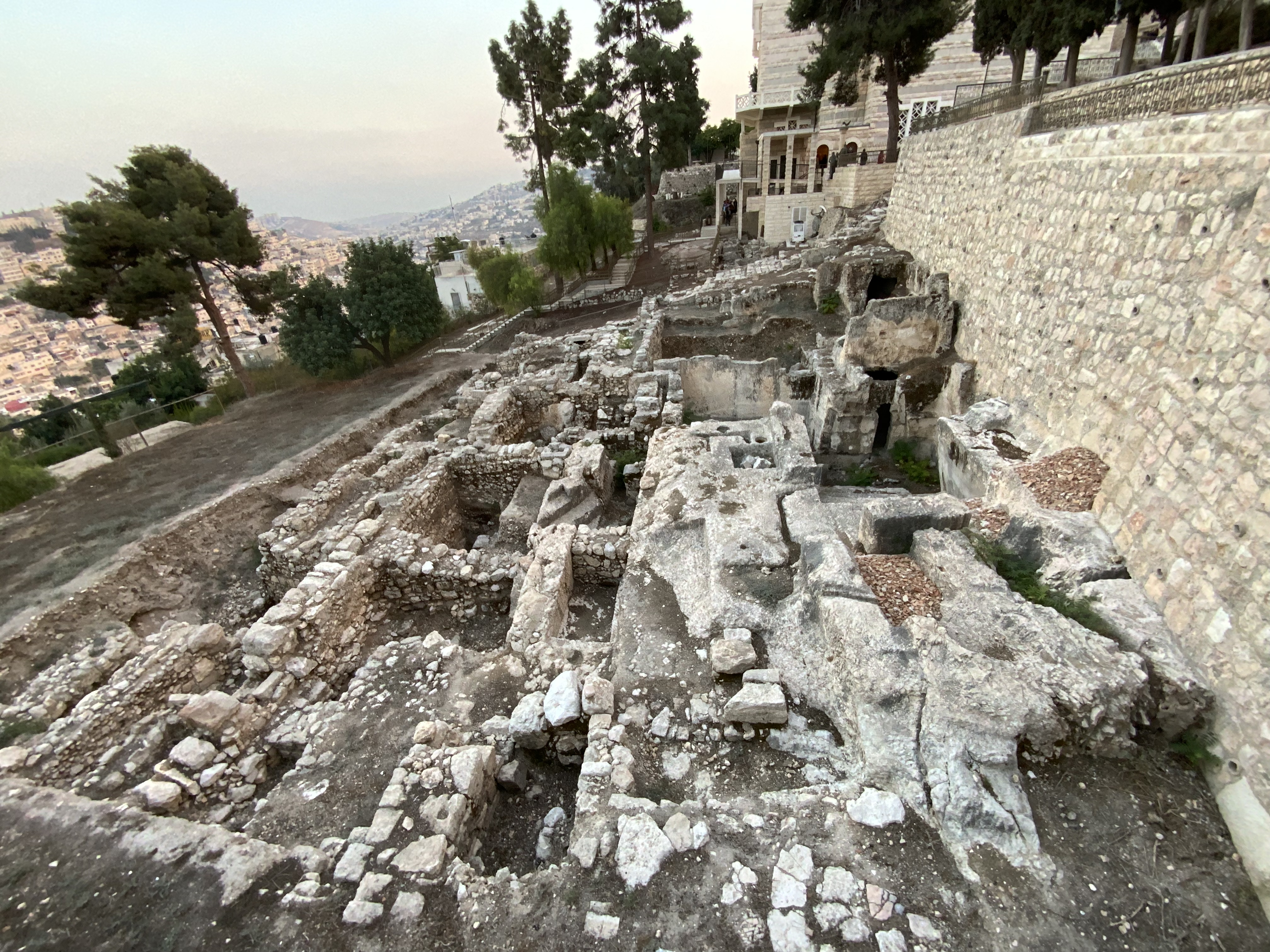
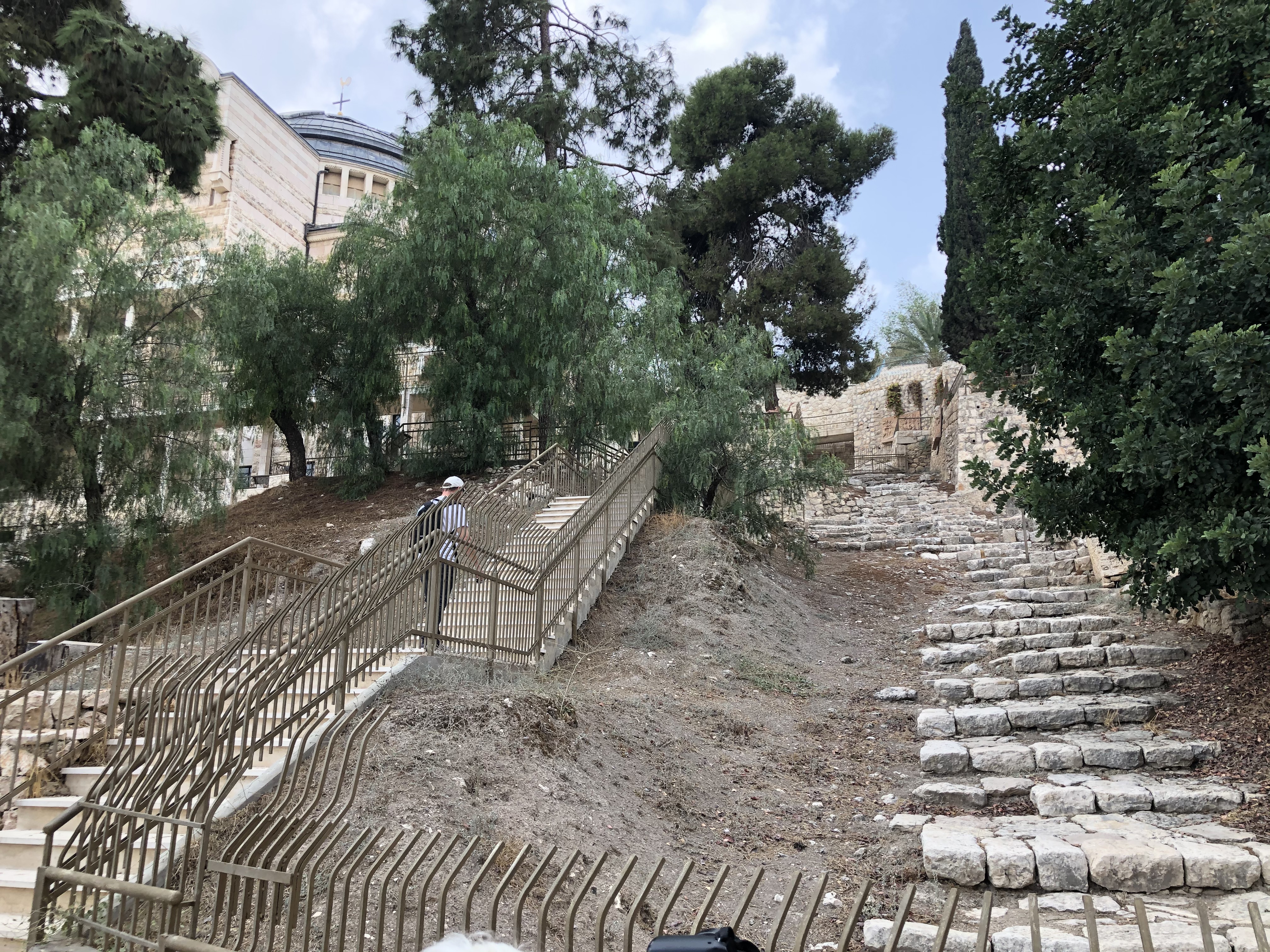
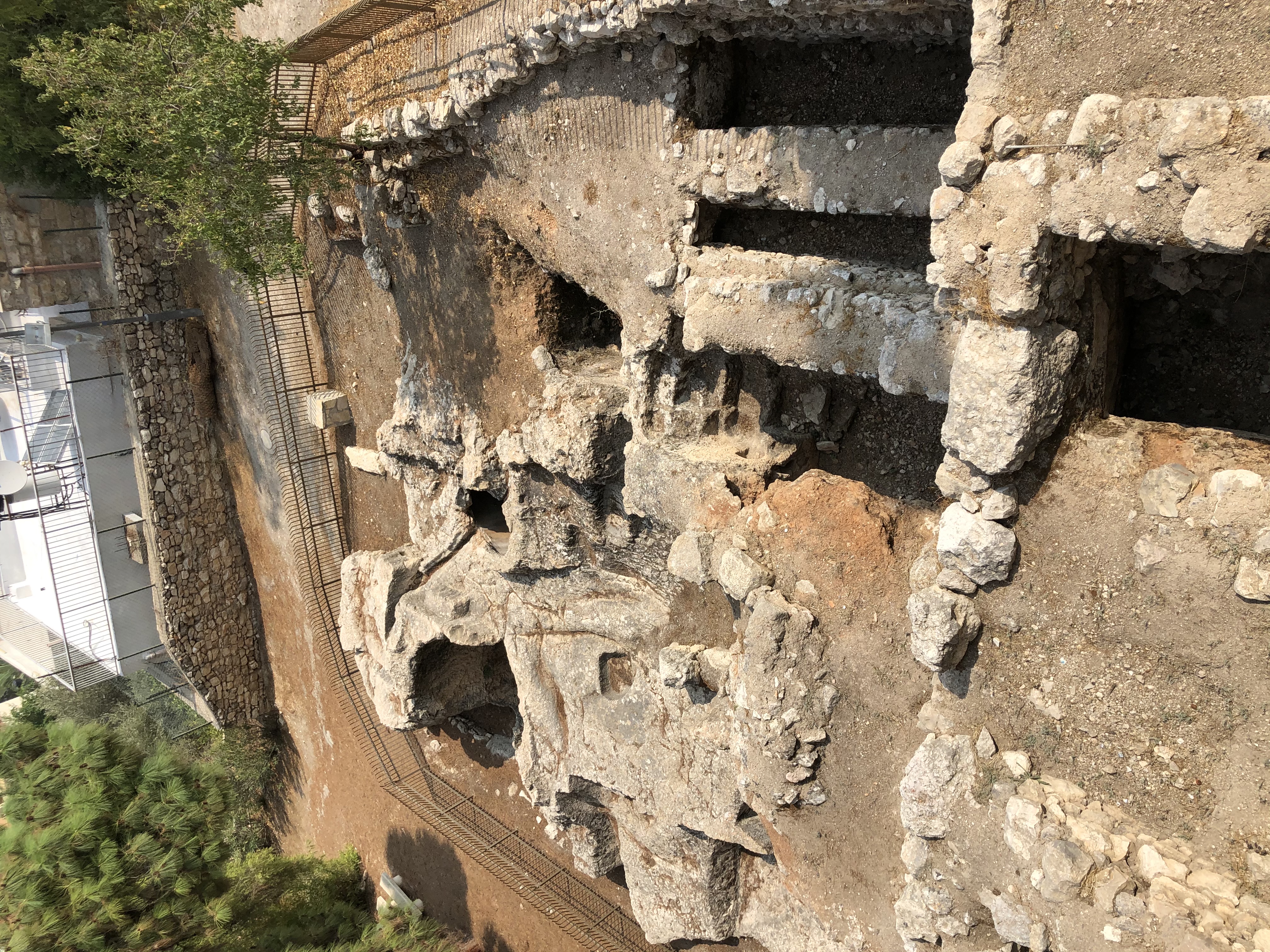
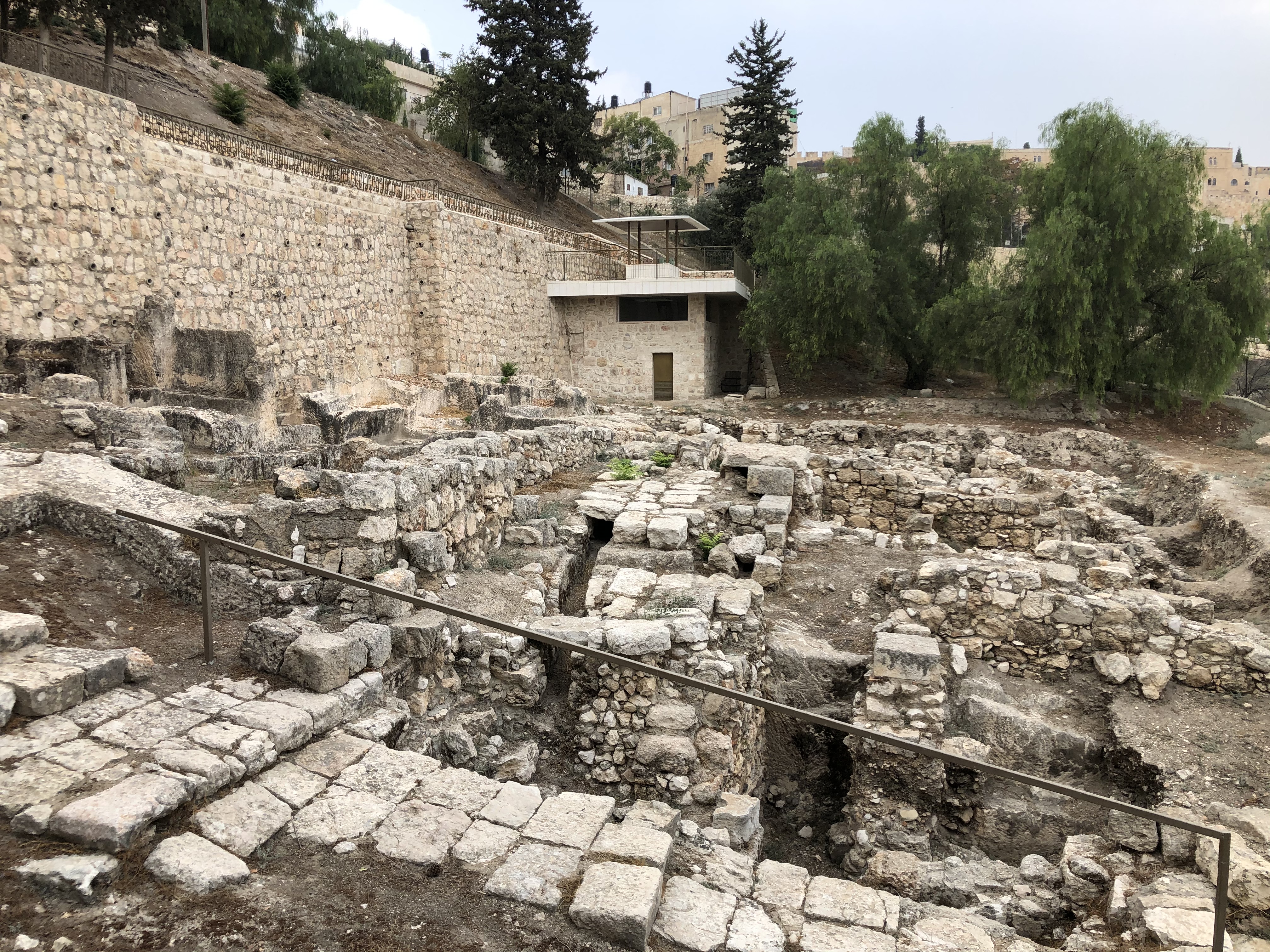
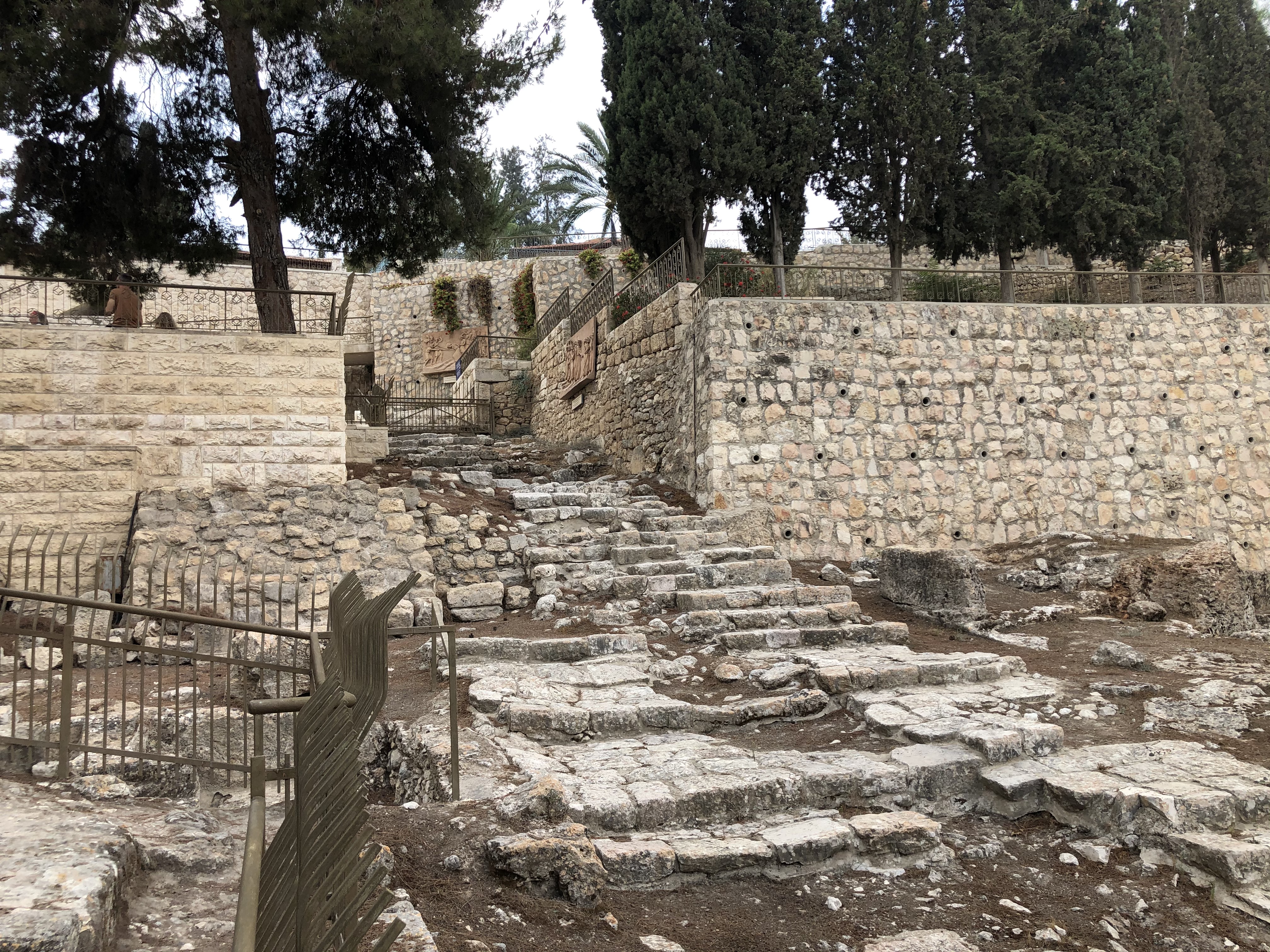
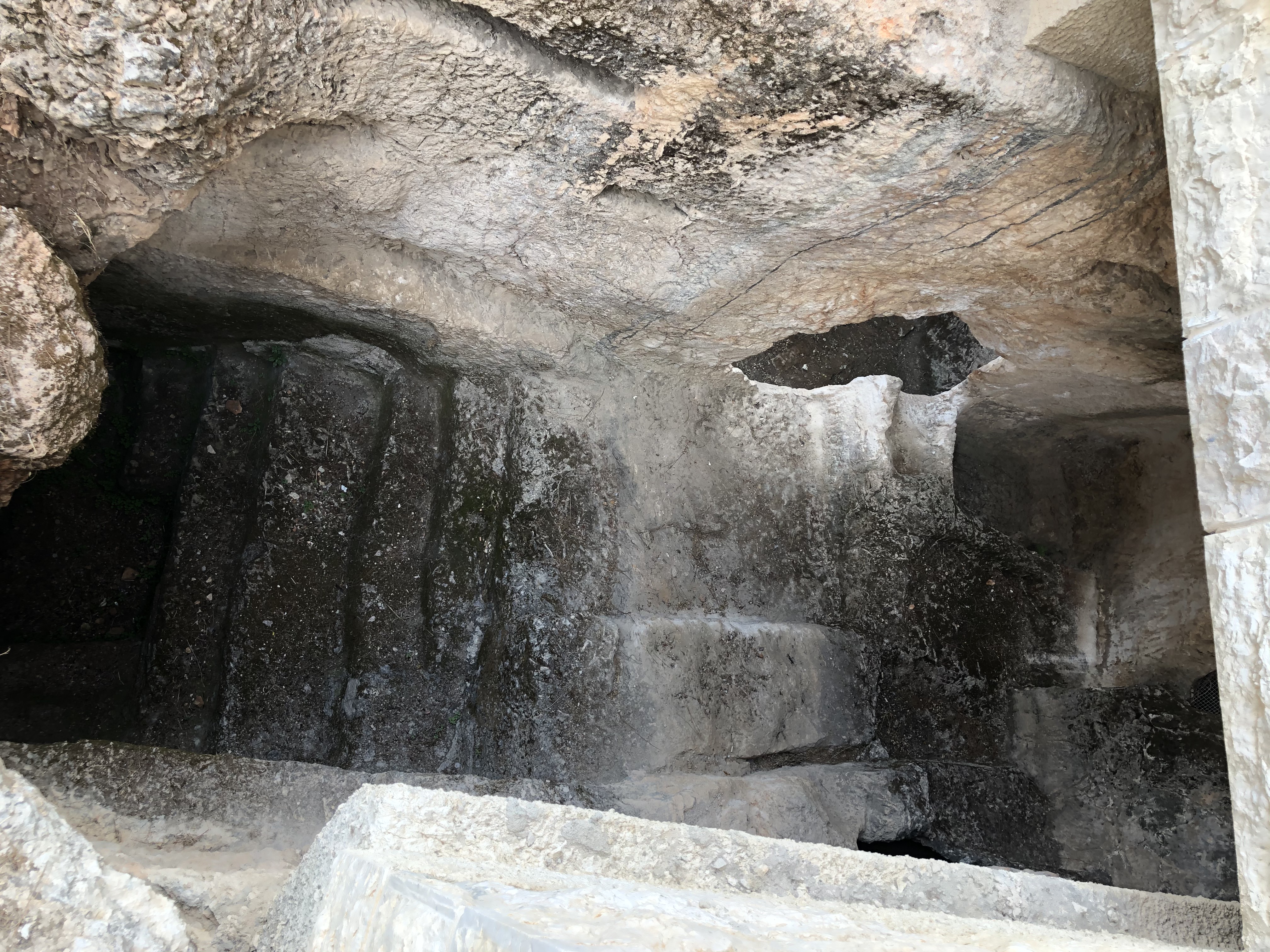
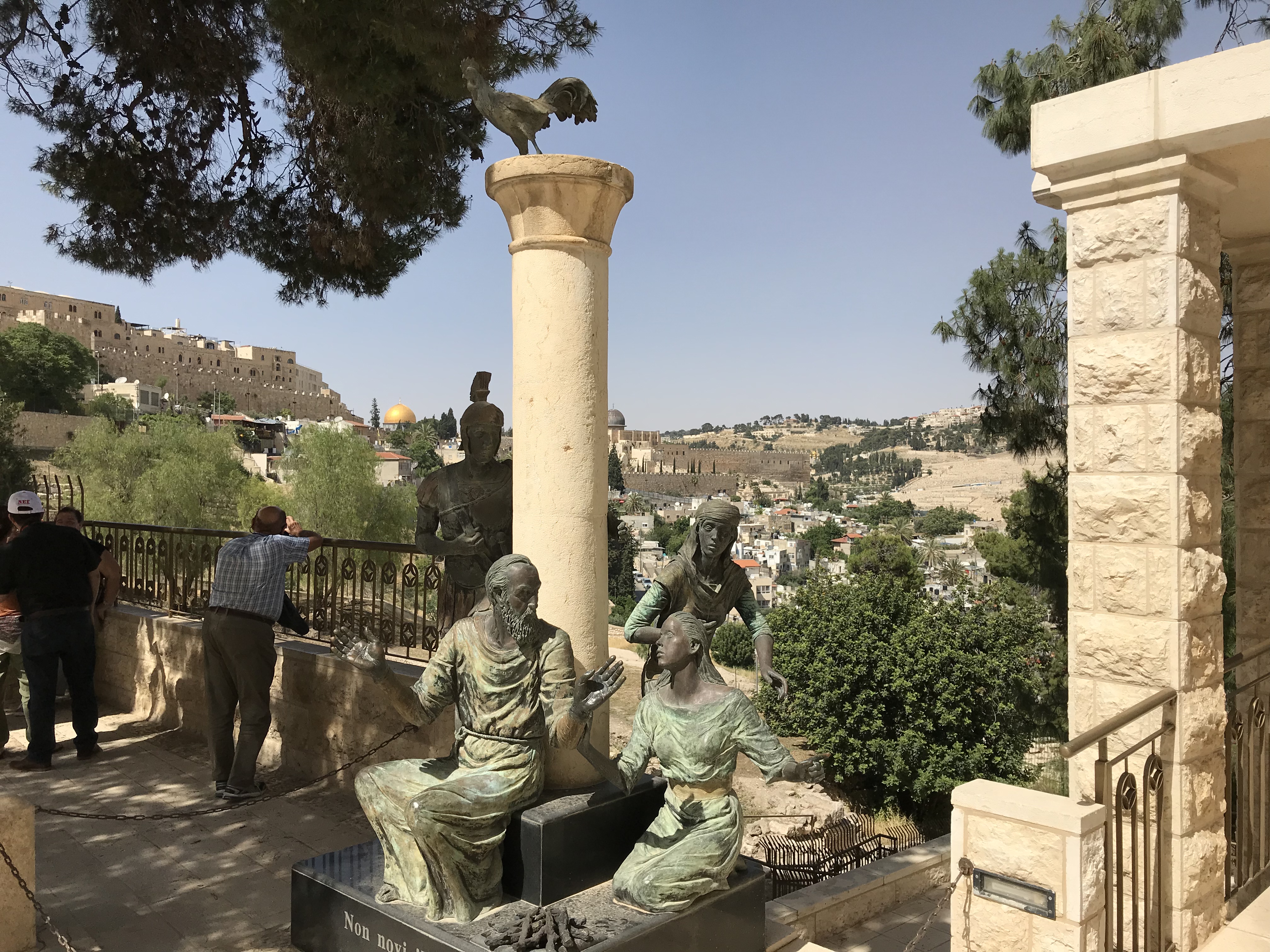
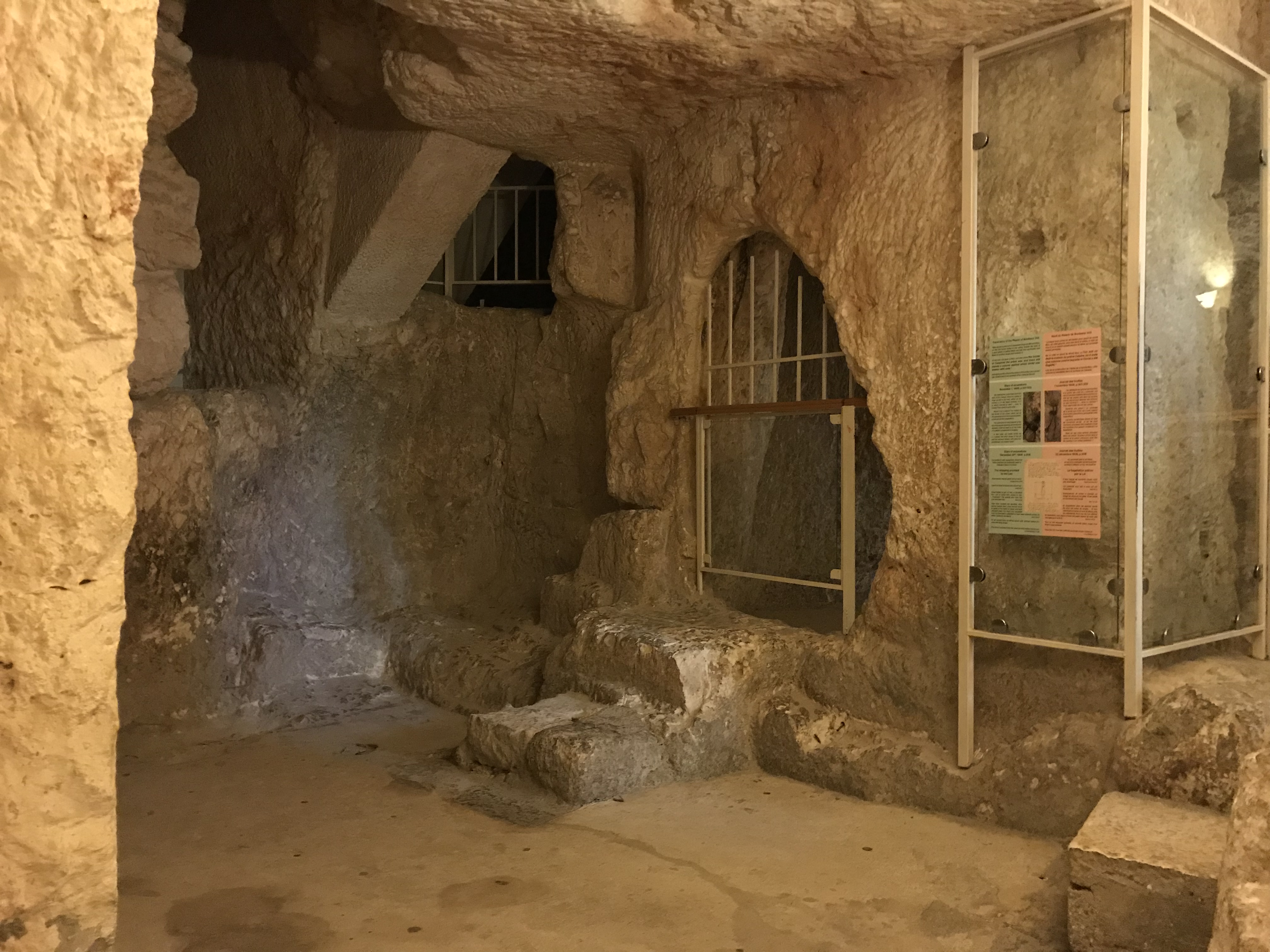
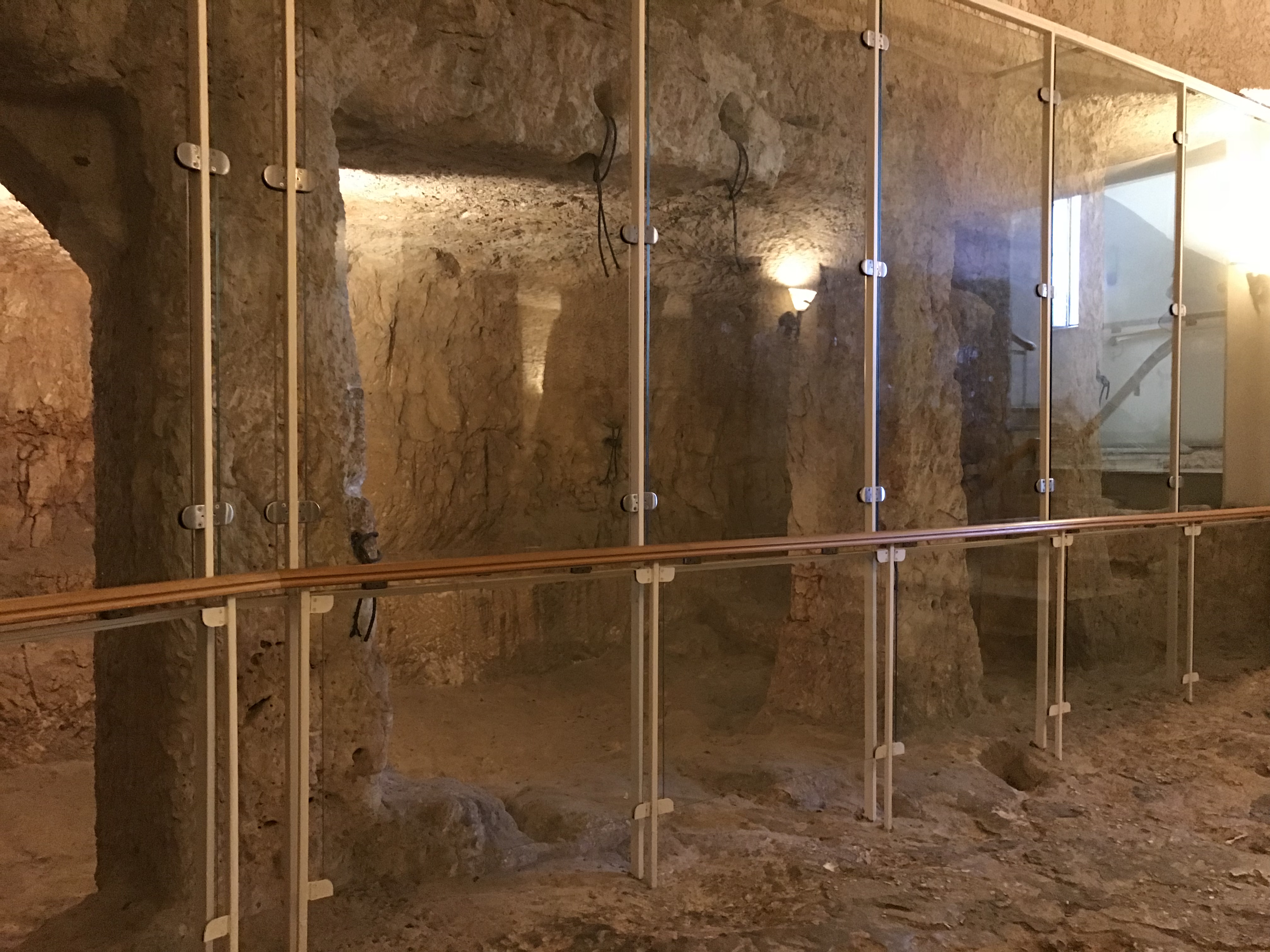
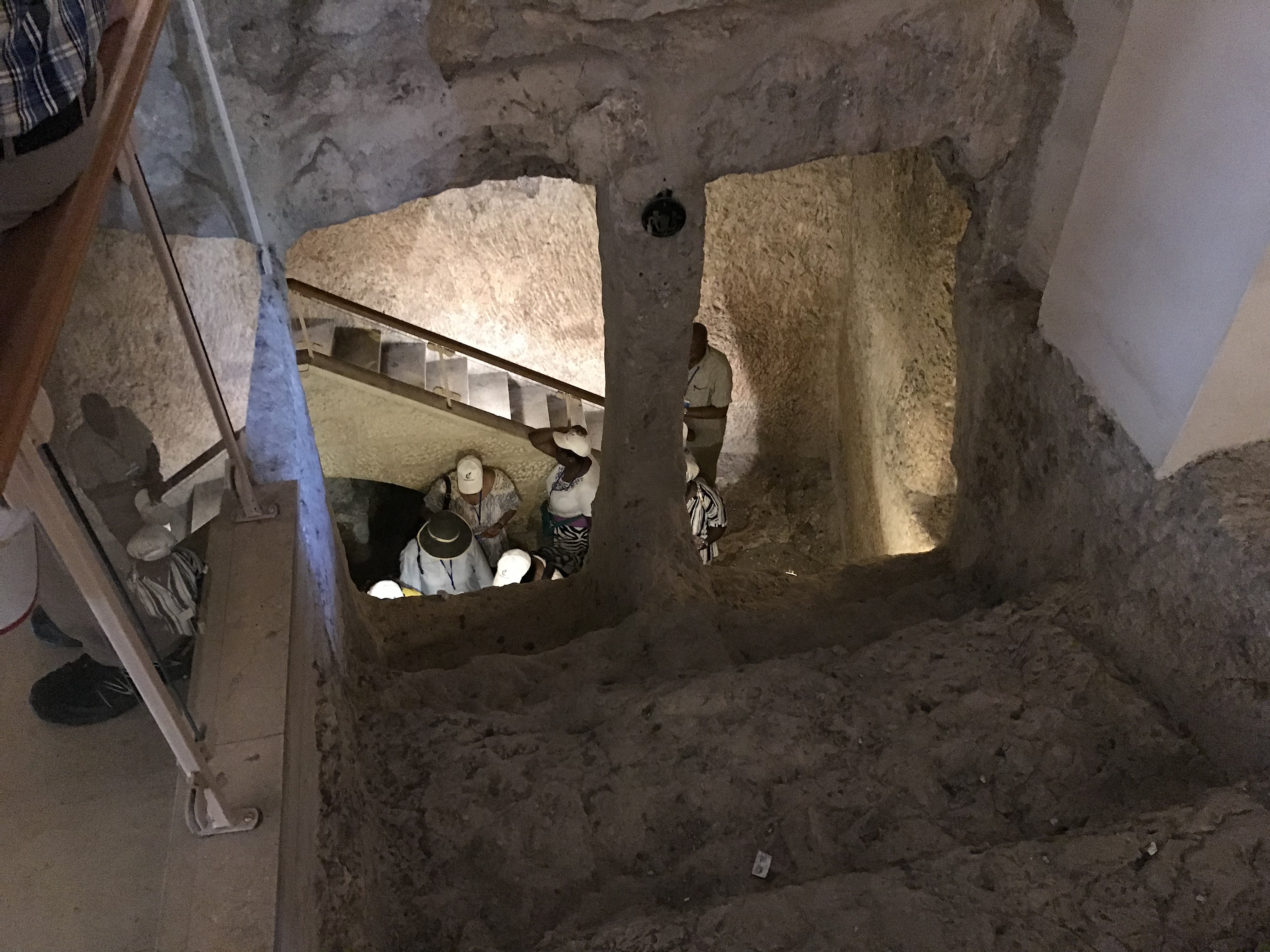
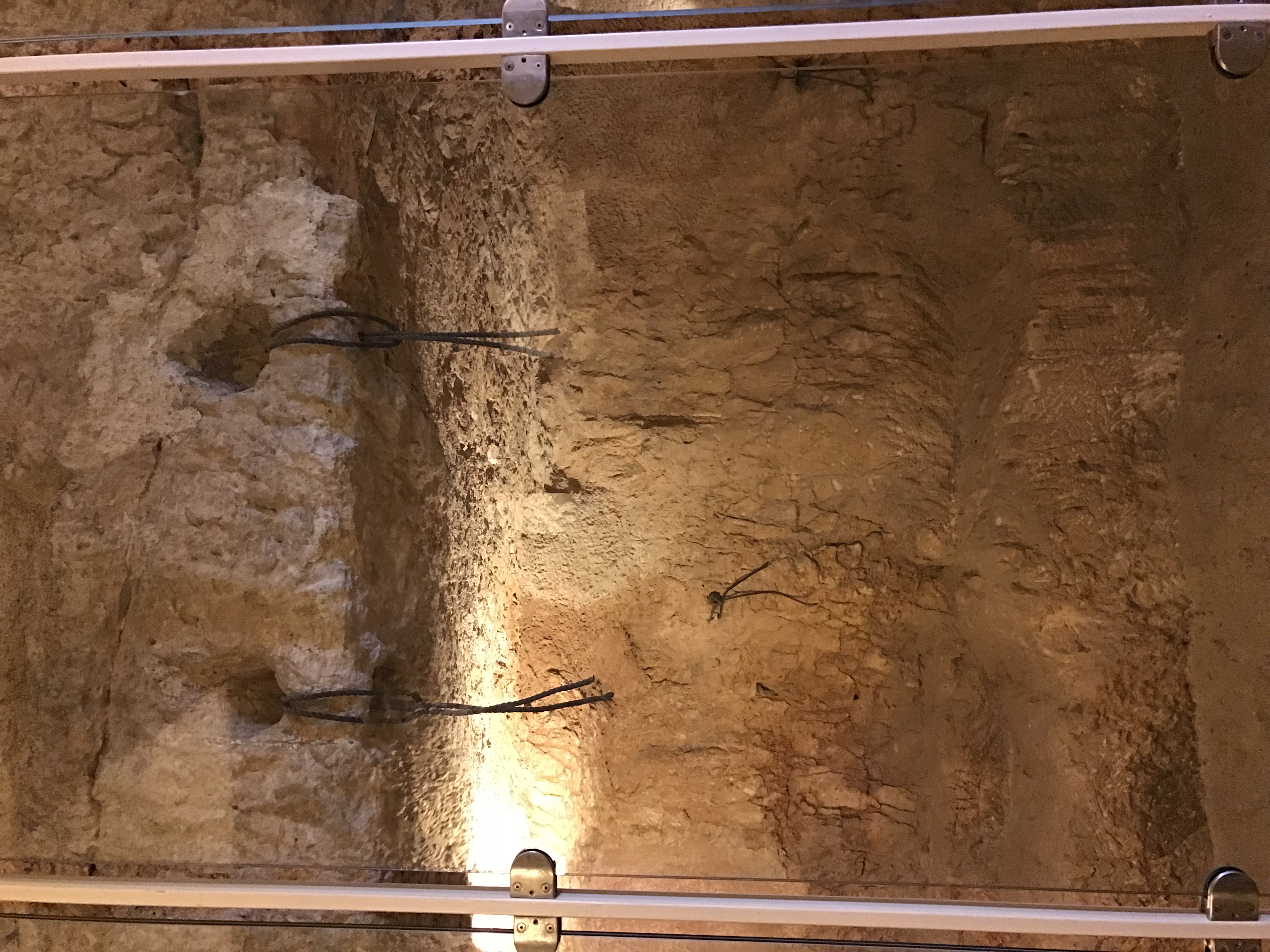
video
House of Caiaphas: Peter's Denial of Christ, Jerusalem, Israel, Church of Saint Peter in Gallicantu!
Kaart
inligting uit woordeboek
High priest
Aaron was the first who was solemnly set apart to this office (Ex 29:7; 30:23; Lev 8:12 ). He wore a peculiar dress, which on his death passed to his successor in office (Ex 29:29; 29:30). Besides those garments which he wore in common with all priests, there were four that were peculiar to himself as high priest:
(1.) The "robe" of the ephod, all of blue, of "woven work," worn immediately under the ephod. It was without seam or sleeves. The hem or skirt was ornamented with pomegranates and golden bells, seventy-two of each in alternate order. The sounding of the bells intimated to the people in the outer court the time when the high priest entered into the holy place to burn incense before the Lord (Ex 28:1etc.).
(2.) The "ephod" consisted of two parts, one of which covered the back and the other the breast, which were united by the "curious girdle." It was made of fine twined linen, and ornamented with gold and purple. Each of the shoulder-straps was adorned with a precious stone, on which the names of the twelve tribes were engraved. This was the high priest's distinctive vestment (1Sam 2:28 ; 14:3; 21:9; 23:6; 23:9; 30:7).
(3.) The "breastplate of judgment" (Ex 28:6-12; 28:25; 39:2-7) of "cunning work." It was a piece of cloth doubled, of one span square. It bore twelve precious stones, set in four rows of three in a row, which constituted the Urim and Thummim (q.v.). These stones had the names of the twelve tribes engraved on them. When the high priest, clothed with the ephod and the breastplate, inquired of the Lord, answers were given in some mysterious way by the Urim and Thummim (1Sam 14:3 ; 14:18; 14:19; 23:2; 23:4; 23:9; 23:11; 23:12; 28:6; 2Sam 5:23 ).
(4.) The "mitre", or upper turban, a twisted band of eight yards of fine linen coiled into a cap, with a gold plate in front, engraved with "Holiness to the Lord," fastened to it by a ribbon of blue.
To the high priest alone it was permitted to enter the holy of holies, which he did only once a year, on the great Day of Atonement, for "the way into the holiest of all was not yet made manifest" (Heb 9:1 etc.; 10:1etc.). Wearing his gorgeous priestly vestments, he entered the temple before all the people, and then, laying them aside and assuming only his linen garments in secret, he entered the holy of holies alone, and made expiation, sprinkling the blood of the sin offering on the mercy seat, and offering up incense. Then resuming his splendid robes, he reappeared before the people (Lev 16:1 etc.). Thus the wearing of these robes came to be identified with the Day of Atonement.
The office, dress, and ministration of the high priest were typical of the priesthood of our Lord (Heb 4:14 ; 7:25; 9:12), etc.
It is supposed that there were in all eighty-three high priests, beginning with Aaron (B.C. 1657) and ending with Phannias (A.D. 70). At its first institution the office of high priest was held for life [but comp. (1Kings 2:27)], and was hereditary in the family of Aaron (Num 3:10 ). The office continued in the line of Eleazar, Aaron's eldest son, for two hundred and ninety-six years, when it passed to Eli, the first of the line of Ithamar, who was the fourth son of Aaron. In this line it continued to Abiathar, whom Solomon deposed, and appointed Zadok, of the family of Eleazar, in his stead (1Kings 2:35), in which it remained till the time of the Captivity. After the Return, Joshua, the son of Josedek, of the family of Eleazar, was appointed to this office. After him the succession was changed from time to time under priestly or political influences.
EBD - Easton's Bible Dictionary