Pallati i Kryepriftit
Përshkrim
Annas
ishte kryeprift nga viti 7-14 pas Krishtit. Në vitin 25 pas Krishtit, Kajafa, i cili ishte martuar me vajzën e Annasit (Gj 18:13 ), u ngrit në atë detyrë, dhe ndoshta Annas tani u bë president i Sanhedrinit, ose zëvendës ose bashkëpunëtor i kryepriftit, dhe kështu quhej gjithashtu kryeprift së bashku me Kajafën (Lk 3:2 );. sipas ligjit të Moisiut, kryepriftëria mbahej për jetë (Num 3:10 ); dhe megjithëse Annas ishte shkarkuar nga prokuratori romak, Judenjtë mund ta kenë konsideruar ende si ligjërisht kryeprift. Zoti ynë u soll fillimisht para Annasit, dhe pas një pyetësori të shkurtër me të (Gj 1:18 -23) u dërgua te Kajafa, kur disa anëtarë të Sanhedrinit ishin mbledhur, dhe gjyqi i parë i Jezusit u zhvillua (Mt 26:57 -68). Ky shqyrtim i Zotit tonë para Annasit është regjistruar vetëm nga Gjoni. Annas ishte president i Sanhedrinit para të cilit u sollën Pjetri dhe Gjoni (Vepr 4:6 ).
EBD
Kajafa
kryeprifti hebre (viti 27-36 pas Krishtit) në fillim të shërbimit publik të Zotit tonë, gjatë mbretërimit të Tiberit (Lk 3:2 ;), dhe gjithashtu në kohën e dënimit dhe kryqëzimit të tij (Mt 26:3 ; 26:57; Gj 11:49 ; 18:13; 18:14). Ai mbajti këtë detyrë gjatë gjithë administratës së Pilatit. Gruaja e tij ishte vajza e Annasit, i cili më parë kishte qenë kryeprift, dhe ndoshta ishte zëvendësi (Heb. sagan) i Kajafës. Ai ishte nga sekti i Saduceve (Vepr 5:17 ), dhe ishte anëtar i këshillit kur dha mendimin e tij që Jezusi duhej të vritej "për popullin, dhe që e gjithë kombi të mos humbasë" (Gj 11:50 ). Në këto fjalë ai pa vetëdije shpalli një profeci. "Si Sauli, ai ishte një profet pavarësisht nga vetja e tij." Kajafa nuk kishte pushtet për të dhënë dënimin me vdekje, dhe për këtë arsye Jezusi u dërgua te Pilati, guvernatori romak, që ai të shpallte dënimin ndaj tij (Mt 27:2 ; Gj 18:28 ). Në një periudhë më të vonë armiqësia e tij ndaj ungjillit është ende e dukshme (Vepr 4:6 ). (Shih ANNAS)
EBD
lidhje
Street View
fotografit
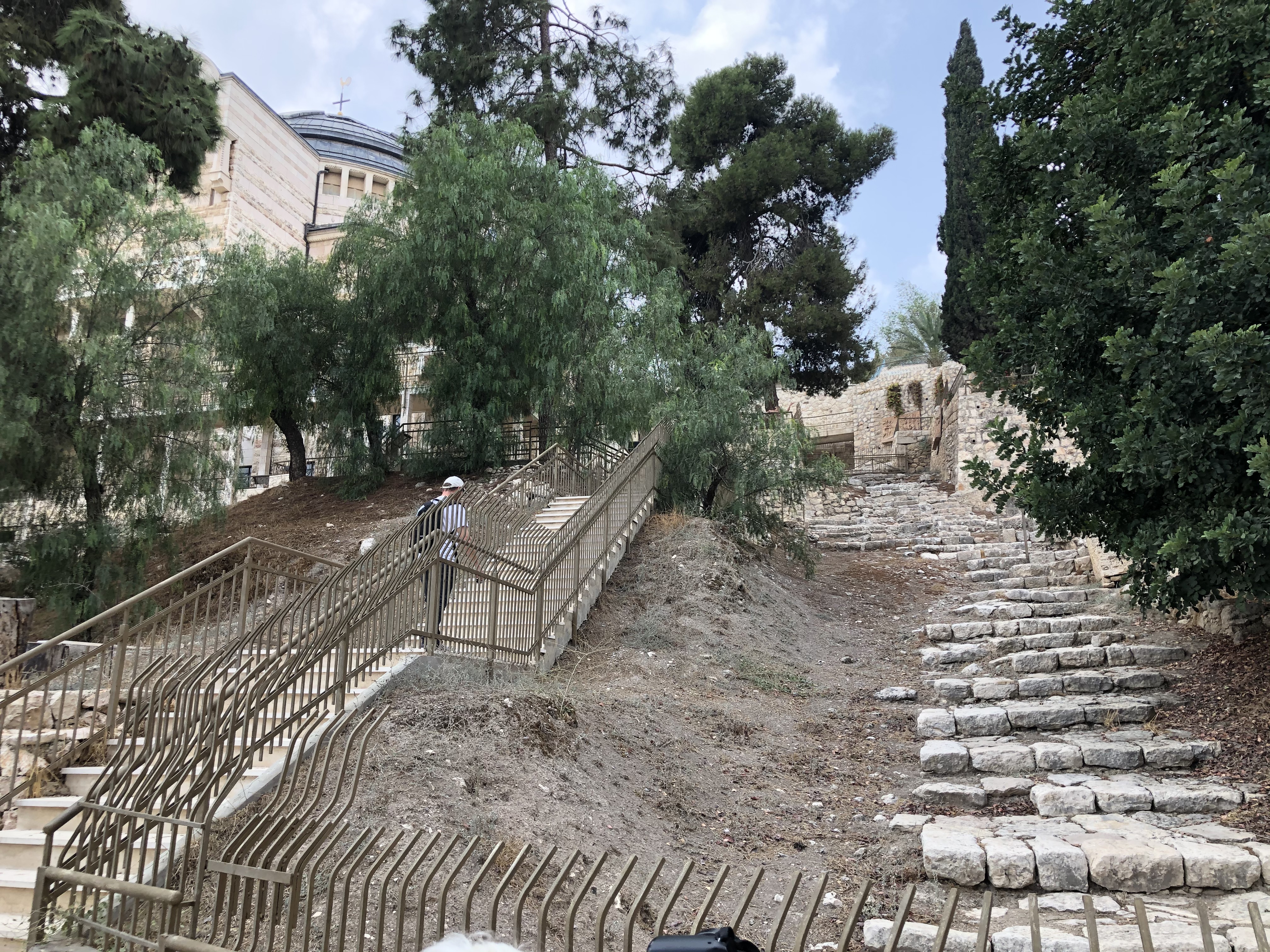
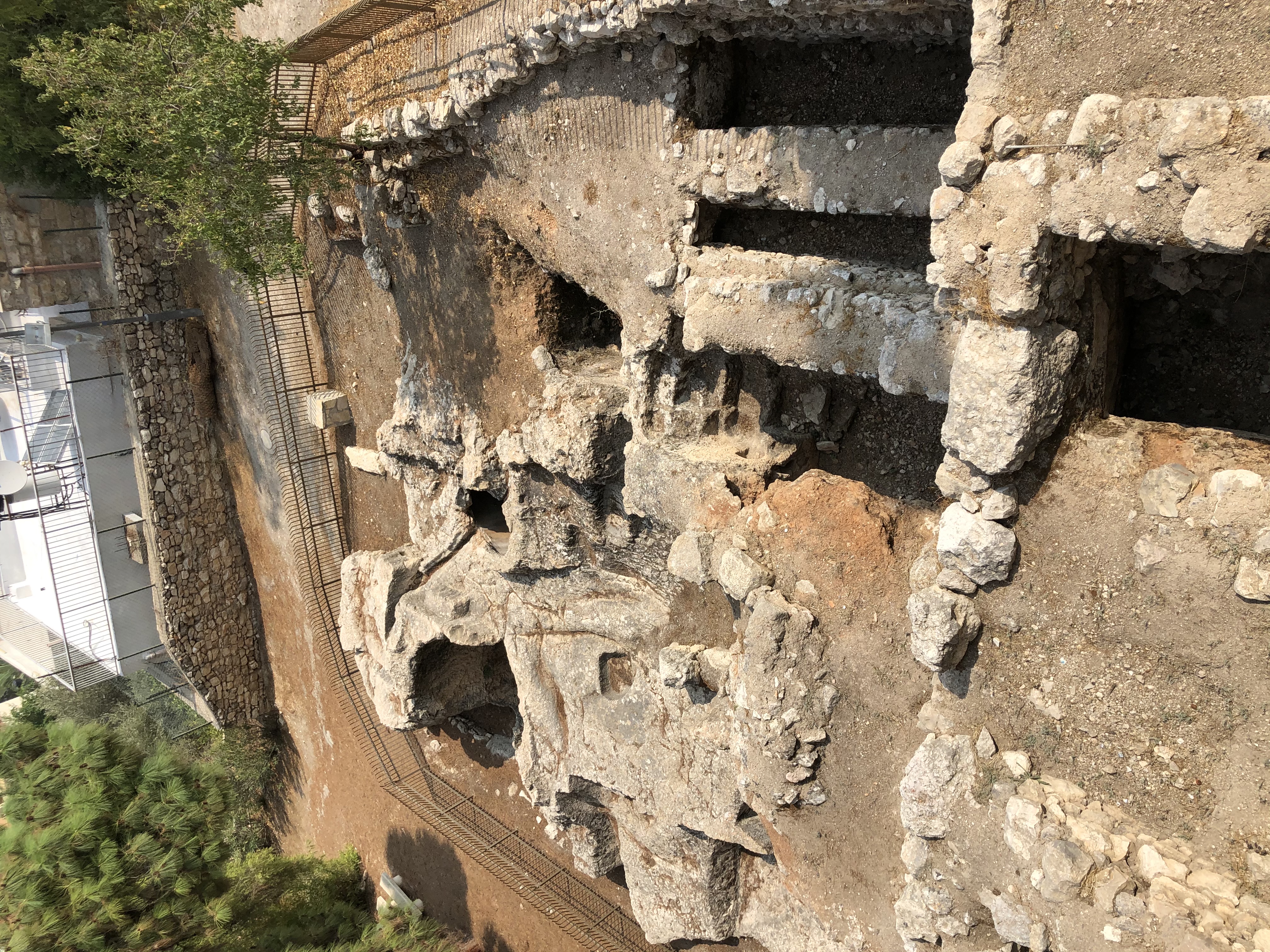
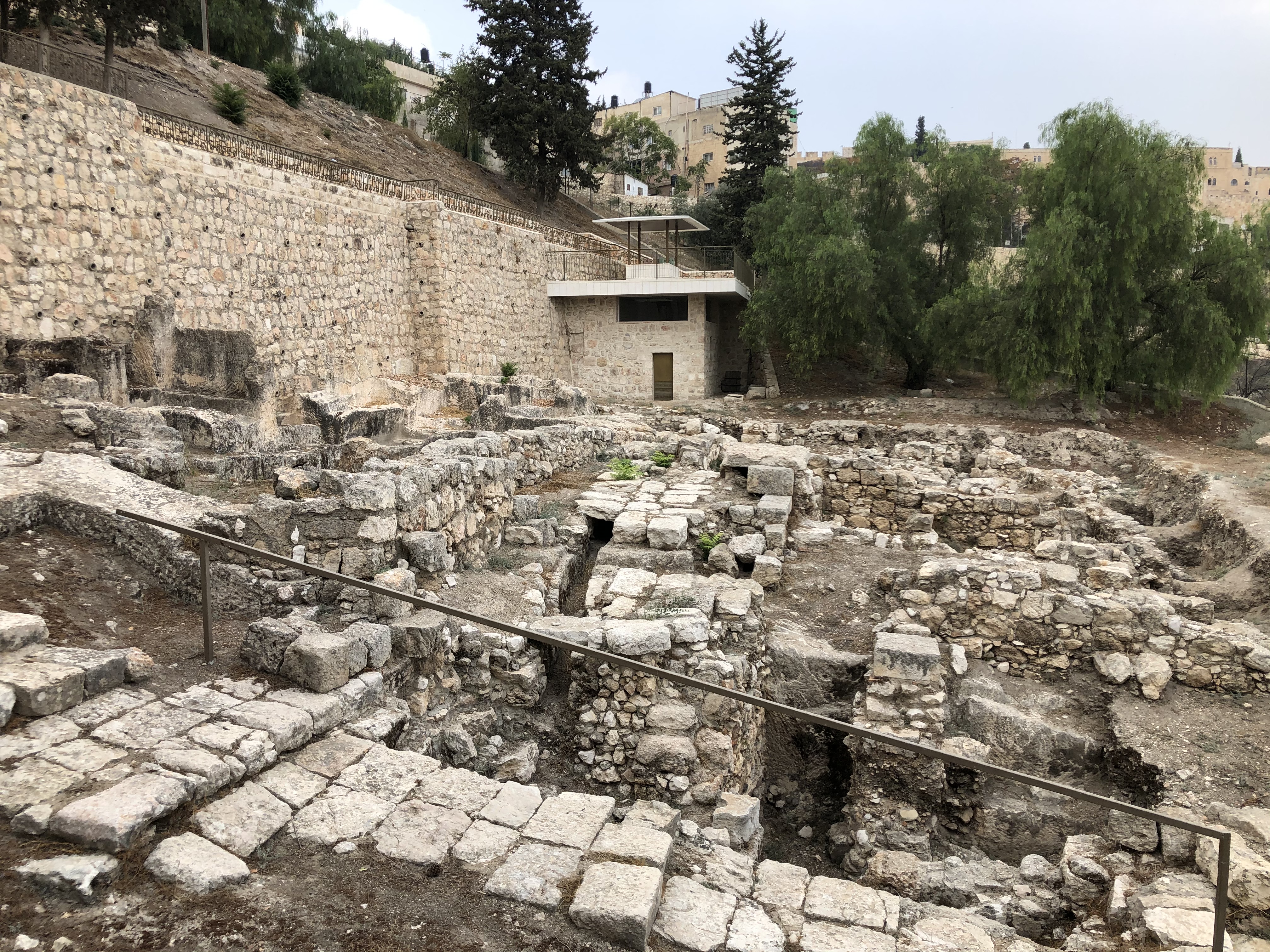
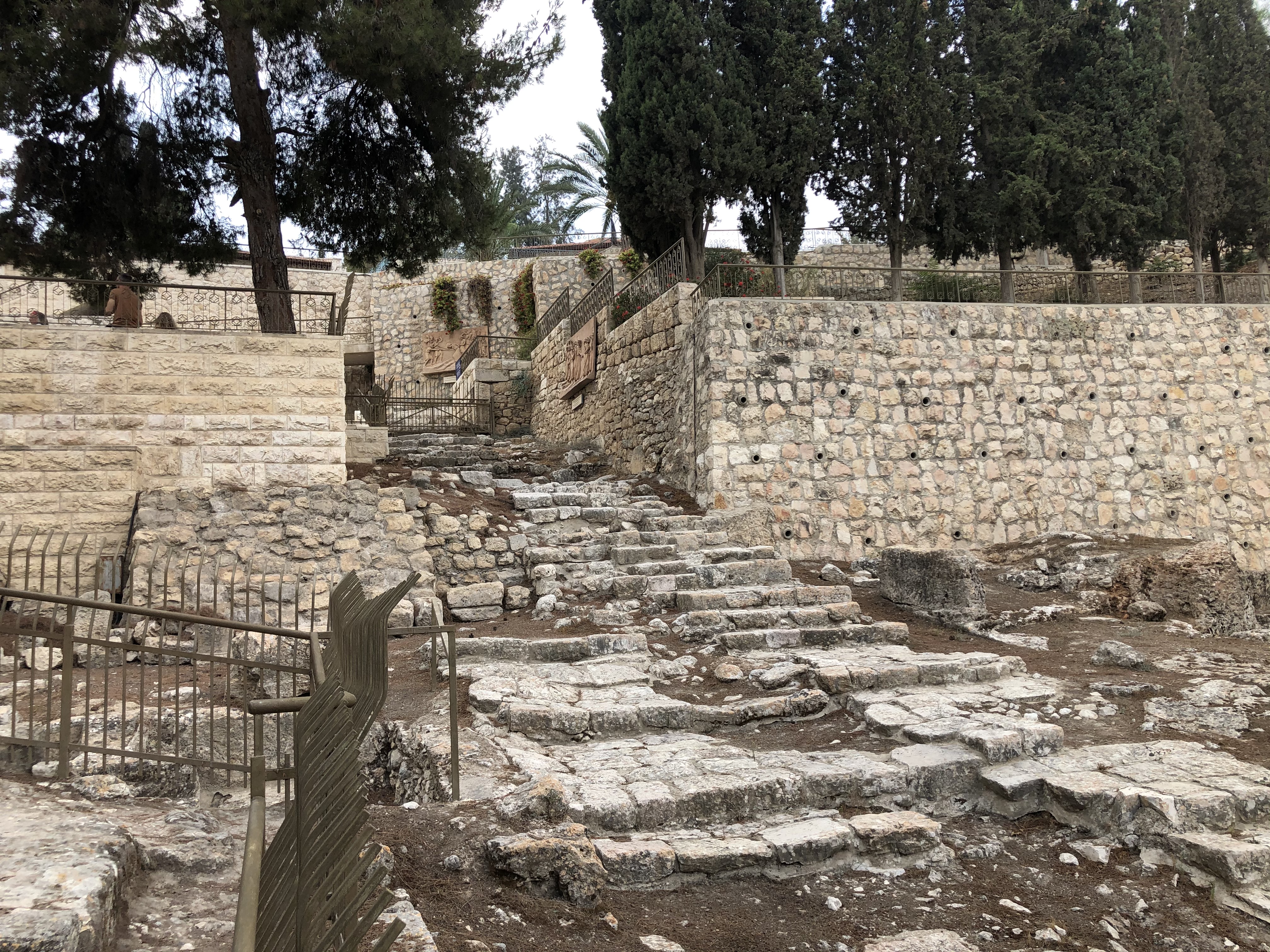
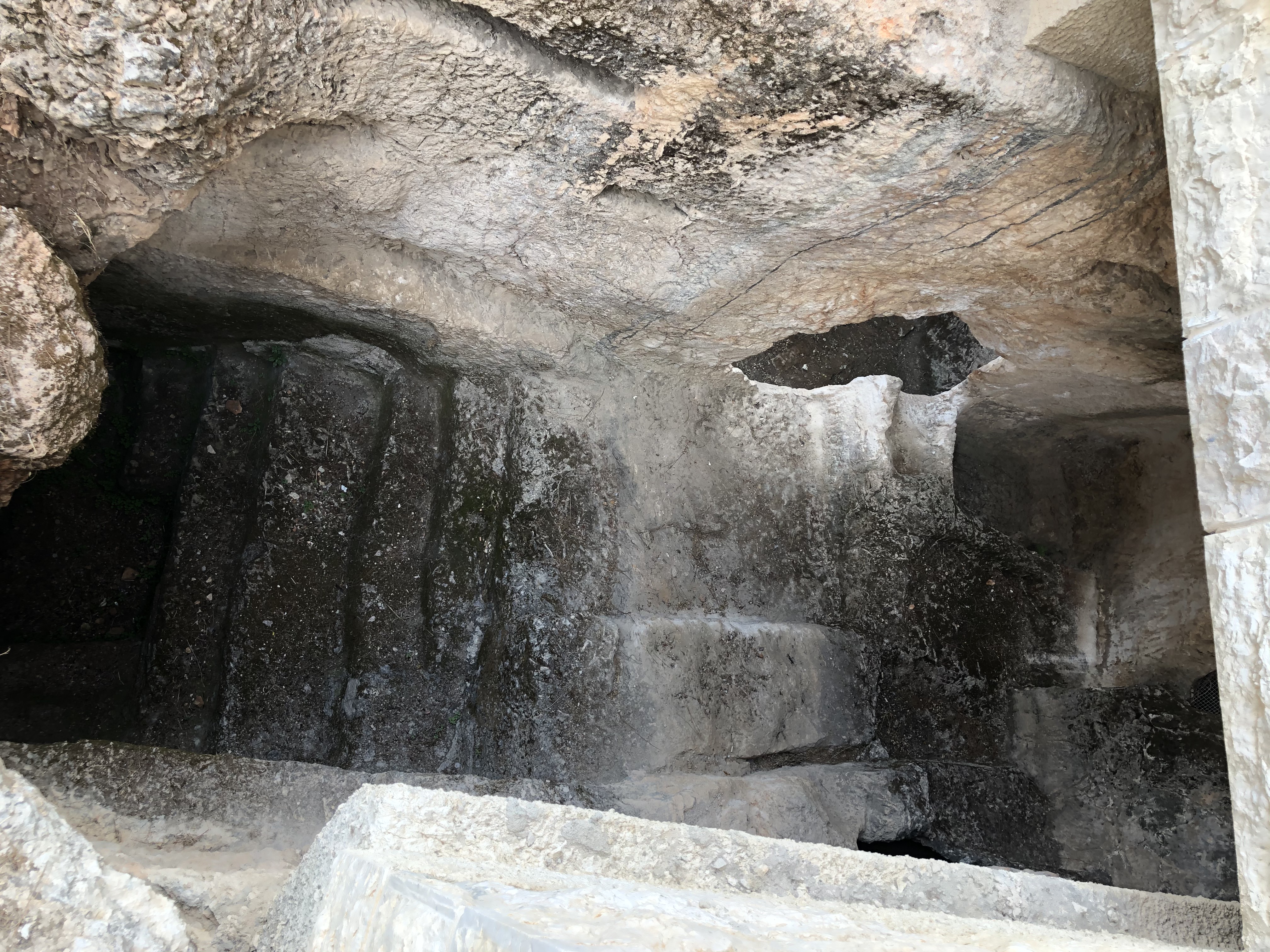
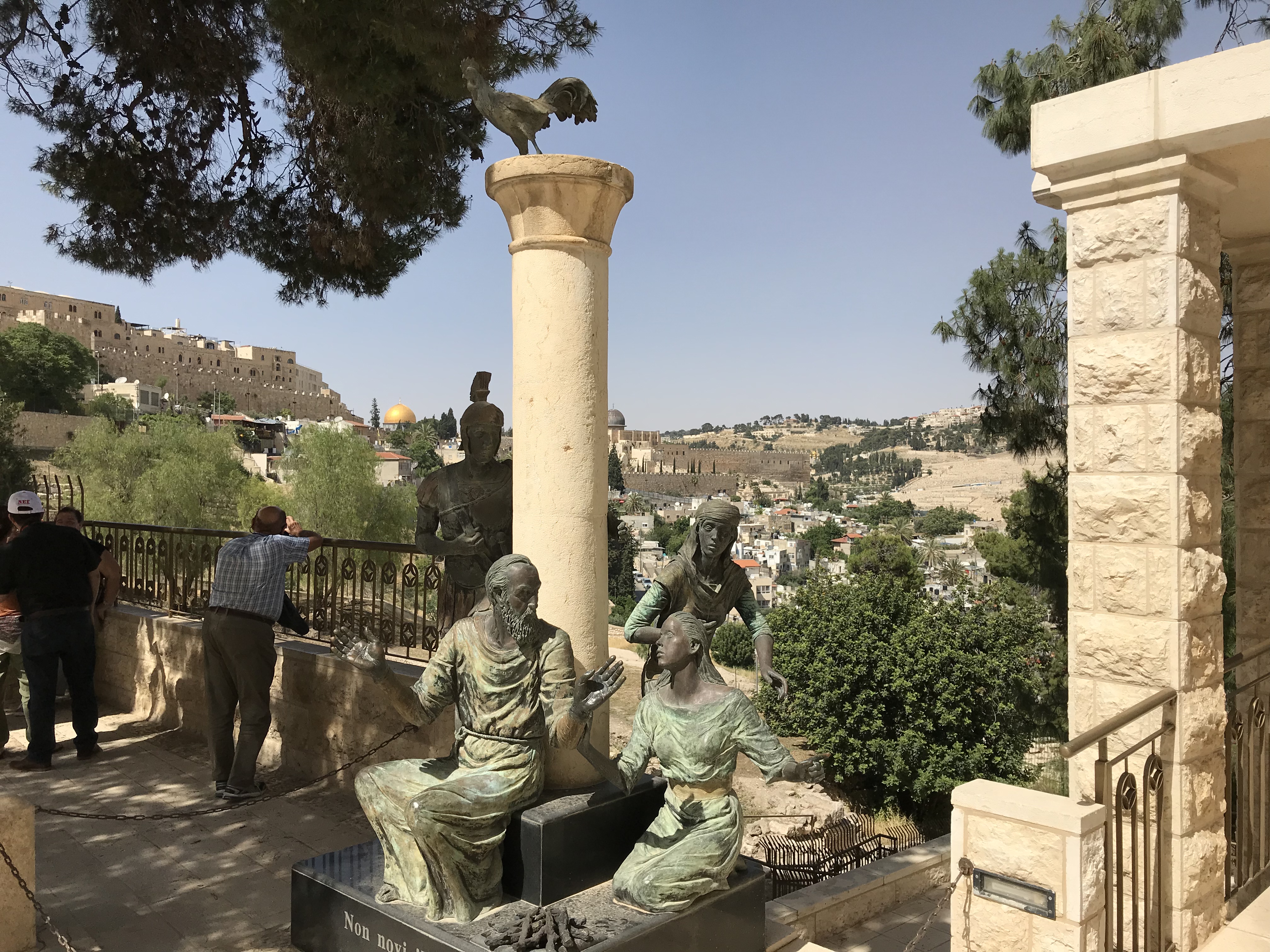
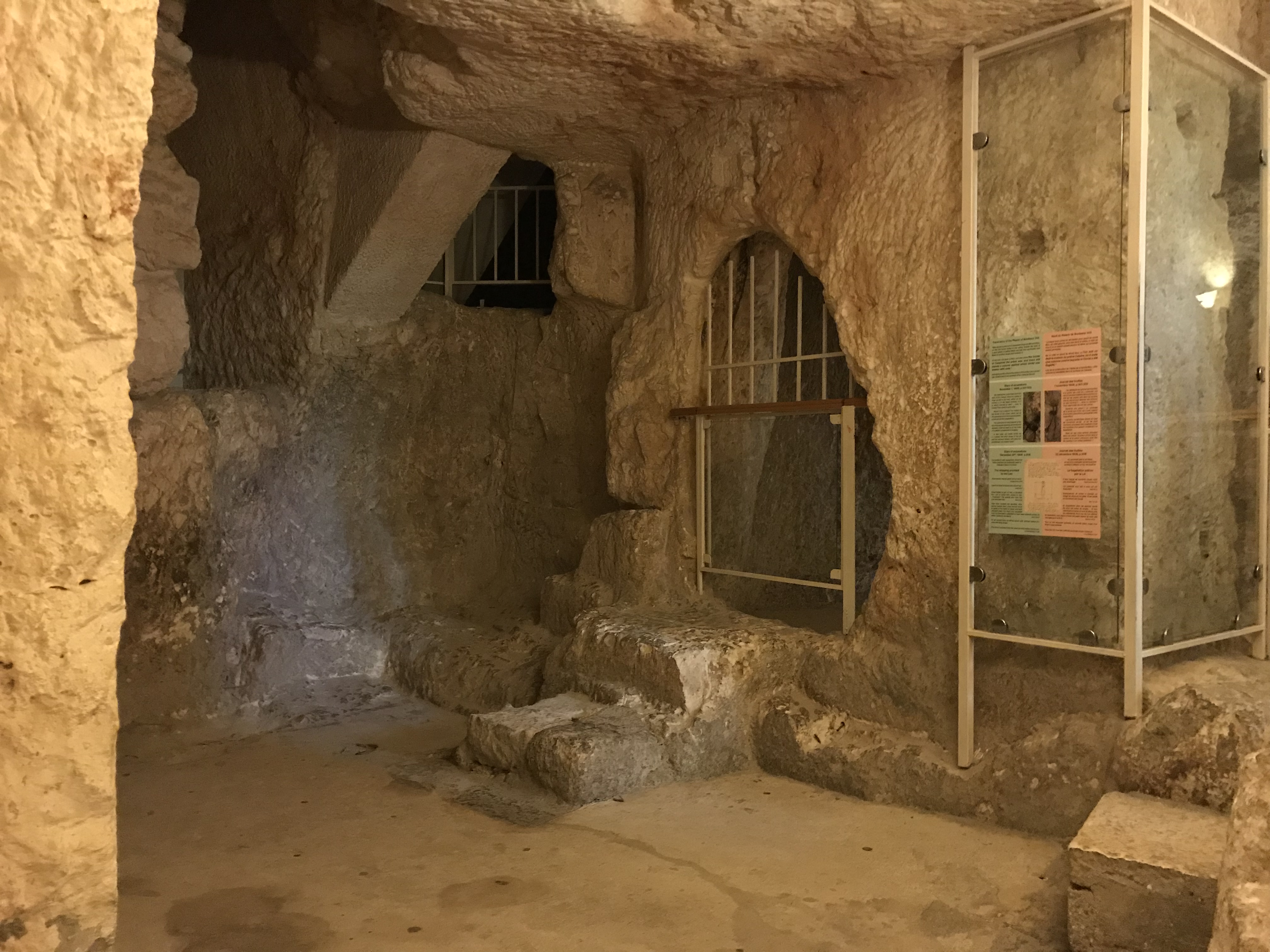
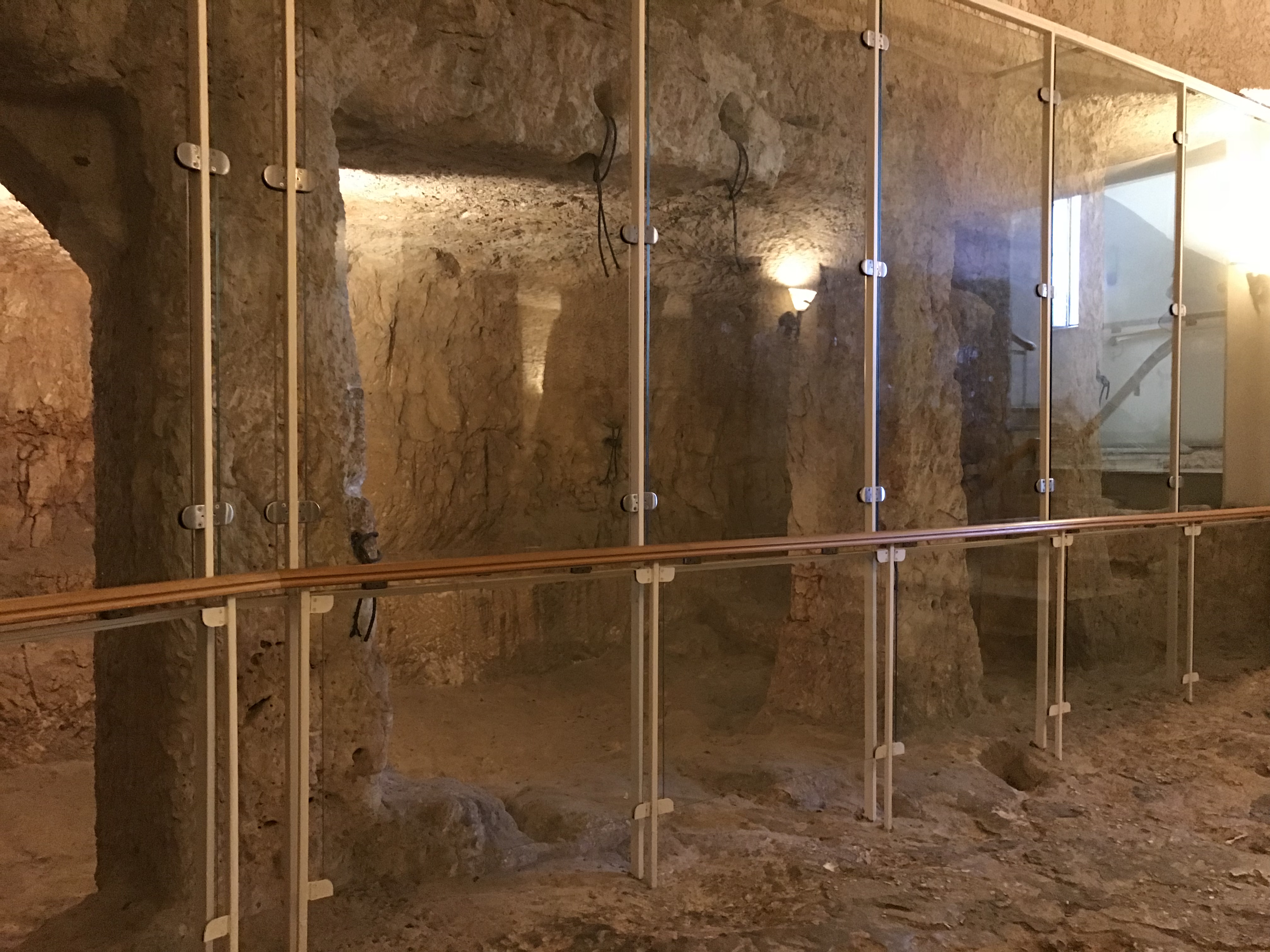
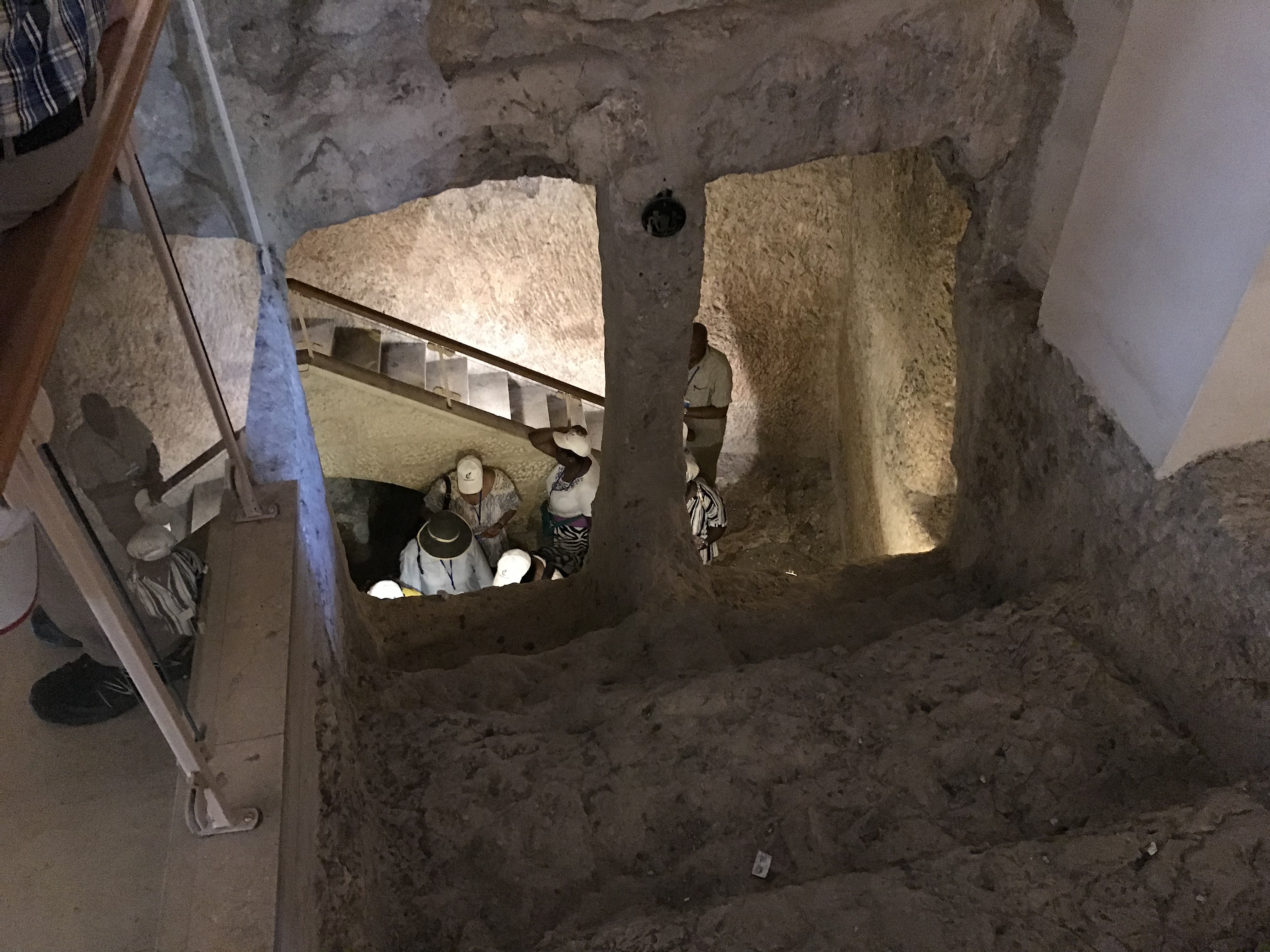
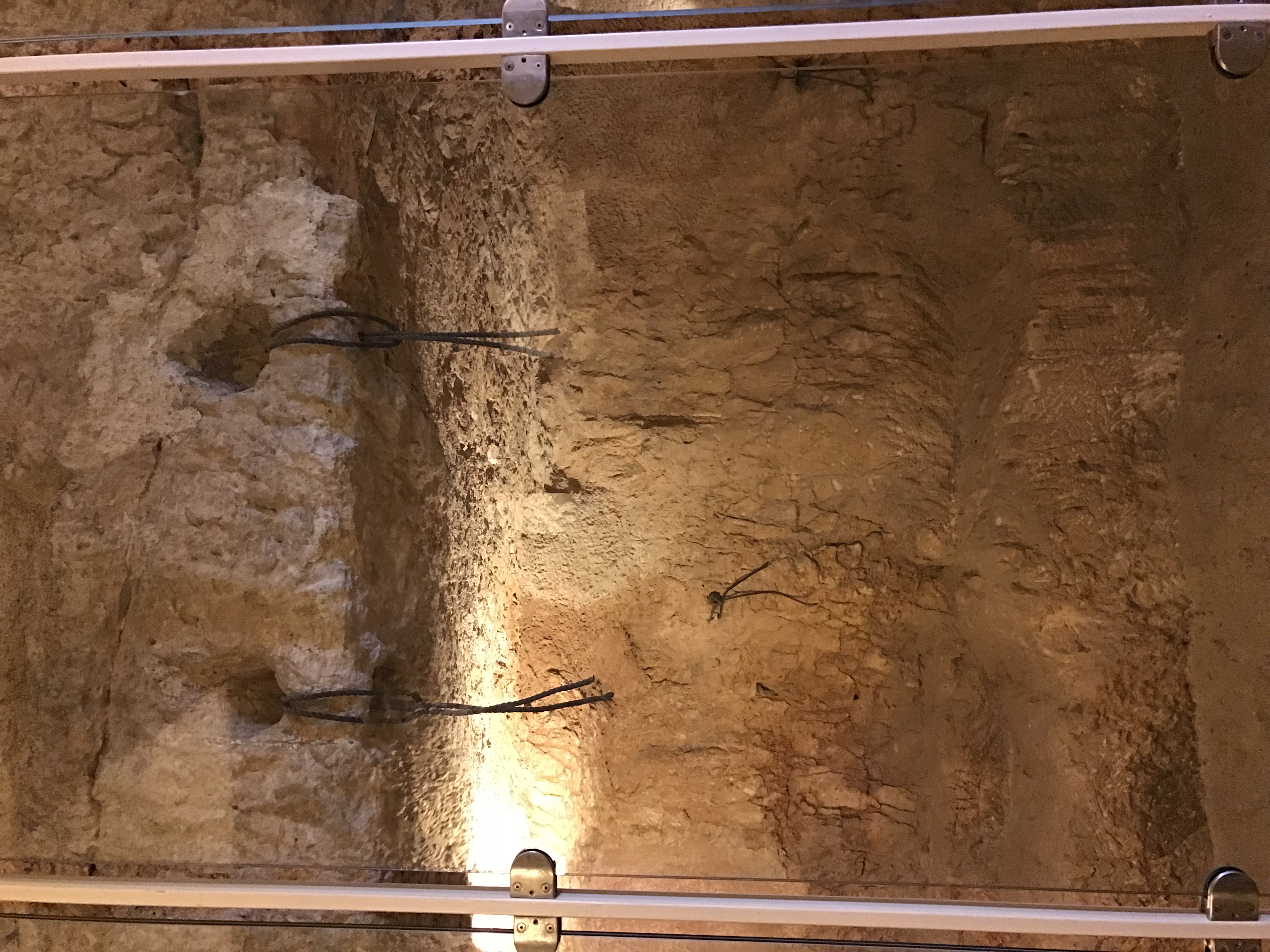
video
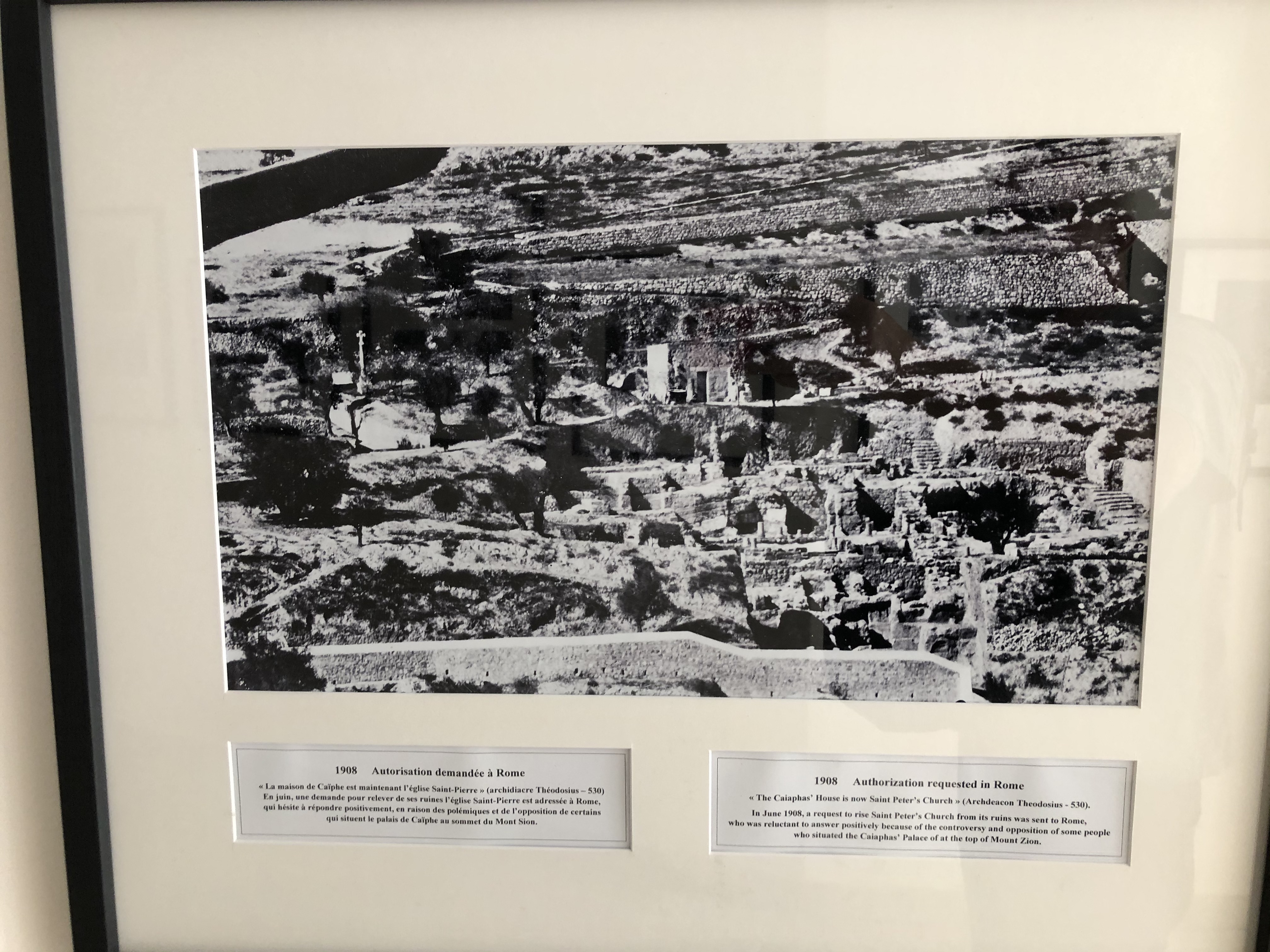
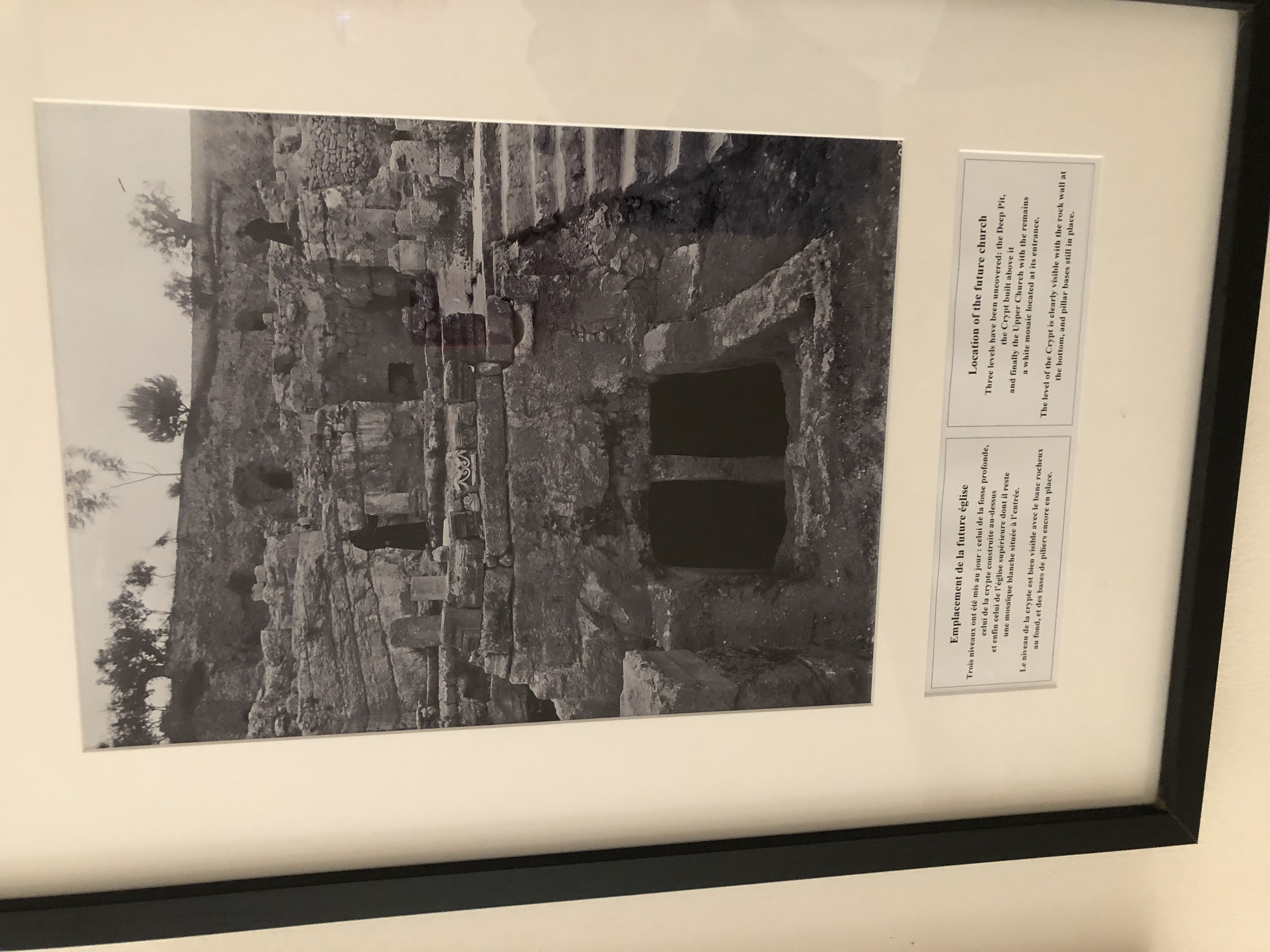
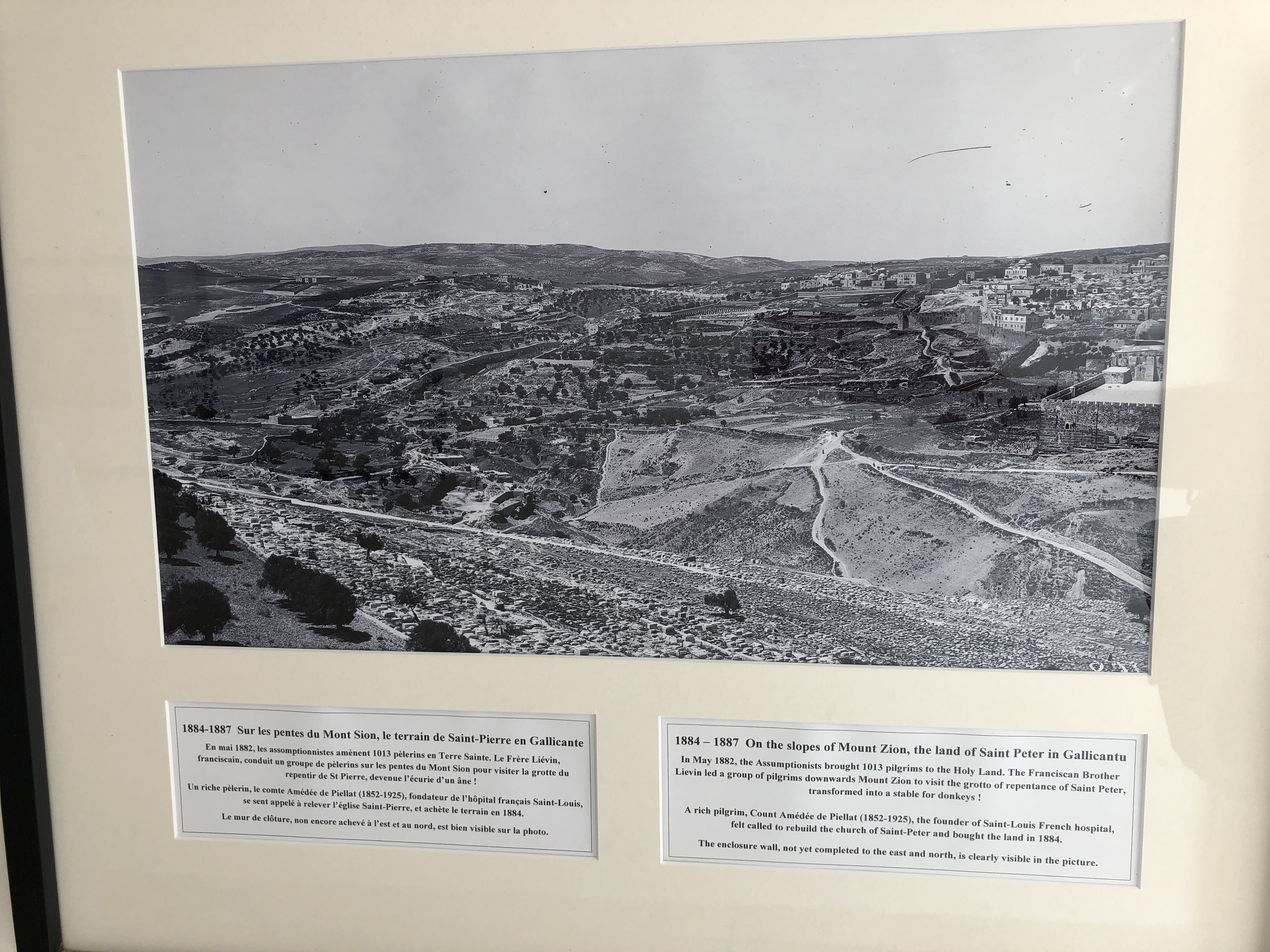
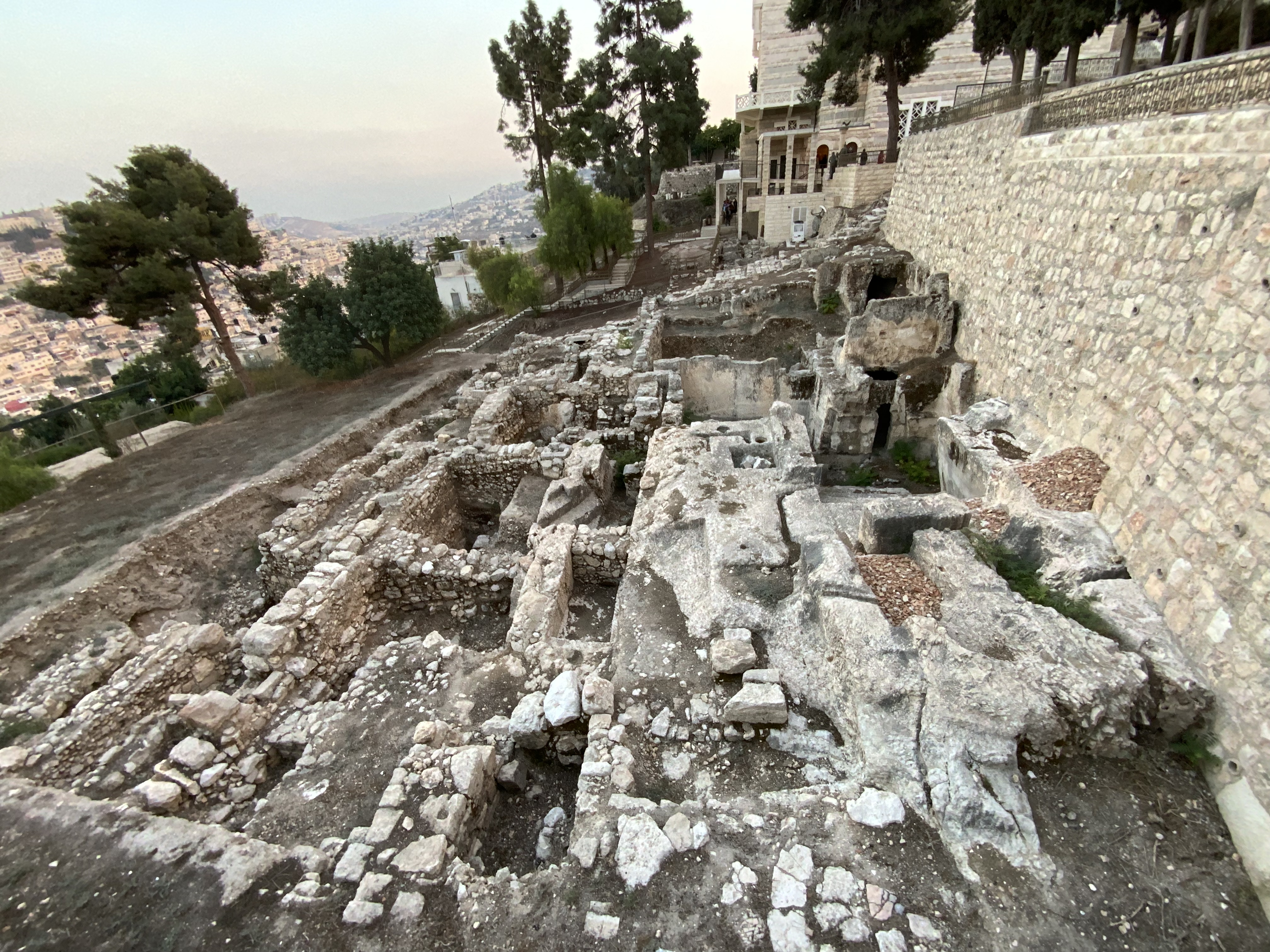
House of Caiaphas: Peter's Denial of Christ, Jerusalem, Israel, Church of Saint Peter in Gallicantu!
Hartë
informacion nga fjalori
High priest
Aaron was the first who was solemnly set apart to this office (Ex 29:7; 30:23; Lev 8:12 ). He wore a peculiar dress, which on his death passed to his successor in office (Ex 29:29; 29:30). Besides those garments which he wore in common with all priests, there were four that were peculiar to himself as high priest:
(1.) The "robe" of the ephod, all of blue, of "woven work," worn immediately under the ephod. It was without seam or sleeves. The hem or skirt was ornamented with pomegranates and golden bells, seventy-two of each in alternate order. The sounding of the bells intimated to the people in the outer court the time when the high priest entered into the holy place to burn incense before the Lord (Ex 28:1etc.).
(2.) The "ephod" consisted of two parts, one of which covered the back and the other the breast, which were united by the "curious girdle." It was made of fine twined linen, and ornamented with gold and purple. Each of the shoulder-straps was adorned with a precious stone, on which the names of the twelve tribes were engraved. This was the high priest's distinctive vestment (1Sam 2:28 ; 14:3; 21:9; 23:6; 23:9; 30:7).
(3.) The "breastplate of judgment" (Ex 28:6-12; 28:25; 39:2-7) of "cunning work." It was a piece of cloth doubled, of one span square. It bore twelve precious stones, set in four rows of three in a row, which constituted the Urim and Thummim (q.v.). These stones had the names of the twelve tribes engraved on them. When the high priest, clothed with the ephod and the breastplate, inquired of the Lord, answers were given in some mysterious way by the Urim and Thummim (1Sam 14:3 ; 14:18; 14:19; 23:2; 23:4; 23:9; 23:11; 23:12; 28:6; 2Sam 5:23 ).
(4.) The "mitre", or upper turban, a twisted band of eight yards of fine linen coiled into a cap, with a gold plate in front, engraved with "Holiness to the Lord," fastened to it by a ribbon of blue.
To the high priest alone it was permitted to enter the holy of holies, which he did only once a year, on the great Day of Atonement, for "the way into the holiest of all was not yet made manifest" (Heb 9:1 etc.; 10:1etc.). Wearing his gorgeous priestly vestments, he entered the temple before all the people, and then, laying them aside and assuming only his linen garments in secret, he entered the holy of holies alone, and made expiation, sprinkling the blood of the sin offering on the mercy seat, and offering up incense. Then resuming his splendid robes, he reappeared before the people (Lev 16:1 etc.). Thus the wearing of these robes came to be identified with the Day of Atonement.
The office, dress, and ministration of the high priest were typical of the priesthood of our Lord (Heb 4:14 ; 7:25; 9:12), etc.
It is supposed that there were in all eighty-three high priests, beginning with Aaron (B.C. 1657) and ending with Phannias (A.D. 70). At its first institution the office of high priest was held for life [but comp. (1Kings 2:27)], and was hereditary in the family of Aaron (Num 3:10 ). The office continued in the line of Eleazar, Aaron's eldest son, for two hundred and ninety-six years, when it passed to Eli, the first of the line of Ithamar, who was the fourth son of Aaron. In this line it continued to Abiathar, whom Solomon deposed, and appointed Zadok, of the family of Eleazar, in his stead (1Kings 2:35), in which it remained till the time of the Captivity. After the Return, Joshua, the son of Josedek, of the family of Eleazar, was appointed to this office. After him the succession was changed from time to time under priestly or political influences.
EBD - Easton's Bible Dictionary