Thebes
lidhje
Street View
fotografit
artefakte
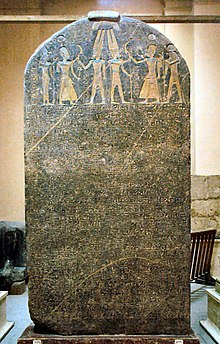
Merneptah Stele
Steleja e Merneptahut, e njohur gjithashtu si Steleja e Izraelit ose Steleja e Fitores së Merneptahut, është një mbishkrim nga Merneptahu, një faraon në Egjiptin e lashtë që sundoi nga viti 1213 deri në 1203 p.e.s. Zbuluar nga Flinders Petrie në Tebë në vitin 1896, ajo tani ndodhet në Muzeun Egjiptian në Kajro.
Teksti është kryesisht një llogari e fitores së Merneptahut mbi libianët e lashtë dhe aleatët e tyre, por tre rreshtat e fundit nga 28 rreshta trajtojnë një fushatë të veçantë në Kanaanin, atëherë pjesë e zotërimeve perandorake të Egjiptit. Ajo ndonjëherë quhet "Steleja e Izraelit" sepse shumica e studiuesve përkthejnë një grup hieroglifesh në rreshtin 27 si "Izrael". Përkthime alternative janë propozuar, por nuk janë gjerësisht të pranuara.
Steleja përfaqëson referencën më të hershme tekstuale për Izraelin dhe referencën e vetme nga Egjipti i lashtë. Ajo është një nga katër mbishkrimet e njohura nga Epoka e Hekurit që datojnë në kohën e Izraelit të lashtë dhe e përmendin atë me emër, me të tjerat që janë Steleja e Mesha, Steleja e Tel Danit dhe Monolitët e Kurkhut. Për rrjedhojë, disa e konsiderojnë Stelejen e Merneptahut si zbulimin më të famshëm të Petrie, një mendim me të cilin edhe vetë Petrie pajtohej.
Wikipdia
Hartë
informacion nga fjalori
No
or No-A'mon, the home of Amon, the name of Thebes, the ancient capital of what is called the Middle Empire, in Upper or Southern Egypt. "The multitude of No" (Jer 46:25 ) is more correctly rendered, as in the Revised Version, "Amon of No", i.e., No, where Jupiter Amon had his temple. In (Ezek 30:14 ; 30:16) it is simply called "No;" but in (Ezek 30:15 ) the name has the Hebrew Hamon prefixed to it, "Hamon No." This prefix is probably the name simply of the god usually styled Amon or Ammon. In (Nah 3:8 ) the "populous No" of the Authorized Version is in the Revised Version correctly rendered "No-Amon."
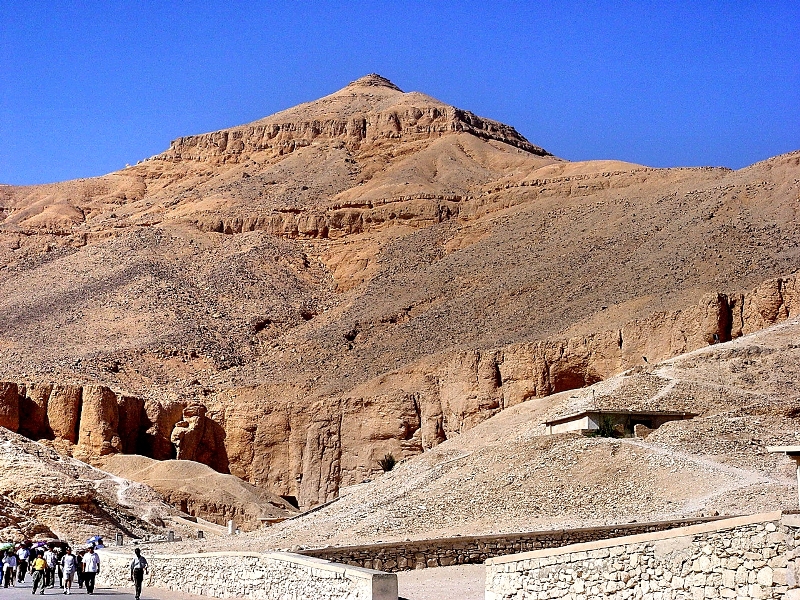
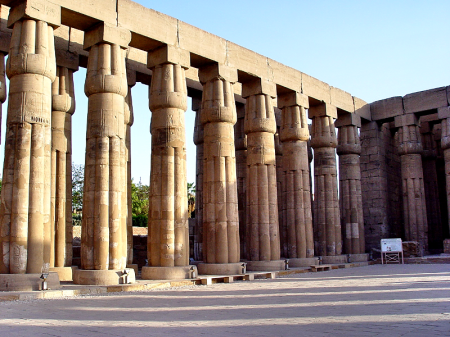
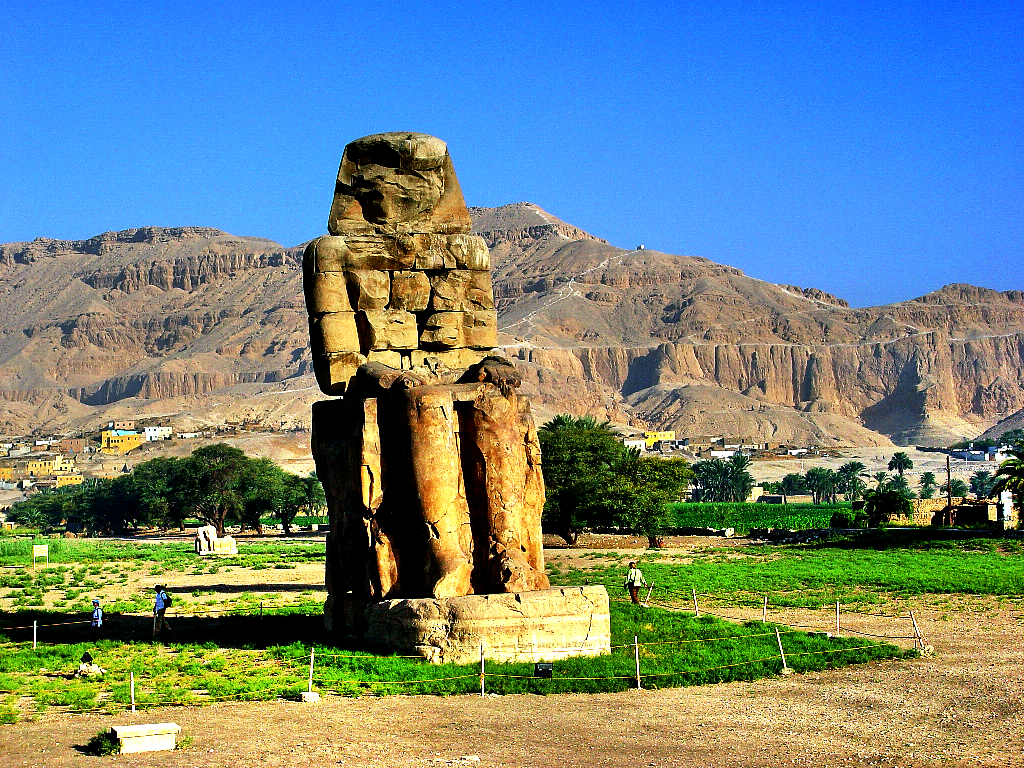
It was the Diospolis or Thebes of the Greeks, celebrated for its hundred gates and its vast population. It stood on both sides of the Nile, and is by some supposed to have included Karnak and Luxor. In grandeur and extent it can only be compared to Nineveh. It is mentioned only in the prophecies referred to, which point to its total destruction. It was first taken by the Assyrians in the time of Sargon (Isa 20:1 etc.). It was afterwards "delivered into the hand" of Nebuchadnezzar and Assurbani-pal (Jer 46:25 ; 46:26). Cambyses, king of the Persians (B.C. 525), further laid it waste by fire. Its ruin was completed (B.C. 81) by Ptolemy Lathyrus. The ruins of this city are still among the most notable in the valley of the Nile. They have formed a great storehouse of interesting historic remains for more than two thousand years.
"As I wandered day after day with ever-growing amazement amongst these relics of ancient magnificence, I felt that if all the ruins in Europe, classical, Celtic, and medieval, were brought together into one centre, they would fall far short both in extent and grandeur of those of this single Egyptian city." Manning, The Land of the Pharaohs.
EBD - Easton's Bible Dictionary