لا، طيبة
روابط
Street View
صور
قطع أثرية
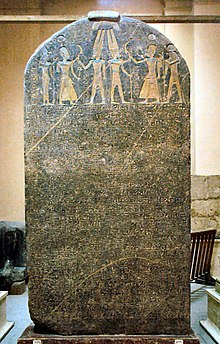
لوحة مرنبتاح
لوحة مرنبتاح، المعروفة أيضًا باسم لوحة إسرائيل أو لوحة نصر مرنبتاح، هي نقش لمرنبتاح، فرعون في مصر القديمة الذي حكم من 1213 إلى 1203 قبل الميلاد. تم اكتشافها بواسطة فليندرز بيتري في طيبة عام 1896، وهي الآن محفوظة في المتحف المصري في القاهرة.
النص هو بشكل كبير سرد لانتصار مرنبتاح على الليبيين القدماء وحلفائهم، ولكن الثلاثة أسطر الأخيرة من الـ 28 سطرًا تتناول حملة منفصلة في كنعان، التي كانت آنذاك جزءًا من ممتلكات مصر الإمبراطورية. يُشار إليها أحيانًا باسم "لوحة إسرائيل" لأن غالبية العلماء يترجمون مجموعة من الهيروغليفية في السطر 27 على أنها "إسرائيل". تم تقديم ترجمات بديلة لكنها لم تحظ بقبول واسع.
تمثل اللوحة أقدم إشارة نصية إلى إسرائيل والوحيدة من مصر القديمة. إنها واحدة من أربع نقوش معروفة من العصر الحديدي التي تعود إلى زمن وتذكر إسرائيل القديمة بالاسم، مع النقوش الأخرى وهي لوحة ميشع، لوحة تل دان، وكتابات كورخ. وبالتالي، يعتبر البعض أن لوحة مرنبتاح هي أشهر اكتشافات بيتري، وهو رأي وافق عليه بيتري نفسه.
ويكيبيديا
خريطة
معلومات من القاموس
No
or No-A'mon, the home of Amon, the name of Thebes, the ancient capital of what is called the Middle Empire, in Upper or Southern Egypt. "The multitude of No" (Jer 46:25) is more correctly rendered, as in the Revised Version, "Amon of No", i.e., No, where Jupiter Amon had his temple. In (Ezek 30:14; 30:16) it is simply called "No;" but in (Ezek 30:15) the name has the Hebrew Hamon prefixed to it, "Hamon No." This prefix is probably the name simply of the god usually styled Amon or Ammon. In (Nah 3:8) the "populous No" of the Authorized Version is in the Revised Version correctly rendered "No-Amon."
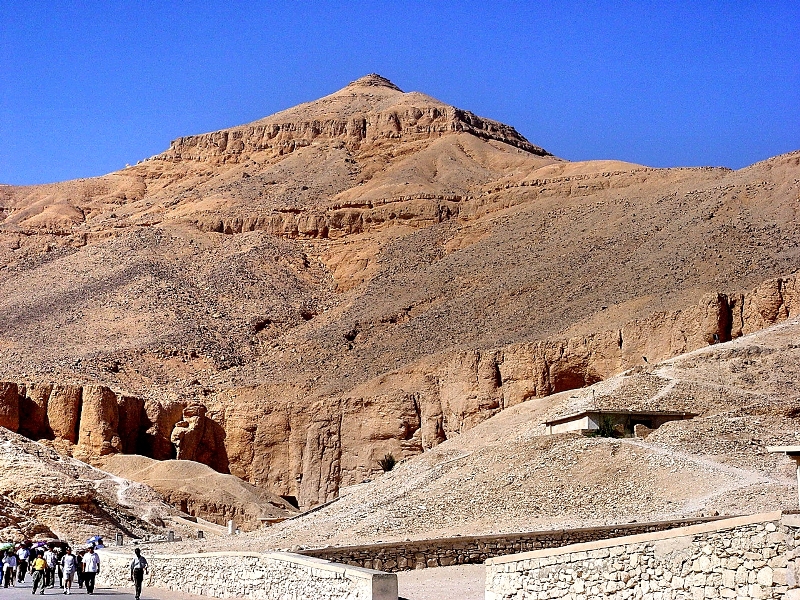
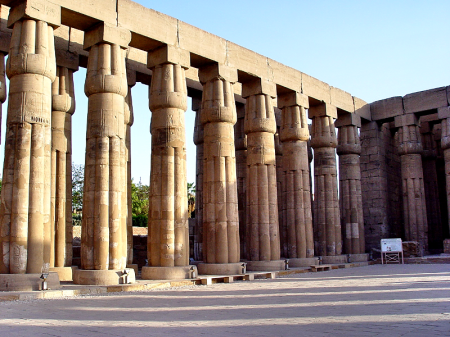
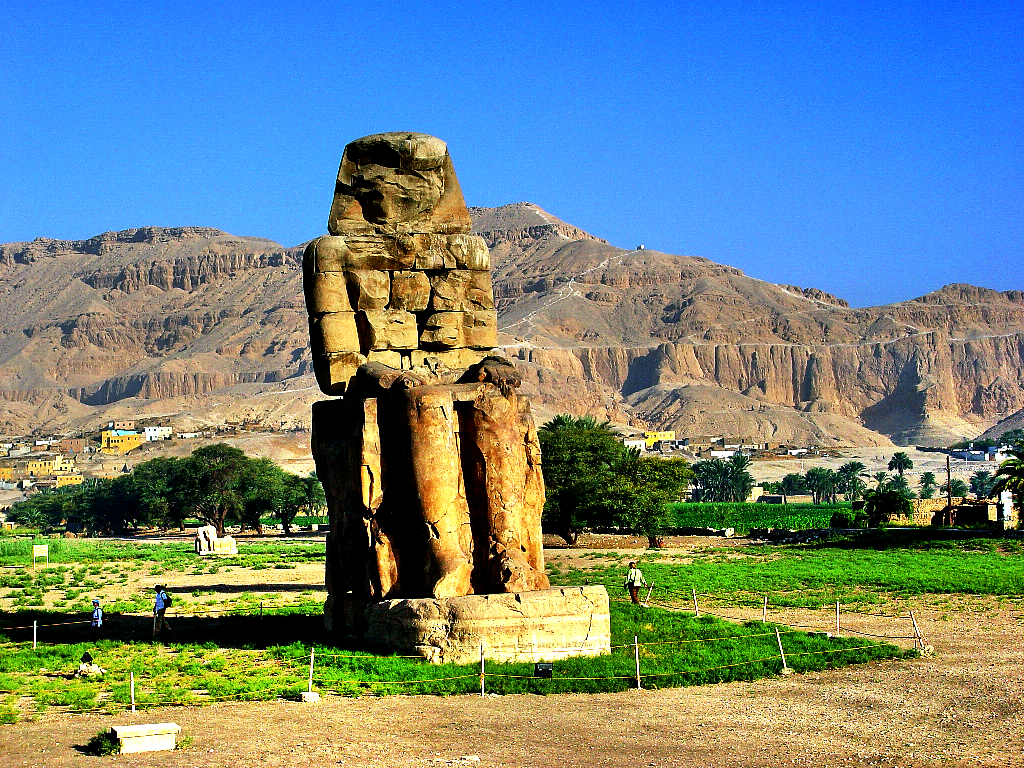
It was the Diospolis or Thebes of the Greeks, celebrated for its hundred gates and its vast population. It stood on both sides of the Nile, and is by some supposed to have included Karnak and Luxor. In grandeur and extent it can only be compared to Nineveh. It is mentioned only in the prophecies referred to, which point to its total destruction. It was first taken by the Assyrians in the time of Sargon (Isa 20:1etc.). It was afterwards "delivered into the hand" of Nebuchadnezzar and Assurbani-pal (Jer 46:25; 46:26). Cambyses, king of the Persians (B.C. 525), further laid it waste by fire. Its ruin was completed (B.C. 81) by Ptolemy Lathyrus. The ruins of this city are still among the most notable in the valley of the Nile. They have formed a great storehouse of interesting historic remains for more than two thousand years.
"As I wandered day after day with ever-growing amazement amongst these relics of ancient magnificence, I felt that if all the ruins in Europe, classical, Celtic, and medieval, were brought together into one centre, they would fall far short both in extent and grandeur of those of this single Egyptian city." Manning, The Land of the Pharaohs.
EBD - Easton's Bible Dictionary