Dan
Popis
Odkazy
Street View
Obrázky
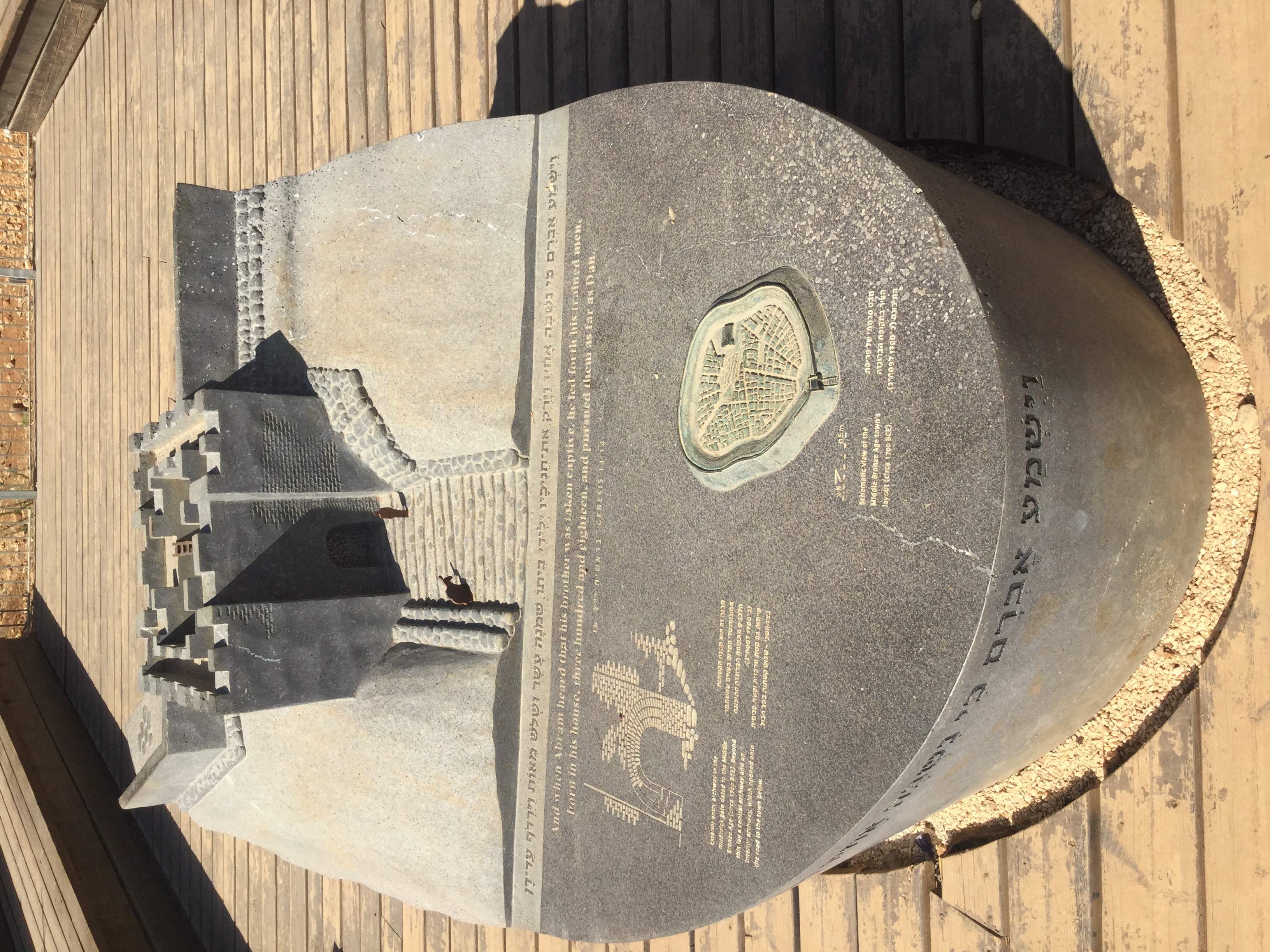
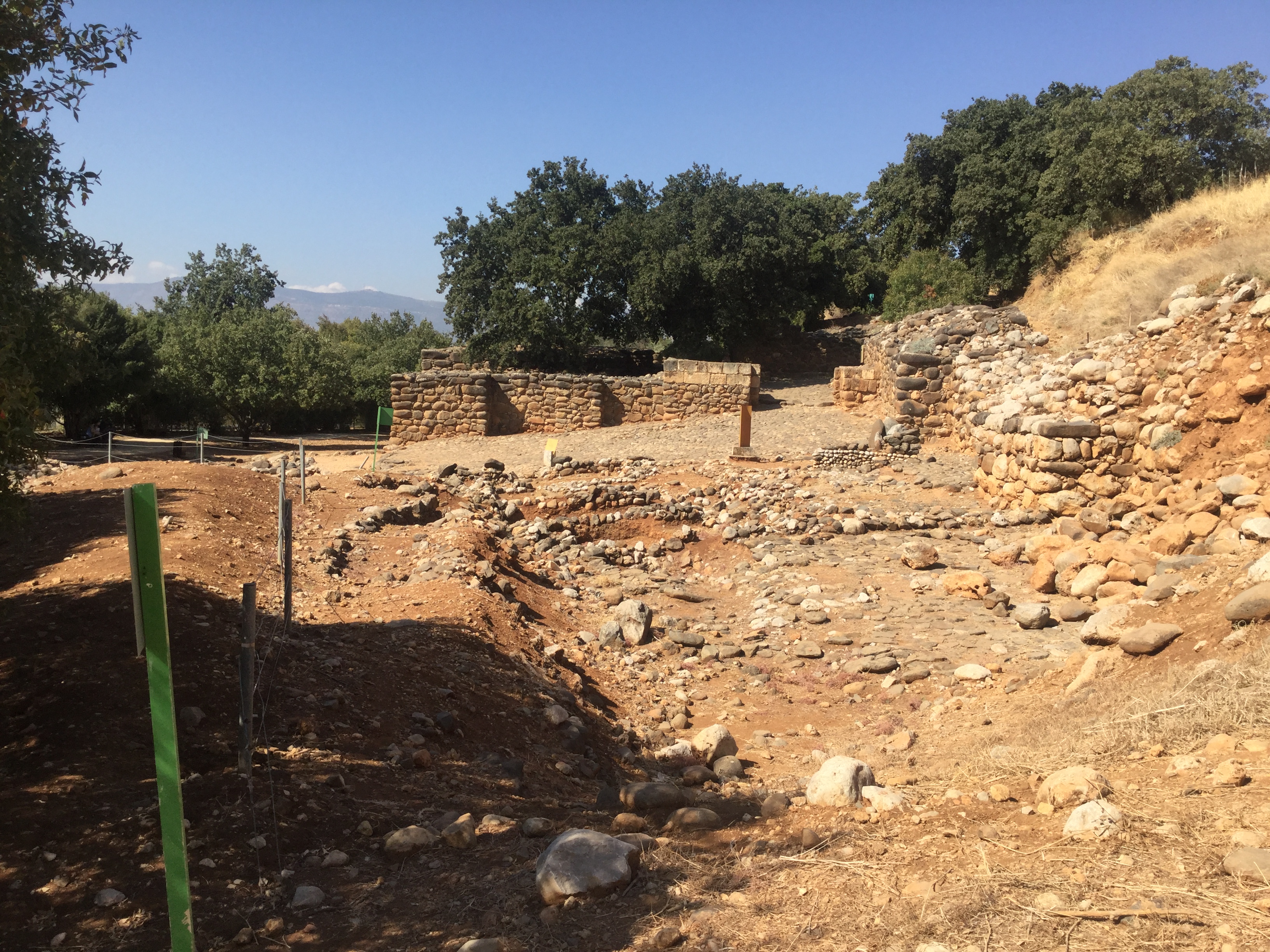
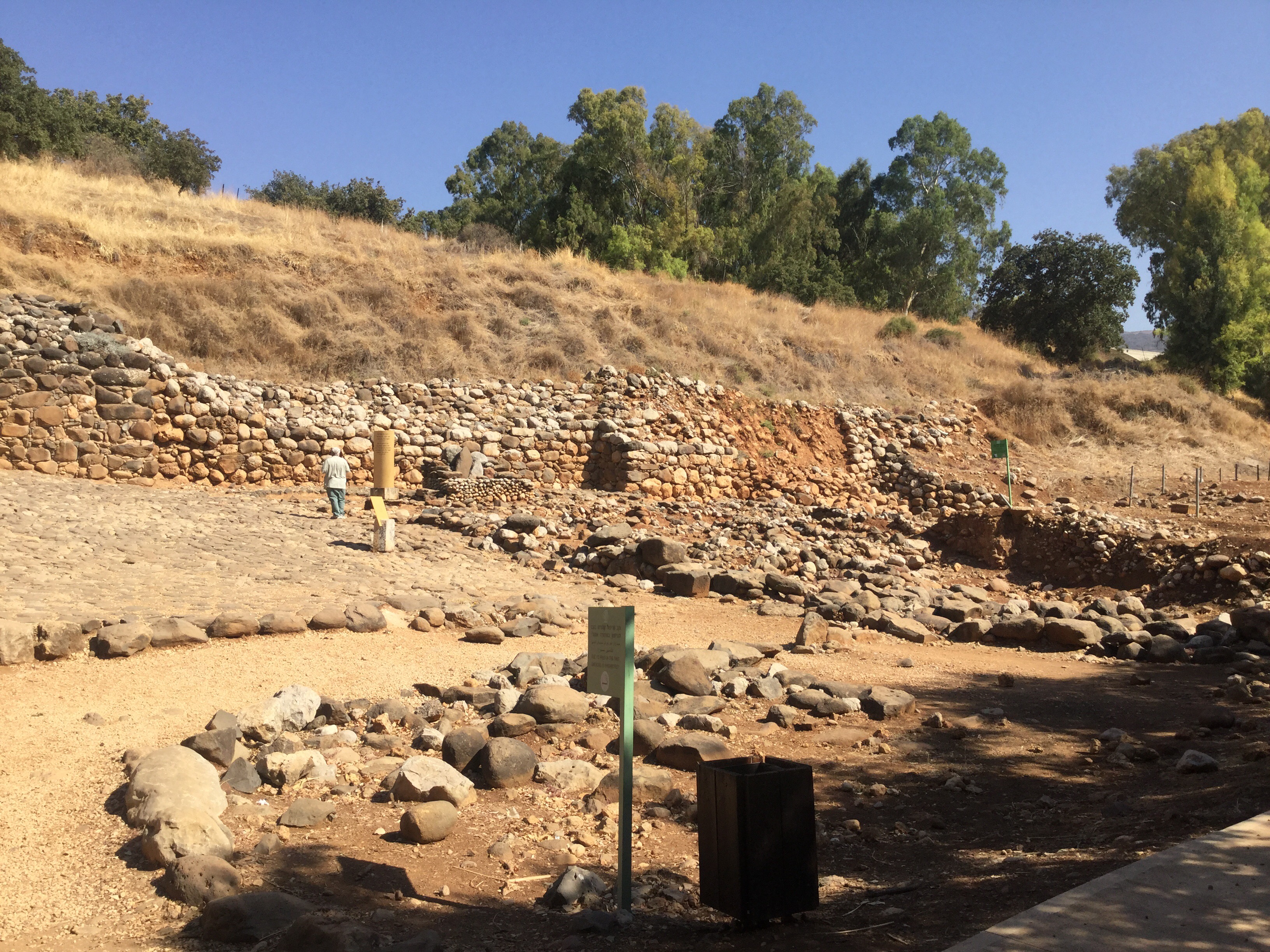
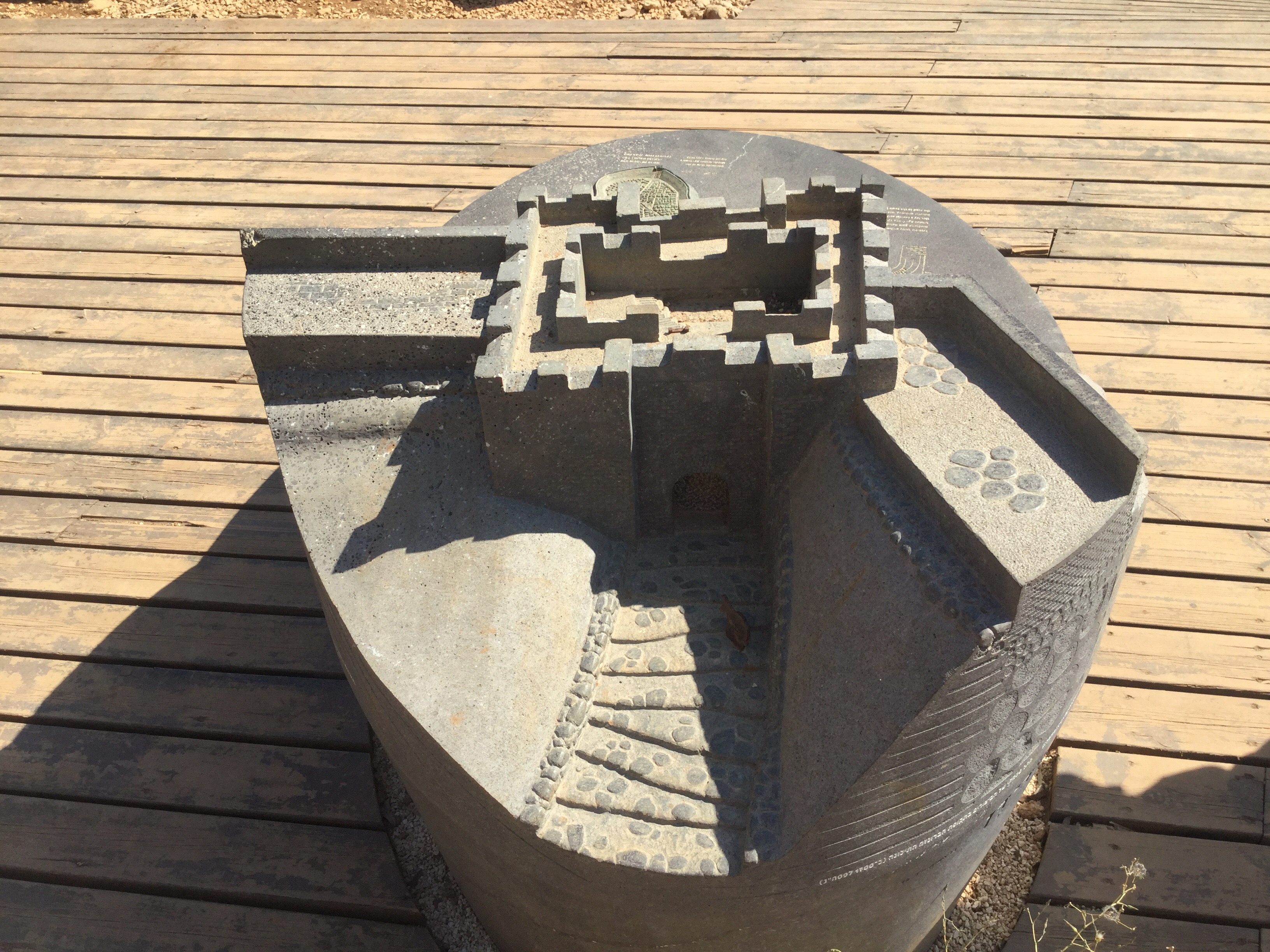
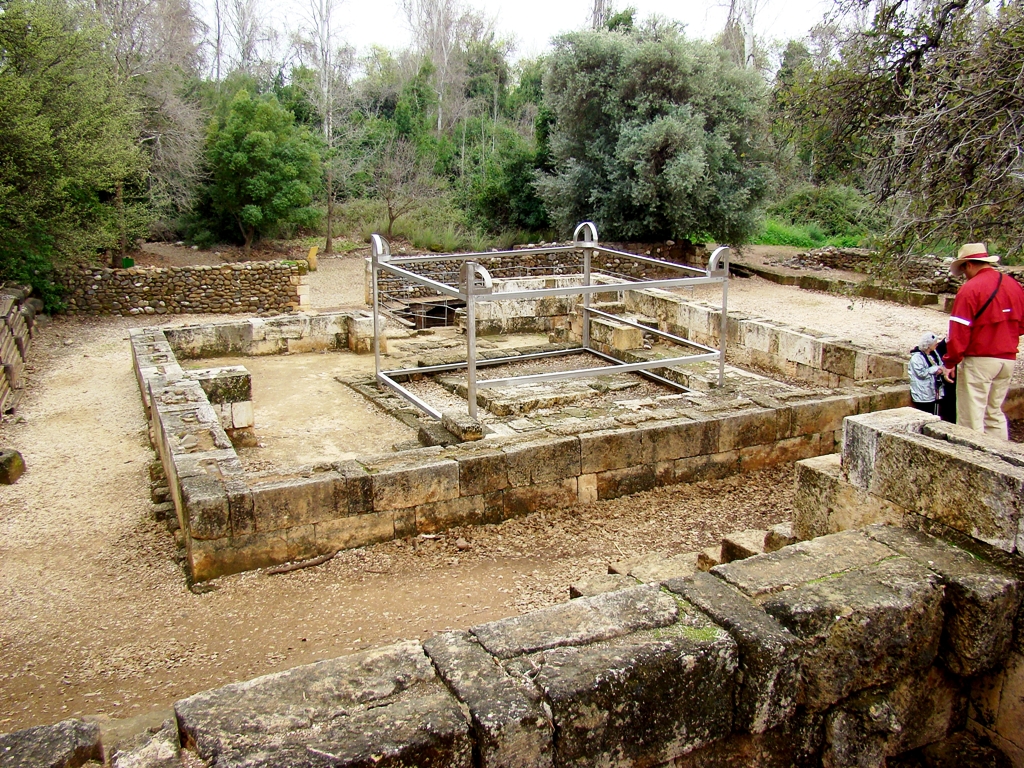
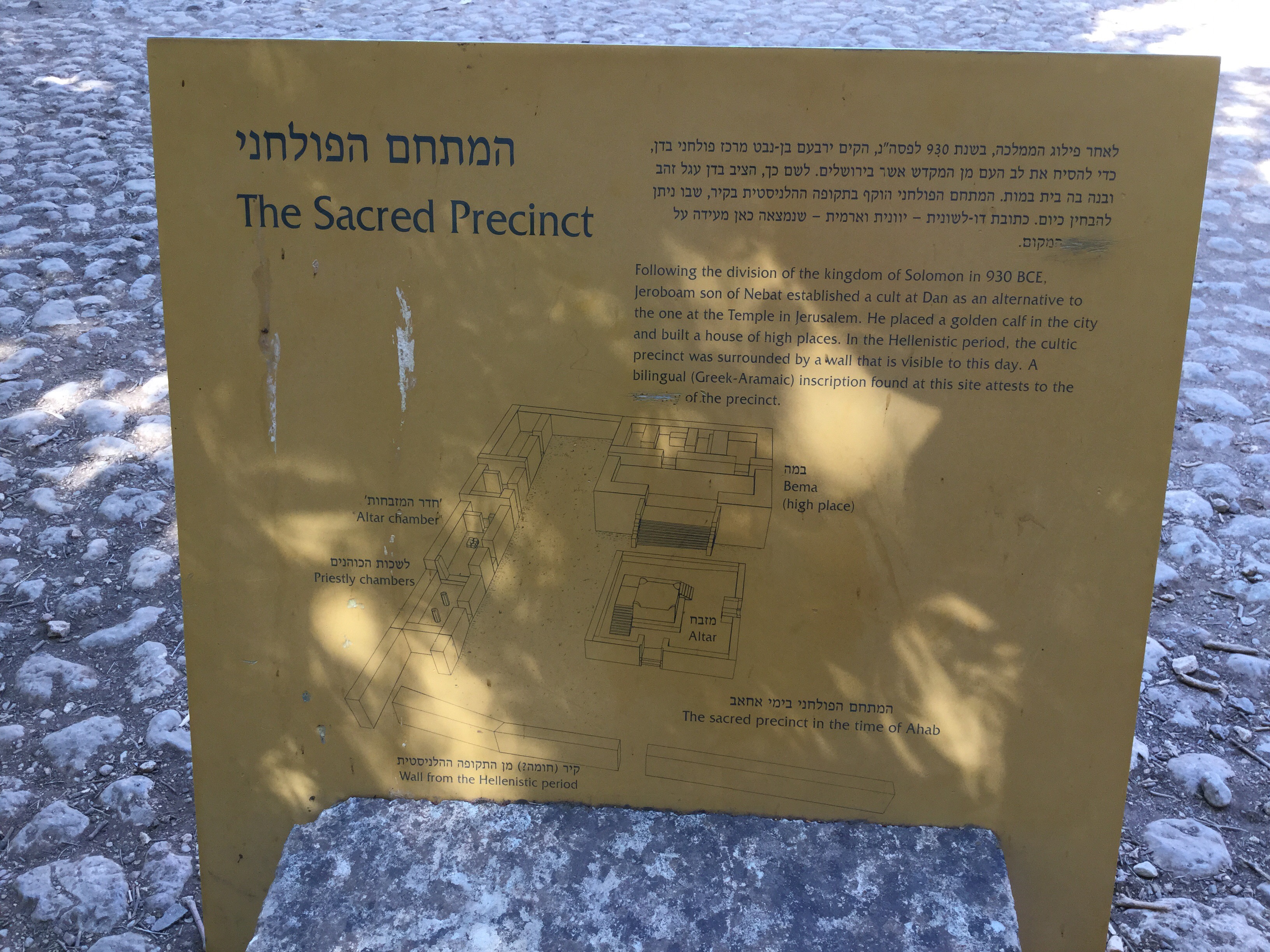
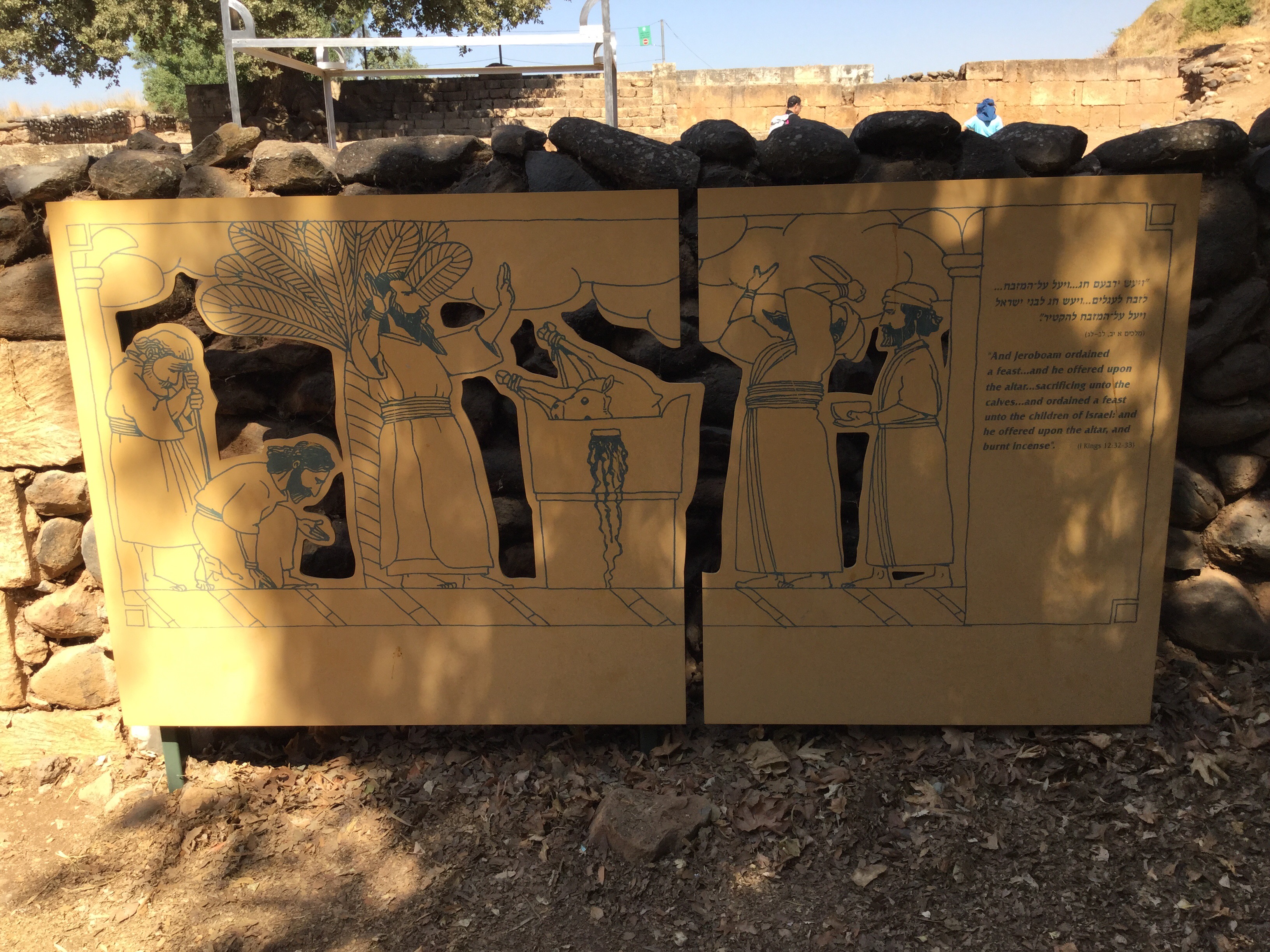
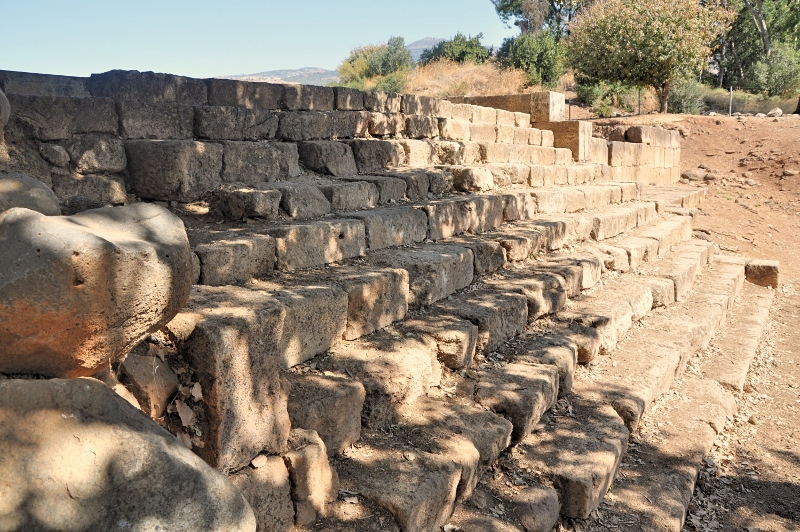
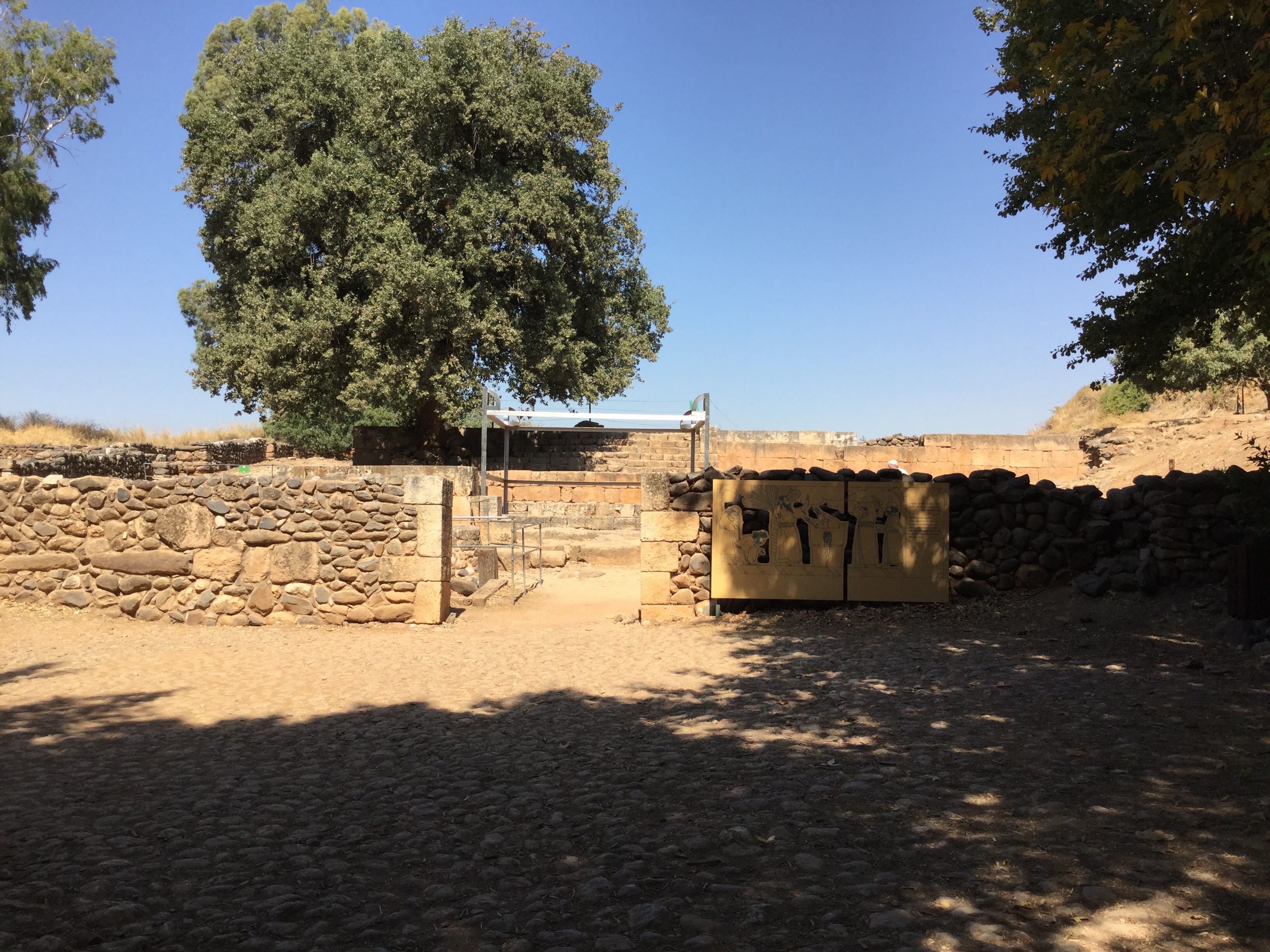
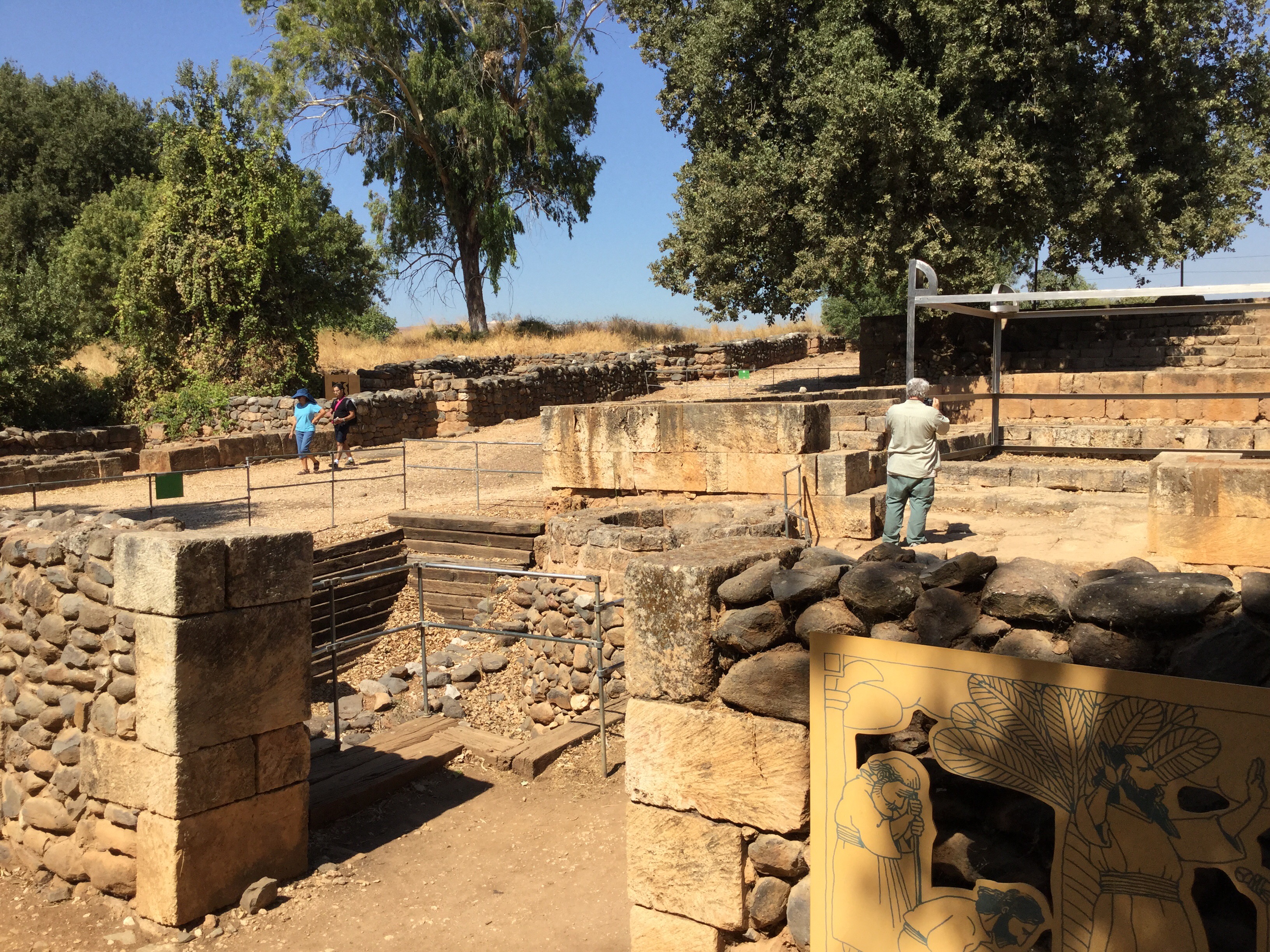
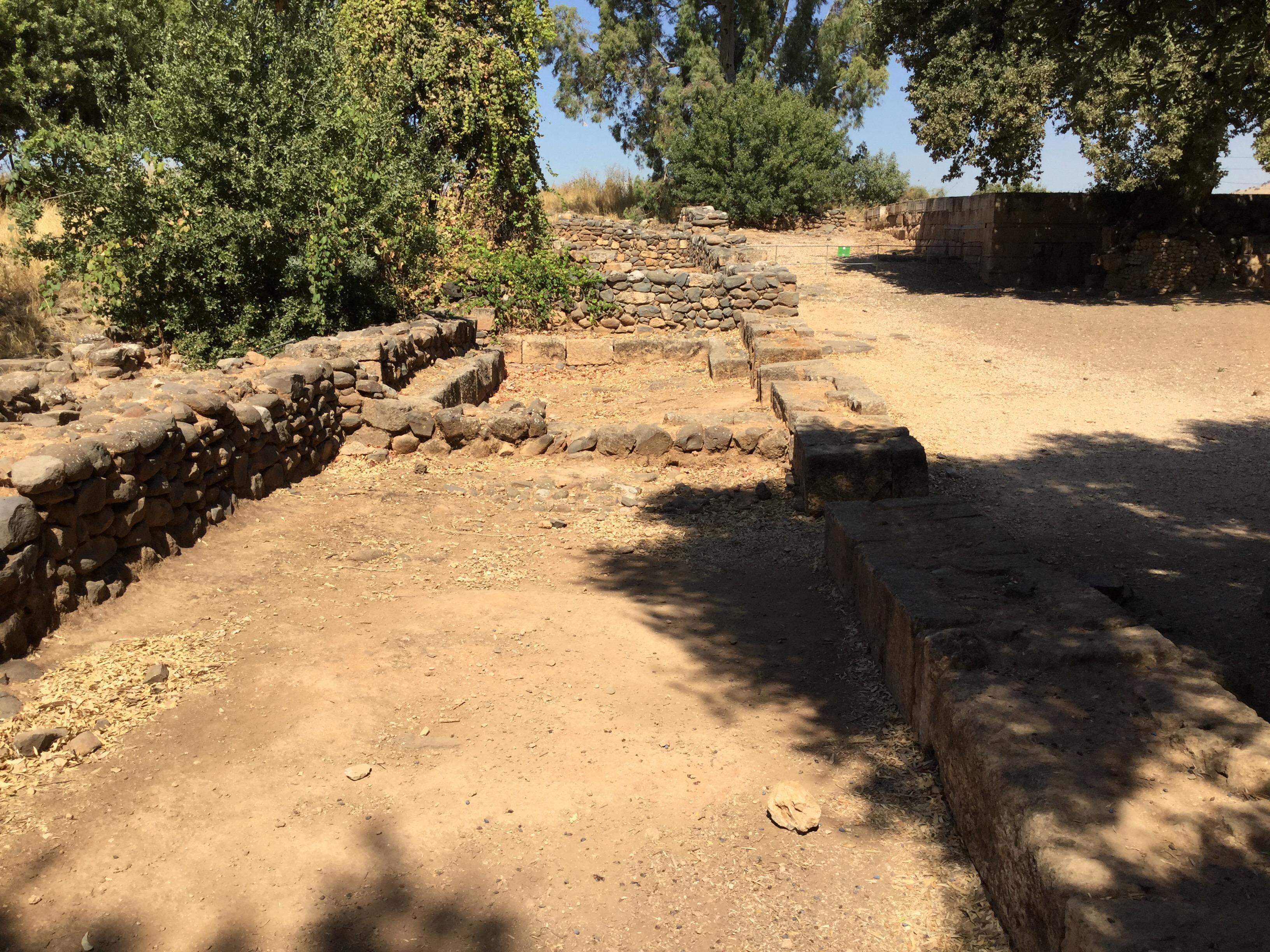
Videa
Tel Dan Tour, Israel: Fall of Northern 10 Tribes of Israel, Jeroboam Golden Calf Altar
Tel Dan Tour, Israel: Part 1: Fall of the Northern 10 Tribes of Israel, Jeroboam's Golden Calf Altar
Tel Dan Tour, Israel: Part 2: Fall of the Northern 10 Tribes of Israel, Jeroboam's Golden Calf Altar
The Tel Dan Stele: A Good Answers Ministries Christian Apologetics Video One of the Good Answers series, this video tells of the discovery of the inscription at Tel Dan that includes the first ancient extrabiblical mention of the "House of David.' Though its authenticity was challenged at first, the accumulated evidence has shown that the inscription is genuine.
Tel Dan Stele - Evidence of King David?
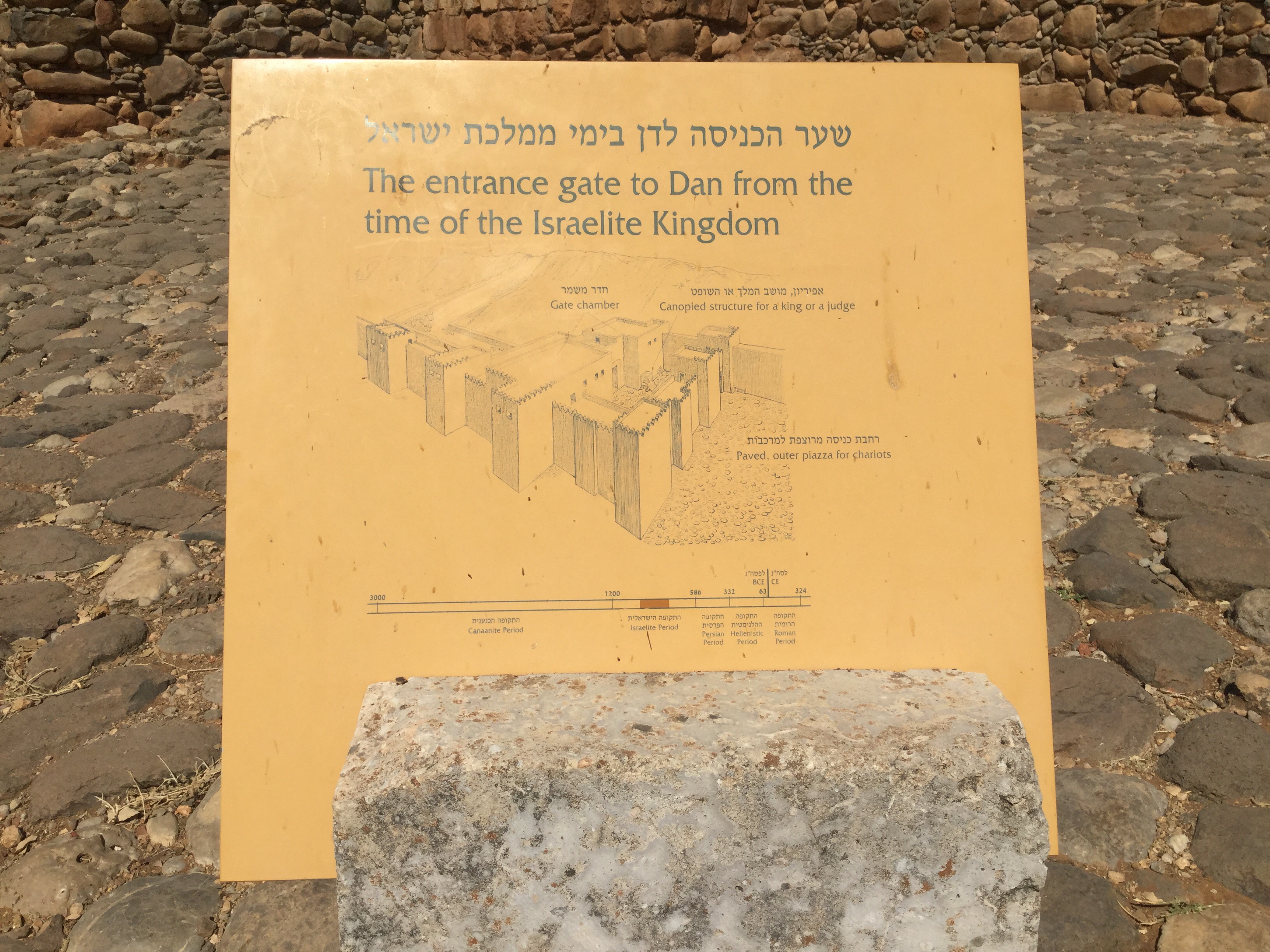
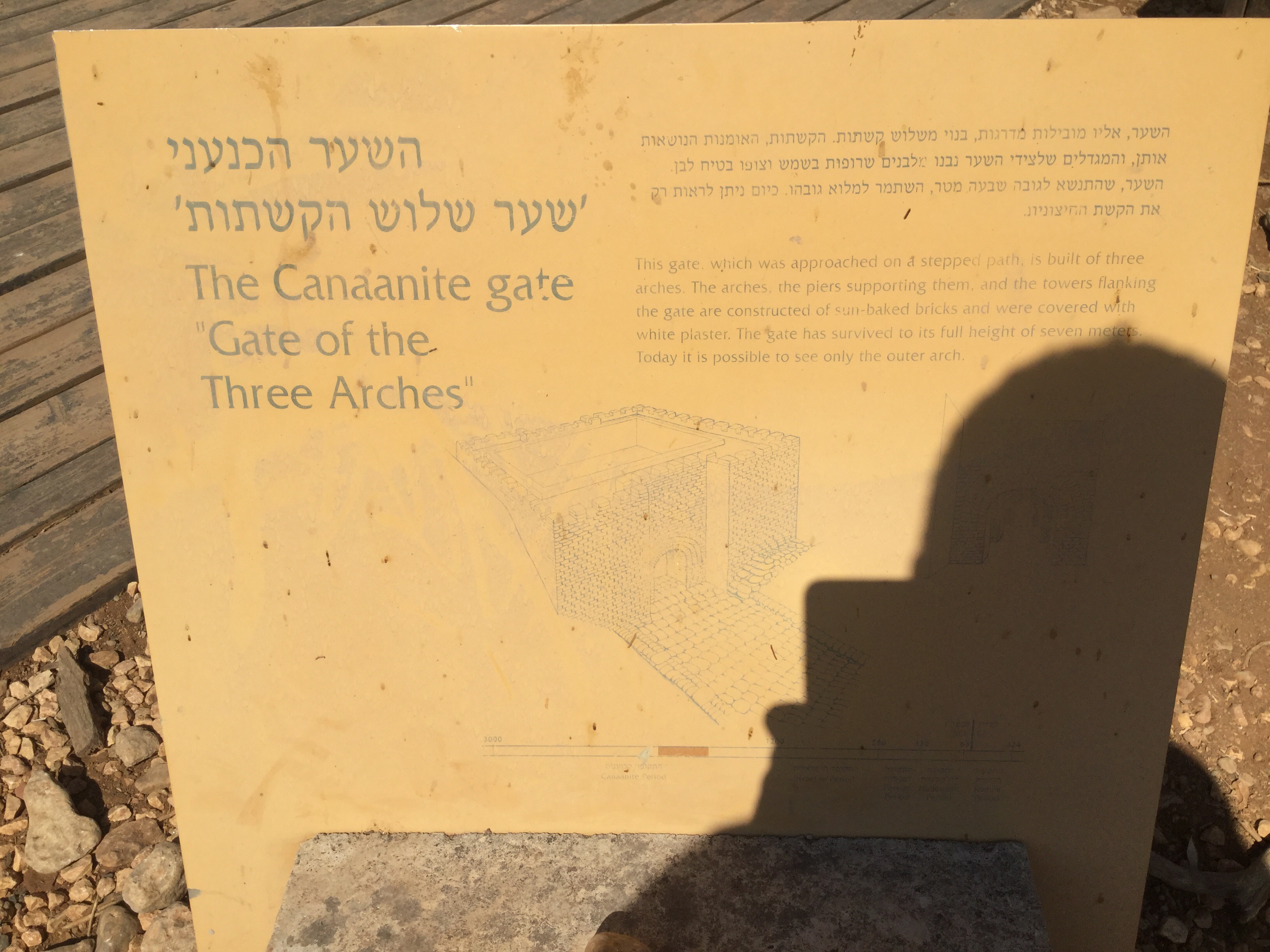
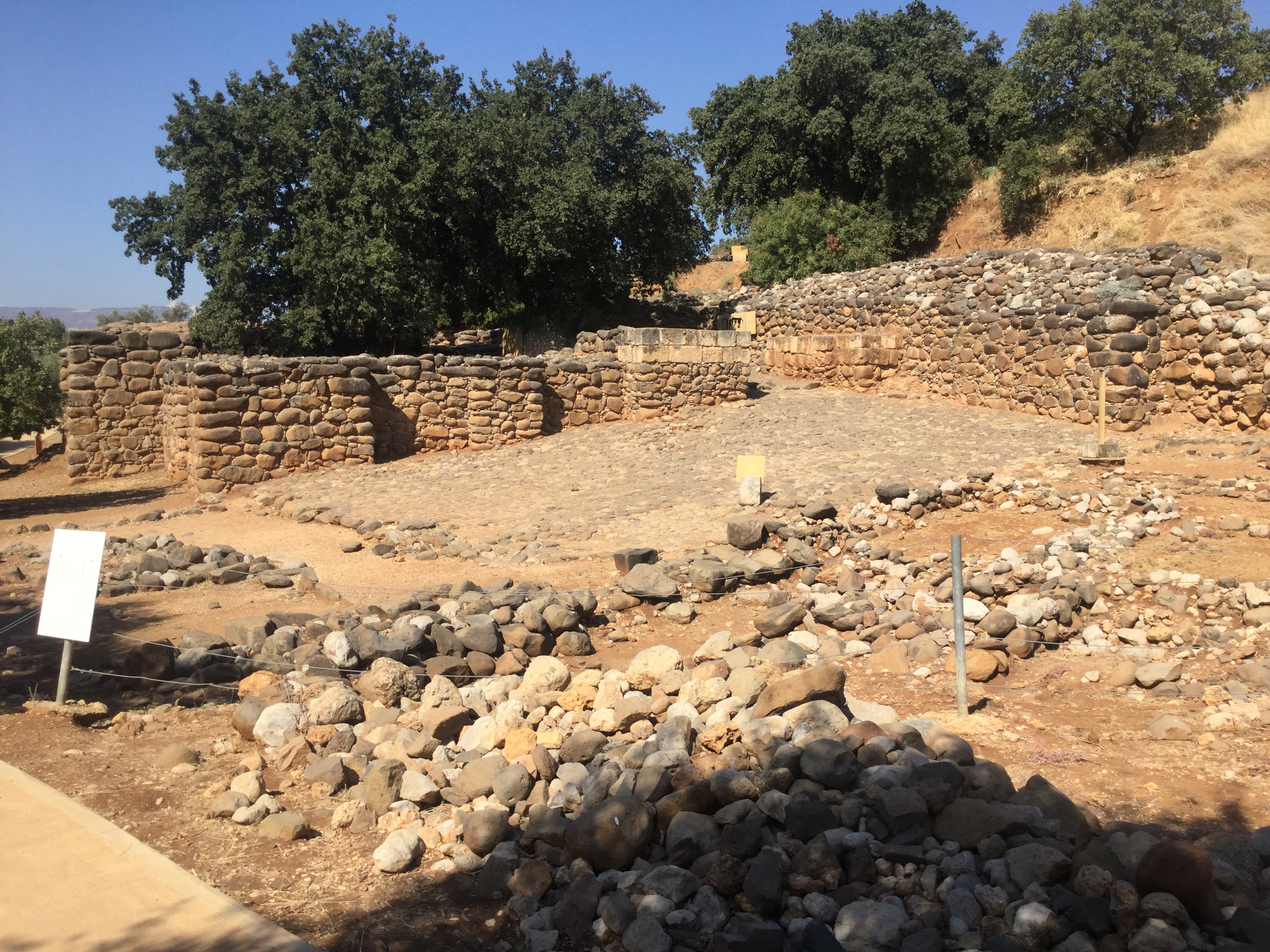
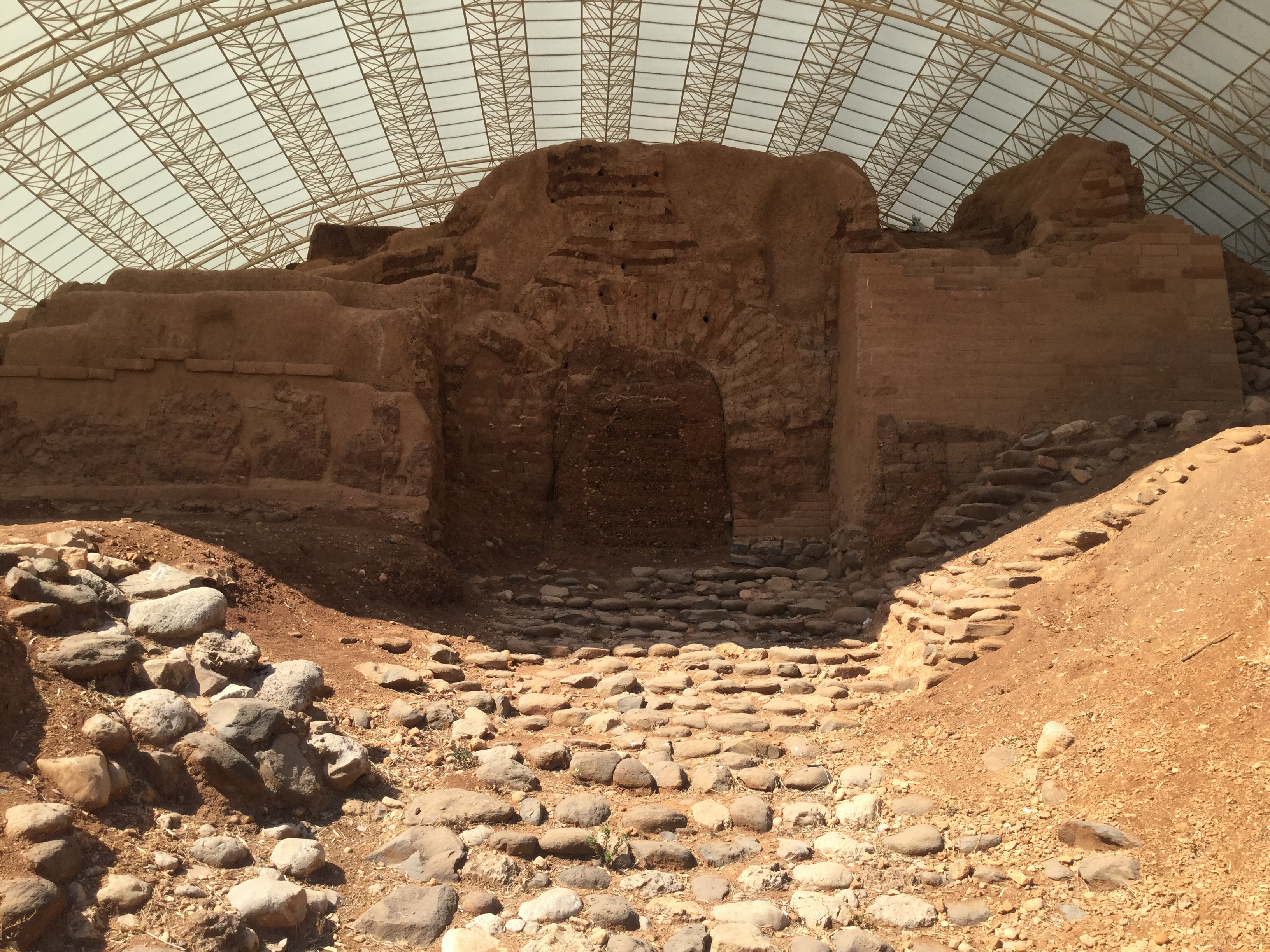
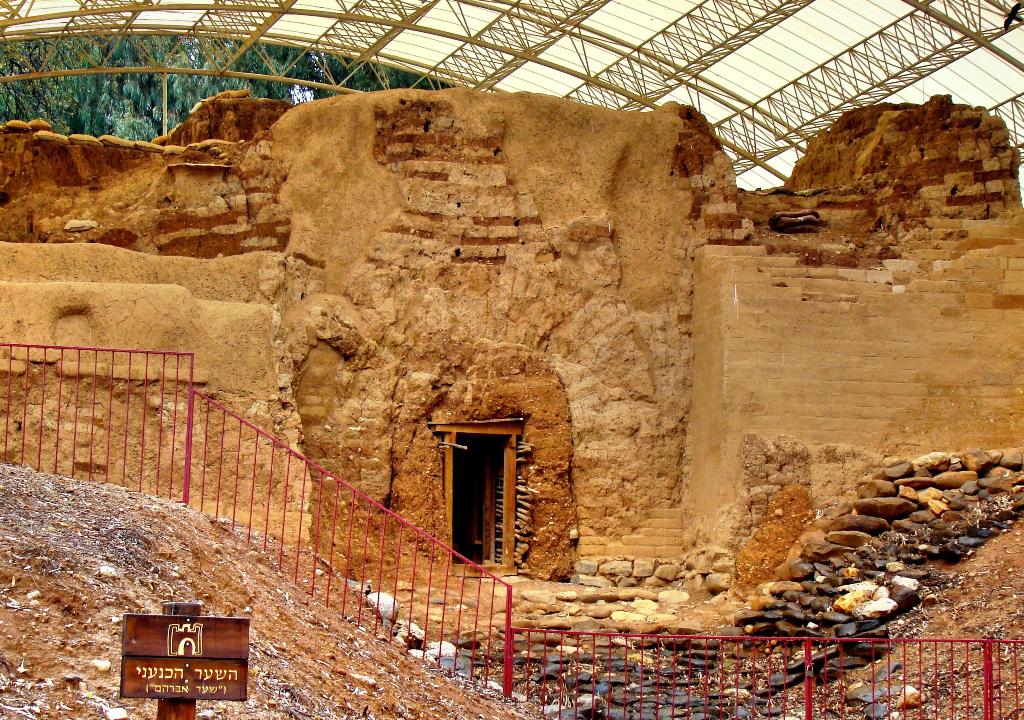
The Ancient Gate at Tel Dan
Tel Dan - Biblical Tour of Israel 2019
Tel Dan - 2nd Golden Calf Site Tour
Artefakty
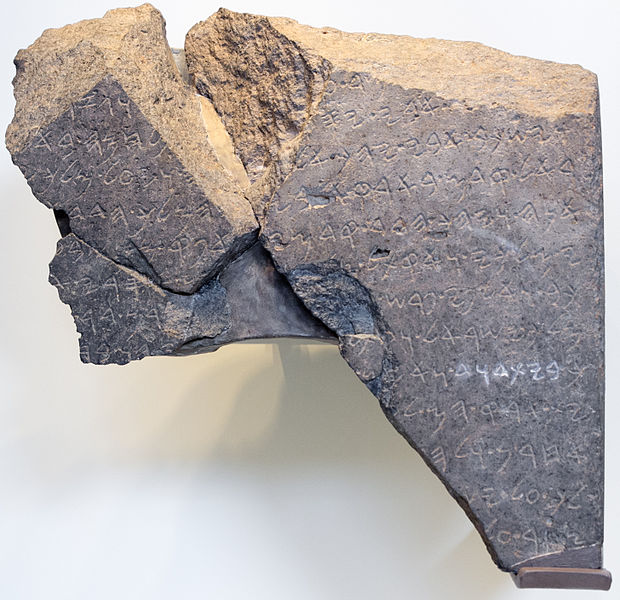
Stéla z Tel Danu
Stéla z Tel Danu pochází z 2. pol. 9. stol. př. Kr., byla nalezena roku 1993 v Tel Danu a obsahuje neúplný nápis, který byl zrekonstruován izraelskými archeology. Aramejský vládce Chazael se v textu chlubí vítězstvím nad Izraelem. Tvrdí, že zabil izraelského krále "z domu Davidova". Nález svědčí o existenci královské rodové linie odvozené od krále Davida. Jedná se zřejmě o judského Achazjáše a izraelského Jórama. Neshoduje se však s biblickým tvrzením [2Kr 9,14 - 2Kr 9,27 ], že důvodem smrti králů byl státní převrat iniciovaný vojevůdcem Jehú.
Wikipedie
Mapa
Informace ze slovníku
[= soudící], pátý syn Jákobův a první syn Bály, děvečky Ráchel [Gn 30,3 ; Gn 30,6 ; Gn 35,25 ]. Podle proroctví Jákobova měl býti soudcem svého lidu [Gn 49,16 - Gn 49,17 ], t. j. účinným obhájcem proti Izraelovým nepřátelům sr. [Dt 33,22 ]. Stal se praotcem stejnojmenného pokolení izraelského. Při rozdělení země byla jim přidělena oblast západně od území Benjaminova s městy Zaraha, Aialon, Ekron, Elteke a Rakon naproti Joppe [Joz 19,40 - Joz 19,46 ; Joz 21,5 ; Joz 21,23 ; Joz 21,24 ; Sd 5,17 ]. Na jv hraničili tedy s pokolením Judovým, na s. a sv s pokolením Efraimovým. Měli přístup ke Středozemnímu moři. Byli však zatlačeni do hor praobyvateli amorejskými [Sd 1,34 ]. Také Filištínští zle doráželi na tento kmen. Proto se odstěhoval do sev. končin kananejských, kdež dobyl města Lesen neboli Lais, založil si tam nový domov, vystavěl na zříceninách starého města město nové, které podle praotce nazvali Dan. Zřídili zde svatyni, v níž postavili ukradený kultický obraz nebo sochu ze svatyně Míchovy [Sd 17,1 n]. Tato svatyně se stala po rozdělení říše Davidovy vedle Betiel hlavní svatyní severního království [1Kr 12,28 n]. Město leželo ve velmi úrodné krajině na úpatí hory Hermon při pramenech t. z v. Malého Jordánu nedaleko el-Leddaan. Běžné úsloví »Od Dan až do Bersabé« [1Pa 21,2 ] značí severní a jižní hranici země izraelské. Z pokolení D. pocházeli Aholiab [Ex 31,6 ] a Samson [Sd 13,2 ; Sd 13,24 ]. Syrský král Benadad dobyl D. [1Kr 15,20 ; 2Pa 16,4 ]. Tiglatfalazar je pak připojil k říši assyrské. Po navrácení ze zajetí se toto pokolení ztrácí z dějin a ze židovských rodokmenů [1Pa 6,1 n] vůbec. Nynější arabské označení tohoto místa Telí el-Kadi [= pahorek soudce], připomíná hebr. Dan.
Zdroj: Biblický slovník (Adolf Novotný - 1956)
Dan
a judge.
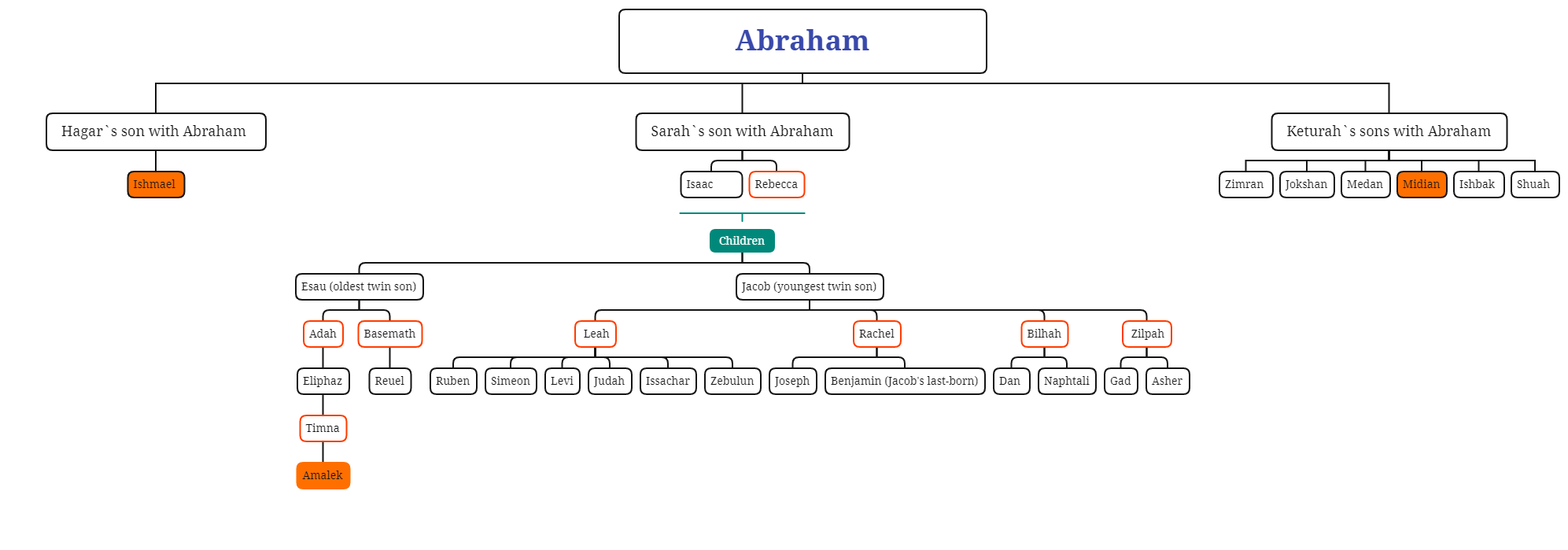
(1.) The fifth son of Jacob. His mother was Bilhah, Rachel's maid [(Gen 30:6 ), "God hath judged me", Heb. dananni]. The blessing pronounced on him by his father was, "Dan shall judge his people" (Gen 49:16 ), probably in allusion to the judgeship of Samson, who was of the tribe of Dan.
The tribe of Dan had their place in the march through the wilderness on the north side of the tabernacle (Num 2:25 ; 2:31; 10:25). It was the last of the tribes to receive a portion in the Land of Promise. Its position and extent are described in (Josh 19:40-48).
The territory of Dan extended from the west of that of Ephraim and Benjamin to the sea. It was a small territory, but was very fertile. It included in it, among others, the cities of Lydda, Ekron, and Joppa, which formed its northern boundary. but this district was too limited. "Squeezed into the narrow strip between the mountains and the sea, its energies were great beyond its numbers." Being pressed by the Amorites and the Philistines, whom they were unable to conquer, they longed for a wider space. They accordingly sent out five spies from two of their towns, who went north to the sources of the Jordan, and brought back a favourable report regarding that region. "Arise," they said, "be not slothful to go, and to possess the land," for it is "a place where there is no want of any thing that is in the earth" (Judg 18:10). On receiving this report, 600 Danites girded on their weapons of war, and taking with them their wives and their children, marched to the foot of Hermon, and fought against Leshem, and took it from the Sidonians, and dwelt therein, and changed the name of the conquered town to Dan (Josh 19:47). This new city of Dan became to them a new home, and was wont to be spoken of as the northern limit of Palestine, the length of which came to be denoted by the expression "from Dan to Beersheba", i.e., about 144 miles.
"But like Lot under a similar temptation, they seem to have succumbed to the evil influences around them, and to have sunk down into a condition of semi-heathenism from which they never emerged. The mounds of ruins which mark the site of the city show that it covered a considerable extent of ground. But there remains no record of any noble deed wrought by the degenerate tribe. Their name disappears from the roll-book of the natural and the spiritual Israel.", Manning's Those Holy Fields.
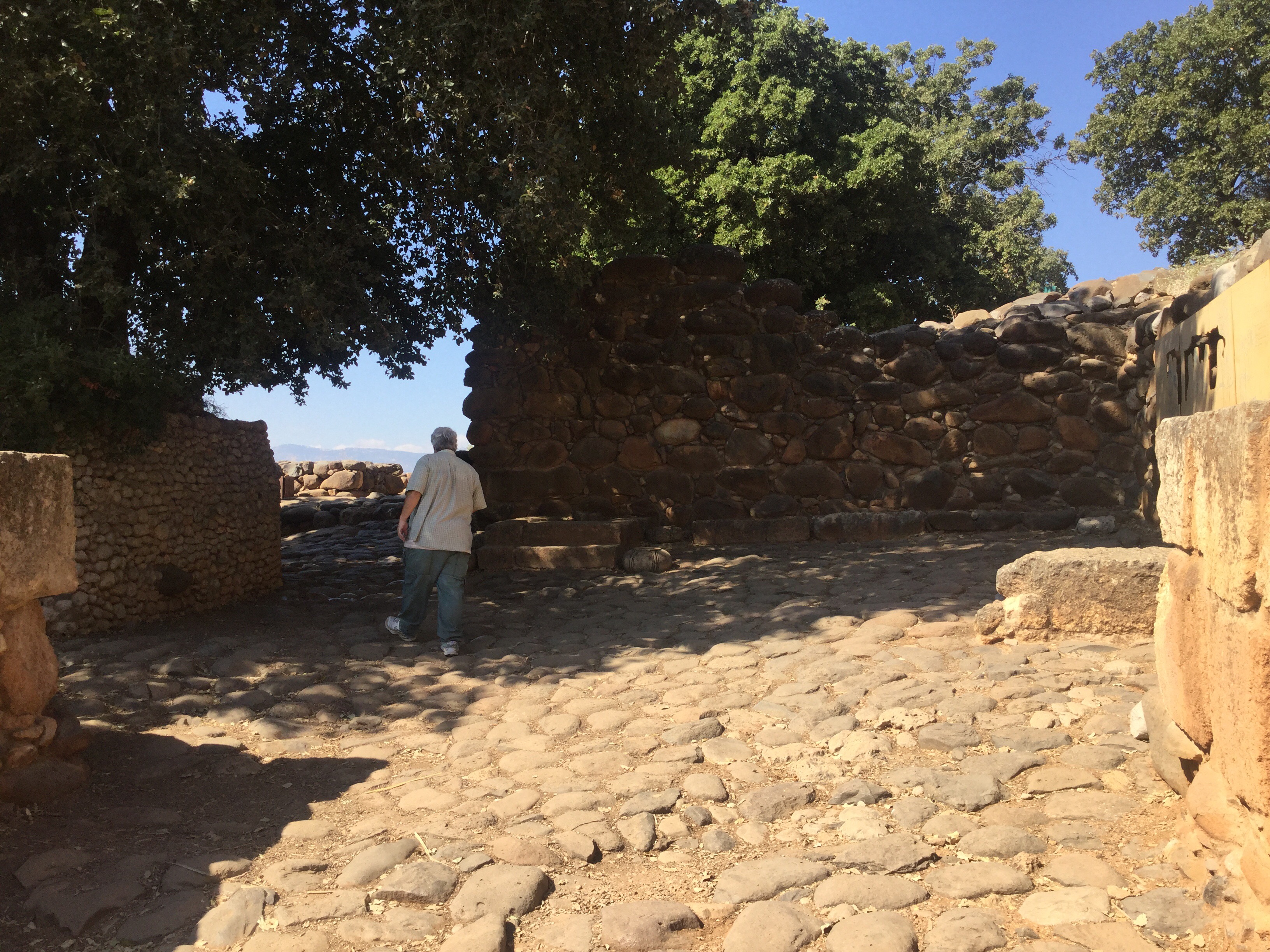
This old border city was originally called Laish. Its modern name is Tell el-Kady, "Hill of the Judge." It stands about four miles below Caesarea Philippi, in the midst of a region of surpassing richness and beauty.
(2.) This name occurs in (Ezek 27:19 ), Authorize Version; but the words there, "Dan also," should be simply, as in the Revised Version, "Vedan," an Arabian city, from which various kinds of merchandise were brought to Tyre. Some suppose it to have been the city of Aden in Arabia. (See MAHANEH-DAN)
EBD - Easton's Bible Dictionary