Cháran
Odkazy
Street View
Obrázky
Mapa
Informace ze slovníku
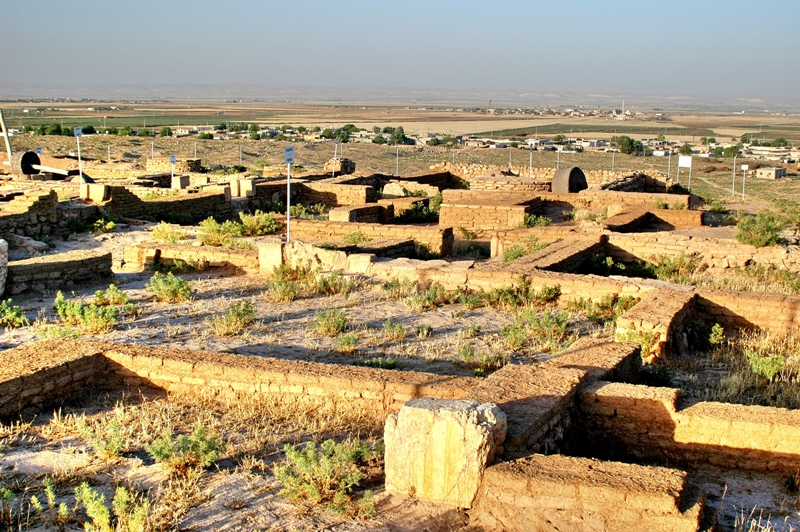
1. Jméno místa v Mesopotamii, kam se vystěhoval *Abraham se svou rodinou z Ur Kaldejských [Sk 7,2 ; Sk 7,4 ]. Bylo to čilé obchodní město na hlavní obchodní cestě z Babylona do zemí kolem Středozemního moře. Za ochránce Ch. bylo pokládáno měsíční božstvo. Zde zemřel otec Abrahamův Táre [Gn 11,31 n; 12,4n], zde se také usadili potomci Abrahamova bratra Náchora [Gn 24,10 ; Gn 27,43 ]. Také Jákob zde trávil nějakou dobu [Gn 28,10 ; Gn 29,4 n]. Leželo v Pádan Aram (Kral. Pádan Syrské) [Gn 25,20 ], krásné krajině mezi Chabur a Eufratem.
2. Syn Kálefa a jeho ženy Efy z rodu Ezronova [1Pa 2,46 ].
3. Hořejšky kníže, syn Dízanův [Gn 36,26 ]; syn Disonův [1Pa 1,41 ].
Zdroj: Biblický slovník (Adolf Novotný - 1956)
Haran
(1.) Heb. haran; i.e., "mountaineer." The eldest son of Terah, brother of Abraham and Nahor, and father of Lot, Milcah, and Iscah. He died before his father (Gen 11:27 ), in Ur of the Chaldees.
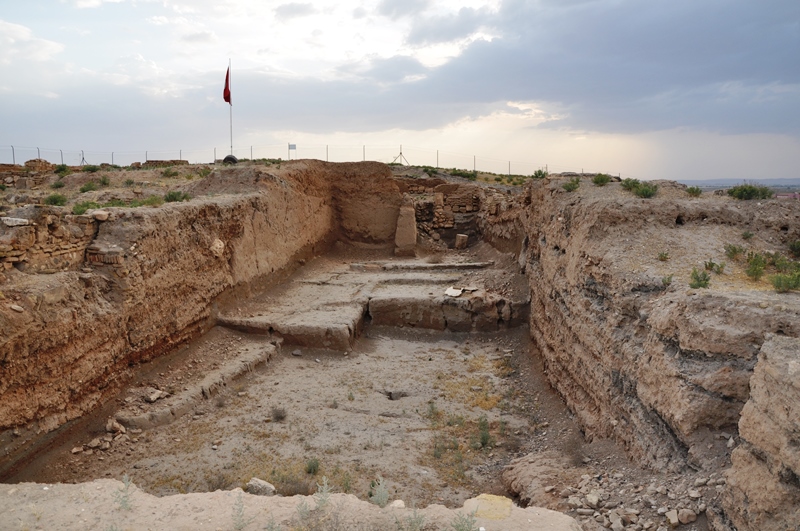
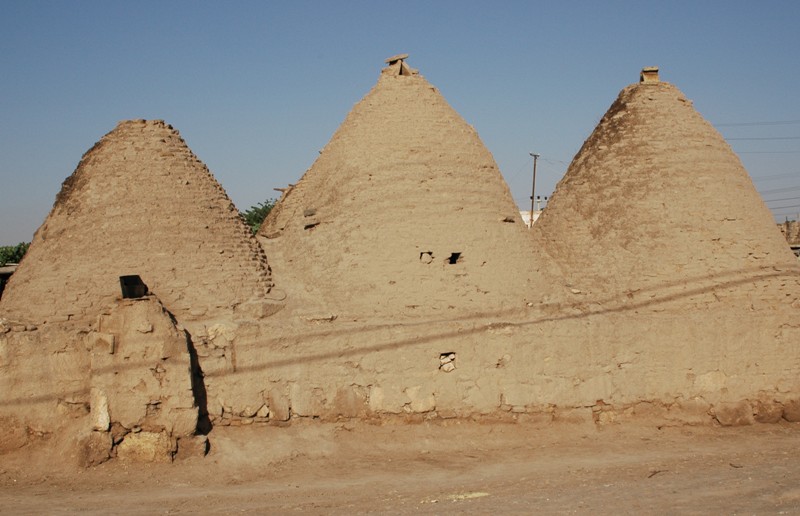
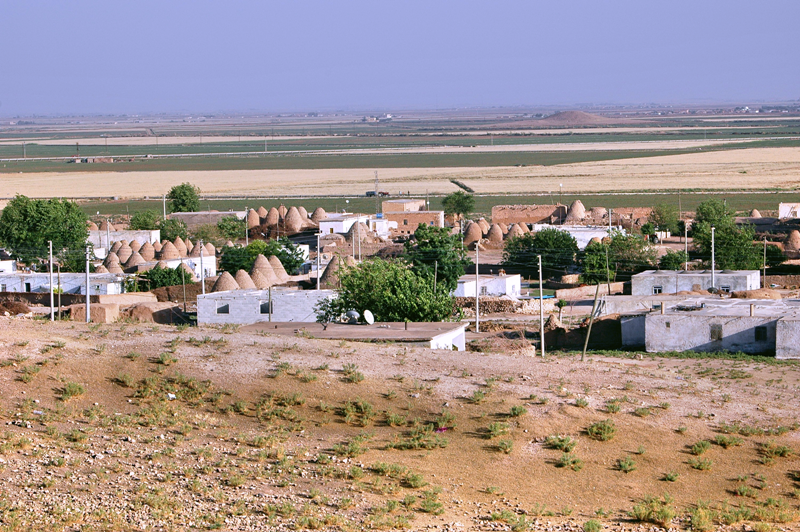
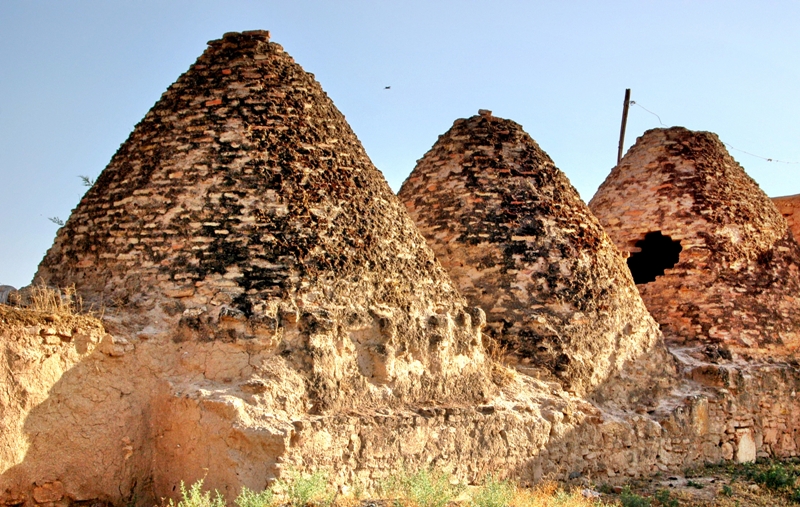
(2.) Heb. haran, i.e., "parched;" or probably from the Accadian charana, meaning "a road." A celebrated city of Western Asia, now Harran, where Abram remained, after he left Ur of the Chaldees, till his father Terah died (Gen 11:31 ; 11:32), when he continued his journey into the land of Canaan. It is called "Charran" in the LXX. and in (Acts 7:2). It is called the "city of Nahor" (Gen 24:10 ), and Jacob resided here with Laban (Gen 30:43 ). It stood on the river Belik, an affluent of the Euphrates, about 70 miles above where it joins that river in Upper Mesopotamia or Padan-aram, and about 600 miles northwest of Ur in a direct line. It was on the caravan route between the east and west. It is afterwards mentioned among the towns taken by the king of Assyria (2Kings 19:12; Isa 37:12). It was known to the Greeks and Romans under the name Carrhae.
(3.) The son of Caleb of Judah (1Chr 2:46) by his concubine Ephah.
EBD - Easton's Bible Dictionary