Chasesón-támar - Én-gedí
Popis
Odkazy
Street View
Obrázky
Mapa
Informace ze slovníku
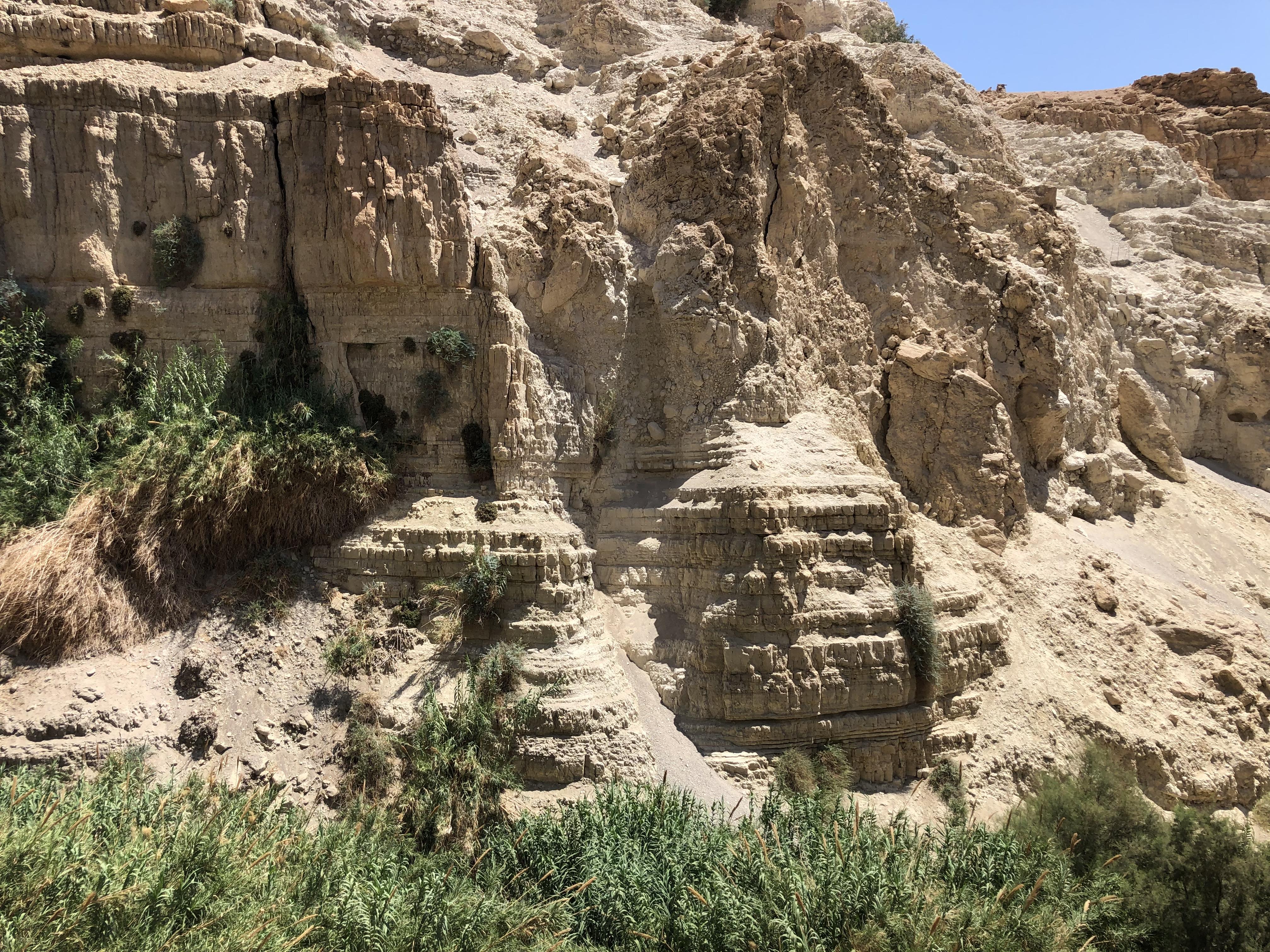
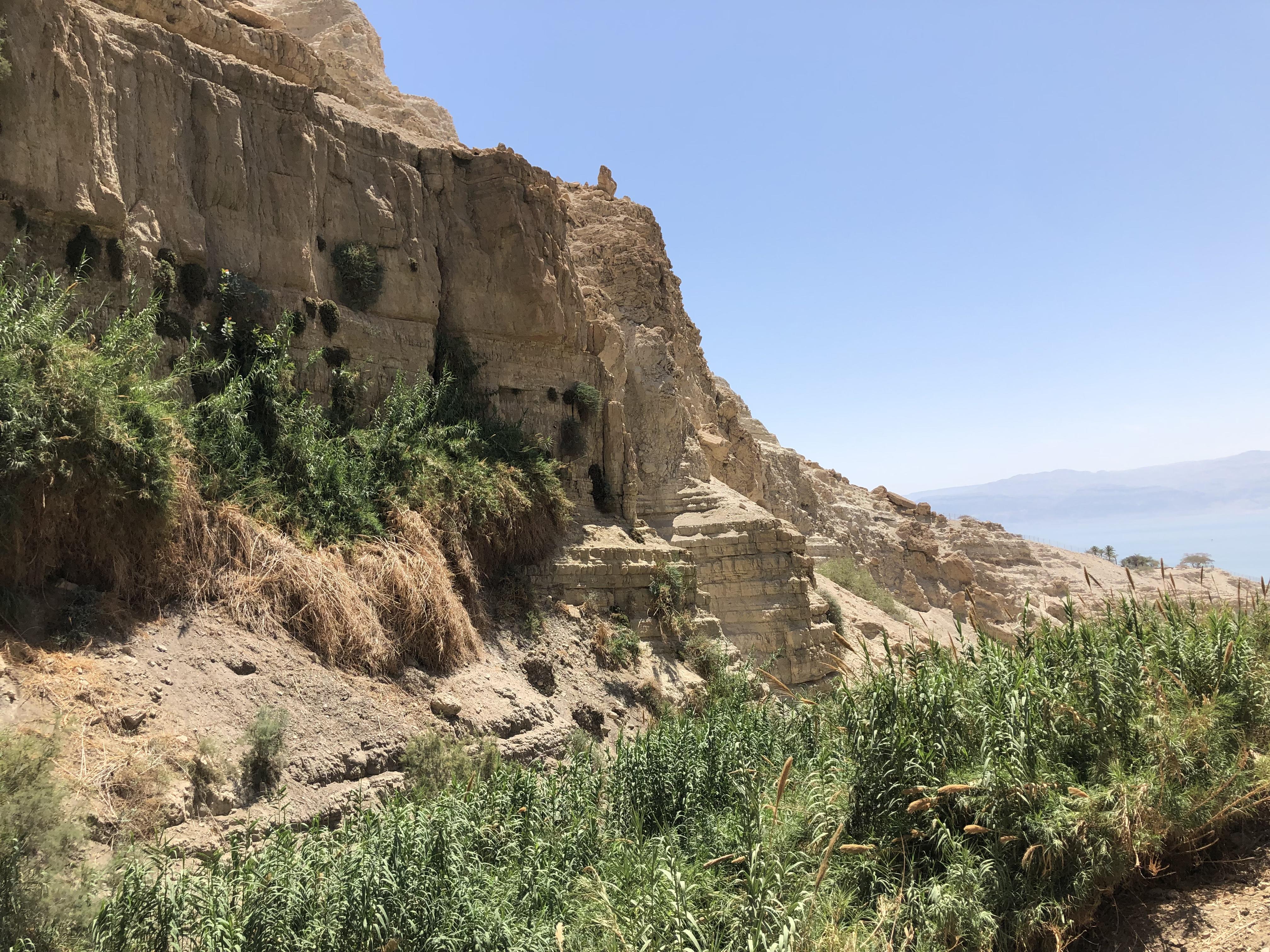
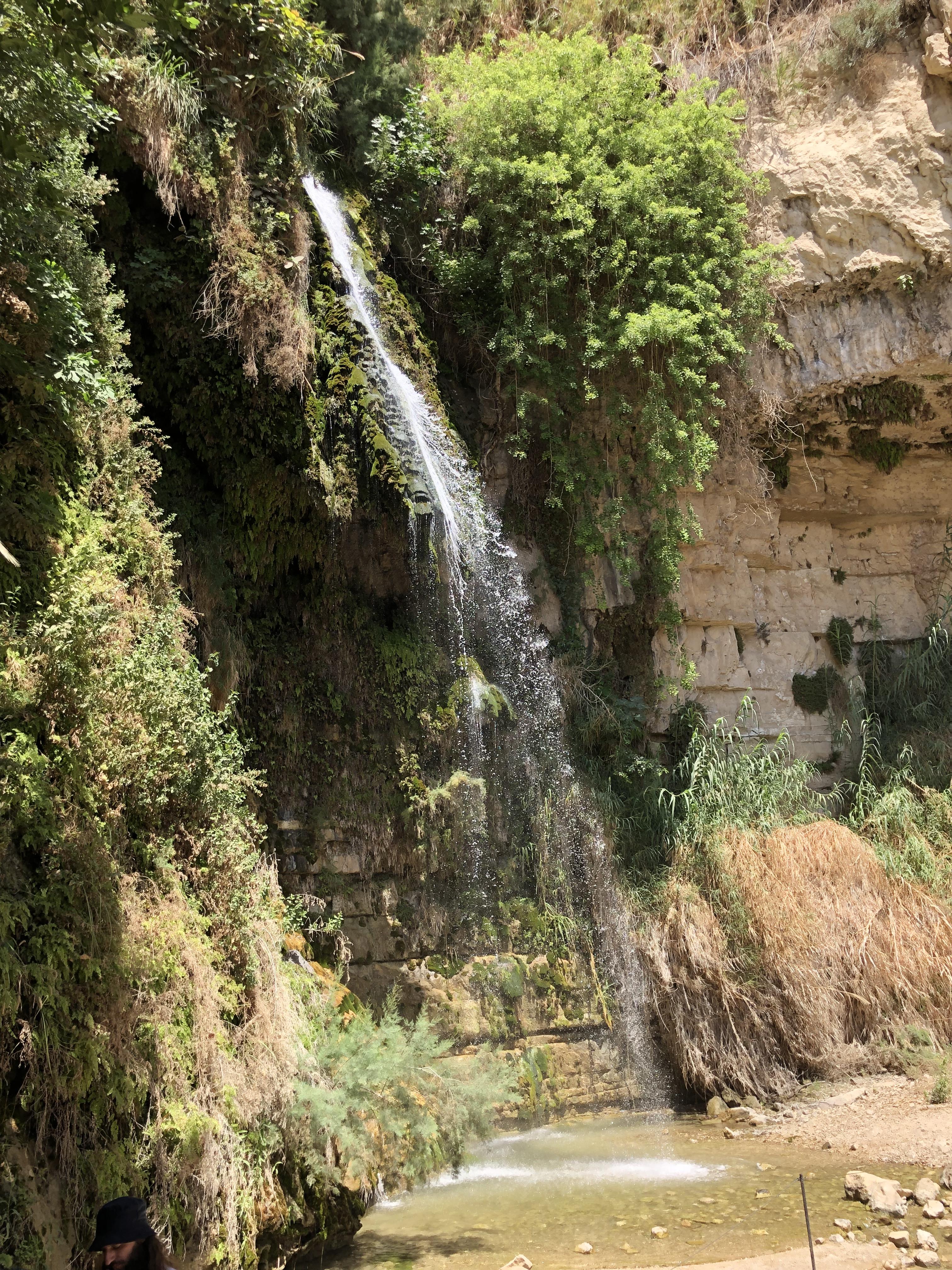
[= pramen kůzlete], místo na pahorkatině judské pouště [Joz 15,62 ] na záp. břehu Mrtvého moře [Ez 47,10 ], které se původně jmenovalo Hasesontamar [Gn 14,7 ; 2Pa 20,2 ], asi 56 km od Jerusalema na neschůdné obchodní cestě. Arabové nazývají dnes pramen, který zde vyvěrá ve výši asi 100 m nad hladinou Mrtvého moře, Ain Džidy. Je to pramen vlažný [27°C], způsobující tropickou vegetaci. V [Pís 1,14 ] přirovnává žena sunamitská svého milého cyprovému hroznu, vyrostlému na vinicích v E. Podle [Gn 14,7 ] bydlili zde Amorejští. David se zde skrýval před Saulem [1S 24,1 - 1S 24,4 ]. Z městečka, které ještě ve IV. křesť. století bylo všeobecně známé, zachovaly se jen hromady zřícenin.
Zdroj: Biblický slovník (Adolf Novotný - 1956)
Engedi
fountain of the kid, place in the wilderness of Judah (Josh 15:62), on the western shore of the Dead Sea (Ezek 47:10 ), and nearly equidistant from both extremities. To the wilderness near this town David fled for fear of Saul (Josh 15:62; 1Sam 23:29 ). It was at first called Hazezon-tamar (Gen 14:7 ), a city of the Amorites.
The vineyards of Engedi were celebrated in Solomon's time (Cant 1:4). It is the modern 'Ain Jidy. The "fountain" from which it derives its name rises on the mountain side about 600 feet above the sea, and in its rapid descent spreads luxuriance all around it. Along its banks the osher grows abundantly. That shrub is thus described by Porter: "The stem is stout, measuring sometimes nearly a foot in diameter, and the plant grows to the height of 15 feet or more. It has a grayish bark and long oval leaves, which when broken off discharge a milky fluid. The fruit resembles an apple, and hangs in clusters of two or three. When ripe it is of a rich yellow colour, but on being pressed it explodes like a puff-ball. It is chiefly filled with air...This is the so-called 'apple of Sodom.'" Through Samaria, etc. (See APPLE)
EBD - Easton's Bible Dictionary