Palác velekněze
Popis
Annáš
[= Hospodin je milostivý], nejvyšší kněz od r. 6-15 po Kr., který však i za svých nástupců Izmaela, Eleazara, Šimona a konečně od r. 18 Josefa *Kaifáše, svého zetě, činně se zúčastňoval církevní politiky a stále měl titul nejvyššího kněze [L 3,2; Sk 4,6 ]. Tak se stalo, že Ježíše nejprve vyslýchal Annáš [J 18,12 - J 18,13 ; J 18,19 - J 18,23 ]. Později vyslýchal i Petra a Jana [Sk 4,6 ]. Dosazen byl správcem Sýrie Quiriniem [bibl. Cyrenius] a sesazen judským prokurátorem Valeriem Gratem r. 15. Biblický slovník Adolfa Novotného Annáš [= Hospodin je milostivý], nejvyšší kněz od r. 6-15 po Kr., který však i za svých nástupců Izmaela, Eleazara, Šimona a konečně od r. 18 Josefa *Kaifáše, svého zetě, činně se zúčastňoval církevní politiky a stále měl titul nejvyššího kněze [L 3,2; Sk 4,6 ]. Tak se stalo, že Ježíše nejprve vyslýchal Annáš [J 18,12 - J 18,13 ; J 18,19 - J 18,23 ]. Později vyslýchal i Petra a Jana [Sk 4,6 ]. Dosazen byl správcem Sýrie Quiriniem [bibl. Cyrenius] a sesazen judským prokurátorem Valeriem Gratem r. 15.
Biblický slovník Adolfa Novotného
Kaifáš
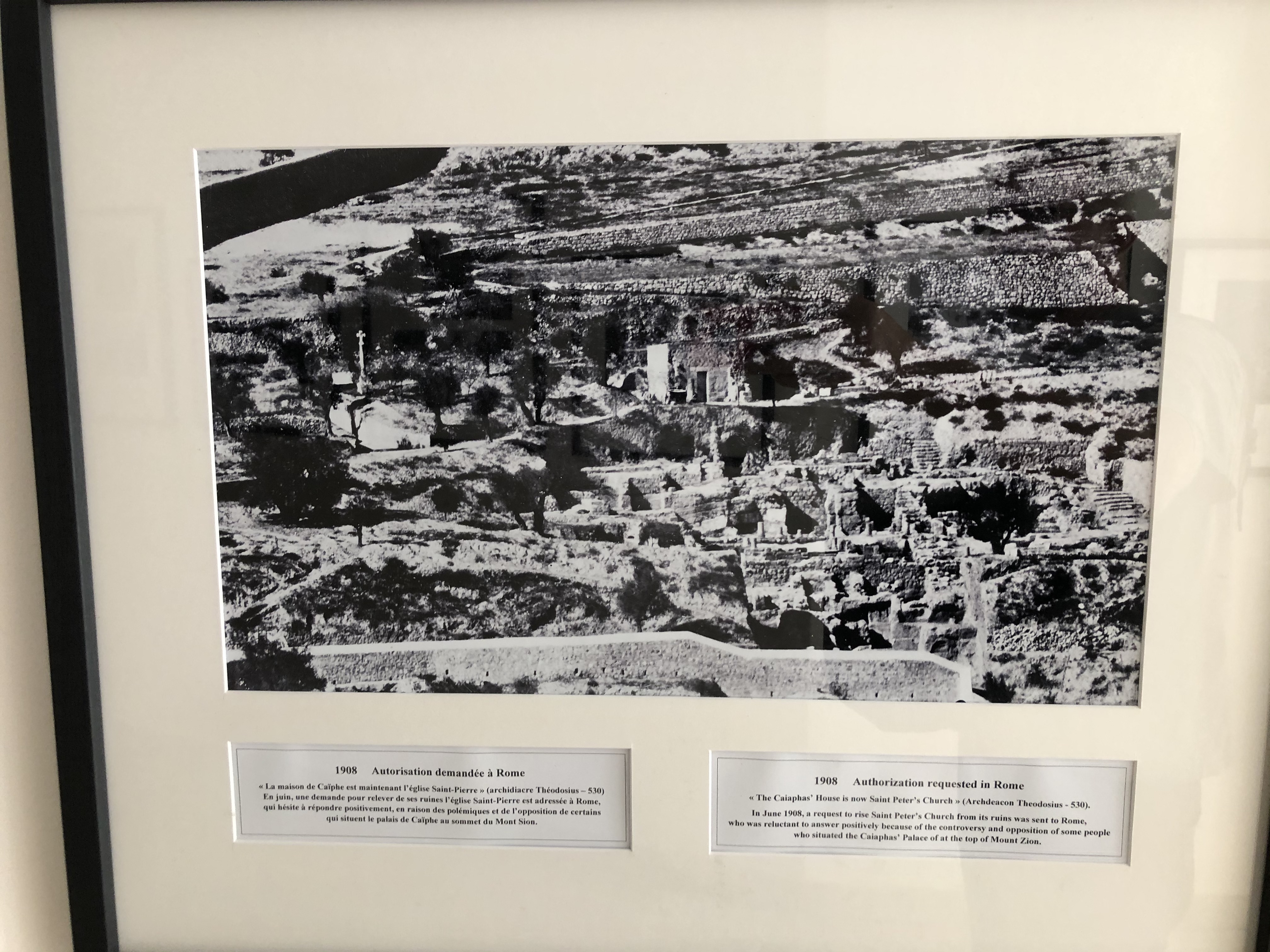
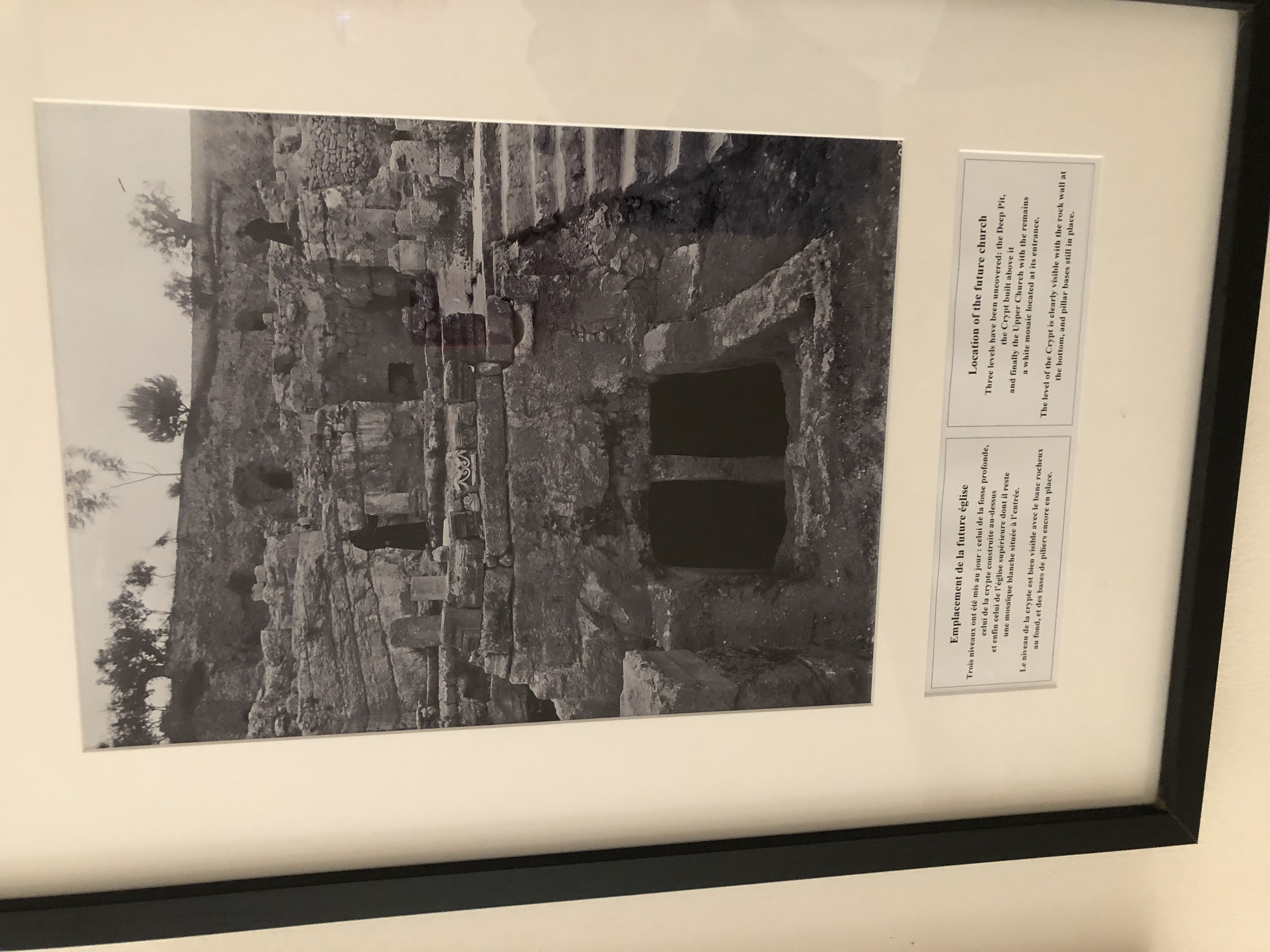
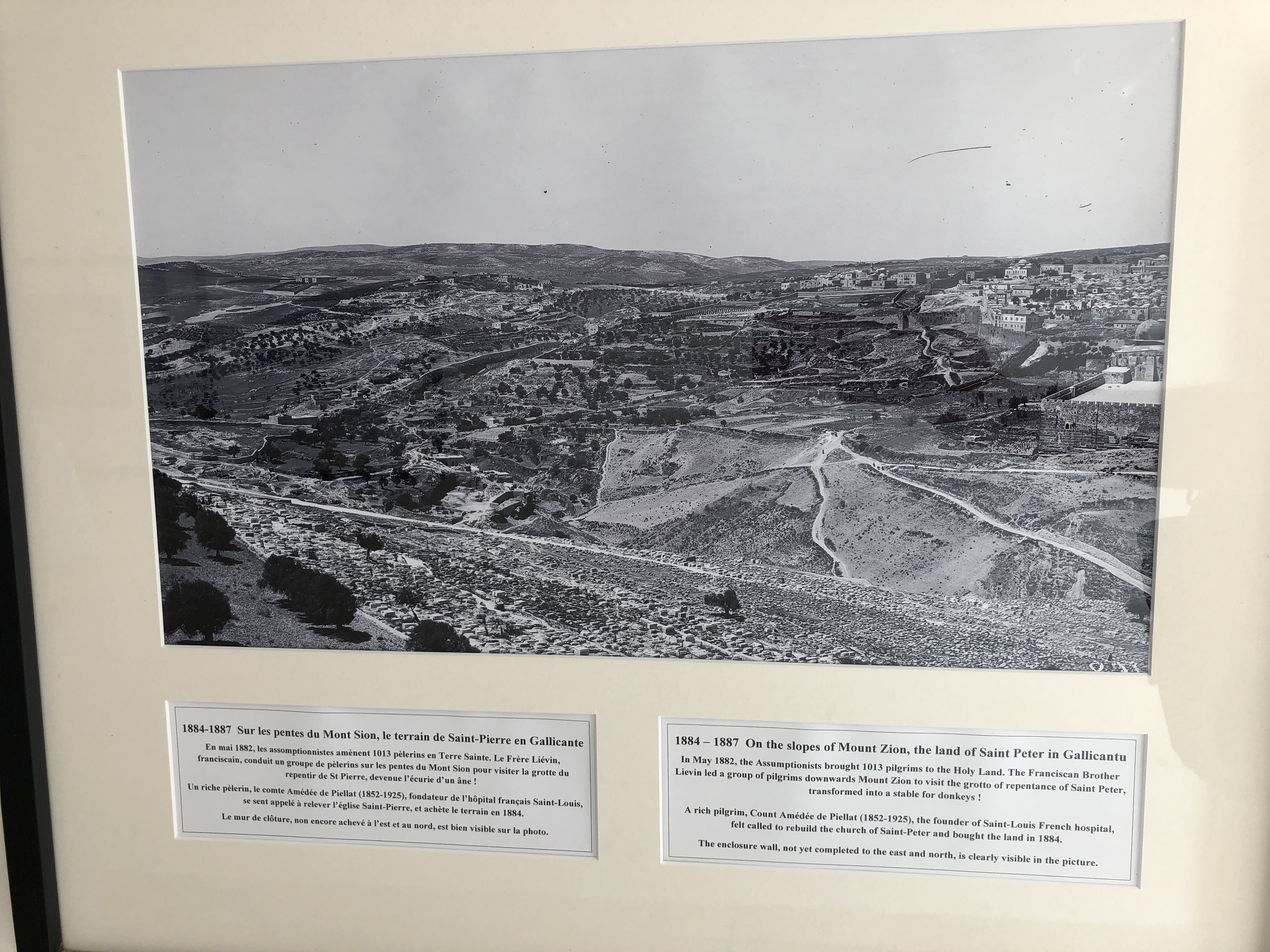
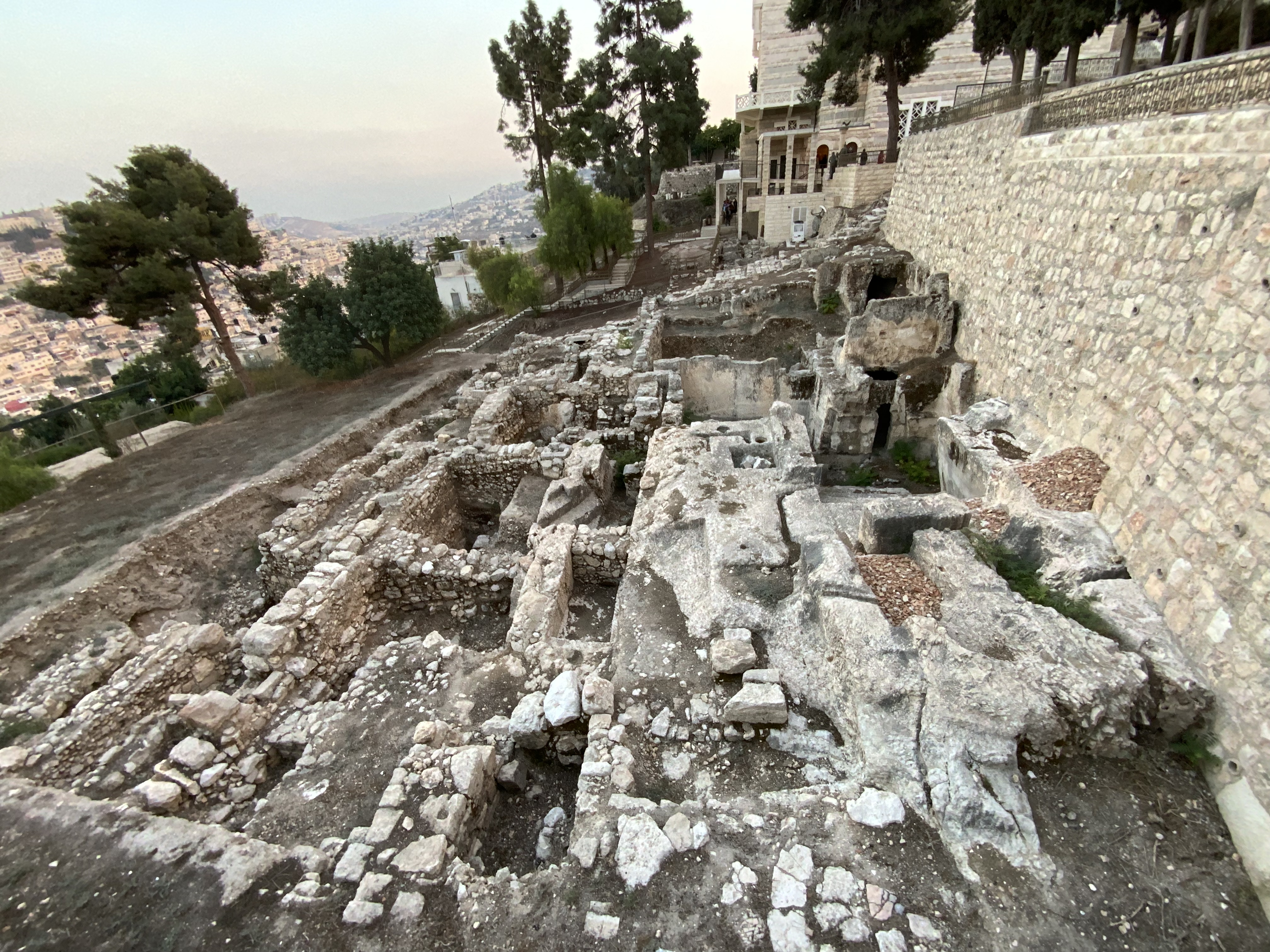
plným jménem Josef K., židovský nejvyšší kněz za císaře Tiberia [L 3,2] v době od působení Jana Křtitele. Ustanoven r. 18 od Valeria Grata, římského prokurátora a předchůdce Pilátova. Zeť Annášův. R. 36 byl sesazen od prokonsula syrského Vitellia. K. měl důležitou úlohu při soudu i odsouzení Ježíšově. V jeho paláci se sešlo sanhedrin, aby Ježíše jali a zabili [Mt 26,3 - Mt 26,4 ;J 11,49 ]. Nevědomky se stává prorokem [Mt 26,5 ;J 11,49 - J 11,50 ; J 18,14 ]. Jeho jednání při výslechu Ježíše bylo většinou úplně nezákonné. Zmínka o něm je ještě v [Sk 4,6 ].
Biblický slovník Adolfa Novotného
Odkazy
Street View
Obrázky
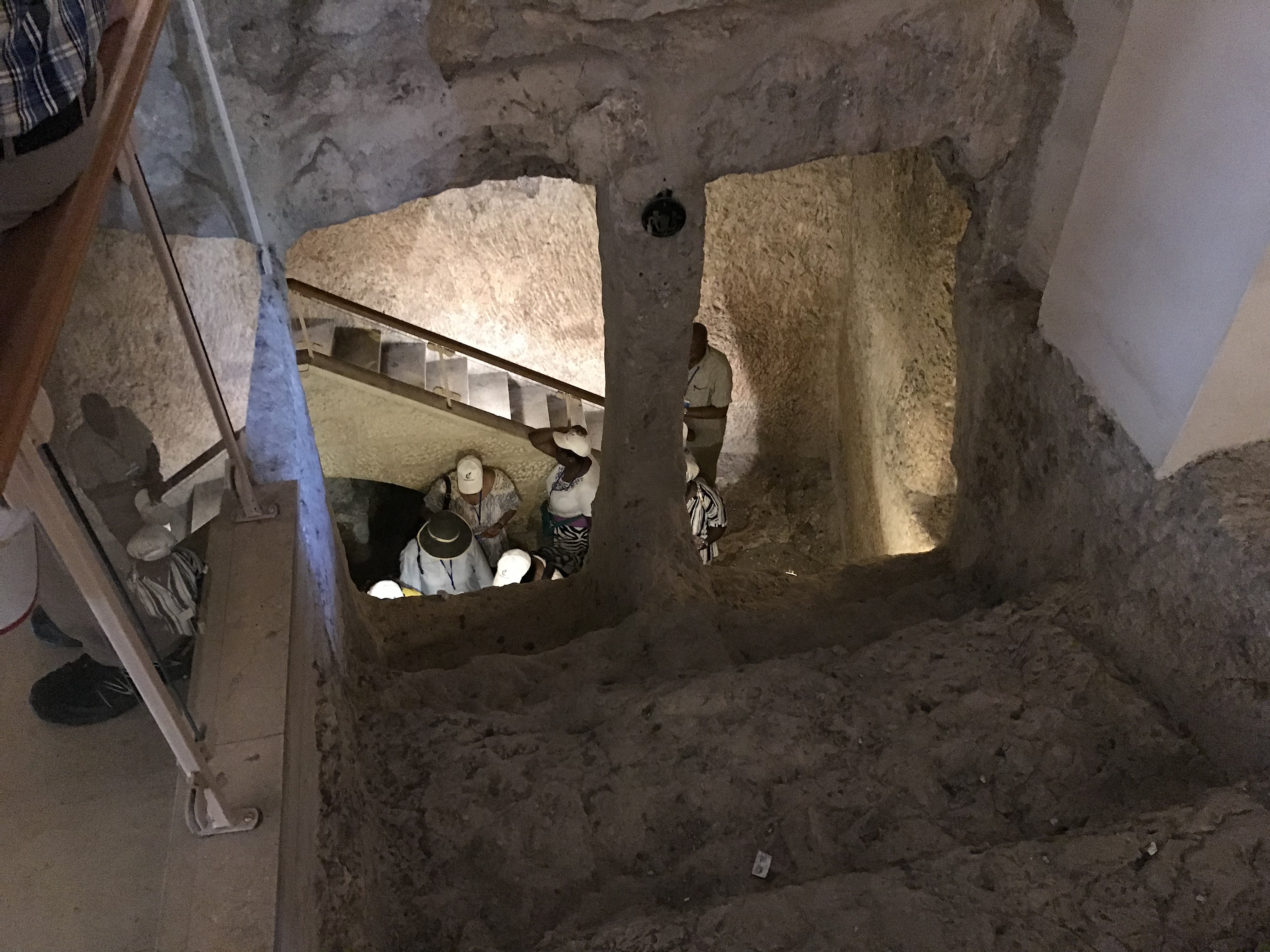
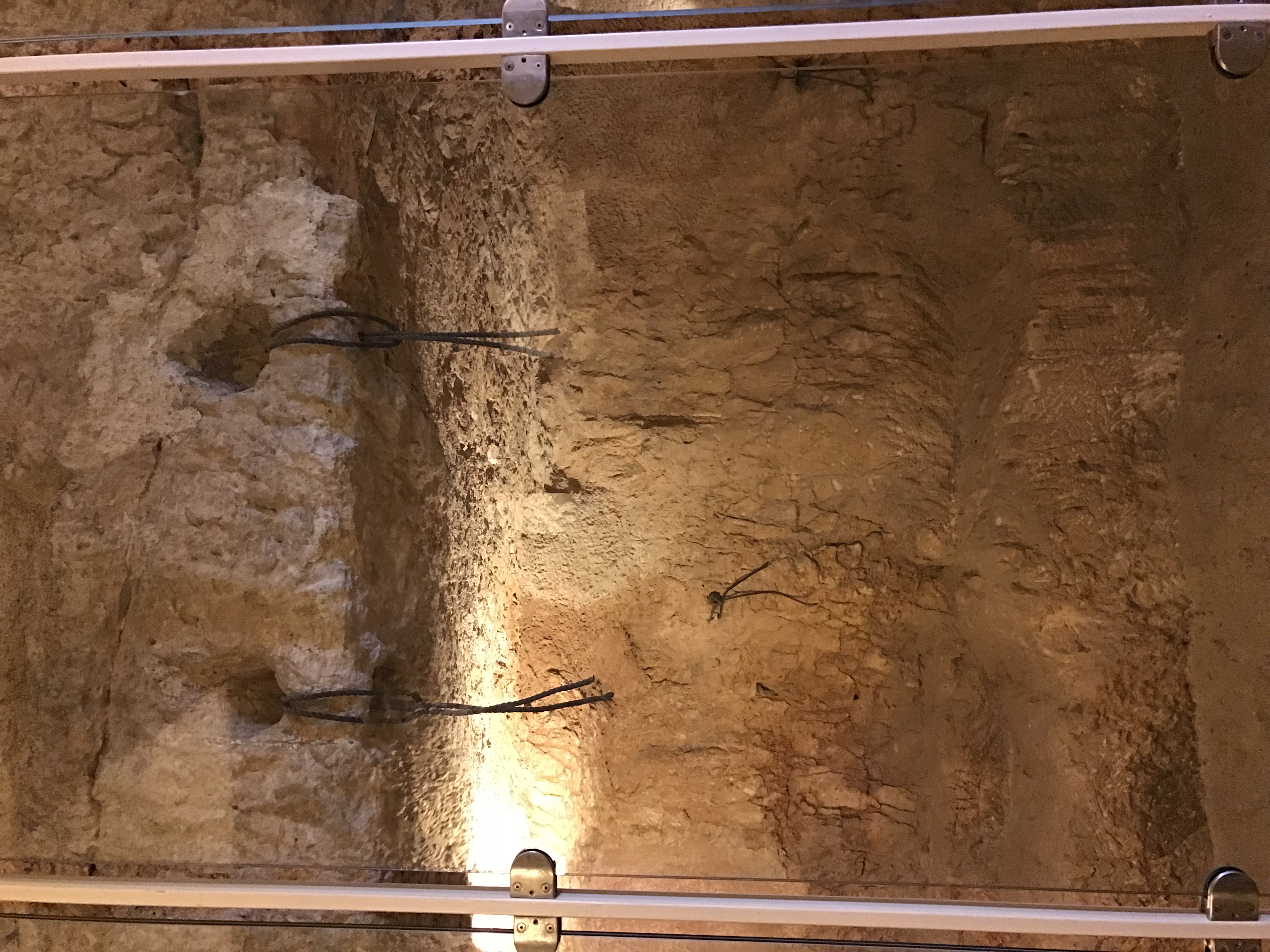
Videa
House of Caiaphas: Peter's Denial of Christ, Jerusalem, Israel, Church of Saint Peter in Gallicantu!
Mapa
Informace ze slovníku
*Kněz. *Kněz nejvyšší.
velekněz [Lv 21,10 ; Nu 35,25 ; 2Kr 25,18 ; 2Pa 19,11 ; Ezd 7,5 ]. *Kněz. Po pádu království získal na důležitosti i v otázkách politických, zvláště mohl-li se vykázat rodokmenem sádochovským. Od r. 160-153 př. Kr. byl Jerusalem bez velekněze. Pak nastoupili [za Makkabejců] velekněží z obyčejných kněžských rodů. Jen tu a tam se objevil nějaký sádochovec, ale význam nejvyššího kněze v době Ježíšově zřejmě upadl. Z nejvyšších kněží jmenuje NZ Kaifáše [zastával úřad asi od r. 18-37; J 11,49 n.51; 18,13n; Mt 26,57 .62n; Mk 14,53 .60n; L 22,54], Annáše [asi 6-15 po Kr.], který byl sice sesazen, ale měl stále značný vliv [L 3,2; J 18,13 .24; Sk 4,6 ], a Ananiáše [Sk 23,2 ; Sk 24,1 ]. Velekněz zasedal v synedriu buď jako předseda nebo člen spolu se zákoníky a staršími [Mt 26,57 ; Mk 14,53 ; L 22,54]. Mluví-li NZ o nejvyšších knězích, předních knězích [L 22,4.52], míní tím jednak správce chrámu, jednak ty, kteří měli dozor nad týdenním oddílem kněží, na něž připadla služba, jednak ty, kteří spravovali pokladny chrámové, nikoli jen nejvyššího kněze [Mt 26,3 n.14n; 27,6; 28,11]. Někde výraz "přední kněží" je zkráceninou za synedrium [Mk 15,3 .10n; J 12,10 ; J 18,35 ; J 19,6 .15.21; Sk 22,30 ]. Sk 4,6 mluví o pokolení nejvyššího kněze, t. j. o potomcích Sádochových. Sk 19,14 označují Scevu za předního kněze. Patrně tedy i v diaspoře byli vyšší kněží, ale velekněz byl jen v Jerusalemě, nepočítáme-li Oniu III., který v egyptském městě Leontopolis postavil chrám [kolem r. 170 př. Kr.]. Častým jmenováním předních kněží chce NZ naznačit, že nejen nejvyšší kněz, ale vůbec vedoucí představitelé náboženství odmítli Ježíše.
Velekněžství Kristovo je zdůrazněno zvláště v Žd na základě Ž 110,4 ; Gn 14,18 . Kristus je knězem podle řádu Melchisedechova, který je víc než levitští kněží [Žd 7,1 -28]. Je prostředníkem lepší smlouvy [Žd 7,22 ; 8,6-13; 9,15-22 sr. Jr 31,31 nn; Ž 40,7 nn]. Proniká skrze oponu, t. j. tělo své [svou obětí na kříži] k trůnu Božímu, a tak otvírá cestu věřícím [Žd 10,20 ] do svatyně. Tato rozhodující oběť se stala "jednou" [pro vždy Žd 7,27 ] a nemusí být tudíž opakována. Neboť Kristus je Syn [Žd 5,5 n], takže jeho velekněžství [Žd 3,1 ] nelze srovnávat co do účinnosti s velekněžstvím levitským. Proto také jen Syn může být "knězem na věky" [Žd 7,21 nn] jako ten, který je věčně živ k orodování a tudíž původce dokonalé spásy [Žd 7,25 ].
Zdroj: Biblický slovník (Adolf Novotný - 1956)
High priest
Aaron was the first who was solemnly set apart to this office (Ex 29:7 ; 30:23; Lev 8:12 ). He wore a peculiar dress, which on his death passed to his successor in office (Ex 29:29 ; 29:30). Besides those garments which he wore in common with all priests, there were four that were peculiar to himself as high priest:
(1.) The "robe" of the ephod, all of blue, of "woven work," worn immediately under the ephod. It was without seam or sleeves. The hem or skirt was ornamented with pomegranates and golden bells, seventy-two of each in alternate order. The sounding of the bells intimated to the people in the outer court the time when the high priest entered into the holy place to burn incense before the Lord (Ex 28:1 etc.).
(2.) The "ephod" consisted of two parts, one of which covered the back and the other the breast, which were united by the "curious girdle." It was made of fine twined linen, and ornamented with gold and purple. Each of the shoulder-straps was adorned with a precious stone, on which the names of the twelve tribes were engraved. This was the high priest's distinctive vestment (1Sam 2:28 ; 14:3; 21:9; 23:6; 23:9; 30:7).
(3.) The "breastplate of judgment" (Ex 28:6 -12; 28:25; 39:2-7) of "cunning work." It was a piece of cloth doubled, of one span square. It bore twelve precious stones, set in four rows of three in a row, which constituted the Urim and Thummim (q.v.). These stones had the names of the twelve tribes engraved on them. When the high priest, clothed with the ephod and the breastplate, inquired of the Lord, answers were given in some mysterious way by the Urim and Thummim (1Sam 14:3 ; 14:18; 14:19; 23:2; 23:4; 23:9; 23:11; 23:12; 28:6; 2Sam 5:23 ).
(4.) The "mitre", or upper turban, a twisted band of eight yards of fine linen coiled into a cap, with a gold plate in front, engraved with "Holiness to the Lord," fastened to it by a ribbon of blue.
To the high priest alone it was permitted to enter the holy of holies, which he did only once a year, on the great Day of Atonement, for "the way into the holiest of all was not yet made manifest" (Heb 9:1etc.; 10:1etc.). Wearing his gorgeous priestly vestments, he entered the temple before all the people, and then, laying them aside and assuming only his linen garments in secret, he entered the holy of holies alone, and made expiation, sprinkling the blood of the sin offering on the mercy seat, and offering up incense. Then resuming his splendid robes, he reappeared before the people (Lev 16:1 etc.). Thus the wearing of these robes came to be identified with the Day of Atonement.
The office, dress, and ministration of the high priest were typical of the priesthood of our Lord (Heb 4:14; 7:25; 9:12), etc.
It is supposed that there were in all eighty-three high priests, beginning with Aaron (B.C. 1657) and ending with Phannias (A.D. 70). At its first institution the office of high priest was held for life [but comp. (1Kings 2:27)], and was hereditary in the family of Aaron (Num 3:10 ). The office continued in the line of Eleazar, Aaron's eldest son, for two hundred and ninety-six years, when it passed to Eli, the first of the line of Ithamar, who was the fourth son of Aaron. In this line it continued to Abiathar, whom Solomon deposed, and appointed Zadok, of the family of Eleazar, in his stead (1Kings 2:35), in which it remained till the time of the Captivity. After the Return, Joshua, the son of Josedek, of the family of Eleazar, was appointed to this office. After him the succession was changed from time to time under priestly or political influences.
EBD - Easton's Bible Dictionary