Lakíš
Odkazy
Street View
Obrázky
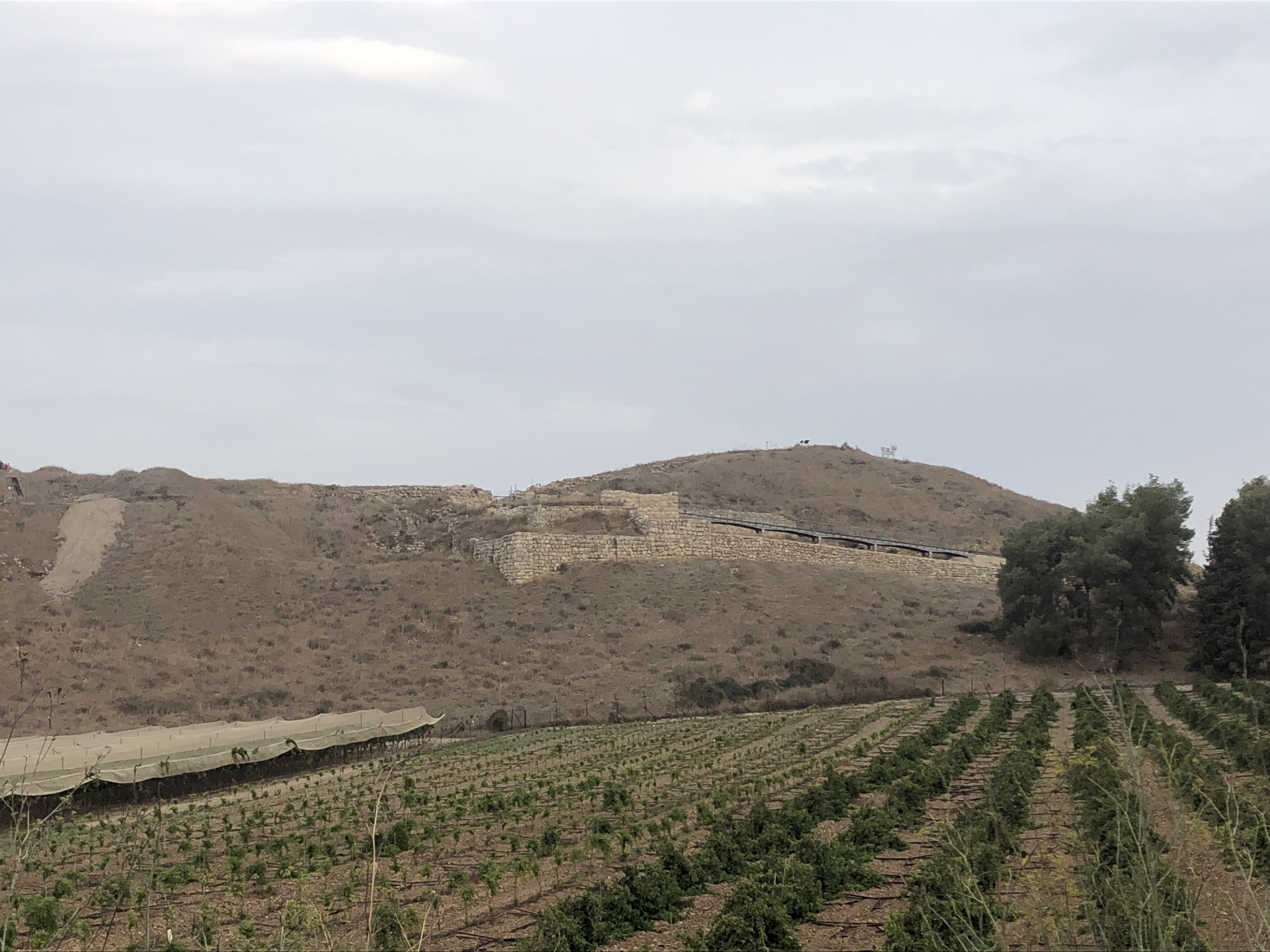
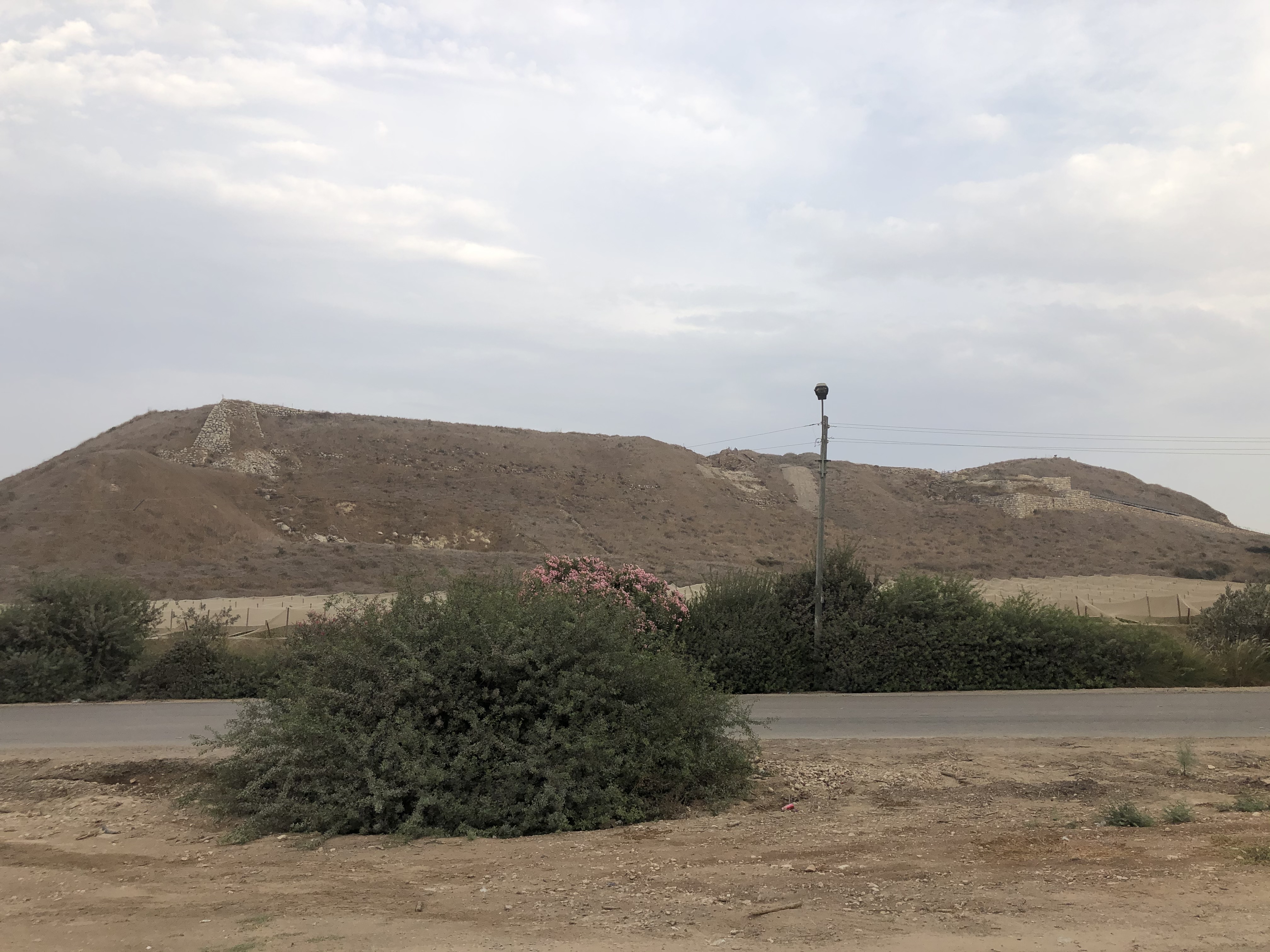
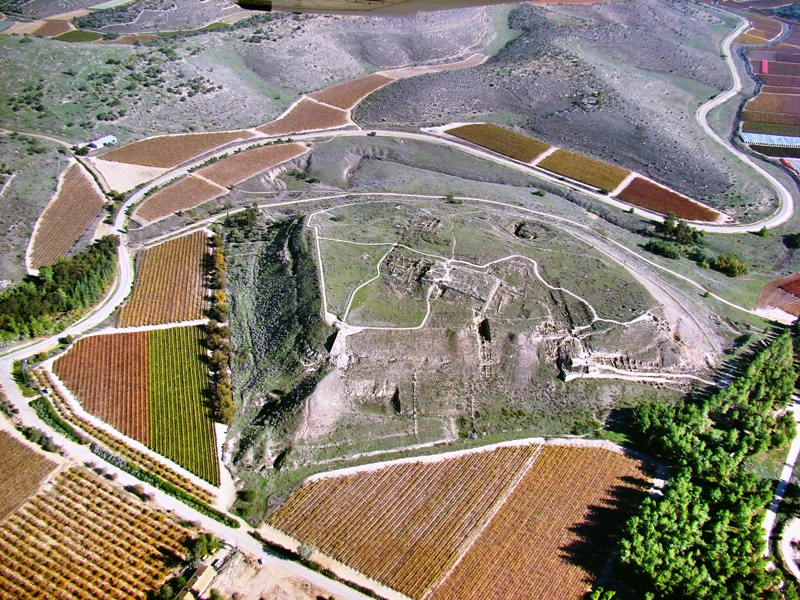
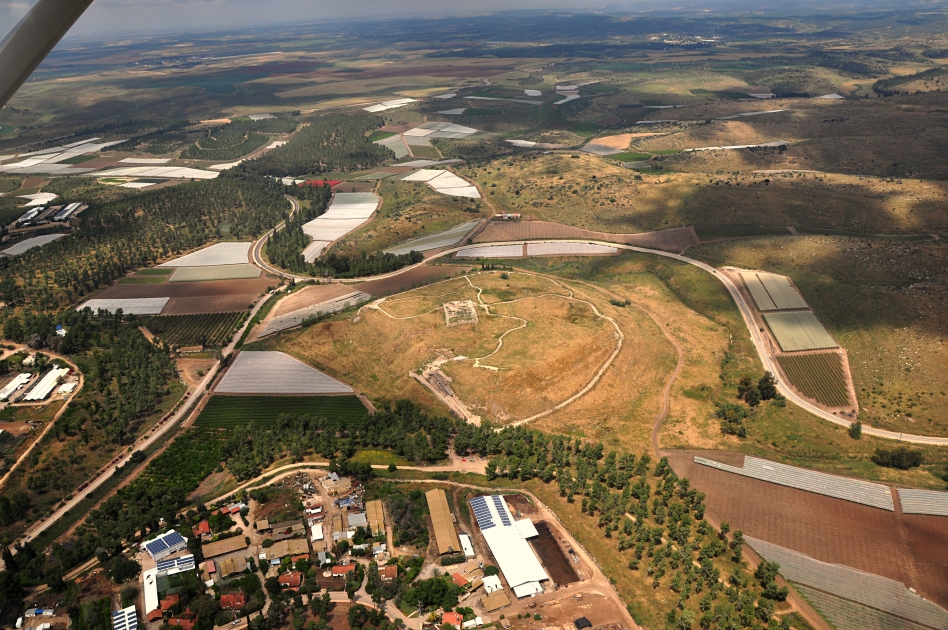
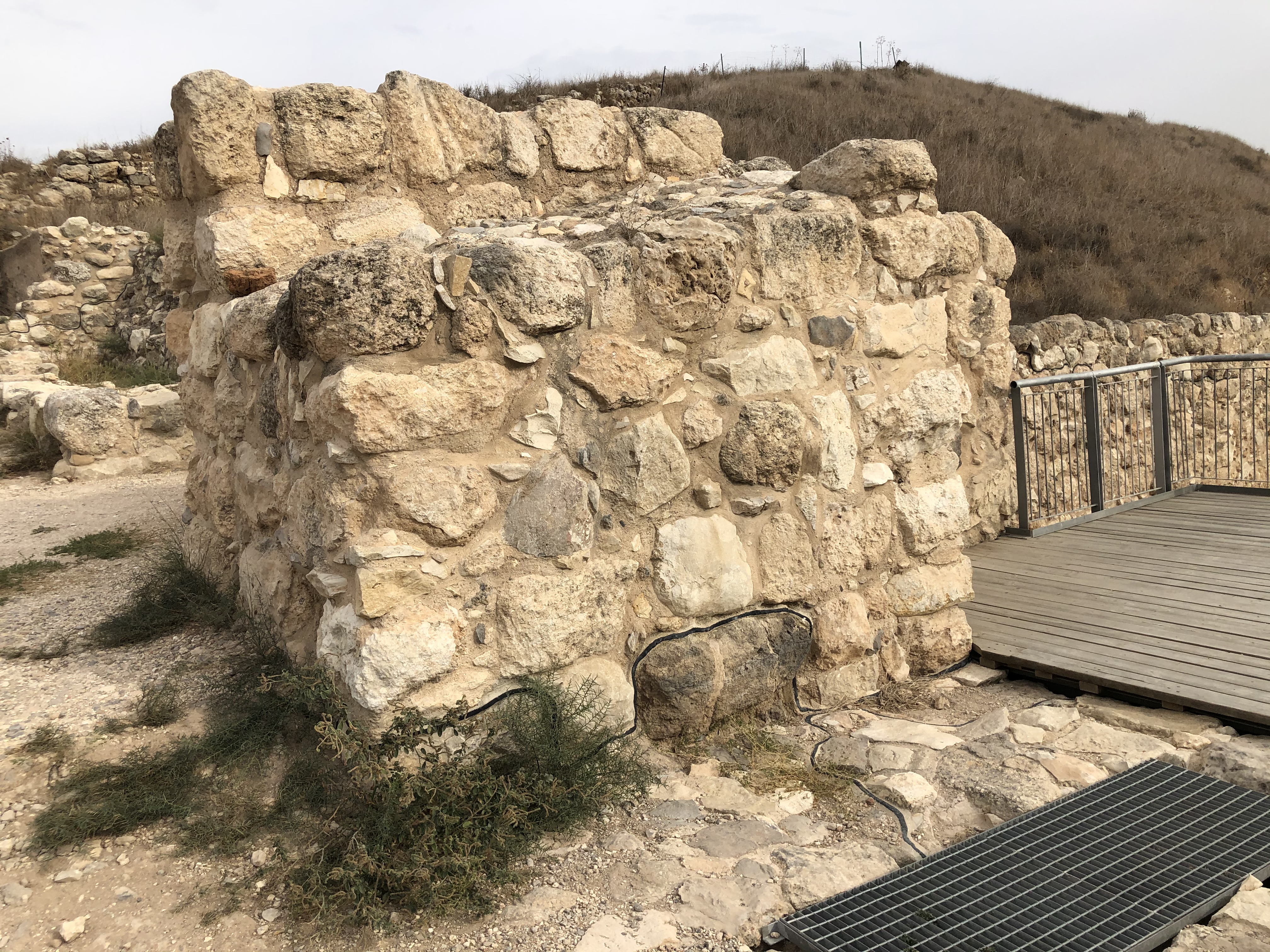
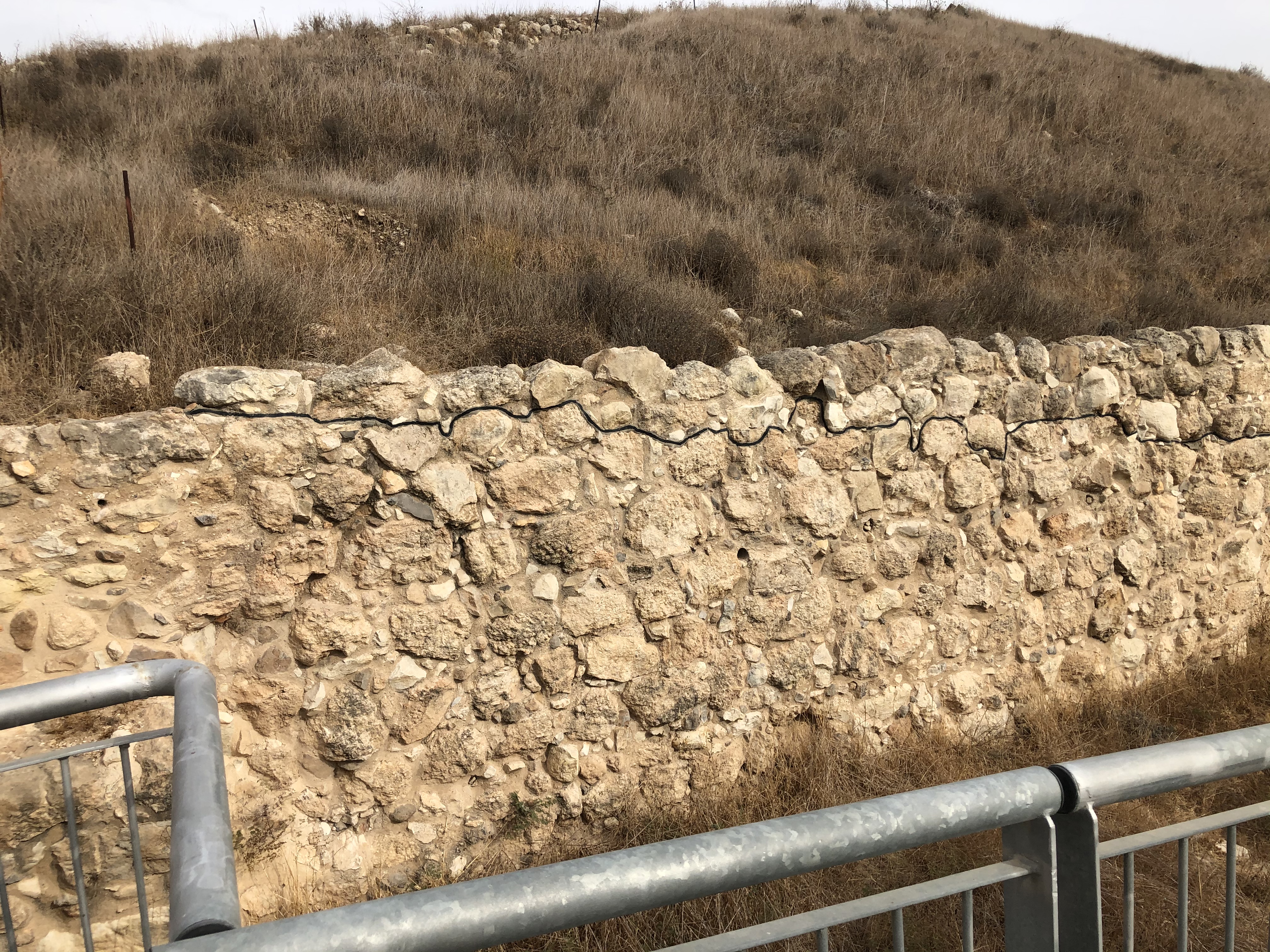
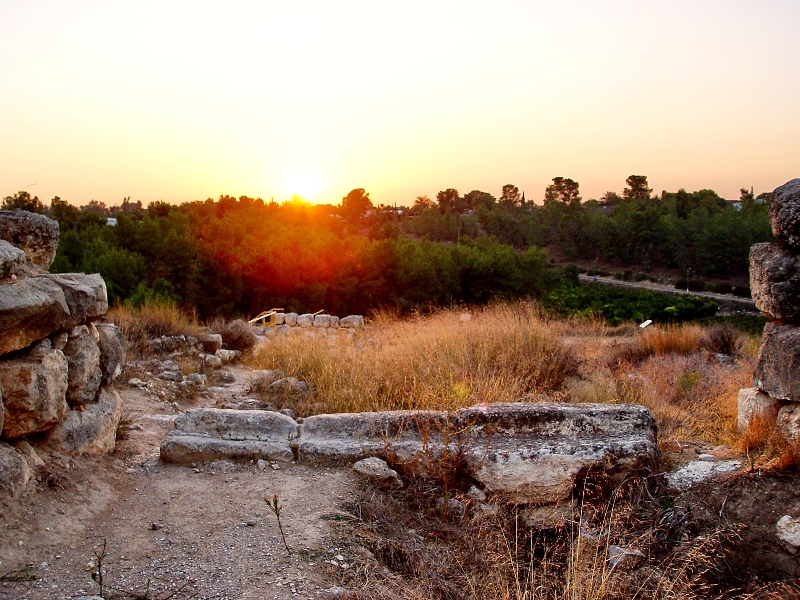
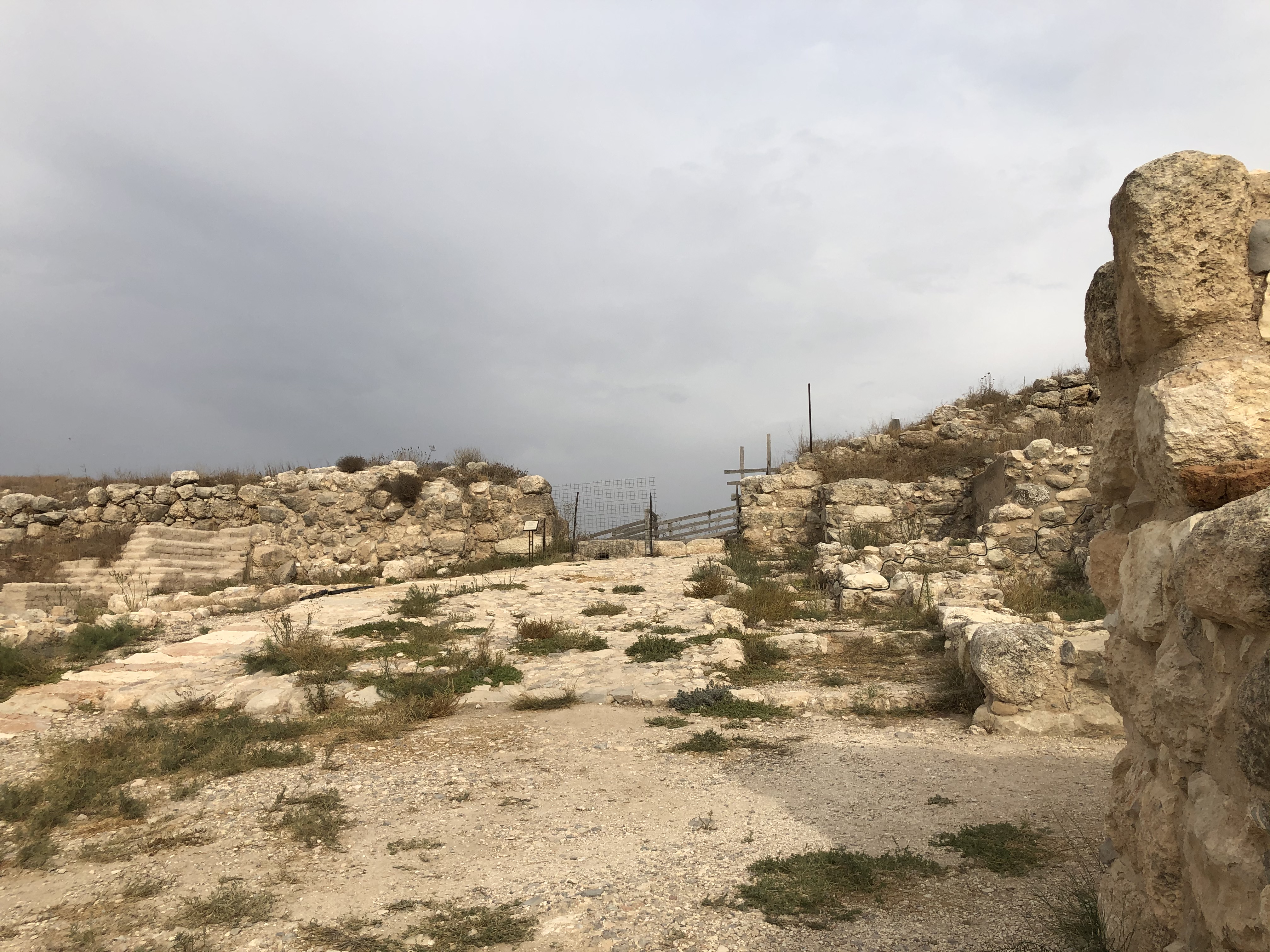
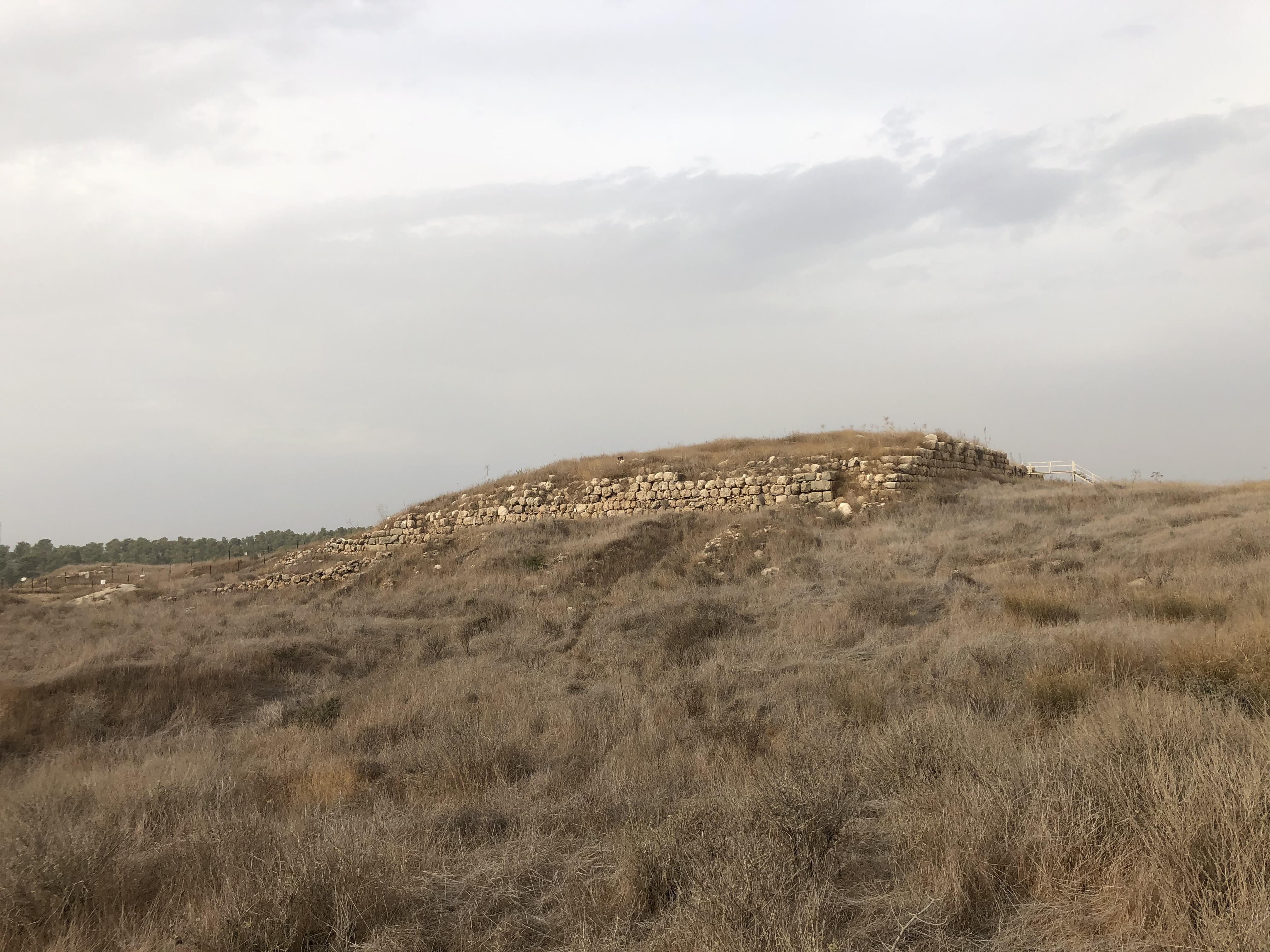
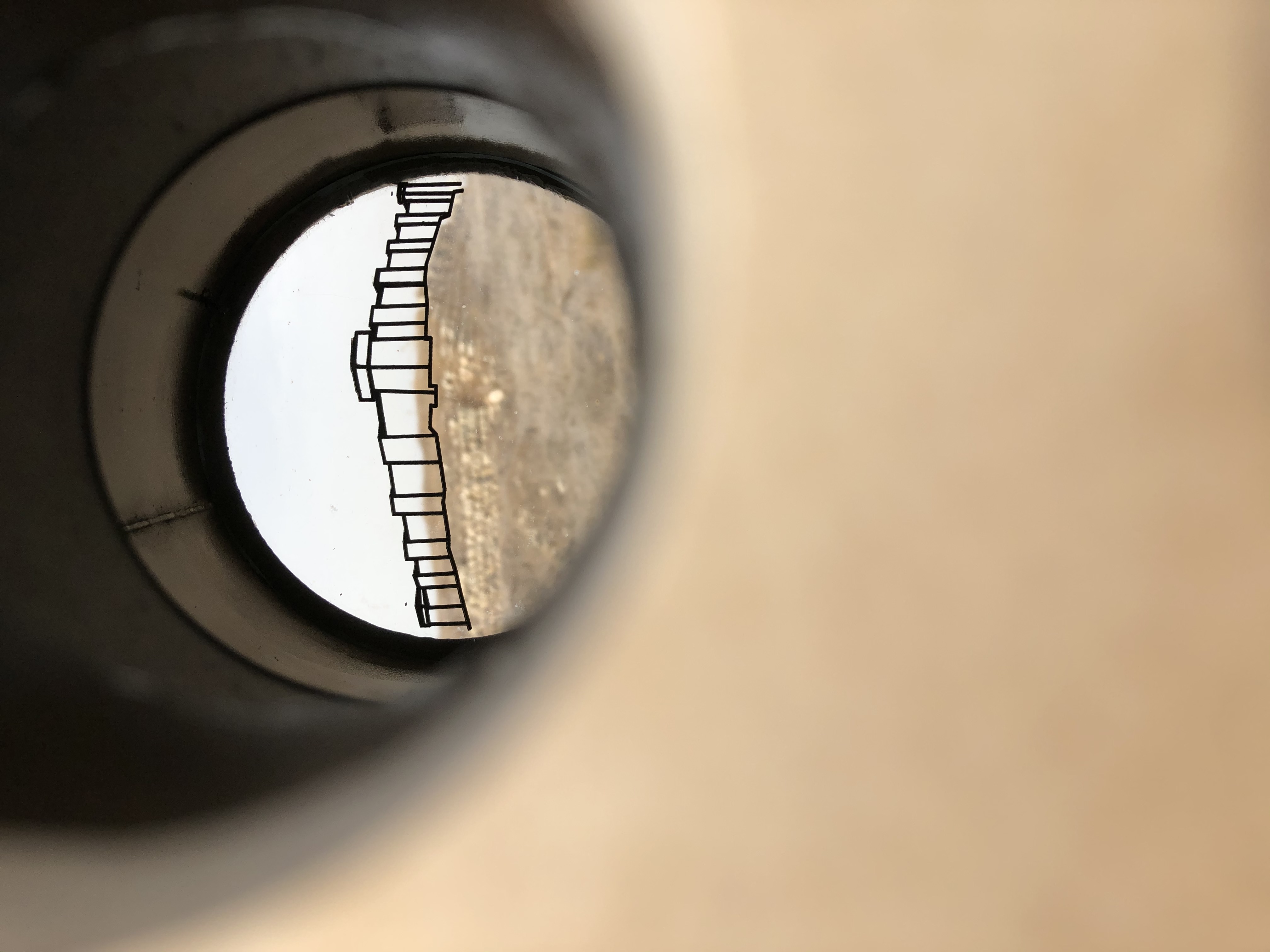
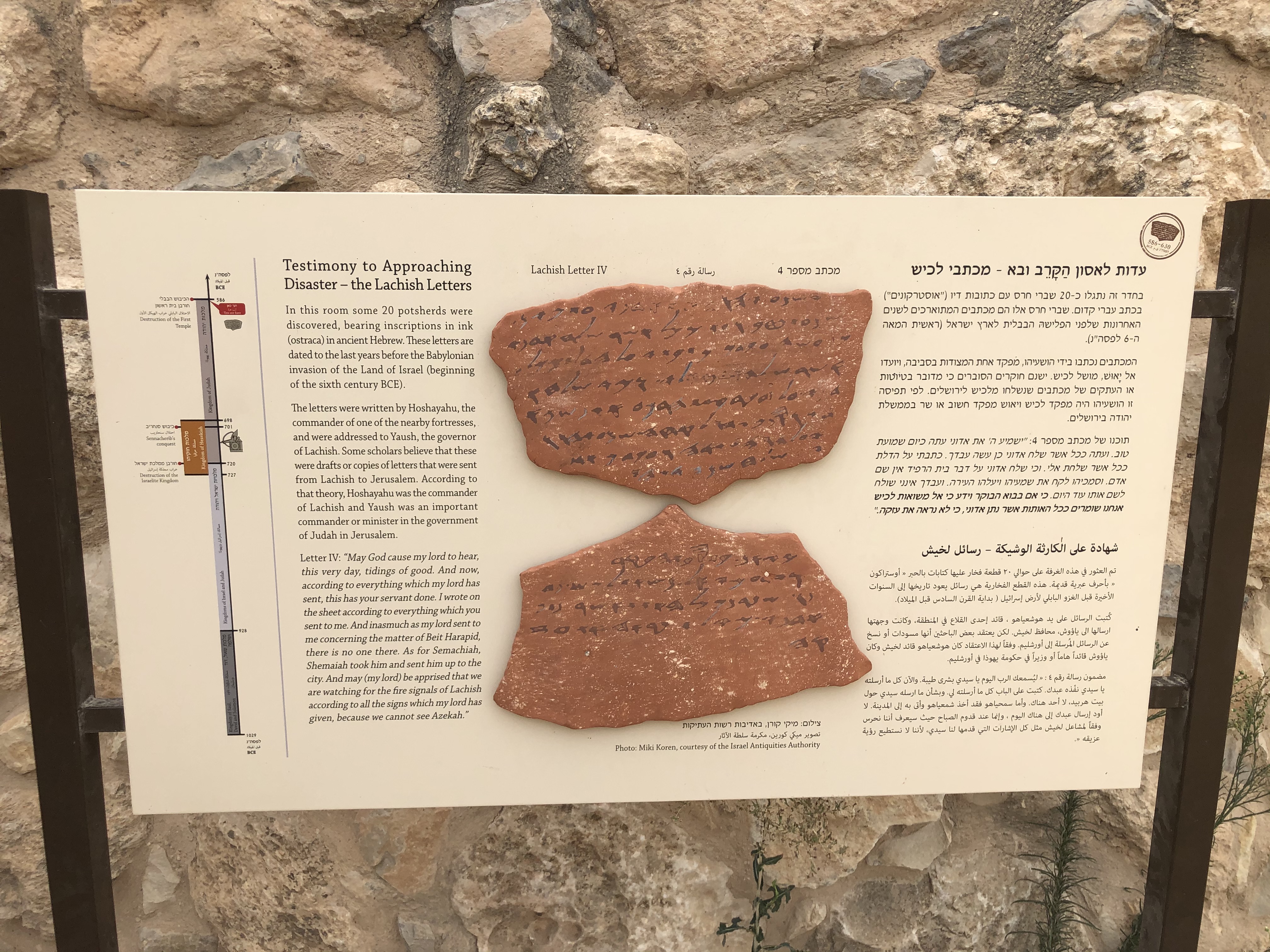
Videa
1.The Brutal Assyrian Siege of Lachish: Judean City Destroyed
History of Battle - The Siege of Lachish (701 BCE)
Artefakty
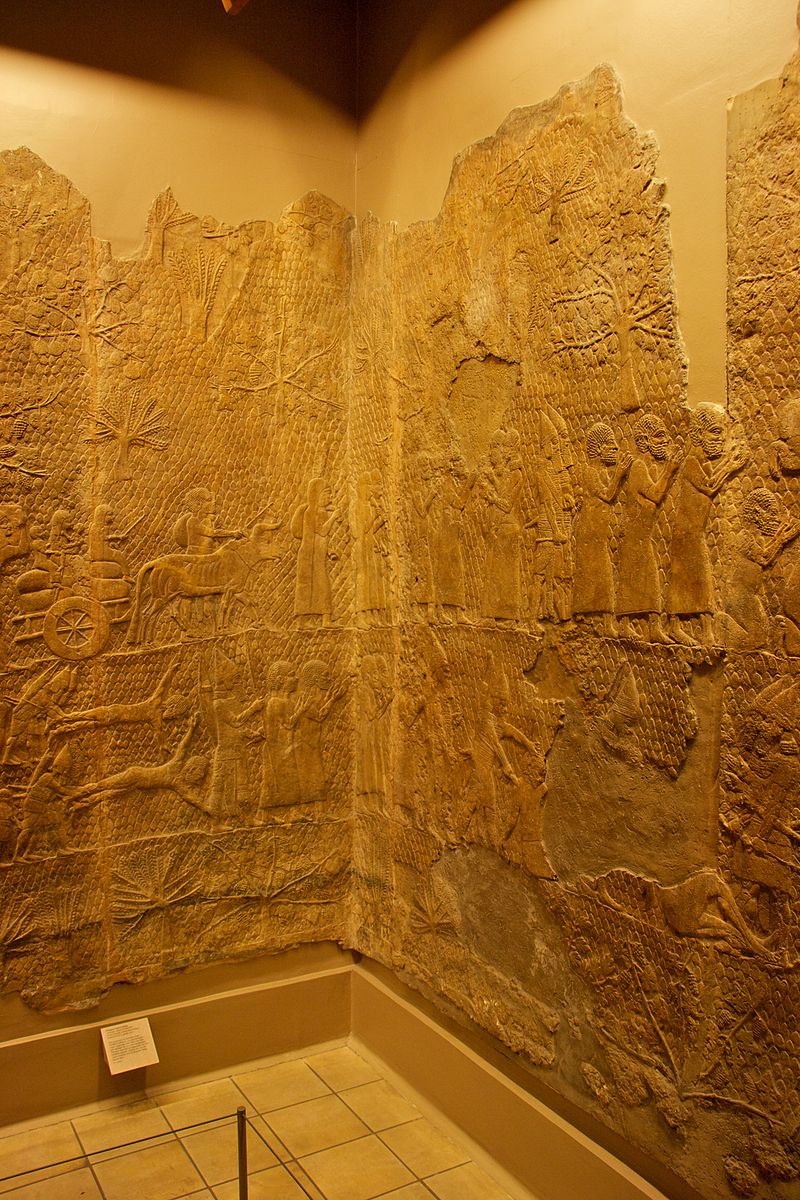
Lachišské reliéfy
Část Sennacheribova reliéfu, který zobrazuje judské zajatce odváděné do zajetí po obléhání Lachiše v roce 701 př. n. l.
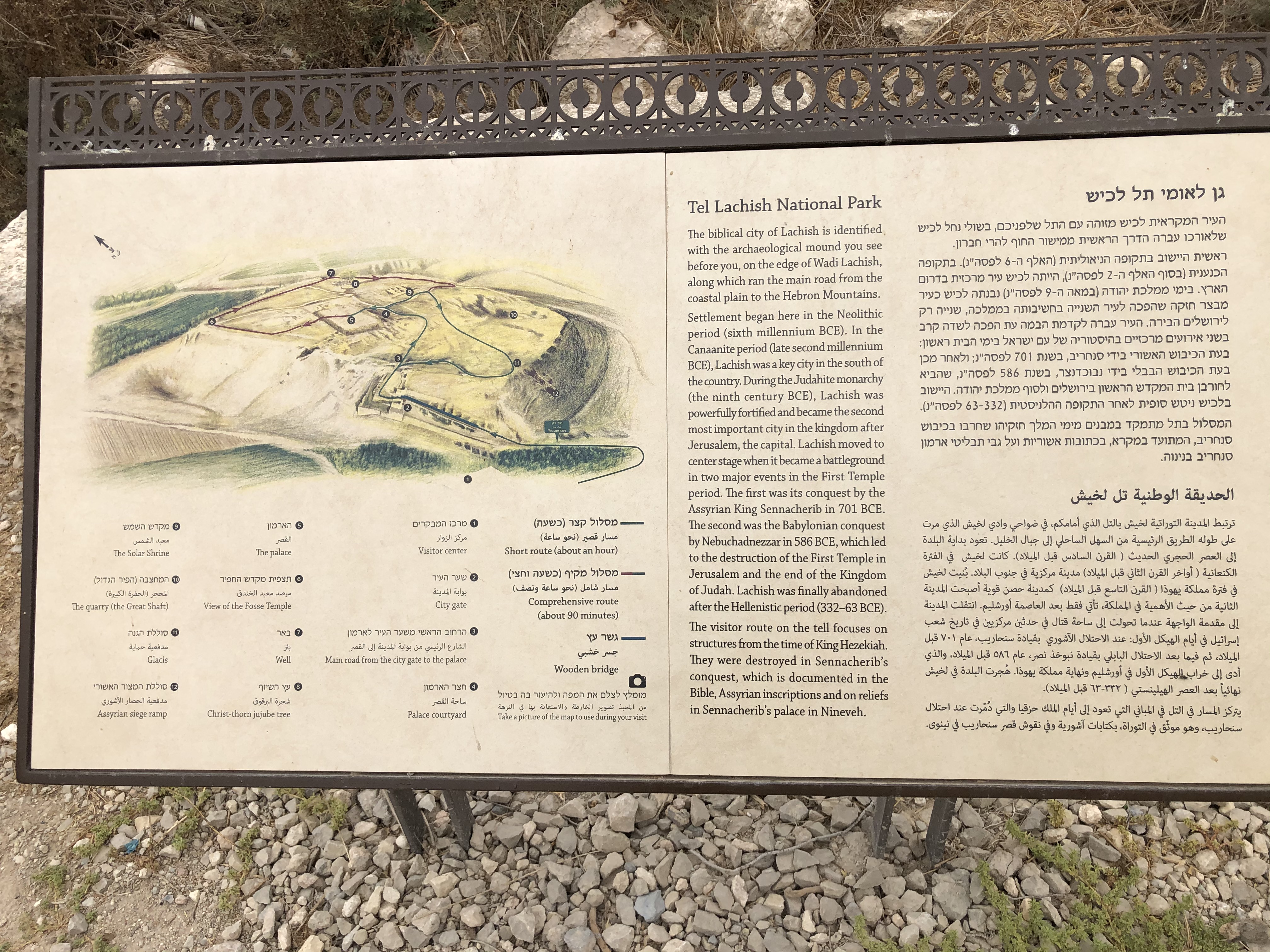
Mapa
Informace ze slovníku
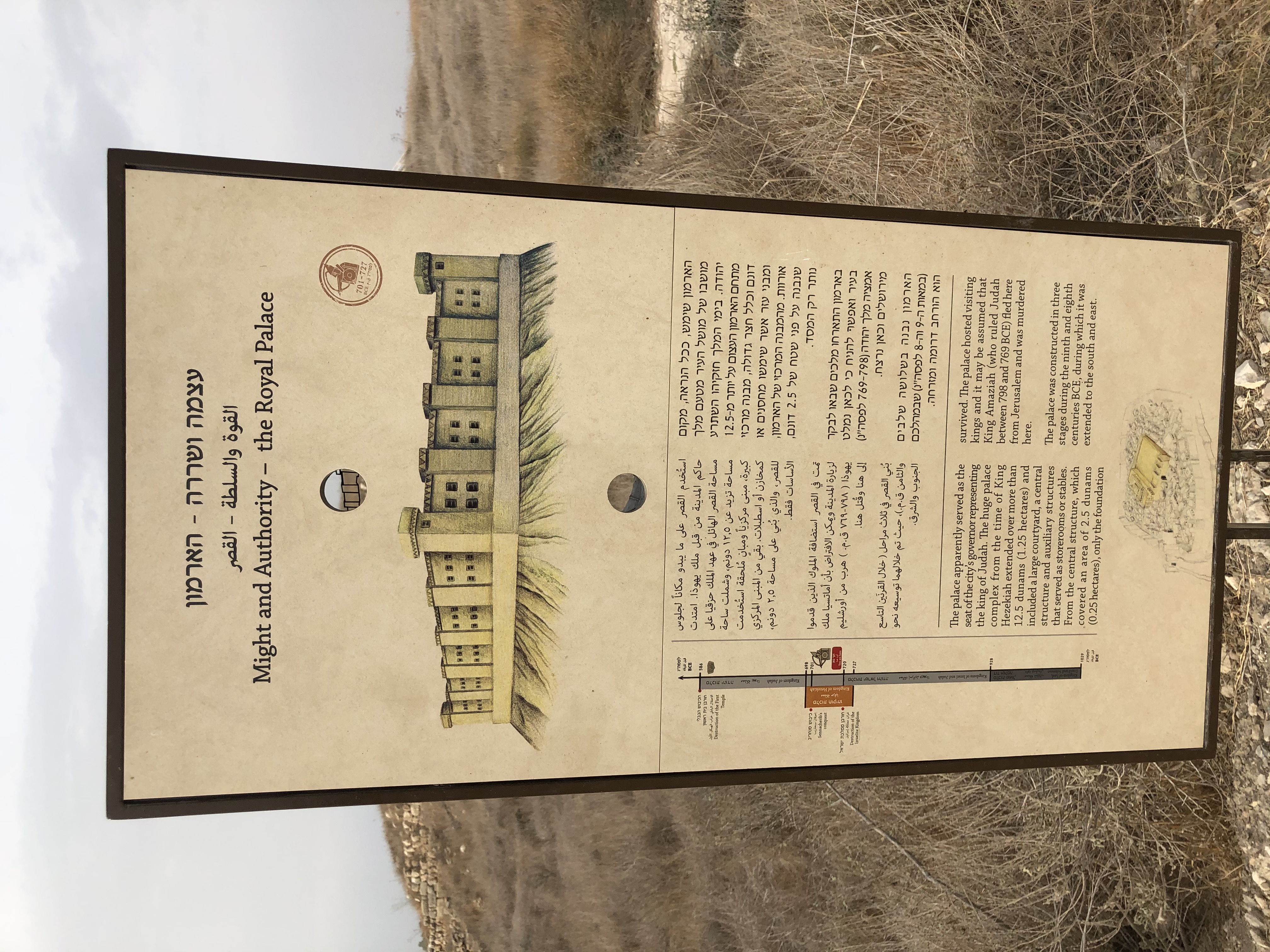
Lákiš, opevněné město amorejské [Joz 15,33 ; Joz 15,39 ], jz. od Jerusalema, jehož král Jáfi se spolčil se čtyřmi jinými na podnět krále jerusal. Adonisedecha, aby potrestali Gabaonské za to, že se spolčili s izraelskými [Joz 10,3 ; Joz 10,5 ]; Jozue však tuto koalici porazil u Betoron a dal v Maceda všechny ony krále povražditi [Joz 10,26 ]. Město Lachis bylo brzy dobyto po smrti jeho krále [Joz 10,31 ; Joz 10,33 ]. Lachis bylo město hrazené, které dal Roboám opevniti po odpadnutí sev. království [2Pa 11,9 ]. Když se Jerusalemští spikli proti *Amaziášovi, králi judskému, utekl se do Lachis, ale i tam byl pronásledován a zavražděn [2Pa 25,27 ; 2Kr 14,19 ]. Za krále Ezechiáše dobyl města Senacherib [2Kr 18,13 n], když se vracel z Egypta. [Mi 1,13 ] obviňuje L. jako původce hříchu "dcery Sionské". Snad se tím myslí na modlářství nebo na počátek závislosti na Egyptu. Nabuchodonozor srovnal město se zemí [Jr 34,7 ]. Po návratu ze zajetí bylo L. i s "poli" svými od Židů opět zabráno [Neh 11,30 ]. Dnešní jeho jméno je Tell ed-duvér; při vykopávkách tu byly nalezeny hebr. dopisy na střepinách z doby Jeremiášovy.

Dobývání izraelského města Lachis Assyřany. Část velké alabastrové skulpturální obruby (frýs), která zdobila jednu z místností Senacheribova paláce v Ninive.
Zdroj: Biblický slovník (Adolf Novotný - 1956)
Lachish
impregnable, a royal Canaanitish city in the Shephelah, or maritime plain of Palestine (Josh 10:3; 10:5; 12:11). It was taken and destroyed by the Israelites (Josh 10:31-33). It afterwards became, under Rehoboam, one of the strongest fortresses of Judah (2Chr 10:9). It was assaulted and probably taken by Sennacherib (2Kings 18:14; 18:17; 19:8; Isa 36:2). An account of this siege is given on some slabs found in the chambers of the palace of Koyunjik, and now in the British Museum. The inscription has been deciphered as follows:, "Sennacherib, the mighty king, king of the country of Assyria, sitting on the throne of judgment before the city of Lachish: I gave permission for its slaughter." (See NINEVEH)
Lachish has been identified with Tell-el-Hesy, where a cuneiform tablet has been found, containing a letter supposed to be from Amenophis at Amarna in reply to one of the Amarna tablets sent by Zimrida from Lachish. This letter is from the chief of Atim [= Etam, (1Chr 4:32)] to the chief of Lachish, in which the writer expresses great alarm at the approach of marauders from the Hebron hills. "They have entered the land," he says, "to lay waste...strong is he who has come down. He lays waste." This letter shows that "the communication by tablets in cuneiform script was not only usual in writing to Egypt, but in the internal correspondence of the country. The letter, though not so important in some ways as the Moabite stone and the Siloam text, is one of the most valuable discoveries ever made in Palestine" (Conder's Tell Amarna Tablets, p. 134).
Excavations at Lachish are still going on, and among other discoveries is that of an iron blast-furnace, with slag and ashes, which is supposed to have existed B.C. 1500. If the theories of experts are correct, the use of the hot-air blast instead of cold air (an improvement in iron manufacture patented by Neilson in 1828) was known fifteen hundred years before Christ. (See FURNACE)
EBD - Easton's Bible Dictionary