Mikmás
Odkazy
Obrázky
Mapa
Informace ze slovníku
dnešní Muchmas, kde byly vykopány velké kameny, klenutá studna a několik skalních hrobů, bylo důležitým strategickým místem sev. od průsmyku téhož jména (Kral. »cesty Michmas« [1S 13,23 )], vedoucího z Jerusalema na horu Efraimskou, velmi úzkého a příkrého, lemovaného skalisky Bóses a Seneh [1S 14,4 n], takže při průchodu bylo nutno složiti břemena [Iz 10,28 ]. Ve skalách bylo plno jeskyň (Kral. »děr« [1S 14,11 ]). Filištínští leželi v M., odkudž ovládali průsmyk a podnikali nájezdy na Izraele [1S 13,16 n]. O důležitosti místa s hlediska vojenského svědčí i to, že Jonatan Makkabejský zde rozbil svůj hlavní stan. Bylo to však malé místo, zřejmě žádné město, takže ani není vypočítáno mezi městy na území Benjaminově [Joz 18,21 nn], a po návratu ze zajetí bylo osazeno pouze 122 přistěhovalci [Neh 7,31 ; Neh 11,31 ].
Zdroj: Biblický slovník (Adolf Novotný - 1956)
Michmash
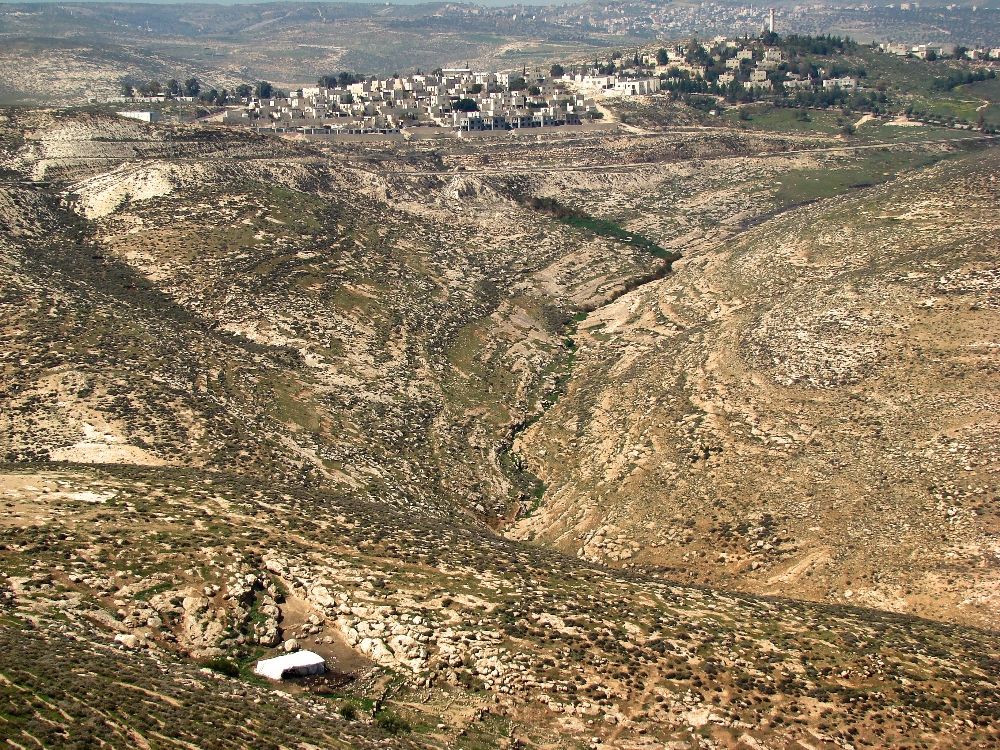
something hidden, a town of Benjamin (Ezra 2:27), east of Bethel and south of Migron, on the road to Jerusalem (Isa 10:28). It lay on the line of march of an invading army from the north, on the north side of the steep and precipitous Wady es-Suweinit ("valley of the little thorn-tree" or "the acacia"), and now bears the name of Mukhmas. This wady is called "the passage of Michmash" (1Sam 13:23 ). Immediately facing Mukhmas, on the opposite side of the ravine, is the modern representative of Geba, and behind this again are Ramah and Gibeah.
This was the scene of a great battle fought between the army of Saul and the Philistines, who were utterly routed and pursued for some 16 miles towards Philistia as far as the valley of Aijalon. "The freedom of Benjamin secured at Michmash led through long years of conflict to the freedom of all its kindred tribes." The power of Benjamin and its king now steadily increased. A new spirit and a new hope were now at work in Israel. (See SAUL)
EBD - Easton's Bible Dictionary