Olivová hora
Odkazy
Street View
Obrázky
Videa
Mt. of Olives Overview Tour
Mapa
Informace ze slovníku
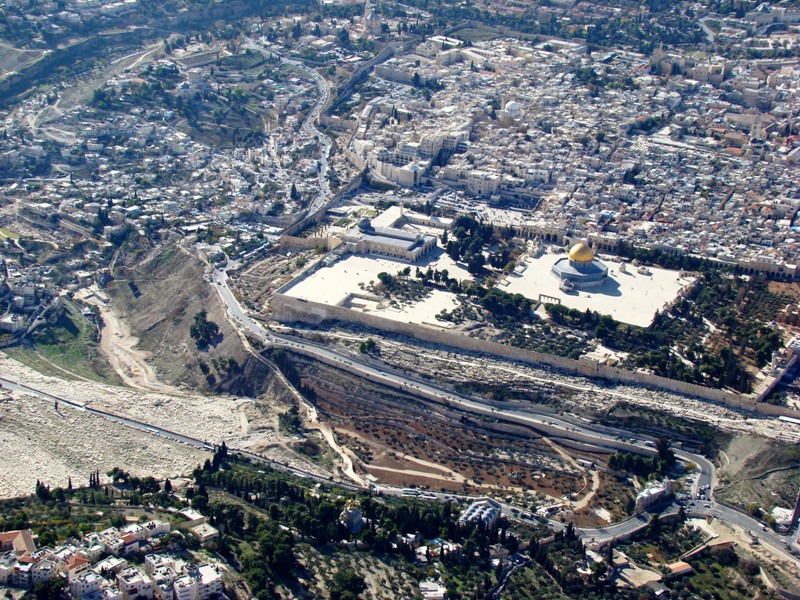
[2S 15,30 ; Za 14,4 ; Mt 21,1 ; Mt 26,30 ; Sk 1,12 ], arabsky Džebel et-Tûr, lat. Olivetum, jest norský hřbet východně od Jerusalema, táhnoucí se podél údolí Cedron od severu k jihu, jehož nejsevernější část Scopus (dnešní Karem es-Sajjád, kdysi nazývána Galilea) dosahuje výšky 828 m, kdežto údolí Cedron [Kidron] proti hoře Olivetské má výšku nad mořem 700 m.
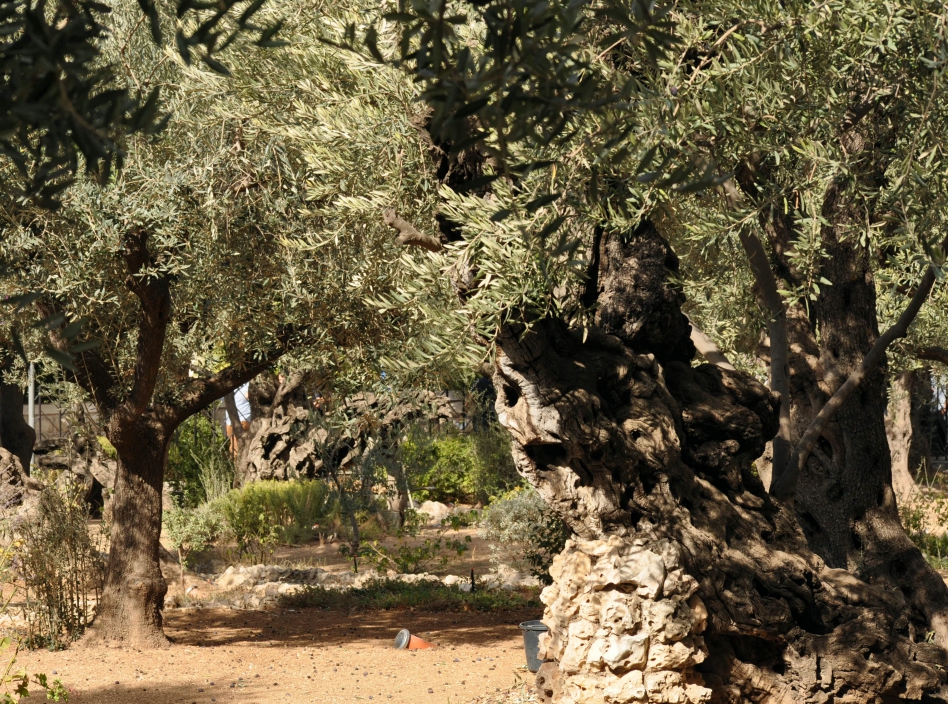
Na severu je hora O. oddělena od vysočiny, rozprostírající se na severu od Jerusalema, jen poměrně mělkou proláklinou. Této souvislé vyvýšeniny bývalo dobyvateli Jerusalema výhodně používáno (Alexander Veliký, Titus). S vrchu Scopu je nádherný pohled na Jerusalem, na poušť Judskou, na údolí jordánské, Mrtvé moře, hory Galádské a Moabské. Na východní straně hory O. leží vesnice Betanie a Betfage [Mt 21,1 ; Mk 11,1 ; L 19,29], na západním úpatí hory jest zahrada a jeskyně Getsemany. Od hory chrámové, nad niž vyčnívá 60 m, oddělena jest údolím Kidron. Útvarem jest hora O. křídovým vápencem. Vrchol je plochými proláklinami rozdělen na tři pahorky.
Sem se uchýlil David na útěku před Absolonem; zde také bylo zvykem modliti se [2S 15,32 ]. Zde také »stála sláva Hospodinova«, když odešla z Jerusalema [Ez 11,23 ], zde stanou nohy Hospodina, jenž přispěchá na pomoc svému lidu [Za 14,4 ]. Ježíš často odcházel na tuto horu [L 21,37; 22,39; J 8,1 ]; pod horou O. ho vítaly zástupy, když vjížděl do Jerusalema [L 19,37n], na jejím vrcholku plakal nad svatým městem [L 19,41-44]. Odtud také prorokoval zkázu města i chrámu [Mt 24,3 ; Mk 13,3 ]. Na horu O. se uchýlil po poslední večeři se svými učedníky [Mt 26,30 ; Mk 14,26 ]. Na prostředním vrcholu dala císařovna Helena r. 333 postaviti basiliku Nanebevstoupení Páně nad jeskyní Credo. Basiliku rozbili Peršané r. 614. Místo nanebevstoupení Páně bylo prý poněkud dále na severozápad. Jest dnes označeno malou mešitou. Ve vzdálenosti asi 370 m na sever od mešity je pahorek »Viri Galilaek«, t. j. »muži Galilejští« [Sk 1,11 ]. Nedaleko od místa nanebevstoupení jsou budovy francouzských karmelitek. Tu prý Ježíš učil své učedníky modlitbě Otče náš. Jz odtud je místo, kde prý Ježíš zaplakal nad Jerusalemem (Dominus flevit! [L 19,41-44] ). Jižně od budov karmelitánek je pohřebiště, zvané »hroby prorocké«. Jsou vytesány v měkké skále. Ještě mnoho jiných budov pokrývá místa bývalých olivových zahrad. Olivy, po nichž má hora své jméno, jsou zde už pořídku.
Zdroj: Biblický slovník (Adolf Novotný - 1956)
Olives, Mount of
so called from the olive trees with which its sides are clothed, is a mountain ridge on the east of Jerusalem (1Kings 11:7; Ezek 11:23 ; Zech 14:4), from which it is separated by the valley of Kidron. It is first mentioned in connection with David's flight from Jerusalem through the rebellion of Absalom (2Sam 15:30 ), and is only once again mentioned in the Old Testament, in (Zech 14:4). It is, however, frequently alluded to (1Kings 11:7; 2Kings 23:13; Neh 8:15 ; Ezek 11:23 ).
It is frequently mentioned in the New Testament (Matt 21:1; 26:30), etc. It now bears the name of Jebel et-Tur, i.e., "Mount of the Summit;" also sometimes called Jebel ez-Zeitun, i.e., "Mount of Olives." It is about 200 feet above the level of the city. The road from Jerusalem to Bethany runs as of old over this mount. It was on this mount that Jesus stood when he wept over Jerusalem. "No name in Scripture," says Dr. Porter, "calls up associations at once so sacred and so pleasing as that of Olivet. The 'mount' is so intimately connected with the private, the devotional life of the Saviour, that we read of it and look at it with feelings of deepest interest and affection. Here he often sat with his disciples, telling them of wondrous events yet to come, of the destruction of the Holy City; of the sufferings, the persecution, and the final triumph of his followers (Matt 24:1etc.). Here he gave them the beautiful parables of the ten virgins and the five talents (Matt 25:1etc.); here he was wont to retire on each evening for meditation, and prayer, and rest of body, when weary and harassed by the labours and trials of the day (Luke 21:37); and here he came on the night of his betrayal to utter that wonderful prayer, 'O my Father, if it be possible, let this cup pass from me: nevertheless not as I will, but as thou wilt' (Matt 26:39). And when the cup of God's wrath had been drunk, and death and the grave conquered, he led his disciples out again over Olivet as far as to Bethany, and after a parting blessing ascended to heaven (Luke 24:50; 24:51; Acts 1:12)."
This mount, or rather mountain range, has four summits or peaks:
(1) the "Galilee" peak, so called from a tradition that the angels stood here when they spoke to the disciples (Acts 1:11);
(2) the "Mount of Ascension," the supposed site of that event, which was, however, somewhere probably nearer Bethany (Luke 24:51; 24:52);
(3) the "Prophets," from the catacombs on its side, called "the prophets' tombs;" and
(4) the "Mount of Corruption," so called because of the "high places" erected there by Solomon for the idolatrous worship of his foreign wives [(1Kings 11:7; 2Kings 23:13); Vulg., "Mount of Offence"].
EBD - Easton's Bible Dictionary