Galilejské moře-Tiberiadské-Kineretské
Popis
Odkazy
Street View
Obrázky
Mapa
Informace ze slovníku
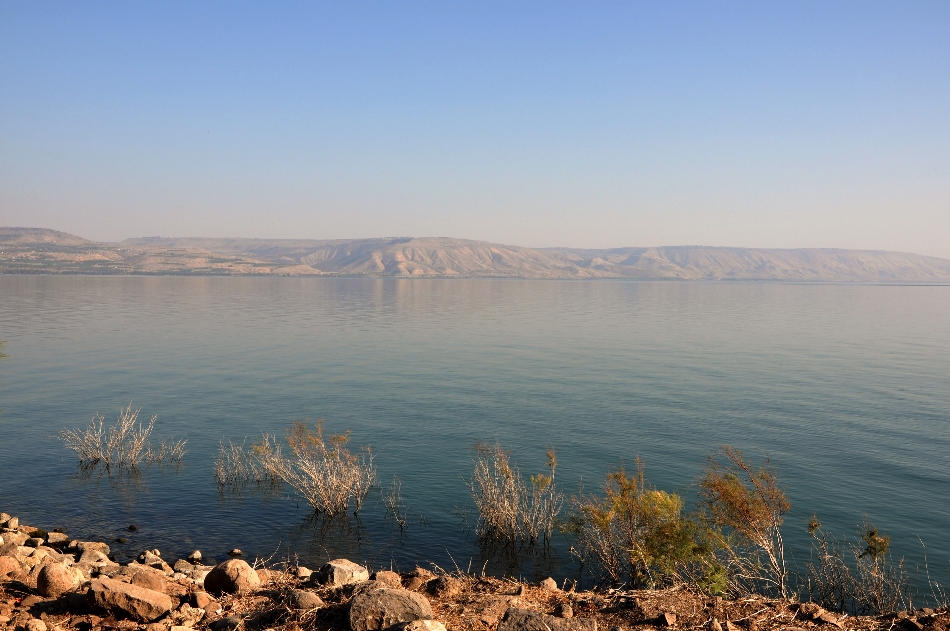
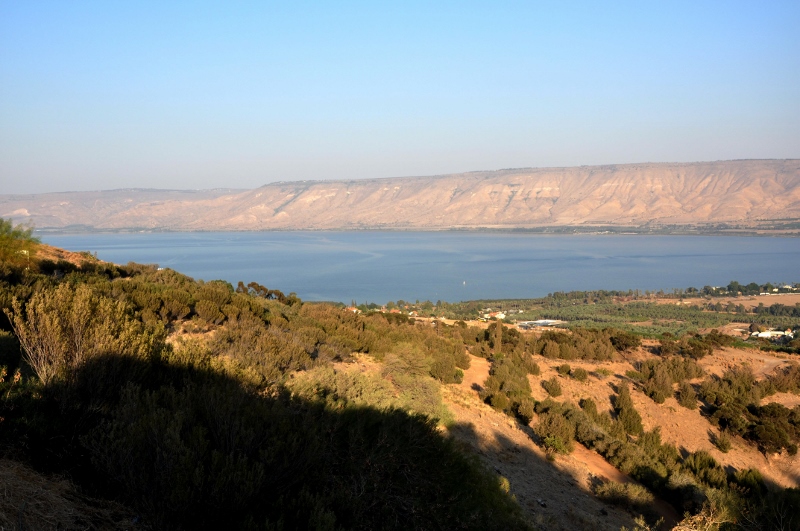
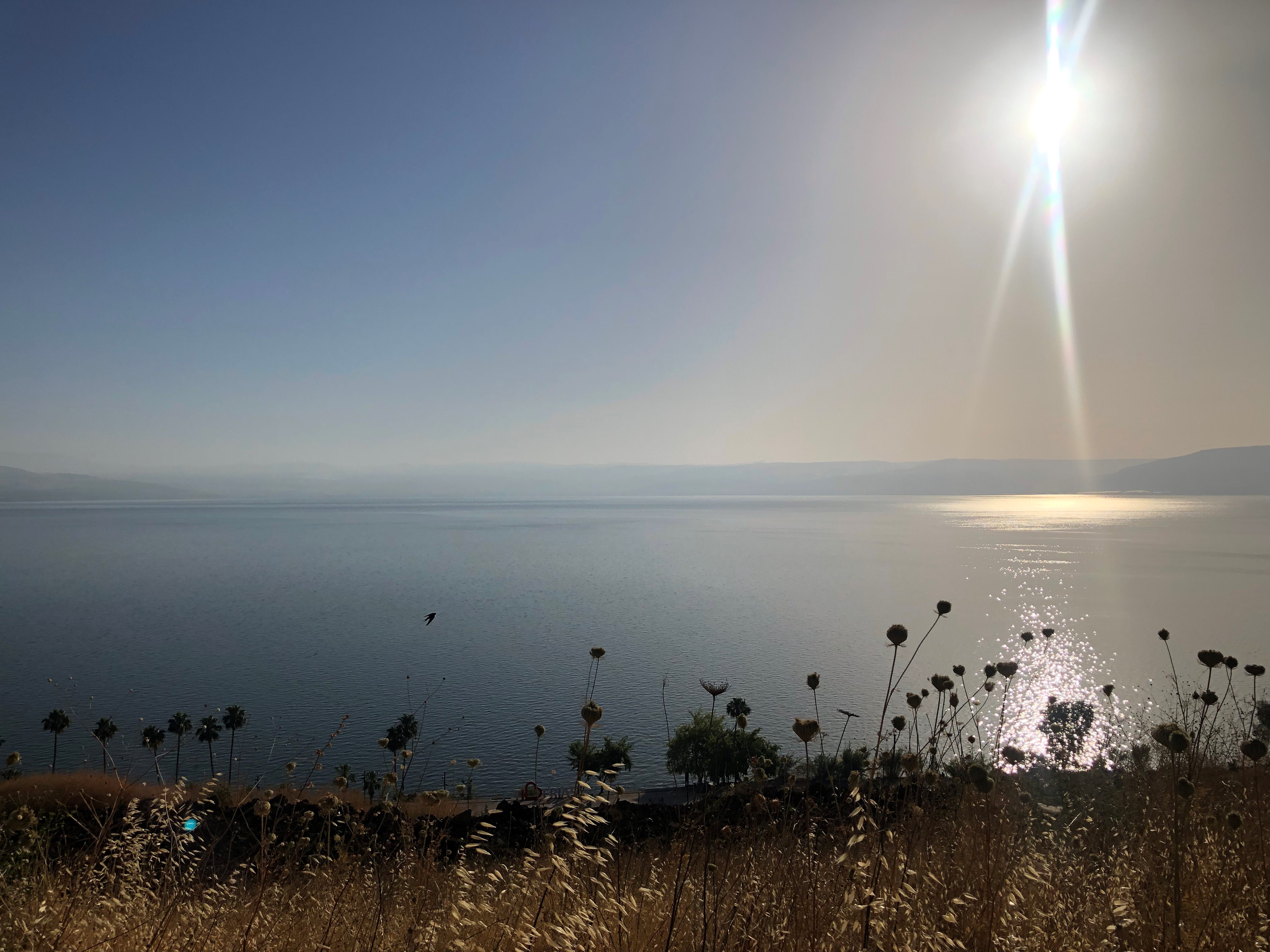
(jindy Tiberiadské [J 21,1 ] nebo moře Galilejské [Mt 4,18 ; Mt 15,29 ; Mk 1,16 ; Mk 7,31 ; J 6,1 ] nebo moře Ceneret [Nu 34,11 ; Joz 12,3 ]) v severní Palestině 208 m pod hladinou Středozemního moře, 12-20 m hluboké s tůněmi až 250 m hlubokými. Je od severu k jihu 21 km dlouhé, 12 km široké, tvoříc kotlinu mezi čedičovými skalními stěnami sopečného původu. Jeho hladina je azurově modrá. Celé jezero je možno objeti na koni za jediný den. Zvláštním dojmem působí hejna bílých a růžových pelikánů, podobajících se na jezeře malým ostrovům. Květena kolem jezera je neobyčejně bujná. Bodlák, divoký fenykl a hořčice rostou do takové výše, že jezdec na koni je úplně skryt, jede-li po pobřeží. Žluté chrysantémy a růžové slezy rostou zde v takovém množství, že člověk jen stěží jimi projde. Oleandry a mořské vrby [vitex agnus castus] rostou na pobřeží dnes zrovna tak, jako za dnů Ježíšových. V úpadku je pouze pěstování palem, fíků, ořechových stromů a vinné révy. V zimě a na jaře převládá barva zelená, v létě v nesnesitelném horku [38-40 st. C ve stínu; ještě v srpnu podle Dallmana při 40° C tepla hyne drůbež] usychá všecko, co nemá hlubokých kořenů. Noci v této době neosvěžují, takže mnozí lidé se na noc pokládají do vody, jen aby trochu tělo ochladili. Je-li člověk nadto stižen horečnatou malarií [Mt 8,14 ; Mk 1,30 ; L 4,38 ; J 4,52 ] a znepokojován ukrutnými komáry, není divu, že z této výhně uniká rád na hory nad jezerem. Náhlé bouře nad jezerem jsou obvyklé, zvl. v době letní.
Jezero je bohaté na ryby. Židovské předpisy v době poexilní dávaly, podle Dallmana, výhradní rybolovní právo kmeni Neftalím; příslušníci ostatních kmenů směli zde loviti pouze na udici anebo i sítí, ale bez pomoci lodí. To ovšem byla pouhá theorie. V praxi se to provádět nedalo při velké smíšenosti pobřežních obyvatel. Ryb bylo takové množství, že se o jezeře zvláště v okolí Betsaidy vykládalo: »jedním nabráním do umyvadla nalovíš 300 druhů různých ryb«. Není divu, že v době Ježíšově okolí jezera bylo nejlidnatějším krajem v celé Palestině. Největší část Ježíšova veřejného působení vztahuje se také právě k okolí jezera G. První učedníci Ježíšovi byli rybáři z okolí tohoto jezera [Mk 1,16 - Mk 1,19 ].
Dnes je tu obyvatelstva jen málo. Sionisté usilují o dosažení bývalé výnosnosti kraje. Na východní straně zdržují se při poušti loupeživí beduíni.
Jméno Genezaret = Kineret bývá odvozováno od hudebního nástroje Kinneret [harfa], ježto jezero prý mělo tvar harfy. Je to ovšem výklad nezaručený.
Zdroj: Biblický slovník (Adolf Novotný - 1956)
Galilee, Sea of
(Matt 4:18; 15:29), is mentioned in the Bible under three other names.
(1.) In the Old Testament it is called the "sea of Chinnereth" (Num 34:11 ; Josh 12:3; 13:27), as is supposed from its harp-like shape.
(2.) The "lake of Gennesareth" once by Luke (Luke 5:1), from the flat district lying on its west coast.
(3.) John (John 6:1; 21:1) calls it the "sea of Tiberias" (q.v.). The modern Arabs retain this name, Bahr Tabariyeh.
This lake is 12 1/2 miles long, and from 4 to 7 1/2 broad. Its surface is 682 feet below the level of the Mediterranean. Its depth is from 80 to 160 feet. The Jordan enters it 10 1/2 miles below the southern extremity of the Huleh Lake, or about 26 1/2 miles from its source. In this distance of 26 1/2 miles there is a fall in the river of 1,682 feet, or of more than 60 feet to the mile. It is 27 miles east of the Mediterranean, and about 60 miles north-east of Jerusalem. It is of an oval shape, and abounds in fish.
Its present appearance is thus described: "The utter loneliness and absolute stillness of the scene are exceedingly impressive. It See ms as if all nature had gone to rest, languishing under the scorching heat. How different it was in the days of our Lord! Then all was life and bustle along the shores; the cities and villages that thickly studded them resounded with the hum of a busy population; while from hill-side and corn-field came the cheerful cry of shepherd and ploughman. The lake, too, was dotted with dark fishing-boats and spangled with white sails. Now a mournful, solitary silence reigns over sea and shore. The cities are in ruins!"
This sea is chiefly of interest as associated with the public ministry of our Lord. Capernaum, "his own city" (Matt 9:1), stood on its shores. From among the fishermen who plied their calling on its waters he chose Peter and his brother Andrew, and James and John, to be disciples, and sent them forth to be "fishers of men" (Matt 4:18; 4:22; Mark 1:16-20; Luke 5:1-11). He stilled its tempest, saying to the storm that swept over it, "Peace, be still" (Matt 8:23-27; Mark 7:31-35); and here also he showed himself after his resurrection to his disciples (John 21:1etc.).
"The Sea of Galilee is indeed the cradle of the gospel. The subterranean fires of nature prepared a lake basin, through which a river afterwards ran, keeping its waters always fresh. In this basin a vast quantity of shell-fish swarmed, and multiplied to such an extent that they formed the food of an extraordinary profusion of fish. The great variety and abundance of the fish in the lake attracted to its shores a larger and more varied population than existed elsewhere in Palestine, whereby this secluded district was brought into contact with all parts of the world. And this large and varied population, with access to all nations and countries, attracted the Lord Jesus, and induced him to make this spot the centre of his public ministry."
EBD - Easton's Bible Dictionary