Šekem
Odkazy
Street View
Obrázky
Videa
Shechem
Mapa
Informace ze slovníku
(= plece, rámě).
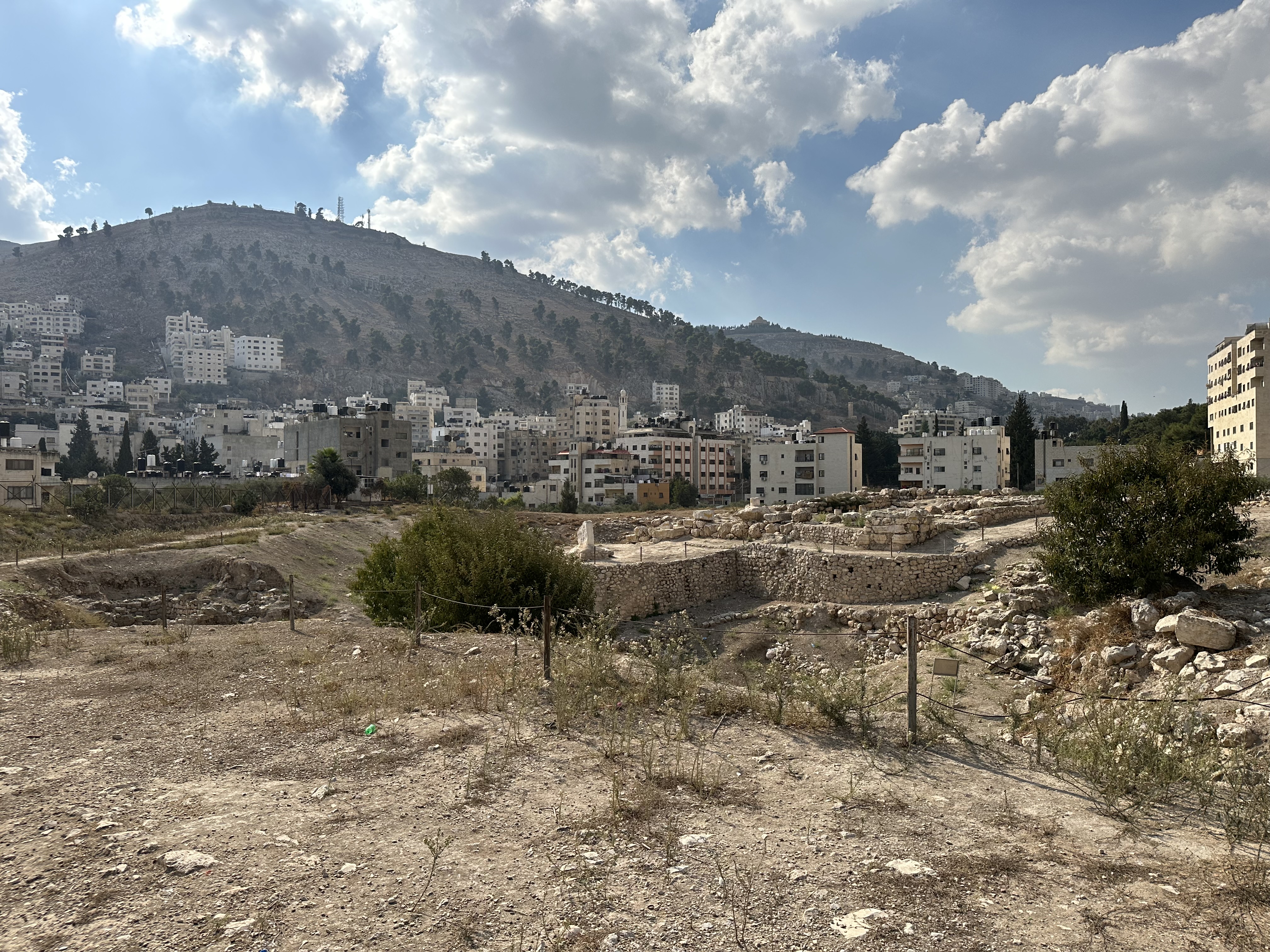
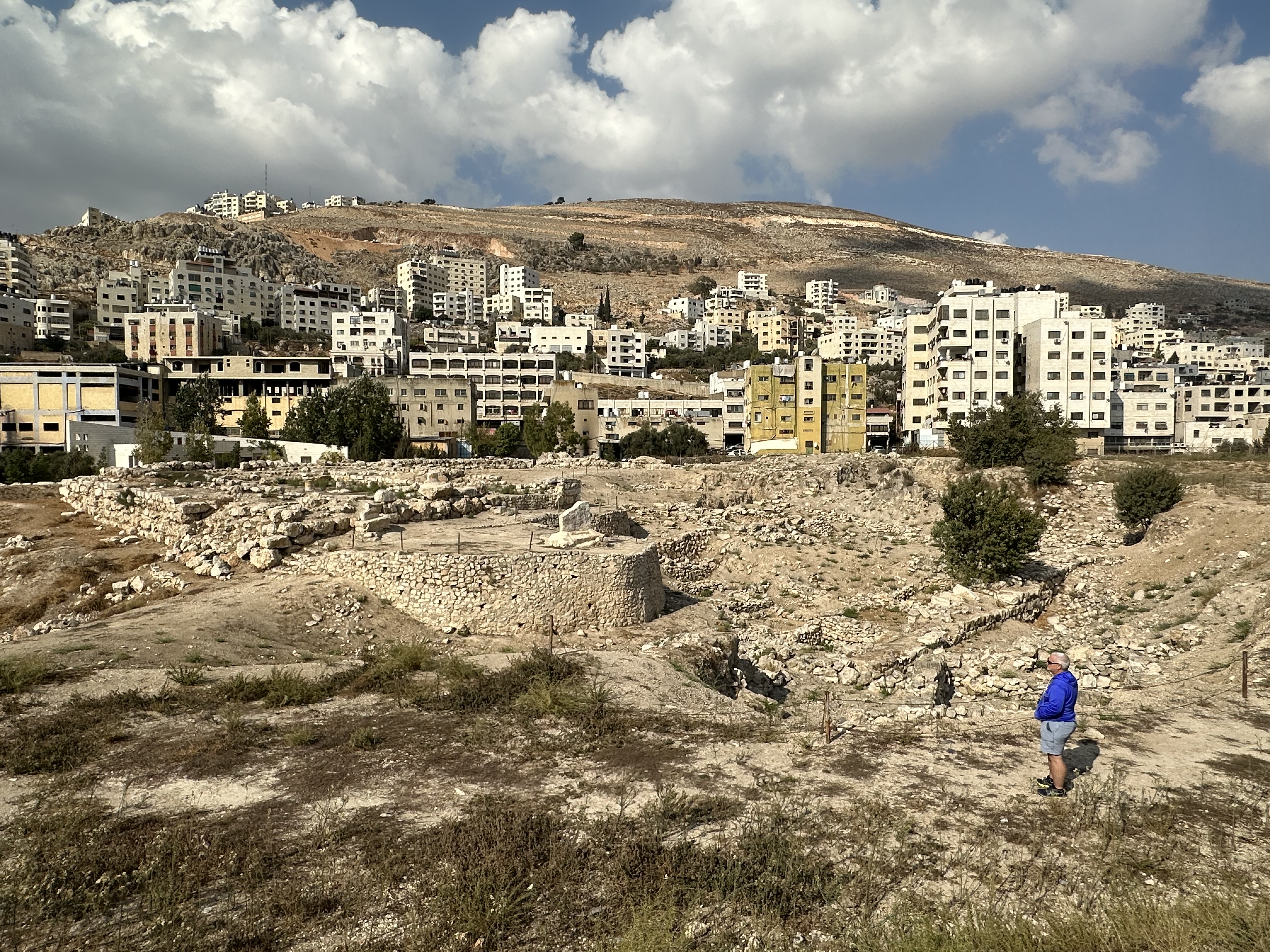
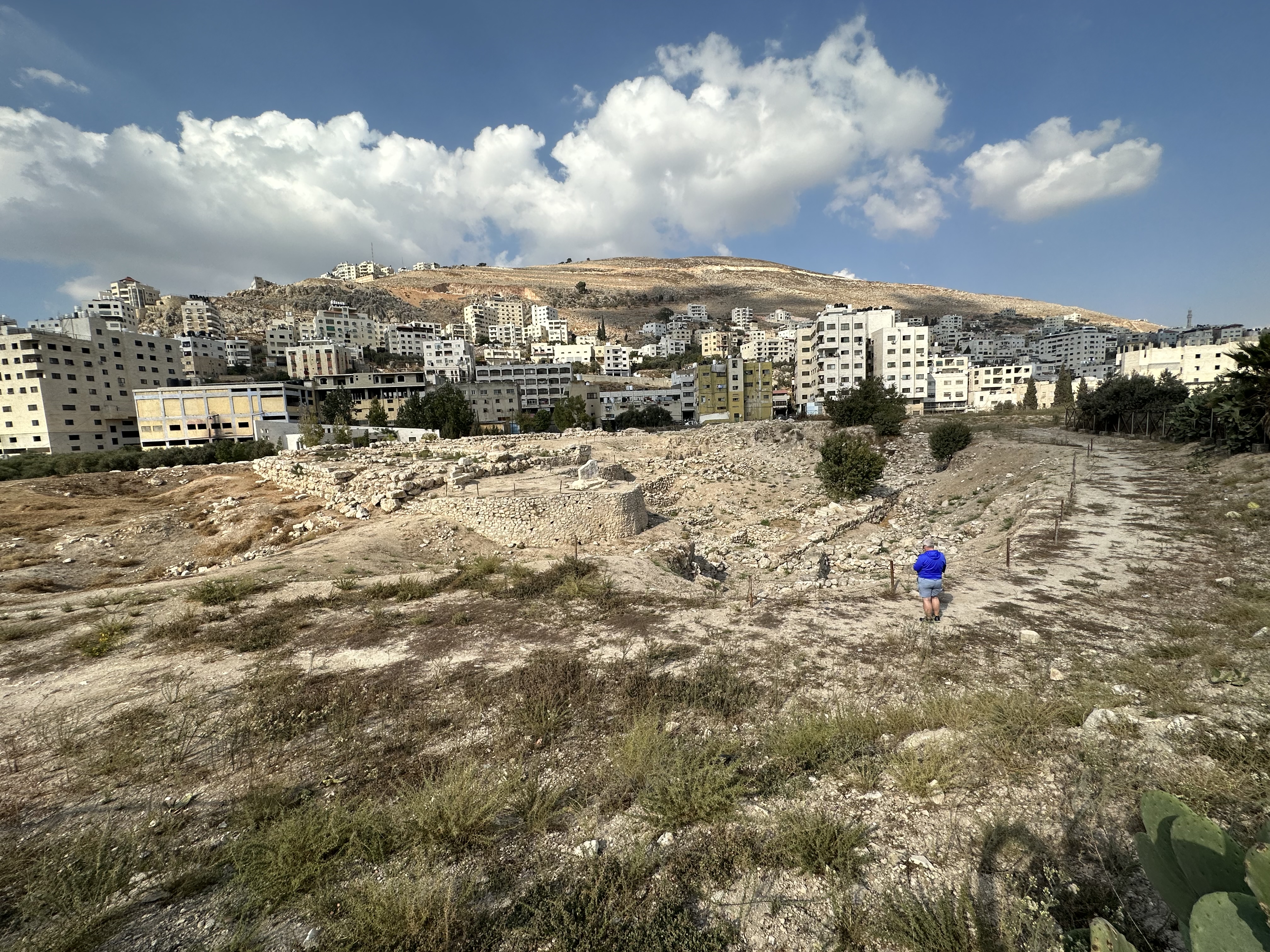
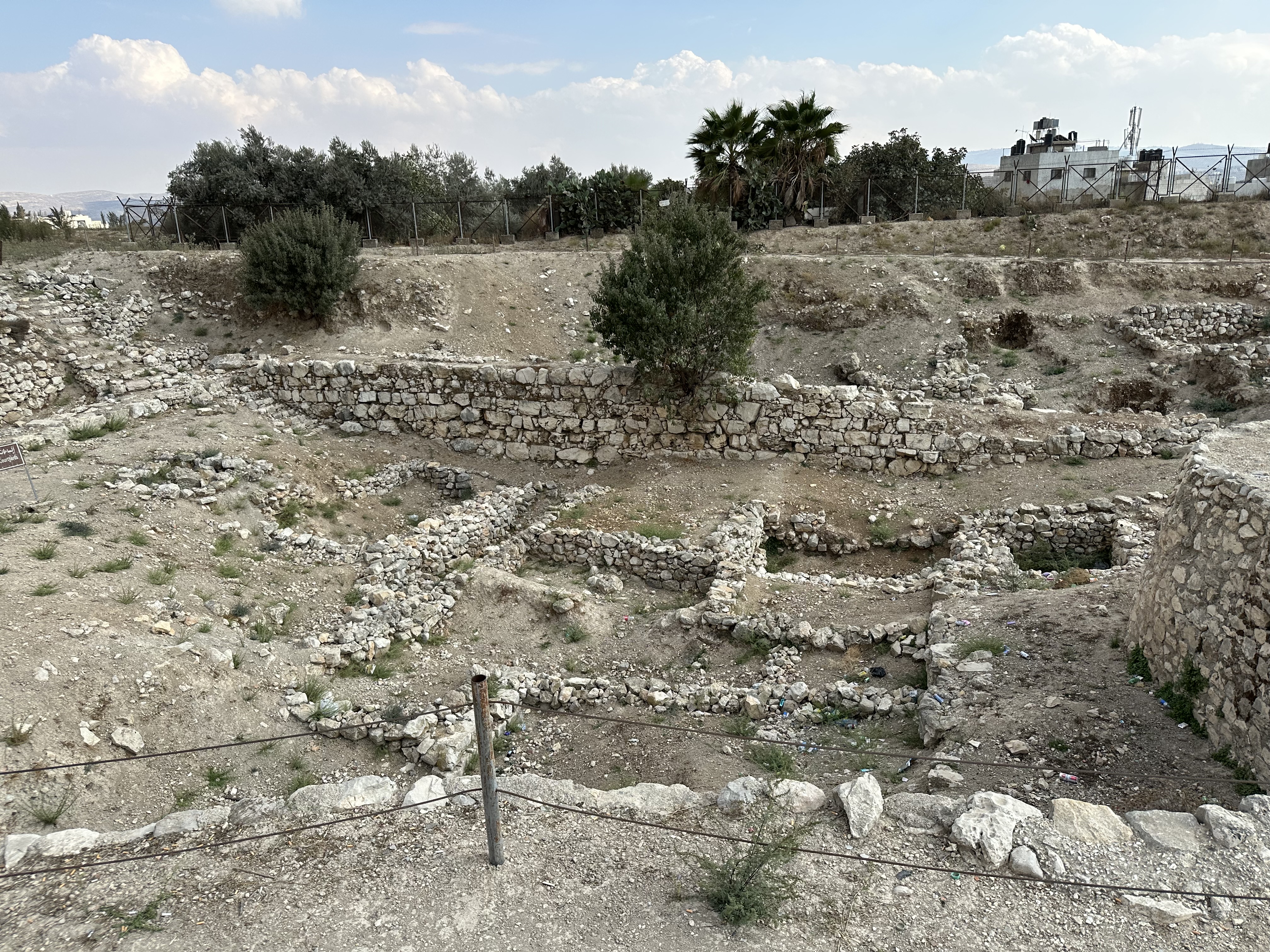
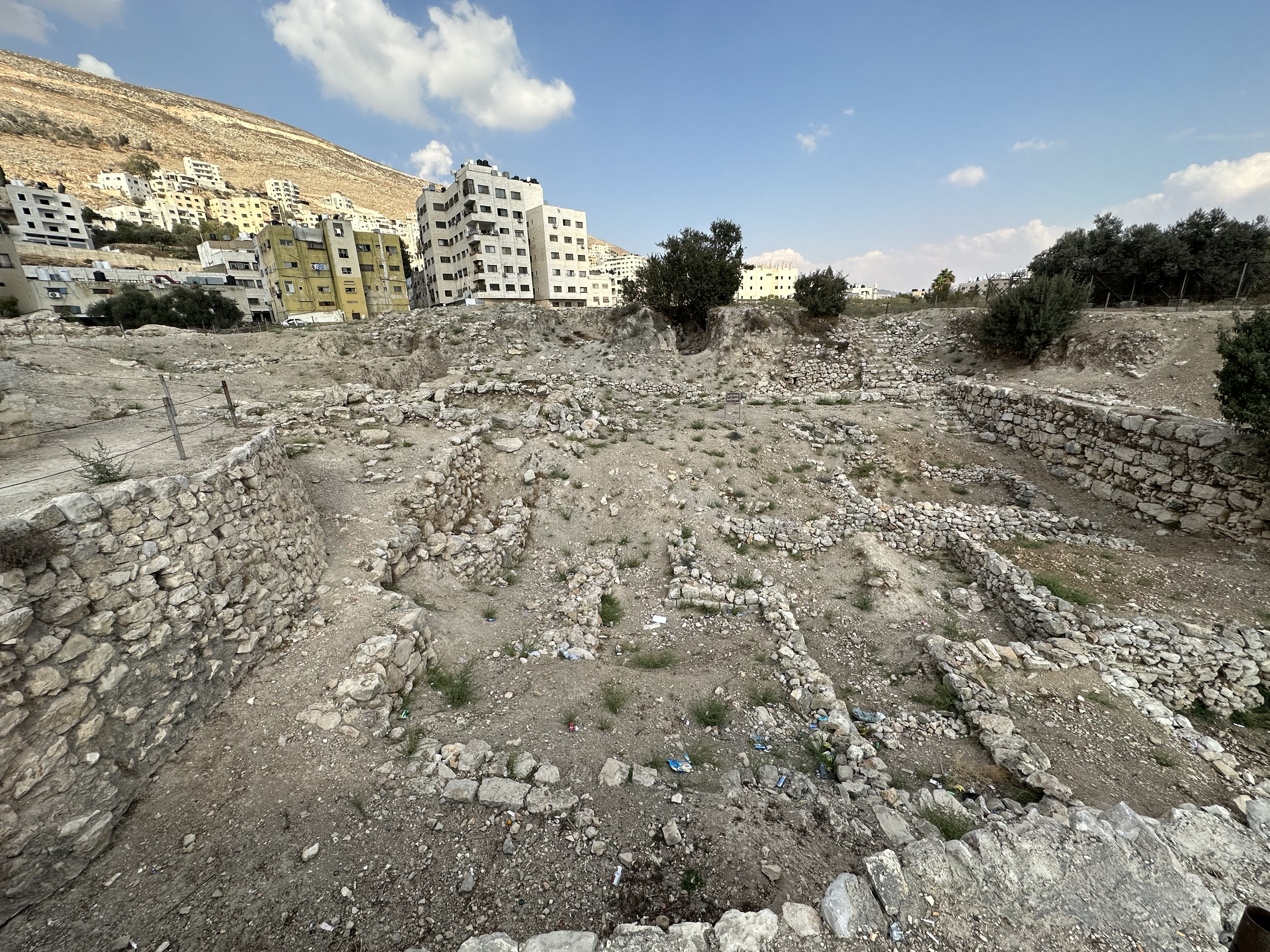
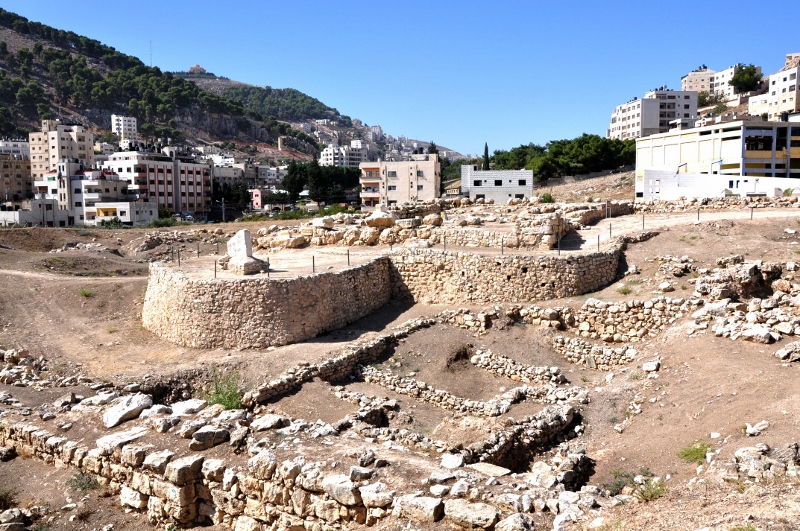
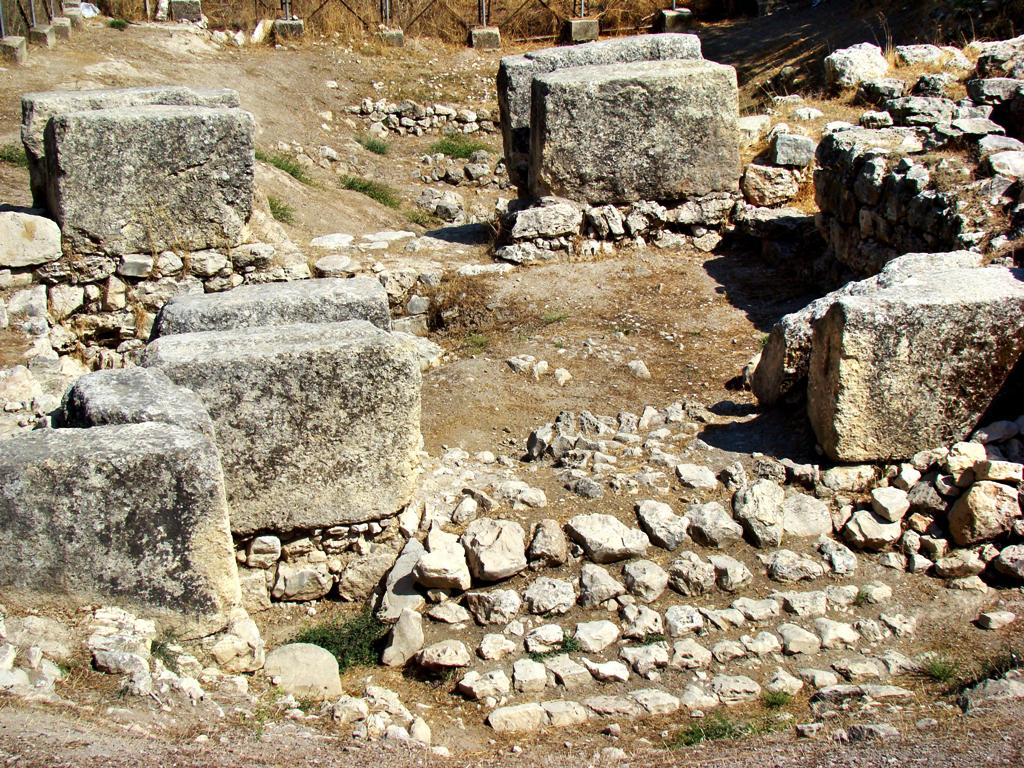
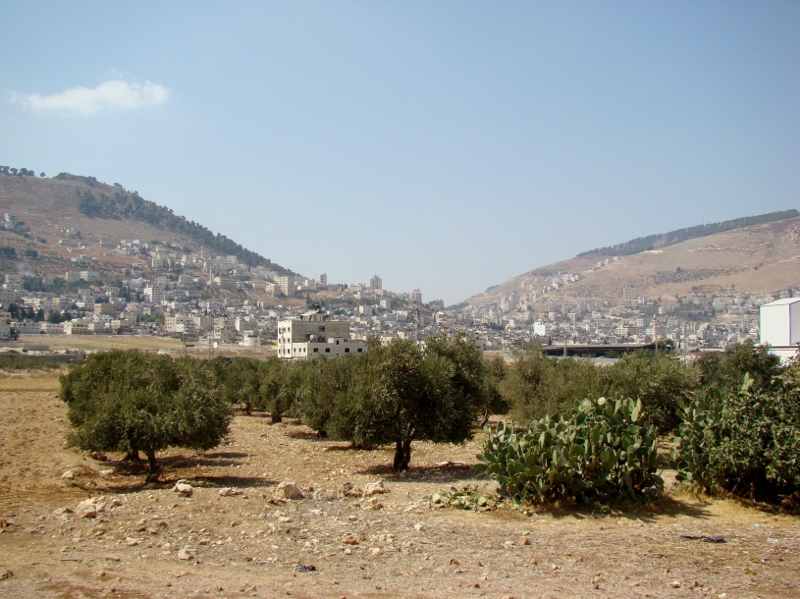
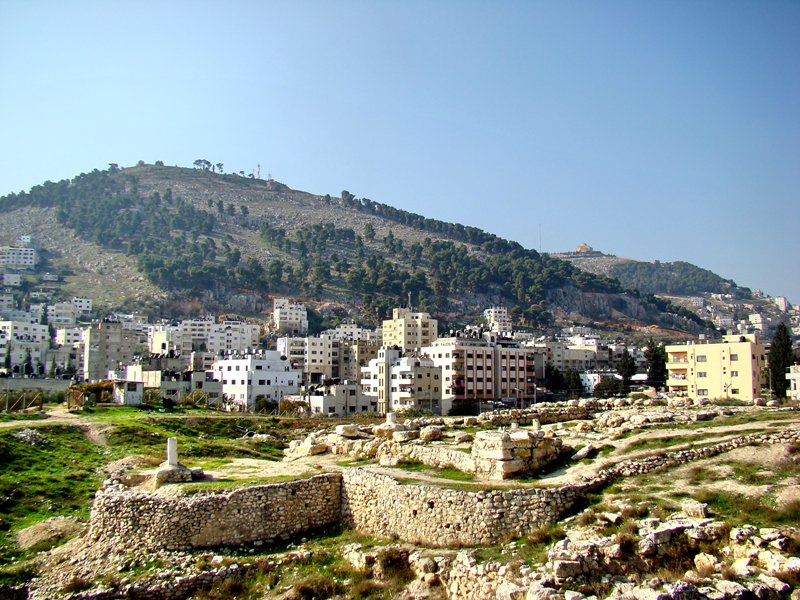
1. Důležité hrazené město [Gn 33,18 ; Gn 34,20 ] ve střední Palestině, jež Vespasián přejmenoval na Flavia Neapolis, z čehož vznikl nynější arabský název Nablus. Leželo v překrásném údolí pahorkatiny Efraimské [Joz 20,7 ], chráněném na jihu horou Garizim [Sd 9,7 ] a na severu horou Hébal. Zde se utábořil Abraham, když přišel do Kanaanu, zde vystavěl oltář Hospodinu [Gn 12,6 n]; zde se zastavil Jákob, když se vracel z Mesopotamie [Gn 33,18 nn]; zde také koupil od Emora Hevejského za sto ovec pole, na němž rozbil svůj stan a vztyčil oltář Bohu; zde pod dubem zakopal bůžky svých rodinných příslušníků [Gn 35,4 ]. Jeho synové Simeon a Léví povraždili muže sichemské, aby pomstili zneuctění své sestry Díny [Gn 34,25 - Gn 34,29 ; Gn 49,5 - Gn 49,7 ]. Zde také Josefovi bratří pásli svá stáda [Gn 37,12 n]. Sem se také umisťuje hrob Josefův [Joz 24,32 ]; sr. také [J 4,6 ]. Po rozdělení zaslíbené země připadlo S. pokolení Efraimovu [Joz 20,7 ], ale bylo přiděleno levitům a stalo se městem útočištným [Joz 21,21 ]. Do údolí S. shromáždil Jozue všecka pokolení izraelská a slavnostně je zavázal k plnění Zákona Hospodinova [Joz 8,30 - Joz 8,34 ]. Sem také svolal lid a dal mu před svou smrtí poslední radu a napomenutí [Joz 24,1 ; Joz 24,25 ]. Zde byl Abimelech, syn Gedeonův, prohlášen za krále sichemského [Sd 9,1 ; Sd 9,3 ; Sd 9,6 ]. V [Sd 8,33 ; Sd 9,4 ] se připomíná, že zde byl v chrámě uctíván Bál Berit (= Pán smlouvy). Vykopávky potvrzují mohutné stavby v tomto městě, z nichž některé byly nejspíše chrámy [sr. Bič II., 25nn.29n]. Do S. svolal Roboám lid izraelský, aby byl prohlášen za krále [1Kr 12,1 n]. Došlo však k odtržení desíti severních kmenů, které si ustanovily za krále Jeroboáma, jenž město opevnil a učinil na čas hlavním městem severní říše [1Kr 12,25 ]. Po vyvrácení říše izraelské stalo se S. hlavním městem Samaritánů (sr. [Jr 41,5 ]); Ecclesiasticus 50,26]). Jan Hyrkán z rodu Makkabejských město dobyl a připojil ke svému panství. Moderní Nablus je vzkvétající město, mající asi 25.000 obyvatel, většinou mohamedánů. Spojeno je železniční tratí s Haifou a s Damaškem a prochází jím hlavní silnice, vedoucí z Jerusalema do Galileje.
2. Syn Emora Hevejského, sídlícího v S. [Gn 34,2 ]. *Sechem.
Zdroj: Biblický slovník (Adolf Novotný - 1956)
Shechem
shoulder.
(1.) The son of Hamor the Hivite (Gen 33:19 ; 33:34).
(2.) A descendant of Manasseh (Num 26:31 ; Josh 17:2).
(3.) A city in Samaria (Gen 33:18 ), called also Sichem (Gen 12:6 ), Sychem (Acts 7:16). It stood in the narrow sheltered valley between Ebal on the north and Gerizim on the south, these mountains at their base being only some 500 yards apart. Here Abraham pitched his tent and built his first altar in the Promised Land, and received the first divine promise (Gen 12:6 ; 12:7). Here also Jacob "bought a parcel of a field at the hands of the children of Hamor" after his return from Mesopotamia, and settled with his household, which he purged from idolatry by burying the teraphim of his followers under an oak tree, which was afterwards called "the oak of the sorcerer" (Gen 33:19 ; 35:4; Judg 9:37). (See MEONENIM) Here too, after a while, he dug a well, which bears his name to this day (John 4:5; 4:39-42). To Shechem Joshua gathered all Israel "before God," and delivered to them his second parting address (Josh 24:1-15). He "made a covenant with the people that day" at the very place where, on first entering the land, they had responded to the law from Ebal and Gerizim (Josh 24:25), the terms of which were recorded "in the book of the law of God", i.e., in the roll of the law of Moses; and in memory of this solemn transaction a great stone was set up "under an oak" [comp. (Gen 28:18 ; 31:44-48; Ex 24:4 ; Josh 4:3; 4:8; 4:9)], possibly the old "oak of Moreh," as a silent witness of the transaction to all coming time.
Shechem became one of the cities of refuge, the central city of refuge for Western Palestine (Josh 20:7), and here the bones of Joseph were buried (Josh 24:32). Rehoboam was appointed king in Shechem (1Kings 12:1; 12:19), but Jeroboam afterwards took up his residence here. This city is mentioned in connection with our Lord's conversation with the woman of Samaria (John 4:5); and thus, remaining as it does to the present day, it is one of the oldest cities of the world. It is the modern Nablus, a contraction for Neapolis, the name given to it by Vespasian. It lies about a mile and a half up the valley on its southern slope, and on the north of Gerizim, which rises about 1,100 feet above it, and is about 34 miles north of Jerusalem. It contains about 10,000 inhabitants, of whom about 160 are Samaritans and 100 Jews, the rest being Christians and Mohammedans.
The site of Shechem is said to be of unrivalled beauty. Stanley says it is "the most beautiful, perhaps the only very beautiful, spot in Central Palestine."
Gaza, near Shechem, only mentioned (1Chr 7:28), has entirely disappeared. It was destroyed at the time of the Conquest, and its place was taken by Shechem. (See SYCHAR)
EBD - Easton's Bible Dictionary