Údolí Hinóm
Odkazy
Street View
Obrázky
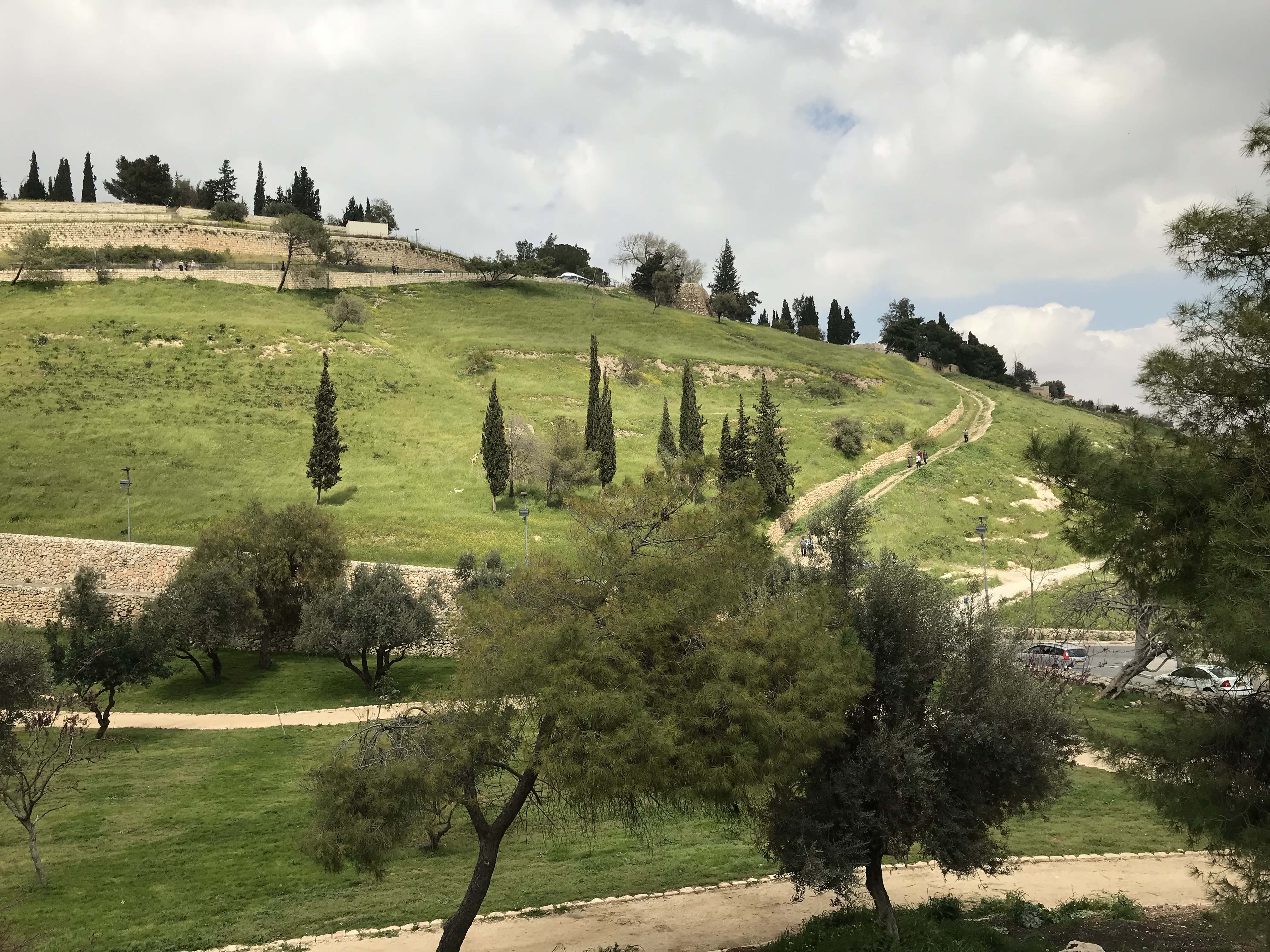
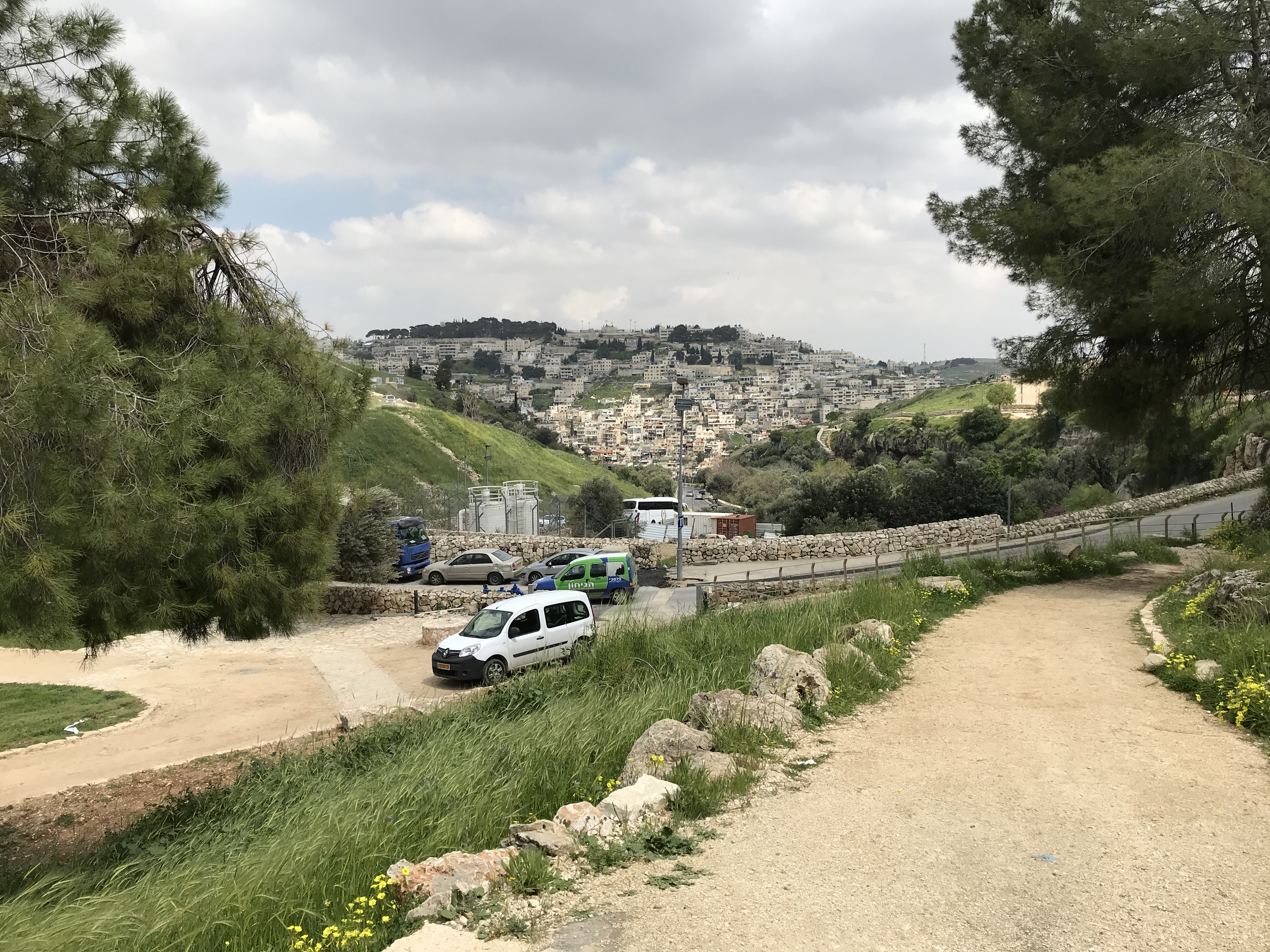
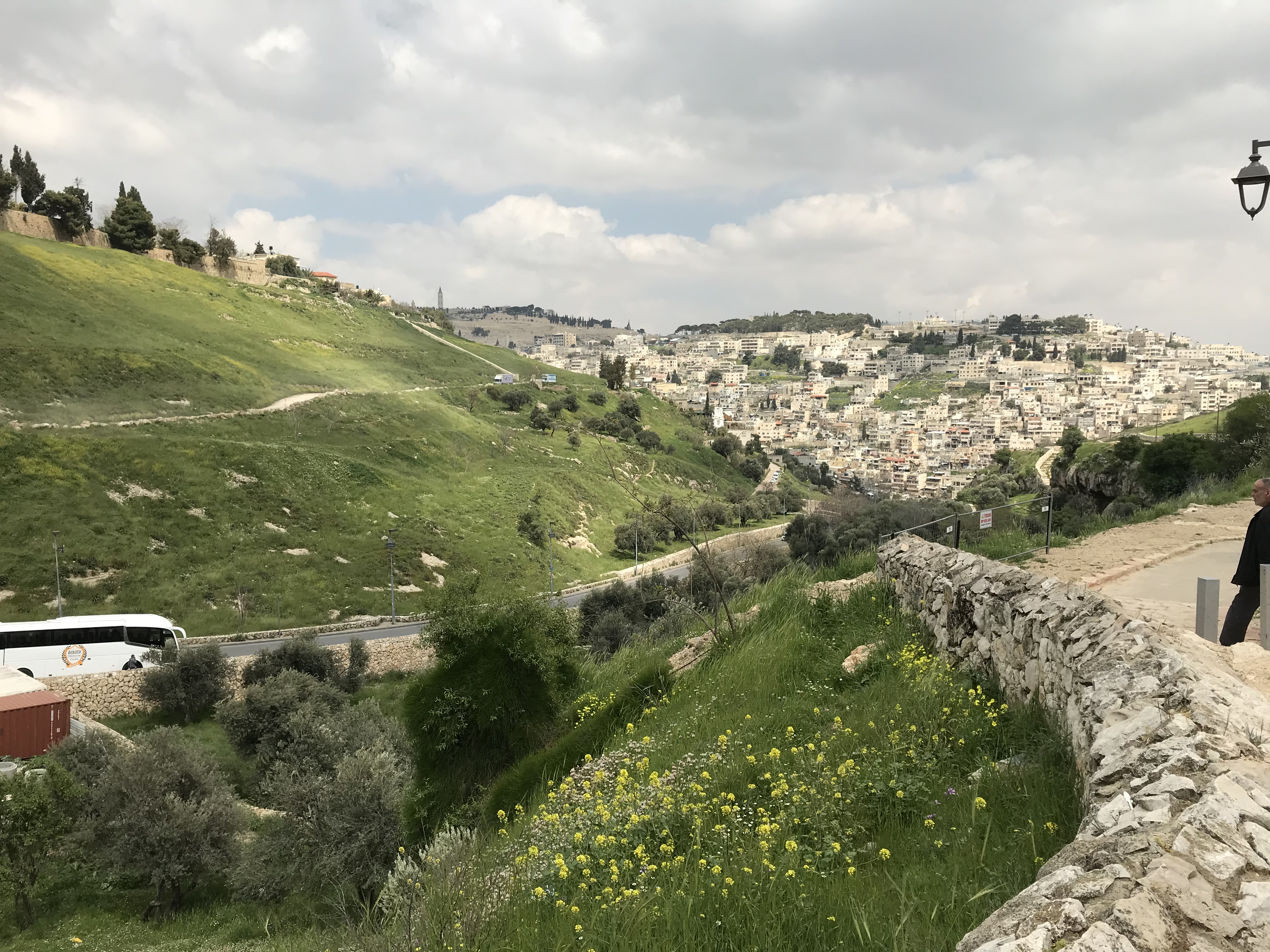
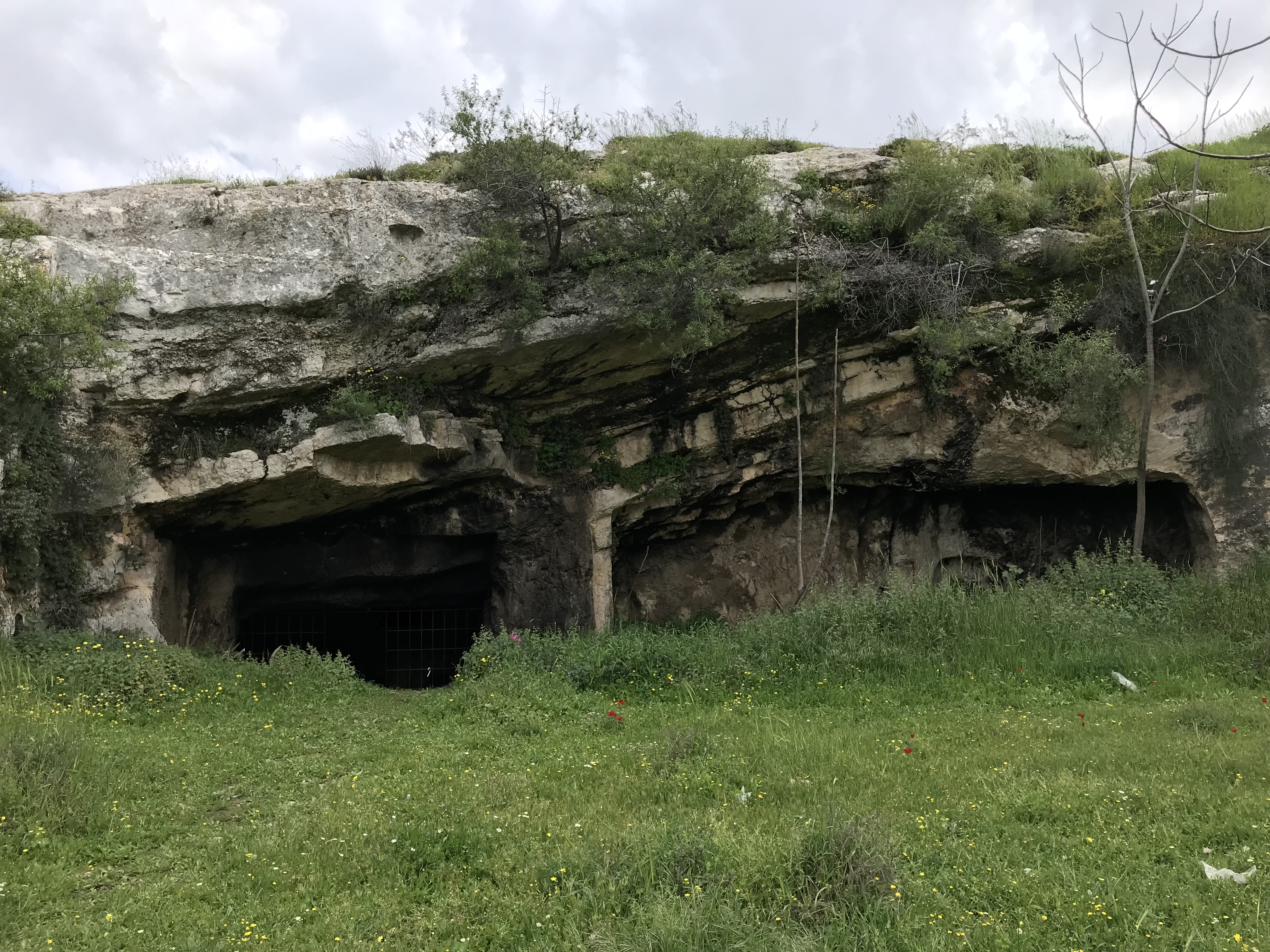
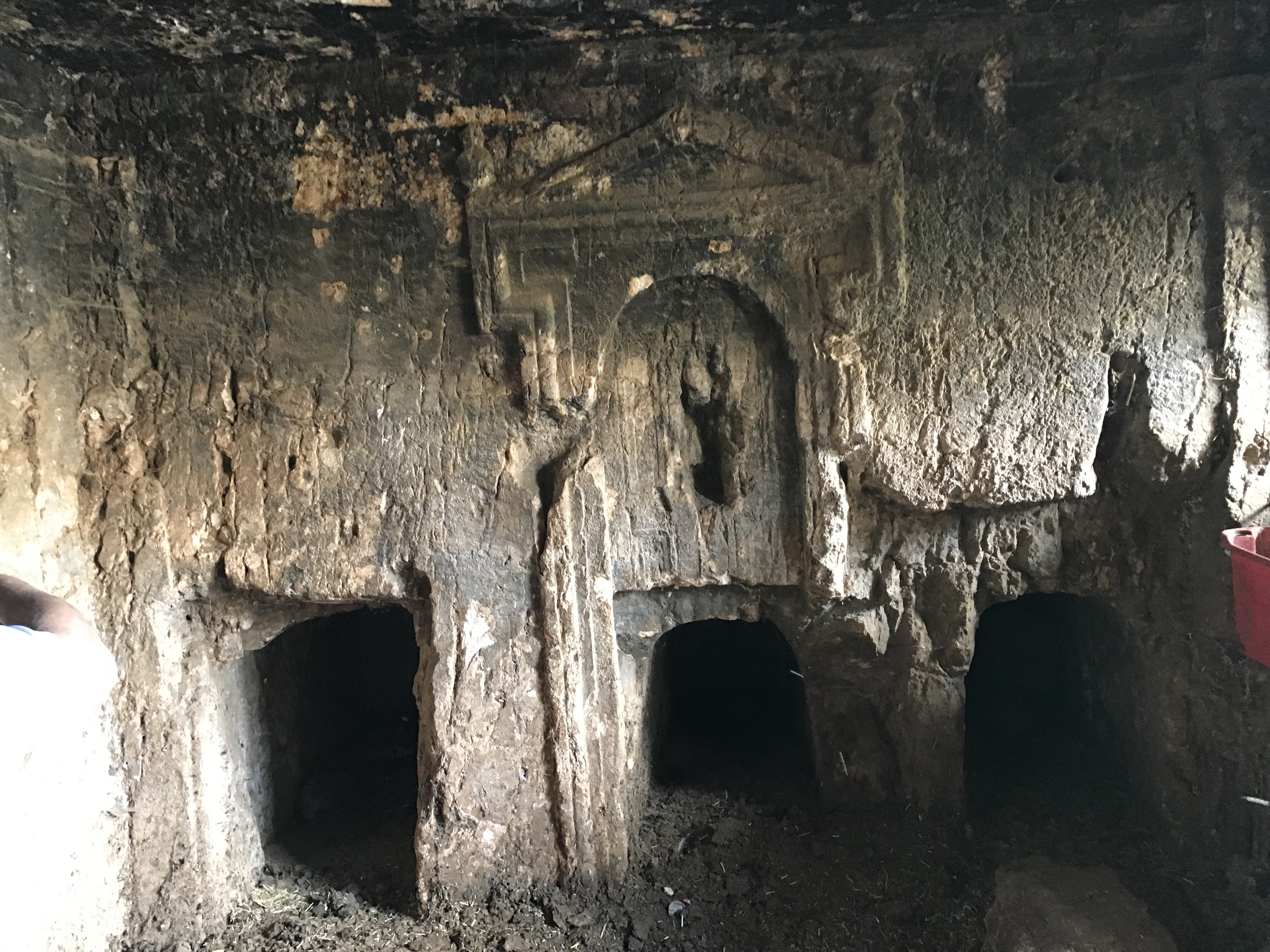
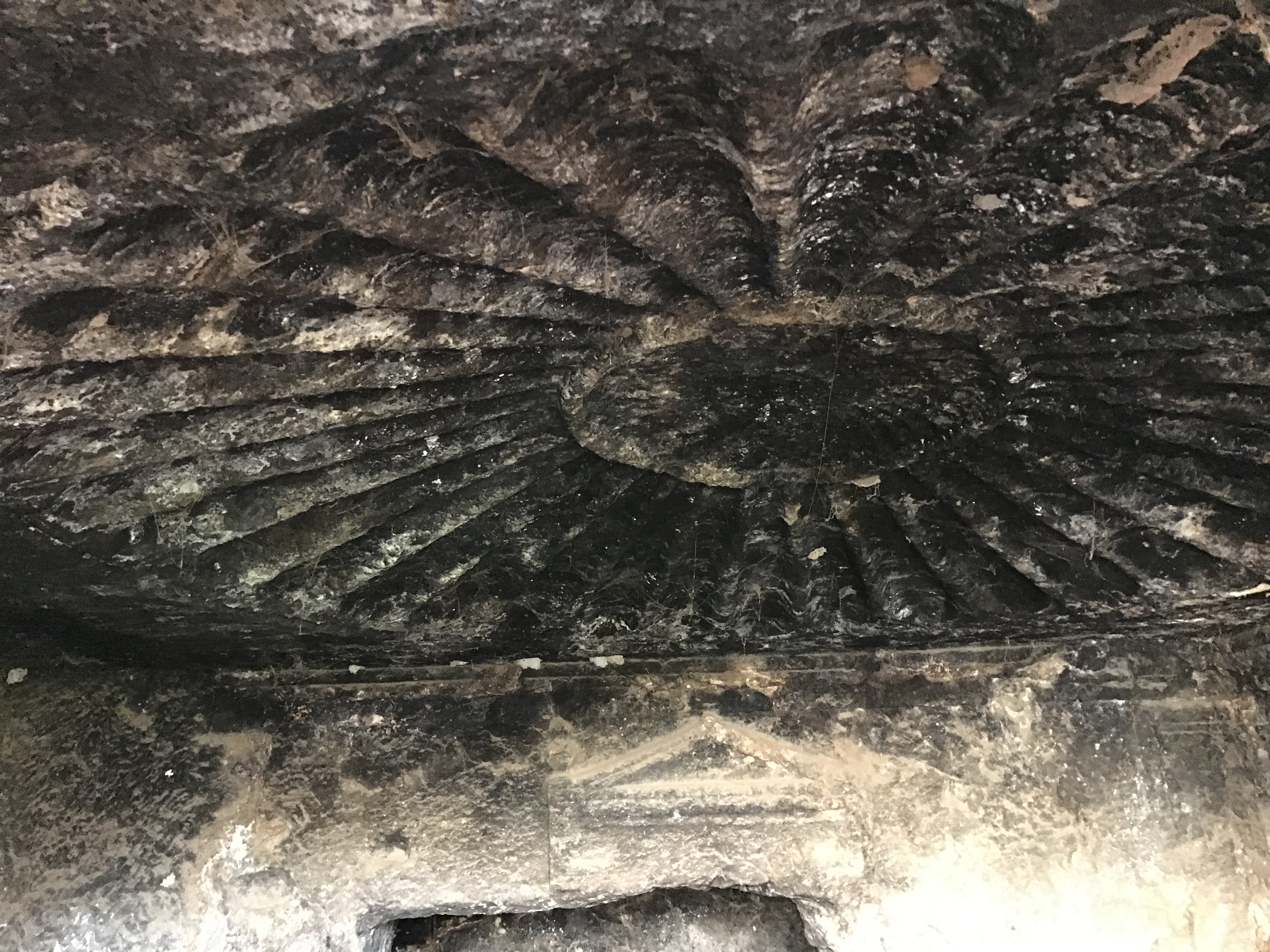
Mapa
Informace ze slovníku
nebo Benhinnom, »údolí synů Hinnom [údolí Hinnómovců]«, úzké, příkrými skalnatými svahy ohraničené hluboké údolí, obkličující Jerusalem na jz straně. První zmínka o tomto údolí je u [Joz 15,8 ; Joz 18,16 ], kde se popisuje hranice mezi pokolením Juda a Benjamin. Tato hranice šla údolím H. Na j. straně tohoto údolí vystavěl Šalomoun výsost Molochovi [1Kr 11,7 ], božstvu synů Ammonových. Uctívání této modly propukávalo mezi Izraelci zvláště za některých modlářských králů jako Achaze a Manassesa, kteří sami »provedli« své prvorozené syny ohněm v oběť Molochovi [2Kr 16,3 ; 2Pa 28,3 ; 2Pa 33,6 ]. Toto místo se nazývalo Tofet, zde Izraelci »pálili své syny a dcery ohněm« [Jr 7,31 ], který byl stále udržován. Král Joziáš dal všecky tyto »slavnosti« odstraniti [2Kr 23,10 ]. Do údolí byly pak sváděny splašky z Jerusalema a odtud do potoka Cedron. Ze jména údolí Gehinnom se stala časem Gehenna, název pro peklo. Připomínalo dřívější lidské oběti a tím pekelný oheň věčně hořící. Údolí se stalo symbolem hříchu a kletby. Podle pozdně židovských názorů zde dojdou odplaty hříšníci [pohané], kdežto na Siónu budou přebývati spravedliví. Na j. straně tohoto údolí je pověstné pole krve, Akeldama, koupené za peníze Jidášovy na hřbitov cizinců.
Zdroj: Biblický slovník (Adolf Novotný - 1956)
Hinnom
a deep, narrow ravine separating Mount Zion from the so-called "Hill of Evil Counsel." It took its name from "some ancient hero, the son of Hinnom." It is first mentioned in (Josh 15:8). It had been the place where the idolatrous Jews burned their children alive to Moloch and Baal. A particular part of the valley was called Tophet, or the "fire-stove," where the children were burned. After the Exile, in order to show their abhorrence of the locality, the Jews made this valley the receptacle of the offal of the city, for the destruction of which a fire was, as is supposed, kept constantly burning there.
The Jews associated with this valley these two ideas,
(1) that of the sufferings of the victims that had there been sacrificed; and
(2) that of filth and corruption. It became thus to the popular mind a symbol of the abode of the wicked hereafter. It came to signify hell as the place of the wicked. "It might be shown by infinite examples that the Jews expressed hell, or the place of the damned, by this word. The word Gehenna [the Greek contraction of Hinnom] was never used in the time of Christ in any other sense than to denote the place of future punishment." About this fact there can be no question. In this sense the word is used eleven times in our Lord's discourses (Matt 23:33; Luke 12:5; Matt 5:22), etc.
EBD - Easton's Bible Dictionary