Theben
links
Street View
billeder
artefakter
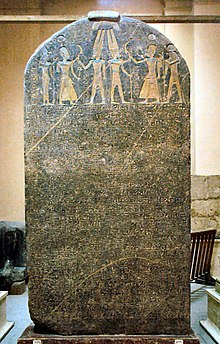
Merneptah-stelen
Merneptah-stelen, også kendt som Israel-stelen eller Merneptahs sejrstele, er en inskription af Merneptah, en farao i det gamle Egypten, som regerede fra 1213 til 1203 f.Kr. Opdaget af Flinders Petrie i Theben i 1896, er den nu opbevaret på det Egyptiske Museum i Kairo.
Teksten er hovedsageligt en beretning om Merneptahs sejr over de gamle libyere og deres allierede, men de sidste tre af de 28 linjer omhandler en separat kampagne i Kana'an, som dengang var en del af Egyptens kejserlige besiddelser. Den kaldes nogle gange "Israel-stelen", fordi et flertal af forskere oversætter et sæt hieroglyffer i linje 27 som "Israel". Alternative oversættelser er blevet fremsat, men er ikke bredt accepteret.
Stelen repræsenterer den tidligste tekstuelle reference til Israel og den eneste reference fra det gamle Egypten. Den er en af fire kendte inskriptioner fra jernalderen, der daterer sig til tiden for og nævner det gamle Israel ved navn, med de andre værende Mesha-stelen, Tel Dan-stelen og Kurkh-monolitterne. Derfor betragter nogle Merneptah-stelen som Petries mest berømte opdagelse, en opfattelse som Petrie selv var enig i.
Wikipedia
Kort
oplysninger fra ordbog
No
or No-A'mon, the home of Amon, the name of Thebes, the ancient capital of what is called the Middle Empire, in Upper or Southern Egypt. "The multitude of No" (Jer 46:25 ) is more correctly rendered, as in the Revised Version, "Amon of No", i.e., No, where Jupiter Amon had his temple. In (Ezek 30:14; 30:16) it is simply called "No;" but in (Ezek 30:15) the name has the Hebrew Hamon prefixed to it, "Hamon No." This prefix is probably the name simply of the god usually styled Amon or Ammon. In (Nah 3:8 ) the "populous No" of the Authorized Version is in the Revised Version correctly rendered "No-Amon."
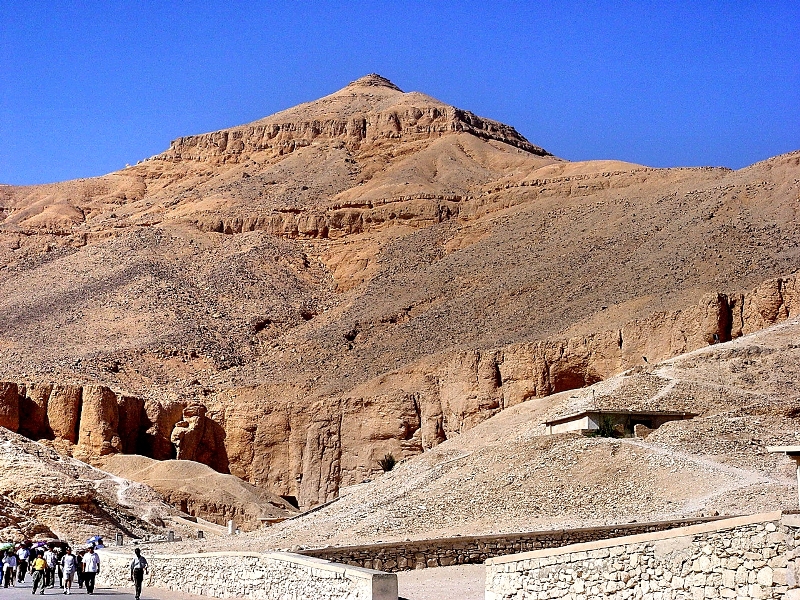
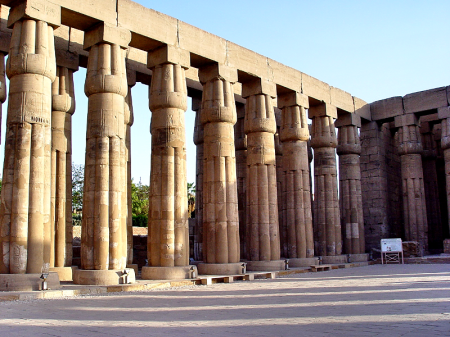
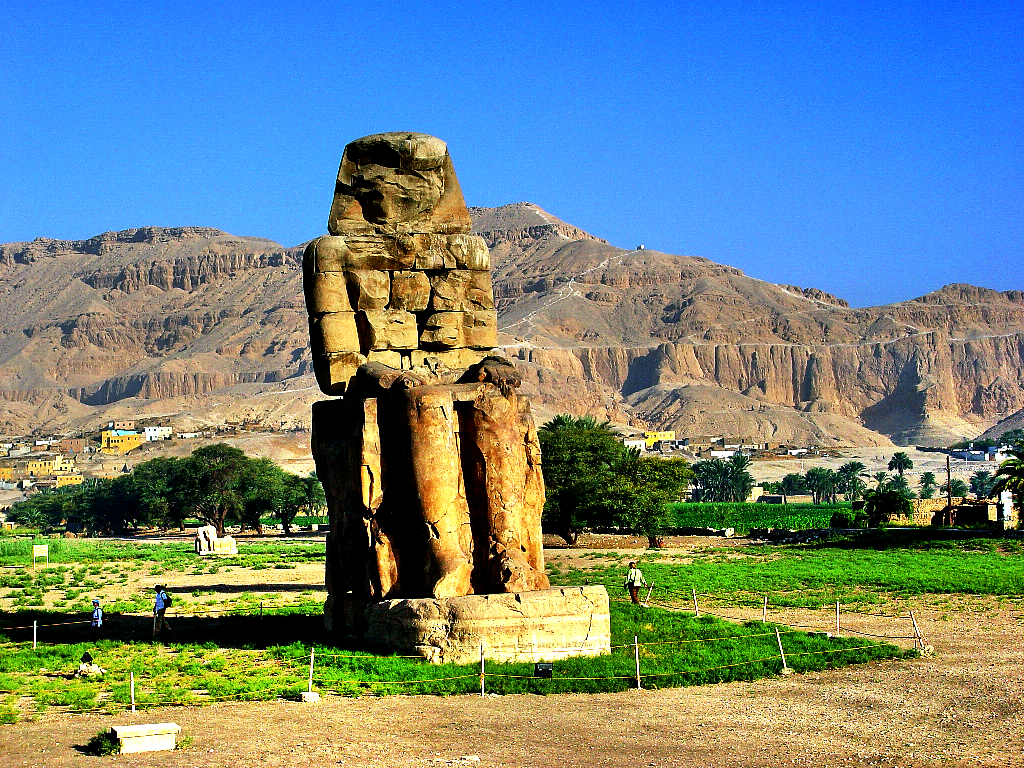
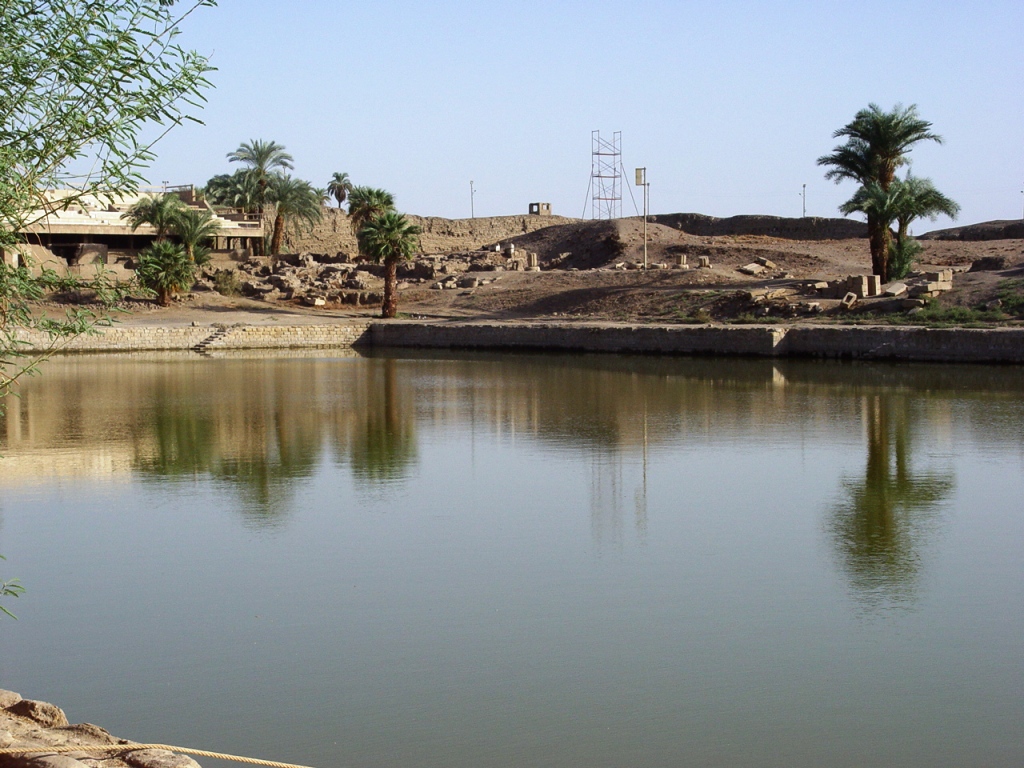
It was the Diospolis or Thebes of the Greeks, celebrated for its hundred gates and its vast population. It stood on both sides of the Nile, and is by some supposed to have included Karnak and Luxor. In grandeur and extent it can only be compared to Nineveh. It is mentioned only in the prophecies referred to, which point to its total destruction. It was first taken by the Assyrians in the time of Sargon (Isa 20:1etc.). It was afterwards "delivered into the hand" of Nebuchadnezzar and Assurbani-pal (Jer 46:25 ; 46:26). Cambyses, king of the Persians (B.C. 525), further laid it waste by fire. Its ruin was completed (B.C. 81) by Ptolemy Lathyrus. The ruins of this city are still among the most notable in the valley of the Nile. They have formed a great storehouse of interesting historic remains for more than two thousand years.
"As I wandered day after day with ever-growing amazement amongst these relics of ancient magnificence, I felt that if all the ruins in Europe, classical, Celtic, and medieval, were brought together into one centre, they would fall far short both in extent and grandeur of those of this single Egyptian city." Manning, The Land of the Pharaohs.
EBD - Easton's Bible Dictionary