Tiberias
Beskrivelse
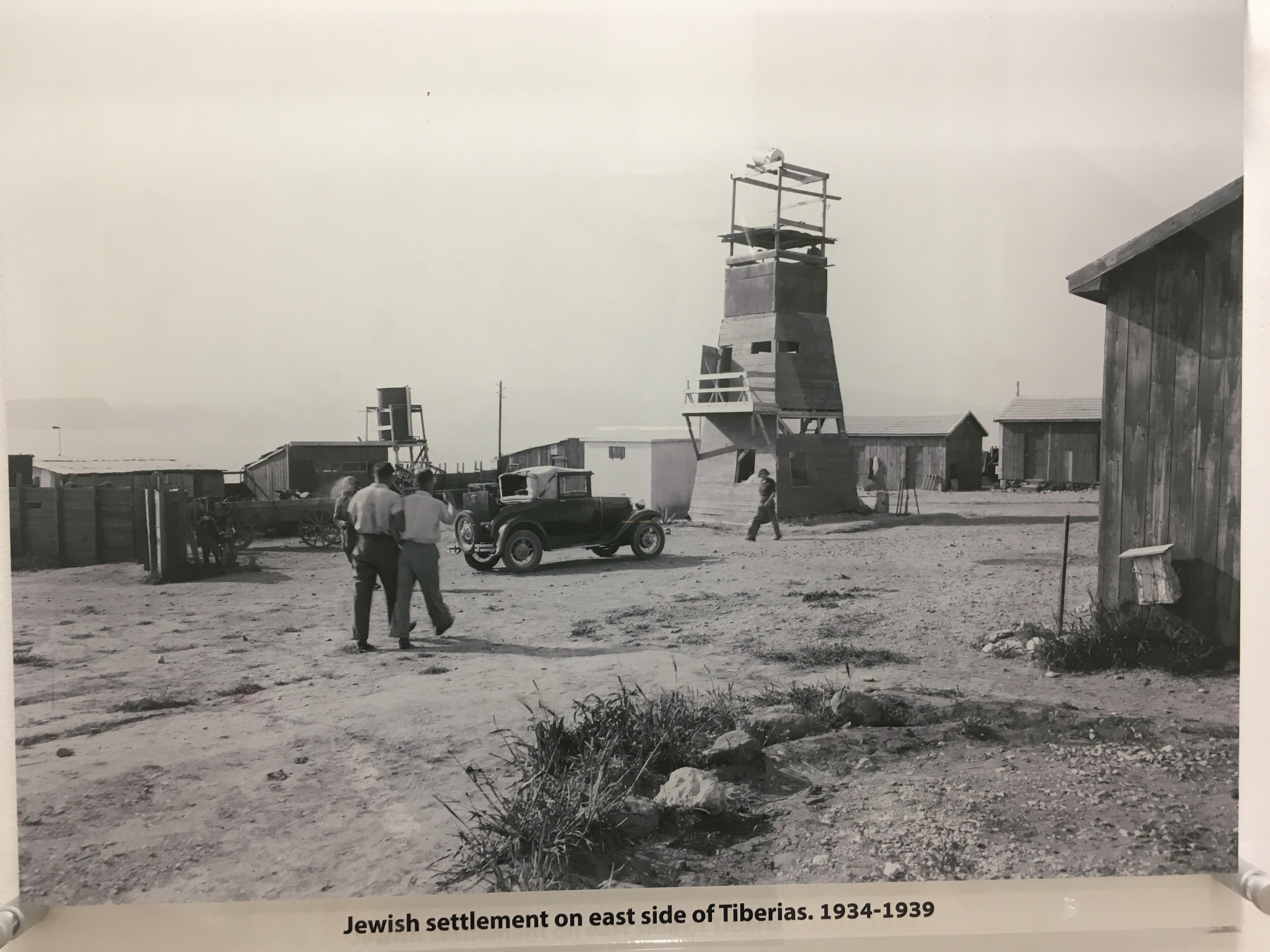
En by på den vestlige bred af Galilæas Sø, som også kaldes Tiberiassøen (Bahr Tabarije). Byen blev grundlagt af Herodes Antipas og navngivet til ære for kejser Tiberius. På grund af dette, og også på grund af tilstedeværelsen af en gammel hedensk kirkegård, undgik fromme jøder denne by. Vi læser heller ikke, at Jesus nogensinde gik ind i denne by, selvom han ofte opholdt sig i dens nærhed. Under den jødiske krig blev den befæstet af Josephus Flavius, men åbnede sine porte for den romerske kommandør Vespasian og blev scenen for den forræderiske henrettelse af indbyggerne i nabobyen Tarichaea, som Vespasian havde lovet immunitet. Efter Jerusalems fald og fordrivelsen af jøderne fra Judæa efter undertrykkelsen af Bar Kochba-oprøret, blev Tiberias et centrum for jødedommen.
Bibelsk Ordbog af Adolf Novotný
links
Street View
billeder
Kort
oplysninger fra ordbog
Tiberias
a city, the modern Tubarich, on the western shore of the Sea of Tiberias. It is said to have been founded by Herod Antipas (A.D. 16), on the site of the ruins of an older city called Rakkath, and to have been thus named by him after the Emperor Tiberius. It is mentioned only three times in the history of our Lord (John 6:1; 6:23; 21:1).
In 1837 about one-half of the inhabitants perished by an earthquake. The population of the city is now about six thousand, nearly the one-half being Jews. "We do not read that our Lord ever entered this city. The reason of this is probably to be found in the fact that it was practically a heathen city, though standing upon Jewish soil. Herod, its founder, had brought together the arts of Greece, the idolatry of Rome, and the gross lewdness of Asia. There were in it a theatre for the performance of comedies, a forum, a stadium, a palace roofed with gold in imitation of those in Italy, statues of the Roman gods, and busts of the deified emperors. He who was not sent but to the lost sheep of the house of Israel might well hold himself aloof from such scenes as these" (Manning's Those Holy Fields).
After the fall of Jerusalem (A.D. 70), Tiberias became one of the chief residences of the Jews in Palestine. It was for more than three hundred years their metropolis. From about A.D. 150 the Sanhedrin settled here, and established rabbinical schools, which rose to great celebrity. Here the Jerusalem (or Palestinian) Talmud was compiled about the beginning of the fifth century. To this same rabbinical school also we are indebted for the Masora, a "body of traditions which transmitted the readings of the Hebrew text of the Old Testament, and preserved, by means of the vowel-system, the pronunciation of the Hebrew." In its original form, and in all manuscripts, the Hebrew is written without vowels; hence, when it ceased to be a spoken language, the importance of knowing what vowels to insert between the consonants. This is supplied by the Masora, and hence these vowels are called the "Masoretic vowel-points."
EBD - Easton's Bible Dictionary