No, Thebes
Links
Street View
Pictures
Artifacts
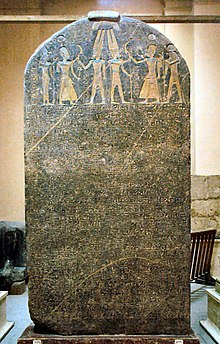
Merneptah Stele
The Merneptah Stele, also known as the Israel Stele or the Victory Stele of Merneptah, is an inscription by Merneptah, a pharaoh in ancient Egypt who reigned from 1213 to 1203 BCE. Discovered by Flinders Petrie at Thebes in 1896, it is now housed at the Egyptian Museum in Cairo.
The text is largely an account of Merneptah's victory over the ancient Libyans and their allies, but the last three of the 28 lines deal with a separate campaign in Canaan, then part of Egypt's imperial possessions. It is sometimes referred to as the "Israel Stele" because a majority of scholars translate a set of hieroglyphs in line 27 as "Israel". Alternative translations have been advanced but are not widely accepted.
The stele represents the earliest textual reference to Israel and the only reference from ancient Egypt. It is one of four known inscriptions from the Iron Age that date to the time of and mention ancient Israel by name, with the others being the Mesha Stele, the Tel Dan Stele, and the Kurkh Monoliths. Consequently, some consider the Merneptah Stele to be Petrie's most famous discovery, an opinion with which Petrie himself concurred.
Wikipdia
Map
Dictionary information
No
or No-A'mon, the home of Amon, the name of Thebes, the ancient capital of what is called the Middle Empire, in Upper or Southern Egypt. "The multitude of No" (Jer 46:25 ) is more correctly rendered, as in the Revised Version, "Amon of No", i.e., No, where Jupiter Amon had his temple. In (Ezek 30:14 ; 30:16) it is simply called "No;" but in (Ezek 30:15 ) the name has the Hebrew Hamon prefixed to it, "Hamon No." This prefix is probably the name simply of the god usually styled Amon or Ammon. In (Nah 3:8 ) the "populous No" of the Authorized Version is in the Revised Version correctly rendered "No-Amon."
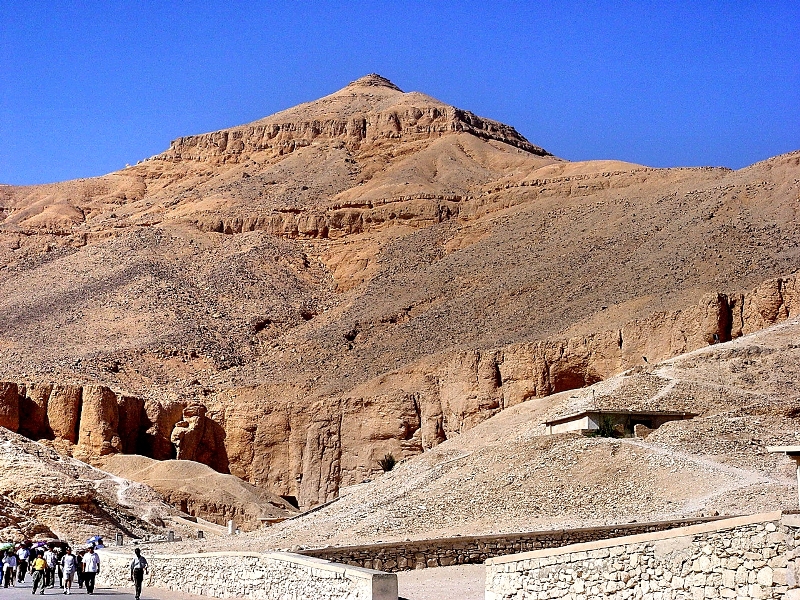
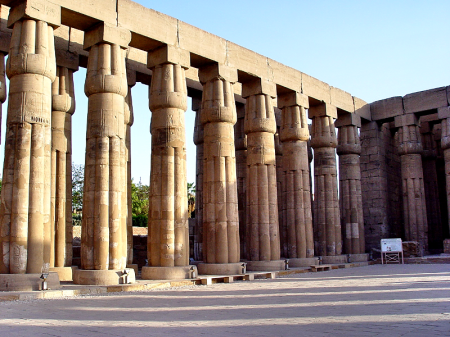
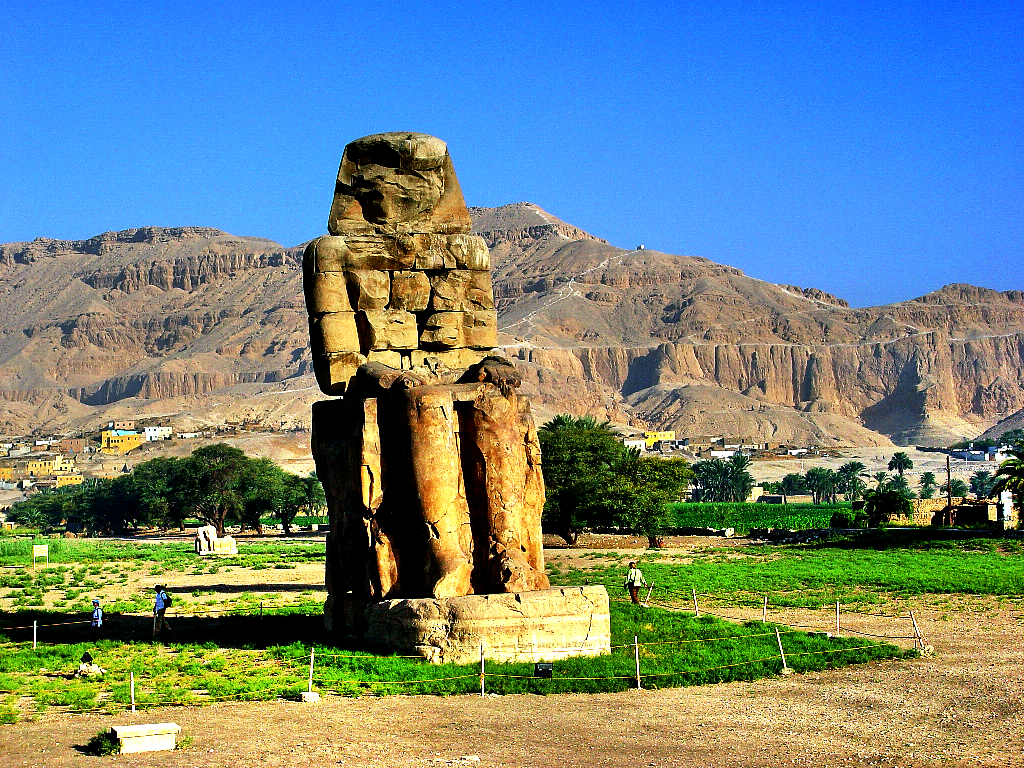
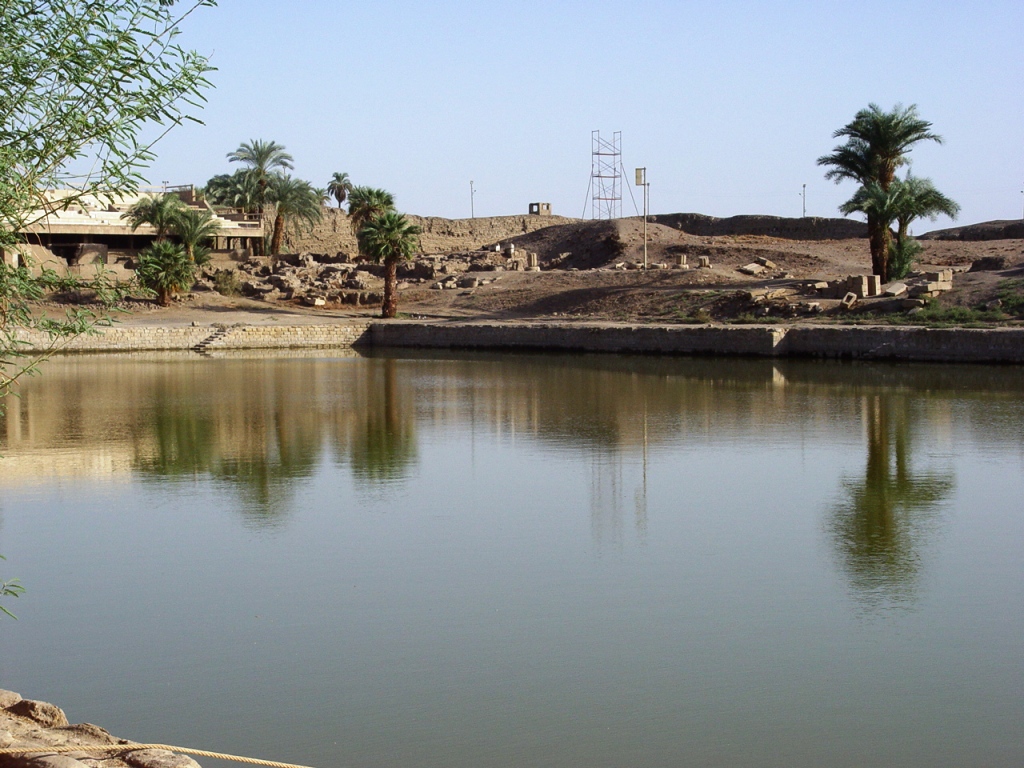
It was the Diospolis or Thebes of the Greeks, celebrated for its hundred gates and its vast population. It stood on both sides of the Nile, and is by some supposed to have included Karnak and Luxor. In grandeur and extent it can only be compared to Nineveh. It is mentioned only in the prophecies referred to, which point to its total destruction. It was first taken by the Assyrians in the time of Sargon (Isa 20:1 etc.). It was afterwards "delivered into the hand" of Nebuchadnezzar and Assurbani-pal (Jer 46:25 ; 46:26). Cambyses, king of the Persians (B.C. 525), further laid it waste by fire. Its ruin was completed (B.C. 81) by Ptolemy Lathyrus. The ruins of this city are still among the most notable in the valley of the Nile. They have formed a great storehouse of interesting historic remains for more than two thousand years.
"As I wandered day after day with ever-growing amazement amongst these relics of ancient magnificence, I felt that if all the ruins in Europe, classical, Celtic, and medieval, were brought together into one centre, they would fall far short both in extent and grandeur of those of this single Egyptian city." Manning, The Land of the Pharaohs.
EBD - Easton's Bible Dictionary