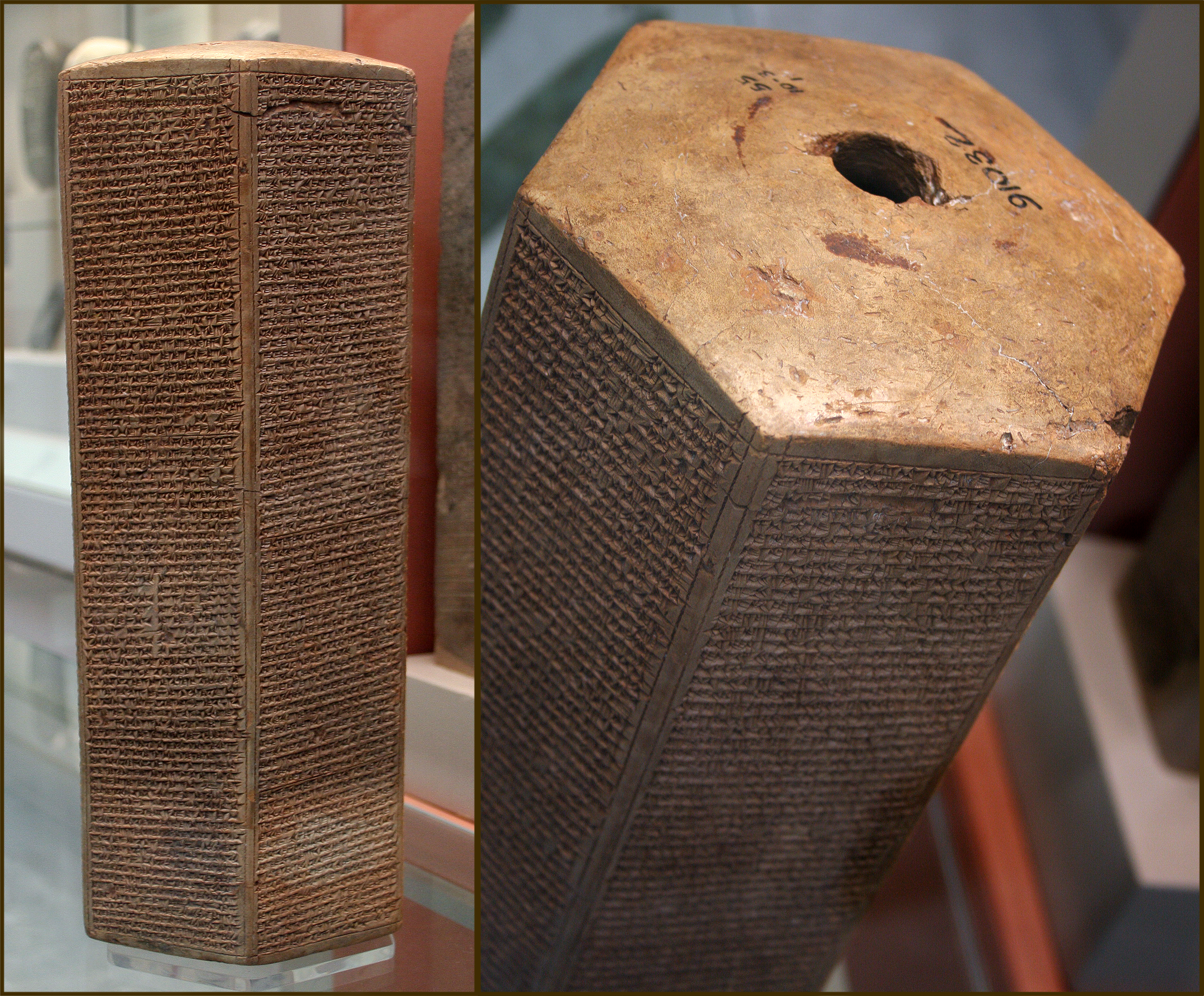
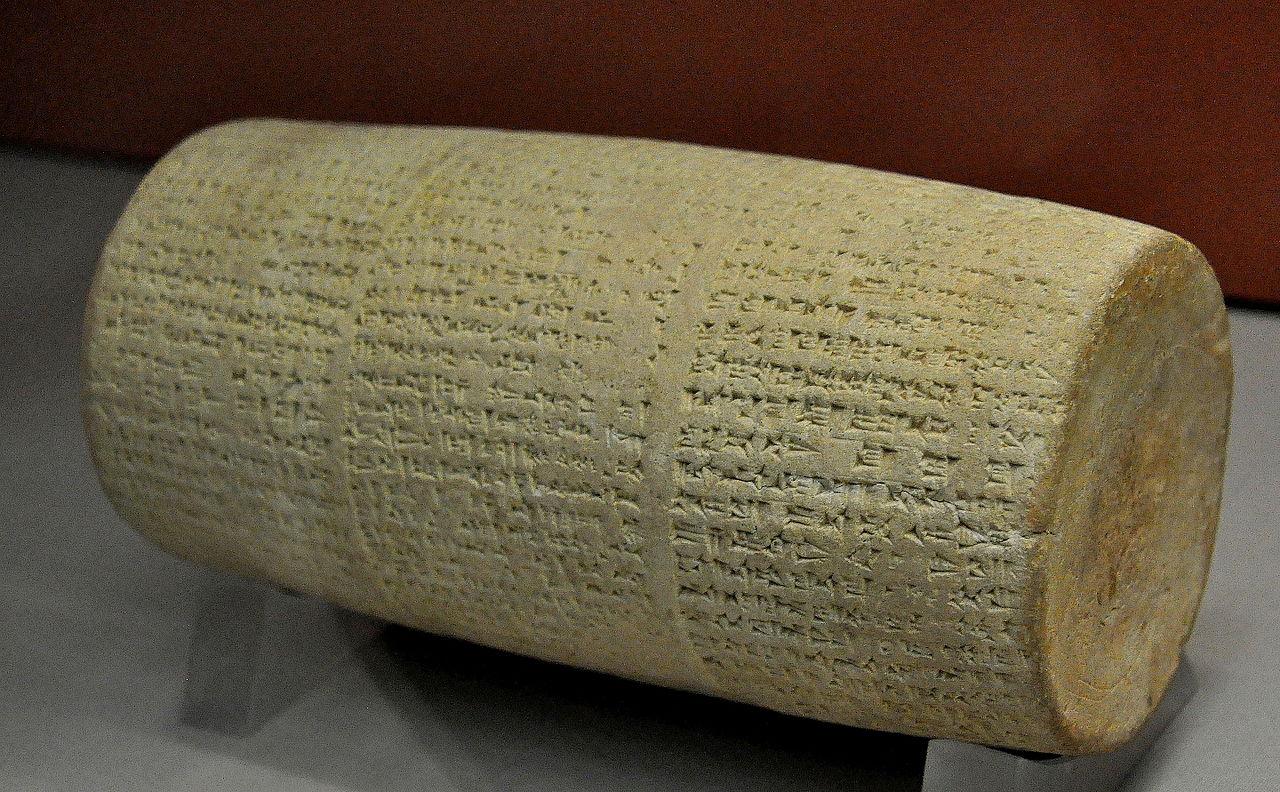
The British Museum
Links
Artifacts
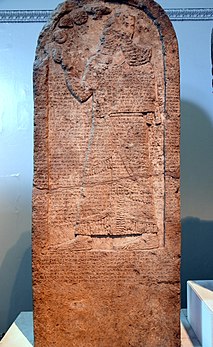
Kurkh Monoliths
The Kurkh Monoliths are two Assyrian stelae that contain a description of the reigns of Ashurnasirpal II and his son Shalmaneser III. The Monoliths were discovered in 1861 by a British archaeologist John George Taylor, who was the British Consul-General stationed in the Ottoman Eyalet of Kurdistan, in a town called Kurkh, which is now known as Üçtepe, in the district of Bismil, in the province of Diyarbakir of Turkey. Both stelae were donated by Taylor to the British Museum in 1863.
The Shalmaneser III monolith contains a description of the Battle of Qarqar at the end. This description contains the name "A-ha-ab-bu Sir-ila-a-a" which is generally accepted to be a reference to Ahab, king of Israel; although this is the only reference to the term "Israel" in Assyrian and Babylonian records, which usually refer to the Northern Kingdom as the "House of Omri" in reference to its ruling dynasty—a fact brought up by some scholars who dispute the proposed translation. It is also one of four known contemporary inscriptions containing the name of Israel, the others being the Merneptah Stele, the Tel Dan Stele, and the Mesha Stele.
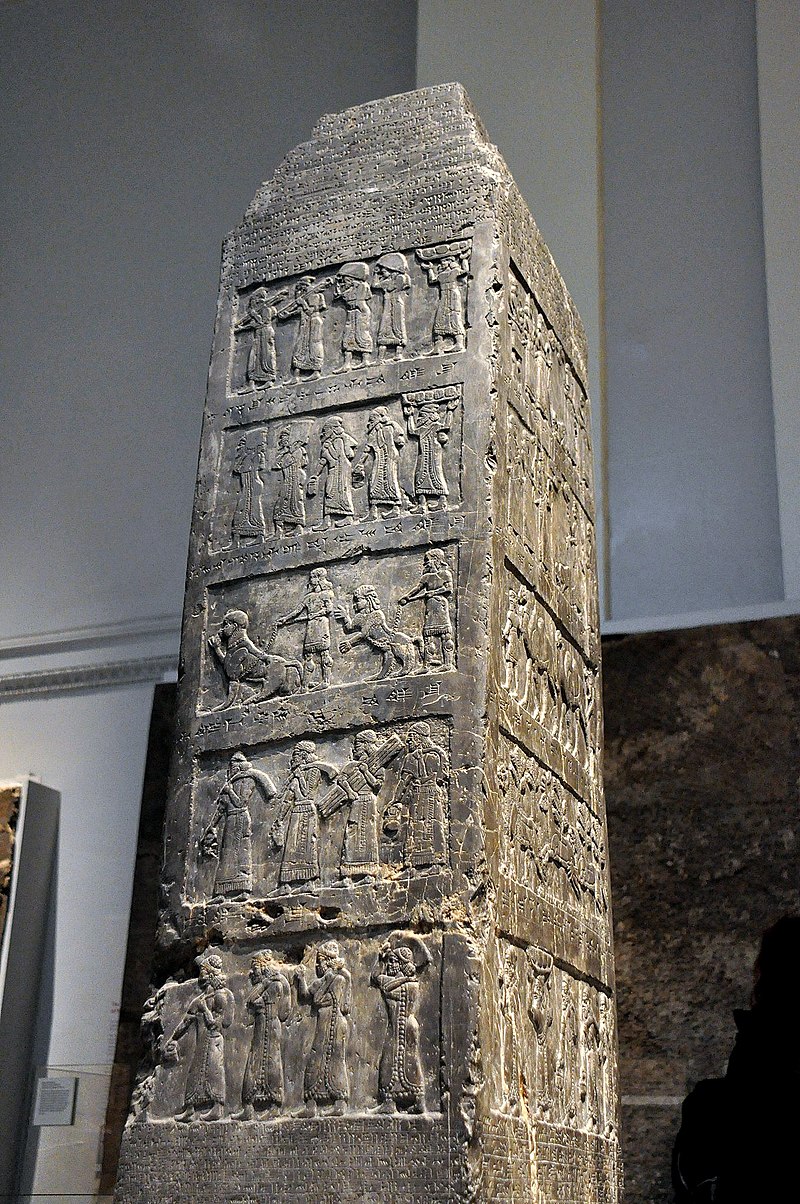
Black Obelisk of Shalmaneser III
Aside from the Hebrew Scriptures, Jehu appears in Assyrian documents, notably in the Black Obelisk, where he is depicted as kissing the ground in front of Shalmaneser III and presenting a gift (maddattu ša Ia-ú-a...kaspu mâdu "tribute of Jehu...much silver"). In the Assyrian documents, he is simply called "son of Omri" (Akkadian: mār Ḫumri, possibly expressing his having been the ruler of "the House of Omri", a later Assyrian designation for the Kingdom of Israel). This tribute is dated 841 BCE. It is the earliest preserved depiction of an Israelite.
According to the Obelisk, Jehu severed his alliances with Phoenicia and Judah, and became subject to Assyria.
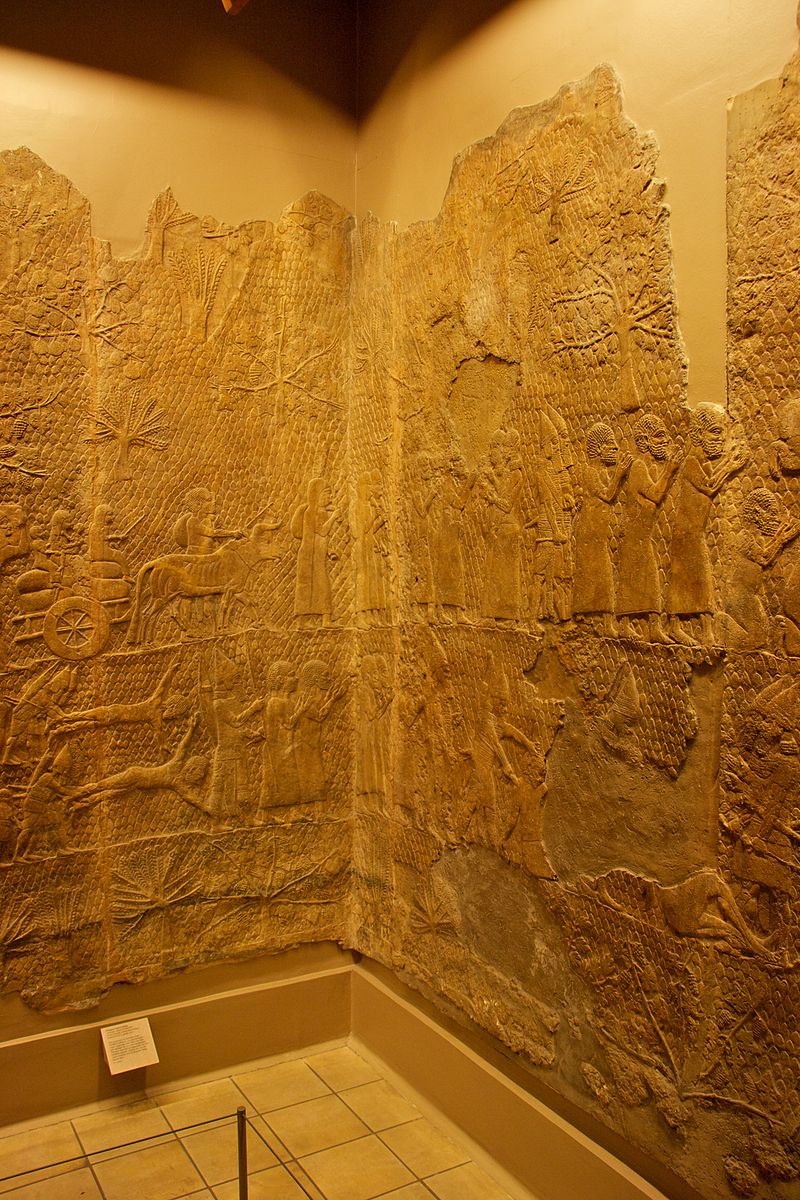
Lachish reliefs
Portion of the Sennacherib relief, which depicts captives from Judah being led into captivity after the Siege of Lachish in 701 BC
Azekah Inscription
The Azekah Inscription, is a tablet inscription of the reign of Sennacherib (reigned 705 to 681 BC) discovered in the mid-nineteenth century in the Library of Ashurbanipal. It was identified as a single tablet by Nadav Na'aman in 1974.
It describes an Assyrian campaign by Sennacherib against Hezekiah, King of Judah, including the conquest of Azekah. Wikipedia