Tunelo de Hezekiah
Priskribo
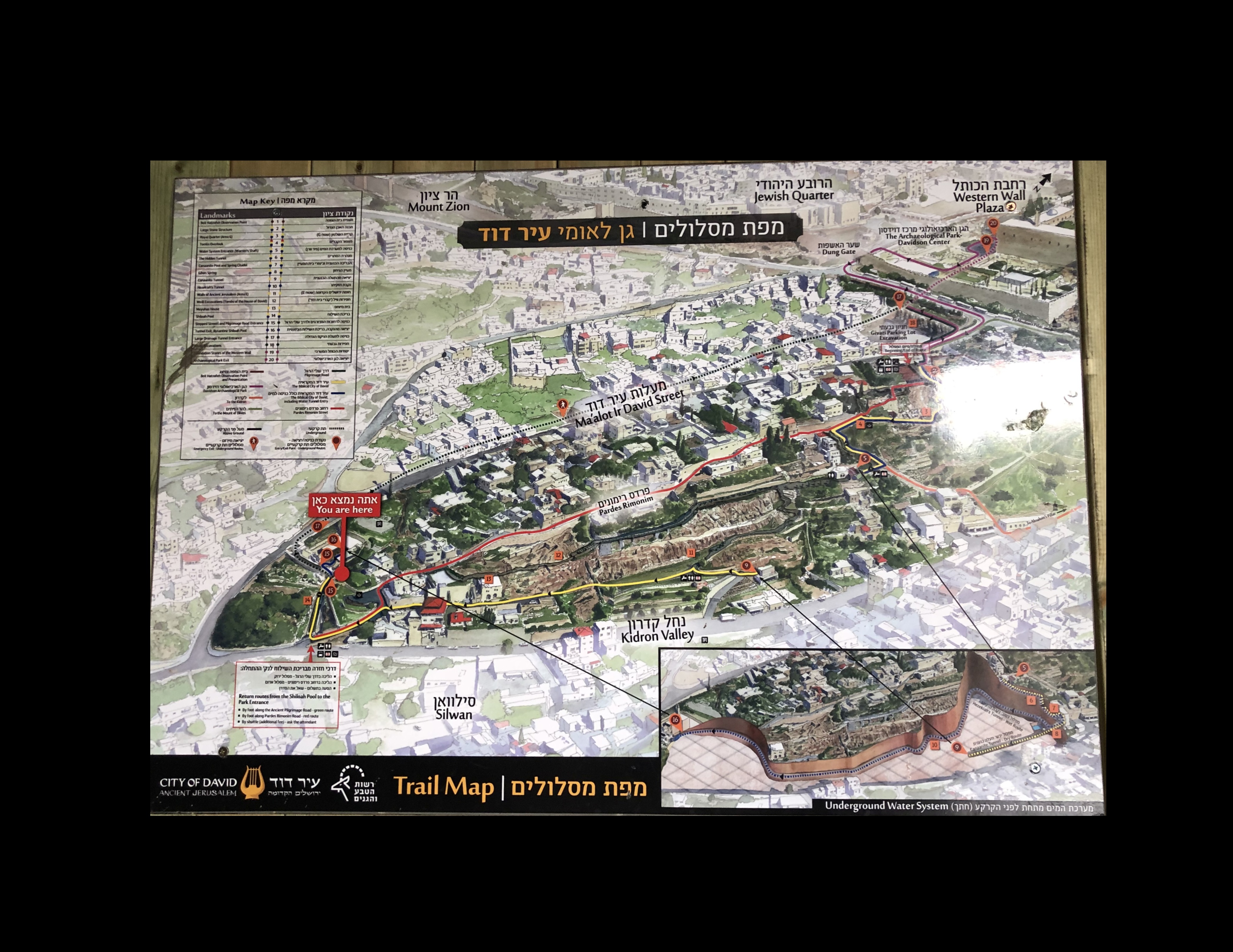
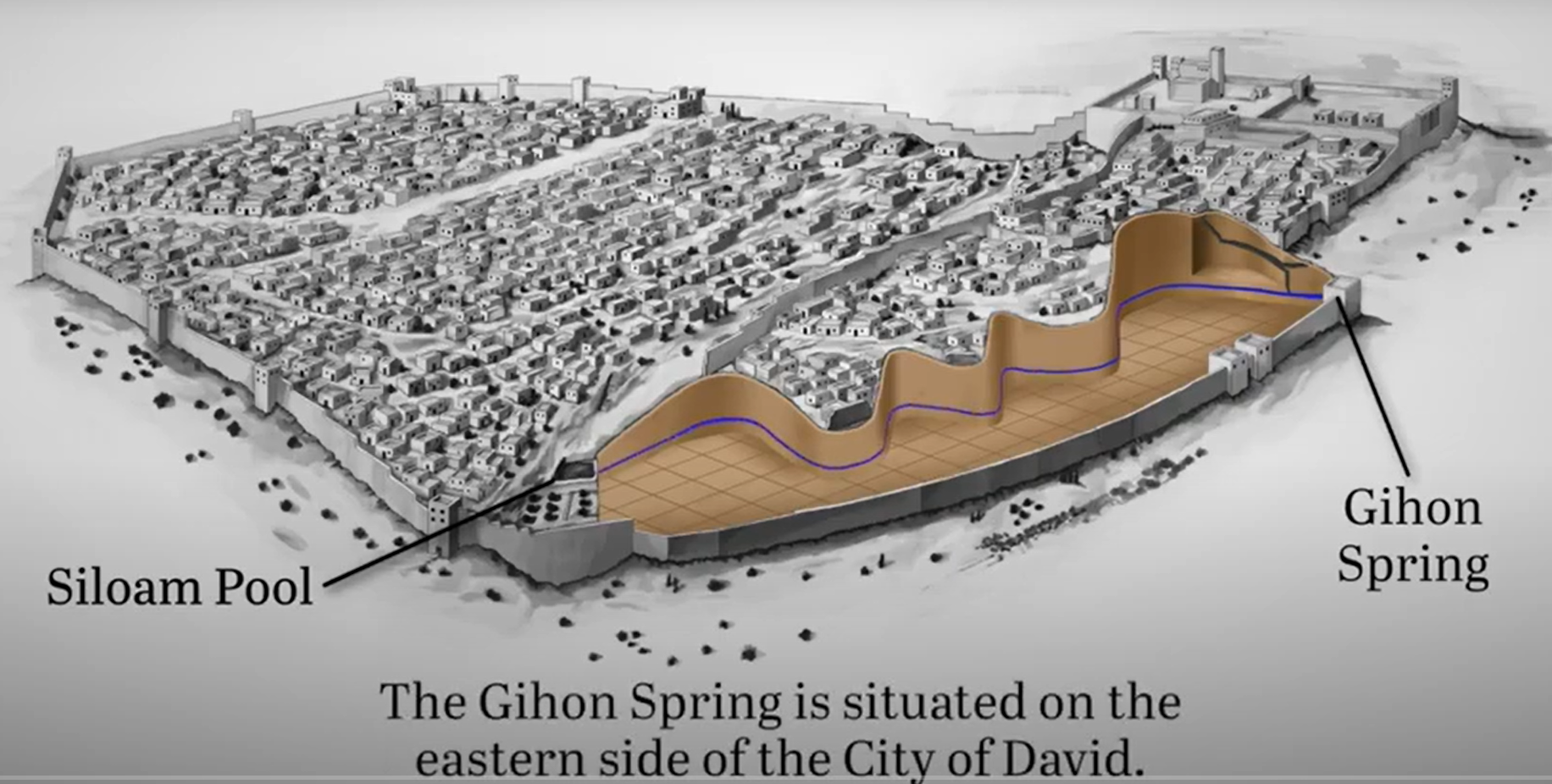
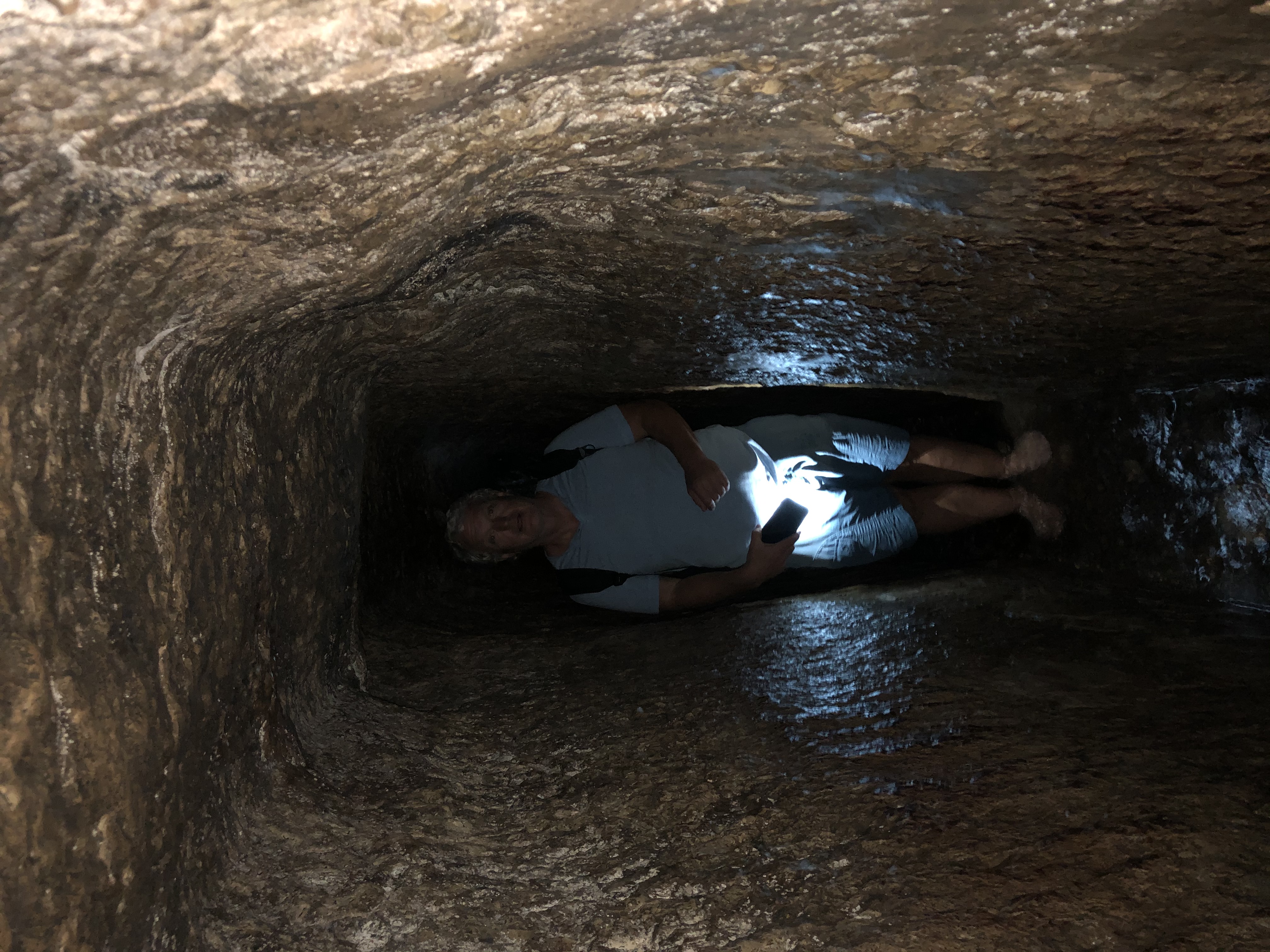
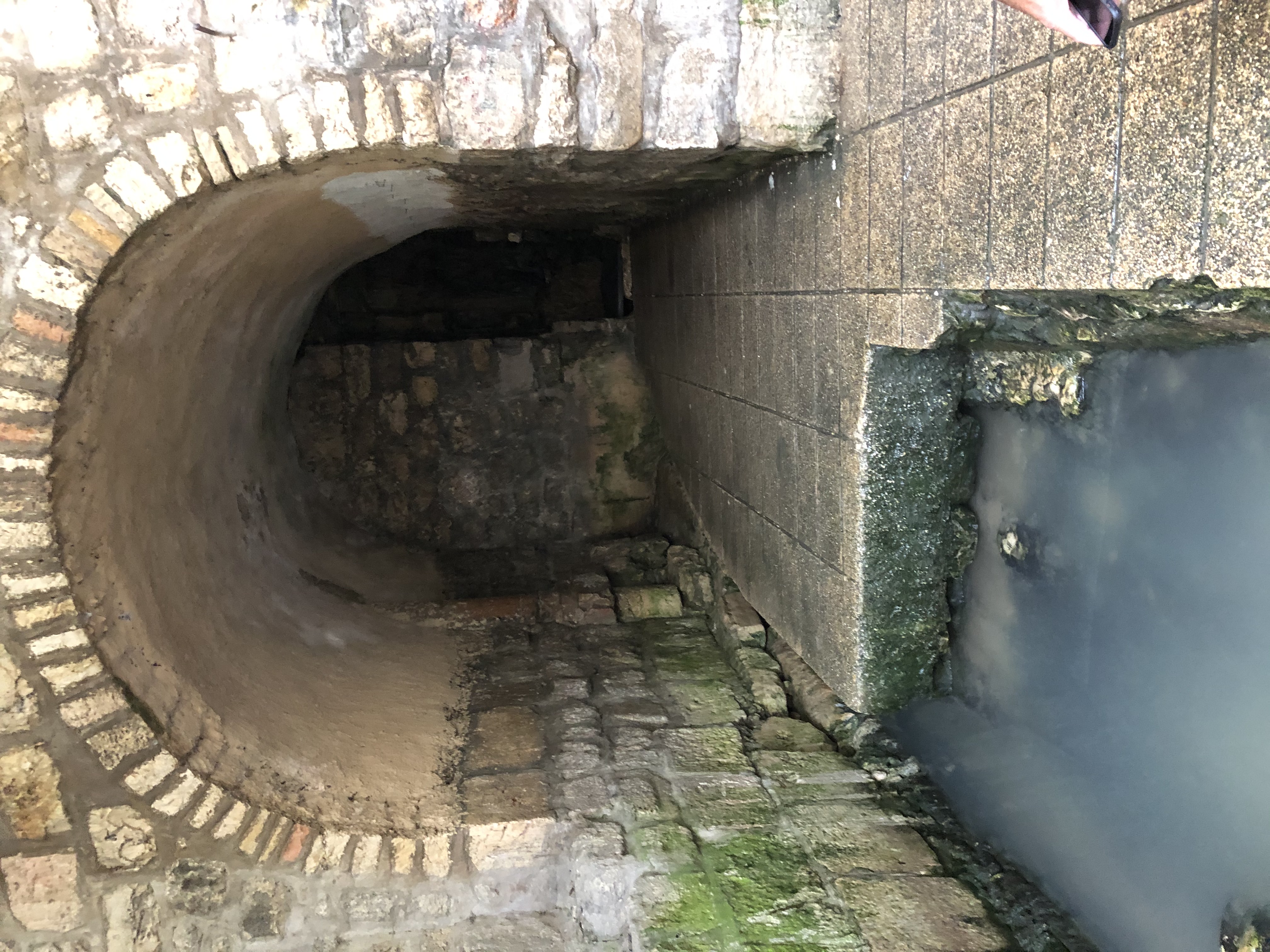
La pli nova Siloama Tunelo (Hebree: נִקְבַּת הַשִּׁלֹחַ, Nikbat HaShiloaḥ), ankaŭ konata kiel la Tunelo de Ĥizkija (Hebree: תעלת חזקיהו), estas akvokondukilo kiu estis ĉizita ene de la Urbo de David en antikvaj tempoj, nun lokita en la araba najbareco de Silwan en orienta Jerusalemo. Ĝia populara nomo devenas de la plej ofta hipotezo, ke ĝi datiĝas el la regado de Ĥizkija de Judujo (malfrua 8-a kaj frua 7-a jarcento a.K.) kaj korespondas al la "konduktilo" menciita en [2Reĝ 20:20 ] en la Hebrea Biblio. Laŭ la Biblio, Reĝo Ĥizkija preparis Jerusalemon por alproksimiĝanta sieĝo fare de la Asirianoj, per "blokado de la fonto de la akvoj de la supra Gihon, kaj gvidante ilin rekte malsupren okcidenten al la Urbo de David" [2Kron 32:30 ]. Per deturnado de la akvoj de la Gihon, li malhelpis la malamikajn fortojn sub Sennacherib havi aliron al akvo.
La bibliaj versoj rilatantaj al tunelo en la tempo de Ĥizkija estas ĉi tiuj: [2Reĝ 20:20 ]; [2Kron 32:2 -4]; [2Kron 32:30 ]; [Jes 22:11 ]
Vikipedio
ligiloj
Street View
bildoj
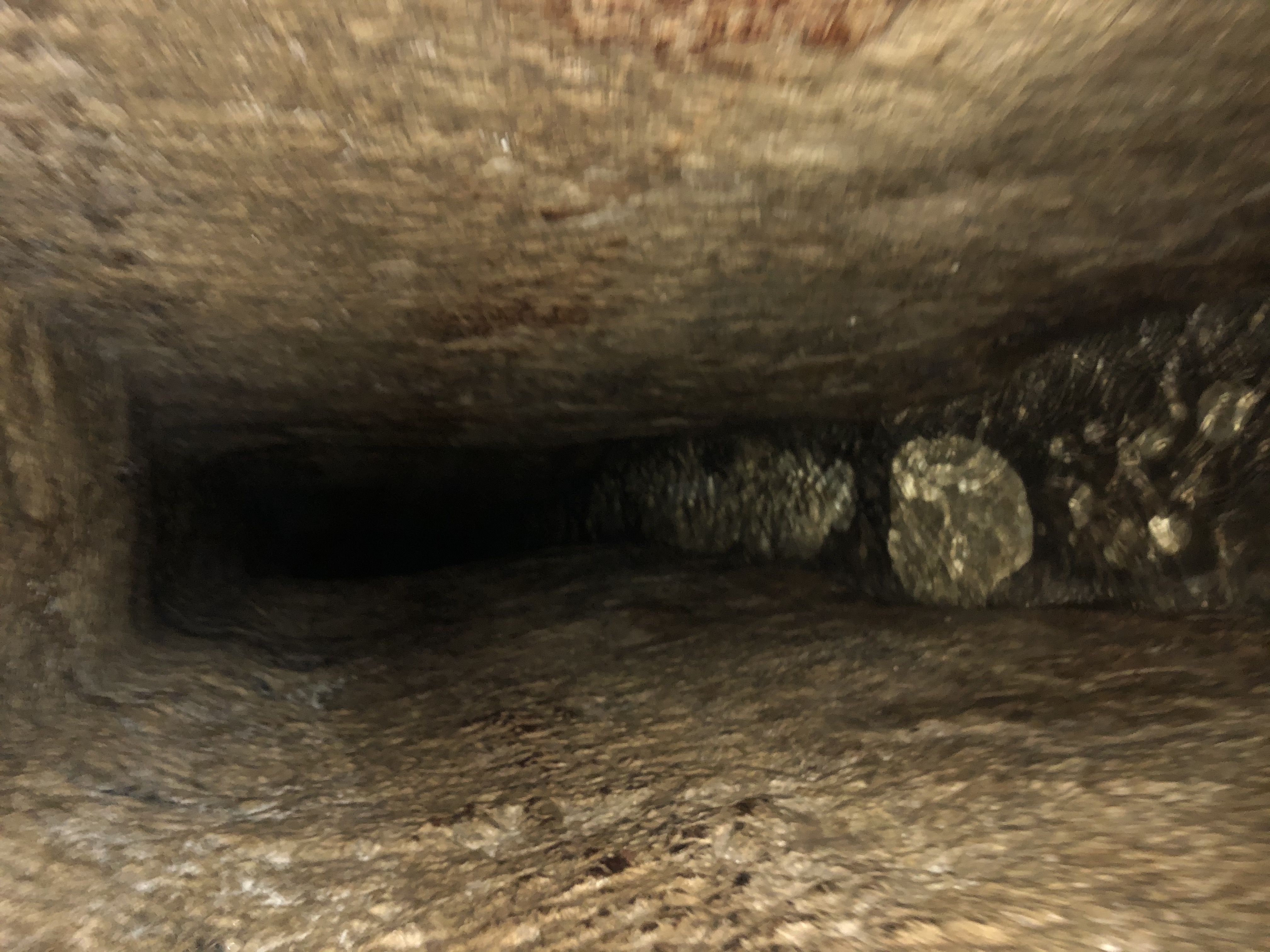
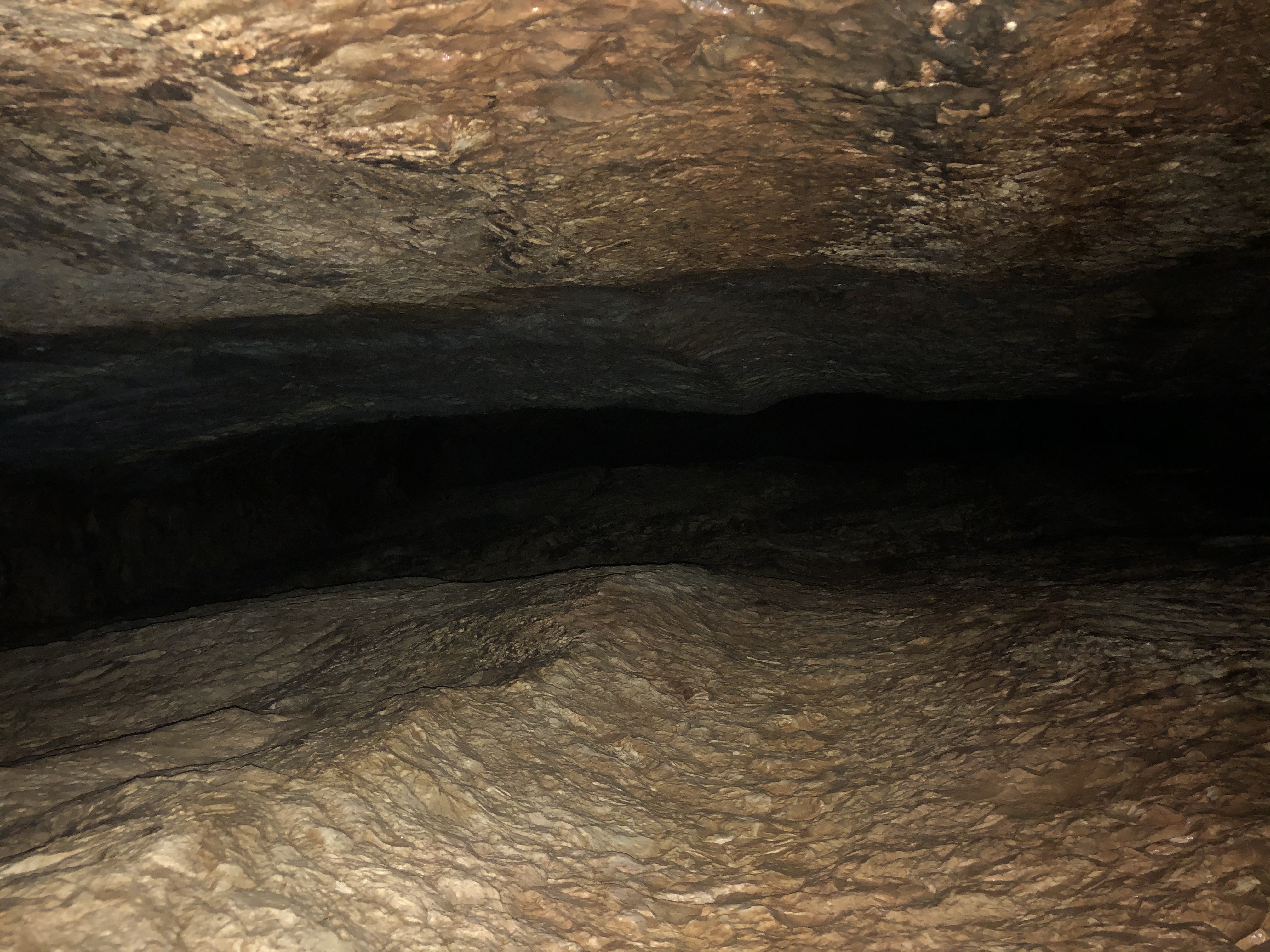
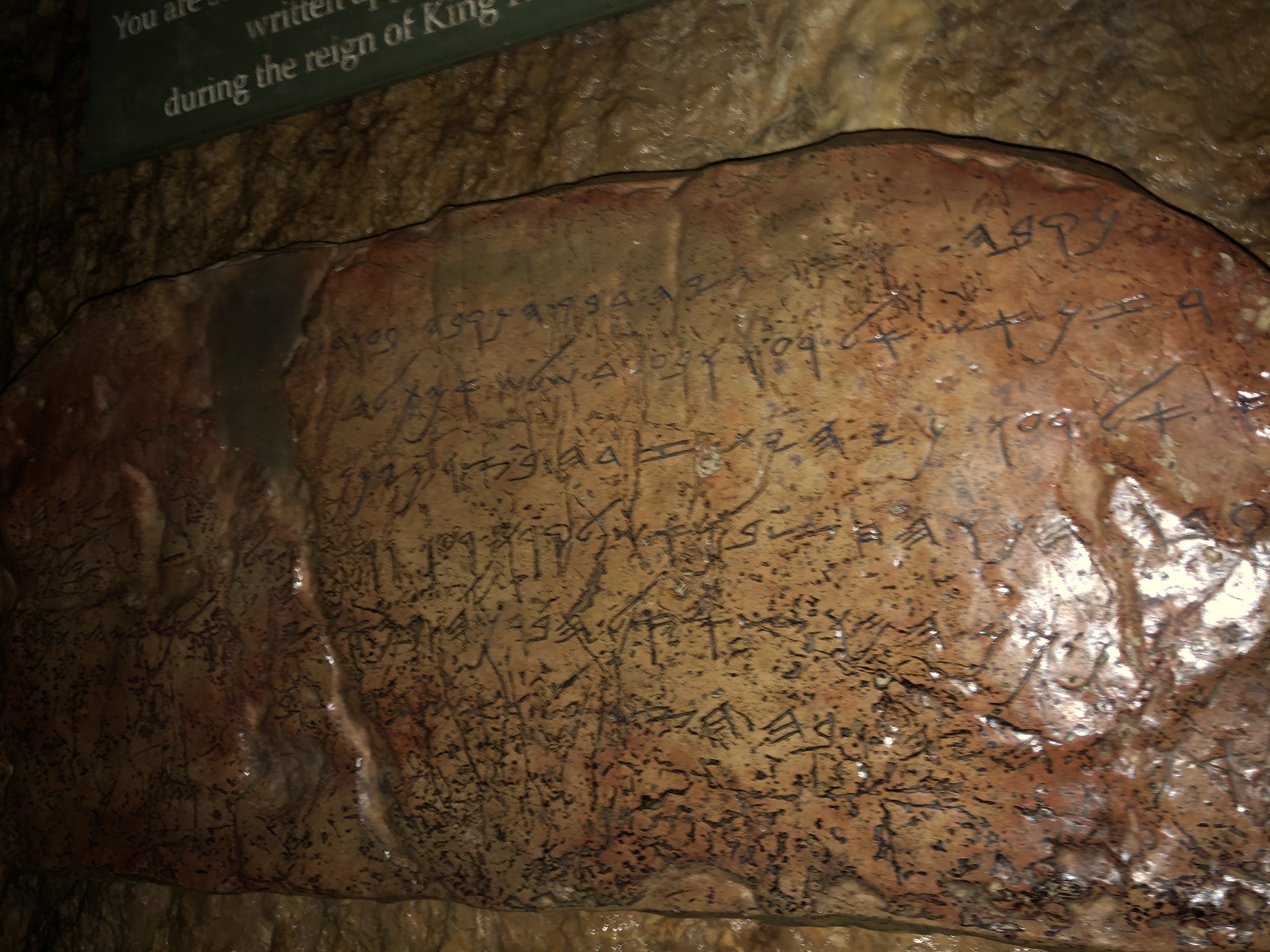
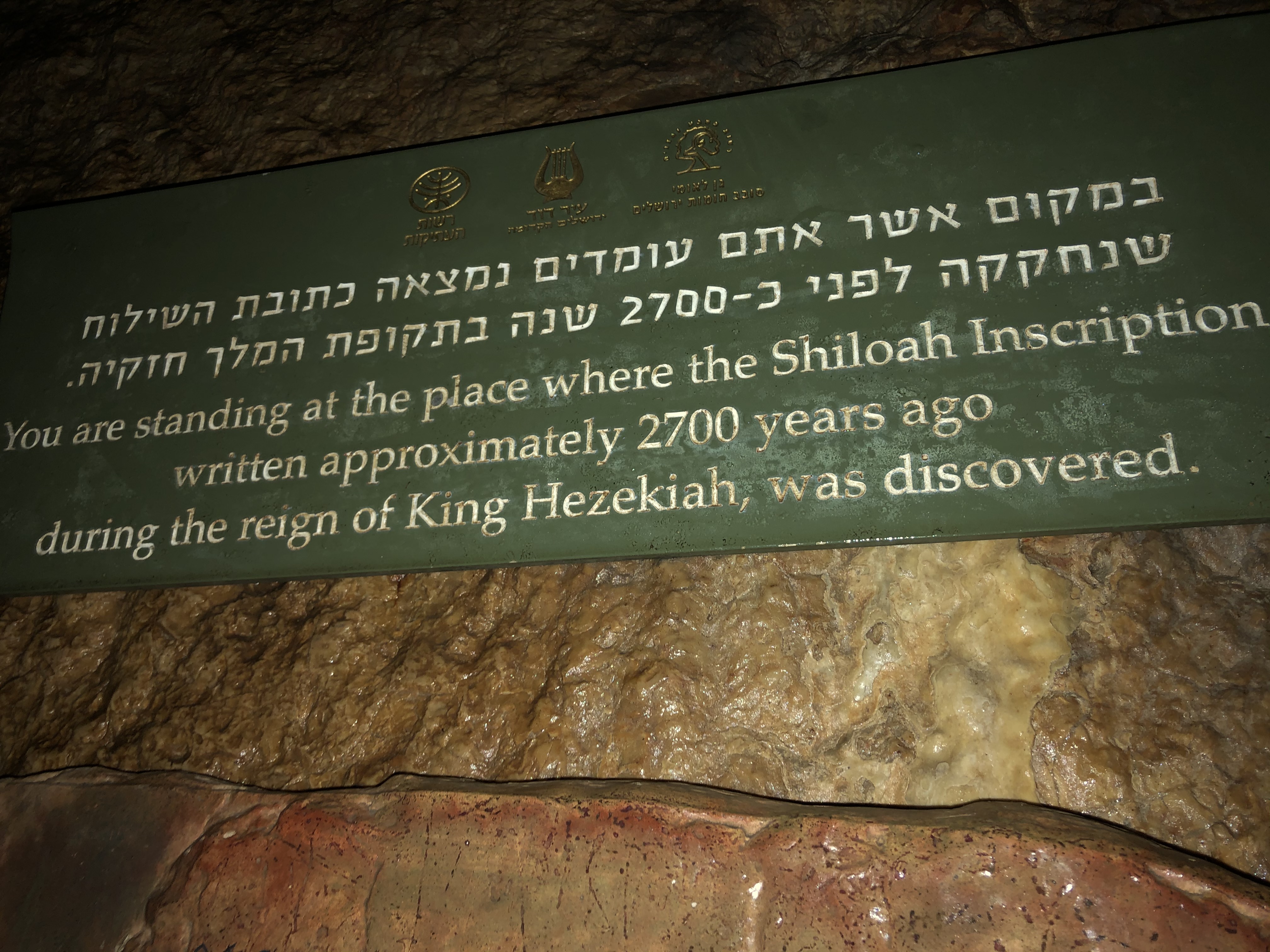
video
Hezekiah's Tunnel - Gihon Spring to Siloam Pool
Mapo
informoj el vortaro
Hezekiah
whom Jehovah has strengthened.
Son of Ahaz (2Kings 18:1; 2Chr 29:1), whom he succeeded on the throne of the kingdom of Judah. He reigned twenty-nine years (B.C. 726-697). The history of this king is contained in (2Kings 18:20; Isa 36:1etc.; 37:1etc.; 38:1etc.; 39:1etc.), and (2Chr 29:1etc.; 30:1etc.; 31:1etc.; 32:1etc.). He is spoken of as a great and good king. In public life he followed the example of his great-granfather Uzziah. He set himself to abolish idolatry from his kingdom, and among other things which he did for this end, he destroyed the "brazen serpent," which had been removed to Jerusalem, and had become an object of idolatrous worship (Num 21:9). A great reformation was wrought in the kingdom of Judah in his day (2Kings 18:4; 2Chr 29:3-36).
On the death of Sargon and the accession of his son Sennacherib to the throne of Assyria, Hezekiah refused to pay the tribute which his father had paid, and "rebelled against the king of Assyria, and served him not," but entered into a league with Egypt (Isa 30:1etc.; 31:1etc.; 36:6-9). This led to the invasion of Judah by Sennacherib (2Kings 18:13-16), who took forty cities, and besieged Jerusalem with mounds. Hezekiah yielded to the demands of the Assyrian king, and agreed to pay him three hundred talents of silver and thirty of gold (2Kings 18:14).
But Sennacherib dealt treacherously with Hezekiah (Isa 33:1), and a second time within two years invaded his kingdom (2Kings 18:17; 2Chr 32:9; Isa 36:1etc.). This invasion issued in the destruction of Sennacherib's army. Hezekiah prayed to God, and "that night the angel of the Lord went out, and smote in the camp of the Assyrians 185,000 men." Sennacherib fled with the shattered remnant of his forces to Nineveh, where, seventeen years after, he was assassinated by his sons Adrammelech and Sharezer (2Kings 19:37). (See SENNACHERIB)
The narrative of Hezekiah's sickness and miraculous recovery is found in (2Kings 20:1; 2Chr 32:24; Isa 38:1). Various ambassadors came to congratulate him on his recovery, and among them Merodach-baladan, the viceroy of Babylon (2Chr 32:23; 2Kings 20:12). He closed his days in peace and prosperity, and was succeeded by his son Manasseh. He was buried in the "chiefest of the sepulchres of the sons of David" (2Chr 32:27-33). He had "after him none like him among all the kings of Judah, nor any that were before him" (2Kings 18:5). (See ISAIAH)
EBD - Easton's Bible Dictionary