Taanach
Kirjeldus
Taan
[1Ms 14:14 ] Kui Aabram kuulis, et tema vend oli vangistatud, viis ta välja oma kolmsada kaheksateist väljaõpetatud meest, kes olid sündinud tema majas, ja jälitas ründajaid kuni Taanini.
lingid
Street View
pildid
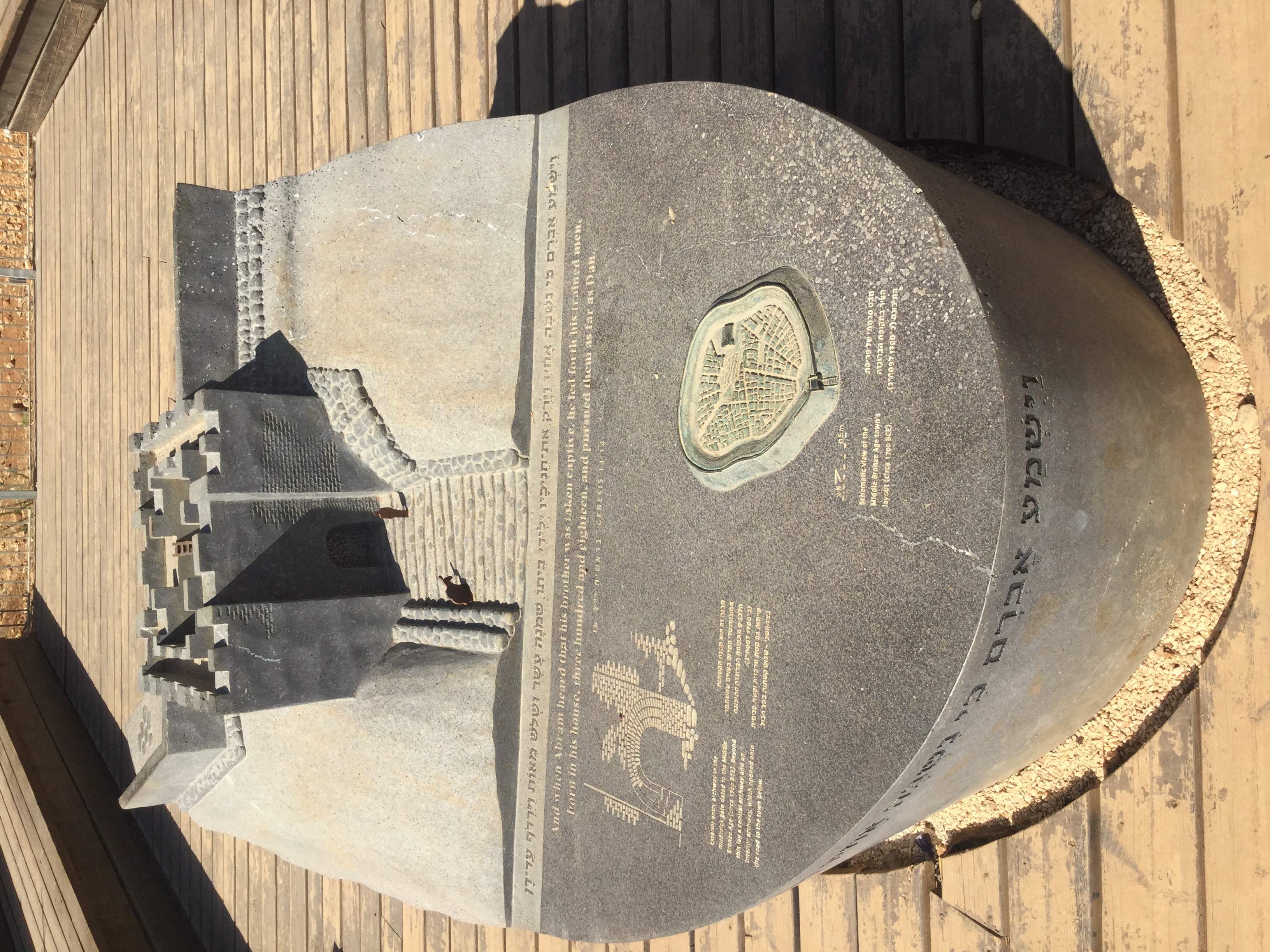
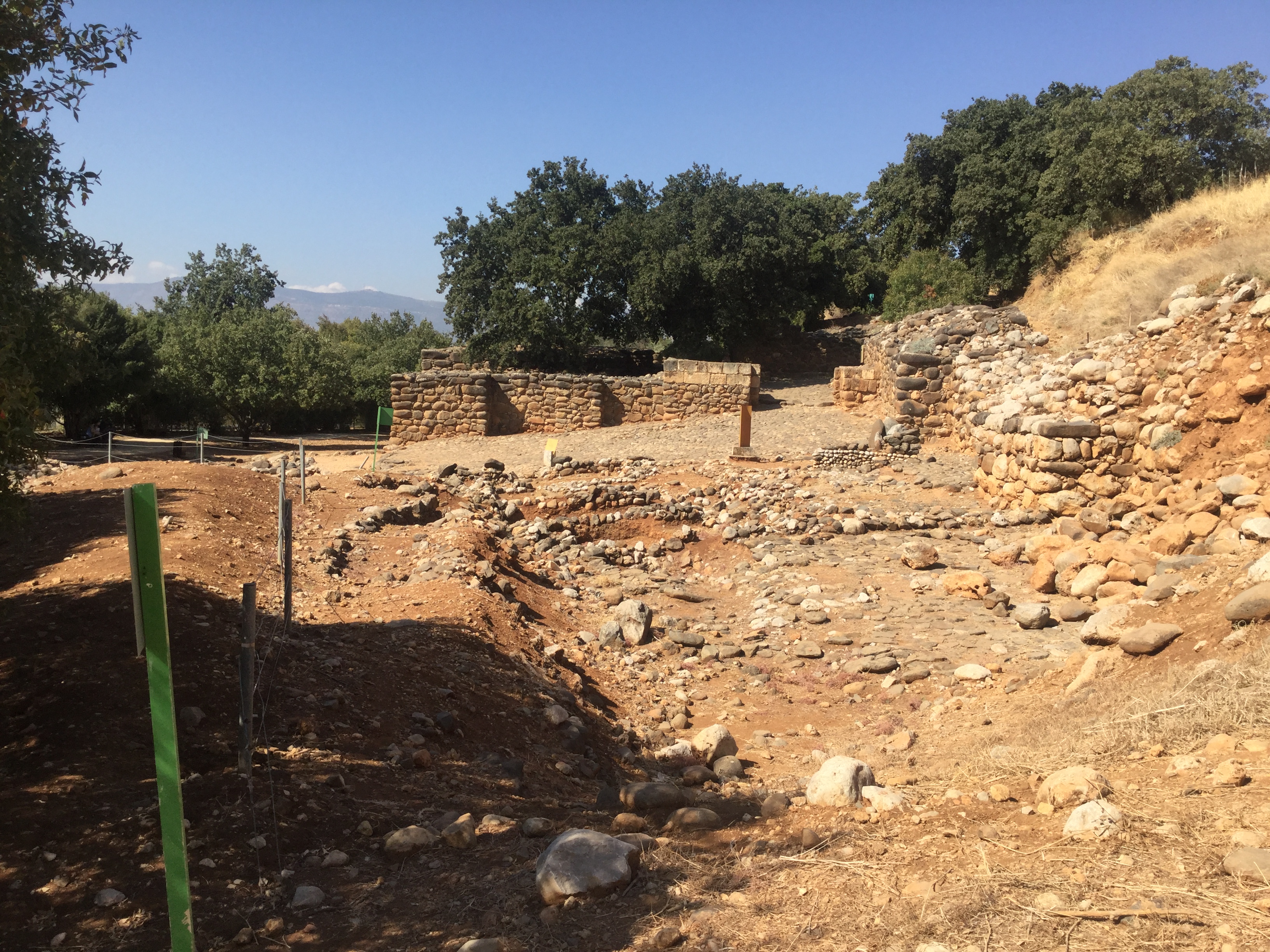
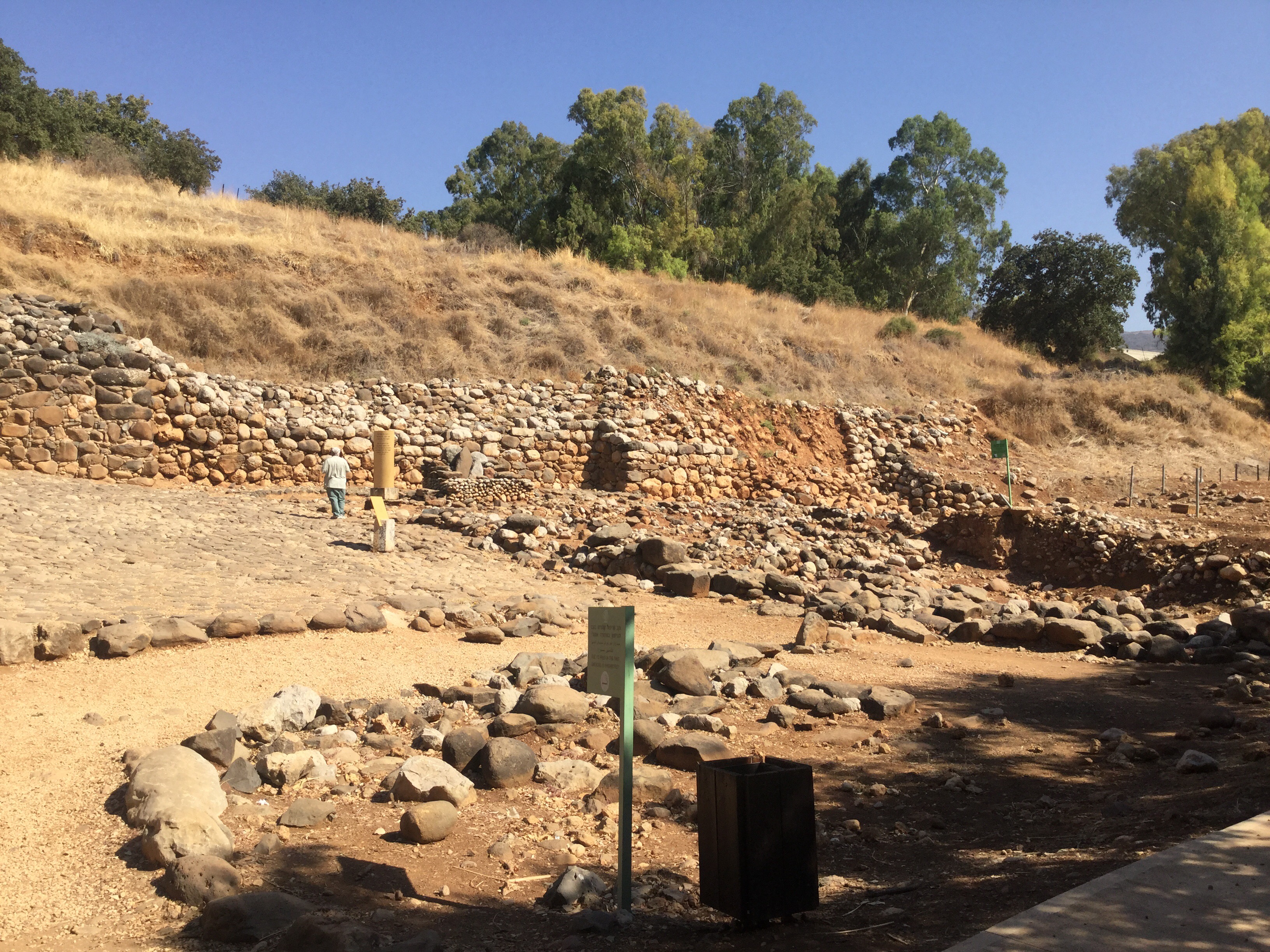
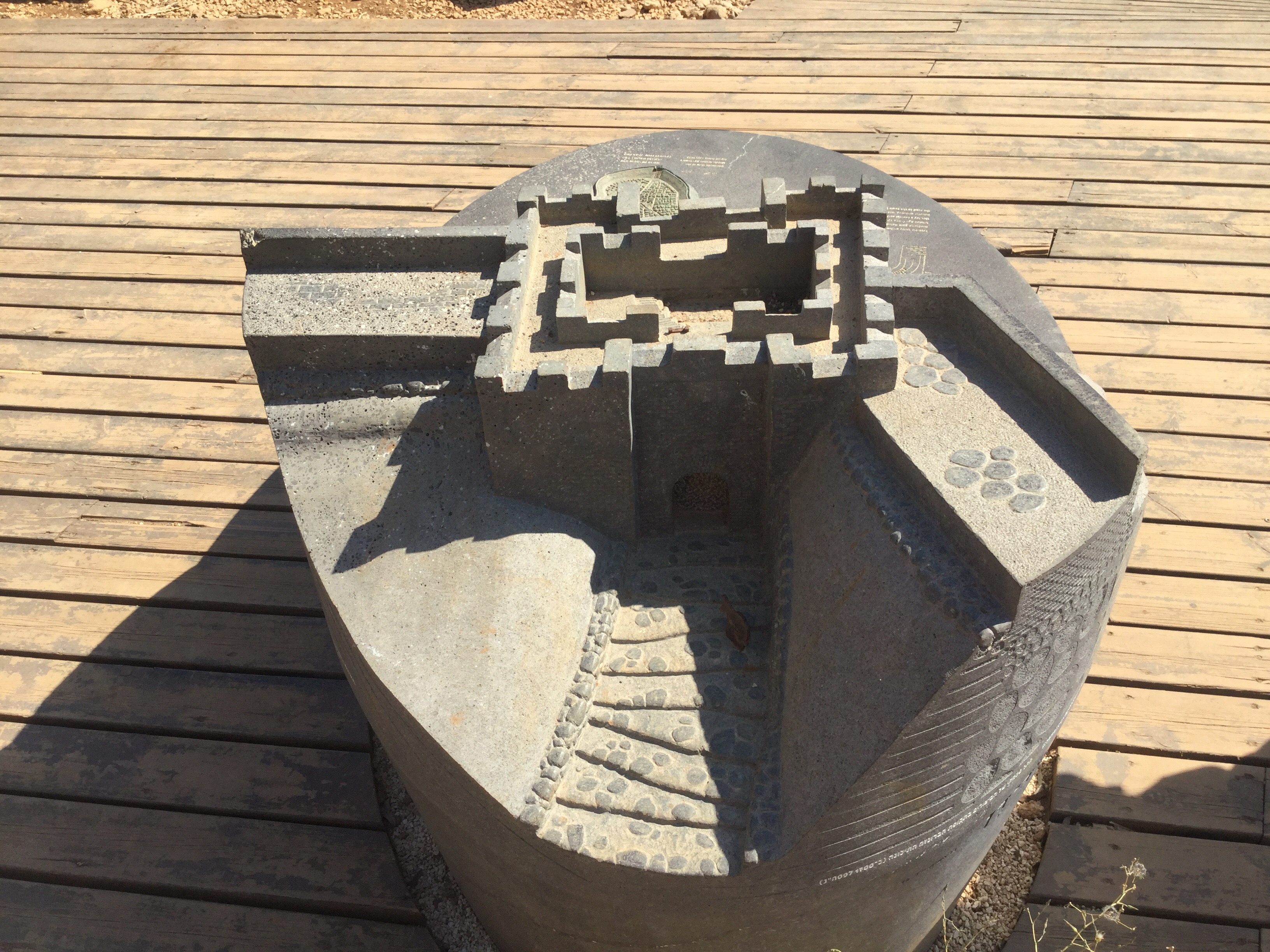
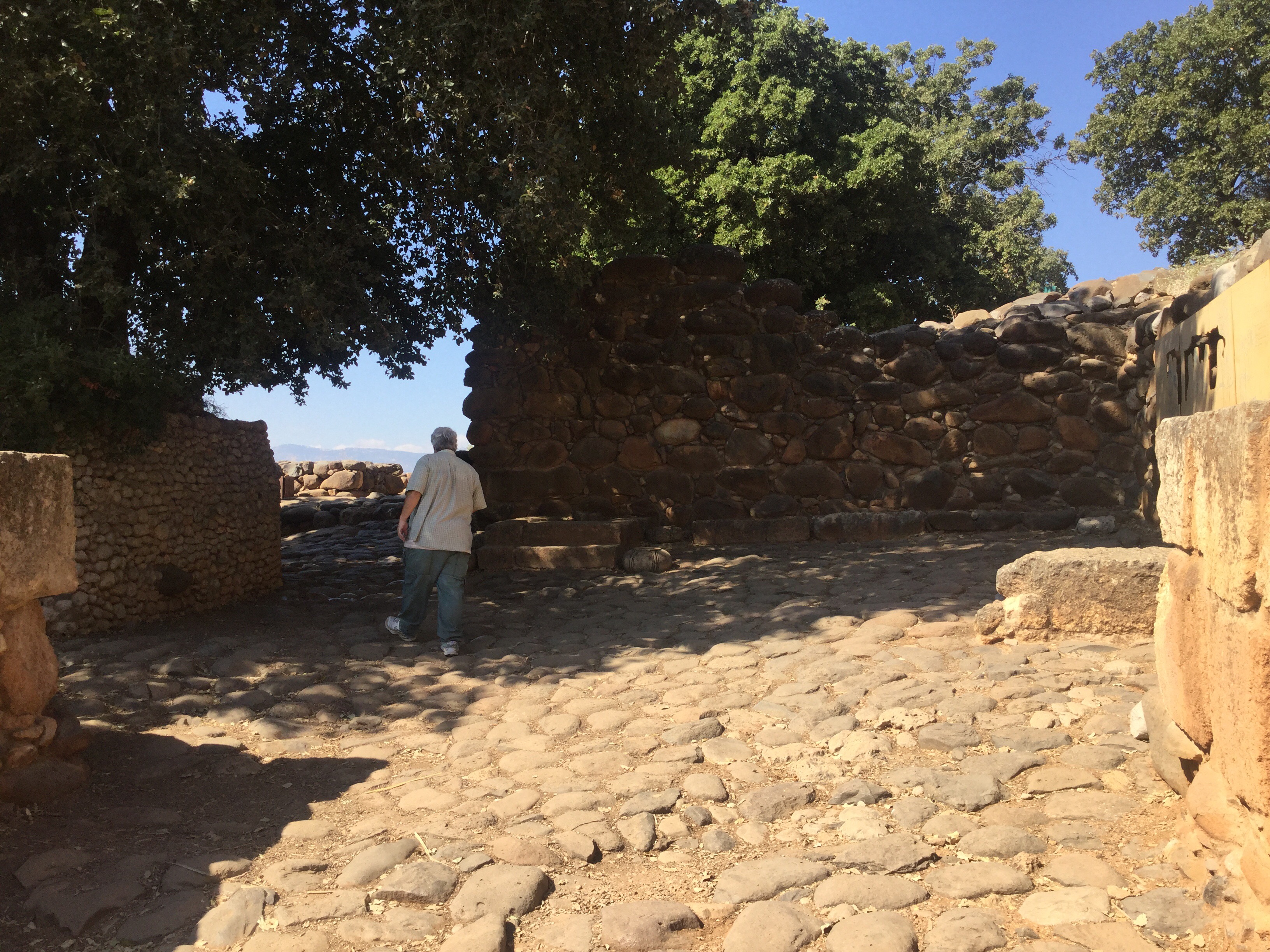
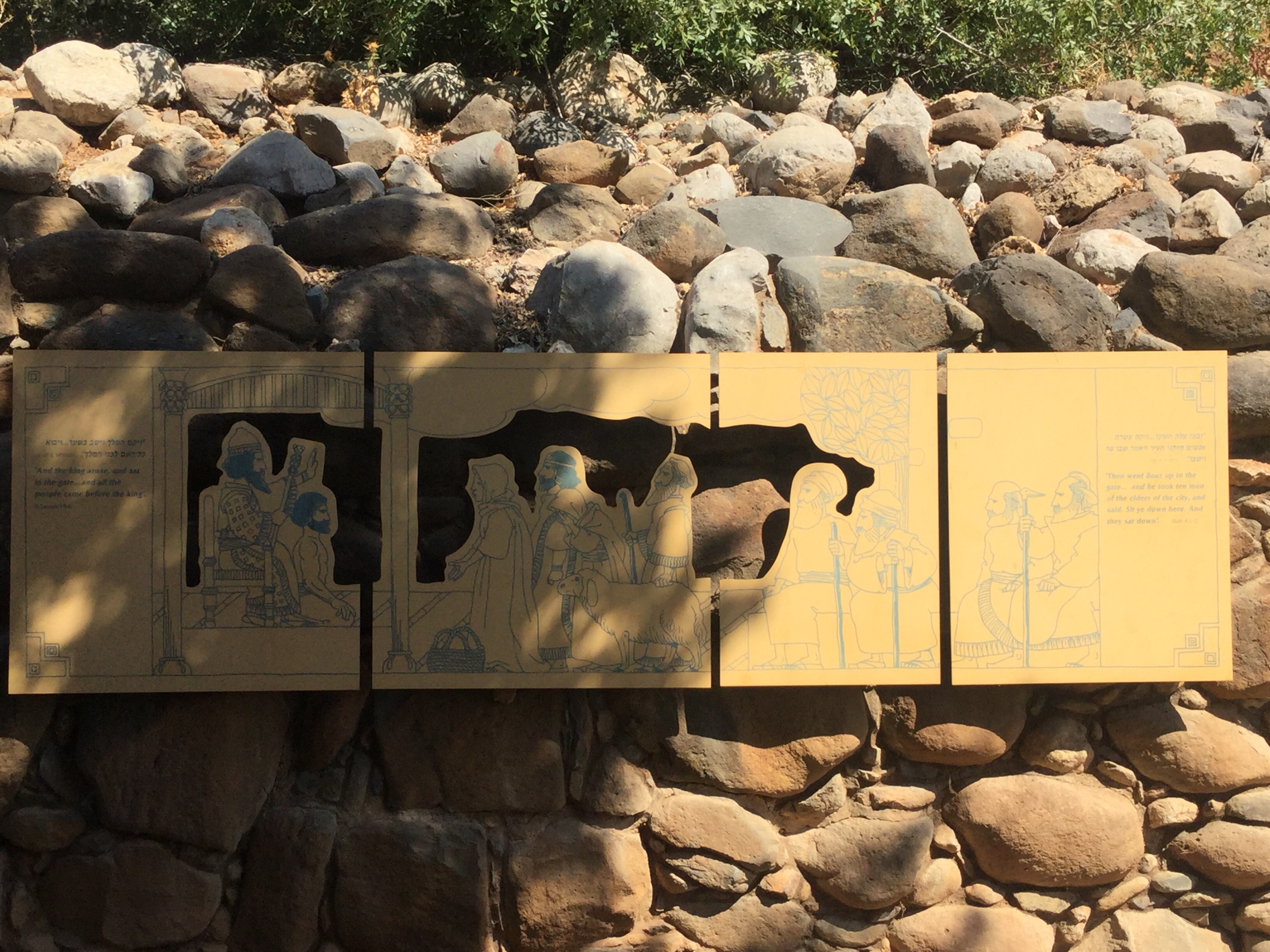
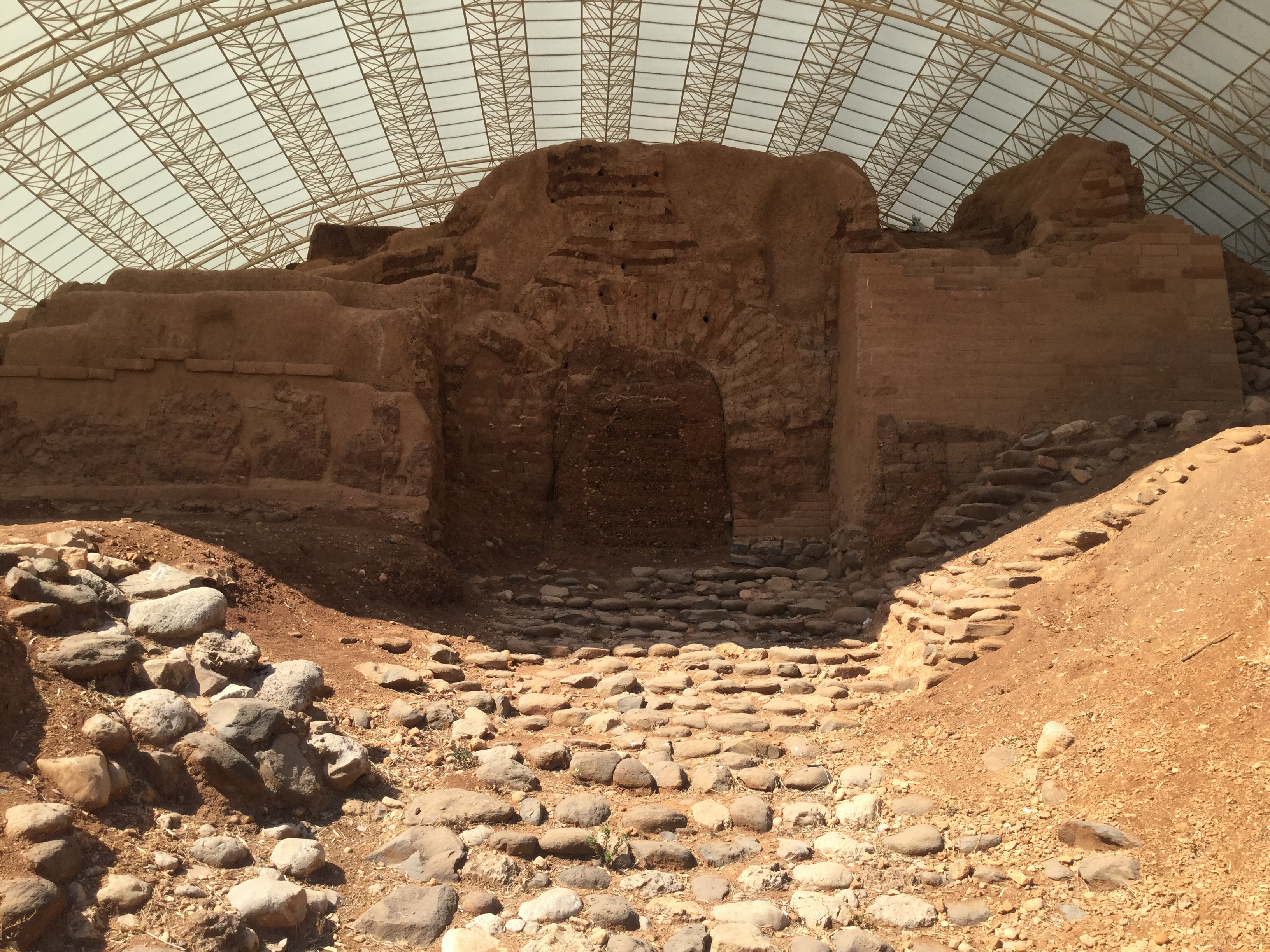
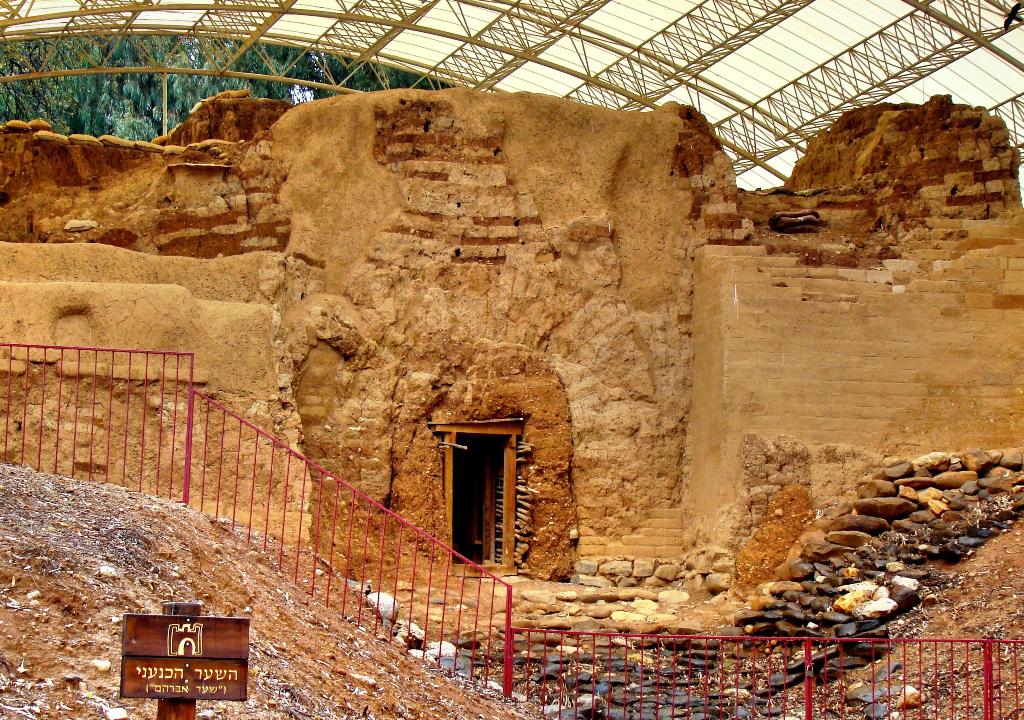
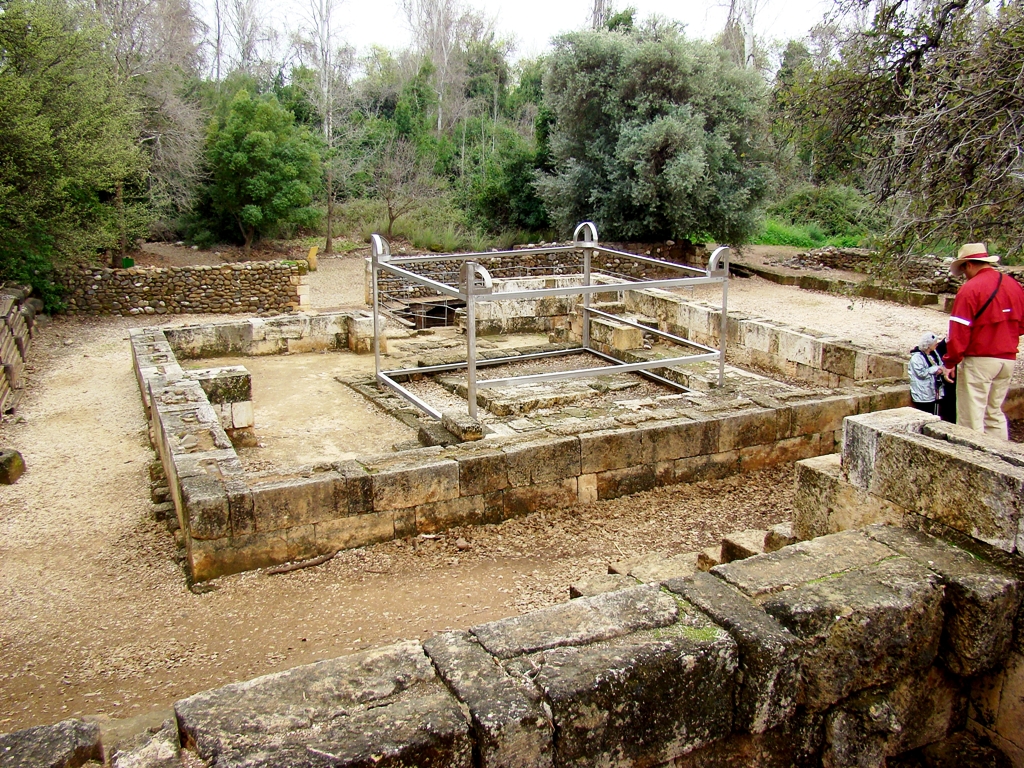
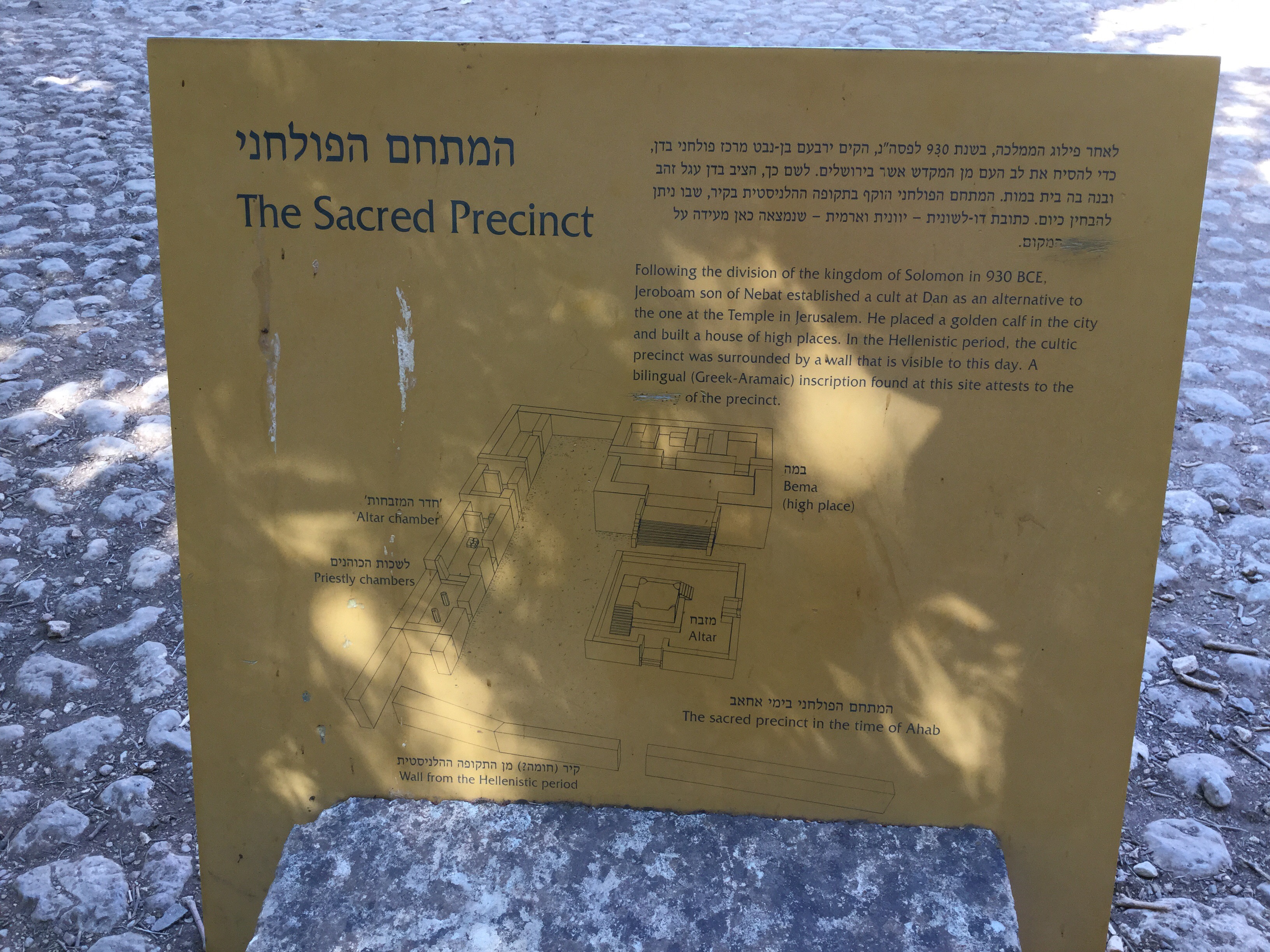
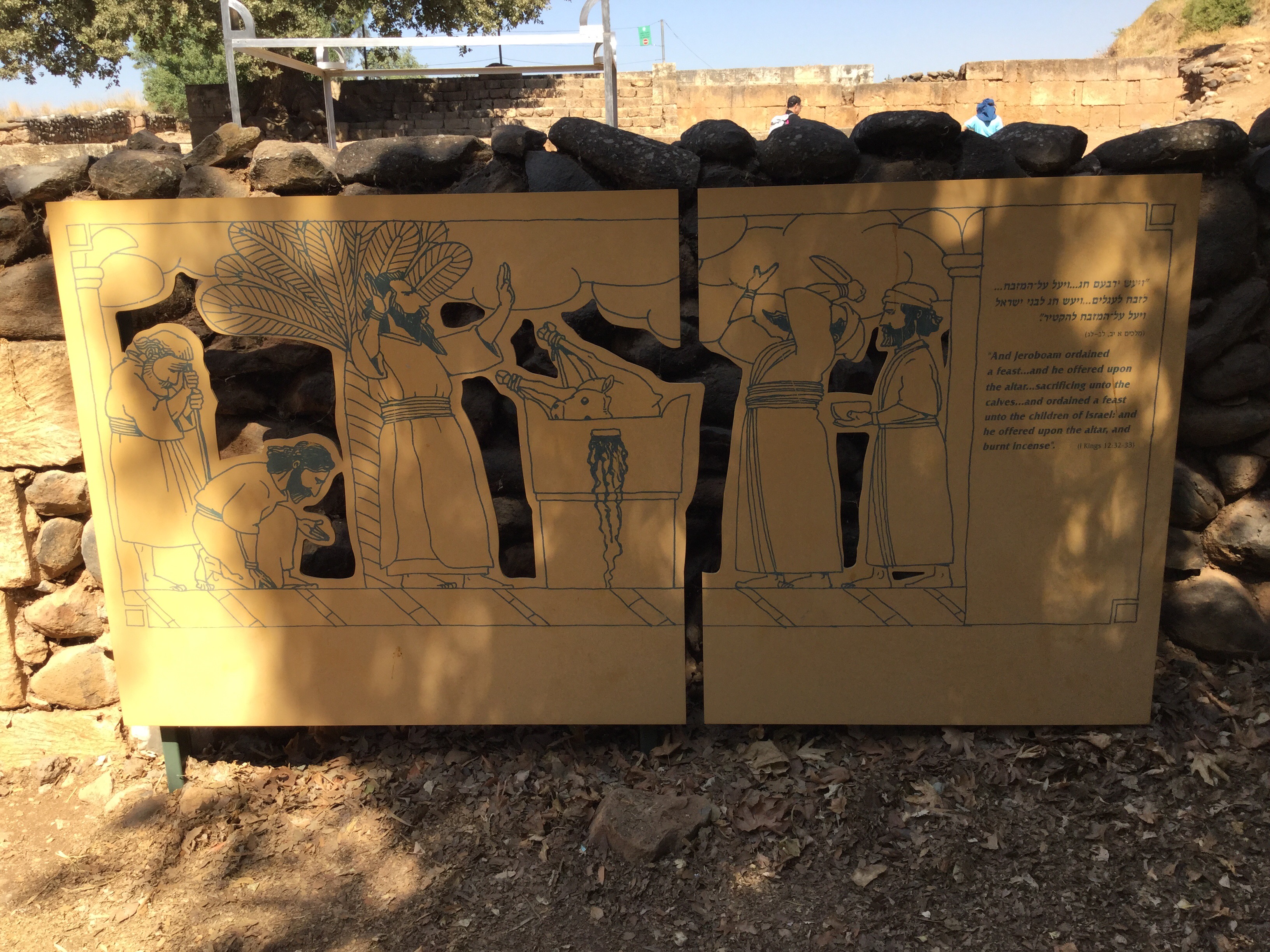
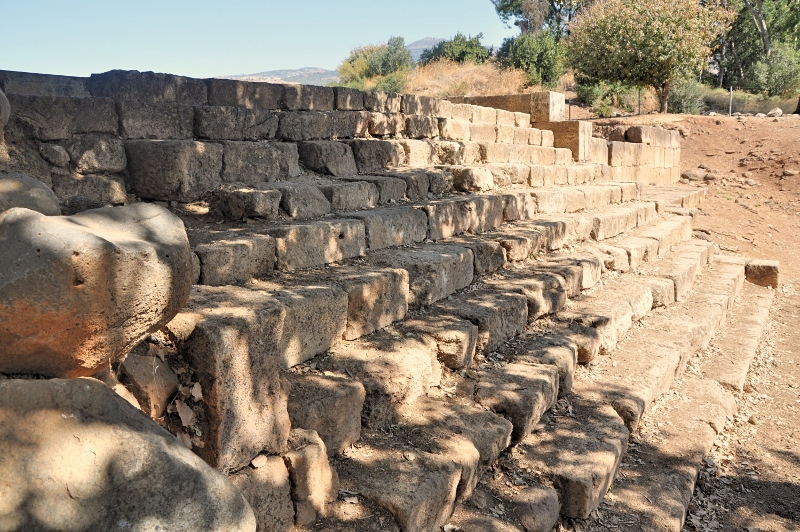
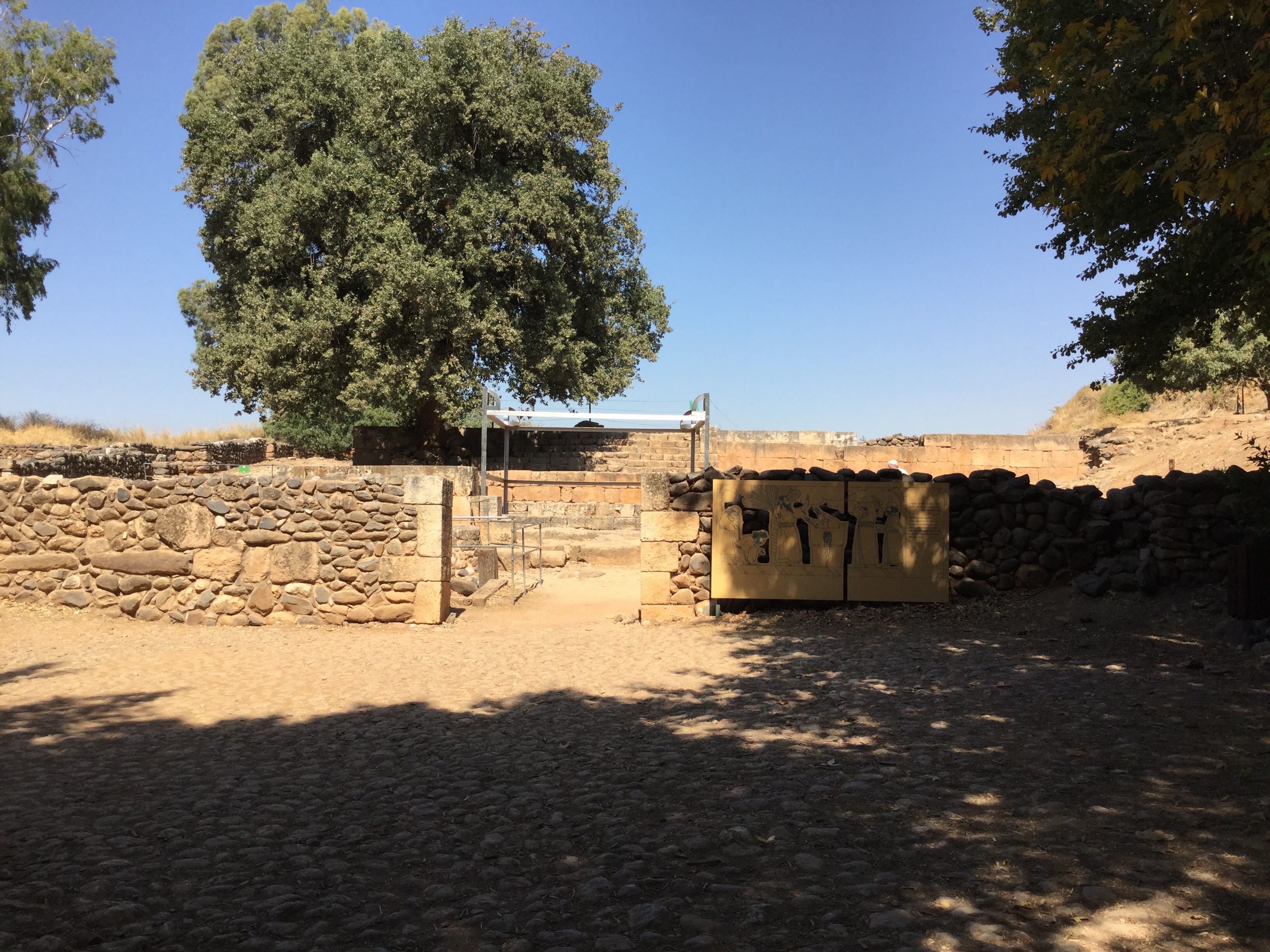
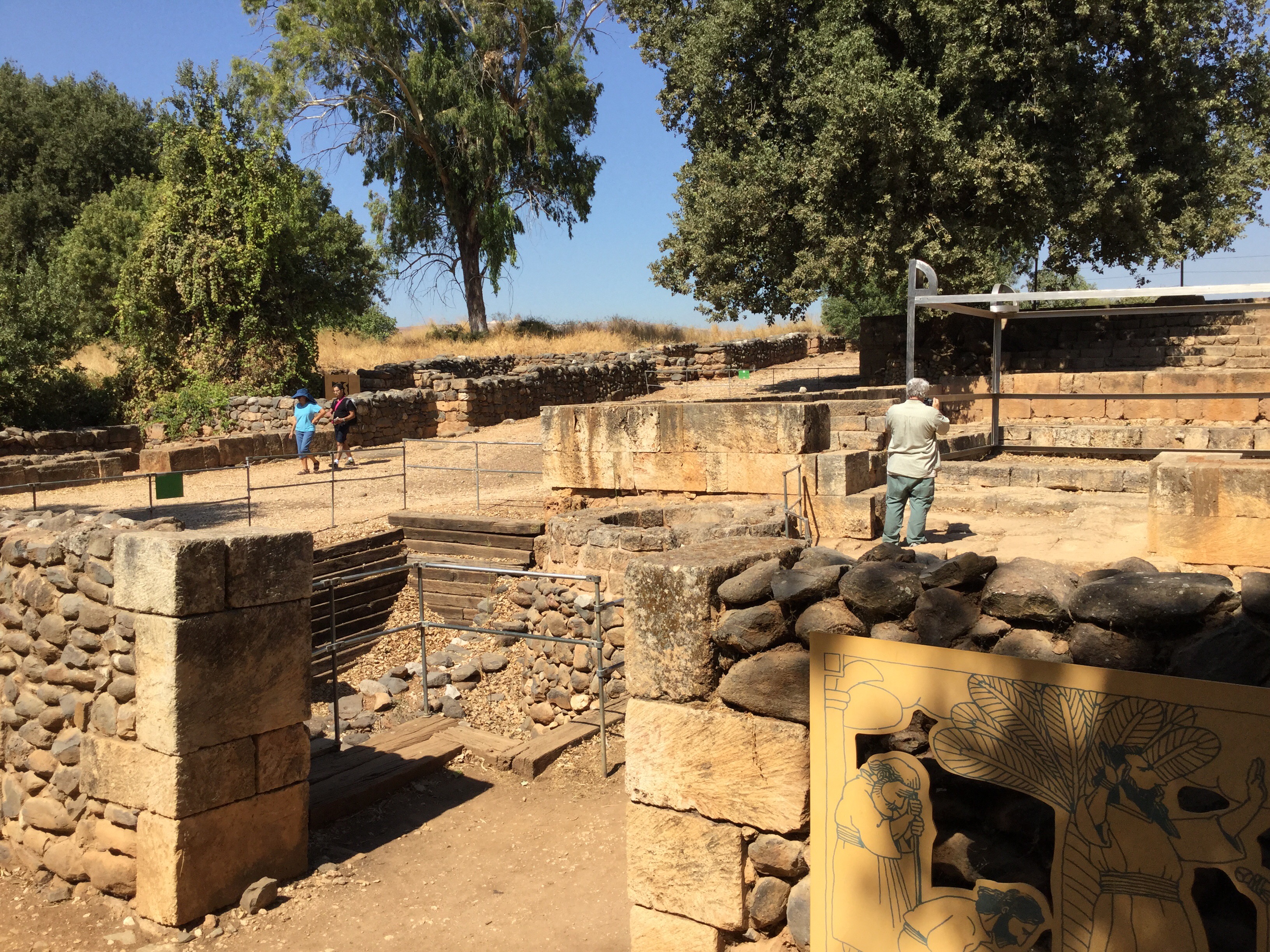
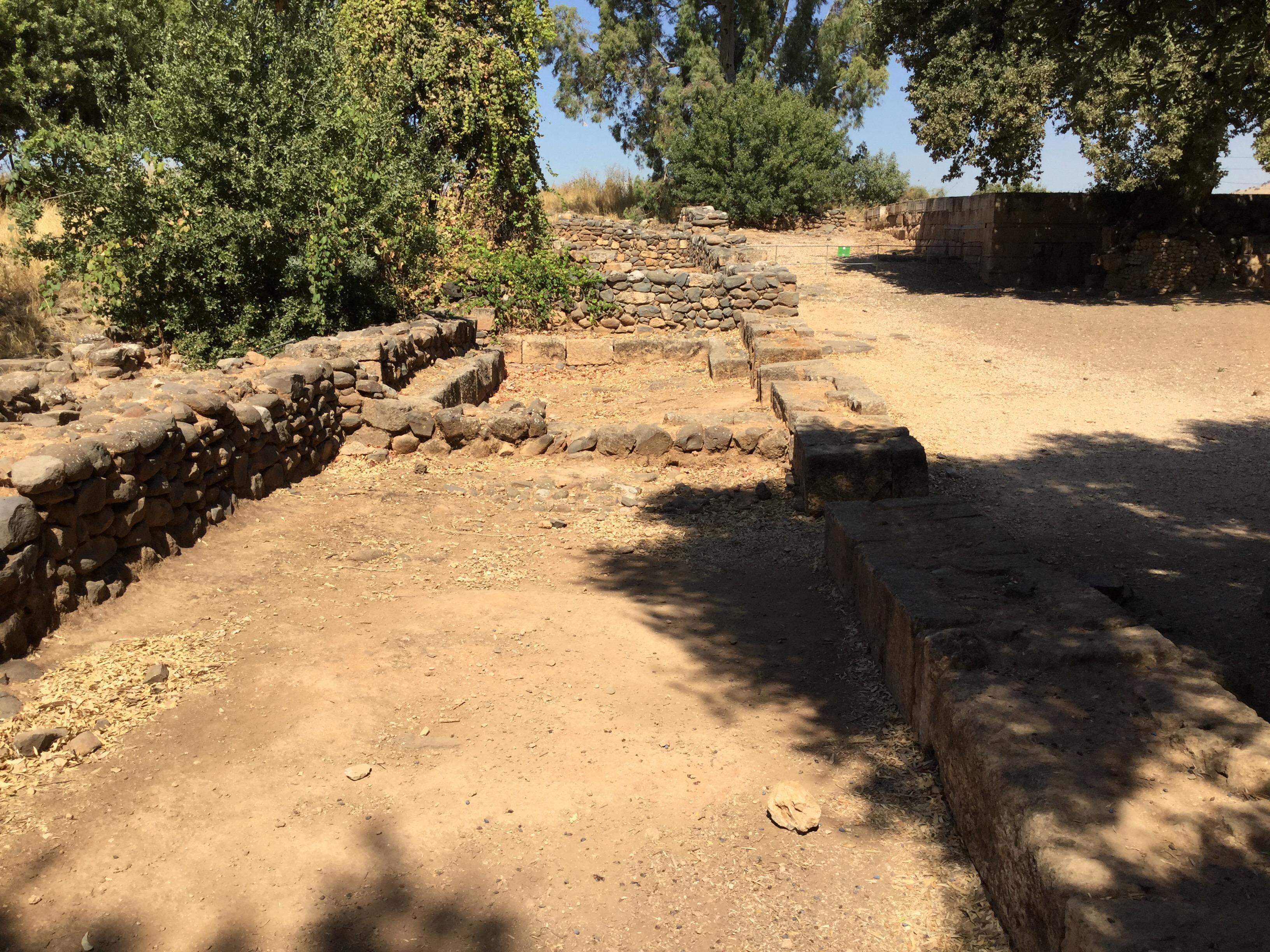
video
Tel Dan Tour, Israel: Fall of Northern 10 Tribes of Israel, Jeroboam Golden Calf Altar
Tel Dan Tour, Israel: Part 1: Fall of the Northern 10 Tribes of Israel, Jeroboam's Golden Calf Altar
Tel Dan Tour, Israel: Part 2: Fall of the Northern 10 Tribes of Israel, Jeroboam's Golden Calf Altar
The Tel Dan Stele: A Good Answers Ministries Christian Apologetics Video One of the Good Answers series, this video tells of the discovery of the inscription at Tel Dan that includes the first ancient extrabiblical mention of the "House of David.' Though its authenticity was challenged at first, the accumulated evidence has shown that the inscription is genuine.
Tel Dan Stele - Evidence of King David?
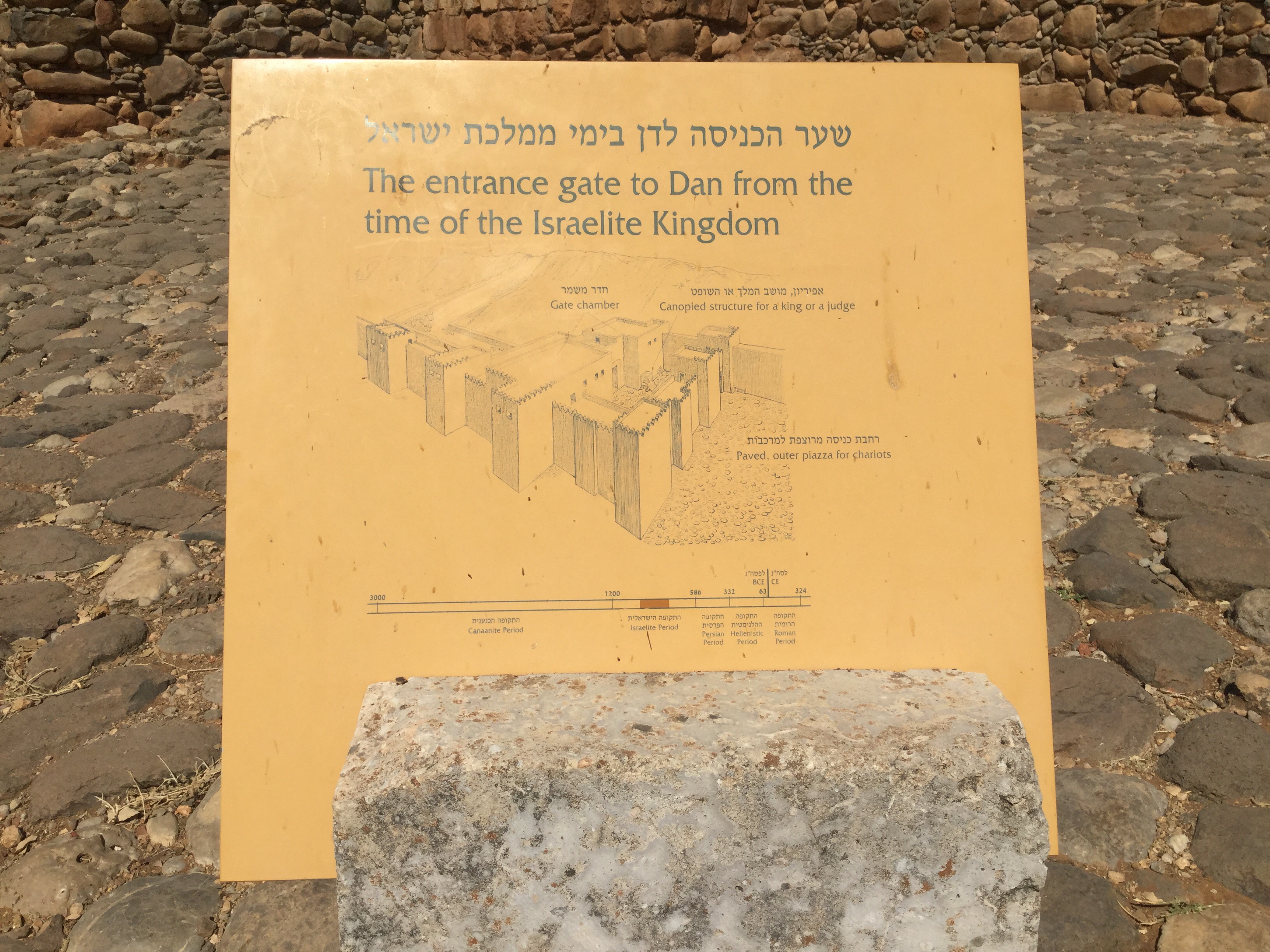
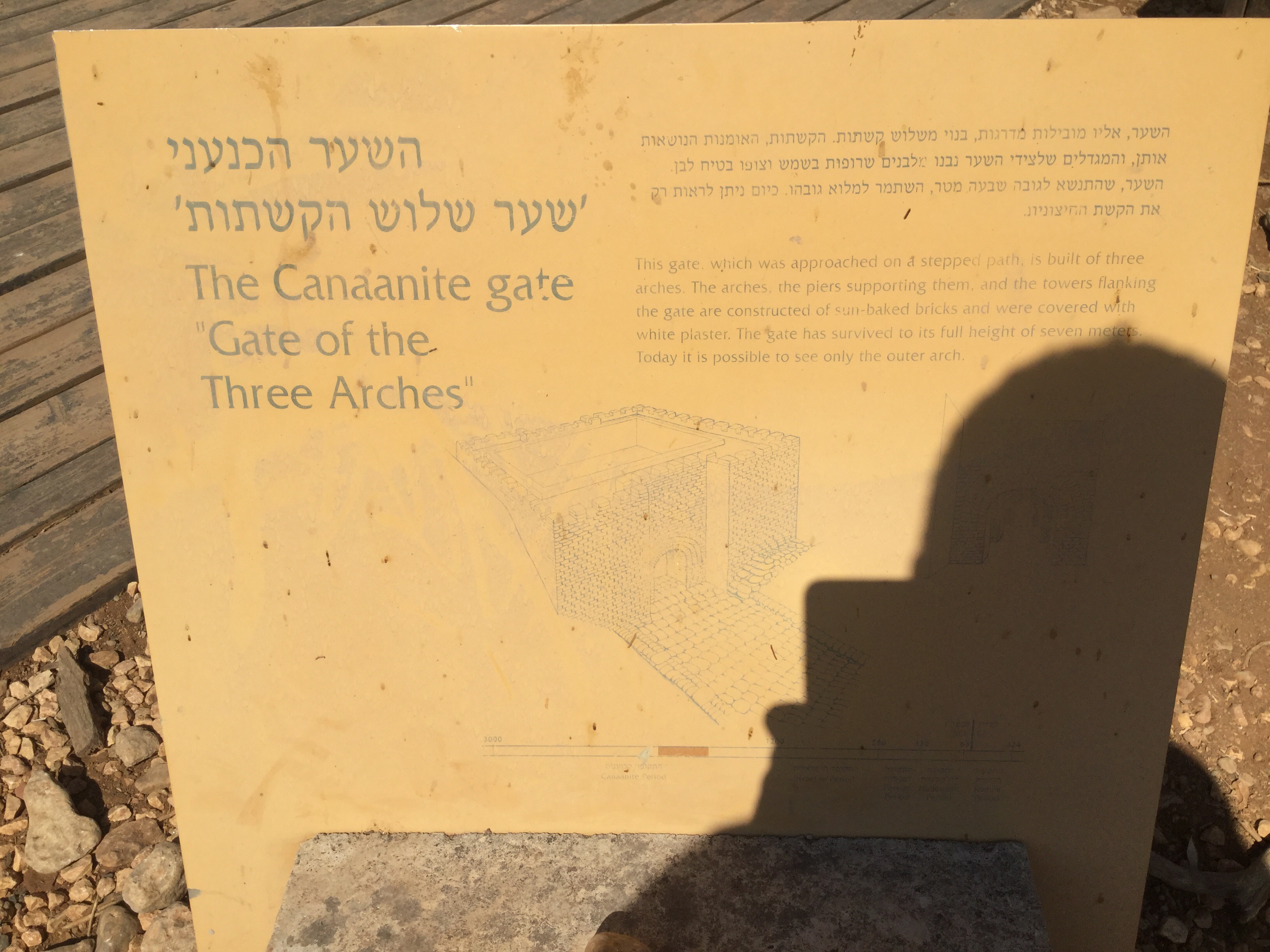
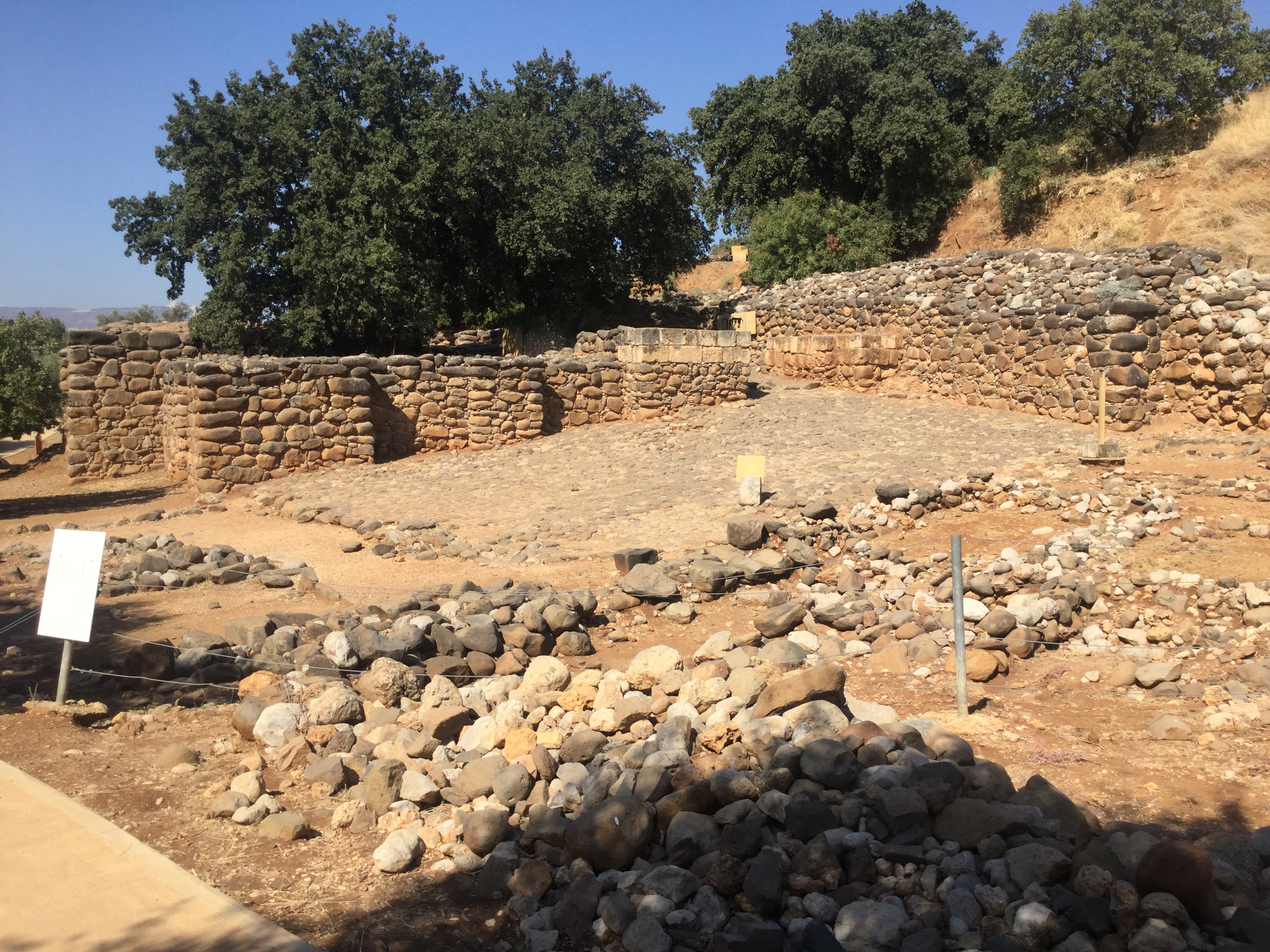
The Ancient Gate at Tel Dan
Tel Dan - Biblical Tour of Israel 2019
Tel Dan - 2nd Golden Calf Site Tour
artefaktid
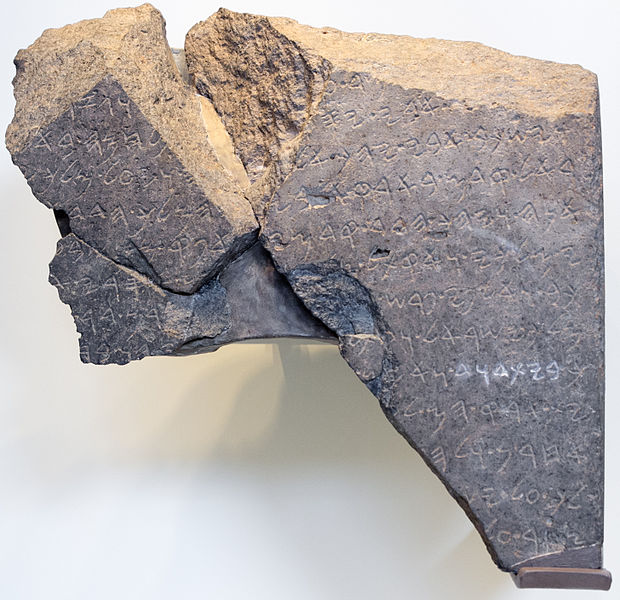
Tel Dani stela
Tel Dani steele on katkendlik steele, mis sisaldab Kaanani kirja ja pärineb 9. sajandist eKr. See on märkimisväärne, kuna see võib olla kõige olulisem ja võib-olla ainus piiblist väljas olev arheoloogiline viide Taaveti kojale.
Tel Dani steele avastati 1993. aastal Tel-Danis Gila Cooki poolt, kes oli Avraham Birani juhitud arheoloogilise meeskonna liige. Selle tükke kasutati iidse kivimüüri ehitamiseks, mis on säilinud tänapäevani. Steele sisaldab mitmeid aramea keeles ridu, mis on tihedalt seotud heebrea keelega ja ajalooliselt olnud juutide seas levinud keel. Säilinud kiri kirjeldab, kuidas üksikisik tappis Iisraeli Jehorami, Ahabi poja ja Taaveti koja kuninga. Need kirjutised kinnitavad Piibli lõike, kuna Teises Kuningate raamatus mainitakse, et Jehoram, keda nimetatakse ka Joramiks, on Iisraeli kuninga Ahabi ja tema foiniikia naise Iisebeli poeg. Rakendades piibellikku vaatenurka kirjale, on tõenäoline, et steele püstitas Hasael, aramealaste kuningas (kelle keel oleks seega olnud aramea), keda mainitakse Teises Kuningate raamatus kui Iisraeli maa vallutajat, kuigi tal ei õnnestunud võtta Jeruusalemma. Steele on praegu Iisraeli Muuseumis eksponeeritud ja on tuntud kui KAI 310.
Wikipedia
Kaart
teave sõnaraamatust
Dan
a judge.
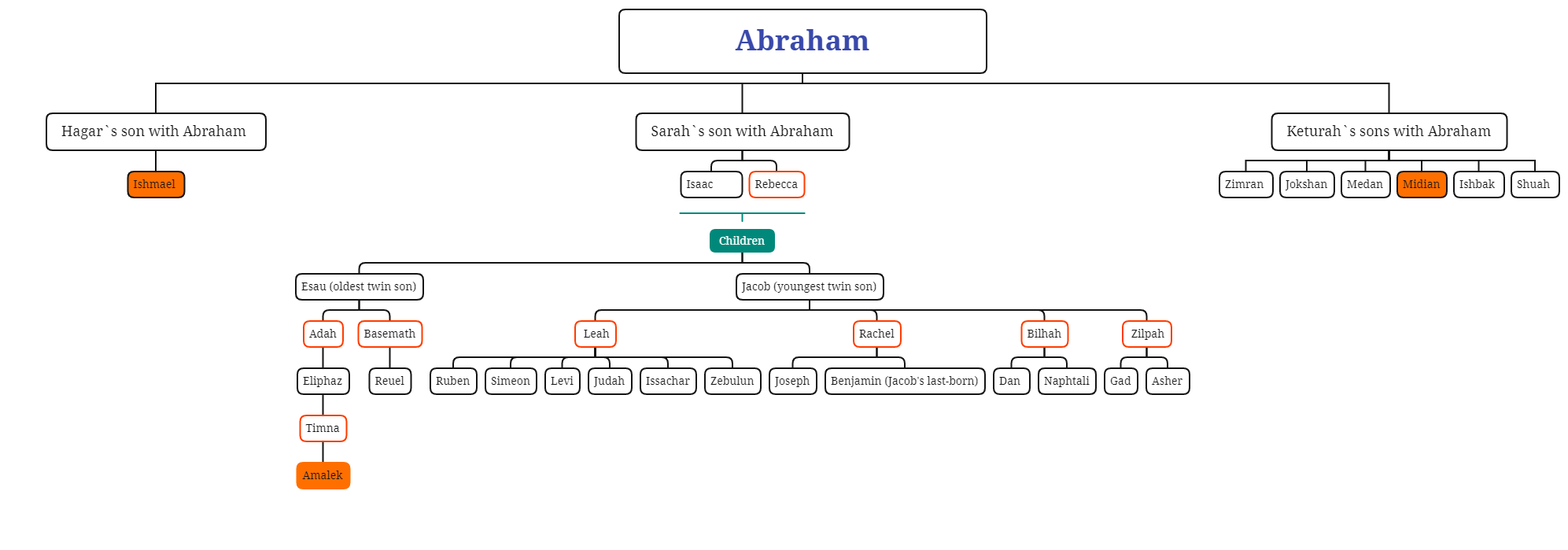
(1.) The fifth son of Jacob. His mother was Bilhah, Rachel's maid [(Gen 30:6), "God hath judged me", Heb. dananni]. The blessing pronounced on him by his father was, "Dan shall judge his people" (Gen 49:16), probably in allusion to the judgeship of Samson, who was of the tribe of Dan.
The tribe of Dan had their place in the march through the wilderness on the north side of the tabernacle (Num 2:25; 2:31; 10:25). It was the last of the tribes to receive a portion in the Land of Promise. Its position and extent are described in (Josh 19:40-48).
The territory of Dan extended from the west of that of Ephraim and Benjamin to the sea. It was a small territory, but was very fertile. It included in it, among others, the cities of Lydda, Ekron, and Joppa, which formed its northern boundary. but this district was too limited. "Squeezed into the narrow strip between the mountains and the sea, its energies were great beyond its numbers." Being pressed by the Amorites and the Philistines, whom they were unable to conquer, they longed for a wider space. They accordingly sent out five spies from two of their towns, who went north to the sources of the Jordan, and brought back a favourable report regarding that region. "Arise," they said, "be not slothful to go, and to possess the land," for it is "a place where there is no want of any thing that is in the earth" (Judg 18:10). On receiving this report, 600 Danites girded on their weapons of war, and taking with them their wives and their children, marched to the foot of Hermon, and fought against Leshem, and took it from the Sidonians, and dwelt therein, and changed the name of the conquered town to Dan (Josh 19:47). This new city of Dan became to them a new home, and was wont to be spoken of as the northern limit of Palestine, the length of which came to be denoted by the expression "from Dan to Beersheba", i.e., about 144 miles.
"But like Lot under a similar temptation, they seem to have succumbed to the evil influences around them, and to have sunk down into a condition of semi-heathenism from which they never emerged. The mounds of ruins which mark the site of the city show that it covered a considerable extent of ground. But there remains no record of any noble deed wrought by the degenerate tribe. Their name disappears from the roll-book of the natural and the spiritual Israel.", Manning's Those Holy Fields.
This old border city was originally called Laish. Its modern name is Tell el-Kady, "Hill of the Judge." It stands about four miles below Caesarea Philippi, in the midst of a region of surpassing richness and beauty.
(2.) This name occurs in (Ezek 27:19), Authorize Version; but the words there, "Dan also," should be simply, as in the Revised Version, "Vedan," an Arabian city, from which various kinds of merchandise were brought to Tyre. Some suppose it to have been the city of Aden in Arabia. (See MAHANEH-DAN)
EBD - Easton's Bible Dictionary