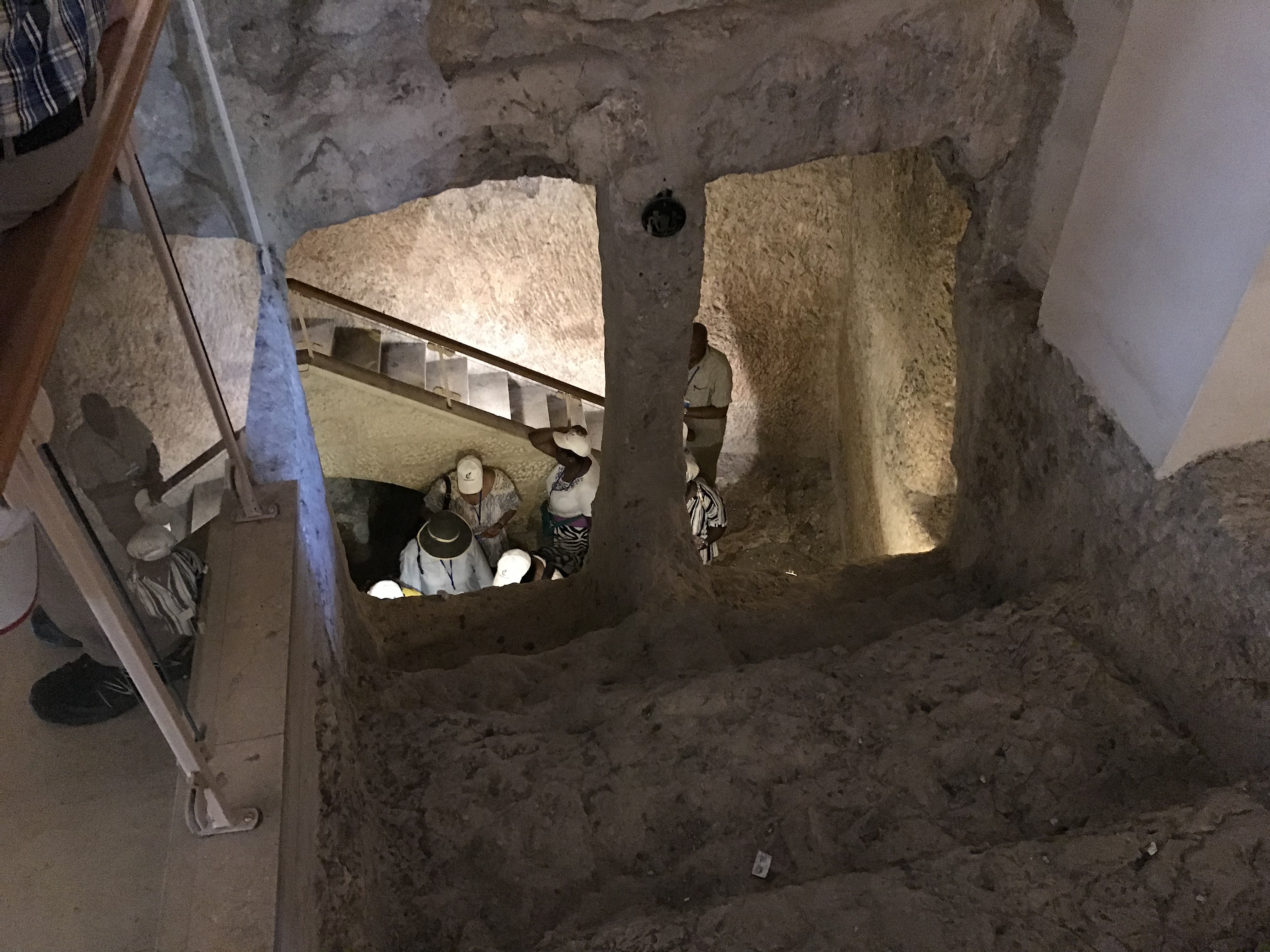
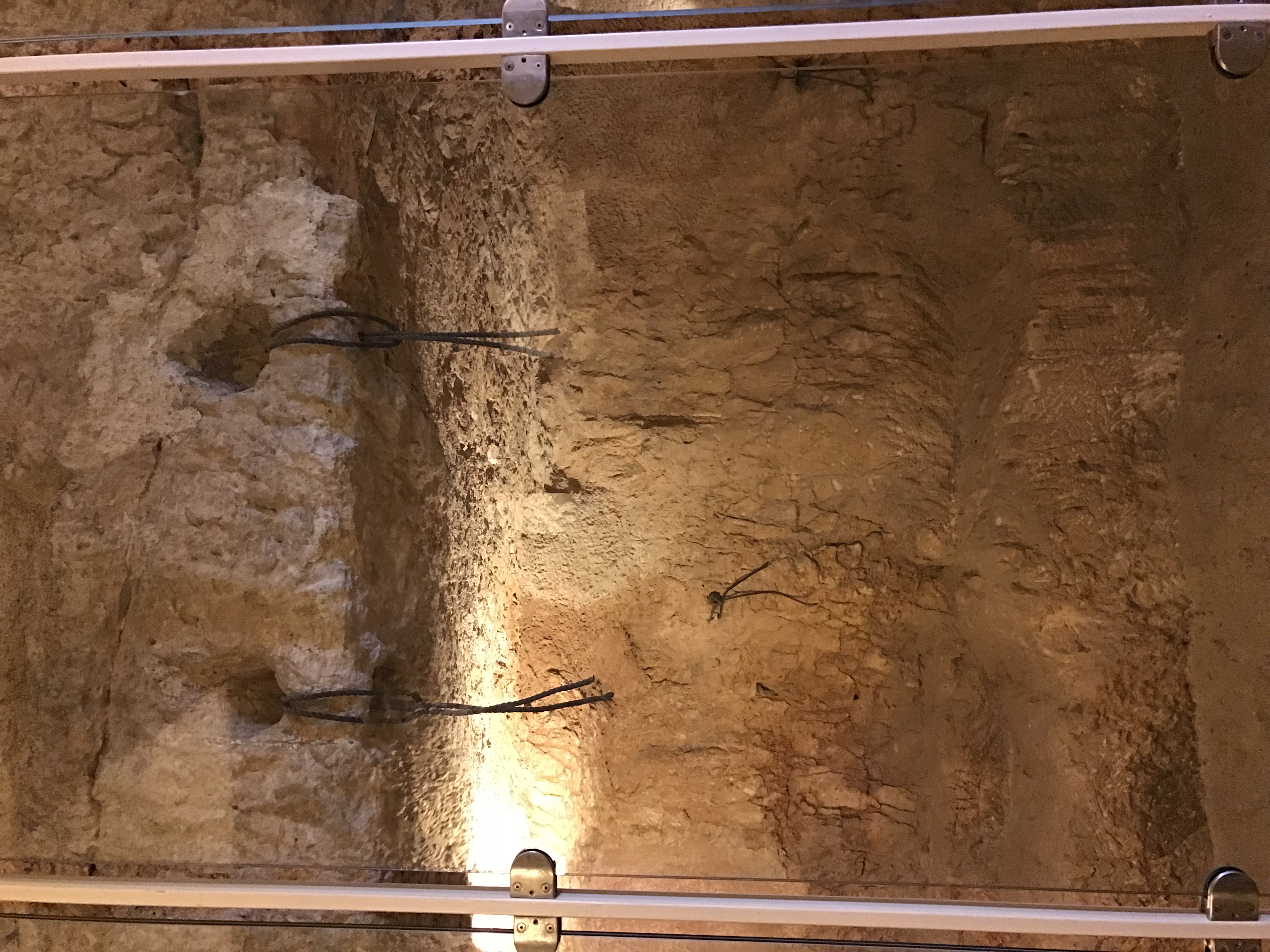
Kõrge Preestri Palee
Kirjeldus
Annas
oli ülempreester pKr 7-14. Aastal 25 pKr tõsteti ametisse Kaifas, kes oli abiellunud Annase tütrega [Jh 18:13 ], ja tõenäoliselt sai Annas nüüd Sanhedrini presidendiks või ülempreestri asetäitjaks või kaastöötajaks ning seetõttu kutsuti teda koos Kaifasega ka ülempreestriks [Lk 3:2 ]. Moosese seaduse järgi oli ülempreestri amet eluaegne [Nm 3:10]; ja kuigi Annas oli Rooma prokuraatori poolt ametist tagandatud, võisid juudid teda endiselt seaduslikuks ülempreestriks pidada. Meie Issand toodi esmalt Annase ette ja pärast lühikest küsitlemist [Jh 1:18 -23] saadeti ta Kaifase juurde, kui mõned Sanhedrini liikmed olid kogunenud ja Jeesuse esimene kohtuprotsess toimus [Mt 26:57 -68]. See meie Issanda ülekuulamine Annase ees on kirjas ainult Johannese poolt. Annas oli Sanhedrini president, mille ette Peetrus ja Johannes toodi [Ap 4:6 ].
EBD
Kaifas
oli juudi ülempreester (pKr 27-36) meie Issanda avaliku teenistuse alguses, Tiberiuse valitsusajal [Lk 3:2 ], ja ka tema hukkamõistmise ja ristilöömise ajal [Mt 26:3 ; Mt 26:57 ; Jh 11:49 ; Jh 18:13 ; Jh 18:14 ]. Ta pidas seda ametit kogu Pilaatuse valitsusaja jooksul. Tema naine oli Annase tütar, kes oli varem olnud ülempreester ja tõenäoliselt Kaifase asetäitja (heebrea keeles sagan). Ta kuulus saduseride sekti [Ap 5:17 ] ja oli nõukogu liige, kui ta andis oma arvamuse, et Jeesus tuleks hukata "rahva eest, et kogu rahvas ei hukkuks" [Jh 11:50 ]. Nendes sõnades kuulutas ta teadmatult ette prohvetikuulutuse. "Nagu Saul, oli ta prohvet oma tahte vastaselt." Kaifasel ei olnud võimu surmanuhtlust määrata, seetõttu saadeti Jeesus Pilaatuse, Rooma maavalitseja juurde, et ta saaks tema vastu õigesti kohtuotsuse langetada [Mt 27:2 ; Jh 18:28 ]. Hilisemal perioodil on tema vaenulikkus evangeeliumi vastu endiselt ilmne [Ap 4:6 ]. (Vaata ANNAS)
EBD
lingid
Street View
pildid
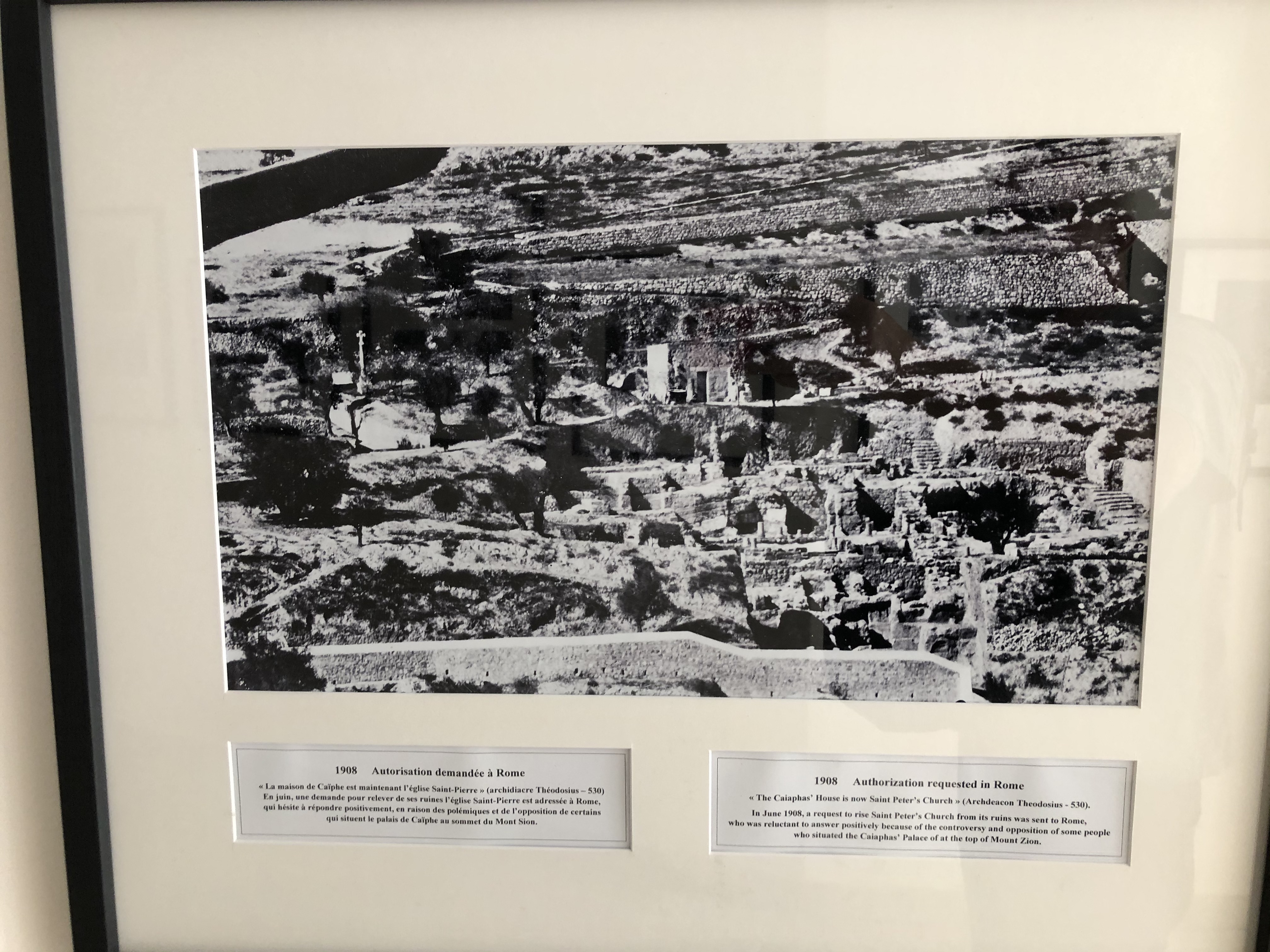
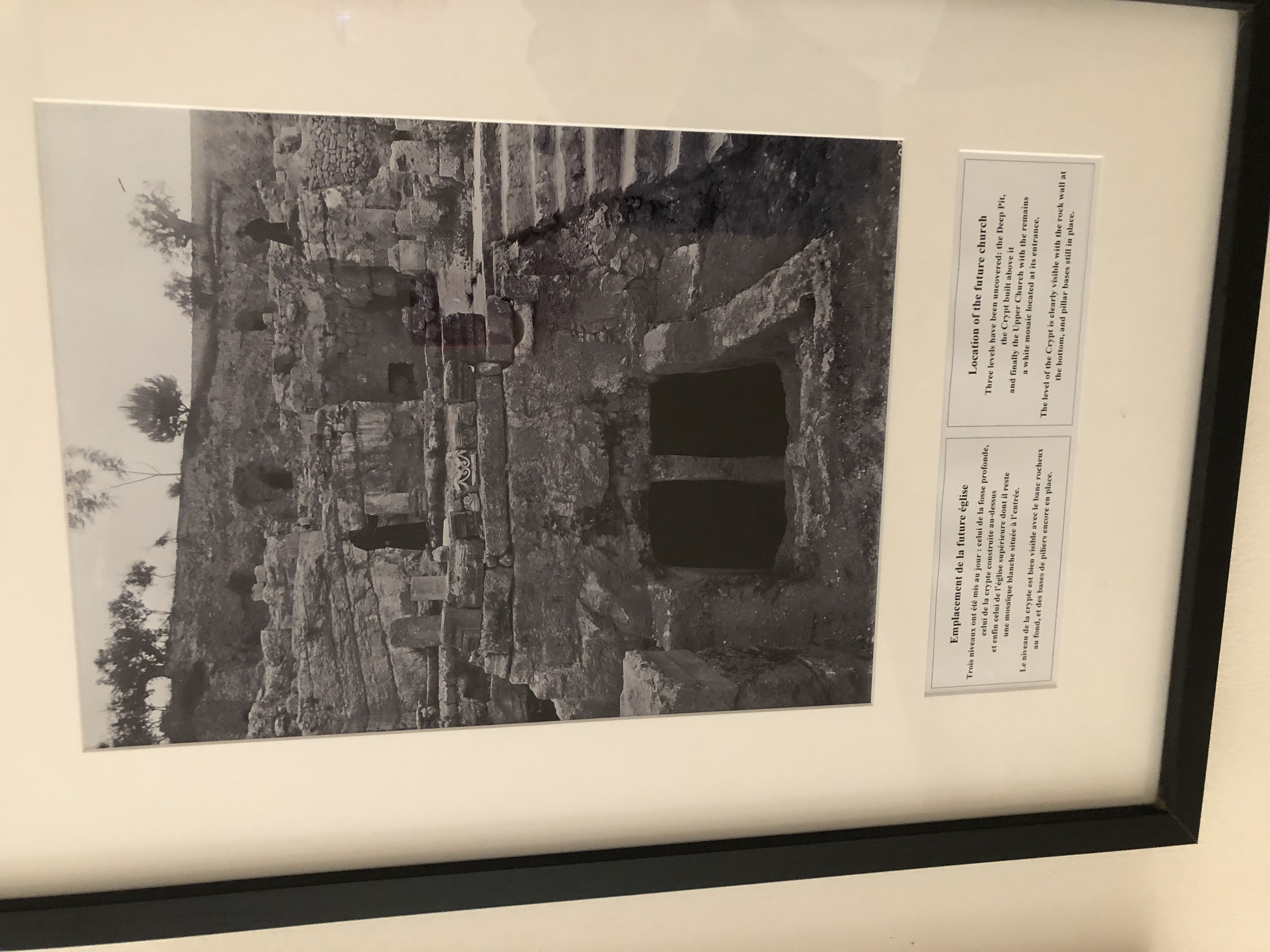
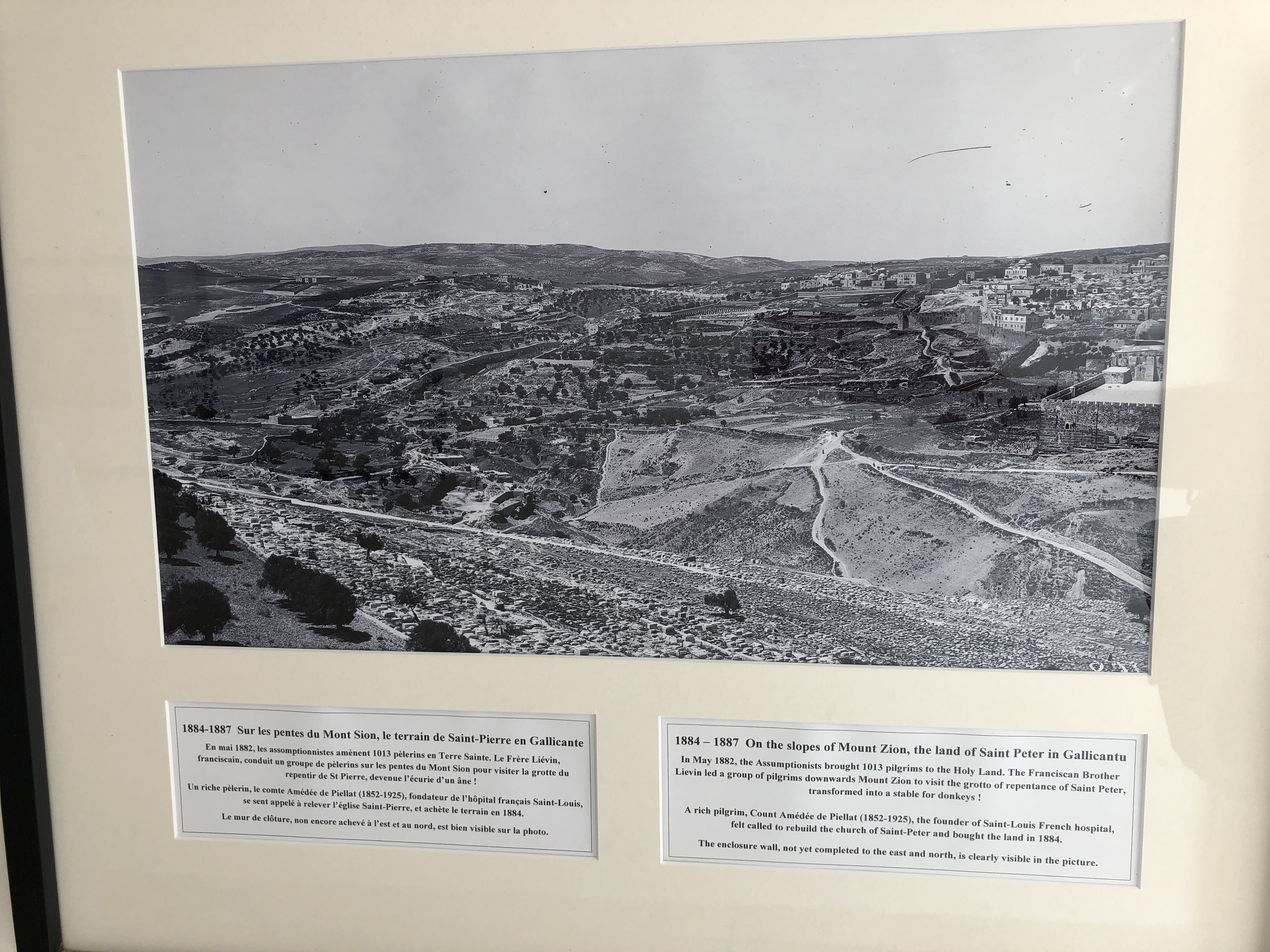
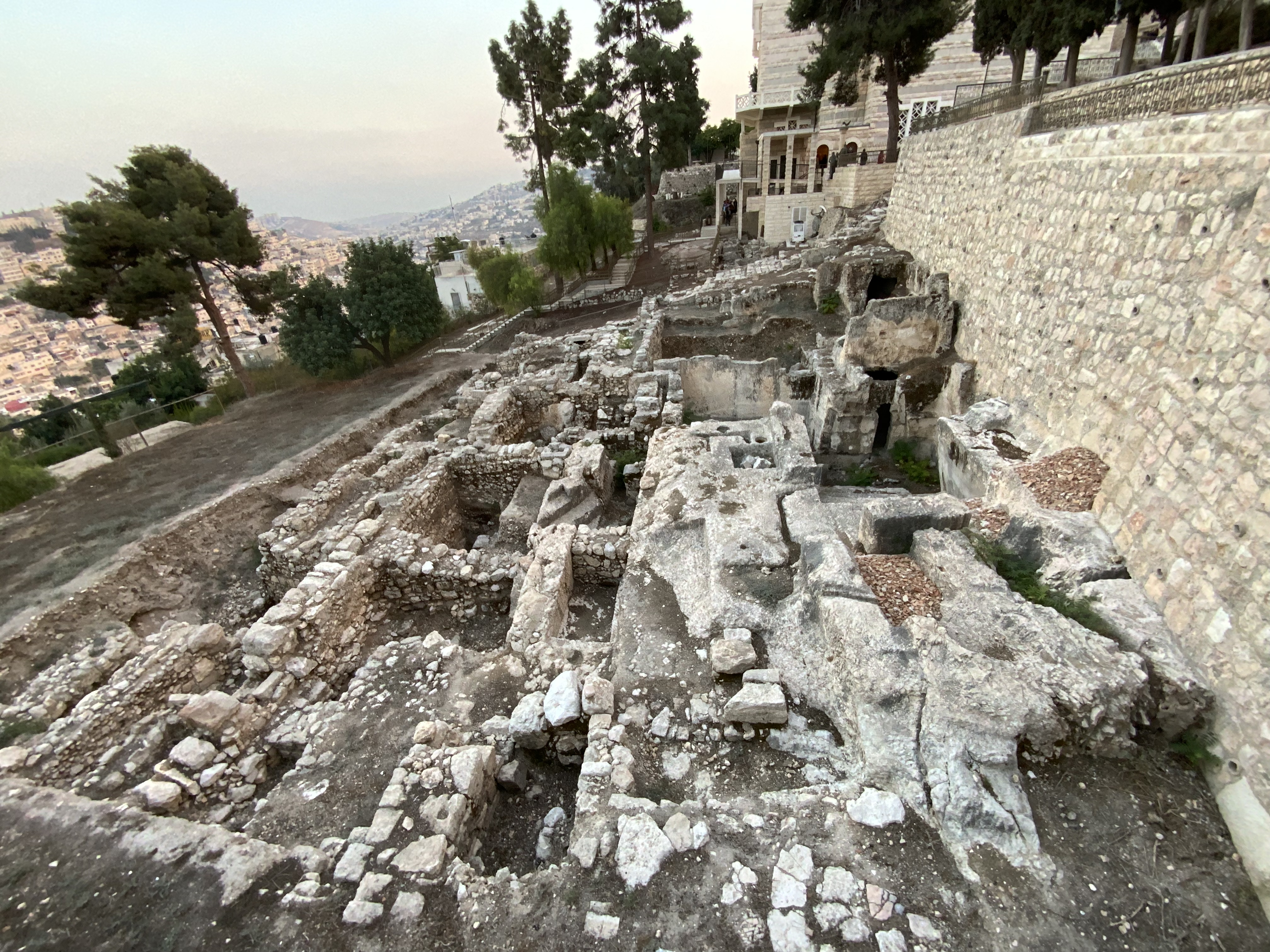
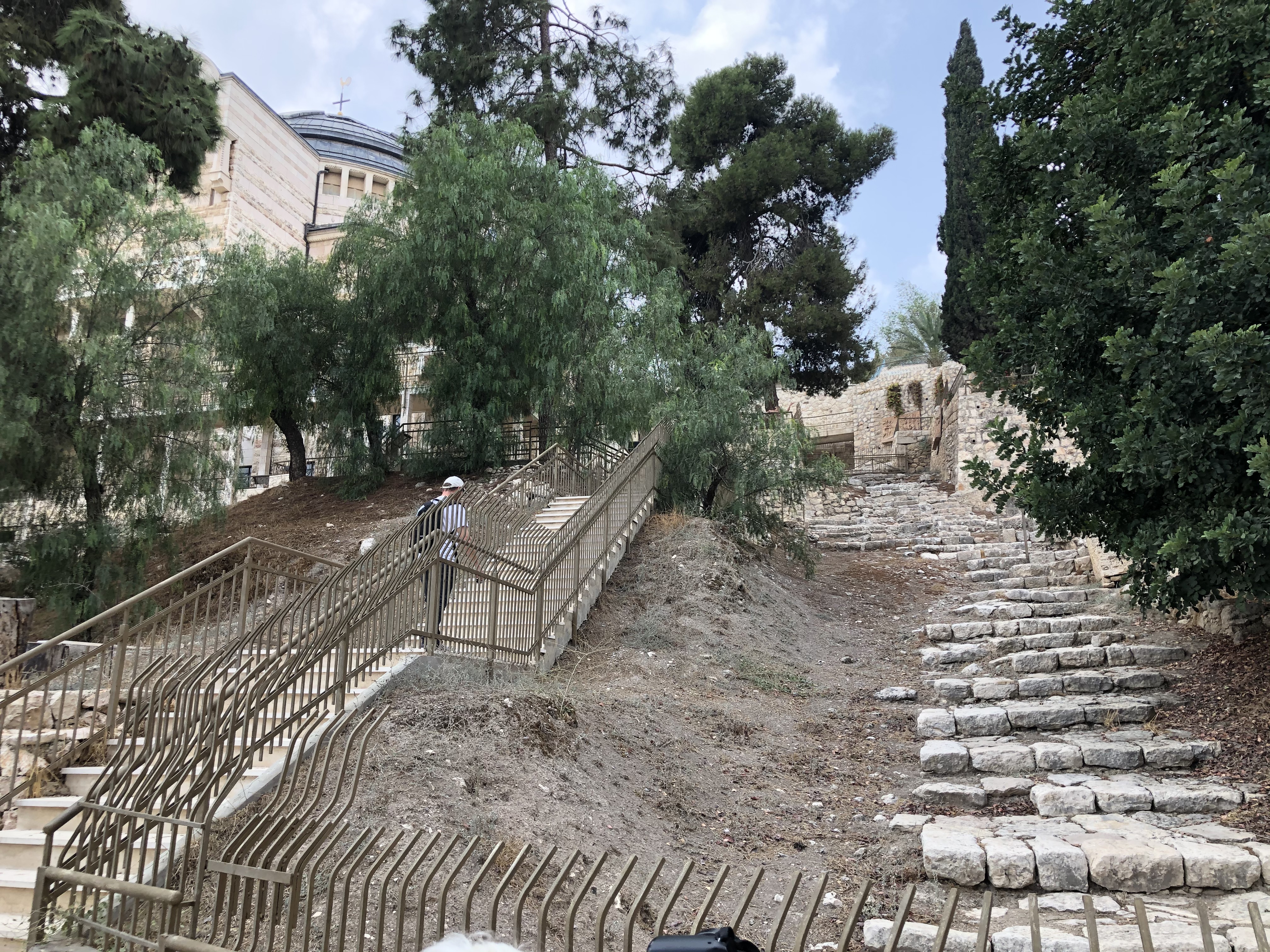
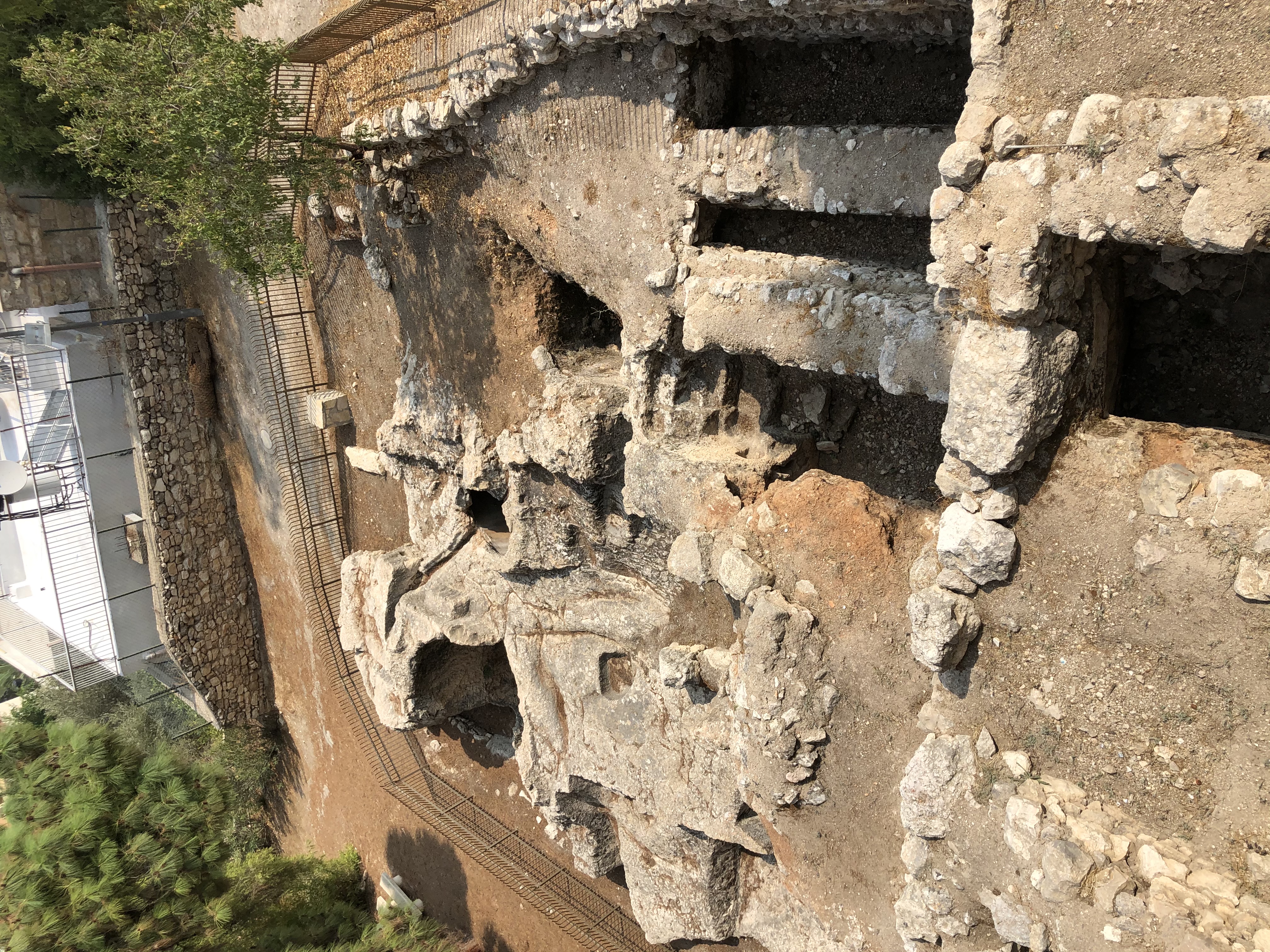
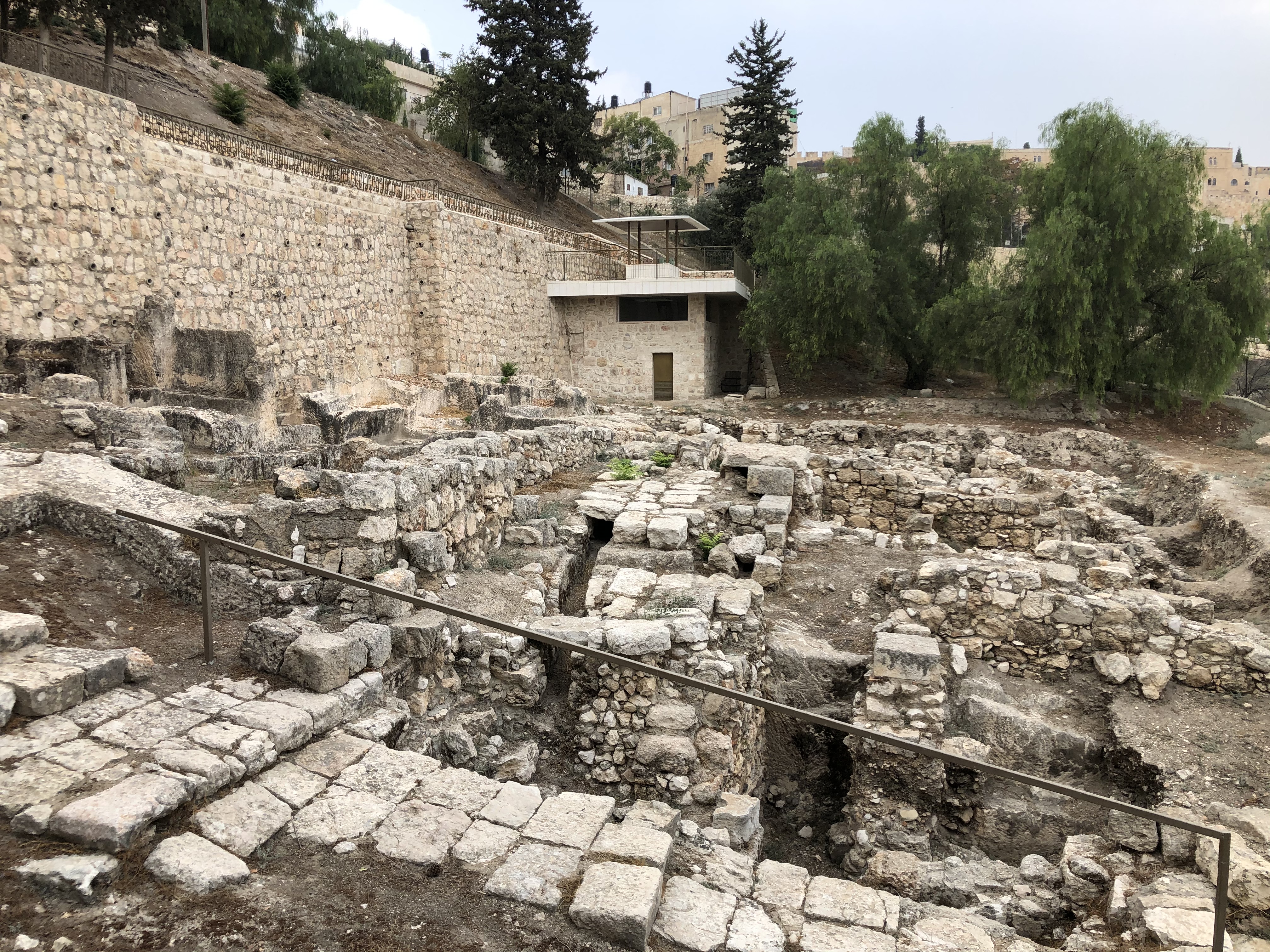
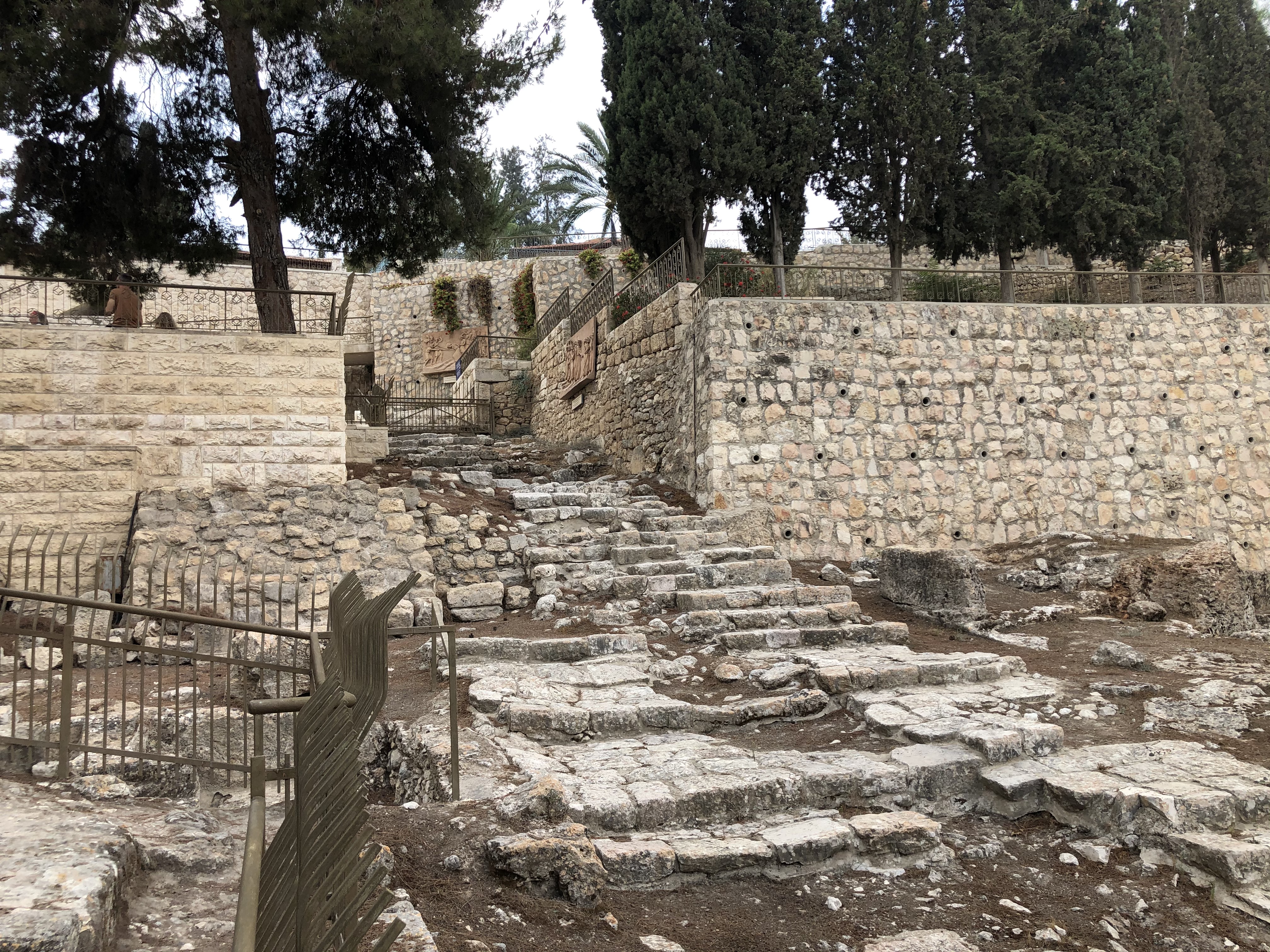
video
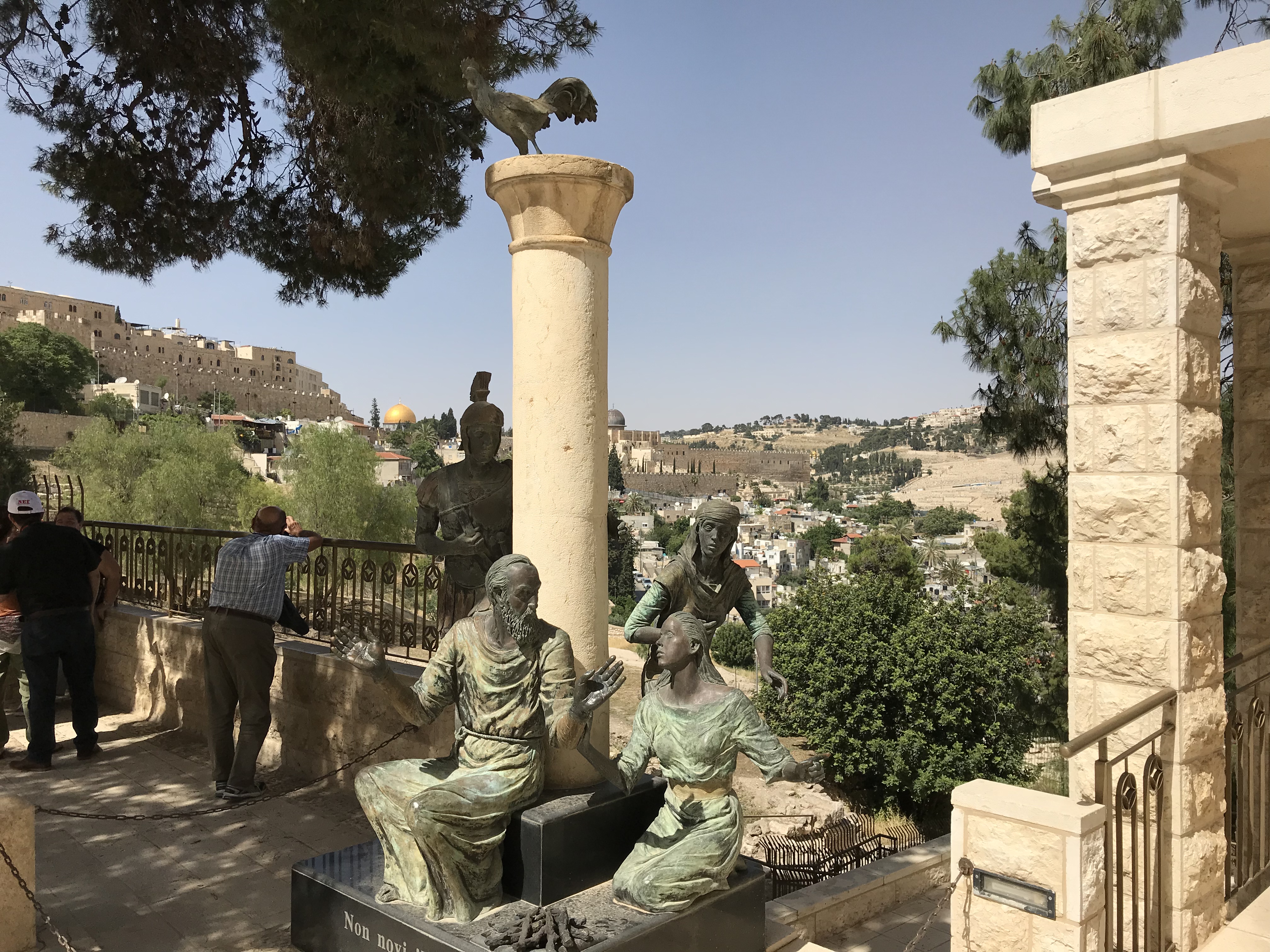
House of Caiaphas: Peter's Denial of Christ, Jerusalem, Israel, Church of Saint Peter in Gallicantu!
Kaart
teave sõnaraamatust
High priest
Aaron was the first who was solemnly set apart to this office (Ex 29:7; 30:23; Lev 8:12). He wore a peculiar dress, which on his death passed to his successor in office (Ex 29:29; 29:30). Besides those garments which he wore in common with all priests, there were four that were peculiar to himself as high priest:
(1.) The "robe" of the ephod, all of blue, of "woven work," worn immediately under the ephod. It was without seam or sleeves. The hem or skirt was ornamented with pomegranates and golden bells, seventy-two of each in alternate order. The sounding of the bells intimated to the people in the outer court the time when the high priest entered into the holy place to burn incense before the Lord (Ex 28:1etc.).
(2.) The "ephod" consisted of two parts, one of which covered the back and the other the breast, which were united by the "curious girdle." It was made of fine twined linen, and ornamented with gold and purple. Each of the shoulder-straps was adorned with a precious stone, on which the names of the twelve tribes were engraved. This was the high priest's distinctive vestment (1Sam 2:28; 14:3; 21:9; 23:6; 23:9; 30:7).
(3.) The "breastplate of judgment" (Ex 28:6-12; 28:25; 39:2-7) of "cunning work." It was a piece of cloth doubled, of one span square. It bore twelve precious stones, set in four rows of three in a row, which constituted the Urim and Thummim (q.v.). These stones had the names of the twelve tribes engraved on them. When the high priest, clothed with the ephod and the breastplate, inquired of the Lord, answers were given in some mysterious way by the Urim and Thummim (1Sam 14:3; 14:18; 14:19; 23:2; 23:4; 23:9; 23:11; 23:12; 28:6; 2Sam 5:23).
(4.) The "mitre", or upper turban, a twisted band of eight yards of fine linen coiled into a cap, with a gold plate in front, engraved with "Holiness to the Lord," fastened to it by a ribbon of blue.
To the high priest alone it was permitted to enter the holy of holies, which he did only once a year, on the great Day of Atonement, for "the way into the holiest of all was not yet made manifest" (Heb 9:1etc.; 10:1etc.). Wearing his gorgeous priestly vestments, he entered the temple before all the people, and then, laying them aside and assuming only his linen garments in secret, he entered the holy of holies alone, and made expiation, sprinkling the blood of the sin offering on the mercy seat, and offering up incense. Then resuming his splendid robes, he reappeared before the people (Lev 16:1etc.). Thus the wearing of these robes came to be identified with the Day of Atonement.
The office, dress, and ministration of the high priest were typical of the priesthood of our Lord (Heb 4:14; 7:25; 9:12), etc.
It is supposed that there were in all eighty-three high priests, beginning with Aaron (B.C. 1657) and ending with Phannias (A.D. 70). At its first institution the office of high priest was held for life [but comp. (1Kings 2:27)], and was hereditary in the family of Aaron (Num 3:10). The office continued in the line of Eleazar, Aaron's eldest son, for two hundred and ninety-six years, when it passed to Eli, the first of the line of Ithamar, who was the fourth son of Aaron. In this line it continued to Abiathar, whom Solomon deposed, and appointed Zadok, of the family of Eleazar, in his stead (1Kings 2:35), in which it remained till the time of the Captivity. After the Return, Joshua, the son of Josedek, of the family of Eleazar, was appointed to this office. After him the succession was changed from time to time under priestly or political influences.
EBD - Easton's Bible Dictionary