Ei, Teeba
lingid
Street View
pildid
artefaktid
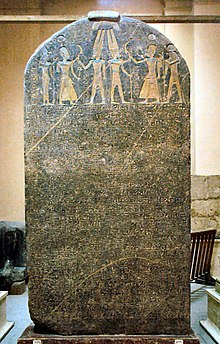
Merenptahi stela
Merneptahi steela, tuntud ka kui Iisraeli steela või Merneptahi võidusteela, on muistse Egiptuse vaarao Merneptahi kiri, kes valitses aastatel 1213 kuni 1203 eKr. Flinders Petrie avastas selle 1896. aastal Teebas ja praegu asub see Kairo Egiptuse Muuseumis.
Tekst on suuresti Merneptahi võidu kirjeldus muistsete liibüalaste ja nende liitlaste üle, kuid viimased kolm 28-st reast käsitlevad eraldi kampaaniat Kaananis, mis oli tollal osa Egiptuse impeeriumi valdustes. Seda nimetatakse mõnikord "Iisraeli steelaks", kuna enamik teadlasi tõlgib hieroglüüfide komplekti reas 27 kui "Iisrael". Alternatiivsed tõlked on esitatud, kuid neid ei ole laialdaselt aktsepteeritud.
Steela esindab varaseimat tekstilist viidet Iisraelile ja on ainus viide muistsest Egiptusest. See on üks neljast teadaolevast rauaaja kirjast, mis pärinevad ajast ja mainivad muistset Iisraeli nimepidi, teised on Mesha steela, Tel Dani steela ja Kurkhi monoliidid. Seetõttu peavad mõned Merneptahi steelat Petrie kuulsaimaks avastuseks, millega Petrie ise nõustus.
Wikipedia
Kaart
teave sõnaraamatust
No
or No-A'mon, the home of Amon, the name of Thebes, the ancient capital of what is called the Middle Empire, in Upper or Southern Egypt. "The multitude of No" (Jer 46:25) is more correctly rendered, as in the Revised Version, "Amon of No", i.e., No, where Jupiter Amon had his temple. In (Ezek 30:14; 30:16) it is simply called "No;" but in (Ezek 30:15) the name has the Hebrew Hamon prefixed to it, "Hamon No." This prefix is probably the name simply of the god usually styled Amon or Ammon. In (Nah 3:8) the "populous No" of the Authorized Version is in the Revised Version correctly rendered "No-Amon."
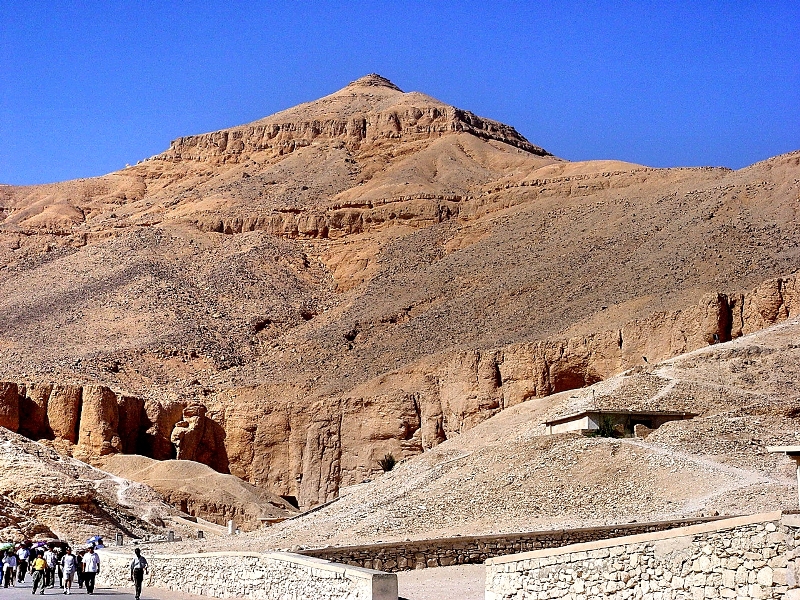
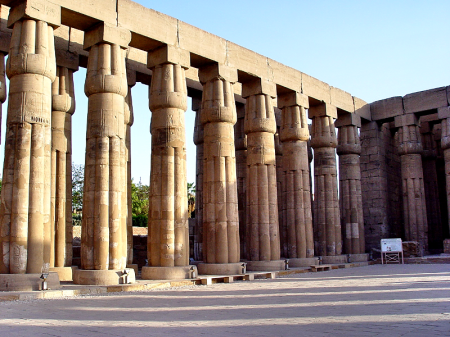
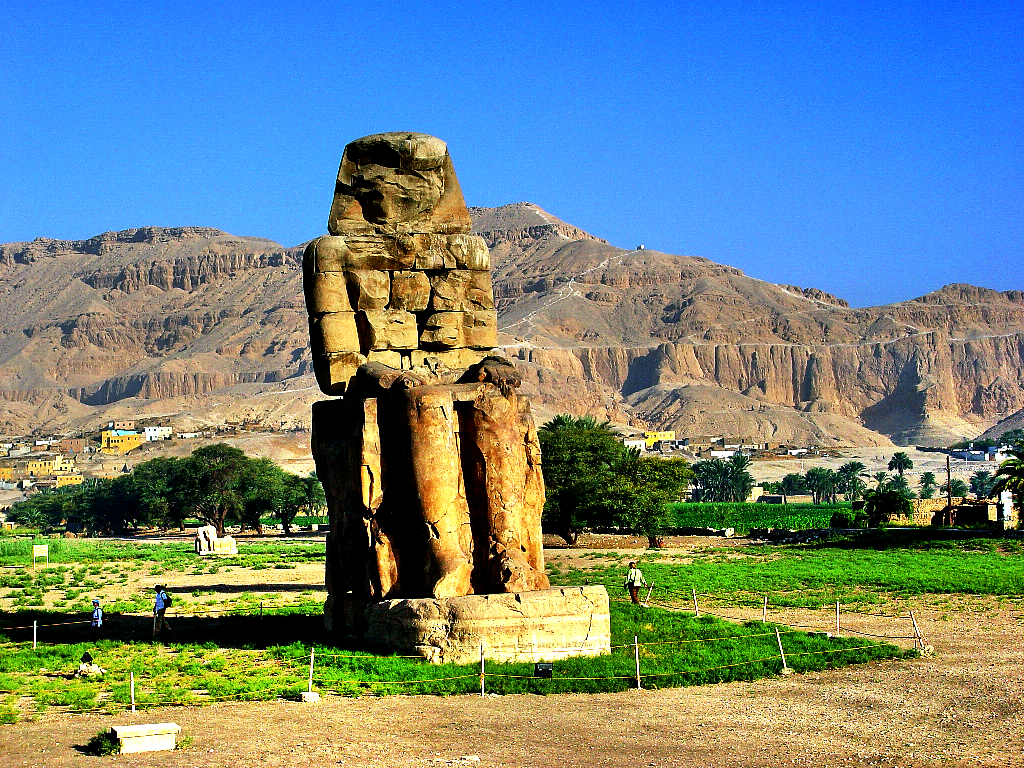
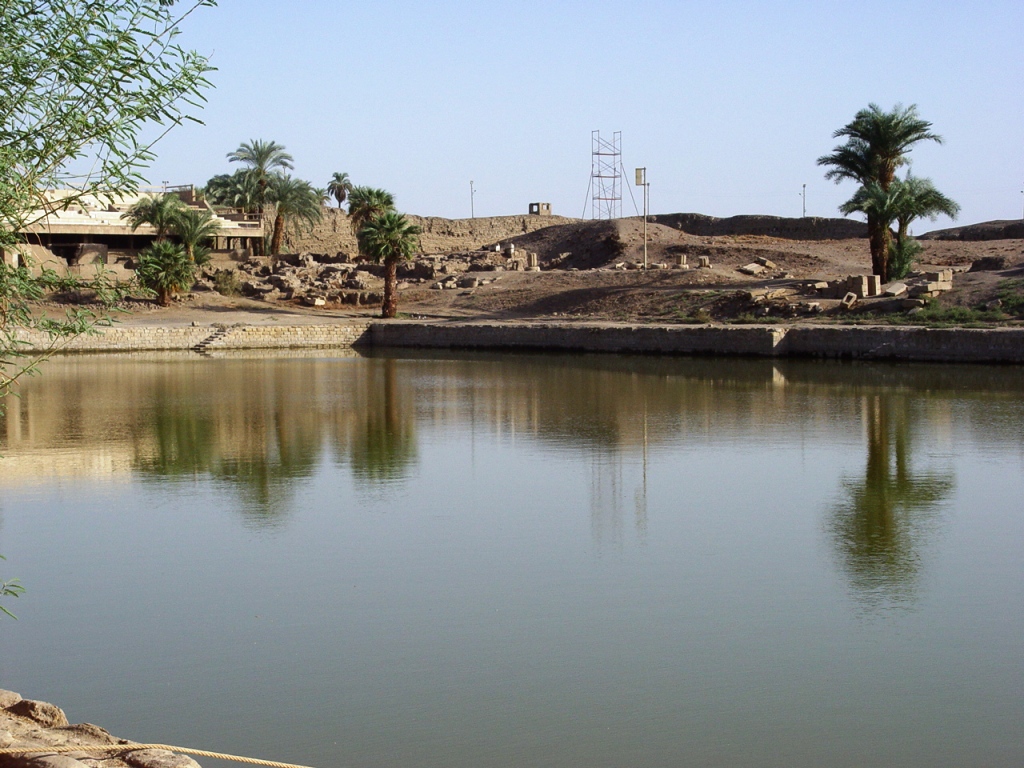
It was the Diospolis or Thebes of the Greeks, celebrated for its hundred gates and its vast population. It stood on both sides of the Nile, and is by some supposed to have included Karnak and Luxor. In grandeur and extent it can only be compared to Nineveh. It is mentioned only in the prophecies referred to, which point to its total destruction. It was first taken by the Assyrians in the time of Sargon (Isa 20:1etc.). It was afterwards "delivered into the hand" of Nebuchadnezzar and Assurbani-pal (Jer 46:25; 46:26). Cambyses, king of the Persians (B.C. 525), further laid it waste by fire. Its ruin was completed (B.C. 81) by Ptolemy Lathyrus. The ruins of this city are still among the most notable in the valley of the Nile. They have formed a great storehouse of interesting historic remains for more than two thousand years.
"As I wandered day after day with ever-growing amazement amongst these relics of ancient magnificence, I felt that if all the ruins in Europe, classical, Celtic, and medieval, were brought together into one centre, they would fall far short both in extent and grandeur of those of this single Egyptian city." Manning, The Land of the Pharaohs.
EBD - Easton's Bible Dictionary