Jeesuse Kristuse haud
Kirjeldus
Kolgata
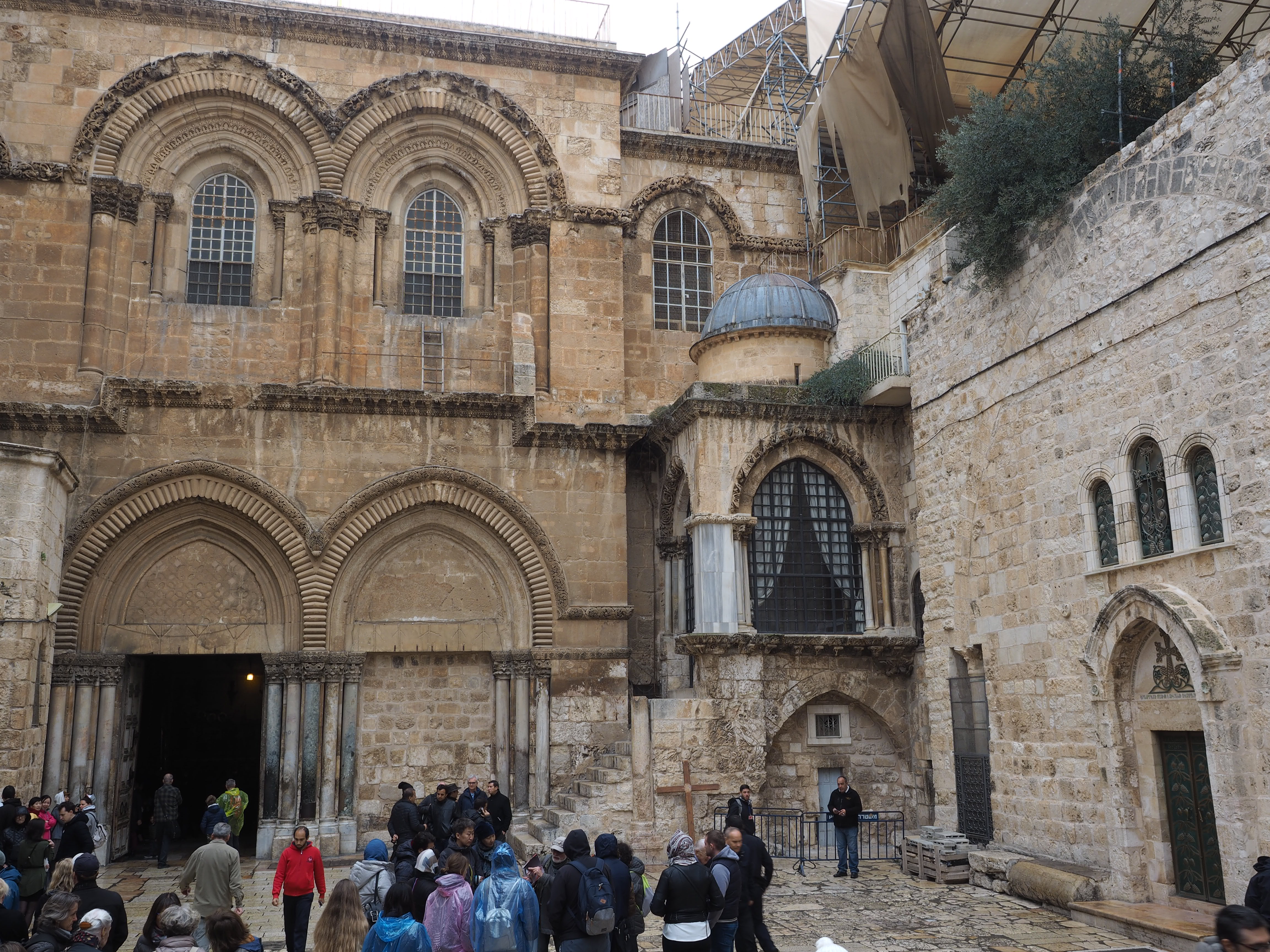
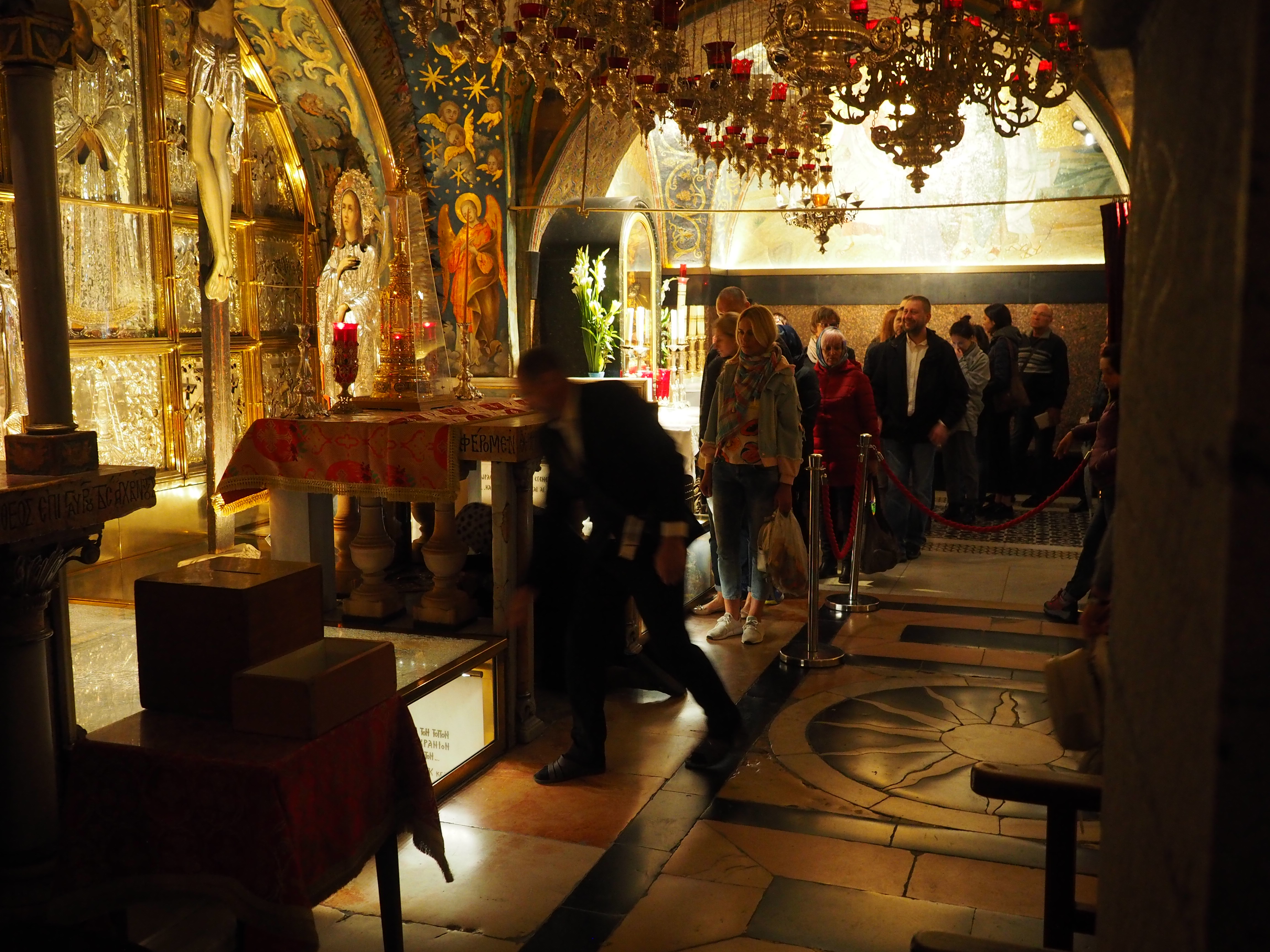
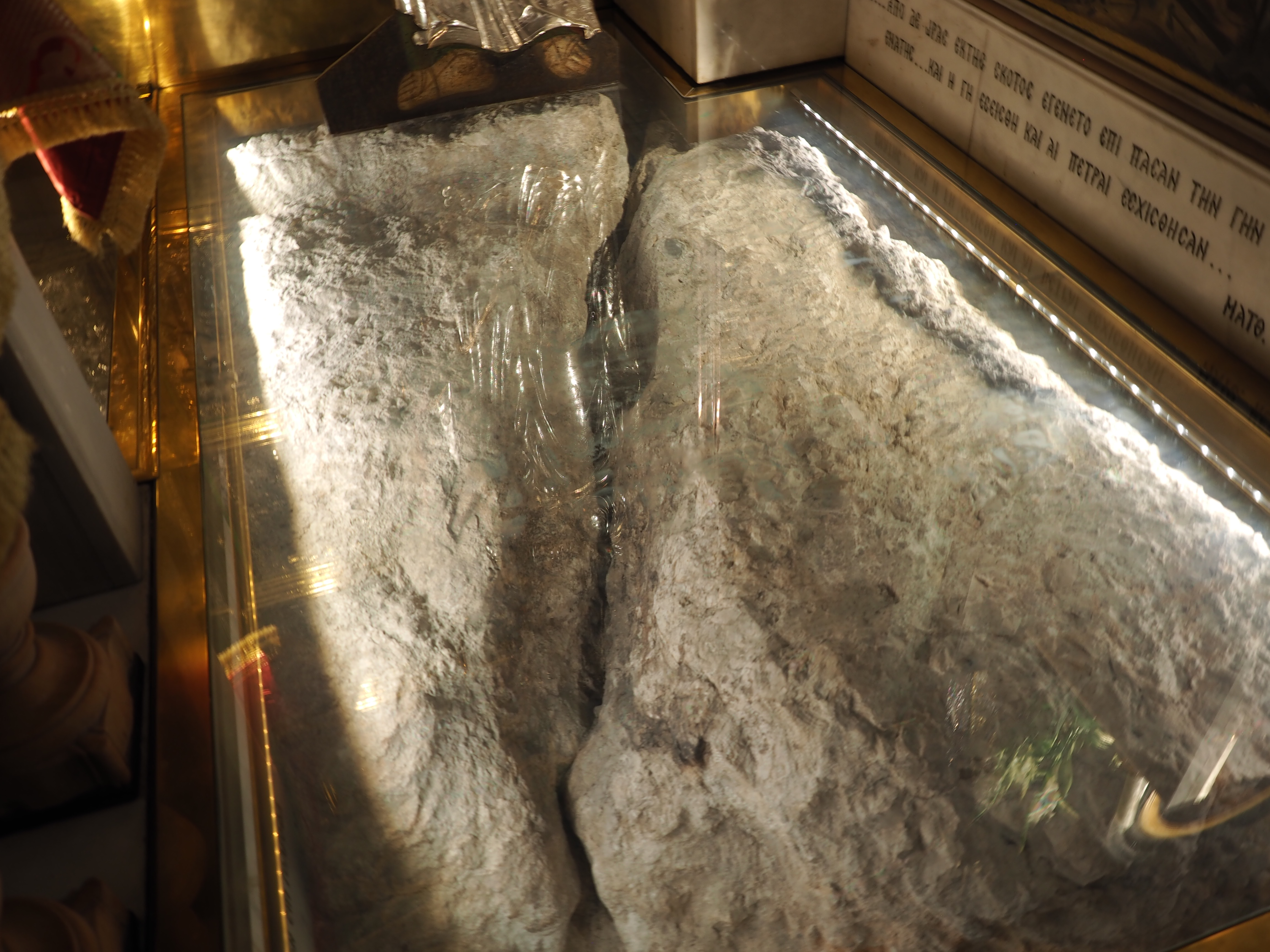
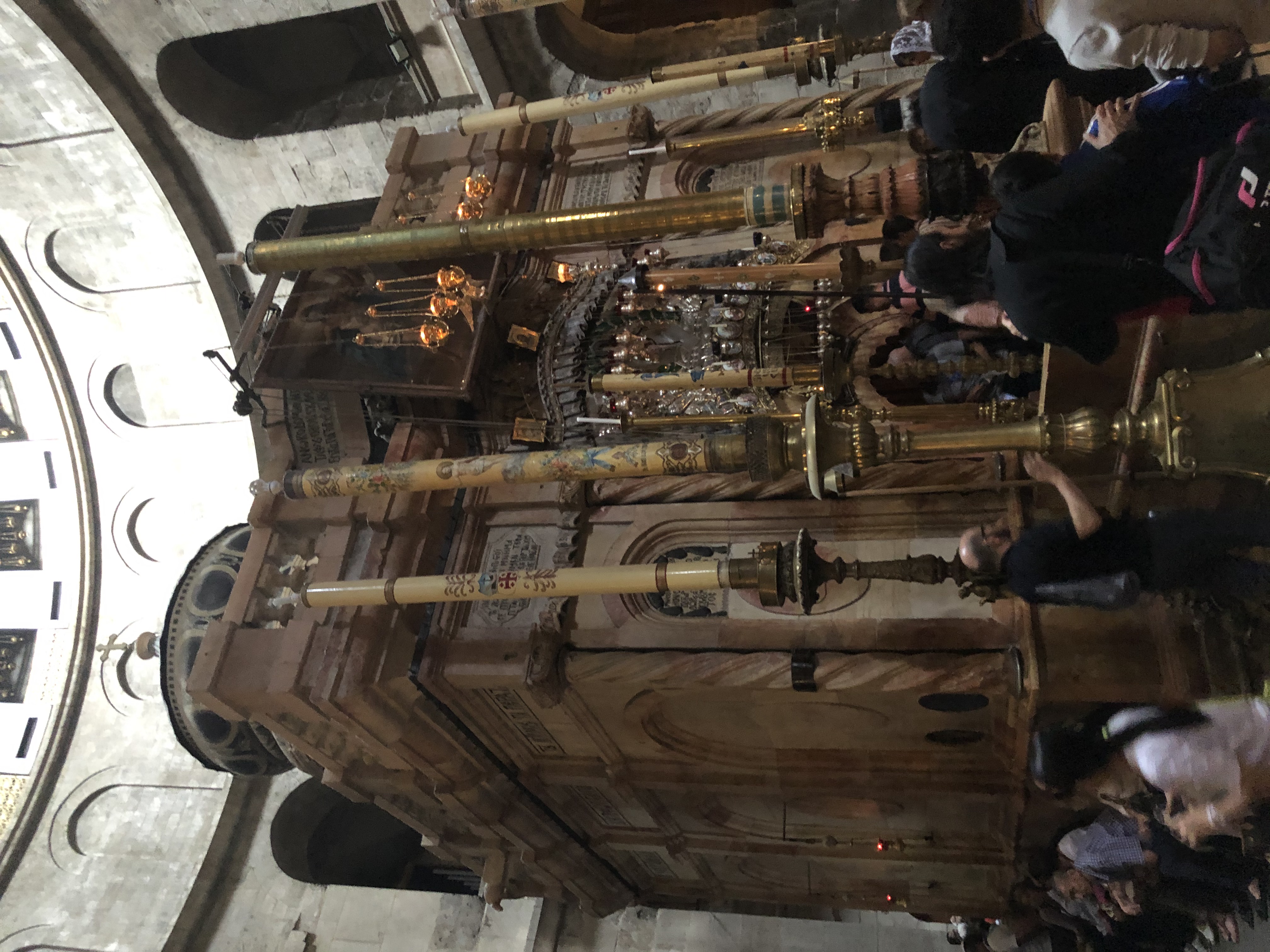
on koht, kus Jeesus risti löödi. Evangeeliumid tõlgendavad seda kui "koljukoht" [Mt 27:33 ; Mk 15:22 ; Jh 19:17 ]. See nimi esindab kreeka tähtedega aramea sõna Gulgaltha, mis on heebrea keeles Gulgoleth [Nm 1:2; 1Aj 23:3 , 24; 2Kn 9:35 ], tähendades "kolju." See on identne sõnaga Kolgata (vt. ka). See oli väike küngas, mis oli ümar nagu paljas kolju. Evangeeliumidest on selge, et see oli tuntud koht väljaspool linna väravat (võrdle Hb 13:12 ) ja linna lähedal [Lk 23:26 ], sisaldades "aeda" [Jh 19:41 ], ja asus maanteel, mis viis maale. Seetõttu on väär arvata, et see asub praeguse "Püha Haua Kiriku" sees. Tõenäoliselt on tõeline Kolgata asukoht linna põhjaosas asuva Jeremija Koopa kohal oleva küngas. Künka lõunapoolse kalju koljulaadne välimus on väga märkimisväärne.
lingid
Street View
pildid
video
Church of Holy Sepulchre History
Church of Holy Sepulchre History, Death, Burial, Resurrection of Jesus Christ, Golgotha, Calvary
Church of Holy Sepulchre History Part 2: Death, Burial, Resurrection of Christ, Golgotha, Calvary
A Video Tour inside The Church of the Holy Sepulchre in Jerusalem
Jesus' Tomb Explained--the evidence & the story!
Where Jesus Was Crucified: The archaeological evidence!
Archaeological Proof for the Crucifixion and Burial Tomb of Jesus Christ. Joel Kramer, SourceFlix.
Kaart
teave sõnaraamatust
Golgotha
the common name of the spot where Jesus was crucified. It is interpreted by the evangelists as meaning "the place of a skull" (Matt 27:33; Mark 15:22; John 19:17). This name represents in Greek letters the Aramaic word Gulgaltha, which is the Hebrew Gulgoleth (Num 1:2; 1Chr 23:3; 23:24; 2Kings 9:35), meaning "a skull." It is identical with the word Calvary (q.v.). It was a little knoll rounded like a bare skull. It is obvious from the evangelists that it was some well-known spot outside the gate [comp. (Heb 13:12)], and near the city (Luke 23:26), containing a "garden" (John 19:41), and on a thoroughfare leading into the country. Hence it is an untenable idea that it is embraced within the present "Church of the Holy Sepulchre." The hillock above Jeremiah's Grotto, to the north of the city, is in all probability the true site of Calvary. The skull-like appearance of the rock in the southern precipice of the hillock is very remarkable.
EBD - Easton's Bible Dictionary