Jeesuksen Kristuksen hauta
Kuvaus
Golgata
yleinen nimi paikalle, jossa Jeesus ristiinnaulittiin. Evankelistat tulkitsevat sen tarkoittavan "kallon paikkaa" [Matt 27:33 ; Mark 15:22 ; Joh 19:17 ]. Tämä nimi edustaa kreikkalaisin kirjaimin arameankielistä sanaa Gulgaltha, joka on heprean Gulgoleth [Nm 1:2; 1 Aik 23:3, 24; 2 Kun 9:35], tarkoittaen "kalloa". Se on identtinen sanan Kalvaria (katso q.v.) kanssa. Se oli pieni kumpu, joka oli pyöristynyt kuin paljas kallo. Evankelistojen mukaan on selvää, että se oli tunnettu paikka portin ulkopuolella (vertaa [Hebr 13:12 ]), ja lähellä kaupunkia [Luuk 23:26 ], sisältäen "puutarhan" [Joh 19:41 ], ja se sijaitsi maaseudulle johtavan kulkureitin varrella. Tästä syystä on kestämätön ajatus, että se kuuluisi nykyiseen "Pyhän haudan kirkkoon". Kukkula Jeremiaan luolan yläpuolella, kaupungin pohjoispuolella, on todennäköisesti todellinen Kalvarian paikka. Kallion kallomainen ulkonäkö kukkulan eteläisellä jyrkänteellä on hyvin merkittävä.
linkit
Street View
kuvat
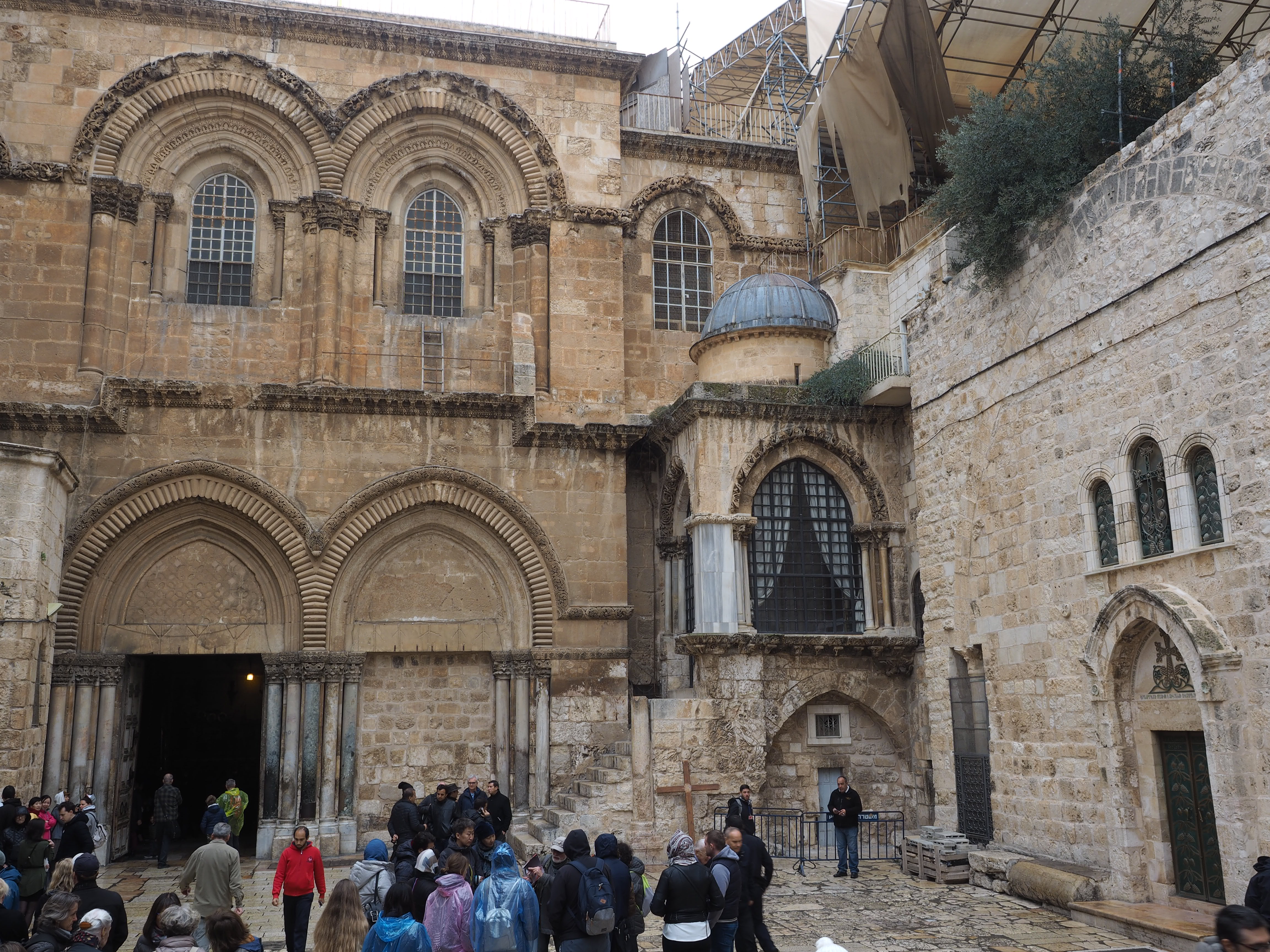
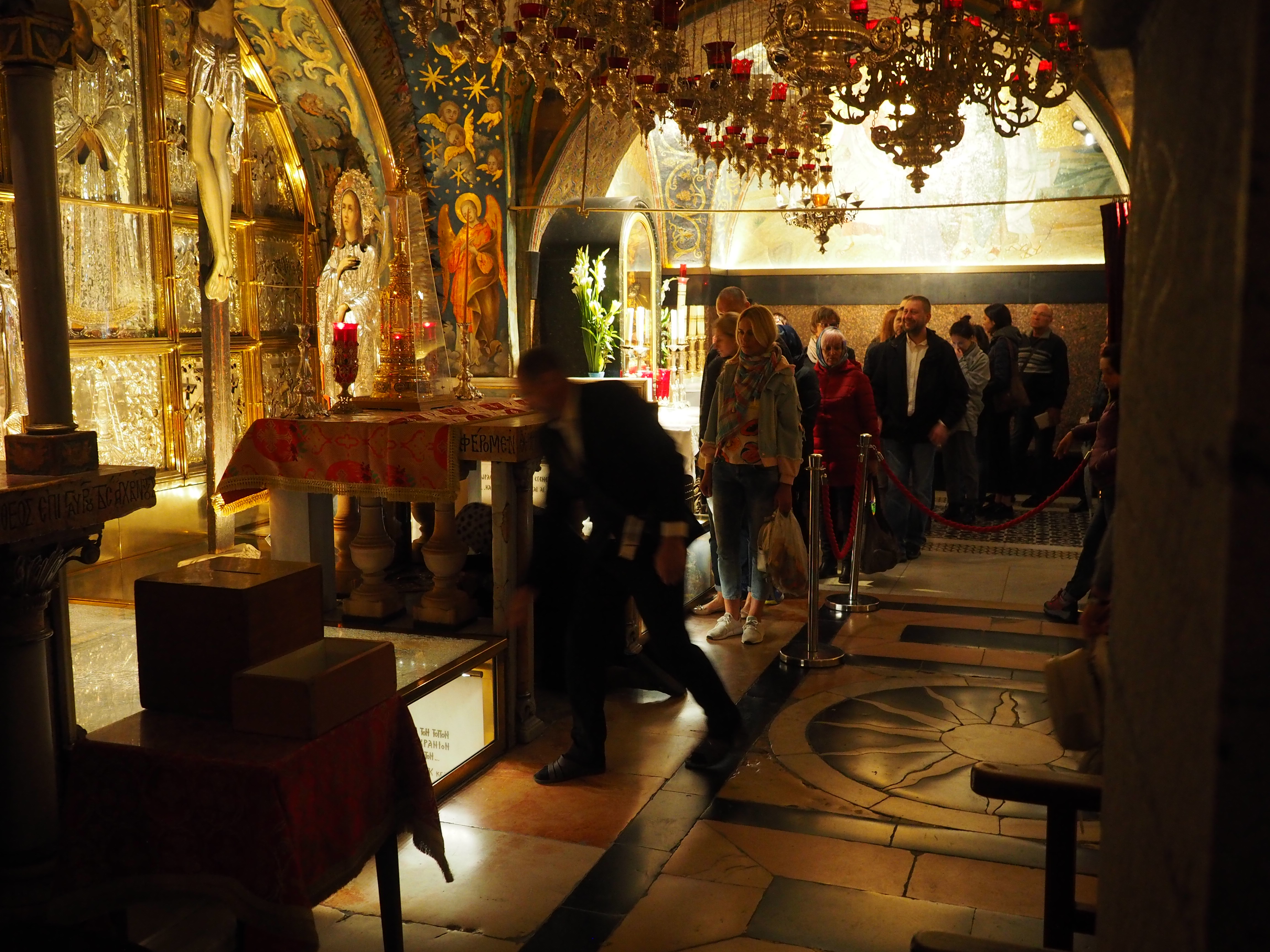
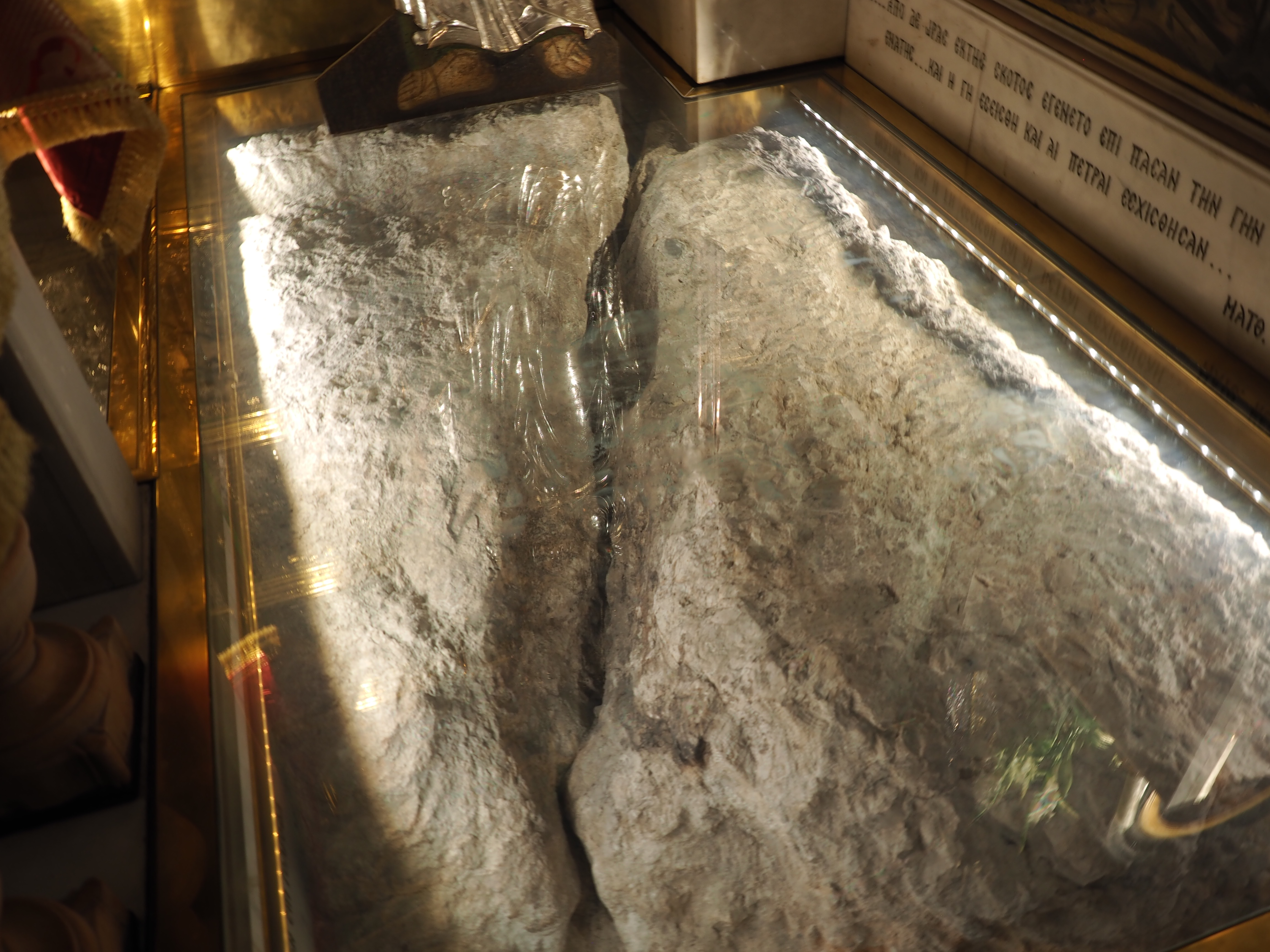
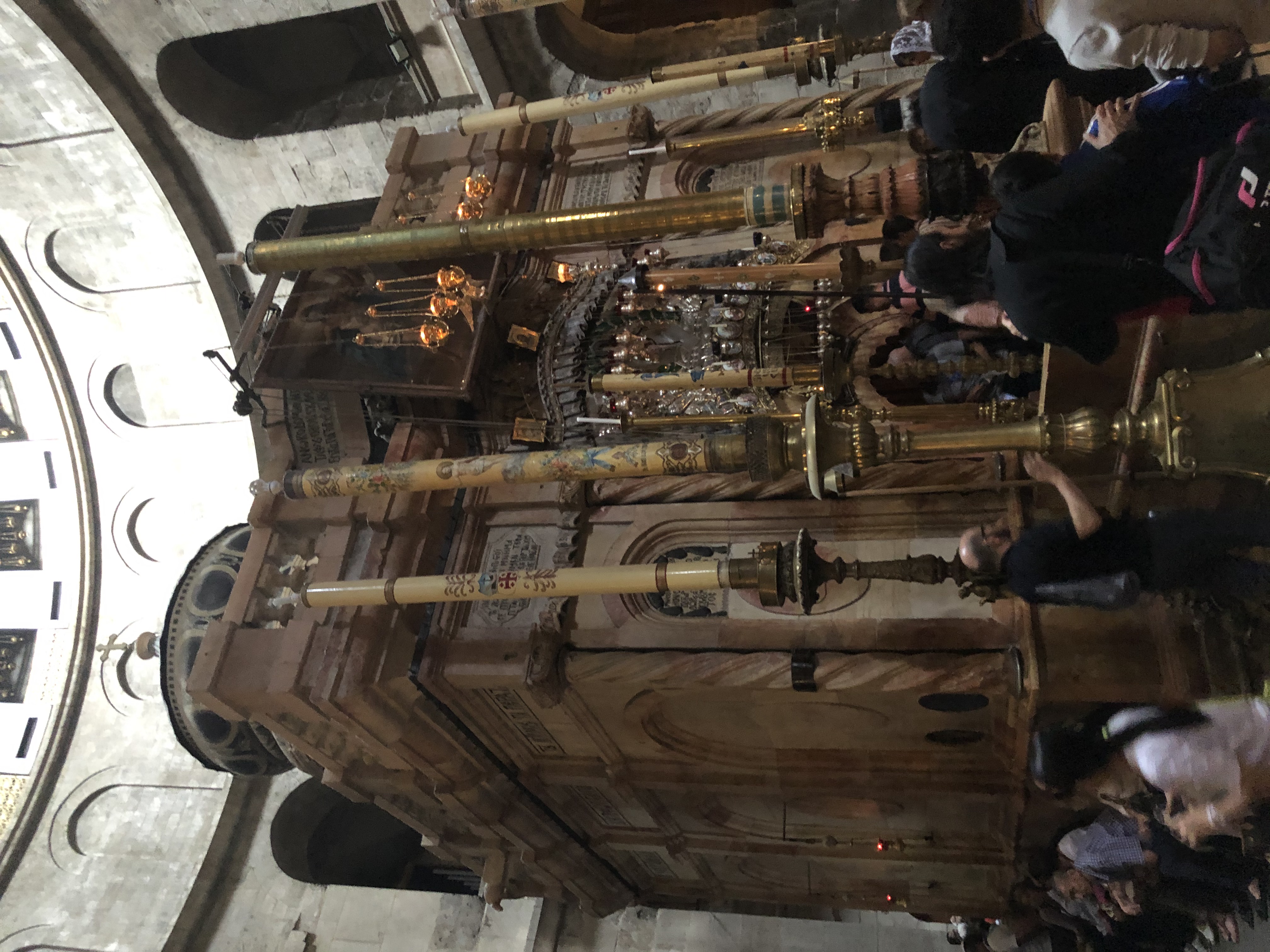
video
Church of Holy Sepulchre History
Church of Holy Sepulchre History, Death, Burial, Resurrection of Jesus Christ, Golgotha, Calvary
Church of Holy Sepulchre History Part 2: Death, Burial, Resurrection of Christ, Golgotha, Calvary
A Video Tour inside The Church of the Holy Sepulchre in Jerusalem
Jesus' Tomb Explained--the evidence & the story!
Where Jesus Was Crucified: The archaeological evidence!
Archaeological Proof for the Crucifixion and Burial Tomb of Jesus Christ. Joel Kramer, SourceFlix.
Kartta
tietoa sanakirjasta
Golgotha
the common name of the spot where Jesus was crucified. It is interpreted by the evangelists as meaning "the place of a skull" (Matt 27:33 ; Mark 15:22 ; John 19:17). This name represents in Greek letters the Aramaic word Gulgaltha, which is the Hebrew Gulgoleth (Num 1:2; 1Chr 23:3; 23:24; 2Kings 9:35), meaning "a skull." It is identical with the word Calvary (q.v.). It was a little knoll rounded like a bare skull. It is obvious from the evangelists that it was some well-known spot outside the gate [comp. (Heb 13:12)], and near the city (Luke 23:26), containing a "garden" (John 19:41), and on a thoroughfare leading into the country. Hence it is an untenable idea that it is embraced within the present "Church of the Holy Sepulchre." The hillock above Jeremiah's Grotto, to the north of the city, is in all probability the true site of Calvary. The skull-like appearance of the rock in the southern precipice of the hillock is very remarkable.
EBD - Easton's Bible Dictionary