スサ
説明
スサはヘブライ語聖書の記述、特に『エステル記』[エス 1:2 , エス 1:5 ; エス 2:3 , エス 2:5 , エス 2:8 ; エス 3:15 ; エス 4:8 , エス 4:16 ; エス 8:14 -15; エス 9:6 , エス 9:11 -15, エス 9:18 ]に言及されていますが、『ネヘミヤ記』や『ダニエル書』にも登場します。ダニエルとネヘミヤは、紀元前6世紀にペルシャ帝国がユダヤ人を支配していた時代にスサに住んでいました。エステルはここで女王となり、ユダヤ人を虐殺から救いました。この地域には、ダニエルのものと信じられている墓があり、「シュシュ・ダニエル」として知られています。この墓は、白い石でできた通常とは異なる円錐形で飾られており、規則的でも対称的でもありません。
リンク
Street View
アーティファクト
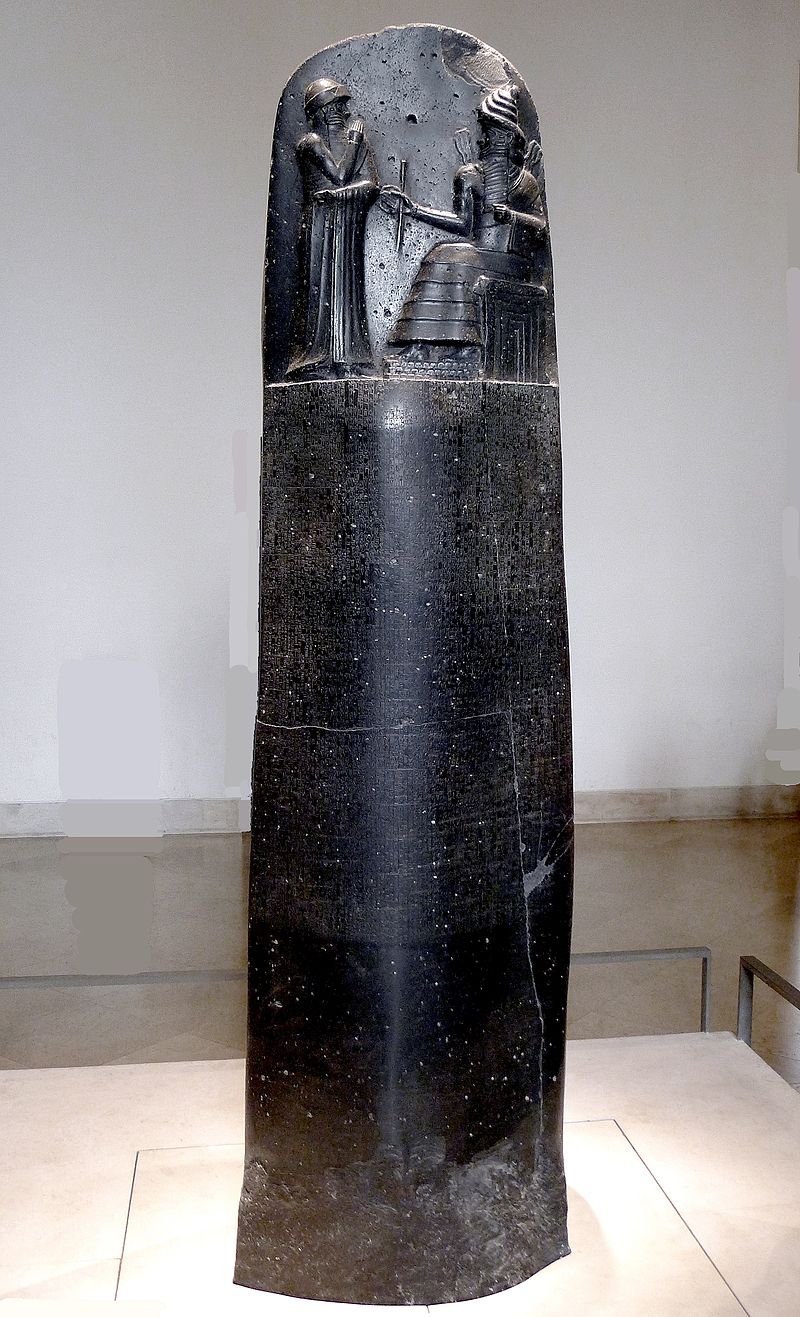
ハンムラビ法典
ハンムラビ法典は、紀元前1755年から1750年の間に作成されたバビロニアの法文書です。これは古代近東からの最も長く、最も整理され、最も保存状態の良い法文書です。バビロン第一王朝の第六代王ハンムラビによって、古バビロニア方言のアッカド語で書かれたとされています。主な写本は、高さ2.25 m(7フィート4+1/2インチ)の玄武岩の石碑に刻まれています。
この石碑は、1901年に現在のイランのスサの遺跡で再発見されました。その場所には、作成から600年後に戦利品として持ち去られていました。この文書自体は、千年以上にわたりメソポタミアの書記によって写本され、研究されてきました。現在、この石碑はルーブル美術館に所蔵されています。
石碑の上部には、ハンムラビとバビロニアの太陽神であり正義の神であるシャマシュのレリーフが描かれています。レリーフの下には約4,130行の楔形文字のテキストがあります:そのうち五分の一は詩的なスタイルの序文と終結文を含み、残りの五分の四は一般に法律と呼ばれるものを含んでいます。序文では、ハンムラビは「強者が弱者を圧迫するのを防ぐため」に神々から統治を授かったと主張しています。法は「もし...ならば」という条件文で表現された事例法です。その範囲は広く、例えば刑法、家族法、財産法、商法などを含んでいます。
現代の学者たちは、この法典の公正さと法の支配に対する敬意、そして古バビロニア社会の複雑さに感嘆しました。また、モーセの律法への影響についても多くの議論がありました。学者たちはすぐに、二つの集まりの基礎にある「目には目を」という原則である「目には目を」を特定しました。アッシリア学者の間では、法典の目的、基礎となる原則、言語、そして以前および後の法集との関係について議論が続いています。
これらの問題に関する不確実性にもかかわらず、ハンムラビはアッシリア学以外でも法の歴史における重要な人物と見なされ、この文書は真の法典として評価されています。アメリカ合衆国議会議事堂には、他の歴史的な立法者と並んでハンムラビのレリーフ肖像があります。石碑のレプリカは、ニューヨーク市の国連本部やベルリンのペルガモン博物館を含む多くの施設にあります。
ウィキペディア
地図
辞書からの情報
Shushan
a lily, the Susa of Greek and Roman writers, once the capital of Elam. It lay in the uplands of Susiana, on the east of the Tigris, about 150 miles to the north of the head of the Persian Gulf. It is the modern Shush, on the northwest of Shuster. Once a magnificent city, it is now an immense mass of ruins. Here Daniel saw one of his visions (Dan 8:1etc.); and here also Nehemiah (Neh 1:1) began his public life. Most of the events recorded in the Book of Esther took place here. Modern explorers have brought to light numerous relics, and the ground-plan of the splendid palace of Shushan, one of the residences of the great king, together with numerous specimens of ancient art, which illustrate the statements of Scripture regarding it (Dan 8:2). The great hall of this palace (Esther 1:1etc.) "consisted of several magnificent groups of columns, together with a frontage of 343 feet 9 inches, and a depth of 244 feet. These groups were arranged into a central phalanx of thirty-six columns (six rows of six each), flanked on the west, north, and east by an equal number, disposed in double rows of six each, and distant from them 64 feet 2 inches." The inscriptions on the ruins represent that the palace was founded by Darius and completed by Artaxerxes.
EBD - Easton's Bible Dictionary