テーベ
リンク
Street View
写真
アーティファクト
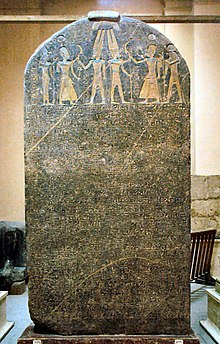
メルネプタハ碑文
メルネプタハ碑文、またはイスラエル碑文、メルネプタハの勝利碑文としても知られるこの碑文は、紀元前1213年から1203年にかけて古代エジプトのファラオであったメルネプタハによるものです。1896年にフリンダーズ・ピートリーによってテーベで発見され、現在はカイロのエジプト博物館に所蔵されています。
この碑文の内容は主に古代リビア人とその同盟国に対するメルネプタハの勝利を記録していますが、28行のうち最後の3行は、当時エジプトの帝国領土の一部であったカナンでの別の遠征について述べています。「イスラエル碑文」と呼ばれることもあり、多くの学者が27行目の一連のヒエログリフを「イスラエル」と翻訳しています。代替の翻訳も提案されていますが、広く受け入れられているわけではありません。
この碑文はイスラエルに関する最も古い文献上の言及であり、古代エジプトからの唯一の言及です。鉄器時代にさかのぼり、古代イスラエルを名前で言及している4つの既知の碑文のうちの1つであり、他にはメシャ碑文、テル・ダン碑文、クルクのモノリスがあります。そのため、メルネプタハ碑文はピートリーの最も有名な発見と考えられており、ピートリー自身もその意見に同意していました。
ウィキペディア
地図
辞書からの情報
No
or No-A'mon, the home of Amon, the name of Thebes, the ancient capital of what is called the Middle Empire, in Upper or Southern Egypt. "The multitude of No" (Jer 46:25) is more correctly rendered, as in the Revised Version, "Amon of No", i.e., No, where Jupiter Amon had his temple. In (Ezek 30:14; 30:16) it is simply called "No;" but in (Ezek 30:15) the name has the Hebrew Hamon prefixed to it, "Hamon No." This prefix is probably the name simply of the god usually styled Amon or Ammon. In (Nah 3:8) the "populous No" of the Authorized Version is in the Revised Version correctly rendered "No-Amon."
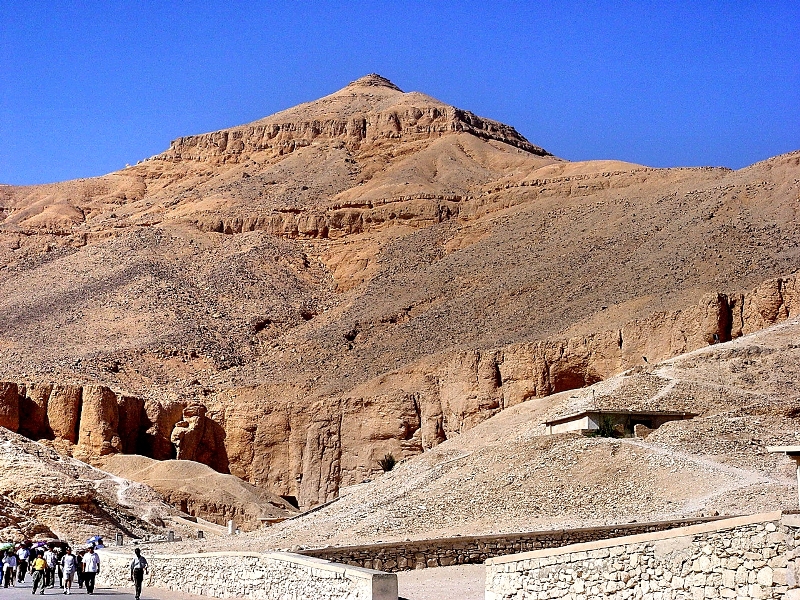
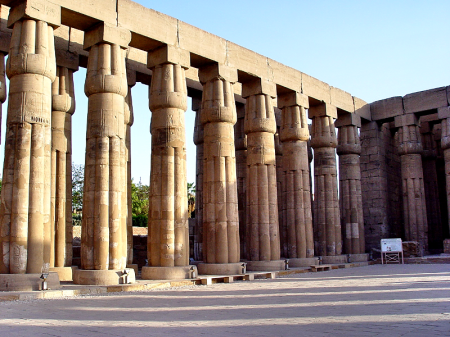
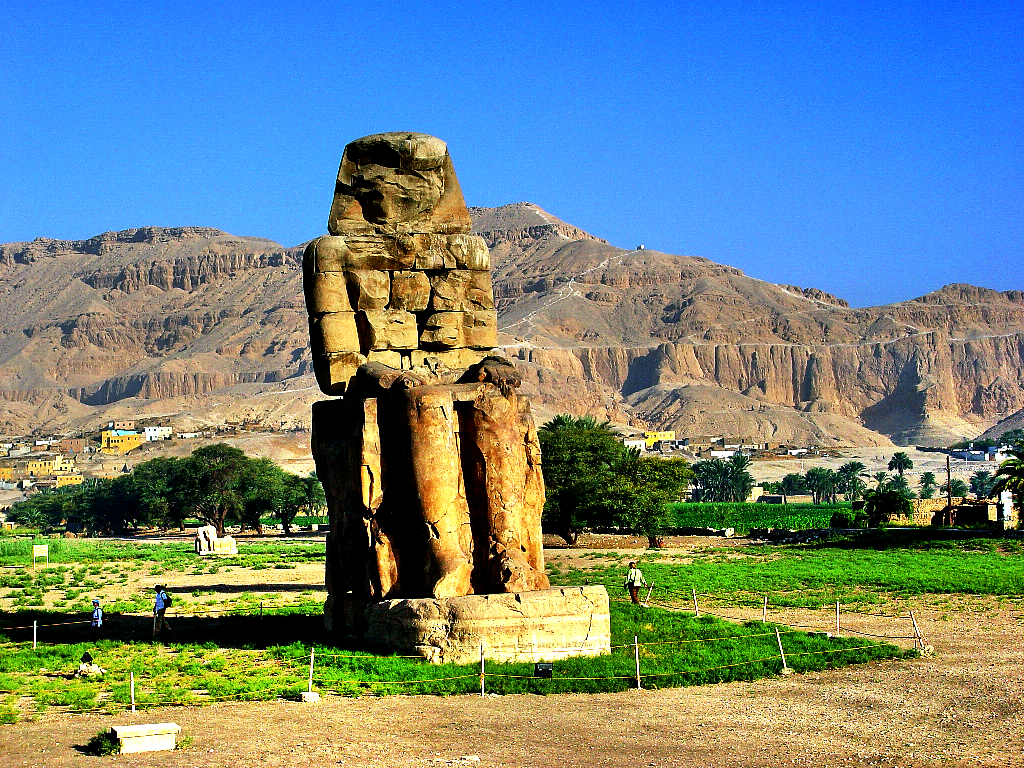
It was the Diospolis or Thebes of the Greeks, celebrated for its hundred gates and its vast population. It stood on both sides of the Nile, and is by some supposed to have included Karnak and Luxor. In grandeur and extent it can only be compared to Nineveh. It is mentioned only in the prophecies referred to, which point to its total destruction. It was first taken by the Assyrians in the time of Sargon (Isa 20:1etc.). It was afterwards "delivered into the hand" of Nebuchadnezzar and Assurbani-pal (Jer 46:25; 46:26). Cambyses, king of the Persians (B.C. 525), further laid it waste by fire. Its ruin was completed (B.C. 81) by Ptolemy Lathyrus. The ruins of this city are still among the most notable in the valley of the Nile. They have formed a great storehouse of interesting historic remains for more than two thousand years.
"As I wandered day after day with ever-growing amazement amongst these relics of ancient magnificence, I felt that if all the ruins in Europe, classical, Celtic, and medieval, were brought together into one centre, they would fall far short both in extent and grandeur of those of this single Egyptian city." Manning, The Land of the Pharaohs.
EBD - Easton's Bible Dictionary