대제사장의 궁전
설명
안나스
기원후 7-14년에 대제사장이었습니다. 기원후 25년에 안나스의 딸과 결혼한 가야바(요 18:13 )가 그 직책에 올랐고, 아마도 안나스는 이제 산헤드린의 회장이나 대제사장의 대리 또는 보좌관으로 임명되어 가야바와 함께 대제사장으로 불렸을 것입니다(눅 3:2 ). 모세 율법에 따르면 대제사장은 평생 동안 그 직을 유지했습니다(민 3:10 ). 로마 총독에 의해 안나스가 해임되었음에도 불구하고, 유대인들은 여전히 그를 합법적인 대제사장으로 여겼을지도 모릅니다. 우리 주님은 먼저 안나스 앞에 끌려갔고, 짧은 심문 후(요 1:18 -23) 가야바에게 보내졌으며, 산헤드린의 몇몇 구성원이 모였을 때 예수님의 첫 번째 재판이 열렸습니다(마 26:57 -68). 안나스 앞에서의 우리 주님의 심문은 요한에 의해서만 기록되었습니다. 안나스는 베드로와 요한이 끌려간 산헤드린의 회장이었습니다(행 4:6 ).
EBD
가야바
우리 주님의 공적 사역이 시작될 때와 티베리우스 황제의 통치 기간 동안 유대인의 대제사장(기원후 27-36)이었으며, 또한 그의 정죄와 십자가형 때에도 그 직책을 맡고 있었습니다(눅 3:2 ; 마 26:3 ; 26:57; 요 11:49 ; 18:13; 18:14). 그는 빌라도의 행정 기간 동안 이 직책을 유지했습니다. 그의 아내는 이전에 대제사장이었던 안나스의 딸이었고, 아마도 가야바의 대리(히브리어로 사간)였을 것입니다. 그는 사두개파에 속해 있었으며(행 5:17 ), 예수가 "백성을 위해, 온 나라가 멸망하지 않도록" 죽어야 한다고 의견을 제시했을 때 그 의회에 참석했습니다(요 11:50 ). 이 말에서 그는 무의식적으로 예언을 했습니다. "사울처럼, 그는 자신도 모르게 예언자가 되었습니다." 가야바는 사형을 집행할 권한이 없었기 때문에 예수님은 로마 총독인 빌라도에게 보내져 그에 대한 판결을 정식으로 내리게 했습니다(마 27:2 ; 요 18:28 ). 이후에도 그의 복음에 대한 적대감은 여전히 드러납니다(행 4:6 ). (참조: 안나스)
EBD
링크
Street View
사진
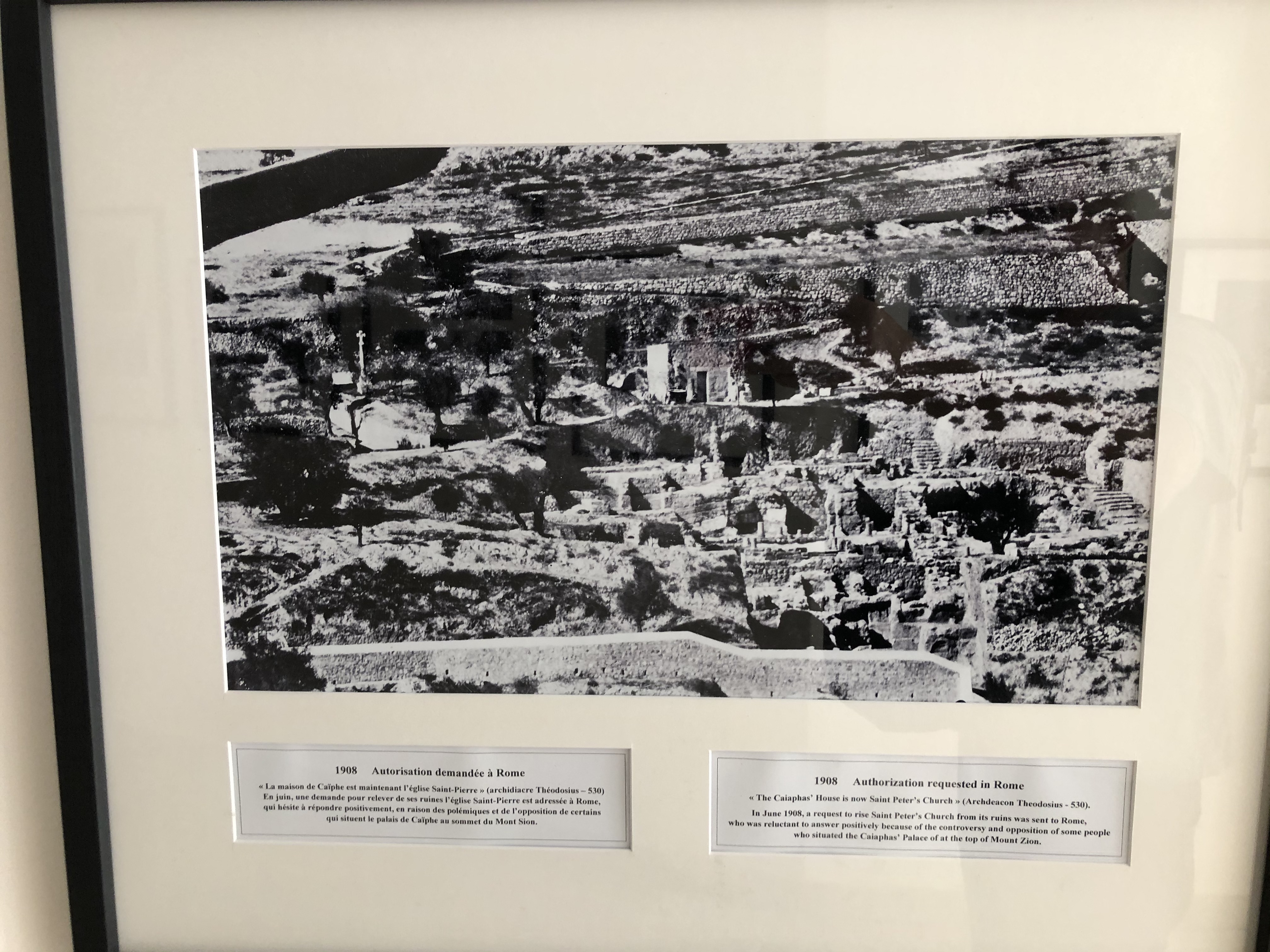
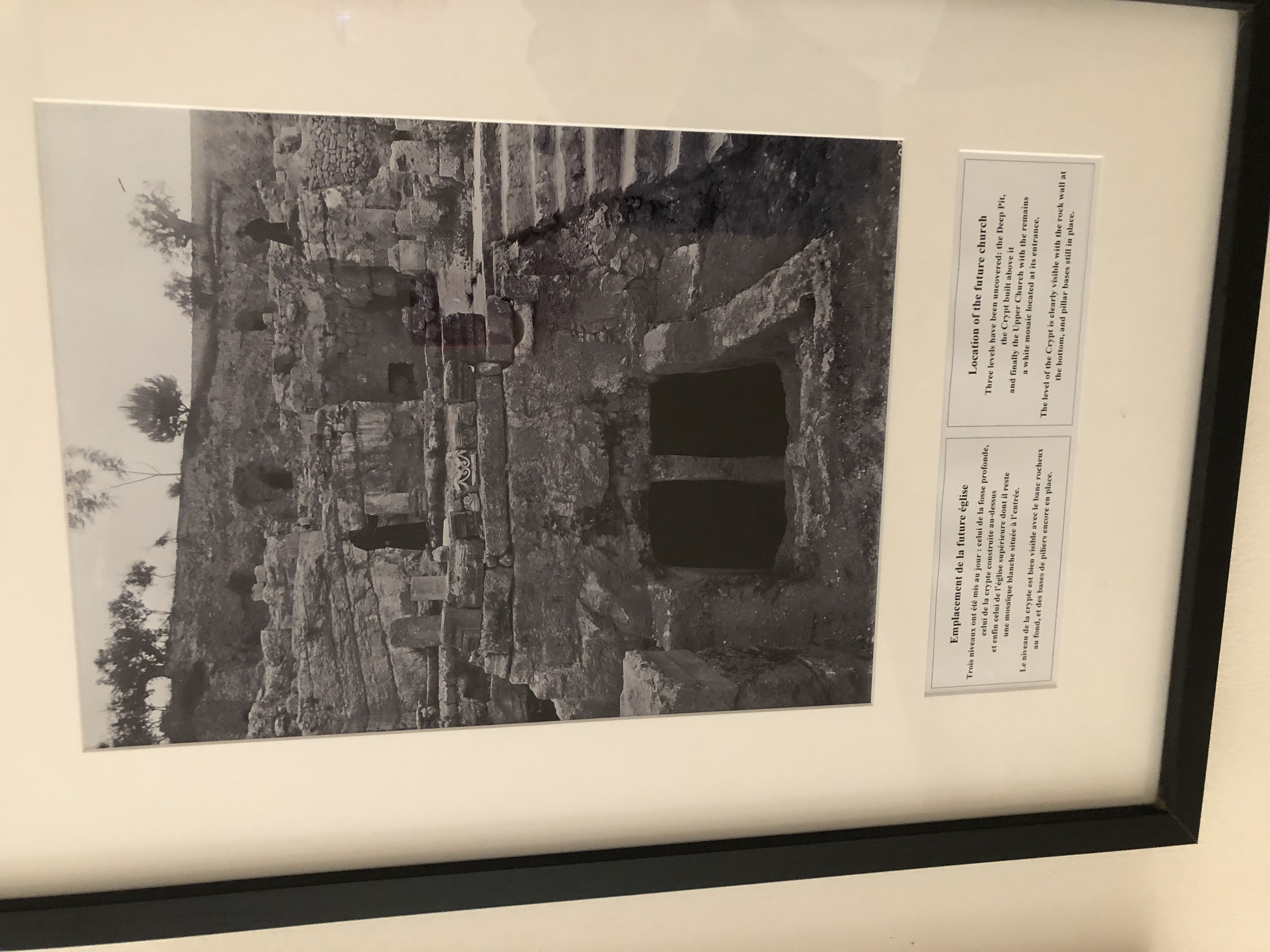
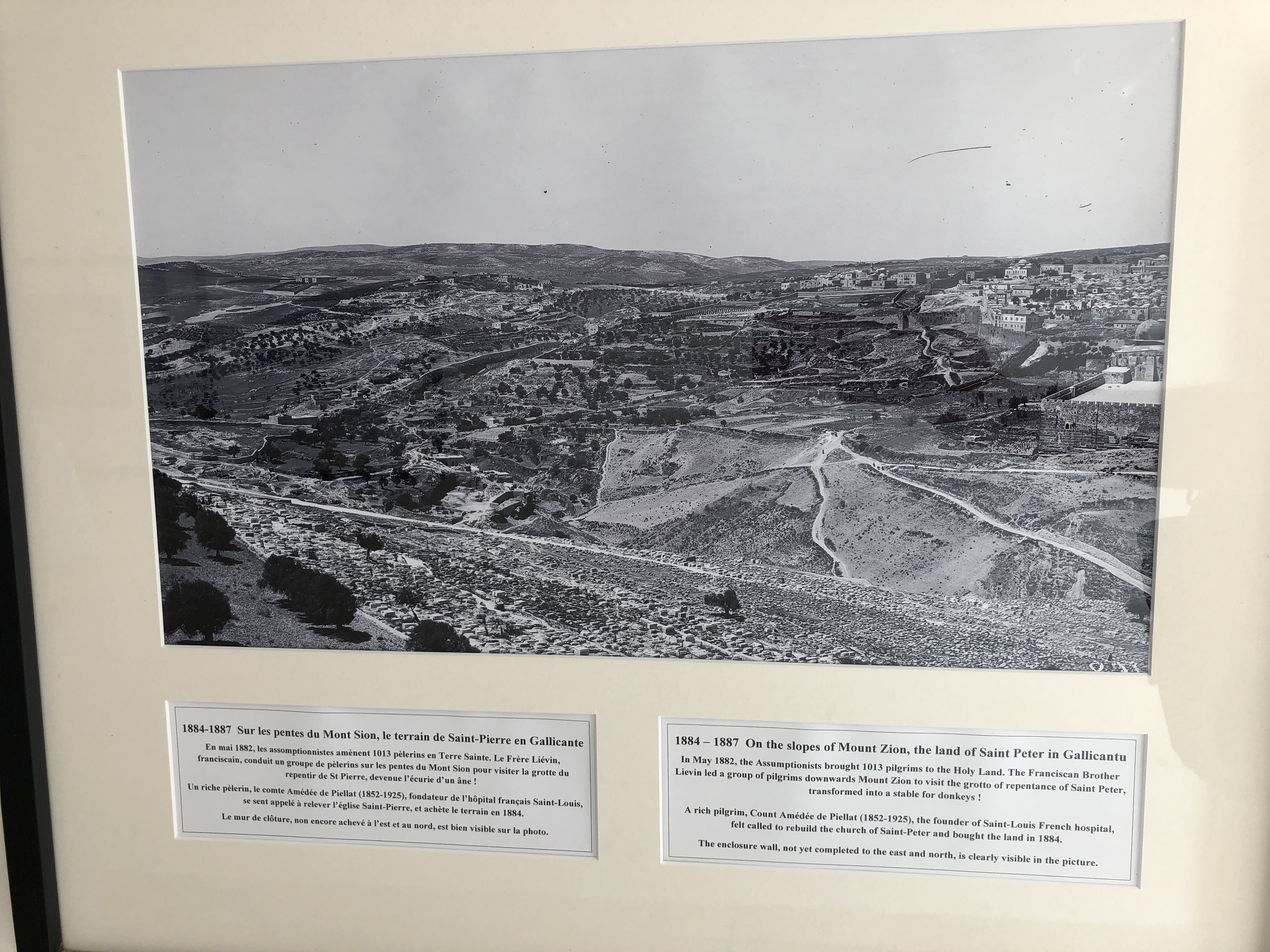
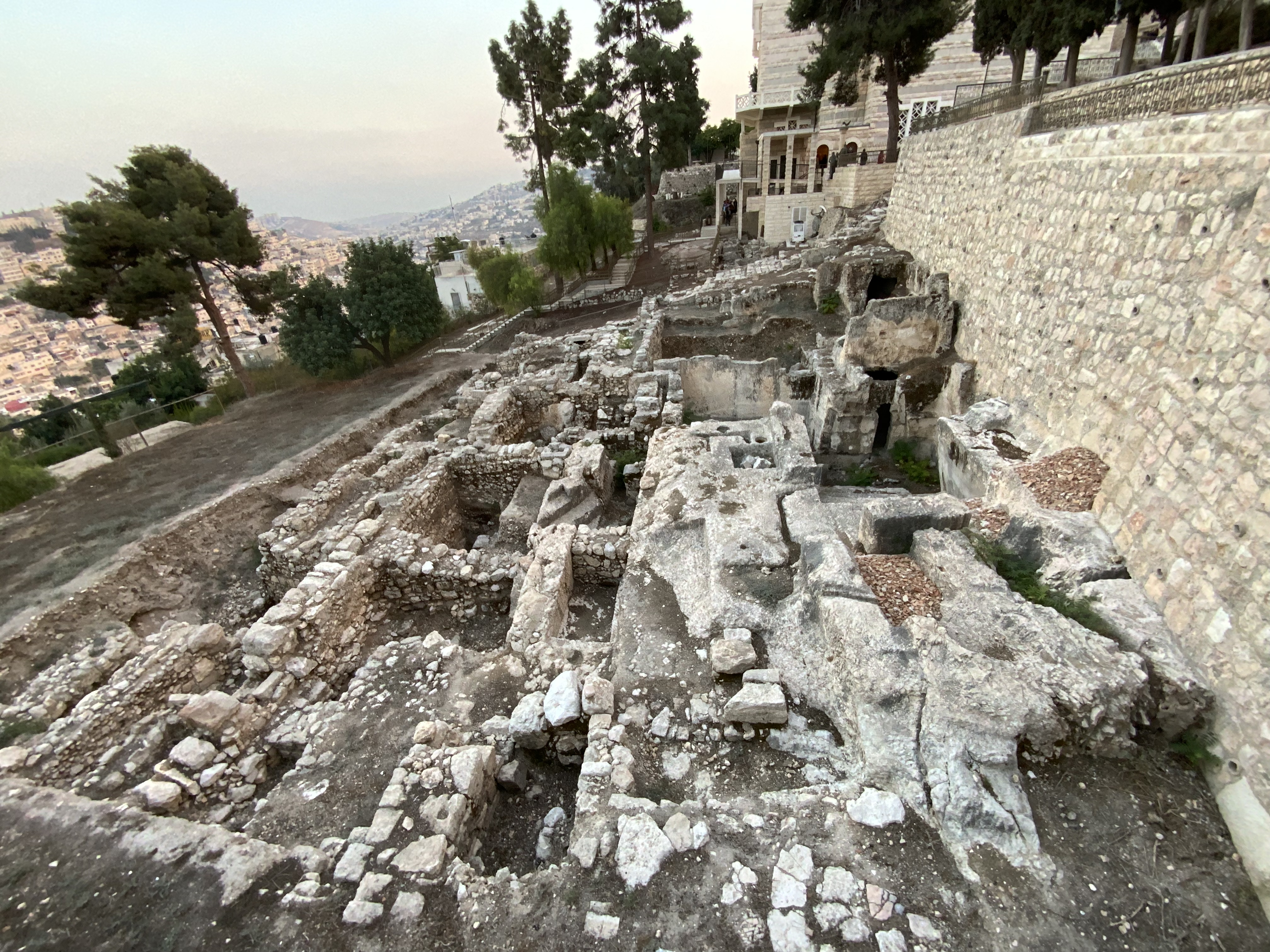
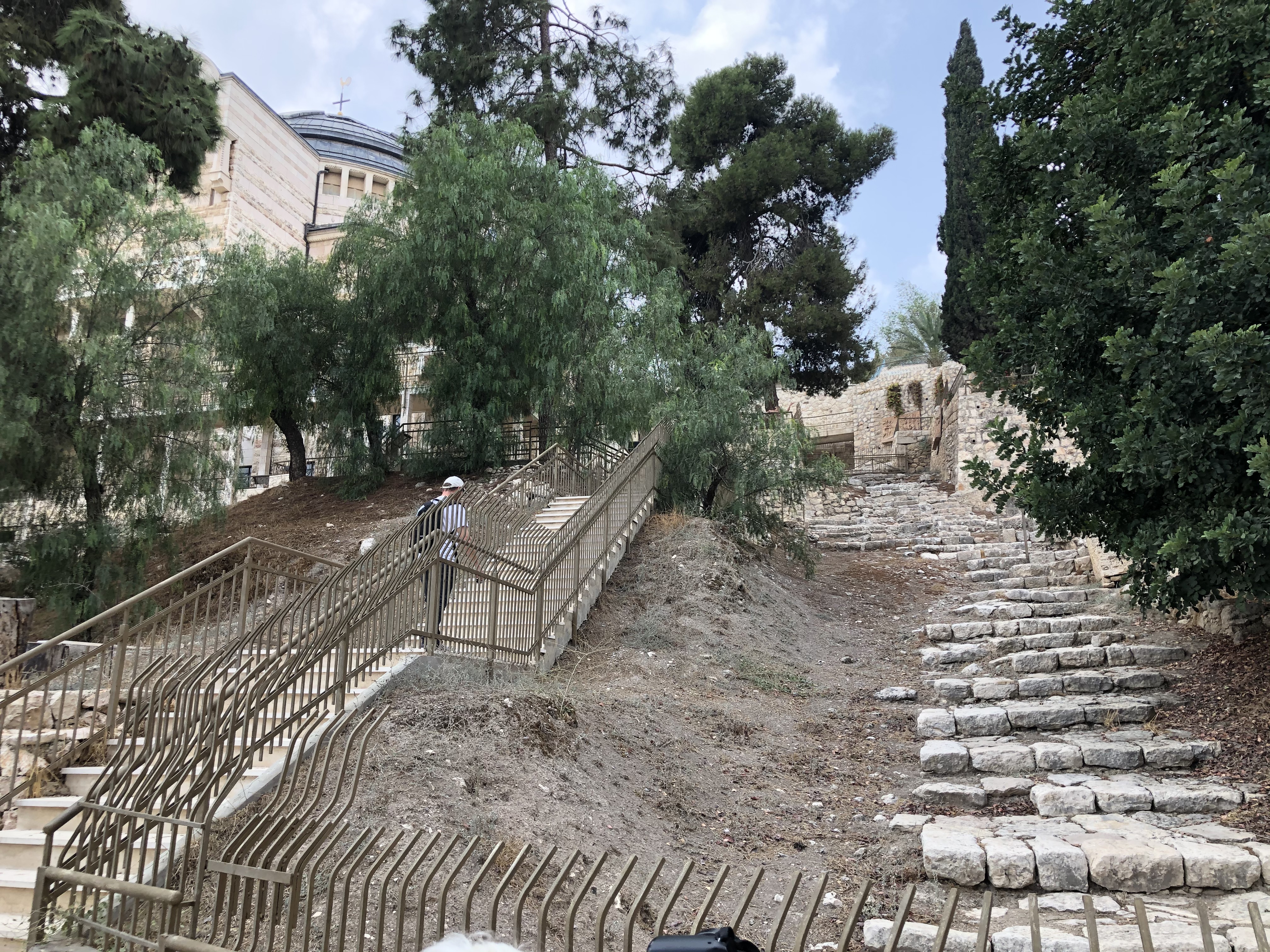
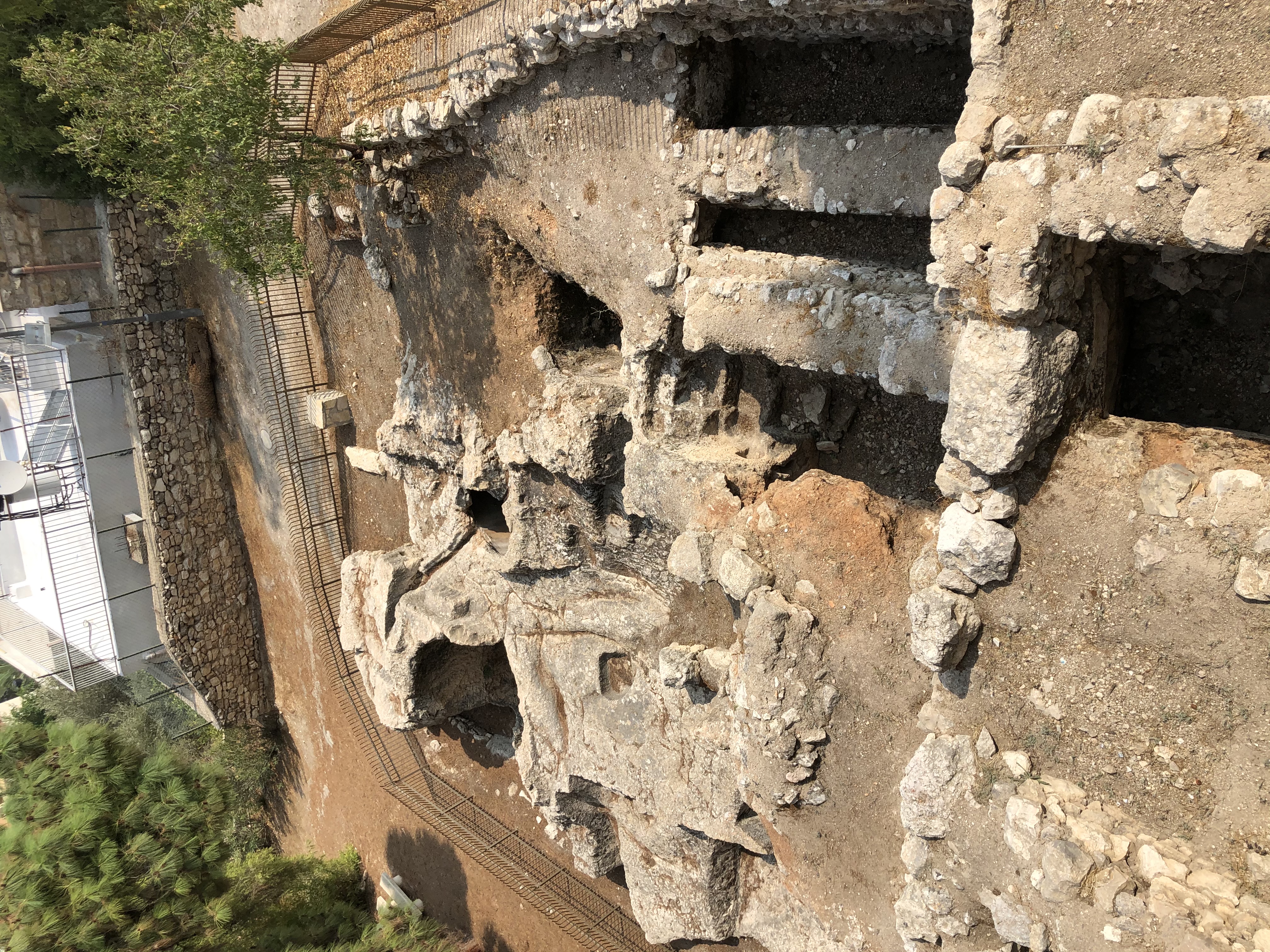
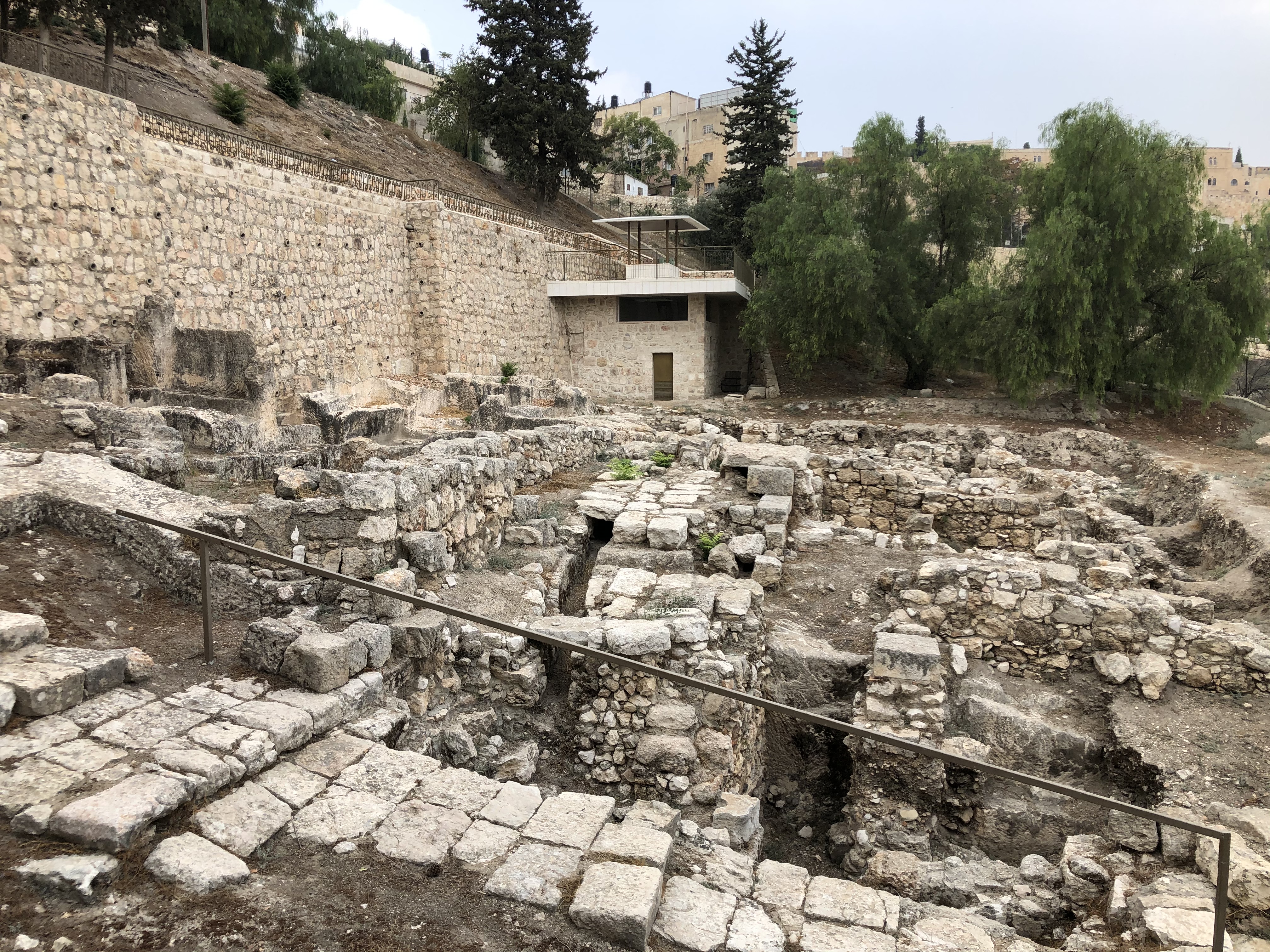
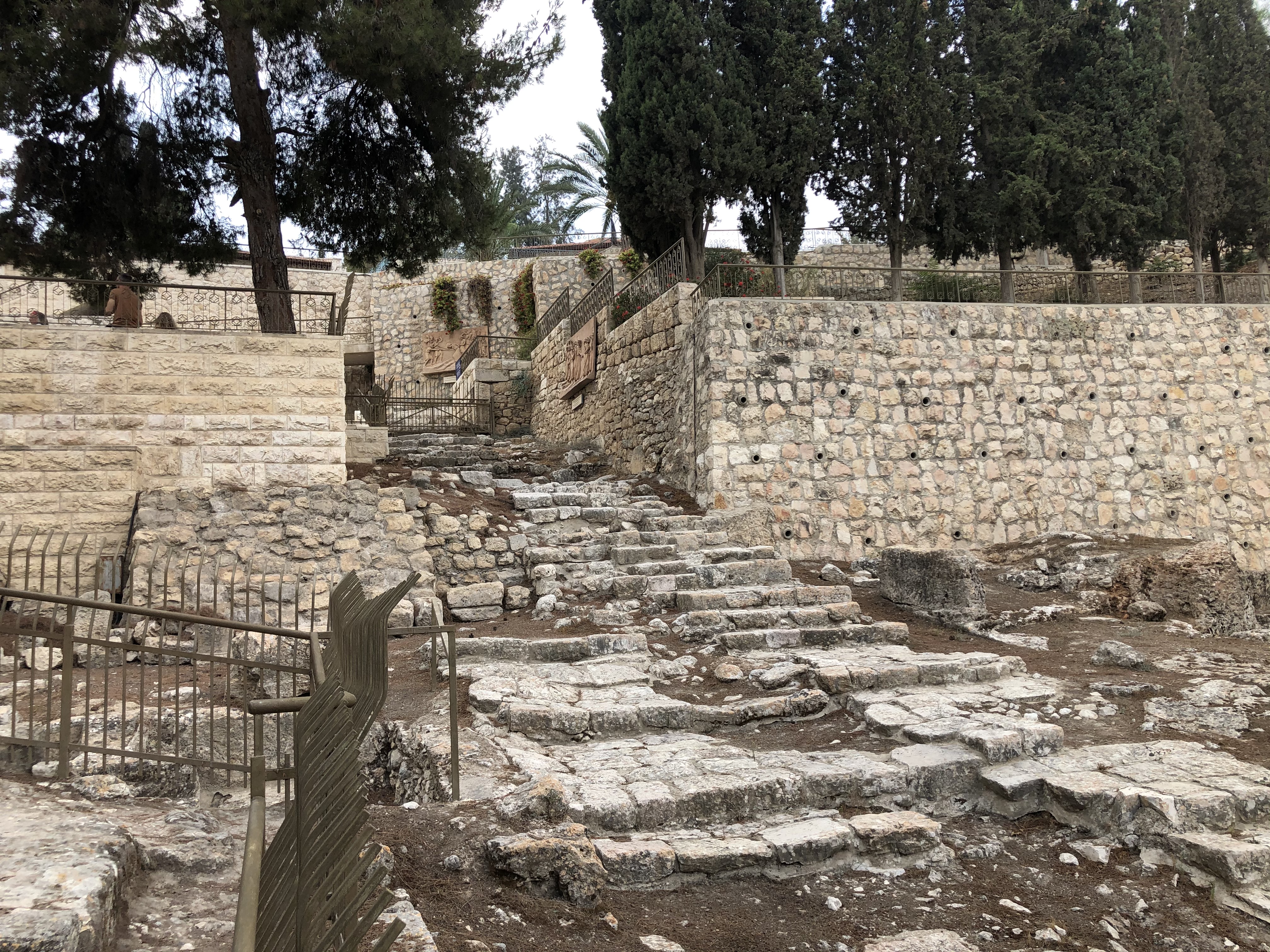
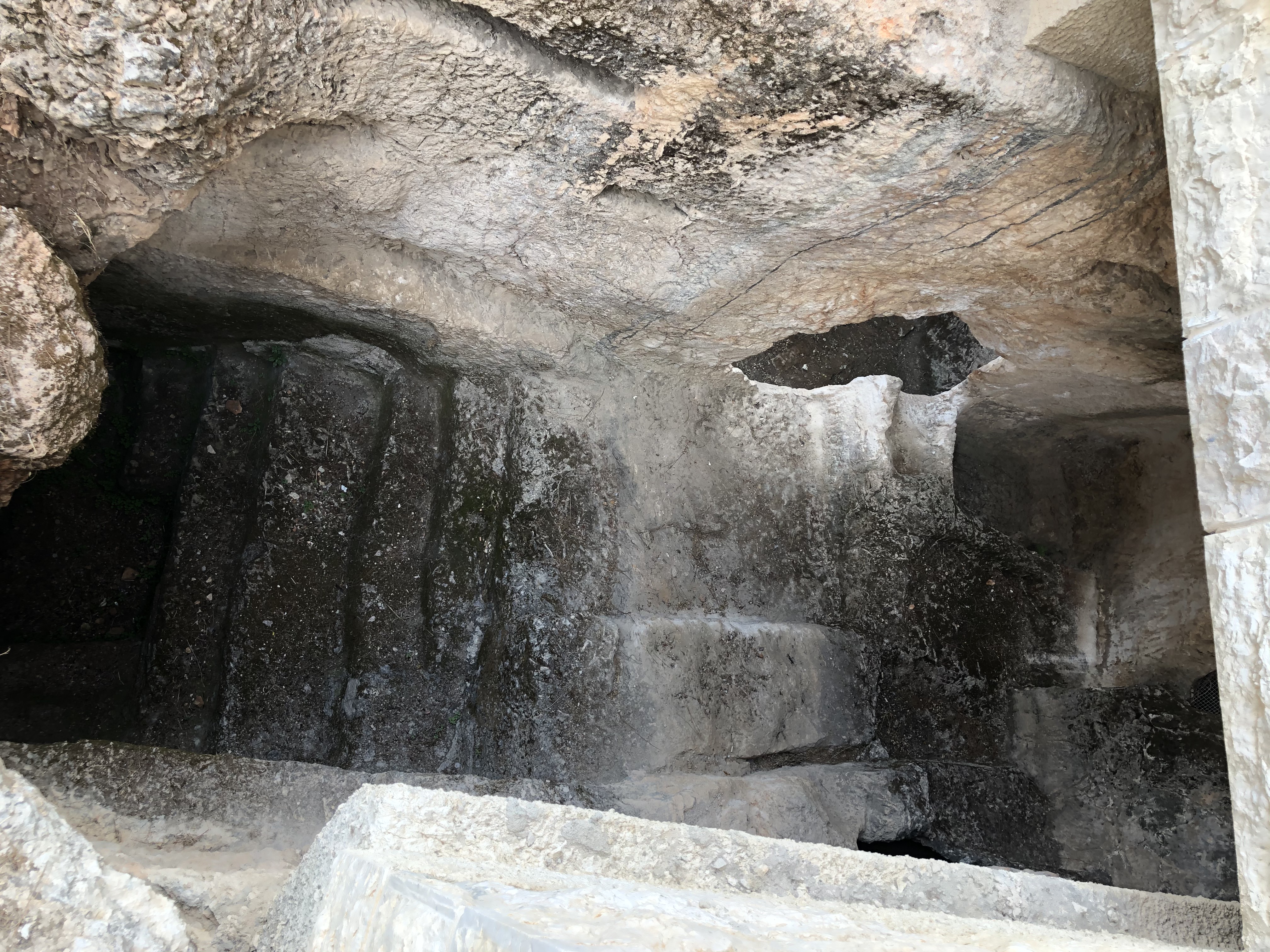
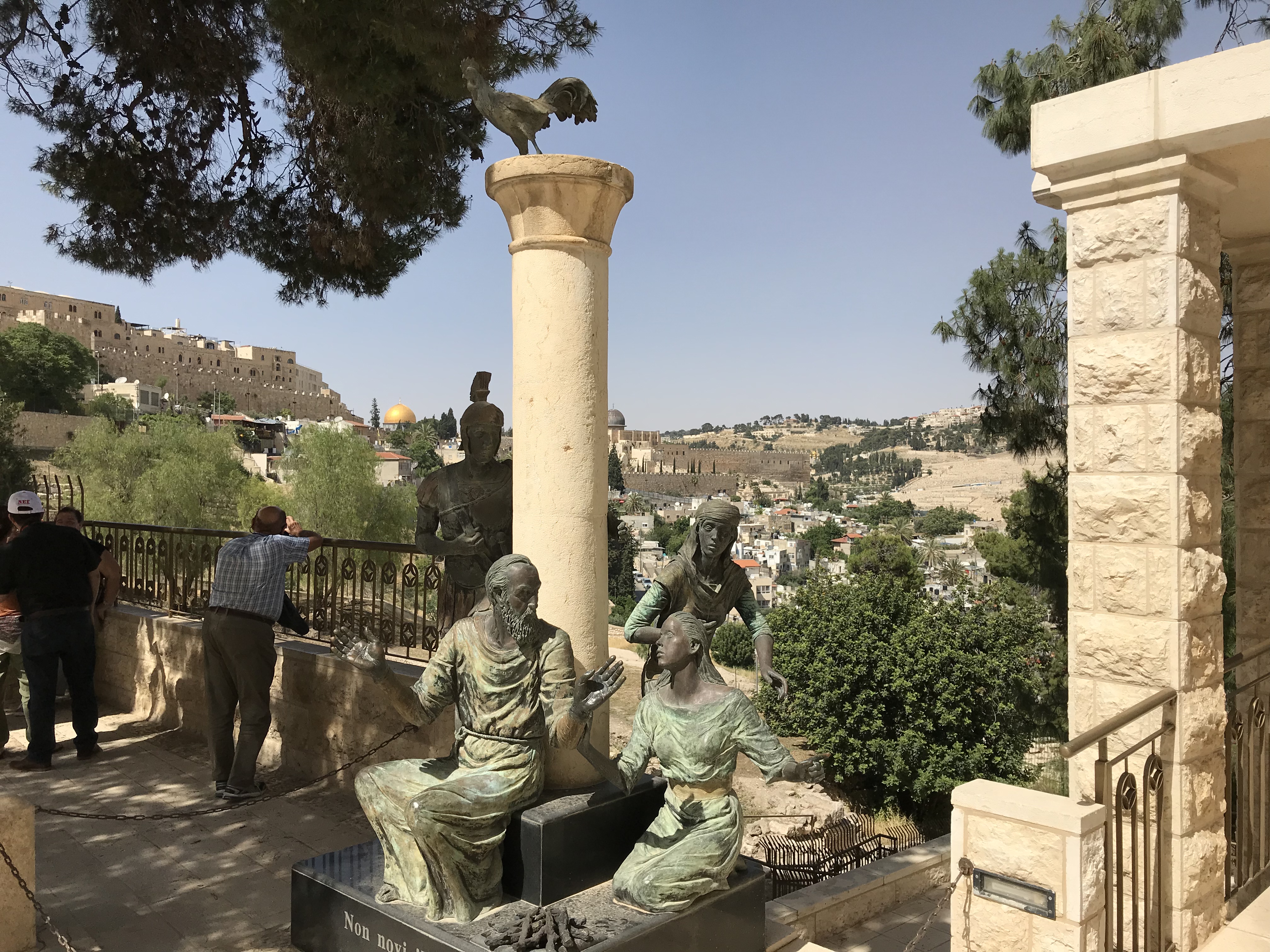
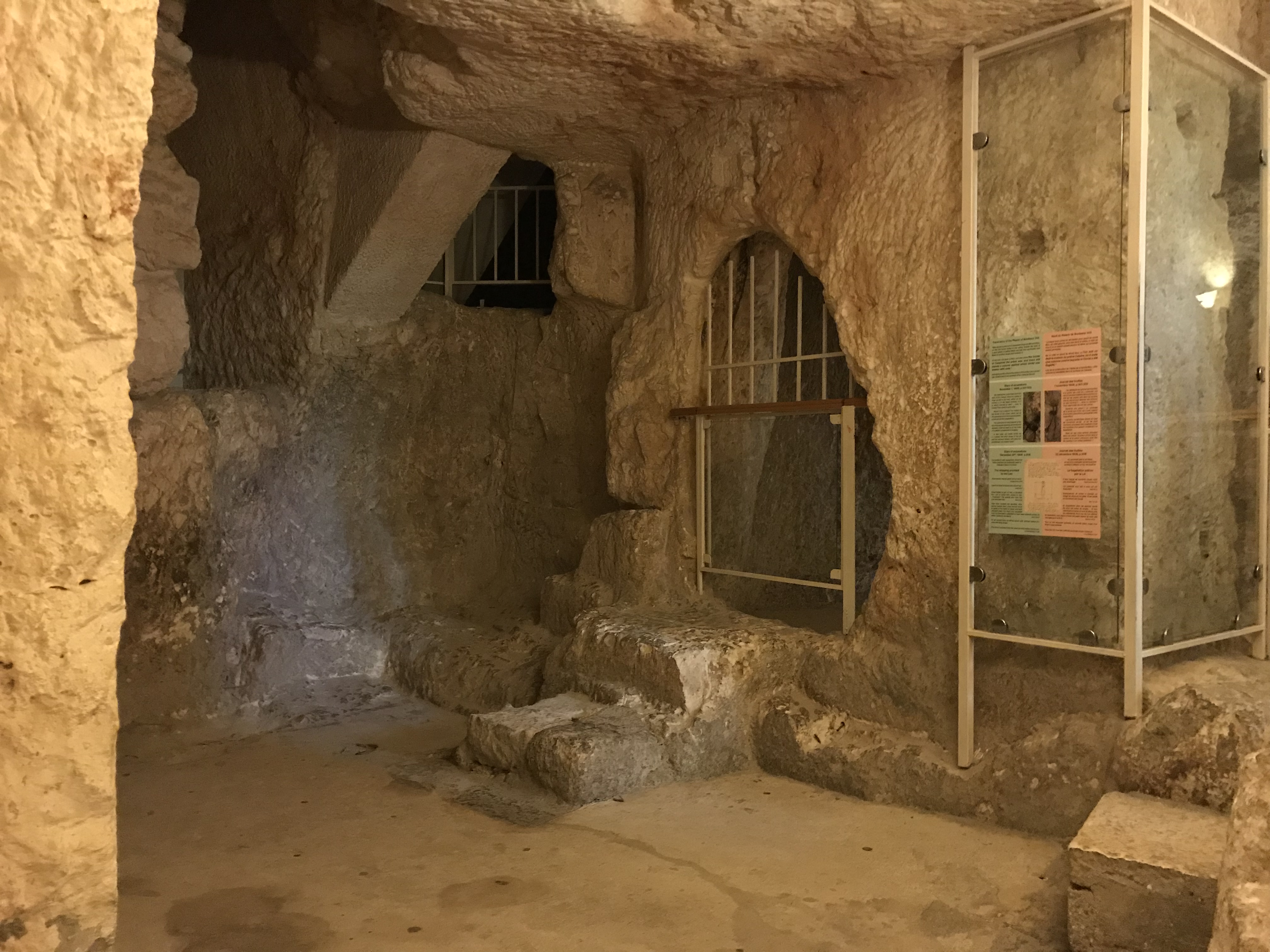
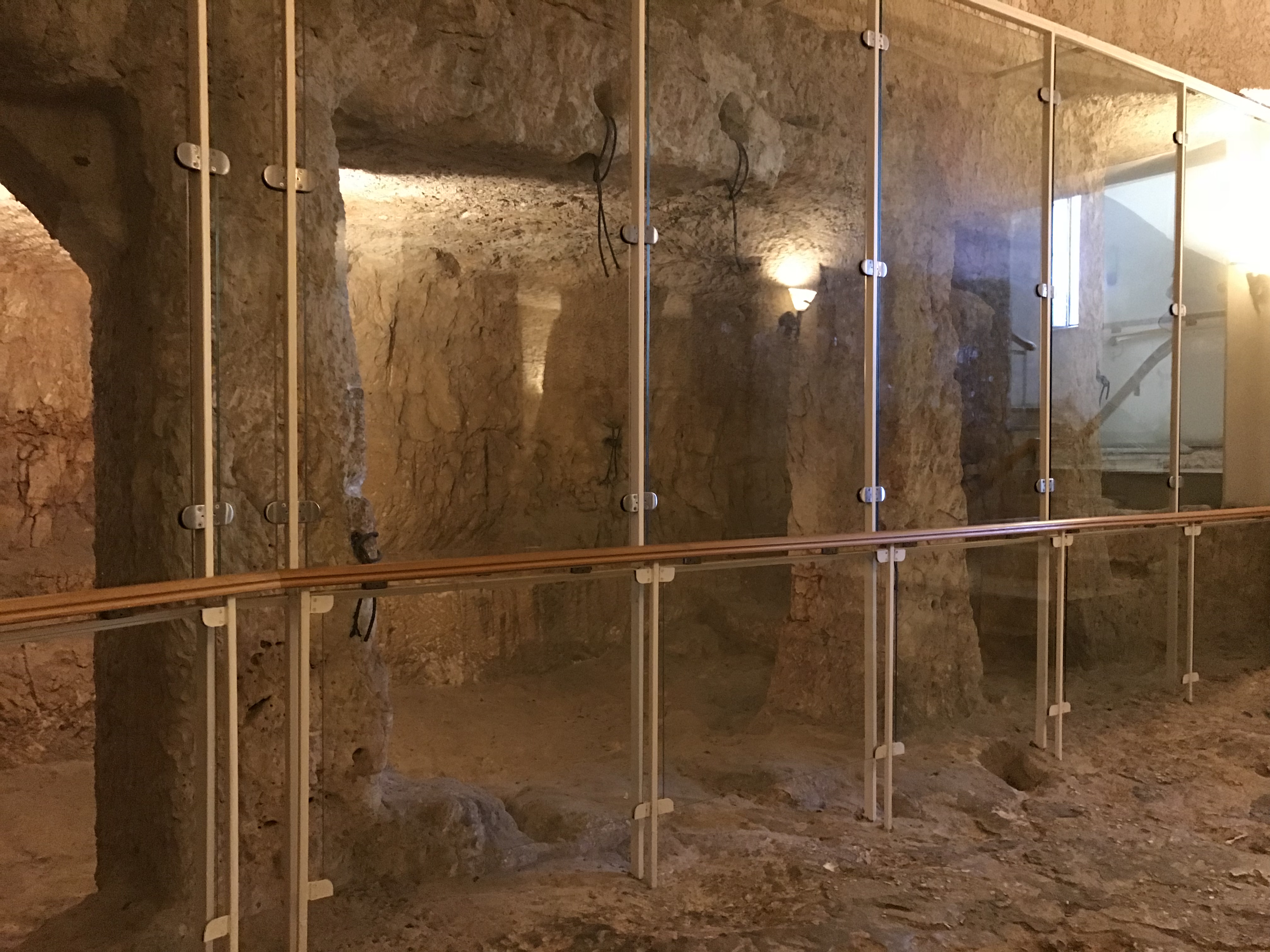
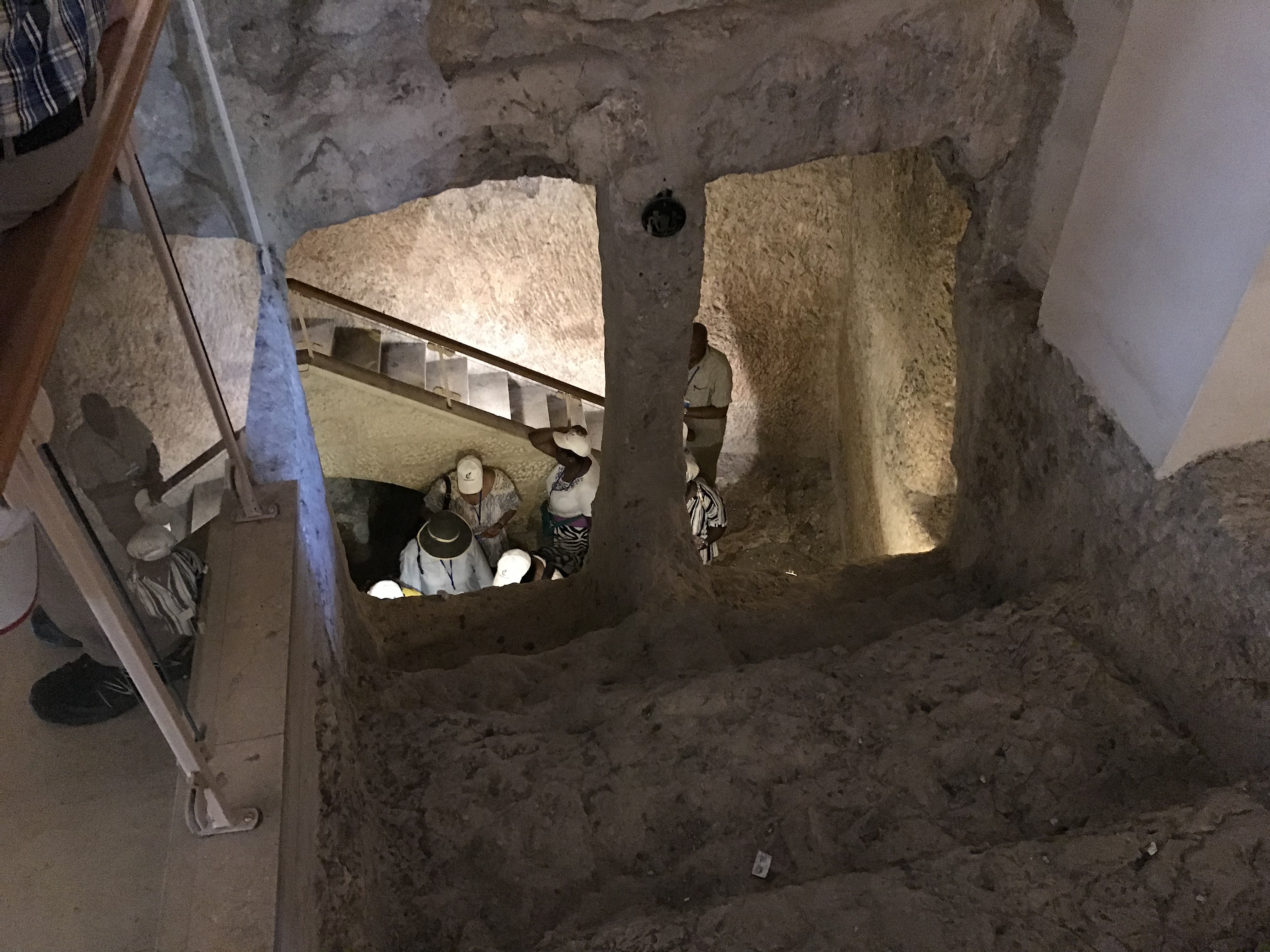
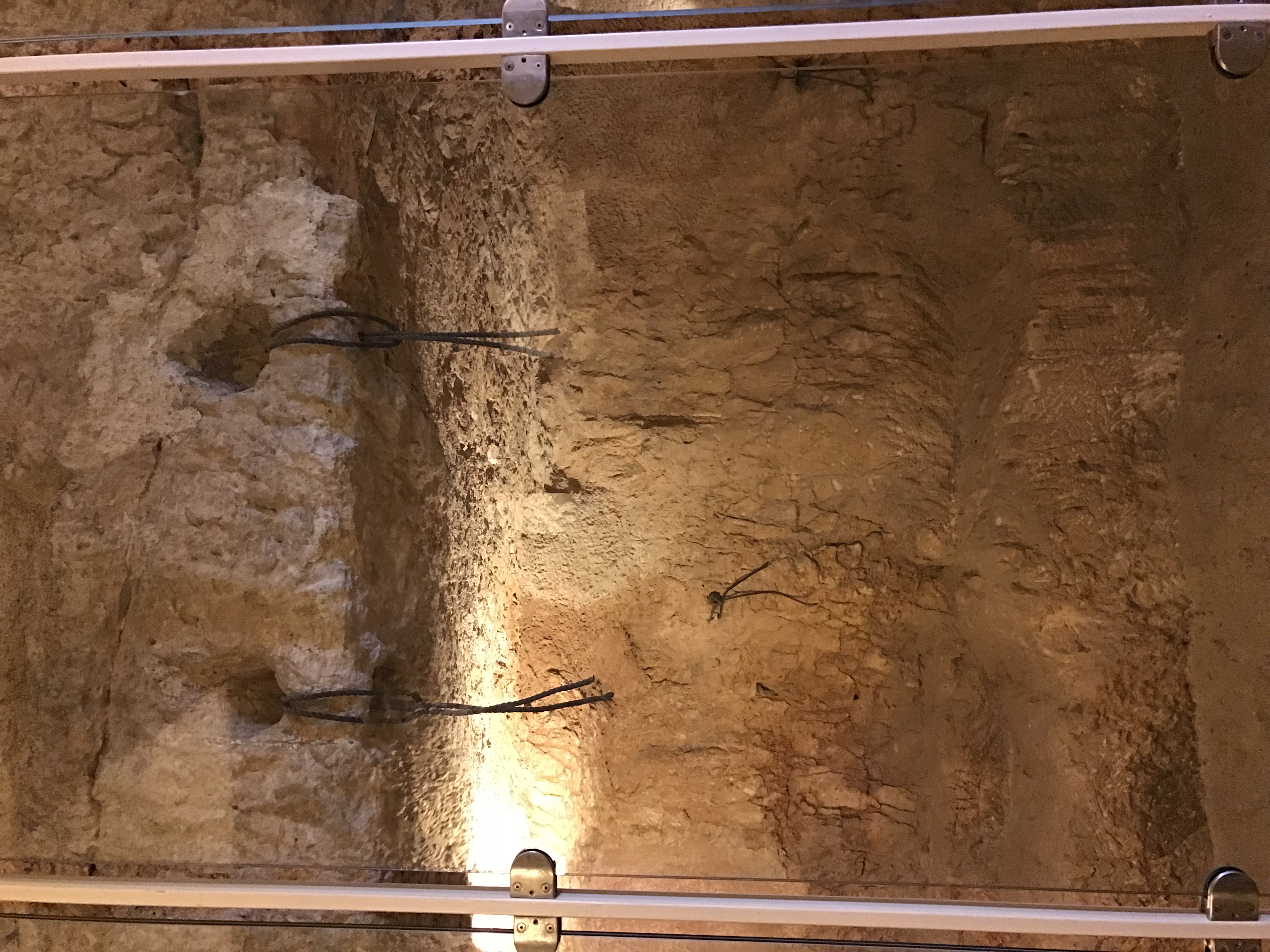
비디오
House of Caiaphas: Peter's Denial of Christ, Jerusalem, Israel, Church of Saint Peter in Gallicantu!
지도
사전에서의 정보
High priest
Aaron was the first who was solemnly set apart to this office (Ex 29:7; 30:23; Lev 8:12). He wore a peculiar dress, which on his death passed to his successor in office (Ex 29:29; 29:30). Besides those garments which he wore in common with all priests, there were four that were peculiar to himself as high priest:
(1.) The "robe" of the ephod, all of blue, of "woven work," worn immediately under the ephod. It was without seam or sleeves. The hem or skirt was ornamented with pomegranates and golden bells, seventy-two of each in alternate order. The sounding of the bells intimated to the people in the outer court the time when the high priest entered into the holy place to burn incense before the Lord (Ex 28:1etc.).
(2.) The "ephod" consisted of two parts, one of which covered the back and the other the breast, which were united by the "curious girdle." It was made of fine twined linen, and ornamented with gold and purple. Each of the shoulder-straps was adorned with a precious stone, on which the names of the twelve tribes were engraved. This was the high priest's distinctive vestment (1Sam 2:28; 14:3; 21:9; 23:6; 23:9; 30:7).
(3.) The "breastplate of judgment" (Ex 28:6-12; 28:25; 39:2-7) of "cunning work." It was a piece of cloth doubled, of one span square. It bore twelve precious stones, set in four rows of three in a row, which constituted the Urim and Thummim (q.v.). These stones had the names of the twelve tribes engraved on them. When the high priest, clothed with the ephod and the breastplate, inquired of the Lord, answers were given in some mysterious way by the Urim and Thummim (1Sam 14:3; 14:18; 14:19; 23:2; 23:4; 23:9; 23:11; 23:12; 28:6; 2Sam 5:23).
(4.) The "mitre", or upper turban, a twisted band of eight yards of fine linen coiled into a cap, with a gold plate in front, engraved with "Holiness to the Lord," fastened to it by a ribbon of blue.
To the high priest alone it was permitted to enter the holy of holies, which he did only once a year, on the great Day of Atonement, for "the way into the holiest of all was not yet made manifest" (Heb 9:1etc.; 10:1etc.). Wearing his gorgeous priestly vestments, he entered the temple before all the people, and then, laying them aside and assuming only his linen garments in secret, he entered the holy of holies alone, and made expiation, sprinkling the blood of the sin offering on the mercy seat, and offering up incense. Then resuming his splendid robes, he reappeared before the people (Lev 16:1etc.). Thus the wearing of these robes came to be identified with the Day of Atonement.
The office, dress, and ministration of the high priest were typical of the priesthood of our Lord (Heb 4:14; 7:25; 9:12), etc.
It is supposed that there were in all eighty-three high priests, beginning with Aaron (B.C. 1657) and ending with Phannias (A.D. 70). At its first institution the office of high priest was held for life [but comp. (1Kings 2:27)], and was hereditary in the family of Aaron (Num 3:10). The office continued in the line of Eleazar, Aaron's eldest son, for two hundred and ninety-six years, when it passed to Eli, the first of the line of Ithamar, who was the fourth son of Aaron. In this line it continued to Abiathar, whom Solomon deposed, and appointed Zadok, of the family of Eleazar, in his stead (1Kings 2:35), in which it remained till the time of the Captivity. After the Return, Joshua, the son of Josedek, of the family of Eleazar, was appointed to this office. After him the succession was changed from time to time under priestly or political influences.
EBD - Easton's Bible Dictionary