히스기야 터널
설명
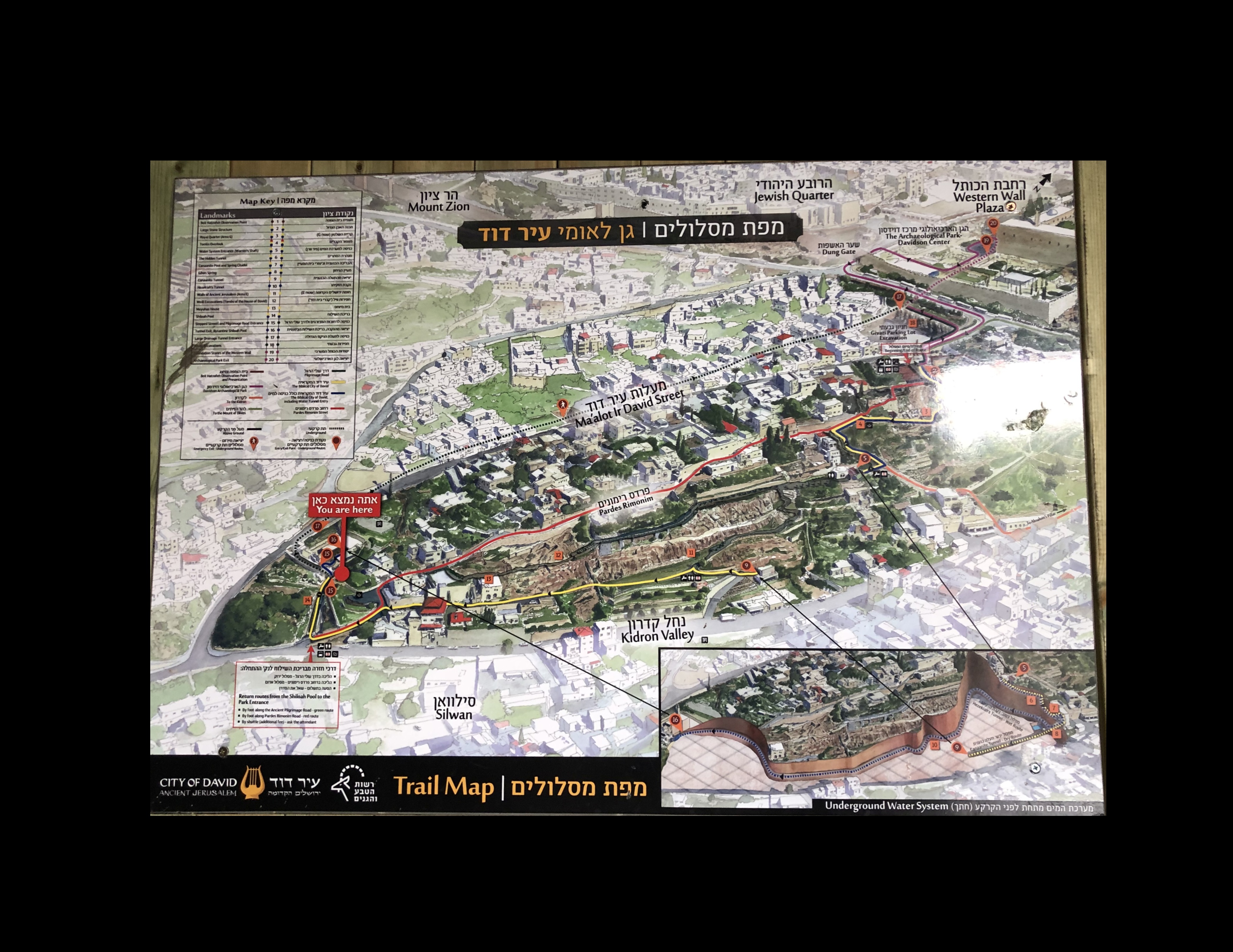
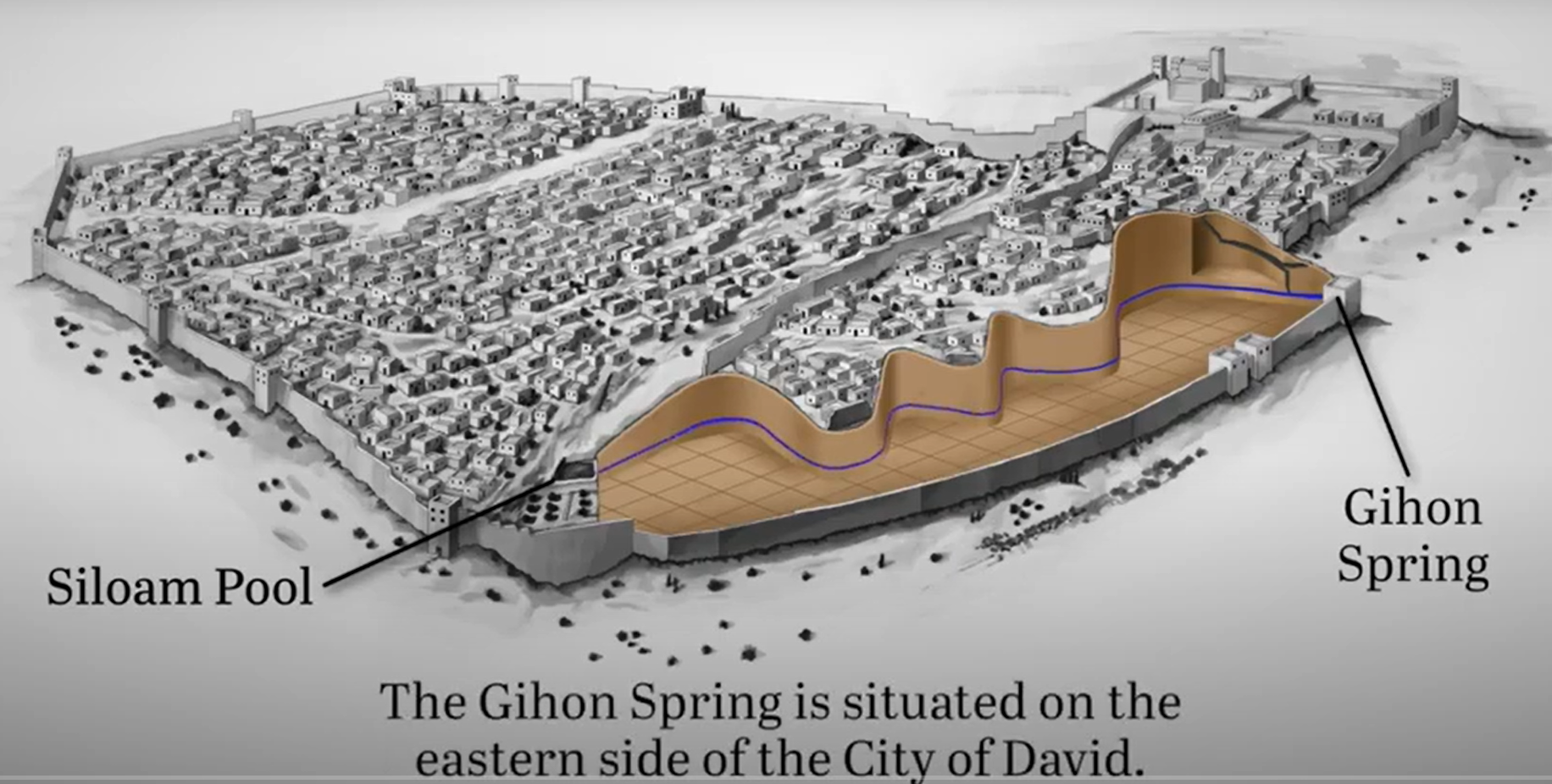
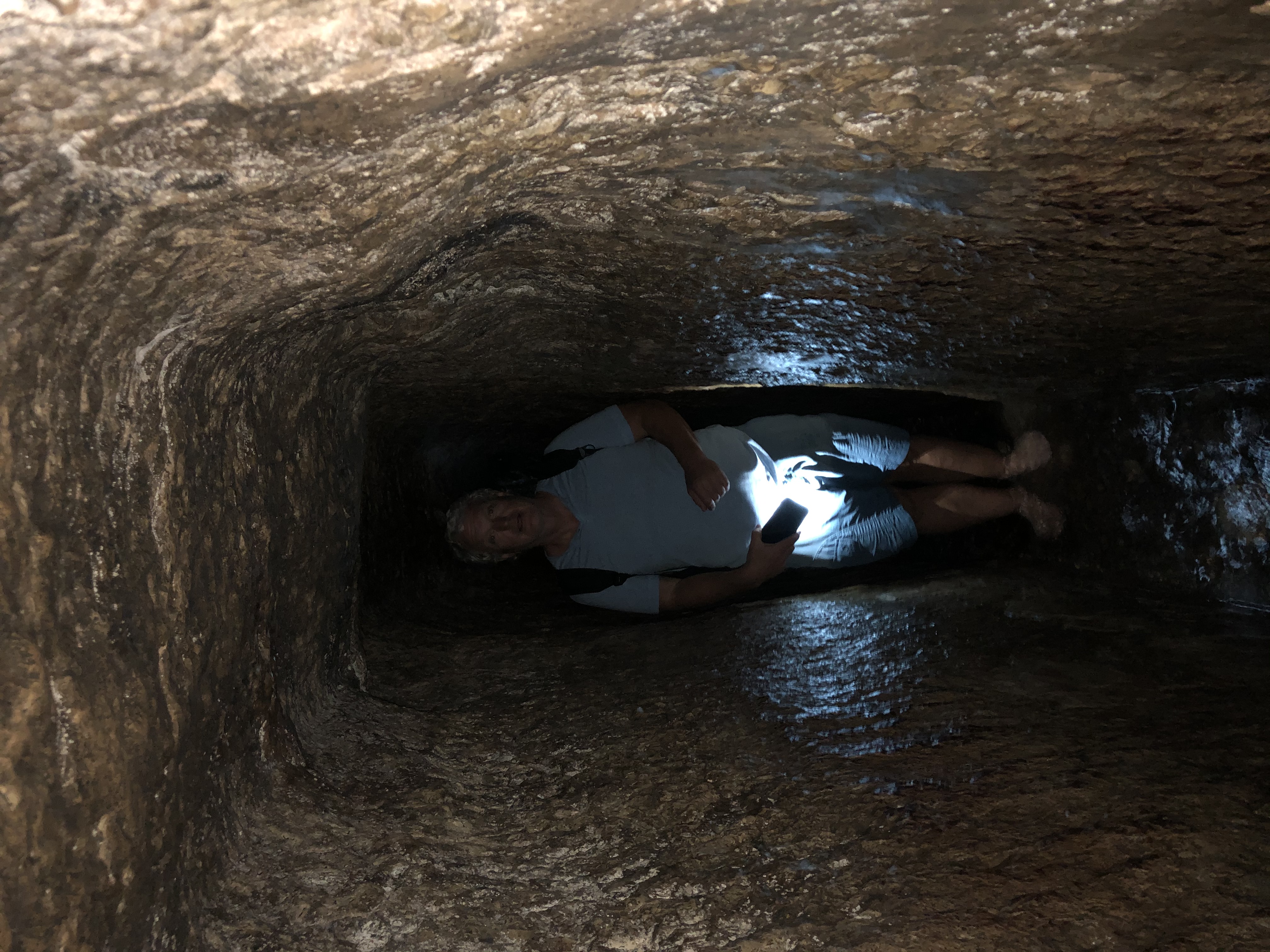
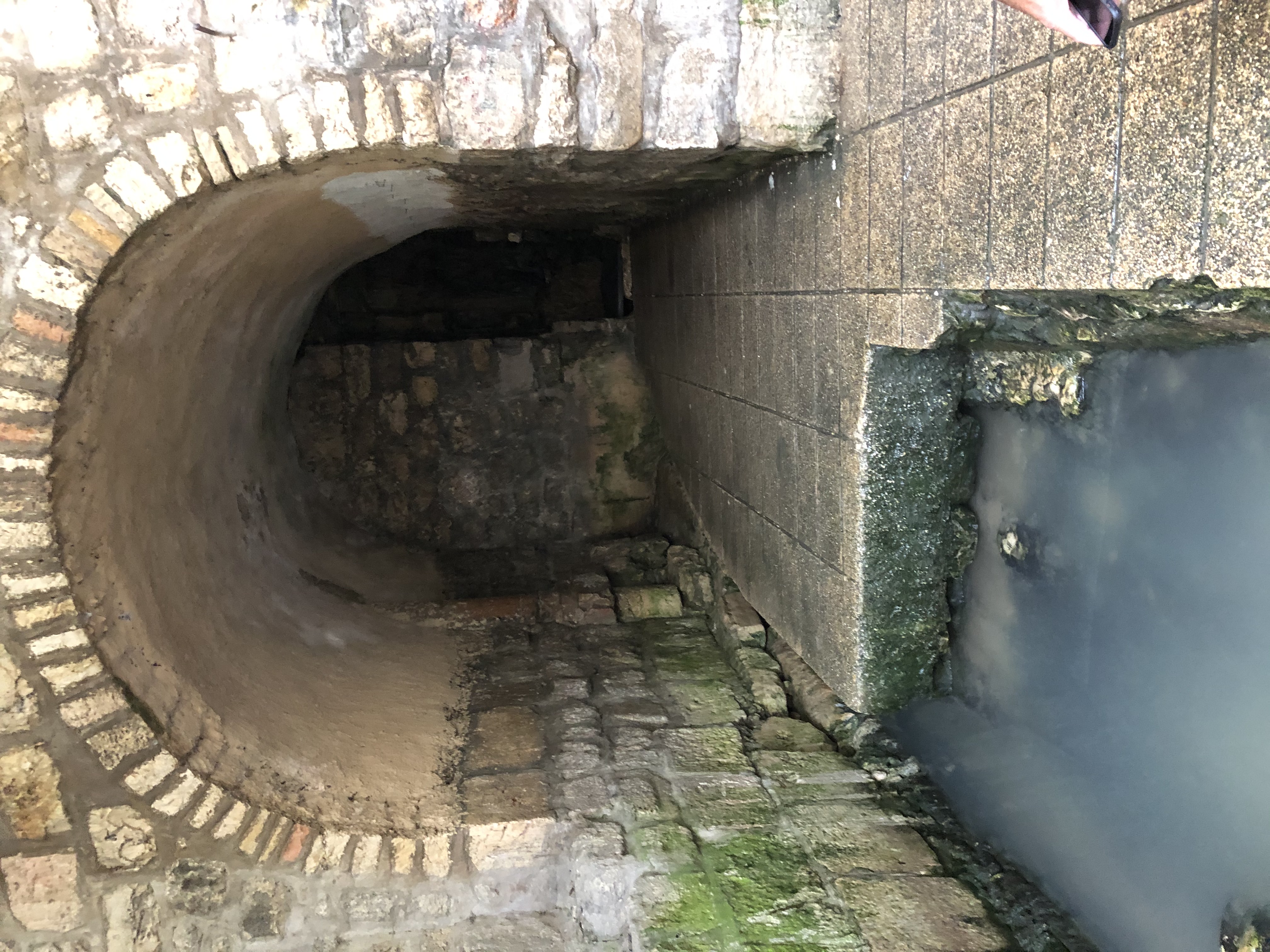
새로운 실로암 터널(히브리어: נִקְבַּת הַשִּׁלֹחַ, Nikbat HaShiloaḥ), 또한 히스기야 터널(히브리어: תעלת חזקיהו)로도 알려진 이 터널은 고대 다윗 성 안에 조각된 수로로, 현재는 예루살렘 동부의 실완 아랍 지역에 위치해 있습니다. 이 이름은 유다의 히스기야 왕 통치 시기(기원전 8세기 후반과 7세기 초)로 거슬러 올라간다는 가장 일반적인 가설에 기인하며, 히브리어 성경에서 언급된 "수로"와 일치합니다 [왕하 20:20 ]. 성경에 따르면, 히스기야 왕은 "기혼 상류의 물 근원을 막고 다윗 성으로 서쪽으로 직접 물을 이끌어" 앗수르의 포위 공격에 대비해 예루살렘을 준비했습니다 [대하 32:30 ]. 기혼의 물을 전환함으로써, 그는 산헤립 휘하의 적군이 물에 접근하는 것을 막았습니다.
히스기야 시대의 터널과 관련된 성경 구절은 다음과 같습니다: [왕하 20:20 ]; [대하 32:2 -4]; [대하 32:30 ]; [사 22:11 ]
위키백과
링크
Street View
사진
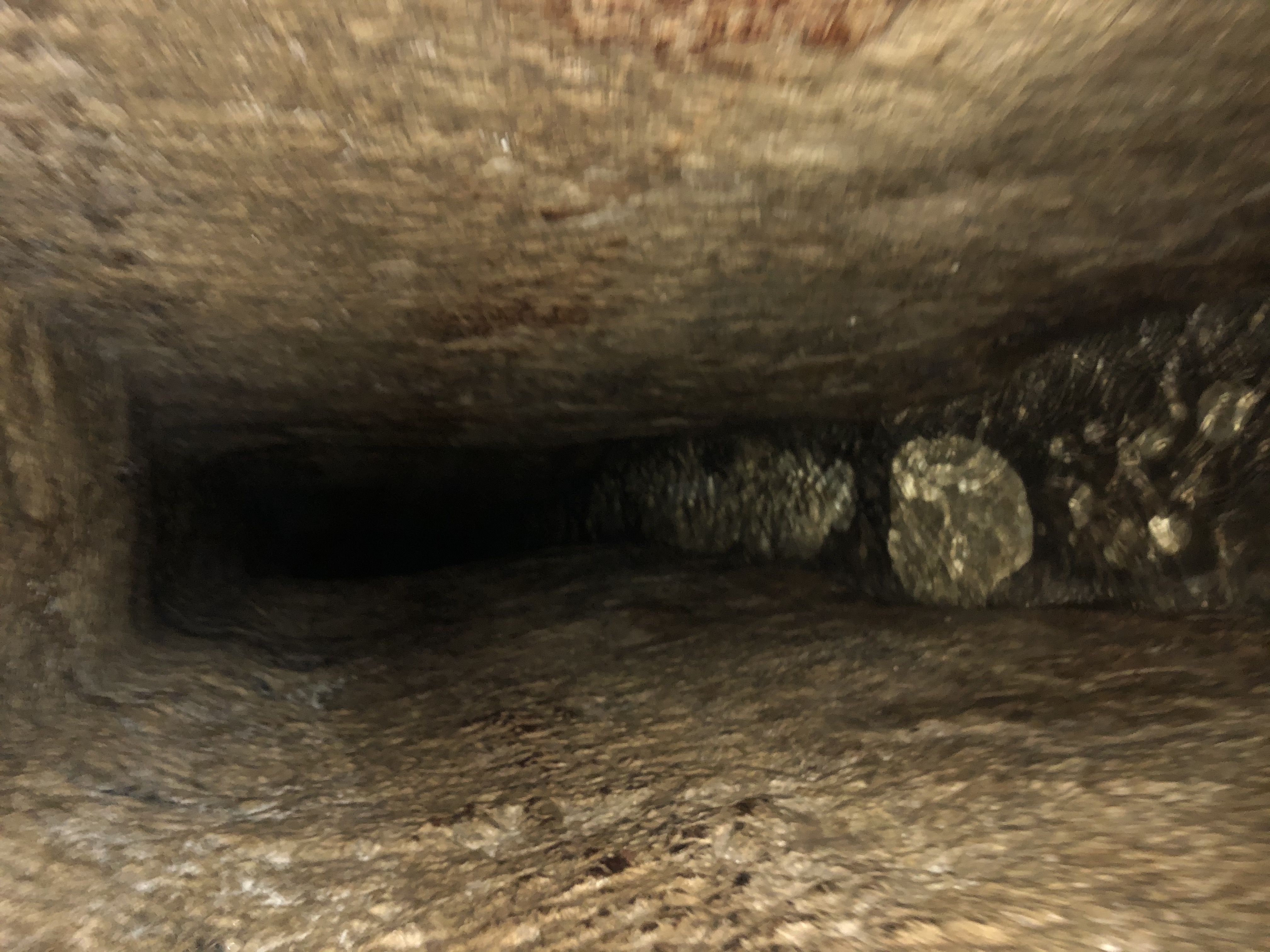
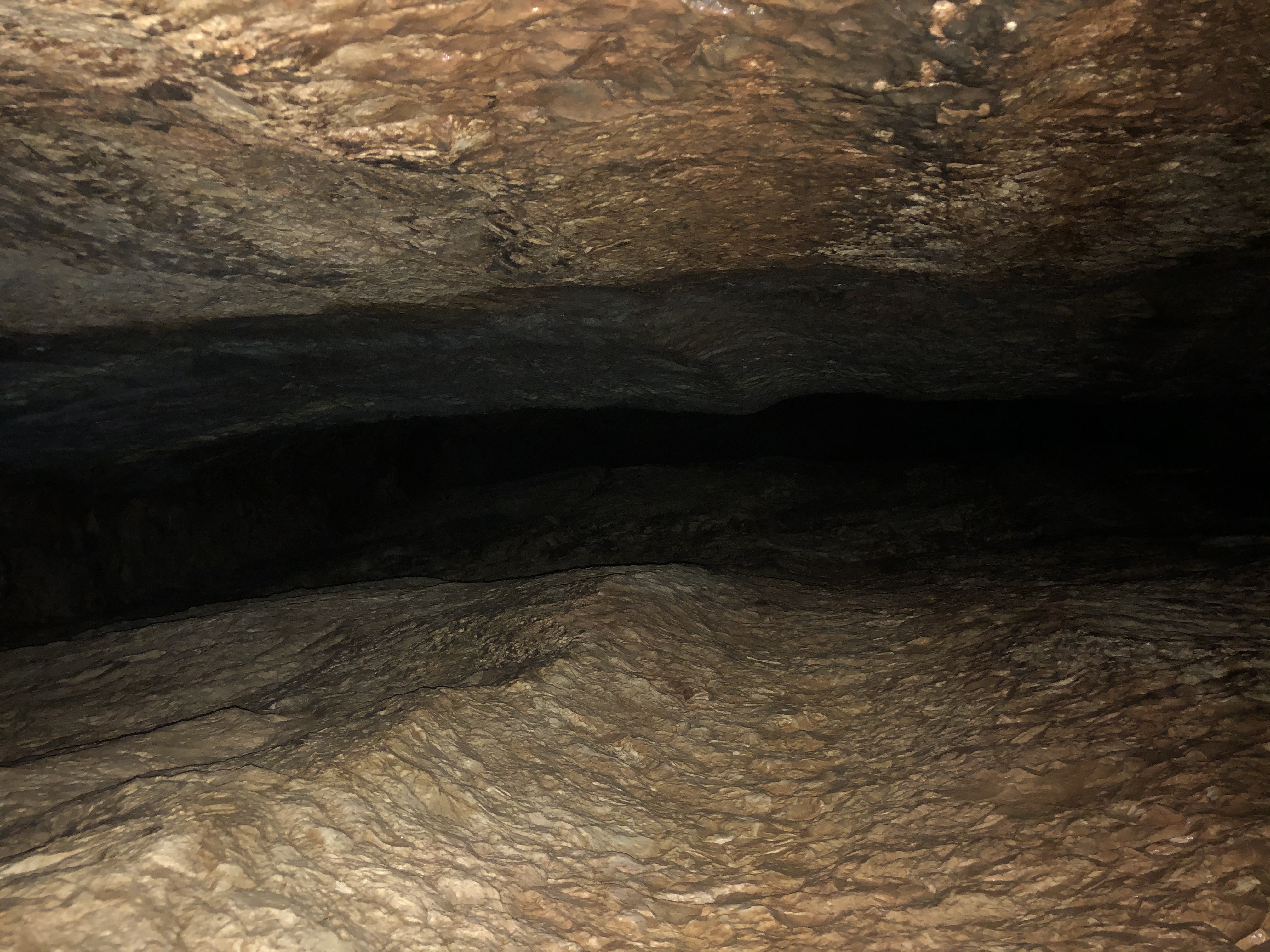
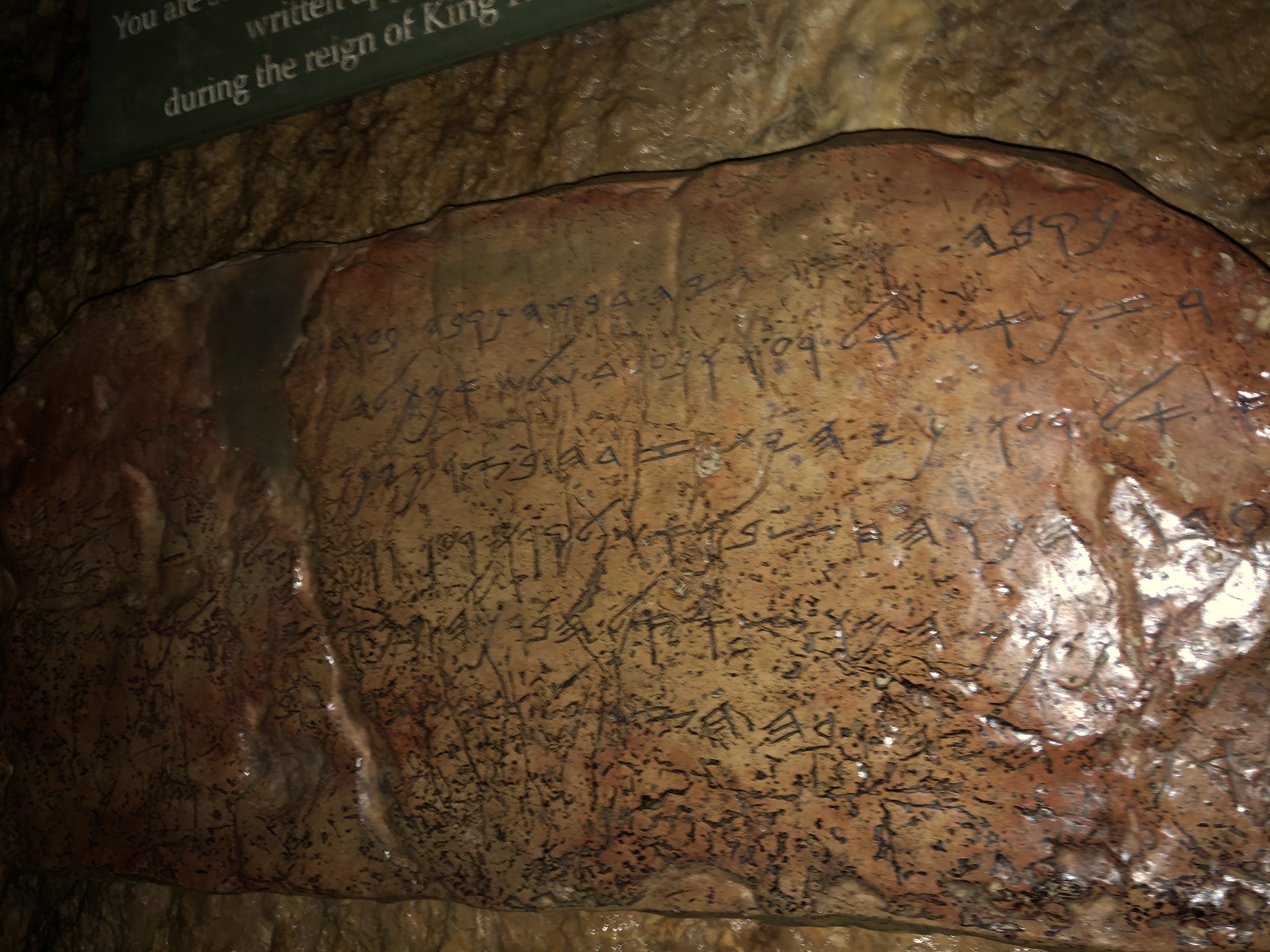
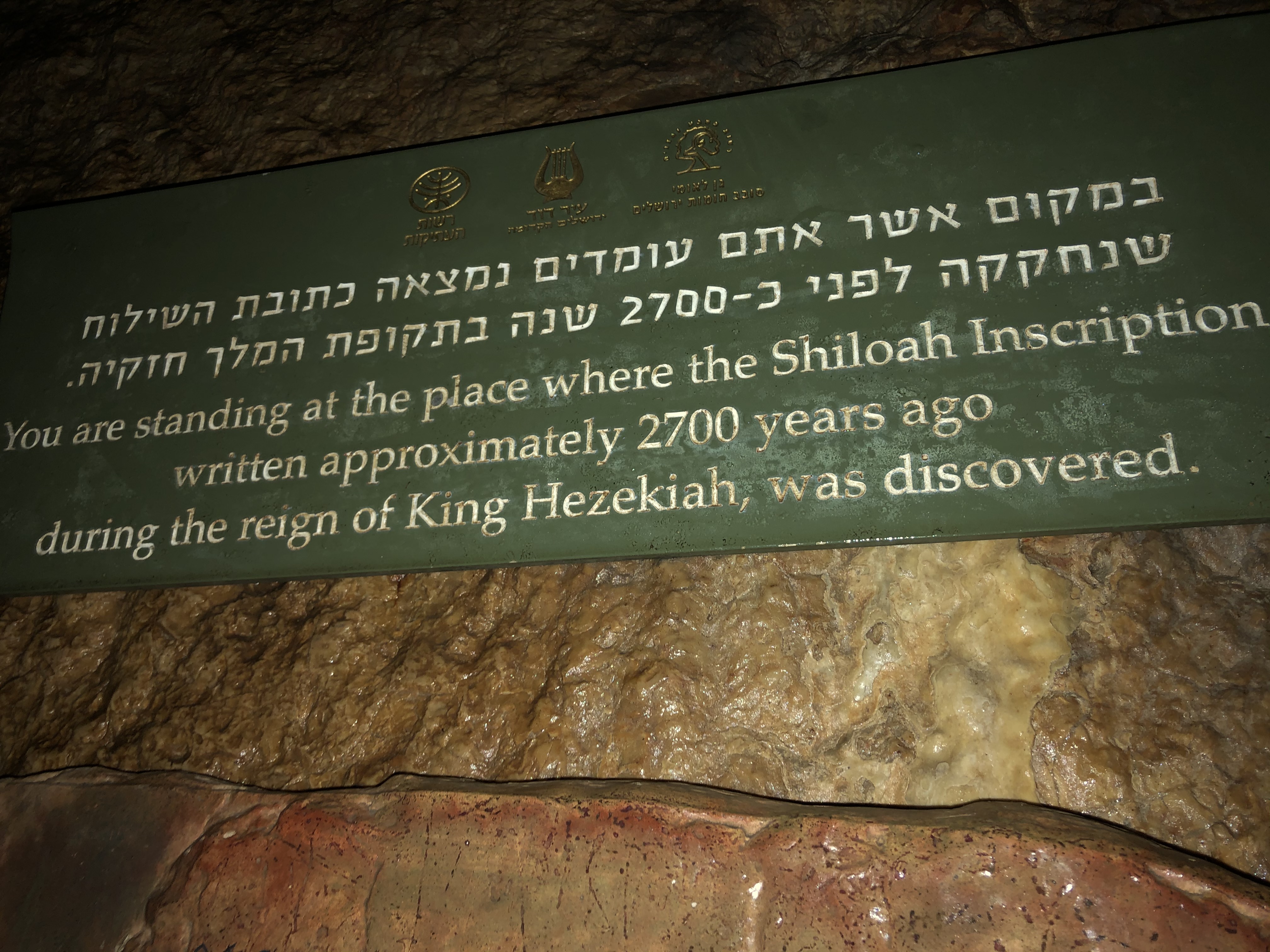
비디오
Hezekiah's Tunnel - Gihon Spring to Siloam Pool
지도
사전에서의 정보
Hezekiah
whom Jehovah has strengthened.
Son of Ahaz (2Kings 18:1; 2Chr 29:1), whom he succeeded on the throne of the kingdom of Judah. He reigned twenty-nine years (B.C. 726-697). The history of this king is contained in (2Kings 18:20; Isa 36:1etc.; 37:1etc.; 38:1etc.; 39:1etc.), and (2Chr 29:1etc.; 30:1etc.; 31:1etc.; 32:1etc.). He is spoken of as a great and good king. In public life he followed the example of his great-granfather Uzziah. He set himself to abolish idolatry from his kingdom, and among other things which he did for this end, he destroyed the "brazen serpent," which had been removed to Jerusalem, and had become an object of idolatrous worship (Num 21:9). A great reformation was wrought in the kingdom of Judah in his day (2Kings 18:4; 2Chr 29:3-36).
On the death of Sargon and the accession of his son Sennacherib to the throne of Assyria, Hezekiah refused to pay the tribute which his father had paid, and "rebelled against the king of Assyria, and served him not," but entered into a league with Egypt (Isa 30:1etc.; 31:1etc.; 36:6-9). This led to the invasion of Judah by Sennacherib (2Kings 18:13-16), who took forty cities, and besieged Jerusalem with mounds. Hezekiah yielded to the demands of the Assyrian king, and agreed to pay him three hundred talents of silver and thirty of gold (2Kings 18:14).
But Sennacherib dealt treacherously with Hezekiah (Isa 33:1), and a second time within two years invaded his kingdom (2Kings 18:17; 2Chr 32:9; Isa 36:1etc.). This invasion issued in the destruction of Sennacherib's army. Hezekiah prayed to God, and "that night the angel of the Lord went out, and smote in the camp of the Assyrians 185,000 men." Sennacherib fled with the shattered remnant of his forces to Nineveh, where, seventeen years after, he was assassinated by his sons Adrammelech and Sharezer (2Kings 19:37). (See SENNACHERIB)
The narrative of Hezekiah's sickness and miraculous recovery is found in (2Kings 20:1; 2Chr 32:24; Isa 38:1). Various ambassadors came to congratulate him on his recovery, and among them Merodach-baladan, the viceroy of Babylon (2Chr 32:23; 2Kings 20:12). He closed his days in peace and prosperity, and was succeeded by his son Manasseh. He was buried in the "chiefest of the sepulchres of the sons of David" (2Chr 32:27-33). He had "after him none like him among all the kings of Judah, nor any that were before him" (2Kings 18:5). (See ISAIAH)
EBD - Easton's Bible Dictionary