Danas
Aprašymas
Dan
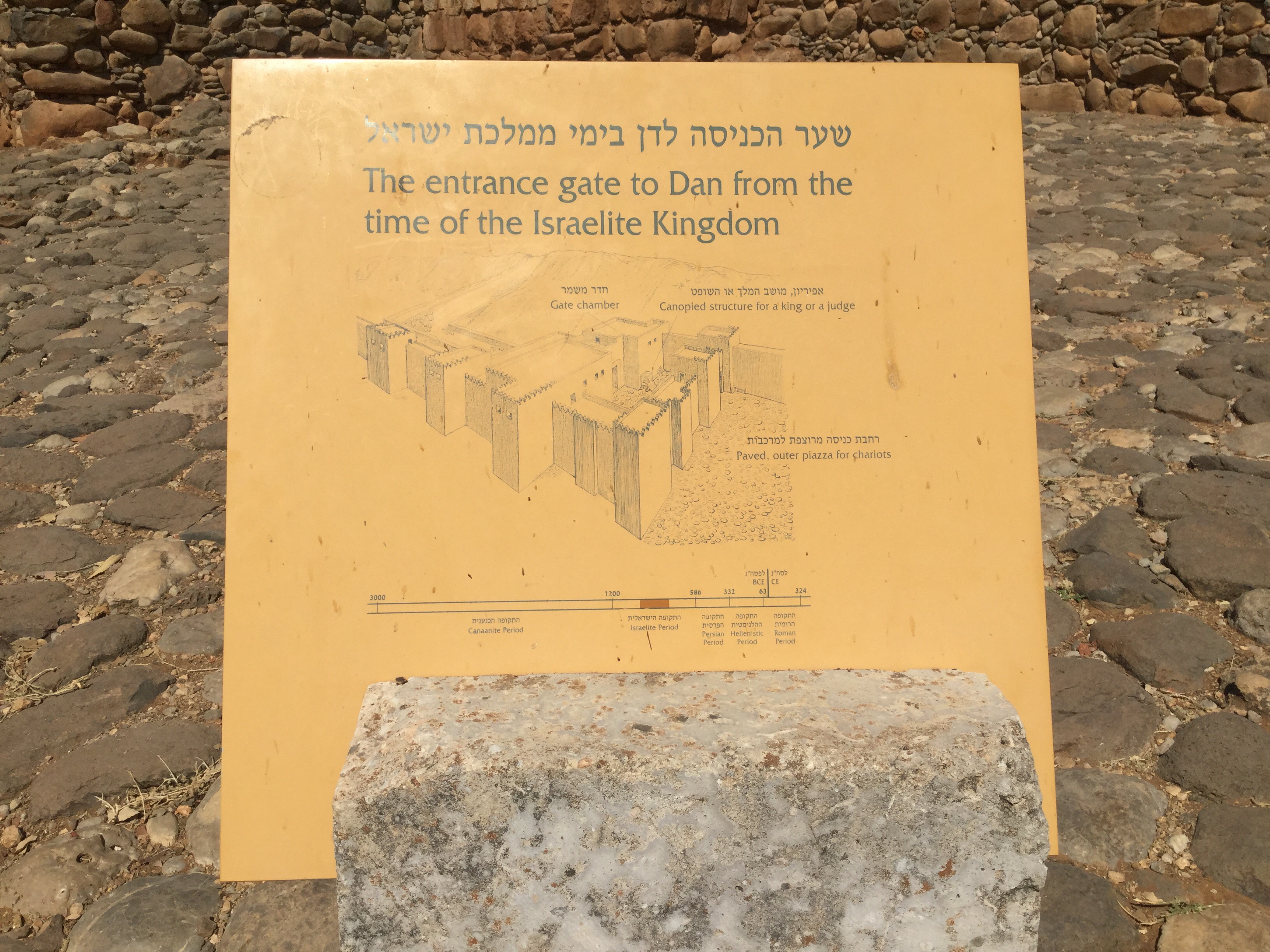
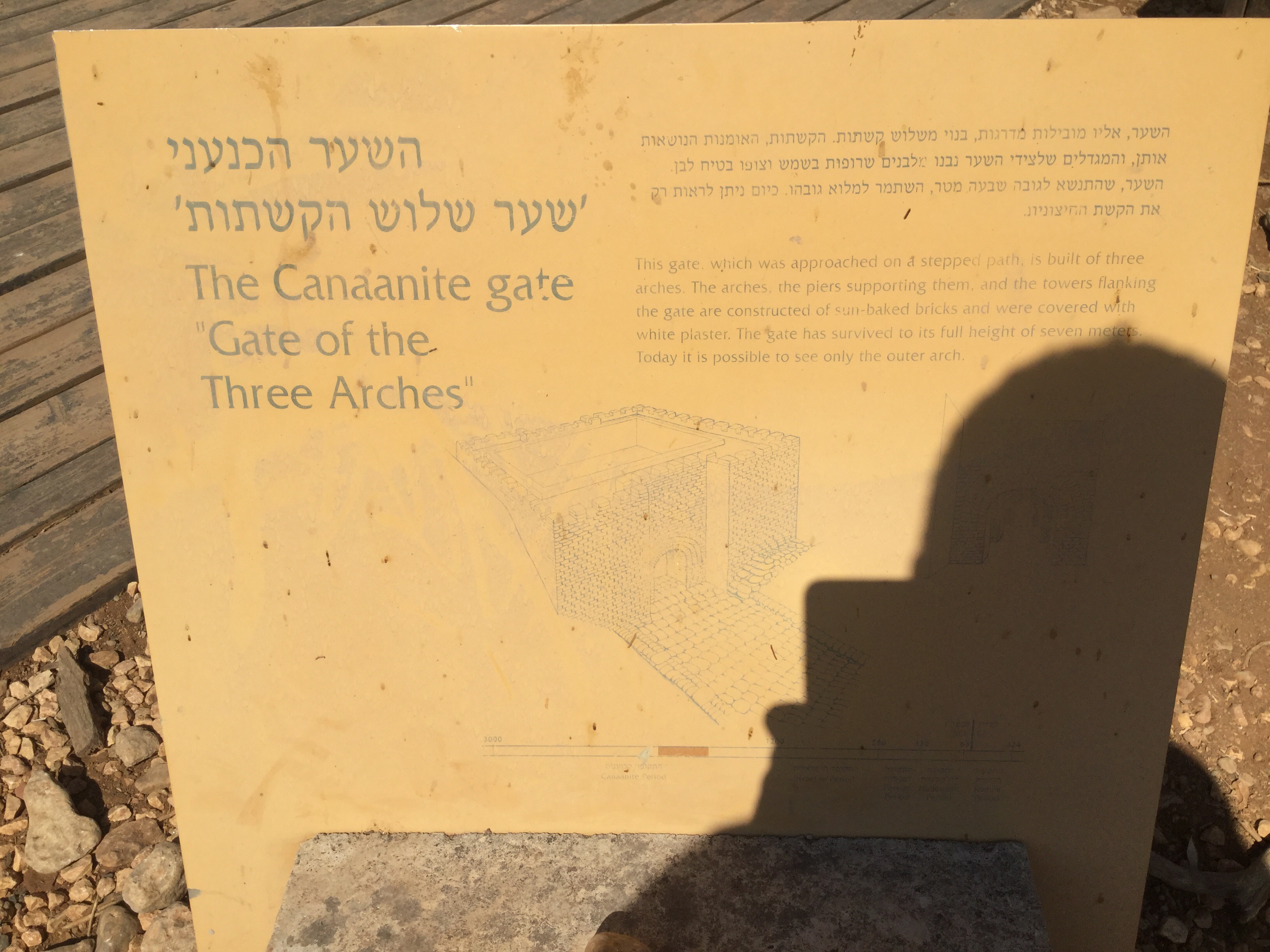
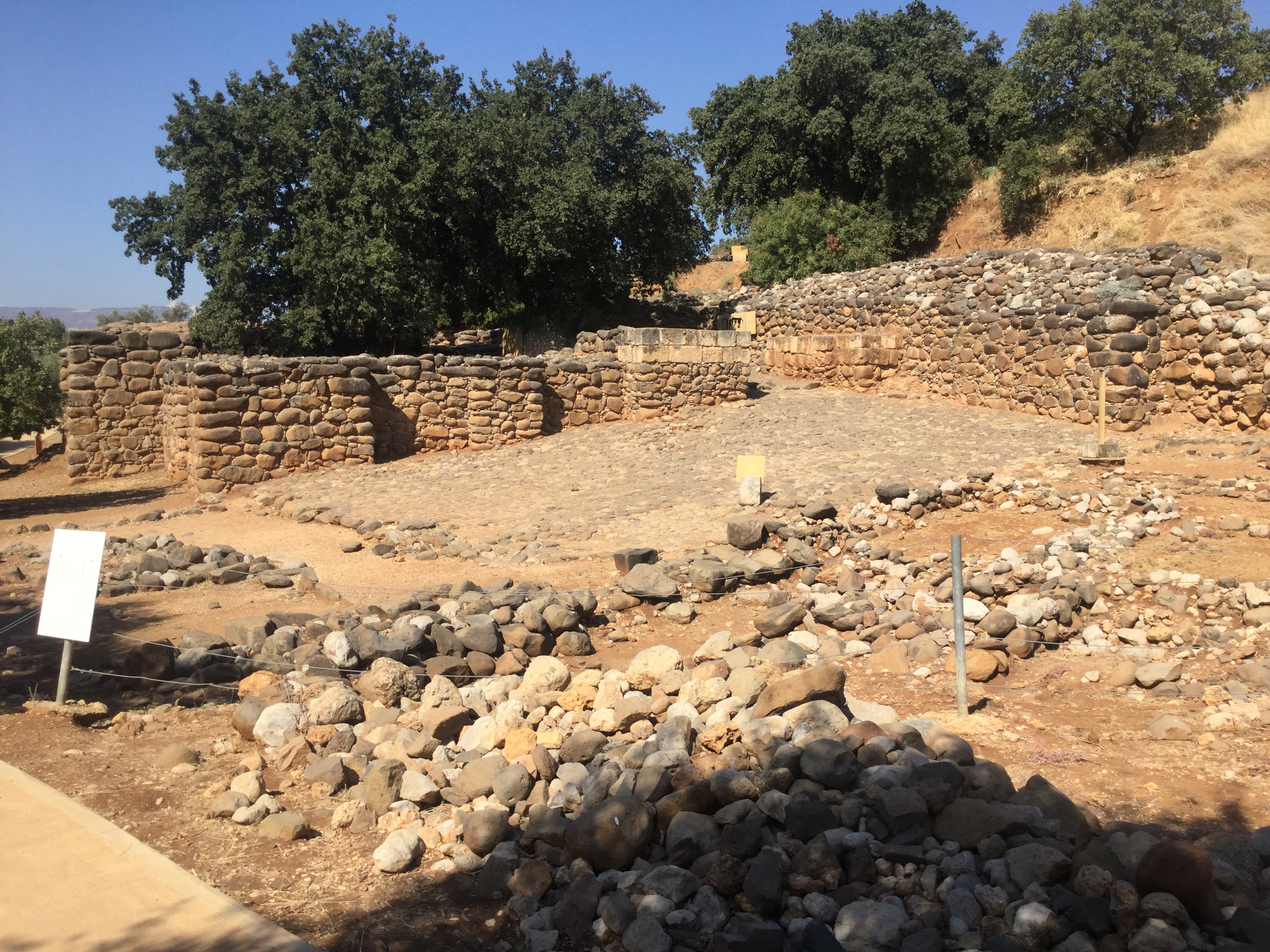
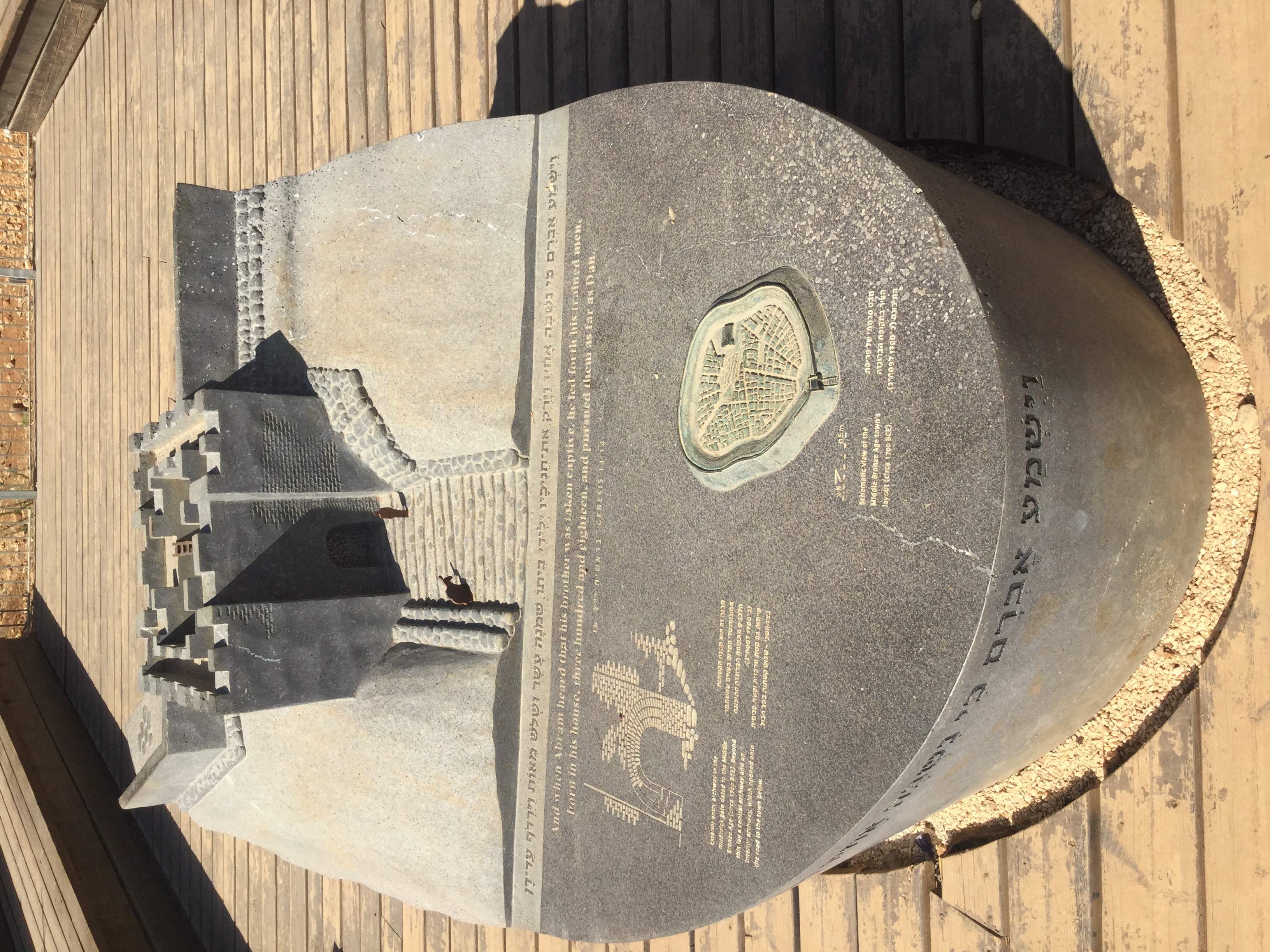
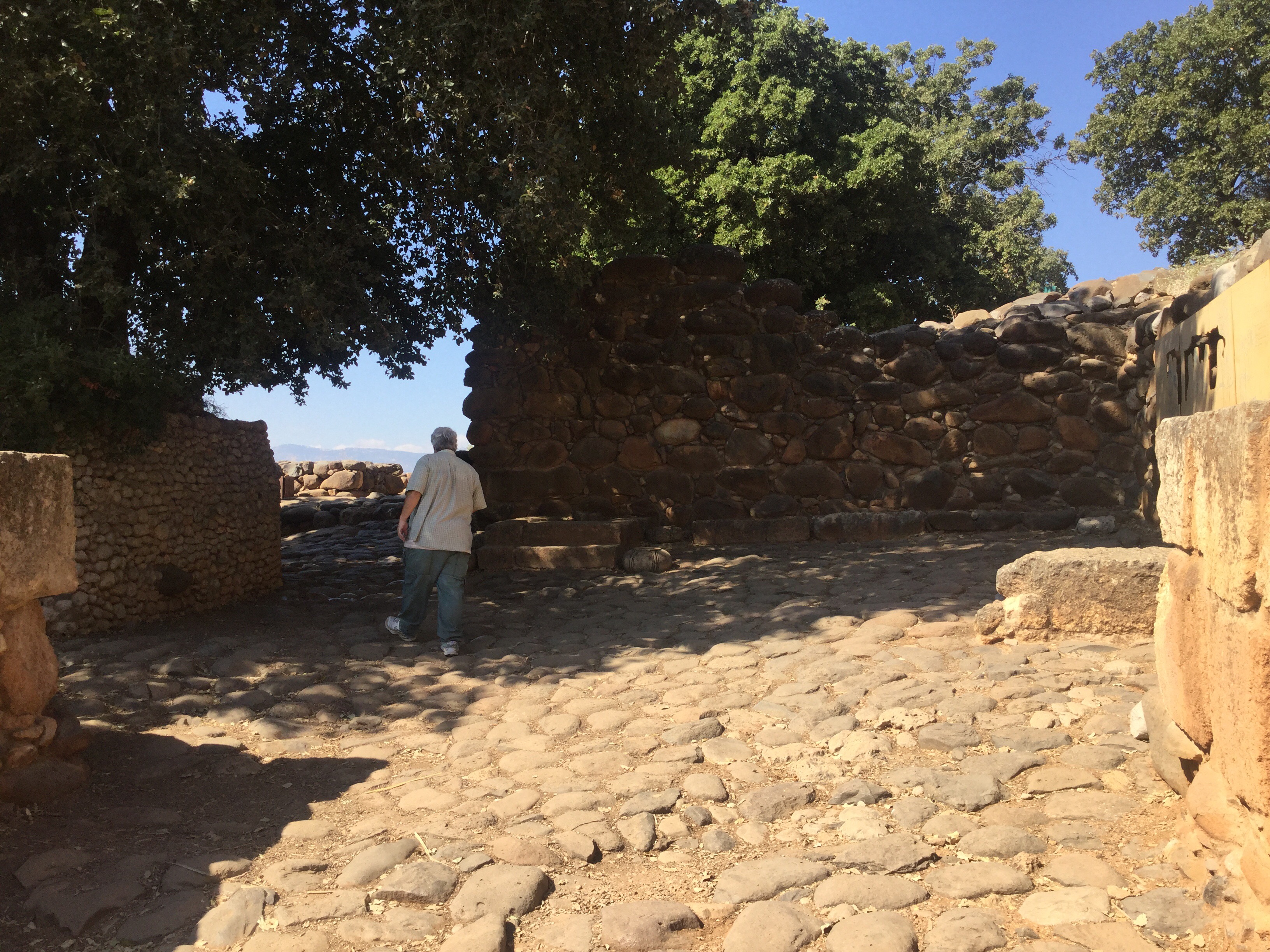
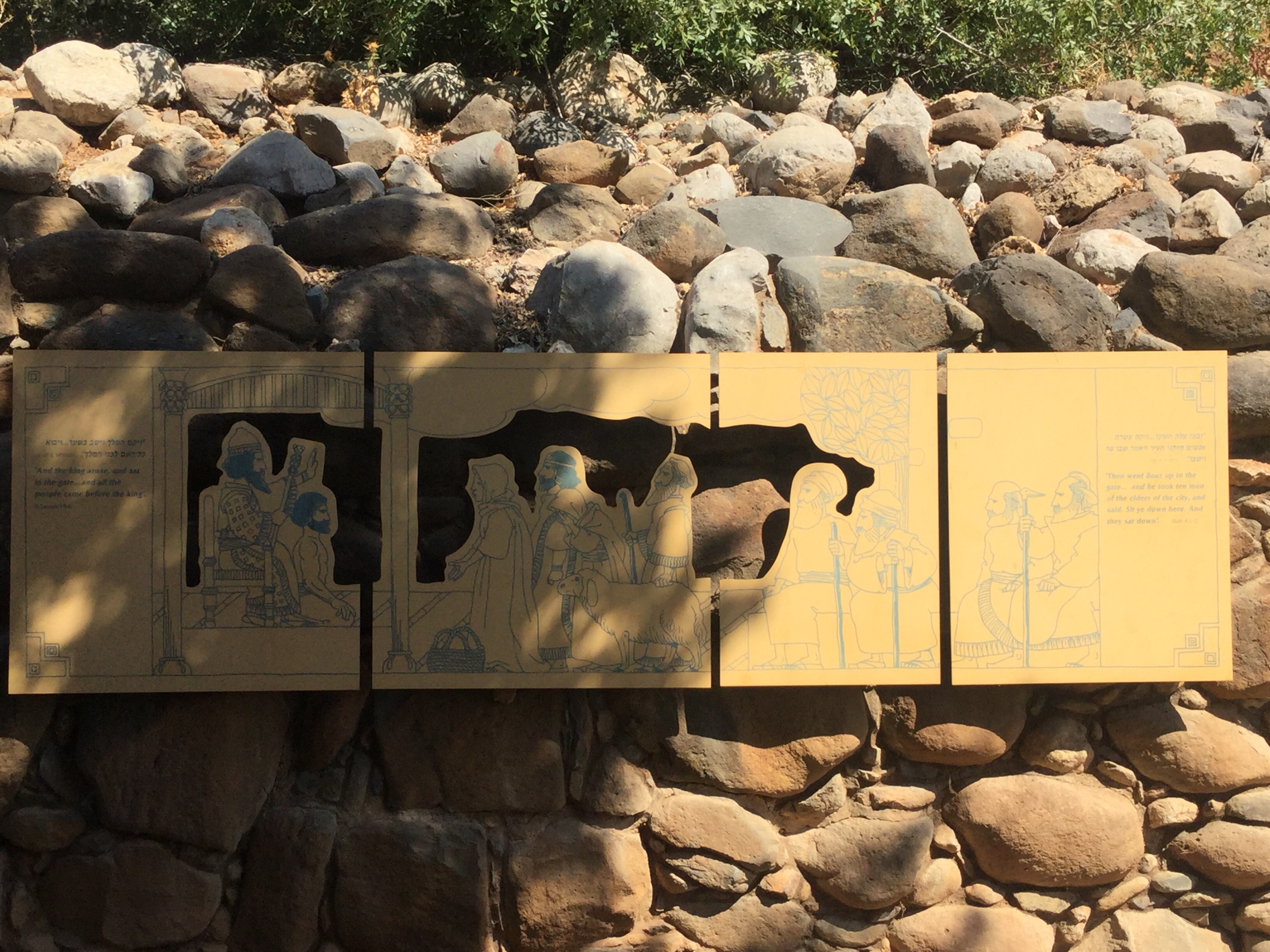
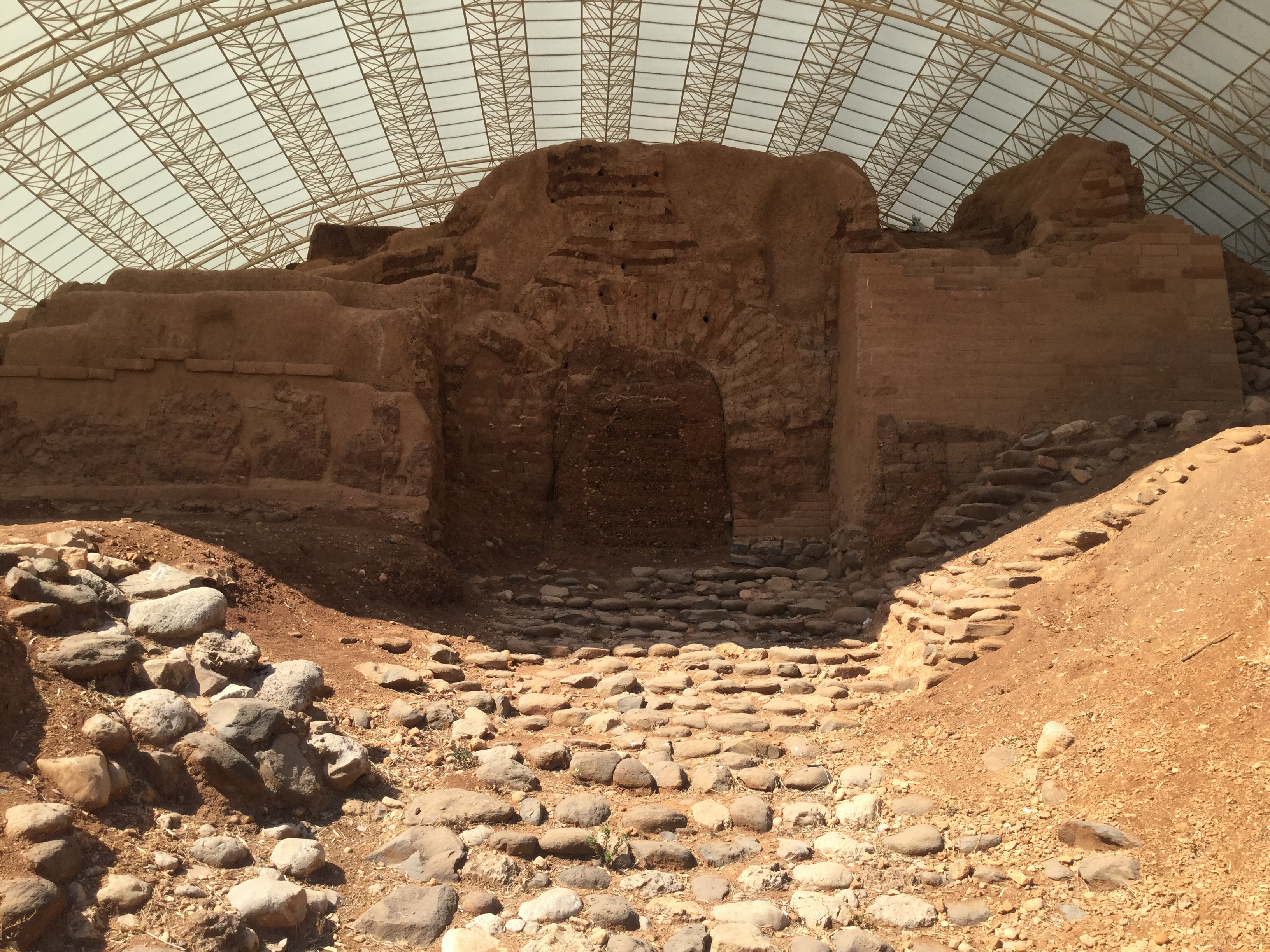
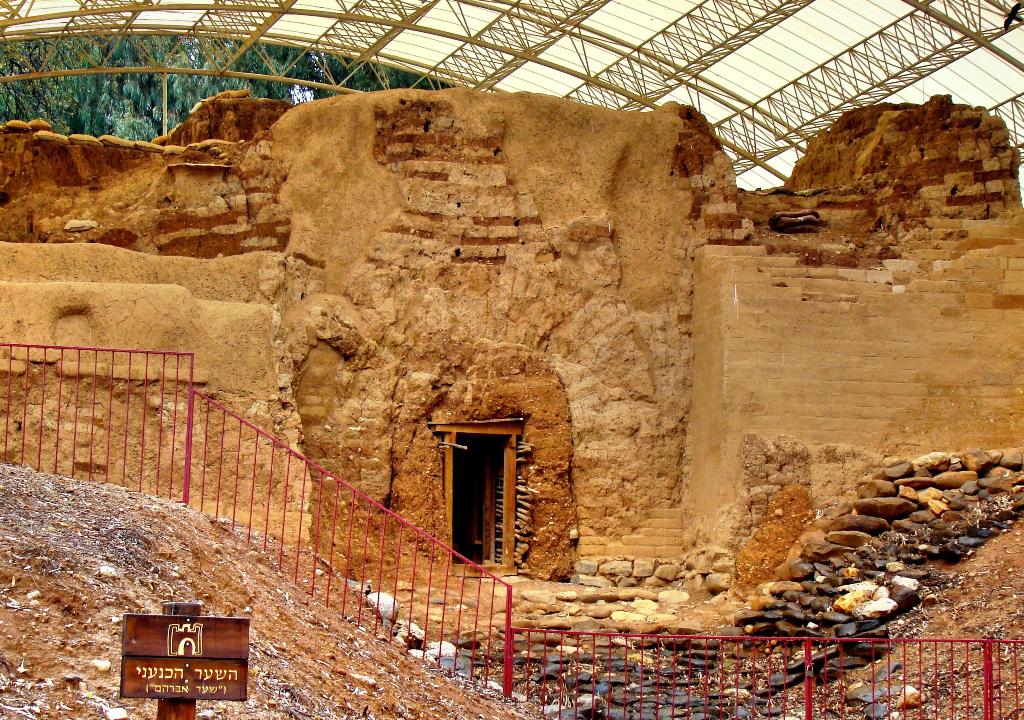
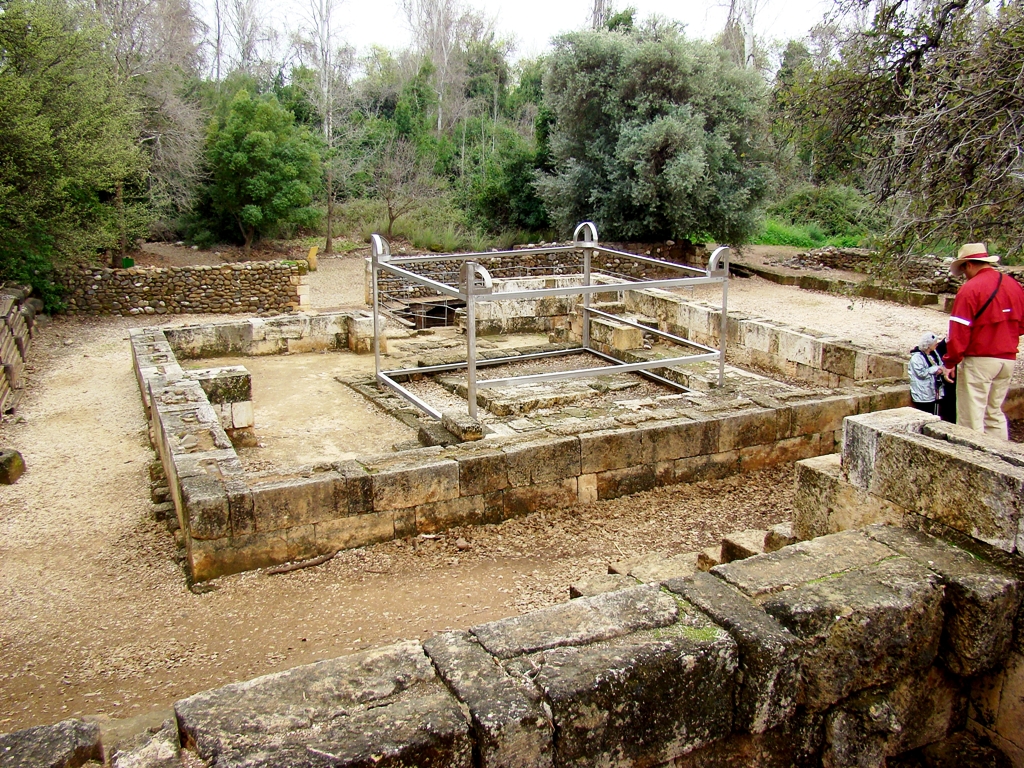
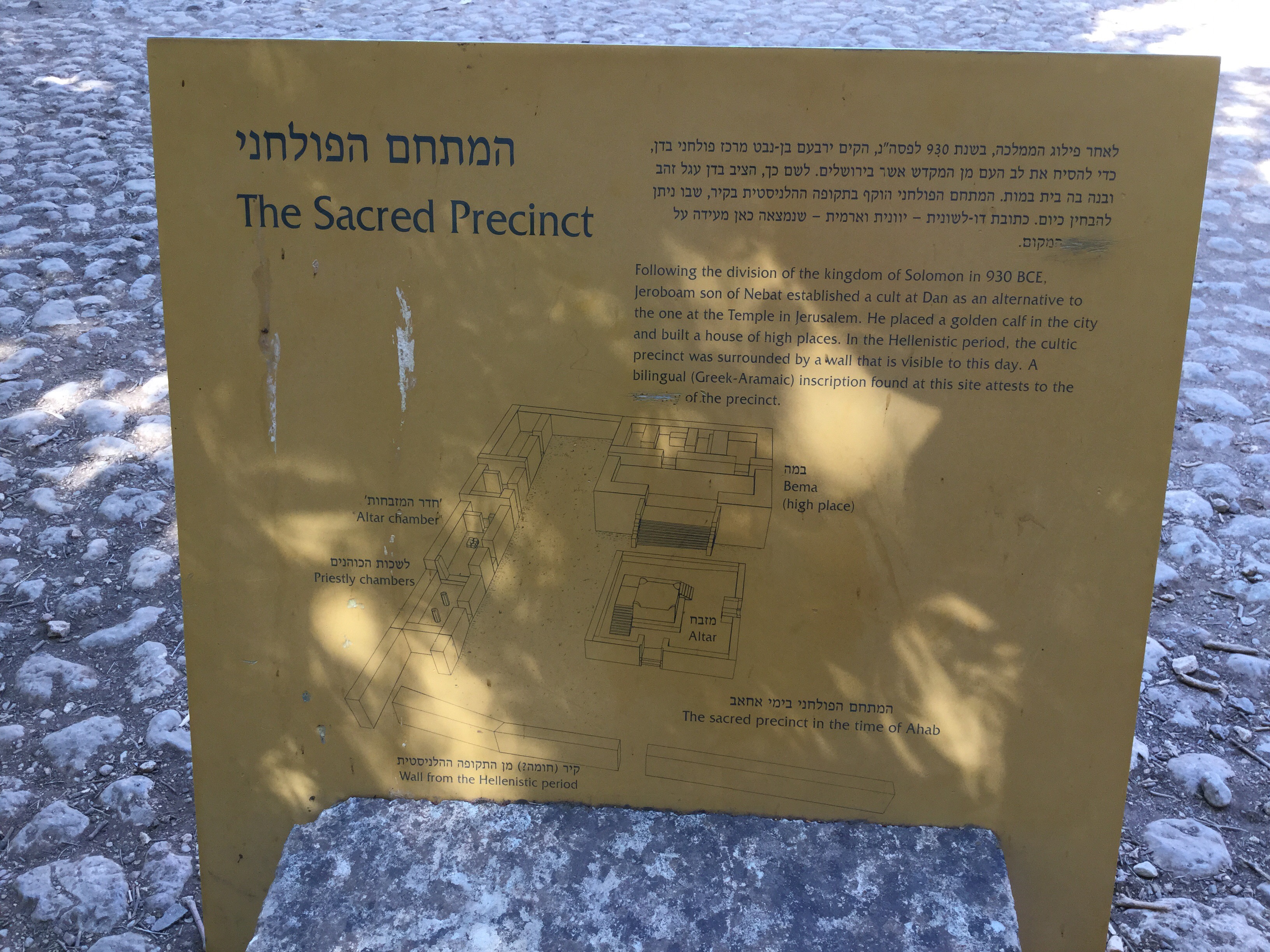
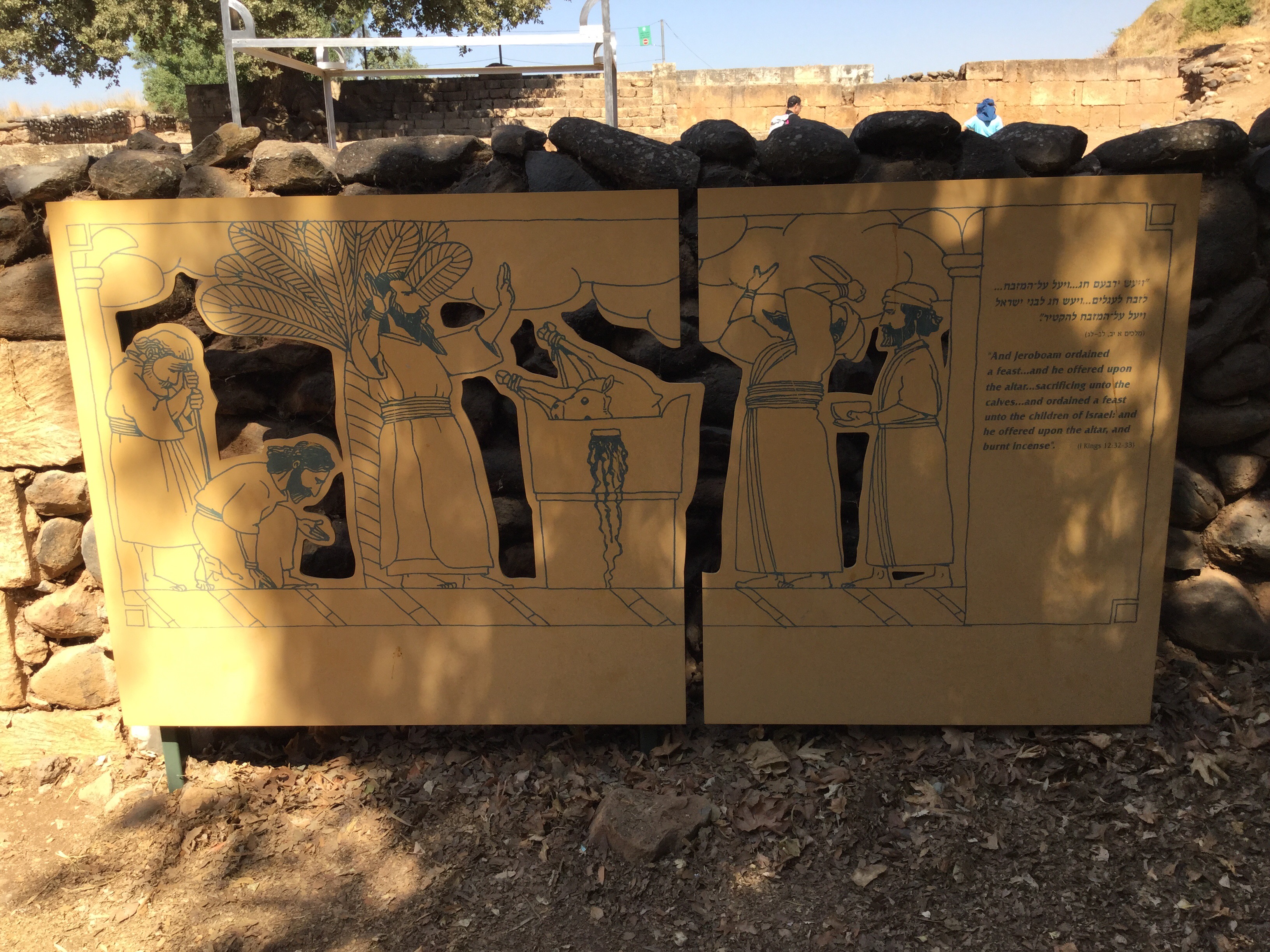
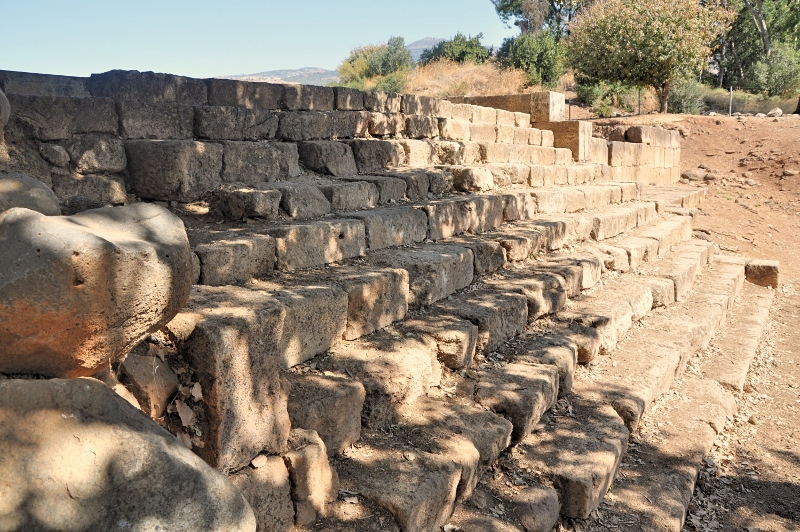
[Gn 14:14] Kai Abraomas išgirdo, kad jo brolis buvo paimtas į nelaisvę, jis išvedė tris šimtus aštuoniolika savo namuose gimusių ir apmokytų vyrų ir vijosi užpuolikus iki Dan.
nuorodos
Street View
nuotraukos
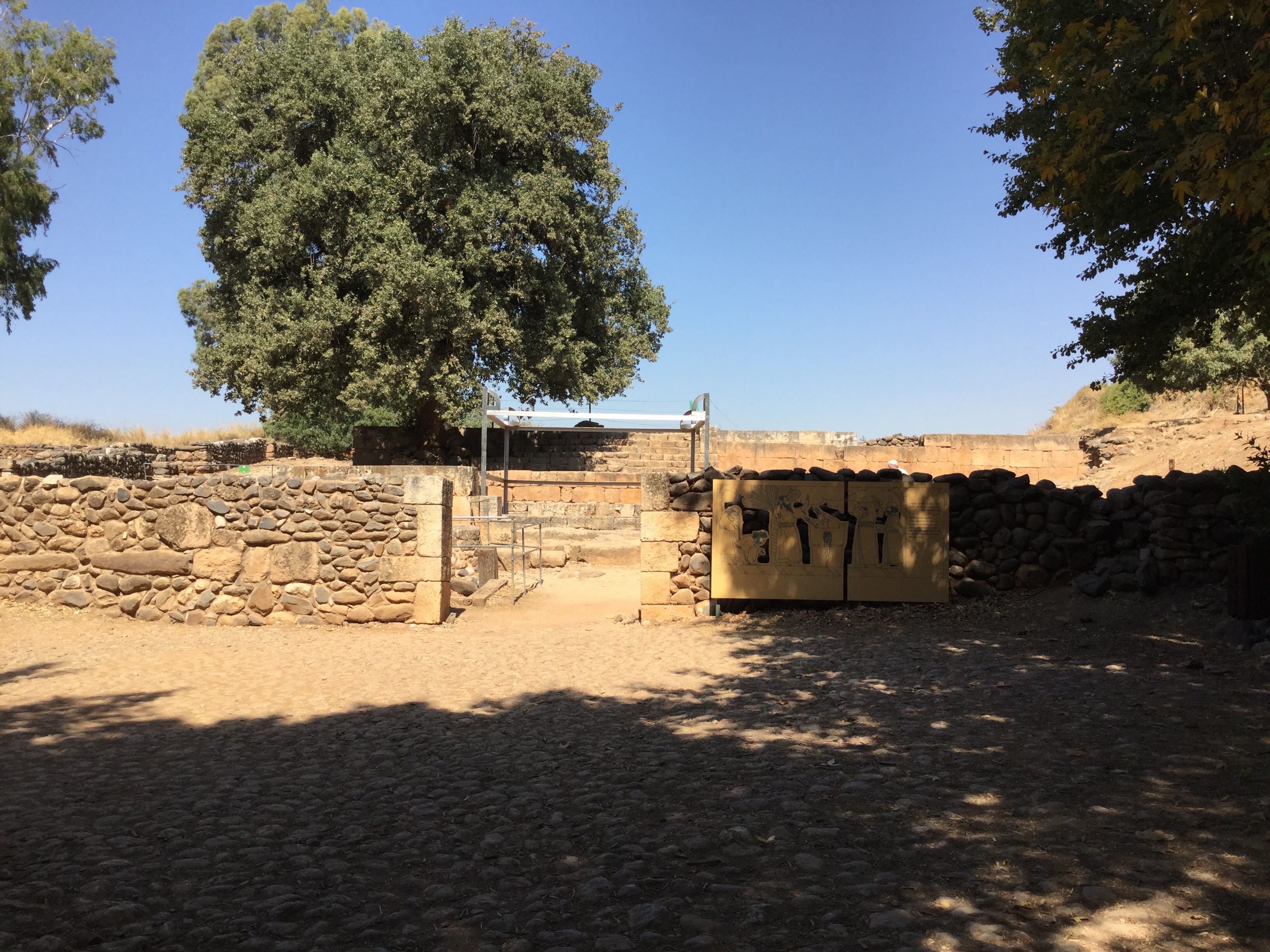
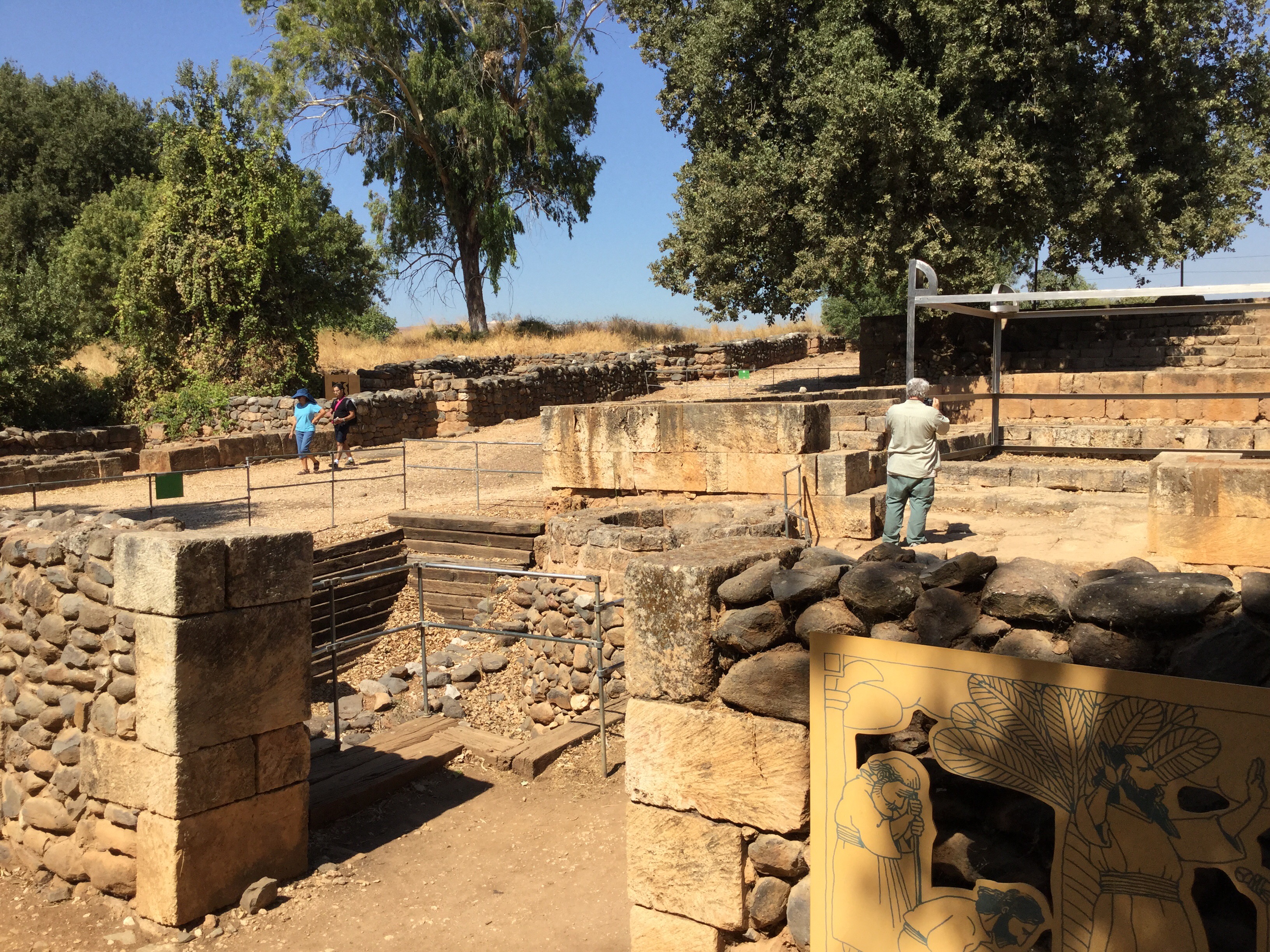
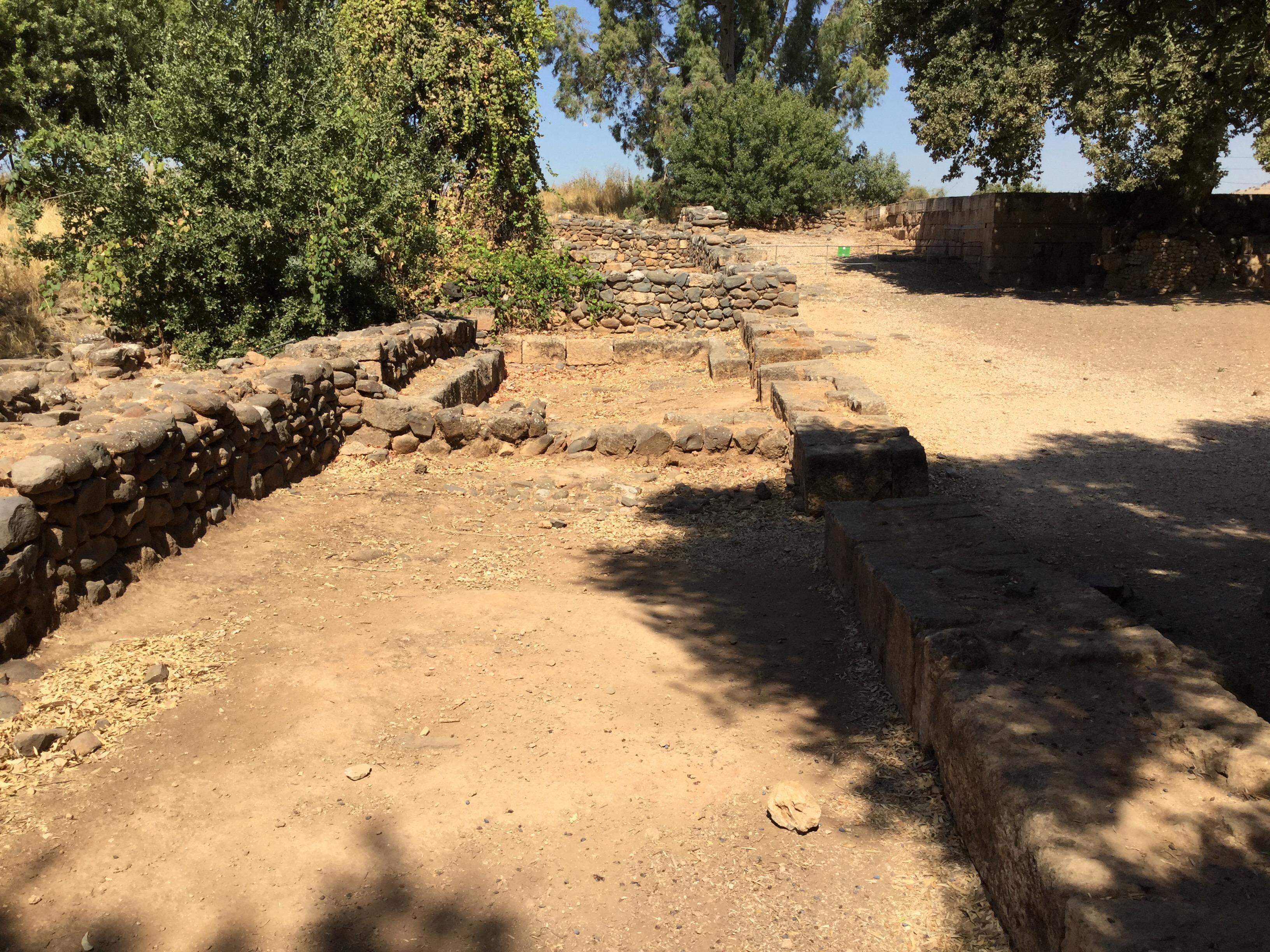
vaizdo įrašas
Tel Dan Tour, Israel: Fall of Northern 10 Tribes of Israel, Jeroboam Golden Calf Altar
Tel Dan Tour, Israel: Part 1: Fall of the Northern 10 Tribes of Israel, Jeroboam's Golden Calf Altar
Tel Dan Tour, Israel: Part 2: Fall of the Northern 10 Tribes of Israel, Jeroboam's Golden Calf Altar
The Tel Dan Stele: A Good Answers Ministries Christian Apologetics Video One of the Good Answers series, this video tells of the discovery of the inscription at Tel Dan that includes the first ancient extrabiblical mention of the "House of David.' Though its authenticity was challenged at first, the accumulated evidence has shown that the inscription is genuine.
Tel Dan Stele - Evidence of King David?
The Ancient Gate at Tel Dan
Tel Dan - Biblical Tour of Israel 2019
Tel Dan - 2nd Golden Calf Site Tour
artefaktai
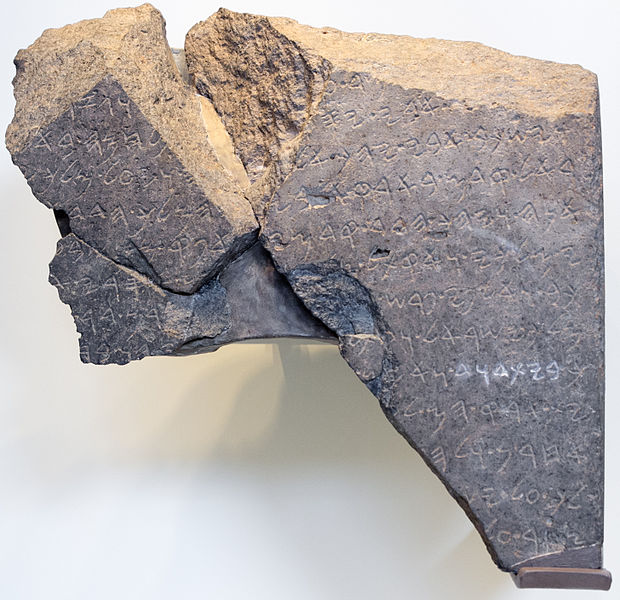
Tel Dano stela
Tel Dano stela yra fragmentinė stela, turinti kanaaniečių įrašą, datuojamą IX a. pr. Kr. Ji yra žymi dėl to, kad galbūt yra reikšmingiausias ir galbūt vienintelis nebiblinis archeologinis nuorodas į Dovydo namus.
Tel Dano stela buvo atrasta 1993 metais Tel-Dane, Gilai Cook, archeologinės komandos, vadovaujamos Avrahamo Birano, narei. Jos dalys buvo panaudotos senovinei akmeninei sienai statyti, kuri išliko iki šių laikų. Stela turi kelias aramėjų kalbos eilutes, kurios yra glaudžiai susijusios su hebrajų kalba ir istoriškai buvo bendra kalba tarp žydų. Išlikęs įrašas detalizuoja, kad asmuo nužudė Izraelio Jehoramą, Ahabo sūnų ir Dovydo namų karalių. Šie raštai patvirtina Biblijos ištraukas, nes Antrojoje Karalių knygoje minima, kad Jehoramas, taip pat žinomas kaip Joramas, yra Izraelio karaliaus Ahabo ir jo finikietės žmonos Jezabelės sūnus. Taikant biblinį požiūrį į įrašą, tikėtinas kandidatas, kuris galėjo pastatyti stelą, yra Hazaelis, aramėjų karalius (kurio kalba būtų buvusi aramėjų), kuris minimas Antrojoje Karalių knygoje kaip užkariavęs Izraelio žemę, nors jam nepavyko užimti Jeruzalės. Stela šiuo metu eksponuojama Izraelio muziejuje ir yra žinoma kaip KAI 310.
Vikipedija
Žemėlapis
informacija iš žodyno
Dan
a judge.
(1.) The fifth son of Jacob. His mother was Bilhah, Rachel's maid [(Gen 30:6), "God hath judged me", Heb. dananni]. The blessing pronounced on him by his father was, "Dan shall judge his people" (Gen 49:16), probably in allusion to the judgeship of Samson, who was of the tribe of Dan.
The tribe of Dan had their place in the march through the wilderness on the north side of the tabernacle (Num 2:25; 2:31; 10:25). It was the last of the tribes to receive a portion in the Land of Promise. Its position and extent are described in (Josh 19:40-48).
The territory of Dan extended from the west of that of Ephraim and Benjamin to the sea. It was a small territory, but was very fertile. It included in it, among others, the cities of Lydda, Ekron, and Joppa, which formed its northern boundary. but this district was too limited. "Squeezed into the narrow strip between the mountains and the sea, its energies were great beyond its numbers." Being pressed by the Amorites and the Philistines, whom they were unable to conquer, they longed for a wider space. They accordingly sent out five spies from two of their towns, who went north to the sources of the Jordan, and brought back a favourable report regarding that region. "Arise," they said, "be not slothful to go, and to possess the land," for it is "a place where there is no want of any thing that is in the earth" (Judg 18:10). On receiving this report, 600 Danites girded on their weapons of war, and taking with them their wives and their children, marched to the foot of Hermon, and fought against Leshem, and took it from the Sidonians, and dwelt therein, and changed the name of the conquered town to Dan (Josh 19:47). This new city of Dan became to them a new home, and was wont to be spoken of as the northern limit of Palestine, the length of which came to be denoted by the expression "from Dan to Beersheba", i.e., about 144 miles.
"But like Lot under a similar temptation, they seem to have succumbed to the evil influences around them, and to have sunk down into a condition of semi-heathenism from which they never emerged. The mounds of ruins which mark the site of the city show that it covered a considerable extent of ground. But there remains no record of any noble deed wrought by the degenerate tribe. Their name disappears from the roll-book of the natural and the spiritual Israel.", Manning's Those Holy Fields.
This old border city was originally called Laish. Its modern name is Tell el-Kady, "Hill of the Judge." It stands about four miles below Caesarea Philippi, in the midst of a region of surpassing richness and beauty.
(2.) This name occurs in (Ezek 27:19), Authorize Version; but the words there, "Dan also," should be simply, as in the Revised Version, "Vedan," an Arabian city, from which various kinds of merchandise were brought to Tyre. Some suppose it to have been the city of Aden in Arabia. (See MAHANEH-DAN)
EBD - Easton's Bible Dictionary