Jėzaus Kristaus kapas
Aprašymas
Golgota
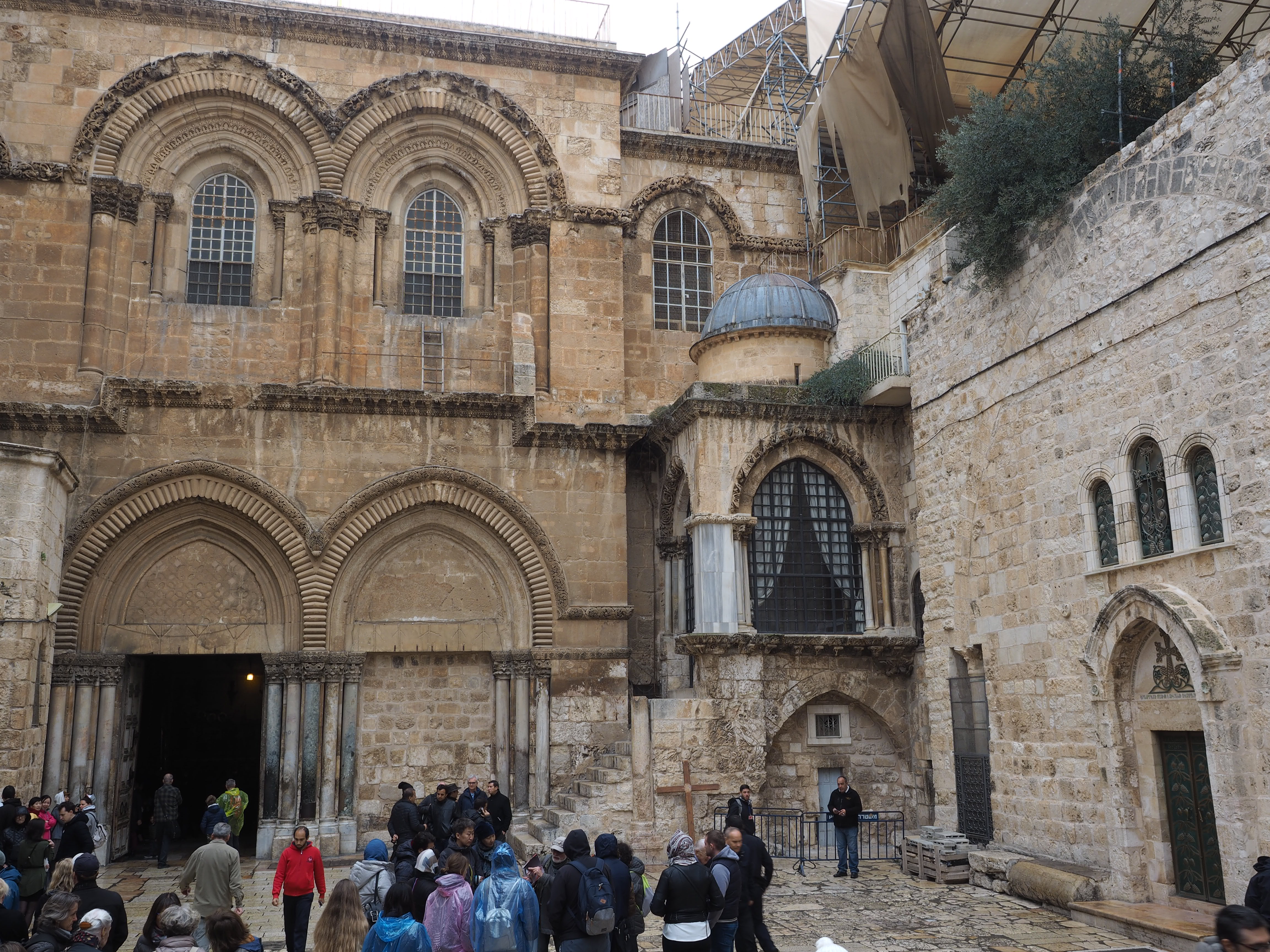
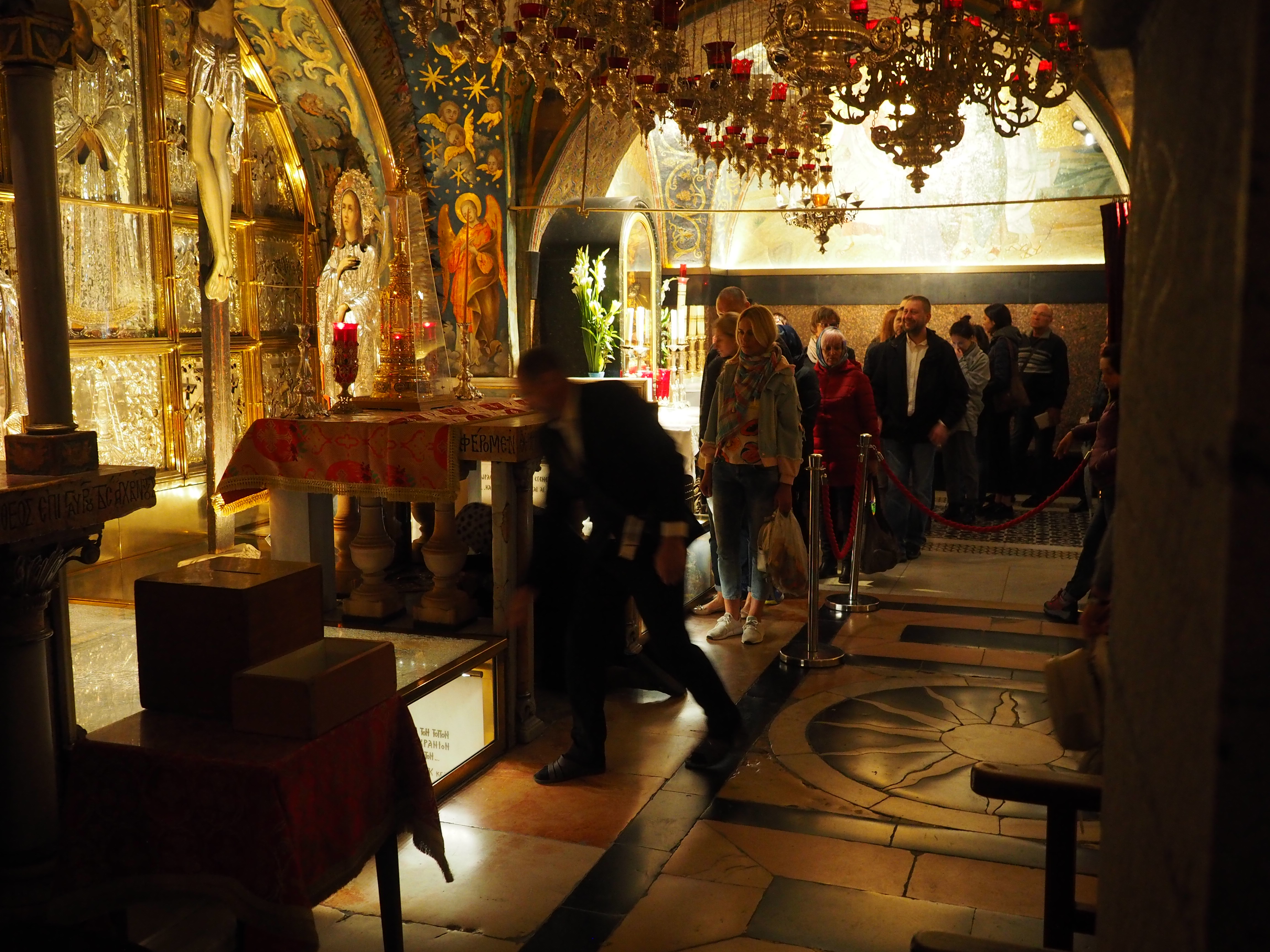
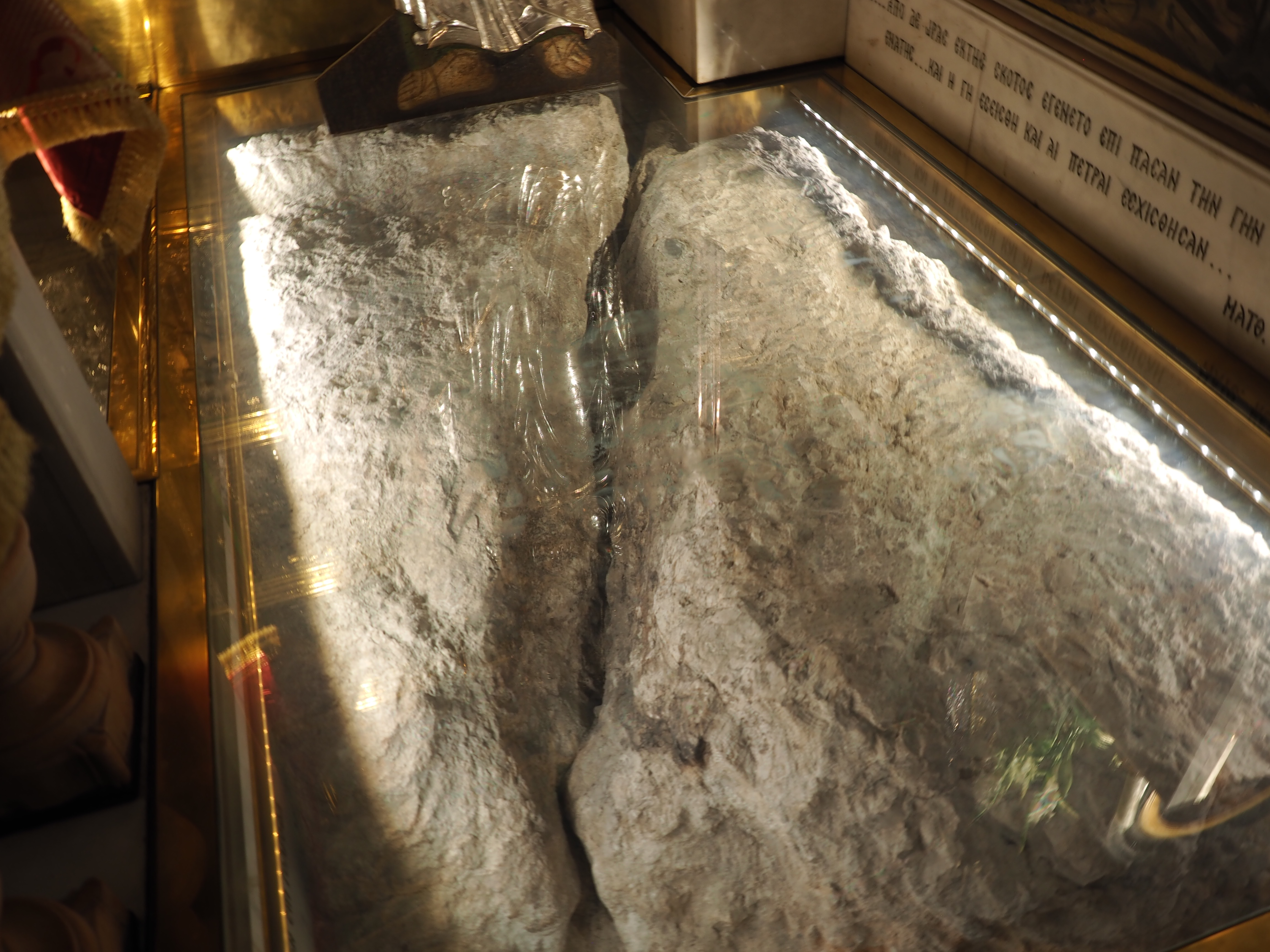
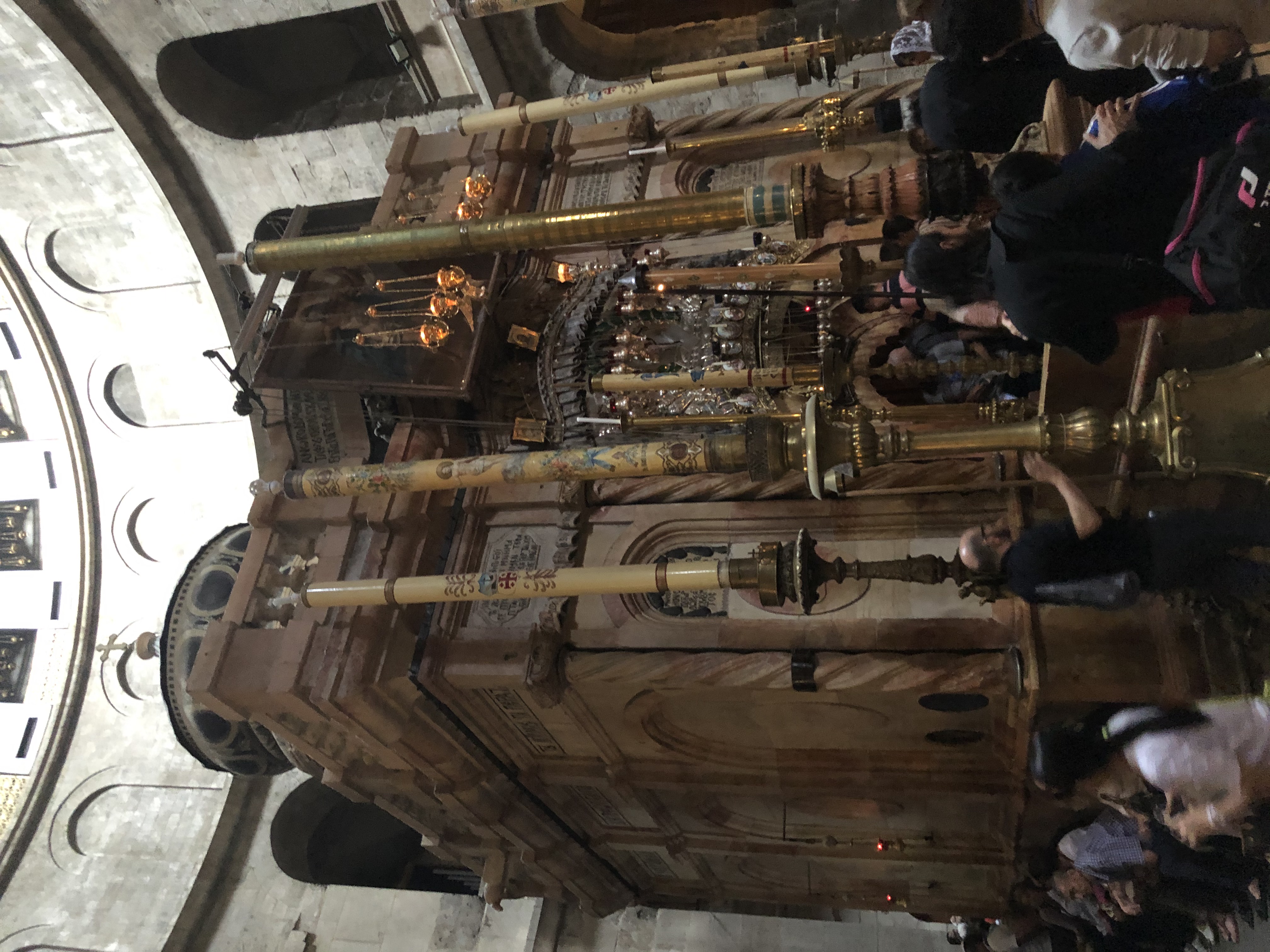
tai įprastas pavadinimas vietos, kur buvo nukryžiuotas Jėzus. Evangelistai tai interpretuoja kaip „kaukolės vietą“ [Mt 27:33 ; Mk 15:22 ; Jn 19:17 ]. Šis pavadinimas graikiškomis raidėmis atspindi aramėjišką žodį Gulgaltha, kuris yra hebrajiškas Gulgoleth [Sk 1:2 ; 1 Met 23:3, 24; 2 Kar 9:35], reiškiantis „kaukolė“. Tai yra tapatinama su žodžiu Kalvarija (žr.). Tai buvo nedidelė kalva, apvali kaip plika kaukolė. Iš evangelistų aišku, kad tai buvo gerai žinoma vieta už miesto vartų (palyginkite [Hbr 13:12 ]), netoli miesto [Lk 23:26 ], turinti „sodą“ [Jn 19:41 ], ir esanti prie kelio, vedančio į kaimą. Todėl yra nepagrįsta idėja, kad ji yra dabartinės „Šventojo Kapo bažnyčios“ viduje. Kalva virš Jeremijo grotos, į šiaurę nuo miesto, tikriausiai yra tikroji Kalvarijos vieta. Kaukolės formos uolos išvaizda pietinėje kalvos atodangoje yra labai įspūdinga.
nuorodos
Street View
nuotraukos
vaizdo įrašas
Church of Holy Sepulchre History
Church of Holy Sepulchre History, Death, Burial, Resurrection of Jesus Christ, Golgotha, Calvary
Church of Holy Sepulchre History Part 2: Death, Burial, Resurrection of Christ, Golgotha, Calvary
A Video Tour inside The Church of the Holy Sepulchre in Jerusalem
Jesus' Tomb Explained--the evidence & the story!
Where Jesus Was Crucified: The archaeological evidence!
Archaeological Proof for the Crucifixion and Burial Tomb of Jesus Christ. Joel Kramer, SourceFlix.
Žemėlapis
informacija iš žodyno
Golgotha
the common name of the spot where Jesus was crucified. It is interpreted by the evangelists as meaning "the place of a skull" (Matt 27:33; Mark 15:22; John 19:17). This name represents in Greek letters the Aramaic word Gulgaltha, which is the Hebrew Gulgoleth (Num 1:2; 1Chr 23:3; 23:24; 2Kings 9:35), meaning "a skull." It is identical with the word Calvary (q.v.). It was a little knoll rounded like a bare skull. It is obvious from the evangelists that it was some well-known spot outside the gate [comp. (Heb 13:12)], and near the city (Luke 23:26), containing a "garden" (John 19:41), and on a thoroughfare leading into the country. Hence it is an untenable idea that it is embraced within the present "Church of the Holy Sepulchre." The hillock above Jeremiah's Grotto, to the north of the city, is in all probability the true site of Calvary. The skull-like appearance of the rock in the southern precipice of the hillock is very remarkable.
EBD - Easton's Bible Dictionary