Cēzareja Filipi
Apraksts
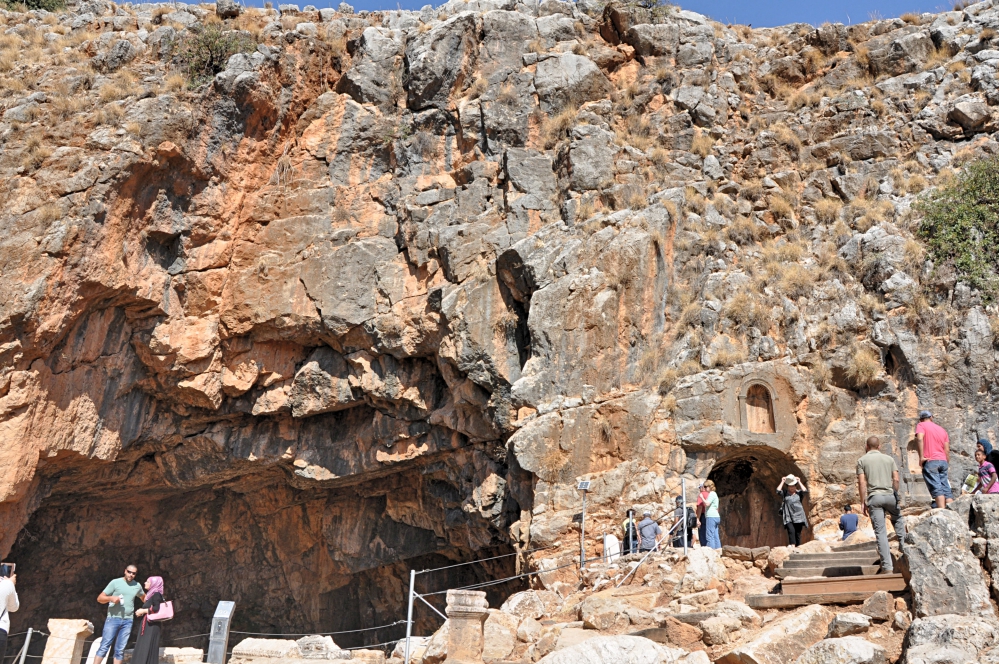
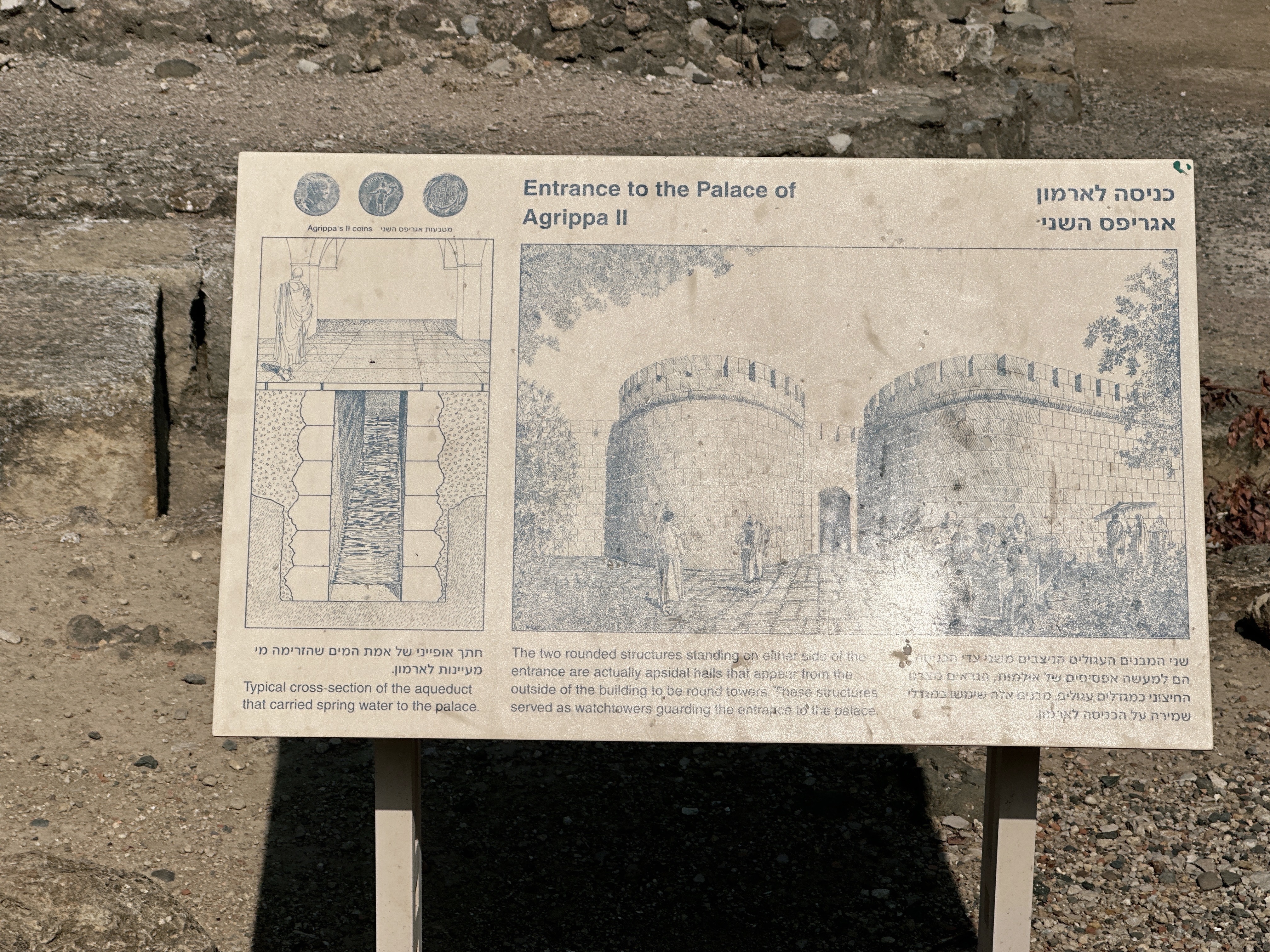
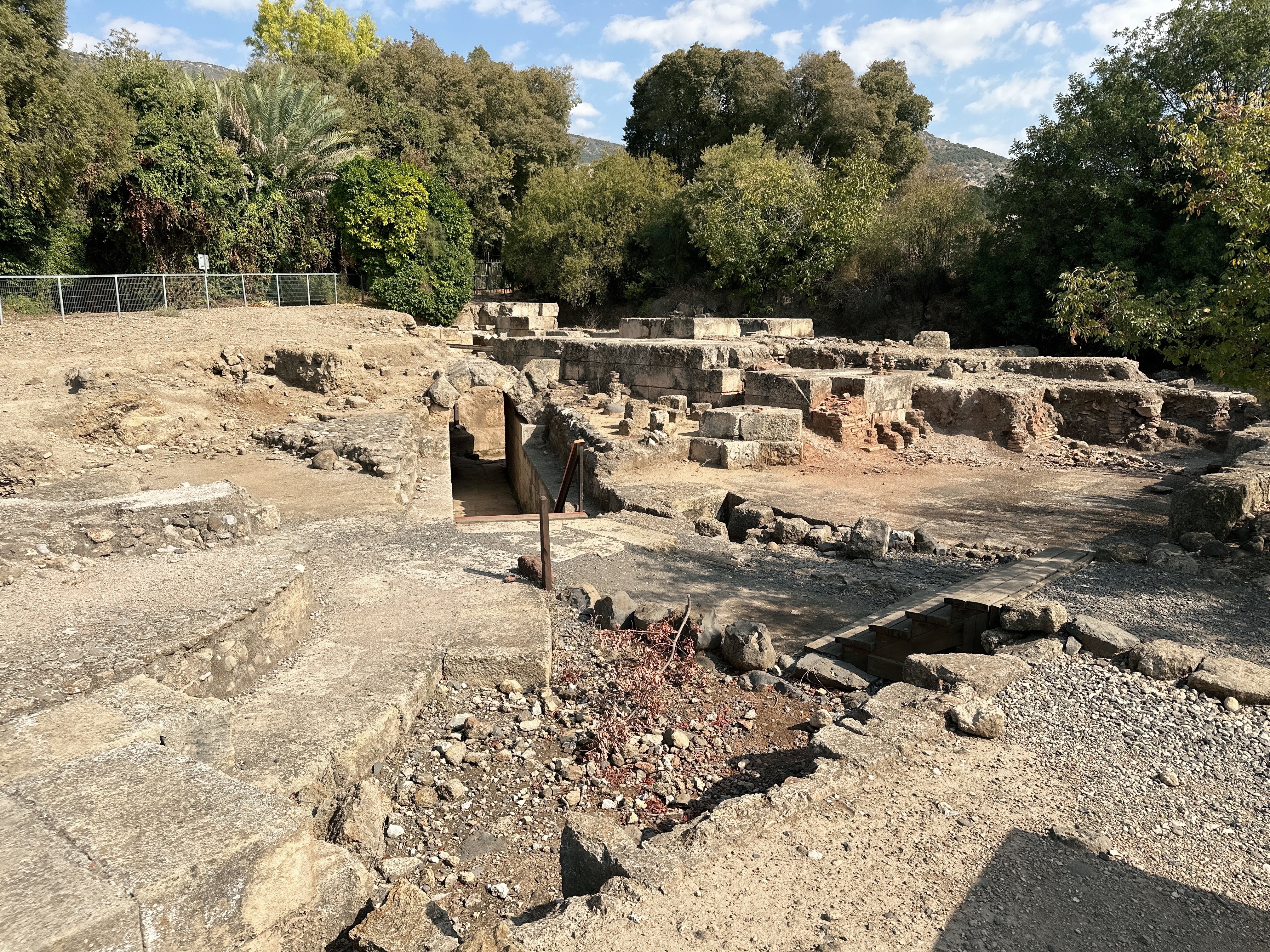
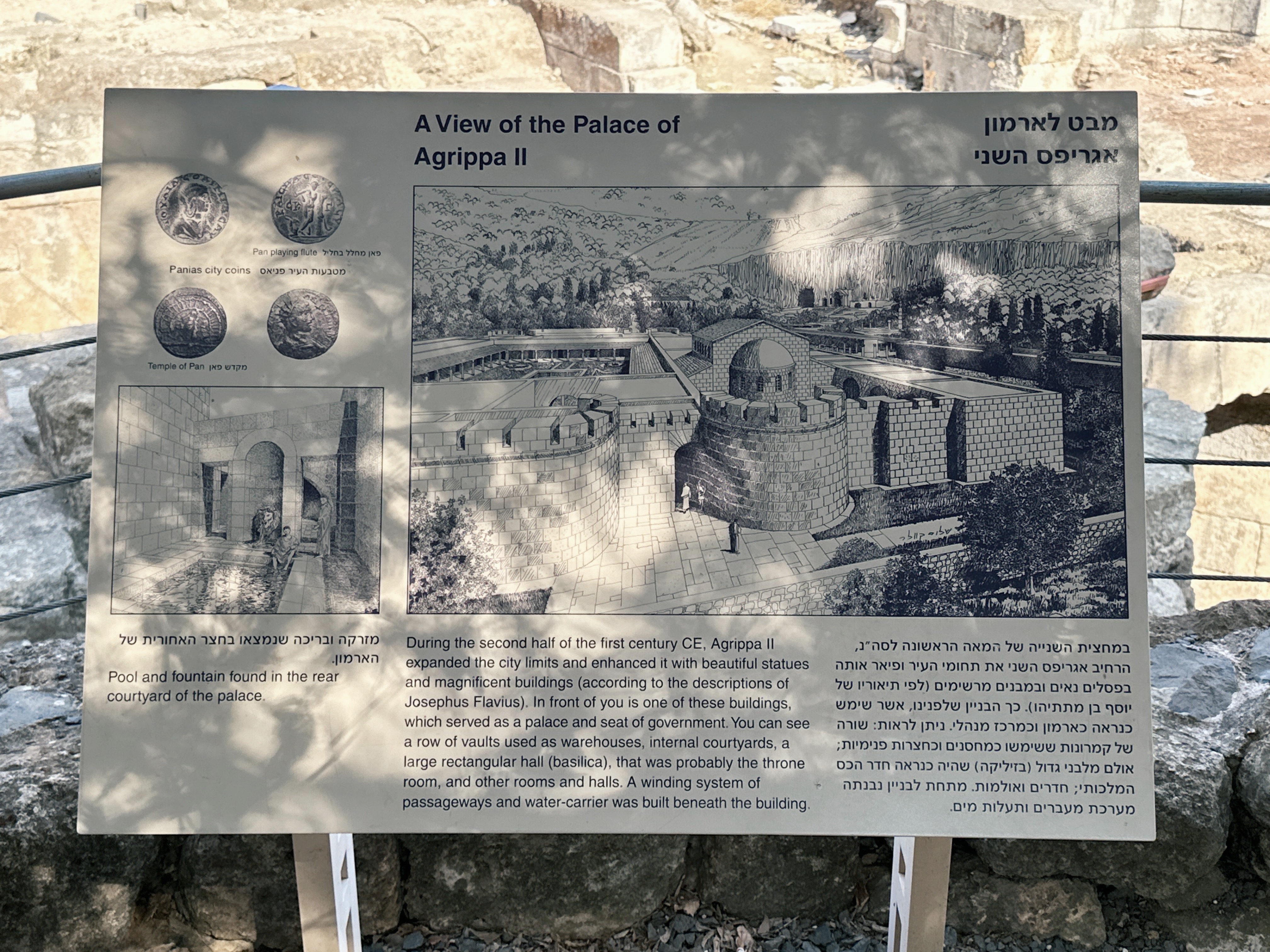
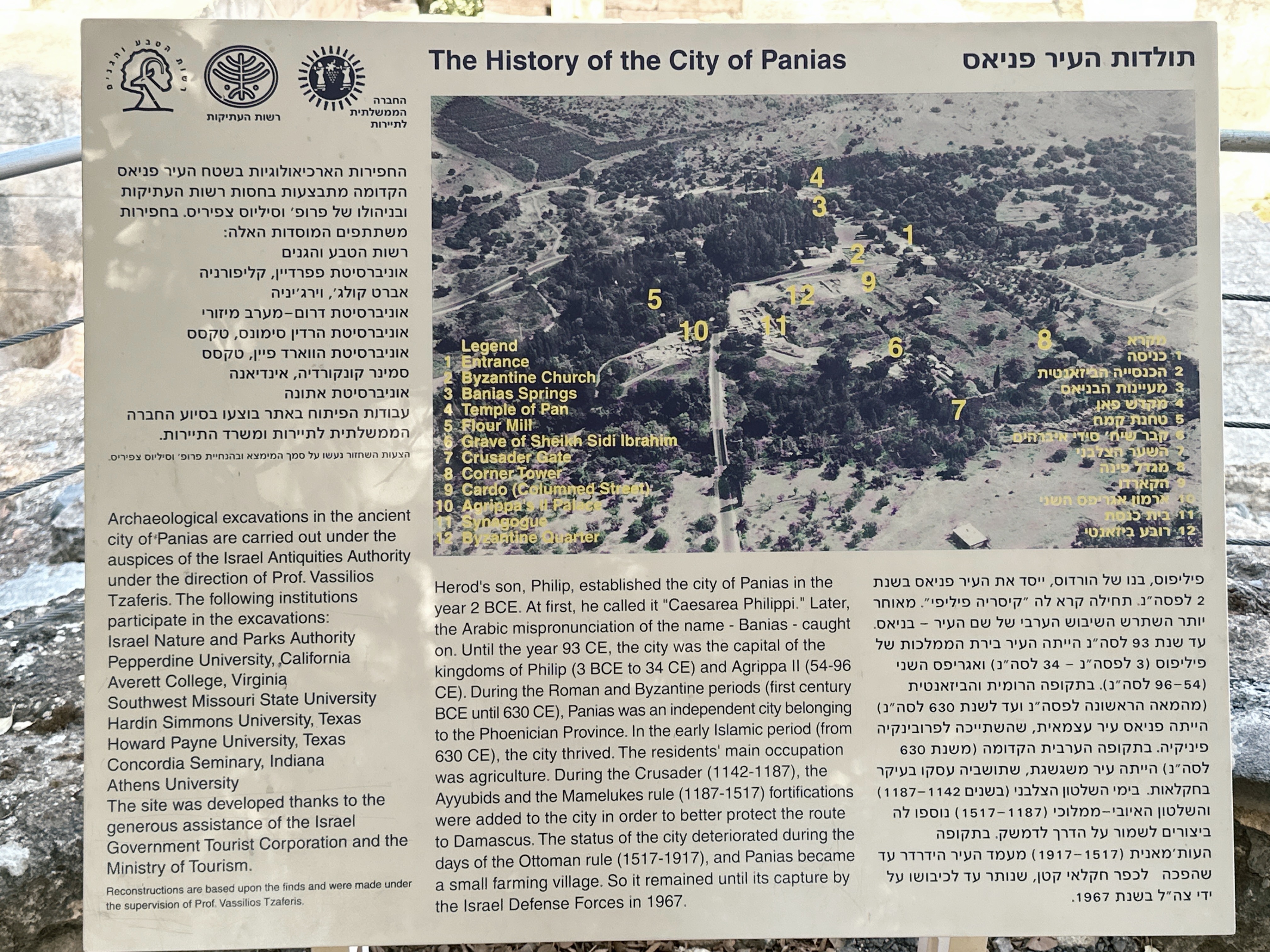
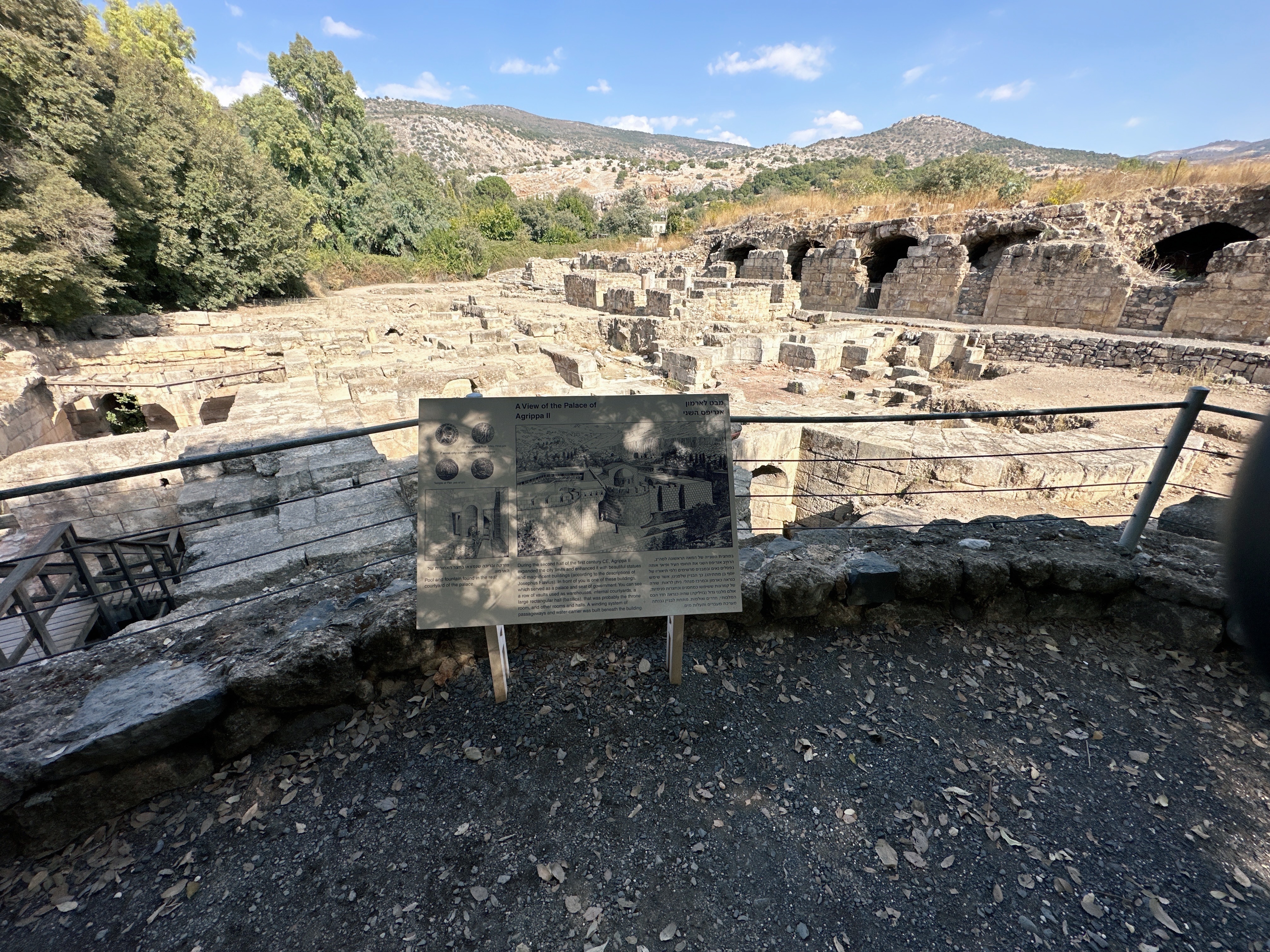
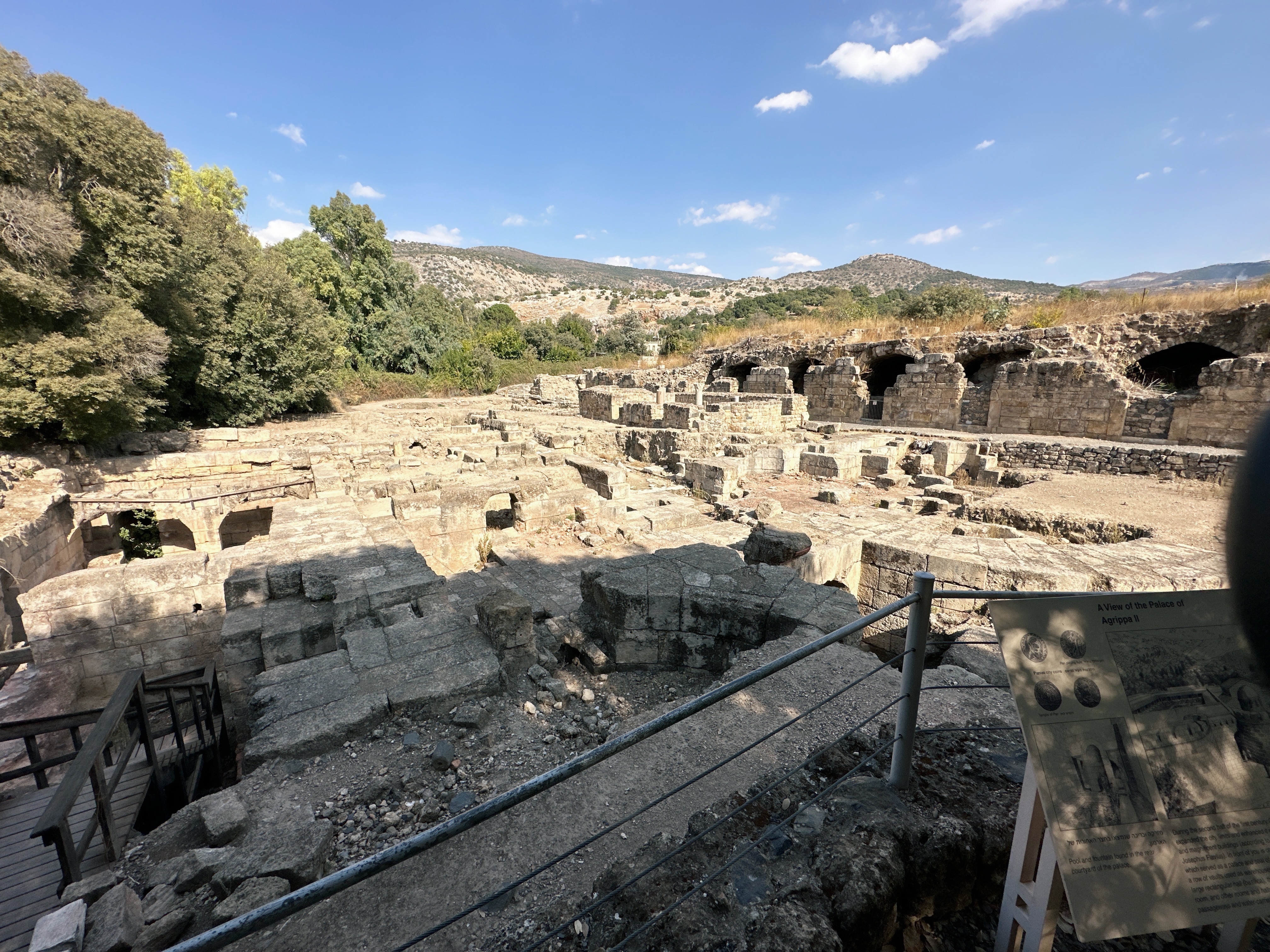
Cesareja Filipi, pilsēta pie skaistās Hermona kalna pakājes netālu no Jordānas avotiem. Par to ir pieminēts tikai pirmajos divos Evaņģēlijos [Mt 16:13 -18; Mk 8:27 ] Pētera mesiāniskās atzīšanas laikā. Augusts šo pilsētu nodeva Hērodam Lielajam 20. gadā pirms mūsu ēras. Viņš šeit uzcēla marmora templi netālu no Romas dievības Pāna kulta vietas un nosauca pilsētu par Paneasu. Tetrarhs Filips paplašināja pilsētu un pārdēvēja to par Cesareju Filipi par godu imperatoram Tiberijam un pašam sev. Agripa II tālāk attīstīja pilsētu un nosauca to par Neroniā par godu imperatoram Nerōnam. Jūdu kara laikā Tits organizēja šeit gladiatoru spēles, kurās sagūstītajiem jūdiem bija jācīnās ar savvaļas zvēriem un savā starpā. Uz bijušās pilsētas drupām tagad stāv ciemats Banias [Panias = dieva Pāna svētnīca] ar klints pils paliekām.
saites
Street View
attēli
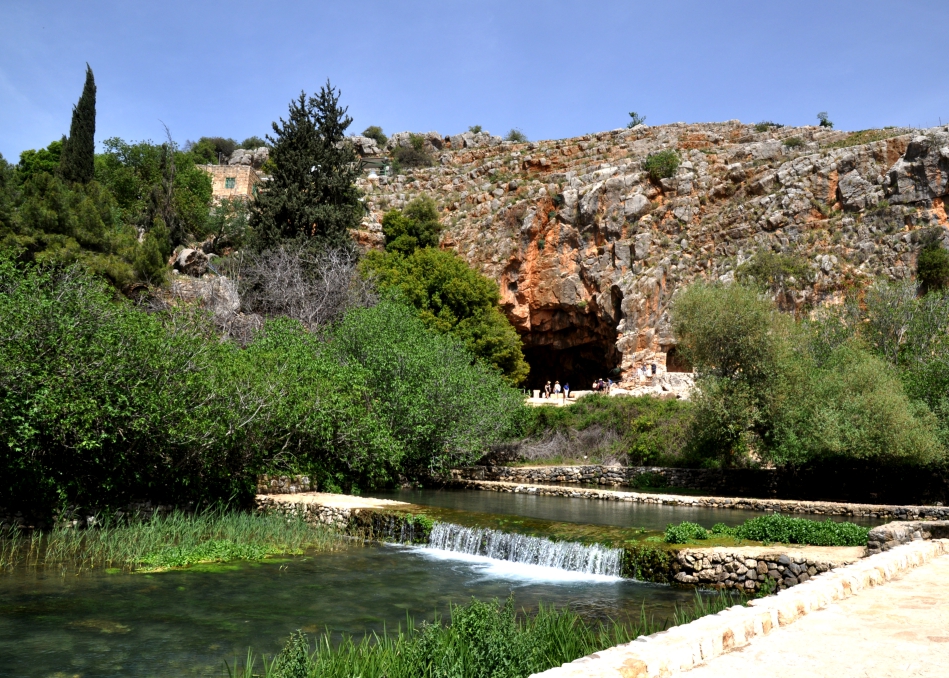
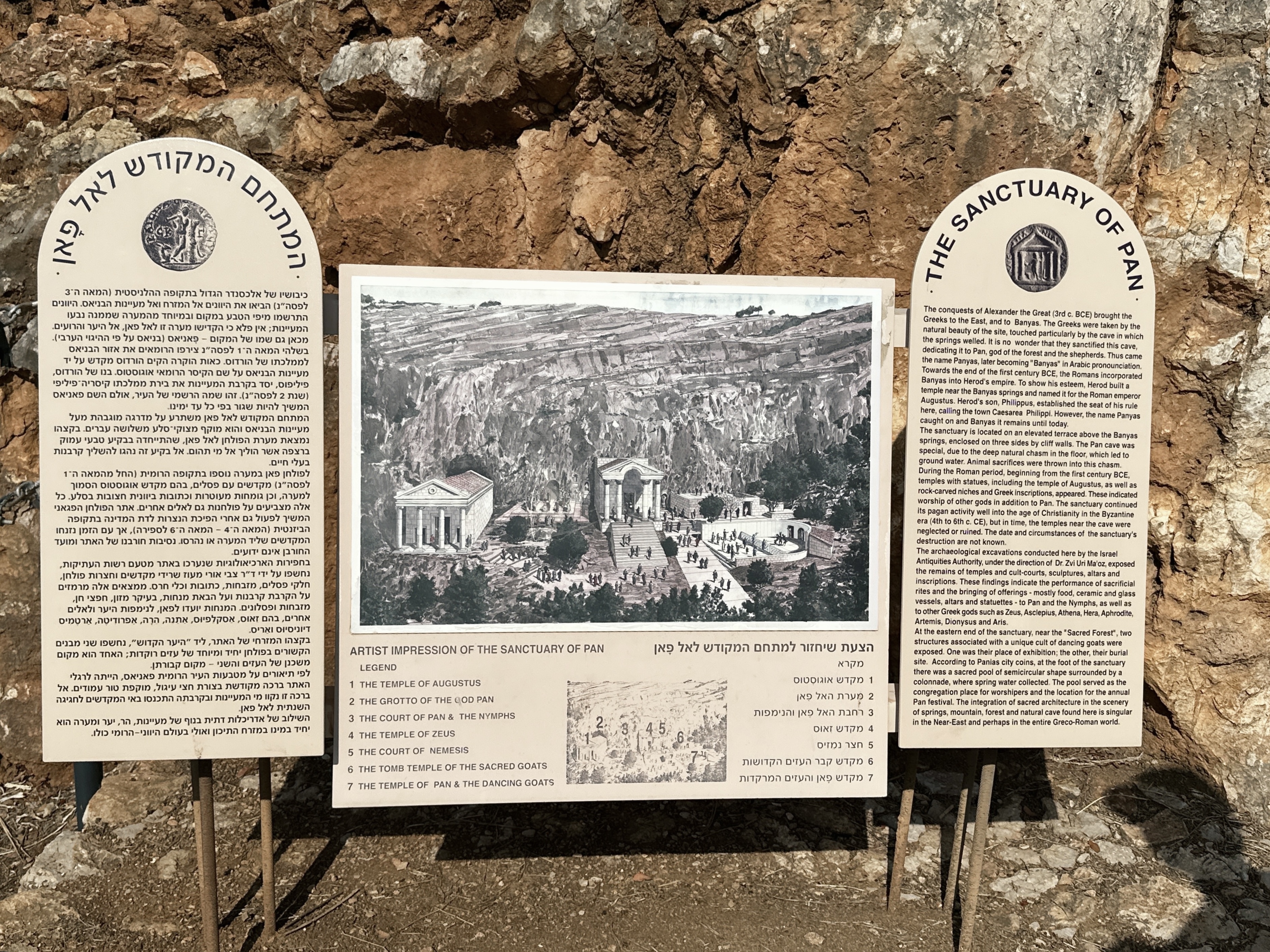
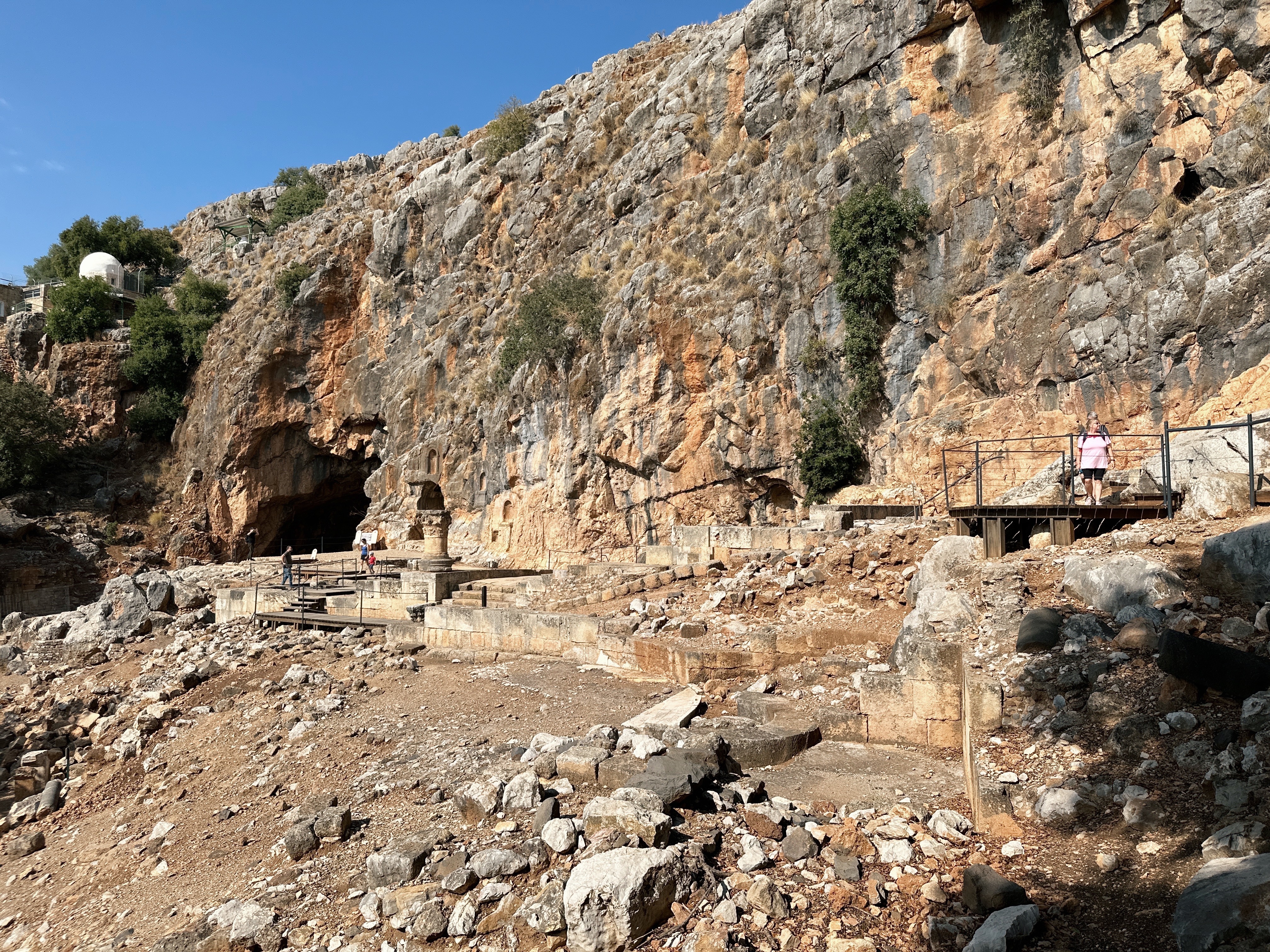
Karte
informācija no vārdnīcas
Caesara Philippi
a city on the northeast of the marshy plain of el-Huleh, 120 miles north of Jerusalem, and 20 miles north of the Sea of Galilee, at the "upper source" of the Jordan, and near the base of Mount Hermon. It is mentioned in (Matt 16:13) and (Mark 8:27) as the northern limit of our Lord's public ministry. According to some its original name was Baal-Gad (Josh 11:17), or Baal-Hermon (Judg 3:3; 1Chr 5:23), when it was a Canaanite sanctuary of Baal. It was afterwards called Panium or Paneas, from a deep cavern full of water near the town. This name was given to the cavern by the Greeks of the Macedonian kingdom of Antioch because of its likeness to the grottos of Greece, which were always associated with the worship of their god Pan. Its modern name is Banias. Here Herod built a temple, which he dedicated to Augustus Caesar. This town was afterwards enlarged and embellished by Herod Philip, the tetrarch of Trachonitis, of whose territory it formed a part, and was called by him Caesarea Philippi, partly after his own name, and partly after that of the emperor Tiberius Caesar. It is thus distinguished from the Caesarea of Palestine. (See JORDAN)
EBD - Easton's Bible Dictionary