Jūdejas tuksnesis
Apraksts
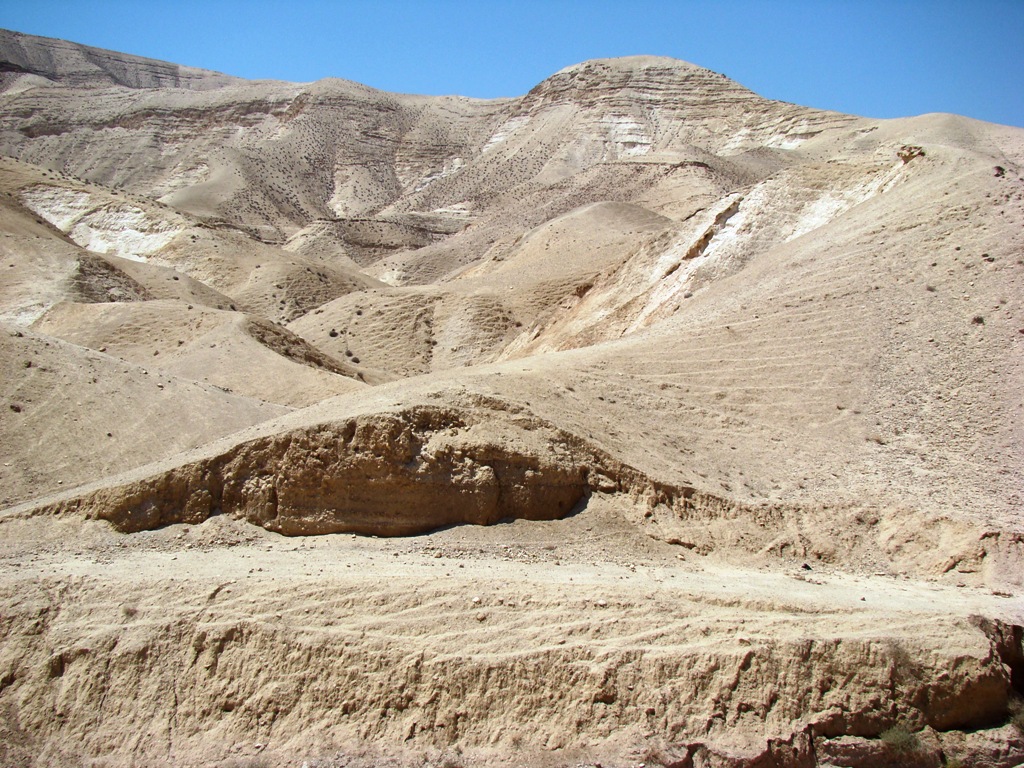
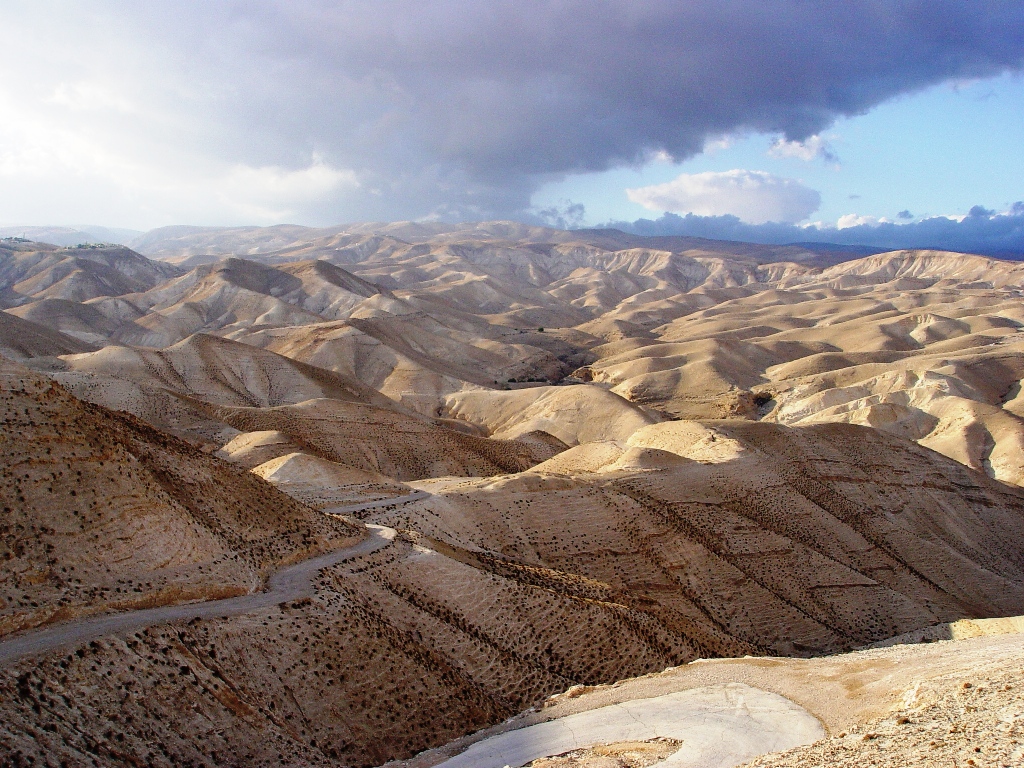
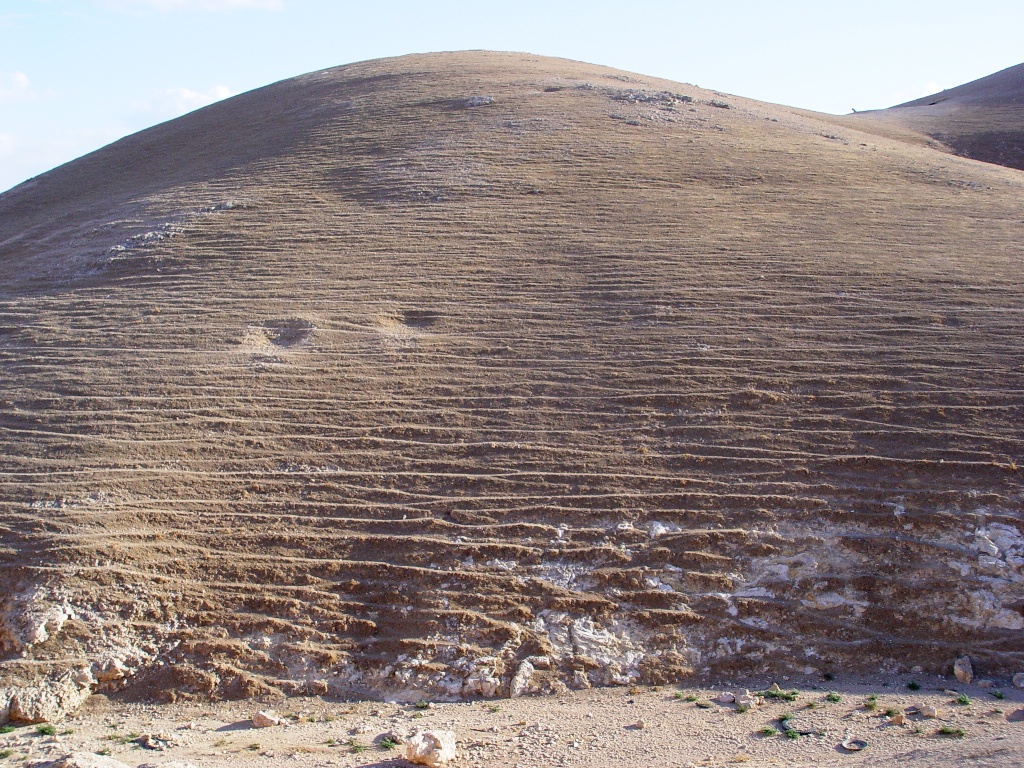
Jūdejas tuksnesis ir tuksnesis Izraēlā un Rietumkrastā, kas atrodas uz austrumiem no Jeruzalemes un sniedzas līdz Nāves jūrai.
Vikipēdija
Zeme, kas robežojas ar Nāves jūras krastiem un stiepjas dažas jūdzes iekšzemē, bija pazīstama kā Jūdejas tuksnesis (skat. JŪDA; JESHIMON) [Mt 3:1 ], vai "tuksnesis" [Mk 1:4 ; Lk 3:2 ]; šeit Jānis Kristītājs parādījās kā sludinātājs. Saskaņā ar [Mt 19:1 ] (bet salīdzini ar [Mk 10:1 ], kur Lielbritānijas un Amerikas revidētajā versijā ir "Jūdeja un aiz Jordānas"), dažas pilsētas aiz Jordānas piederēja Jūdejai. Ka tas bija faktiski, mēs zinām no Ptolemaja (v.16,9) un Jozefa (Ant., XII, iv, 11).
ISBE
saites
Street View
attēli
Karte
informācija no vārdnīcas
Desert
(1.) Heb. midbar, "pasture-ground;" an open tract for pasturage; a common (Joel 2:22 ). The "backside of the desert" (Ex 3:1) is the west of the desert, the region behind a man, as the east is the region in front. The same Hebrew word is rendered "wildernes," and is used of the country lying between Egypt and Palestine (Gen 21:14; 21:21; Ex 4:27; 19:2; Josh 1:4), the wilderness of the wanderings. It was a grazing tract, where the flocks and herds of the Israelites found pasturage during the whole of their journey to the Promised Land.
The same Hebrew word is used also to denote the wilderness of Arabia, which in winter and early spring supplies good pasturage to the flocks of the nomad tribes than roam over it (1Kings 9:18).
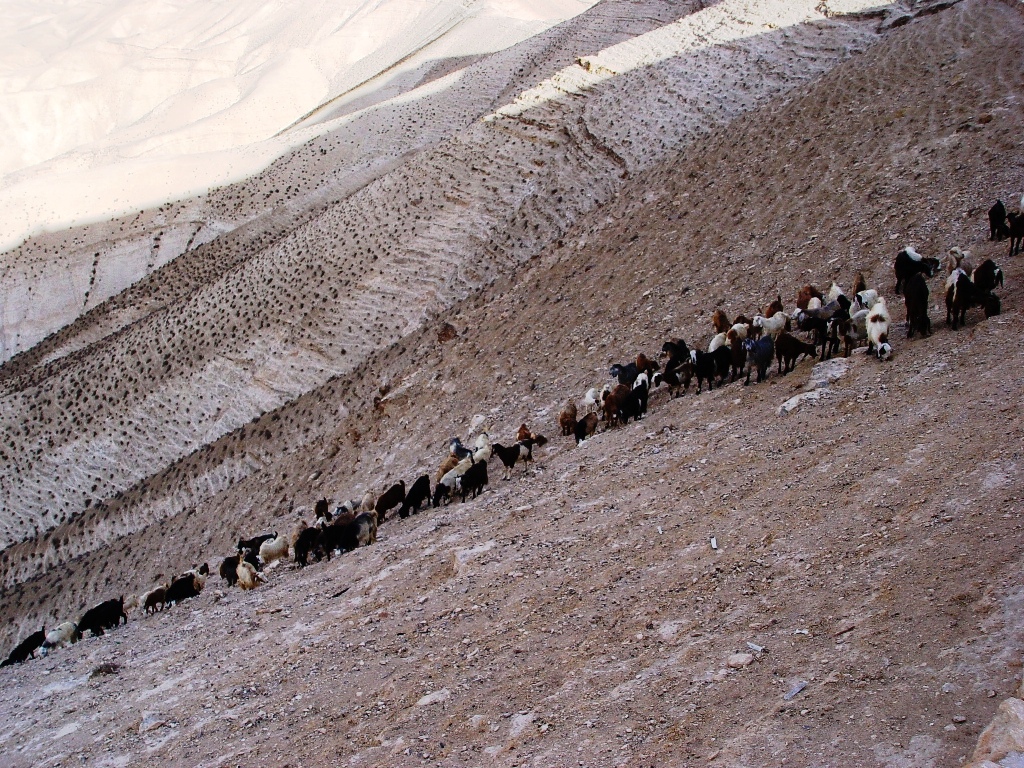
The wilderness of Judah is the mountainous region along the western shore of the Dead Sea, where David fed his father's flocks (1Sam 17:28 ; 26:2). Thus in both of these instances the word denotes a country without settled inhabitants and without streams of water, but having good pasturage for cattle; a country of wandering tribes, as distinguished from that of a settled people (Isa 35:1; 50:2; Jer 4:11 ). Such, also, is the meaning of the word "wilderness" in (Matt 3:3; 15:33; Luke 15:4).
(2.) The translation of the Hebrew Aribah', "an arid tract" (Isa 35:1; 35:6; 40:3; 41:19; 51:3), etc. The name Arabah is specially applied to the deep valley of the Jordan (the Ghor of the Arabs), which extends from the lake of Tiberias to the Elanitic gulf. While midbar denotes properly a pastoral region, arabah denotes a wilderness. It is also translated "plains;" as "the plains of Jericho" (Josh 5:10; 2Kings 25:5), "the plains of Moab" (Num 22:1; Deut 34:1; 34:8), "the plains of the wilderness" (2Sam 17:16 ).
(3.) In the Revised Version of (Num 21:20) the Hebrew word jeshimon is properly rendered "desert," meaning the waste tracts on both shores of the Dead Sea. This word is also rendered "desert" in (Ps 78:40 ; 106:14; Isa 43:19; 43:20). It denotes a greater extent of uncultivated country than the other words so rendered. It is especially applied to the desert of the peninsula of Arabia (Num 21:20; 23:28), the most terrible of all the deserts with which the Israelites were acquainted. It is called "the desert" in (Ex 23:31; Deut 11:24). (See JESHIMON)
(4.) A dry place; hence a desolation (Ps 9:6 ), desolate (Lev 26:34); the rendering of the Hebrew word horbah'. It is rendered "desert" only in (Ps 102:6 ; Isa 48:21), and (Ezek 13:4), where it means the wilderness of Sinai.
(5.) This word is the symbol of the Jewish church when they had forsaken God (Isa 40:3). Nations destitute of the knowledge of God are called a "wilderness" [(Isa 32:15), midbar]. It is a symbol of temptation, solitude, and persecution [(Isa 27:10), midbar; (Isa 33:9), arabah].
EBD - Easton's Bible Dictionary