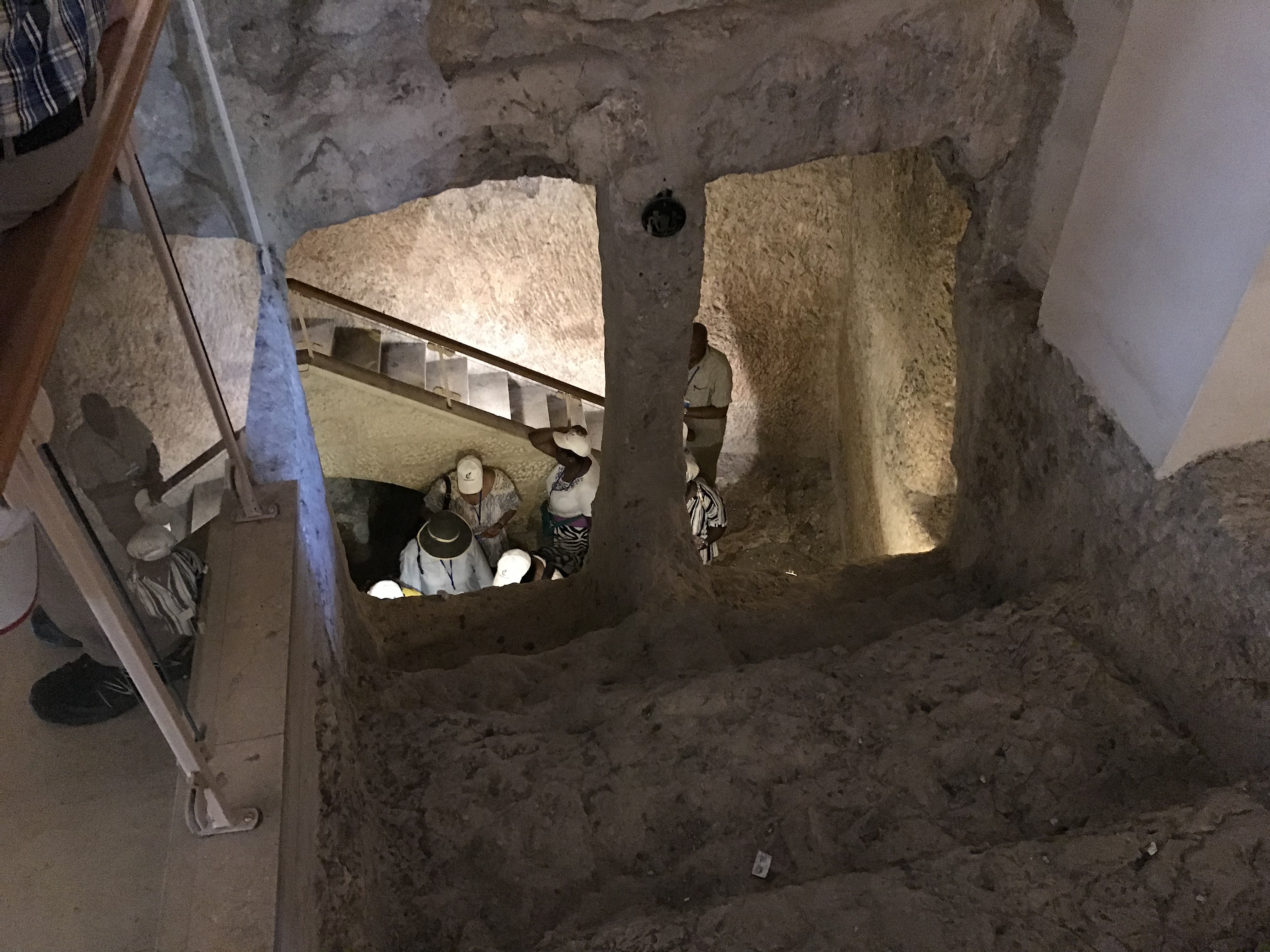
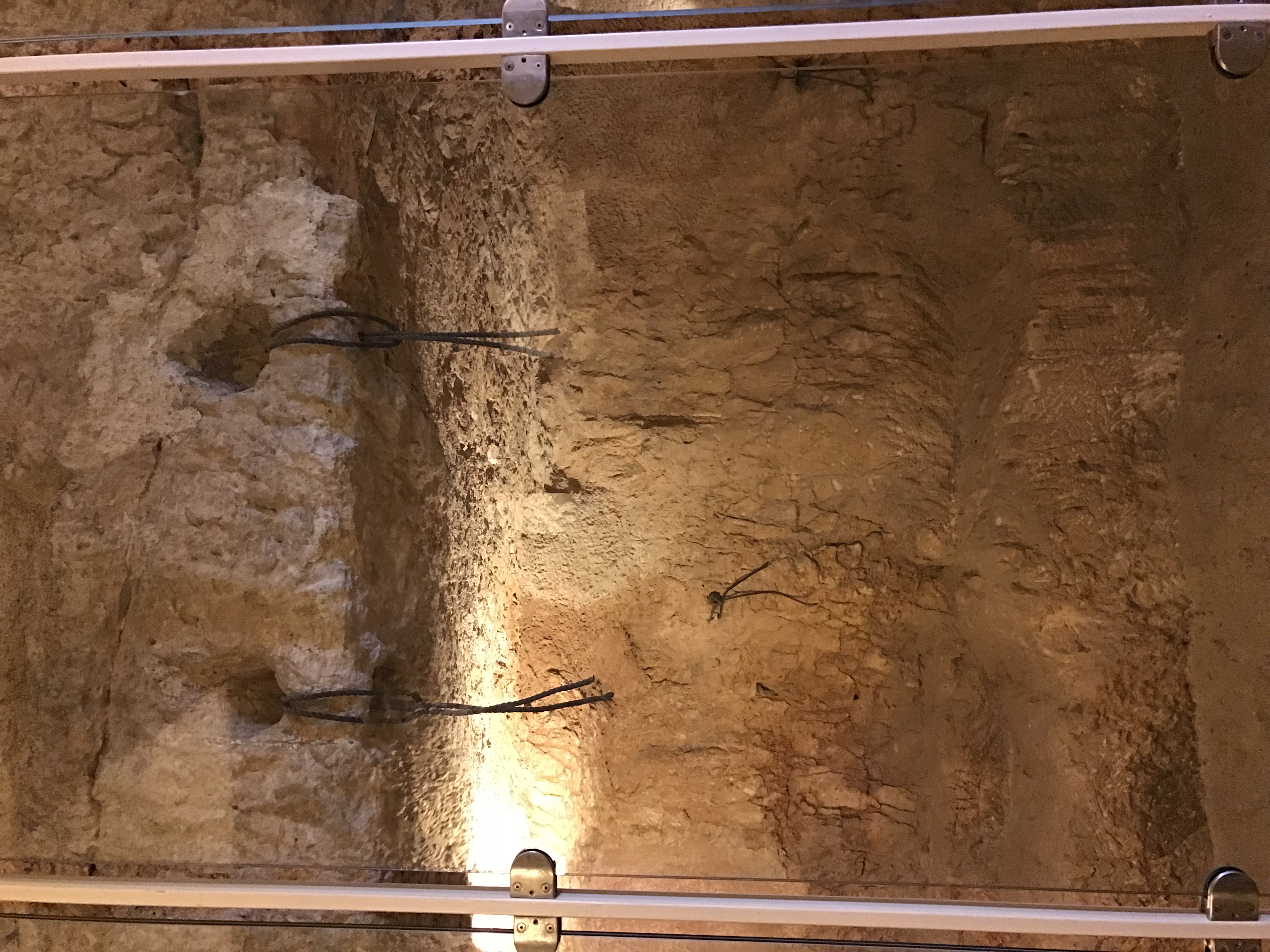
Palasset til ypperstepresten
Beskrivelse
Annas
var yppersteprest fra år 7-14 e.Kr. I år 25 e.Kr. ble Kaifas, som hadde giftet seg med datteren til Annas [Joh 18:13 ], innsatt i det embetet, og sannsynligvis ble Annas nå gjort til president for Sanhedrinet, eller stedfortreder eller medhjelper for ypperstepresten, og ble derfor også kalt yppersteprest sammen med Kaifas [Luk 3:2 ]. Ifølge Moseloven ble yppersteprestembetet holdt på livstid [4Mos 3:10 ]; og selv om Annas var blitt avsatt av den romerske landshøvdingen, kan jødene fortsatt ha betraktet ham som lovlig yppersteprest. Vår Herre ble først ført fram for Annas, og etter en kort avhøring av ham [Joh 1:18 -23] ble han sendt til Kaifas, hvor noen medlemmer av Sanhedrinet hadde samlet seg, og den første rettssaken mot Jesus fant sted [Matt 26:57 -68]. Denne undersøkelsen av vår Herre foran Annas er kun nedtegnet av Johannes. Annas var president for Sanhedrinet foran hvilket Peter og Johannes ble ført [Apg 4:6 ].
EBD
Kaifas
den jødiske ypperstepresten (år 27-36 e.Kr.) ved begynnelsen av vår Herres offentlige tjeneste, under Tiberius' regjering [Luk 3:2 ], og også ved tiden for hans domfellelse og korsfestelse [Matt 26:3 ; 26:57; Joh 11:49 ; 18:13; 18:14]. Han holdt dette embetet gjennom hele Pilatus' administrasjon. Hans kone var datteren til Annas, som tidligere hadde vært yppersteprest, og var sannsynligvis vikar eller stedfortreder (Heb. sagan) for Kaifas. Han var av saddukeernes sekt [Apg 5:17 ], og var medlem av rådet da han ga sin mening om at Jesus skulle dø "for folket, og at hele nasjonen ikke skulle gå til grunne" [Joh 11:50 ]. I disse ordene uttalte han ubevisst en profeti. "Som Saul, var han en profet på tross av seg selv." Kaifas hadde ingen makt til å pålegge dødsstraff, og derfor ble Jesus sendt til Pilatus, den romerske guvernøren, slik at han kunne avsi dommen mot ham [Matt 27:2 ; Joh 18:28 ]. På et senere tidspunkt er hans fiendtlighet mot evangeliet fortsatt tydelig [Apg 4:6 ]. (Se ANNAS)
EBD
lenker
Street View
bilder
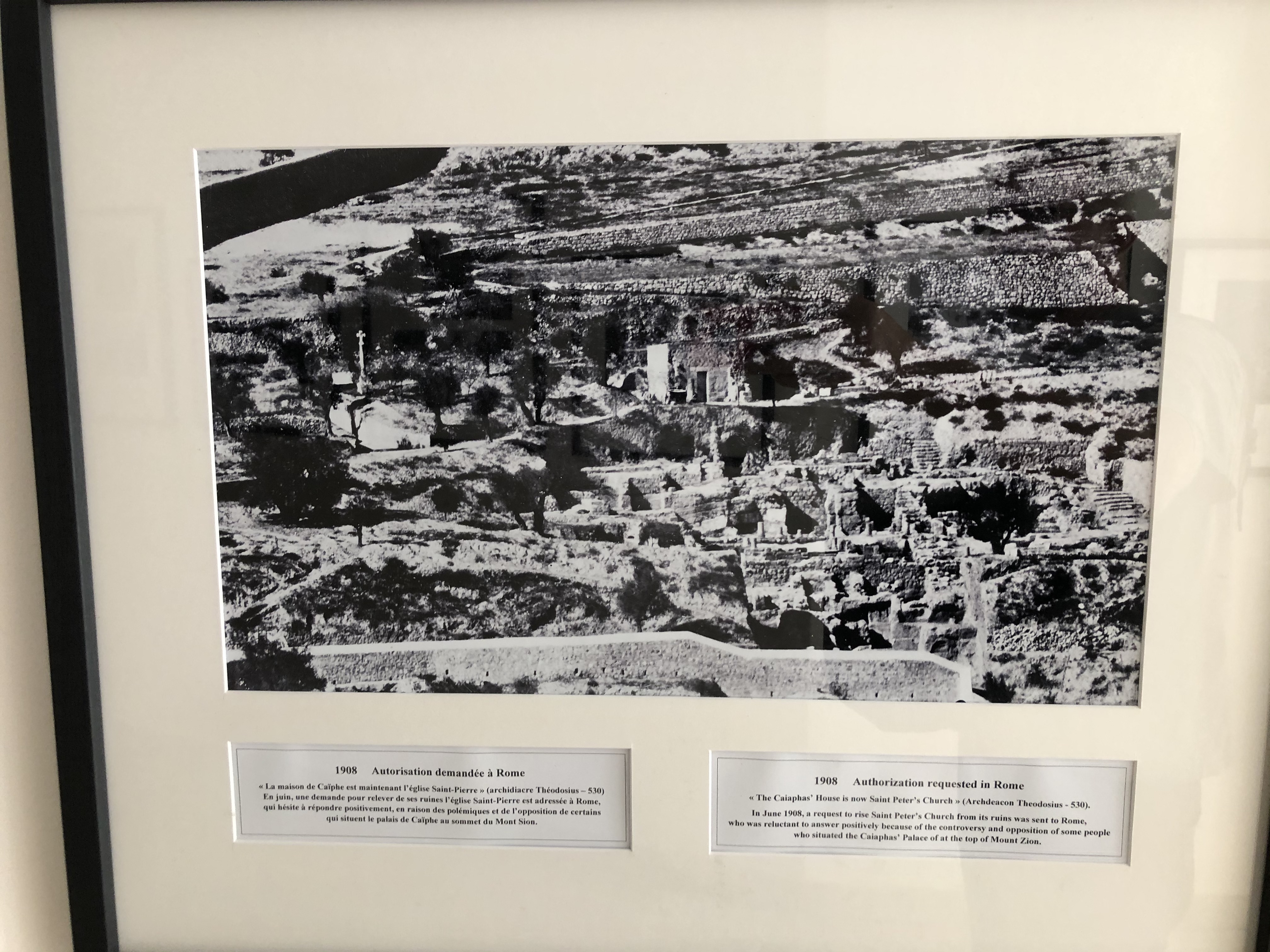
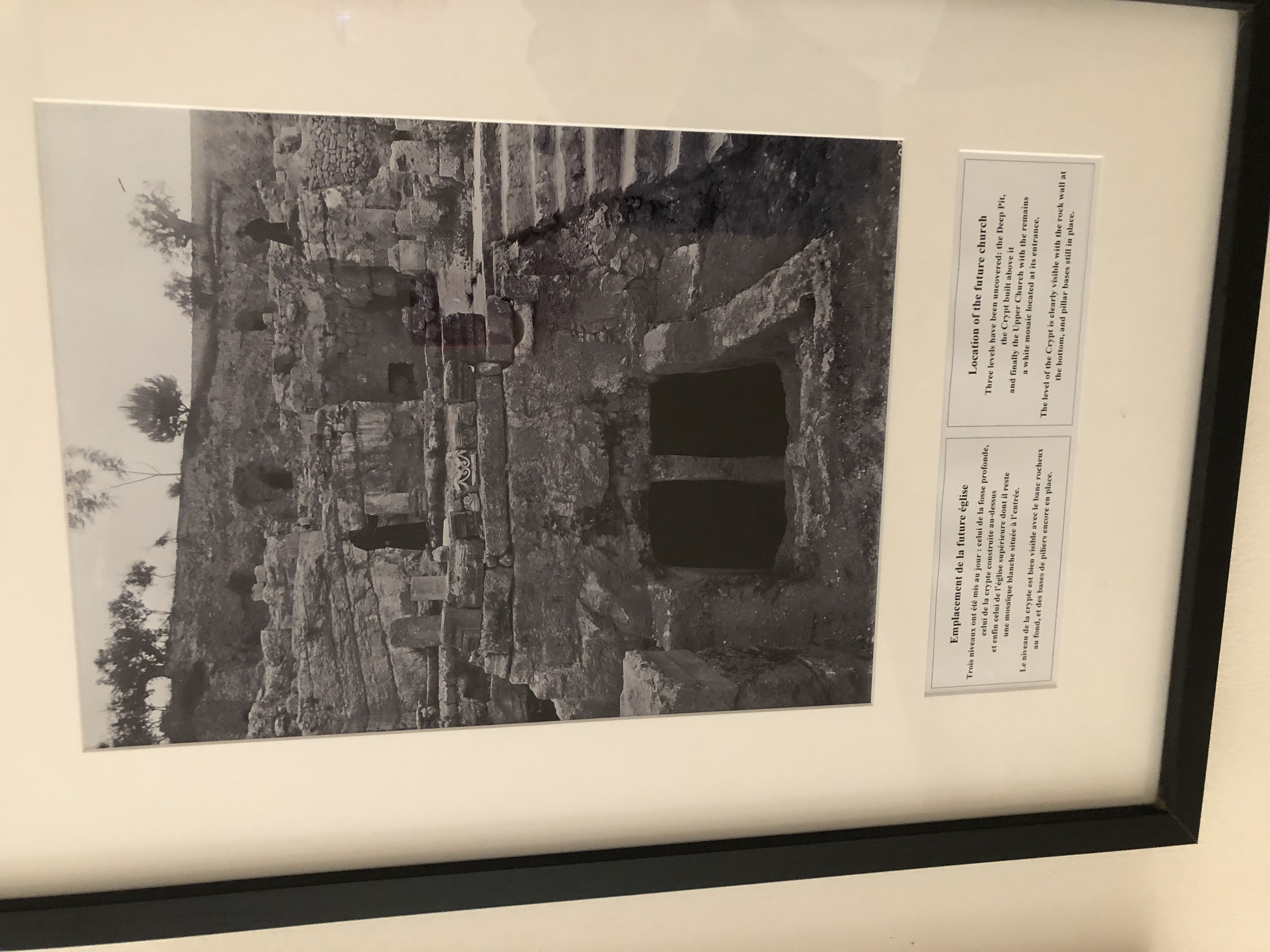
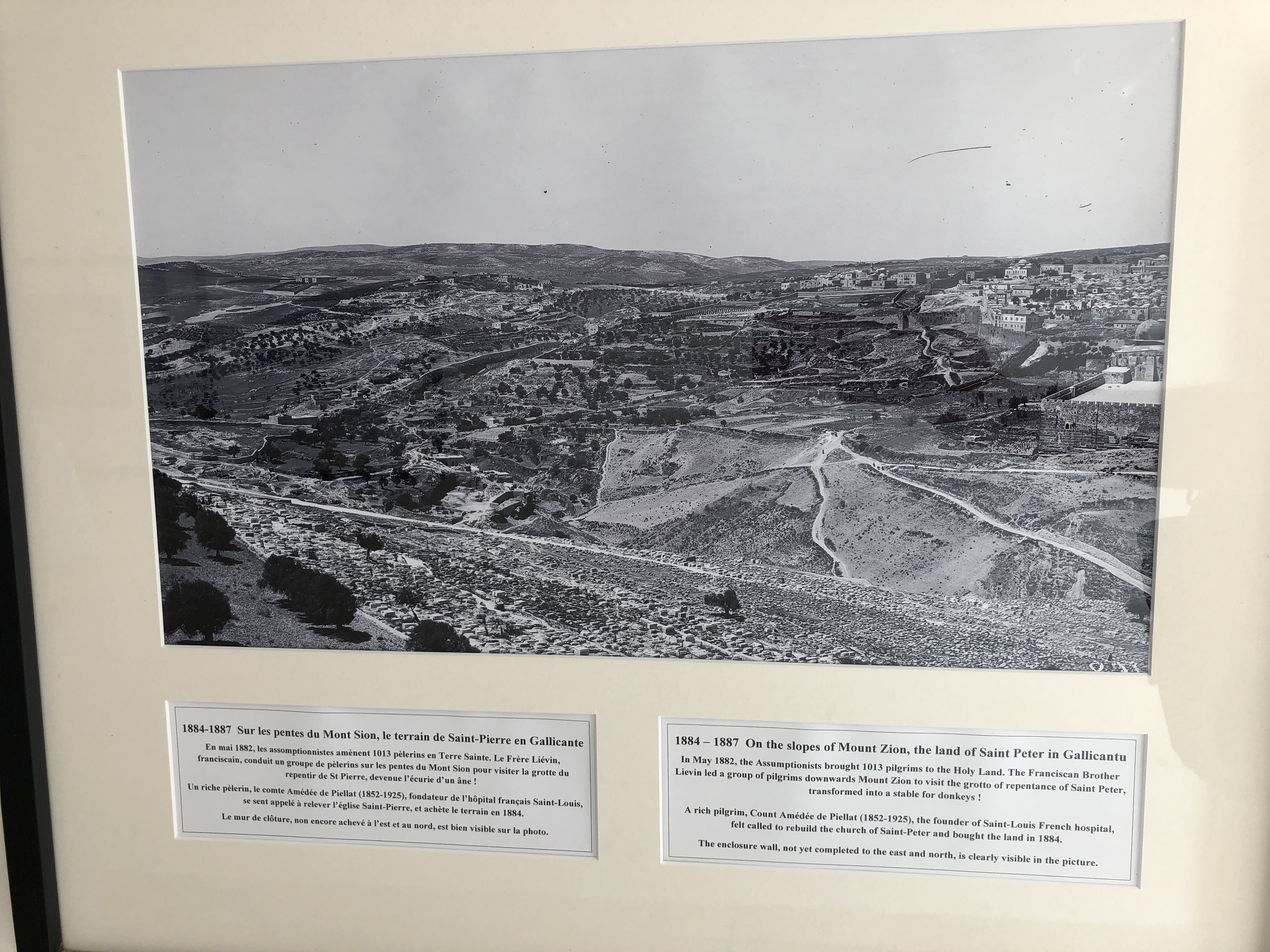
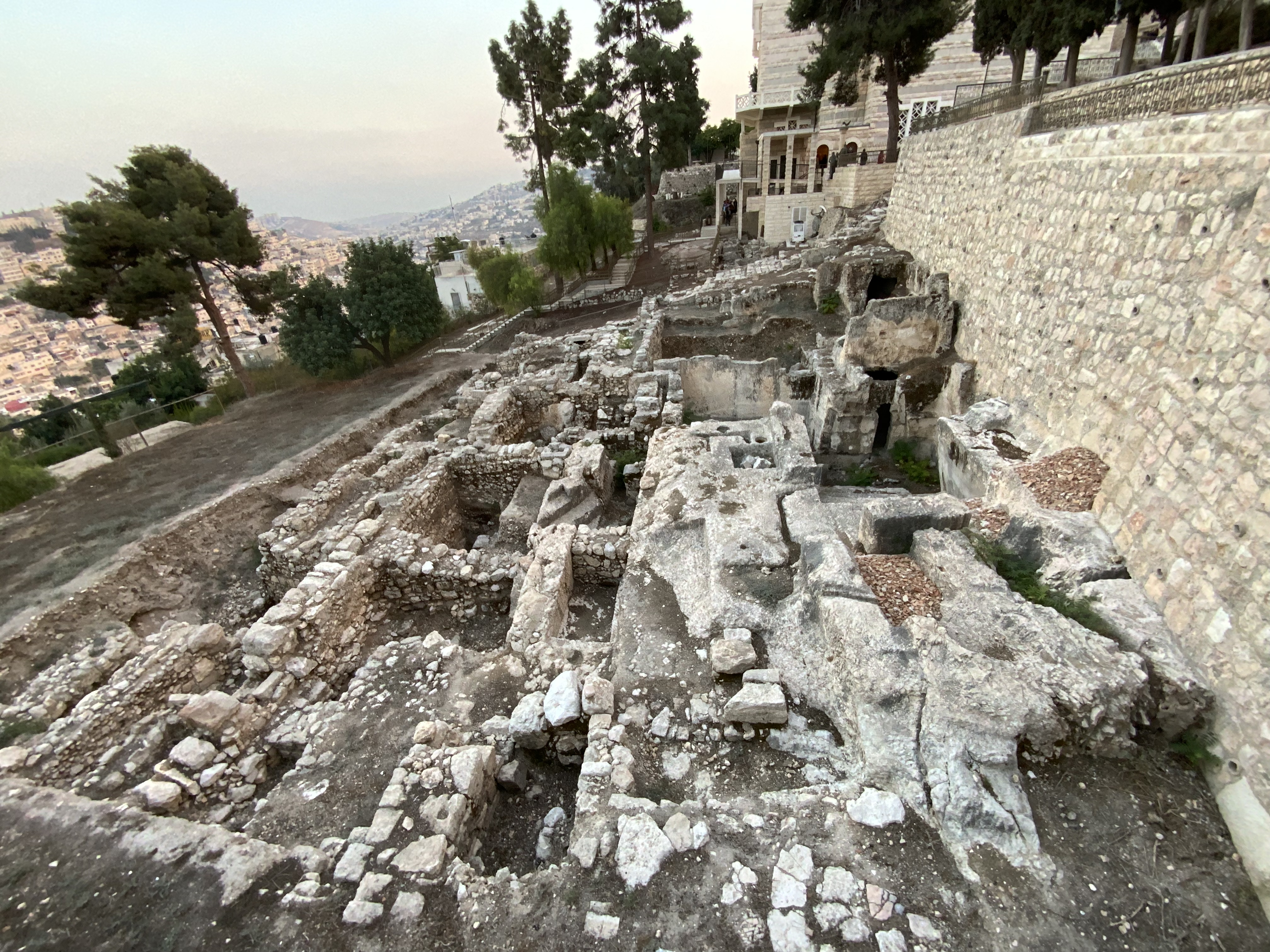
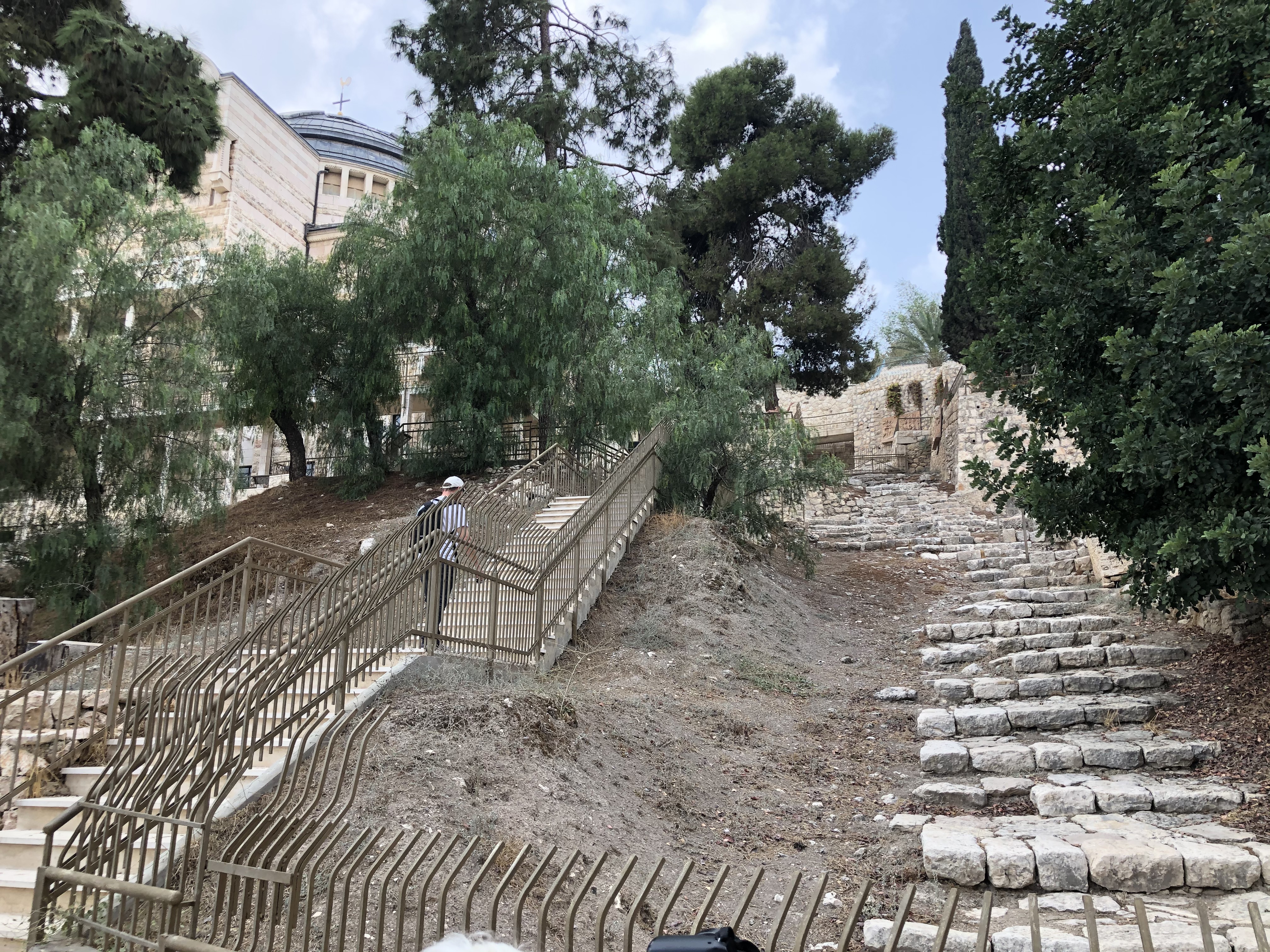
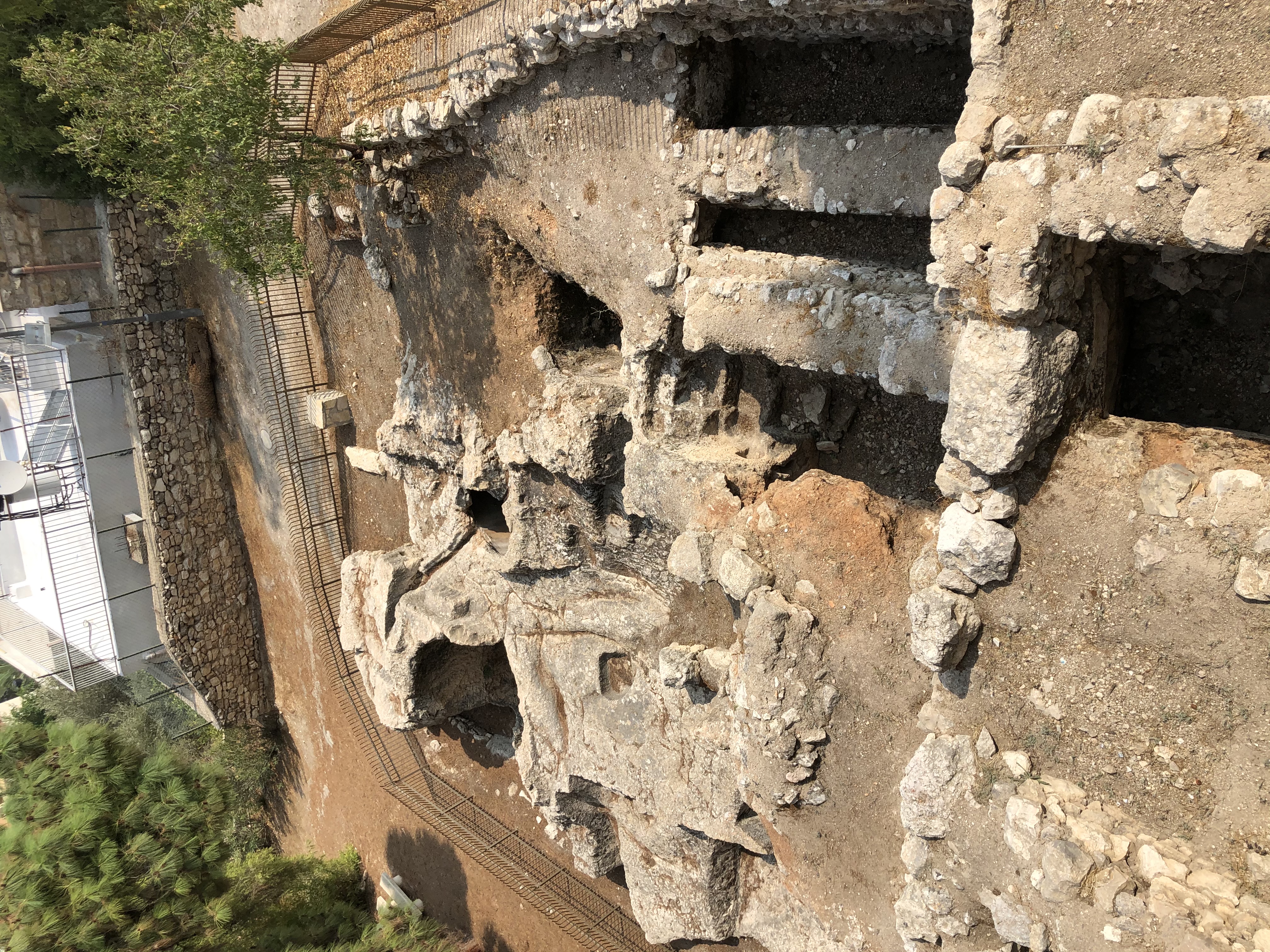
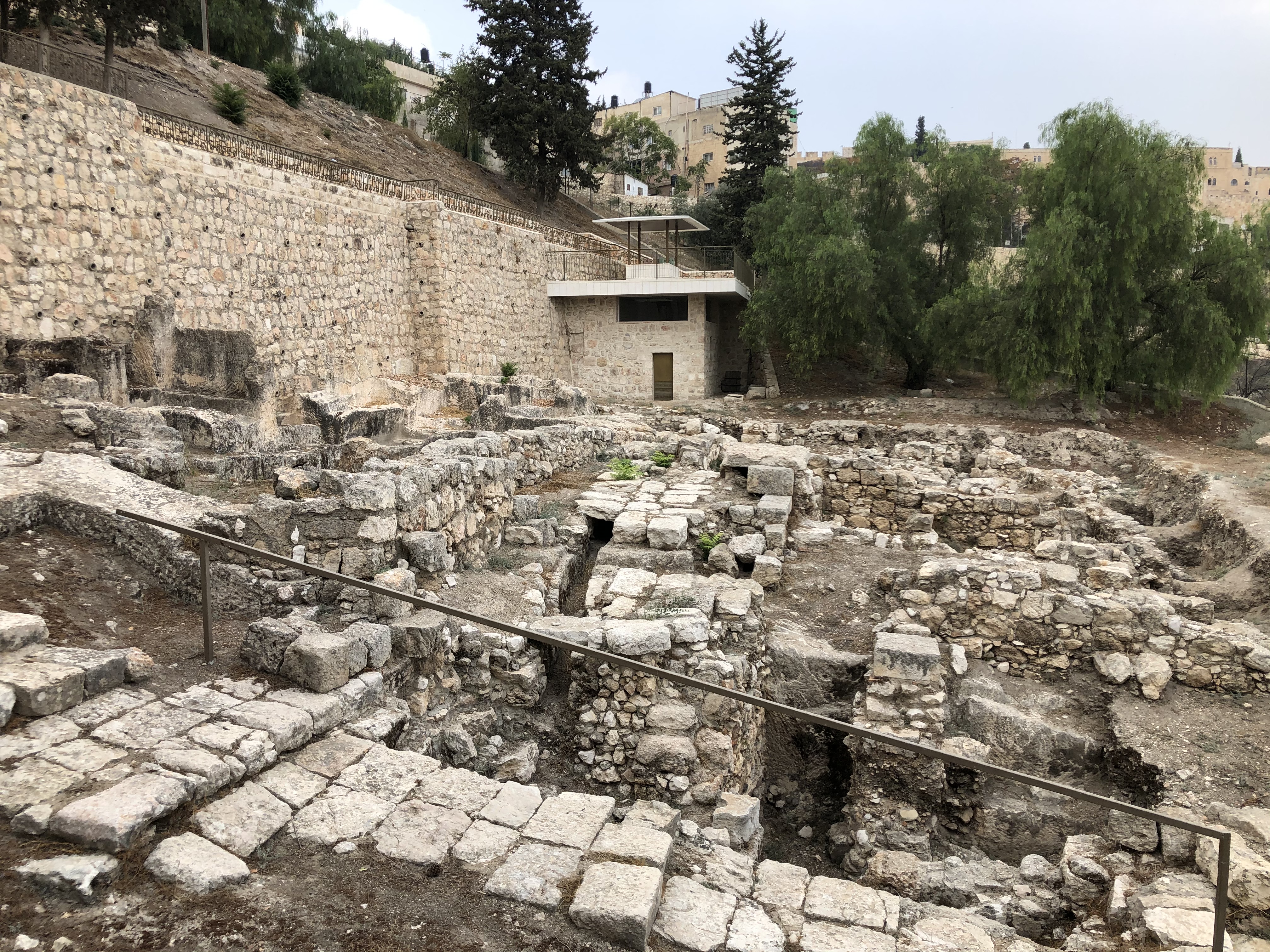
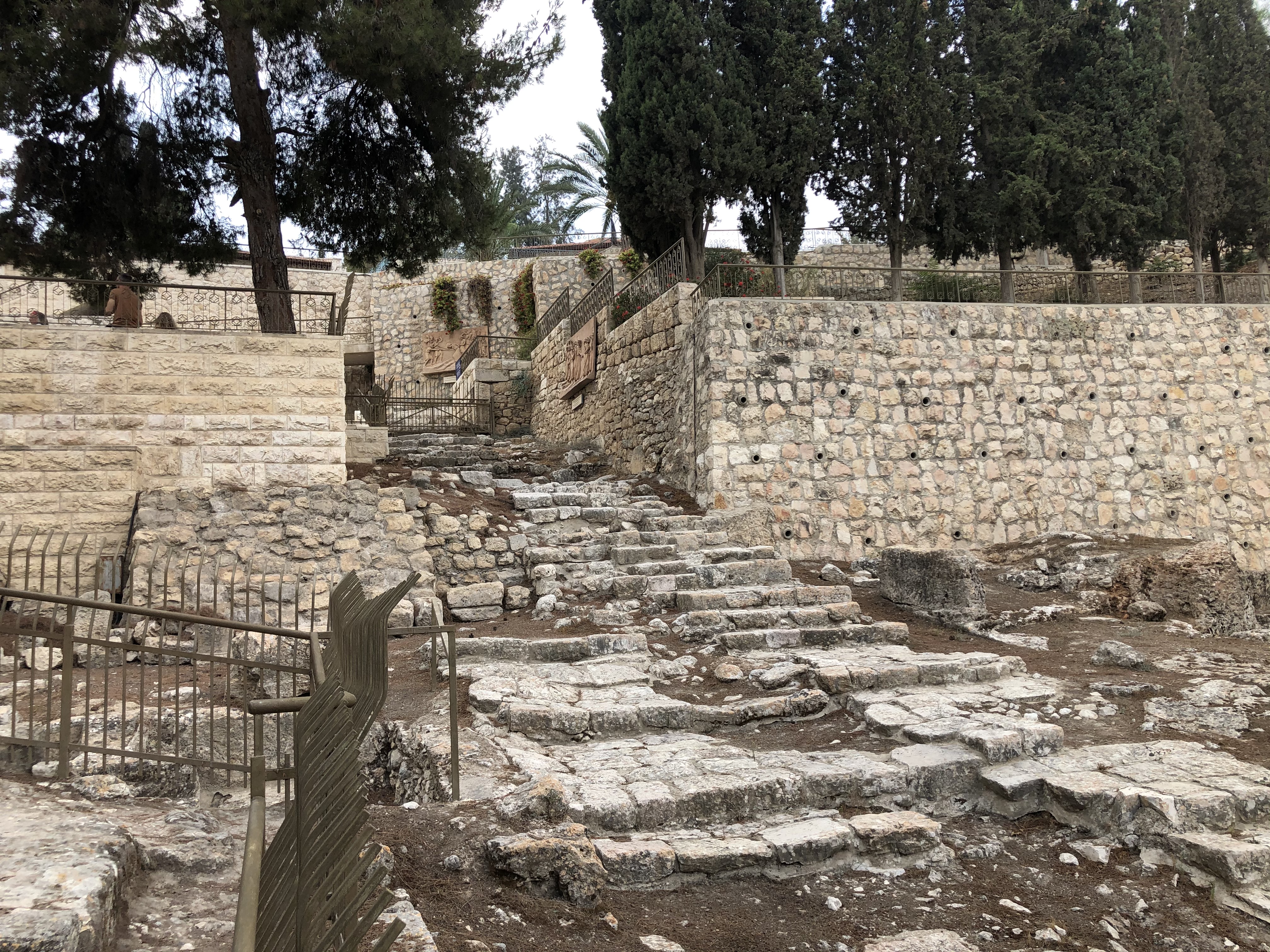
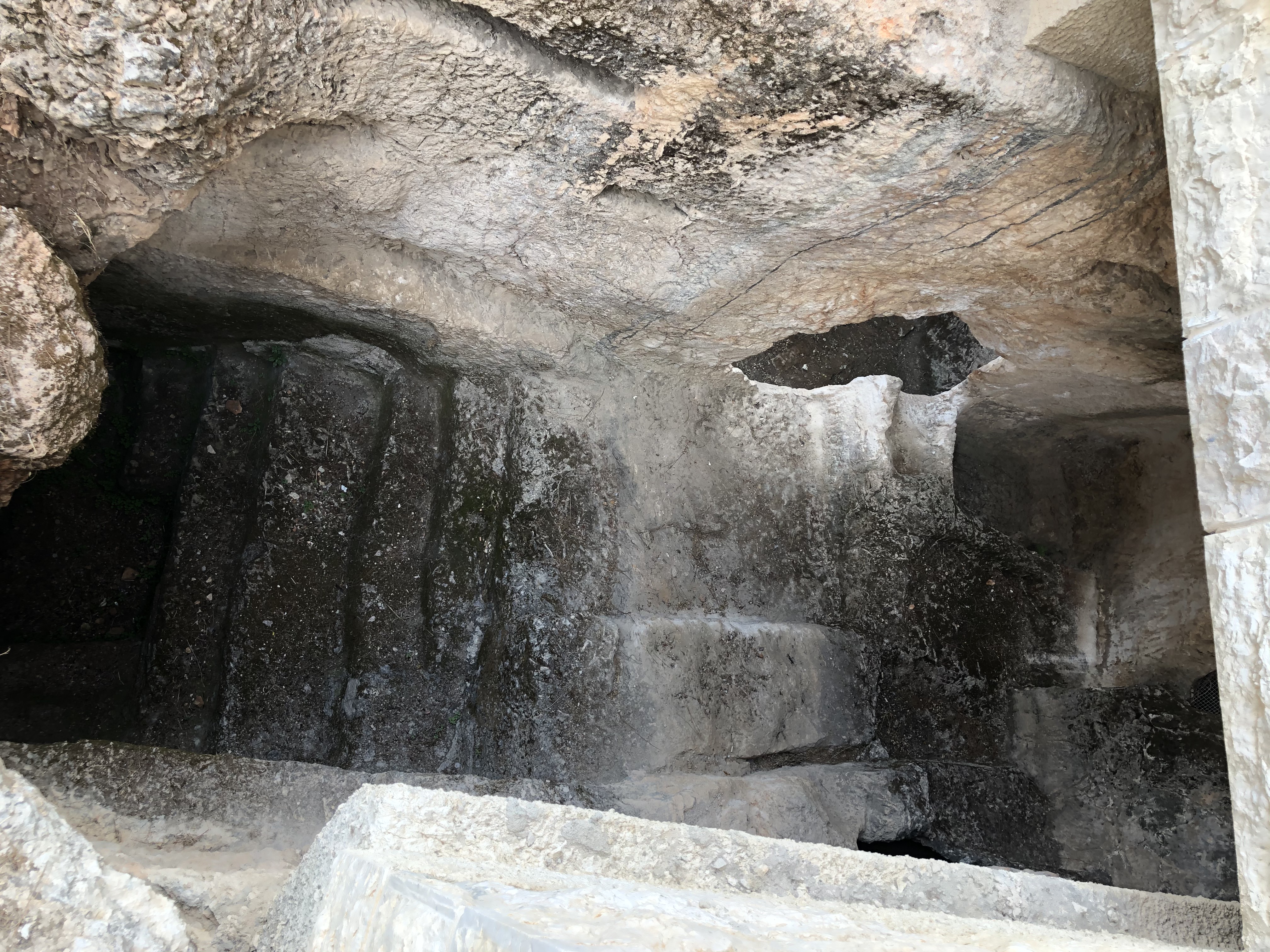
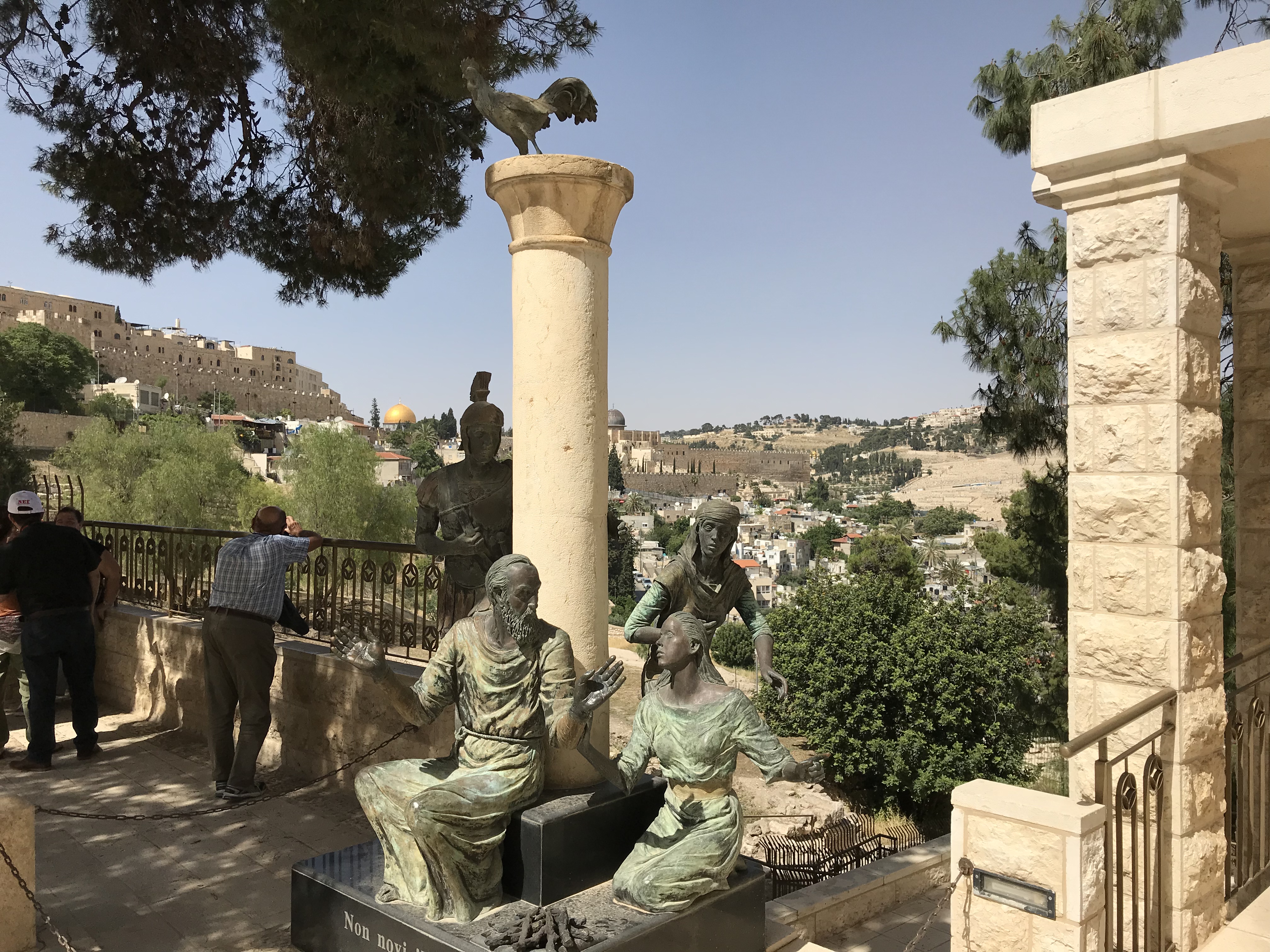
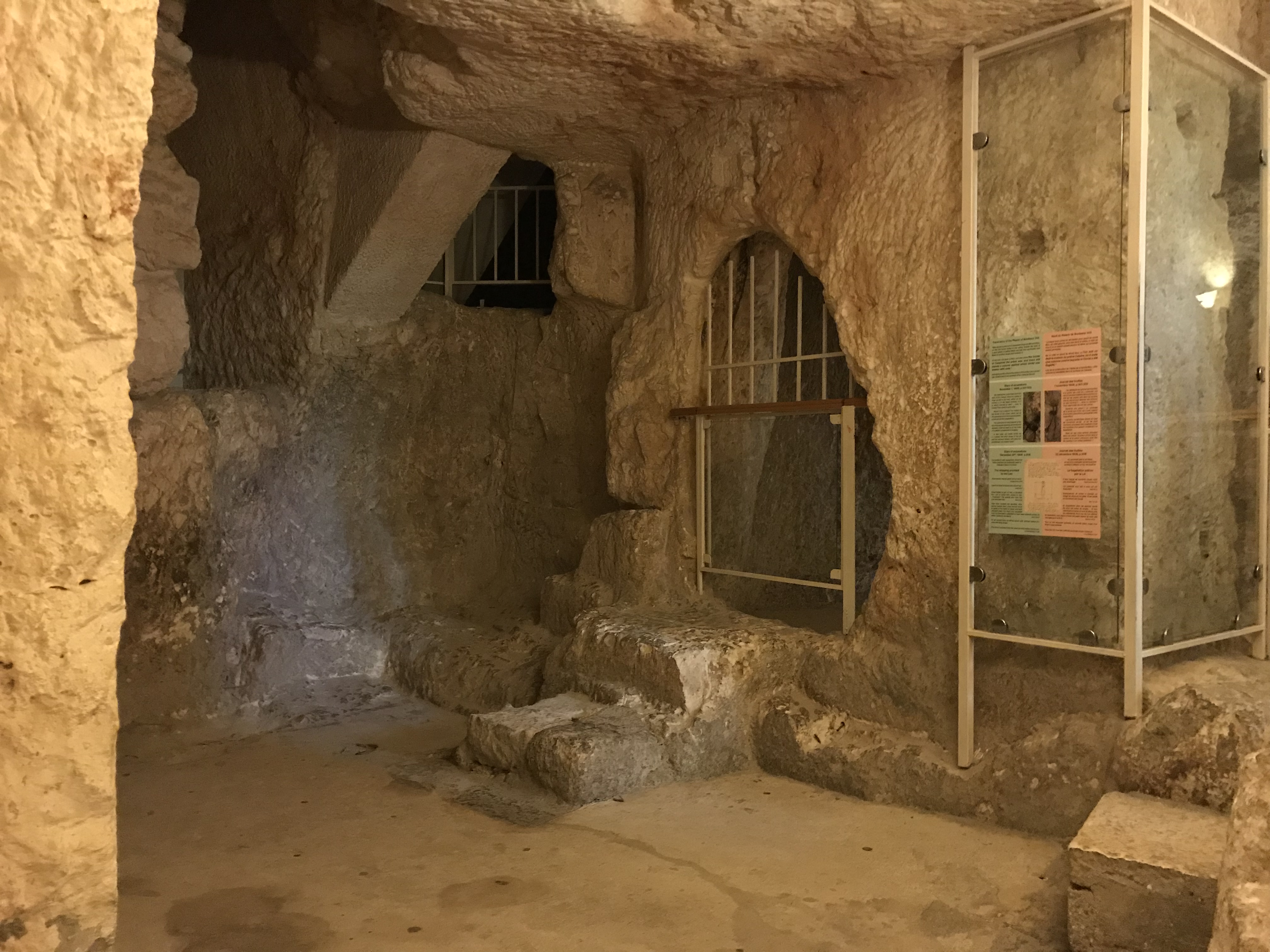
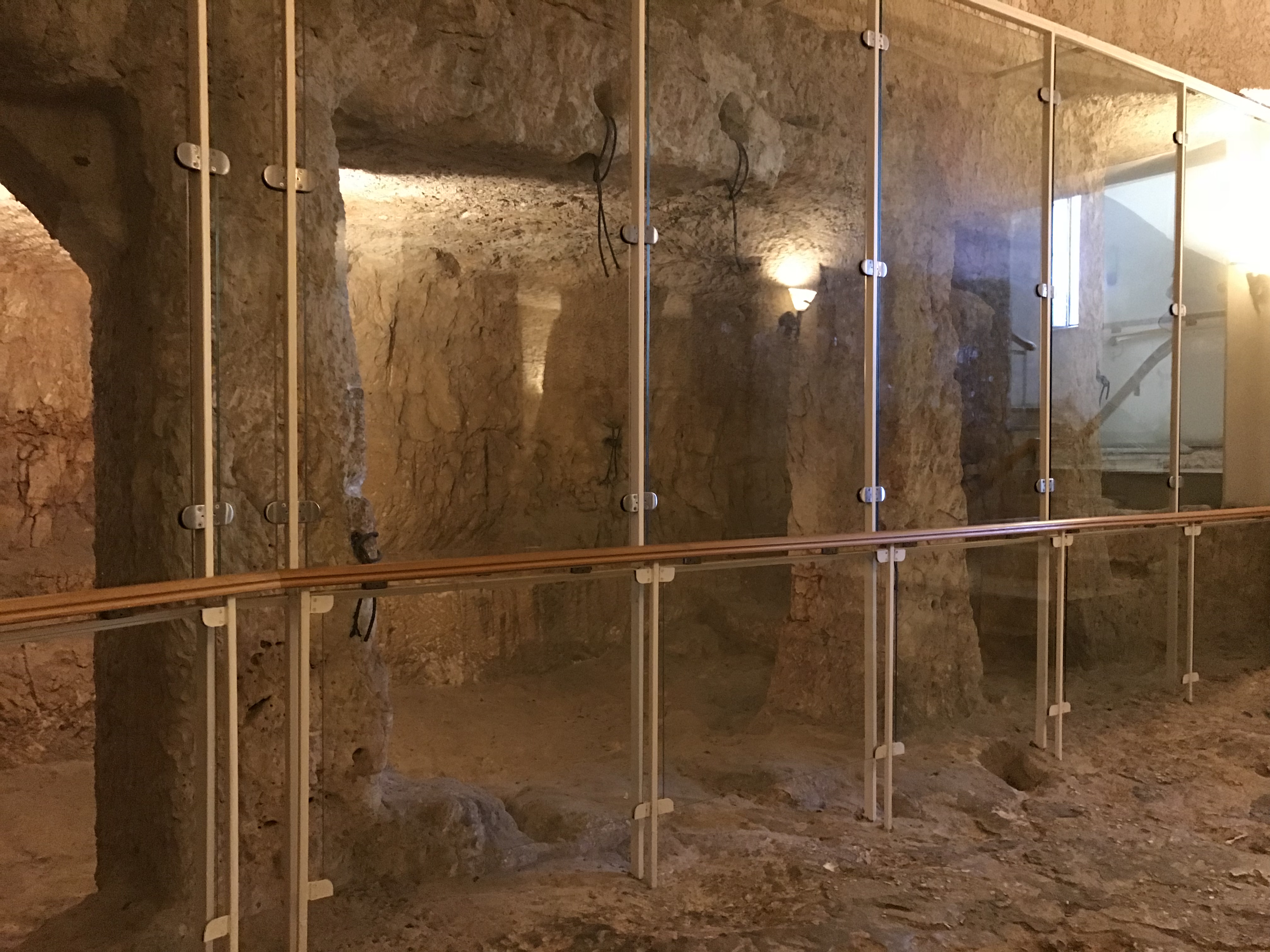
video
House of Caiaphas: Peter's Denial of Christ, Jerusalem, Israel, Church of Saint Peter in Gallicantu!
Kart
informasjon fra ordbok
Aaron was the first who was solemnly set apart to this office [2Mos 29:7 ; 2Mos 30:23 ; 3Mos 8:12 ]. He wore a peculiar dress, which on his death passed to his successor in office [2Mos 29:29 ; 2Mos 29:30 ]. Besides those garments which he wore in common with all priests, there were four that were peculiar to himself as high priest:
(1.) The "robe" of the ephod, all of blue, of "woven work", worn immediately under the ephod. It was without seam or sleeves. The hem or skirt was ornamented with pomegranates and golden bells, seventy-two of each in alternate order. The sounding of the bells intimated to the people in the outer court the time when the high priest entered into the holy place to burn incense before the Lord [2Mos 28:1 etc.].
(2.) The "ephod" consisted of two parts, one of which covered the back and the other the breast, which were united by the "curious girdle". It was made of fine twined linen, and ornamented with gold and purple. Each of the shoulder‑straps was adorned with a precious stone, on which the names of the twelve tribes were engraved. This was the high priest's distinctive vestment [1Sam 2:28 ; 1Sam 14:3 ; 1Sam 21:9 ; 1Sam 23:6 ; 1Sam 23:9 ; 1Sam 30:7 ].
(3.) The "breastplate of judgment" [2Mos 28:6 ‑12; 2Mos 28:25 ; 2Mos 39:2 ‑7] of "cunning work". It was a piece of cloth doubled, of one span square. It bore twelve precious stones, set in four rows of three in a row, which constituted the Urim and Thummim (q.v.). These stones had the names of the twelve tribes engraved on them. When the high priest, clothed with the ephod and the breastplate, inquired of the Lord, answers were given in some mysterious way by the Urim and Thummim [1Sam 14:3 ; 1Sam 14:18 ; 1Sam 14:19 ; 1Sam 23:2 ; 1Sam 23:4 ; 1Sam 23:9 ; 1Sam 23:11 ; 1Sam 23:12 ; 2Mos 28:6 ; 2Sam 5:23 ].
(4.) The "mitre", or upper turban, a twisted band of eight yards of fine linen coiled into a cap, with a gold plate in front, engraved with "Holiness to the Lord", fastened to it by a ribbon of blue.
To the high priest alone it was permitted to enter the holy of holies, which he did only once a year, on the great Day of Atonement, for "the way into the holiest of all was not yet made manifest" [Hebr 9:1 etc.; Hebr 10:1 etc.]. Wearing his gorgeous priestly vestments, he entered the temple before all the people, and then, laying them aside and assuming only his linen garments in secret, he entered the holy of holies alone, and made expiation, sprinkling the blood of the sin offering on the mercy seat, and offering up incense. Then resuming his splendid robes, he reappeared before the people [3Mos 16:1 etc.]. Thus the wearing of these robes came to be identified with the Day of Atonement.
The office, dress, and ministration of the high priest were typical of the priesthood of our Lord [Hebr 4:14 ; Hebr 7:25 ; Hebr 9:12 ], etc.
It is supposed that there were in all eighty‑three high priests, beginning with Aaron (B.C. 1657) and ending with Phannias (A.D. 70). At its first institution the office of high priest was held for life [but comp. [1Kong 2:27 ]], and was hereditary in the family of Aaron [4Mos 3:10 ]. The office continued in the line of Eleazar, Aaron's eldest son, for two hundred and ninety‑six years, when it passed to Eli, the first of the line of Ithamar, who was the fourth son of Aaron. In this line it continued to Abiathar, whom Solomon deposed, and appointed Zadok, of the family of Eleazar, in his stead [1Kong 2:35 ], in which it remained till the time of the Captivity. After the Return, Joshua, the son of Josedek, of the family of Eleazar, was appointed to this office. After him the succession was changed from time to time under priestly or political influences.
EBD - Easton's Bible Dictionary