Nu, Teba
linkuri
Street View
imagini
artefacte
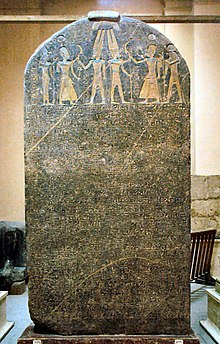
Stela lui Merneptah
Stela lui Merneptah, cunoscută și sub numele de Stela Israel sau Stela Victoriei a lui Merneptah, este o inscripție realizată de Merneptah, un faraon din Egiptul antic care a domnit între 1213 și 1203 î.Hr. Descoperită de Flinders Petrie la Teba în 1896, se află acum la Muzeul Egiptean din Cairo.
Textul este în mare parte un raport al victoriei lui Merneptah asupra libienilor antici și a aliaților lor, dar ultimele trei dintre cele 28 de linii se referă la o campanie separată în Canaan, pe atunci parte a posesiunilor imperiale ale Egiptului. Este uneori numită „Stela Israel” deoarece majoritatea cercetătorilor traduc un set de hieroglife din linia 27 ca „Israel”. Au fost propuse traduceri alternative, dar nu sunt larg acceptate.
Stela reprezintă cea mai veche referință textuală la Israel și singura referință din Egiptul antic. Este una dintre cele patru inscripții cunoscute din Epoca Fierului care datează din aceeași perioadă și menționează Israelul antic pe nume, celelalte fiind Stela lui Mesha, Stela Tel Dan și Monolitii Kurkh. În consecință, unii consideră Stela lui Merneptah drept cea mai faimoasă descoperire a lui Petrie, o opinie cu care Petrie însuși a fost de acord.
Wikipedia
Hartă
informații din dicționar
No
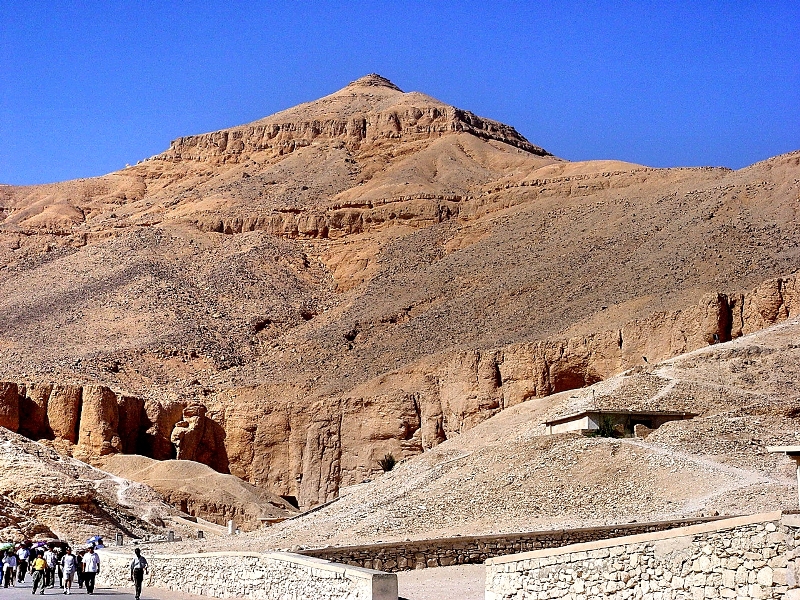
or No-A'mon, the home of Amon, the name of Thebes, the ancient capital of what is called the Middle Empire, in Upper or Southern Egypt. "The multitude of No" (Jer 46:25) is more correctly rendered, as in the Revised Version, "Amon of No", i.e., No, where Jupiter Amon had his temple. In (Ezek 30:14; 30:16) it is simply called "No;" but in (Ezek 30:15) the name has the Hebrew Hamon prefixed to it, "Hamon No." This prefix is probably the name simply of the god usually styled Amon or Ammon. In (Nah 3:8) the "populous No" of the Authorized Version is in the Revised Version correctly rendered "No-Amon."
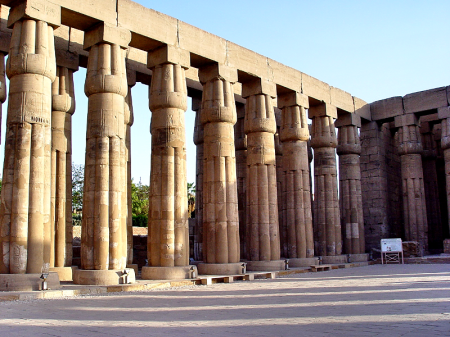
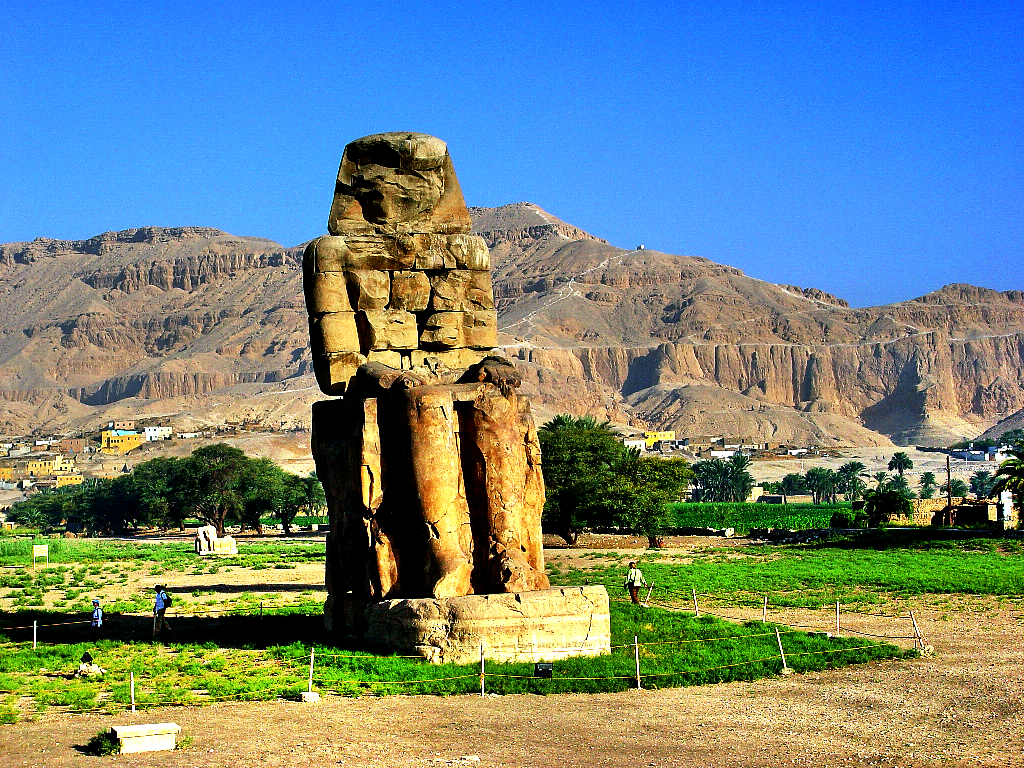
It was the Diospolis or Thebes of the Greeks, celebrated for its hundred gates and its vast population. It stood on both sides of the Nile, and is by some supposed to have included Karnak and Luxor. In grandeur and extent it can only be compared to Nineveh. It is mentioned only in the prophecies referred to, which point to its total destruction. It was first taken by the Assyrians in the time of Sargon (Isa 20:1etc.). It was afterwards "delivered into the hand" of Nebuchadnezzar and Assurbani-pal (Jer 46:25; 46:26). Cambyses, king of the Persians (B.C. 525), further laid it waste by fire. Its ruin was completed (B.C. 81) by Ptolemy Lathyrus. The ruins of this city are still among the most notable in the valley of the Nile. They have formed a great storehouse of interesting historic remains for more than two thousand years.
"As I wandered day after day with ever-growing amazement amongst these relics of ancient magnificence, I felt that if all the ruins in Europe, classical, Celtic, and medieval, were brought together into one centre, they would fall far short both in extent and grandeur of those of this single Egyptian city." Manning, The Land of the Pharaohs.
EBD - Easton's Bible Dictionary