ธีบส์
ลิงก์
Street View
รูปภาพ
สิ่งประดิษฐ์
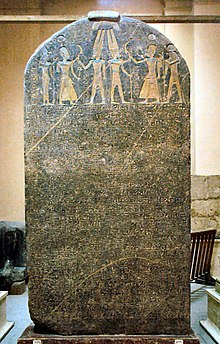
ศิลาจารึกเมอร์เนปทาห์
แผ่นศิลาจารึกเมอร์เนปทาห์ หรือที่รู้จักกันในชื่อ แผ่นศิลาจารึกอิสราเอล หรือ แผ่นศิลาจารึกชัยชนะของเมอร์เนปทาห์ เป็นจารึกโดยเมอร์เนปทาห์ ฟาโรห์ในอียิปต์โบราณที่ครองราชย์ตั้งแต่ปี 1213 ถึง 1203 ก่อนคริสต์ศักราช ค้นพบโดยฟลินเดอร์ส พีทรีที่ธีบส์ในปี 1896 ปัจจุบันจัดแสดงอยู่ที่พิพิธภัณฑ์อียิปต์ในกรุงไคโร
ข้อความส่วนใหญ่เป็นบันทึกชัยชนะของเมอร์เนปทาห์เหนือชาวลิเบียโบราณและพันธมิตรของพวกเขา แต่สามบรรทัดสุดท้ายจากทั้งหมด 28 บรรทัดกล่าวถึงการรณรงค์แยกต่างหากในคานาอัน ซึ่งขณะนั้นเป็นส่วนหนึ่งของอาณานิคมของอียิปต์ บางครั้งเรียกว่า "แผ่นศิลาจารึกอิสราเอล" เพราะนักวิชาการส่วนใหญ่แปลชุดอักษรภาพในบรรทัดที่ 27 ว่า "อิสราเอล" การแปลทางเลือกอื่น ๆ ได้รับการเสนอ แต่ไม่ได้รับการยอมรับอย่างกว้างขวาง
แผ่นศิลาจารึกนี้เป็นการอ้างอิงถึงอิสราเอลในข้อความที่เก่าแก่ที่สุดและเป็นการอ้างอิงเดียวจากอียิปต์โบราณ เป็นหนึ่งในสี่จารึกที่รู้จักจากยุคเหล็กที่กล่าวถึงอิสราเอลโบราณโดยชื่อ โดยอีกสามจารึกคือ แผ่นศิลาจารึกเมชา แผ่นศิลาจารึกเทลดาน และแผ่นศิลาจารึกเคิร์ก ด้วยเหตุนี้ บางคนจึงถือว่าแผ่นศิลาจารึกเมอร์เนปทาห์เป็นการค้นพบที่มีชื่อเสียงที่สุดของพีทรี ซึ่งพีทรีเองก็เห็นด้วยกับความคิดเห็นนี้
วิกิพีเดีย
แผนที่
ข้อมูลจากพจนานุกรม
No
or No-A'mon, the home of Amon, the name of Thebes, the ancient capital of what is called the Middle Empire, in Upper or Southern Egypt. "The multitude of No" (Jer 46:25) is more correctly rendered, as in the Revised Version, "Amon of No", i.e., No, where Jupiter Amon had his temple. In (Ezek 30:14; 30:16) it is simply called "No;" but in (Ezek 30:15) the name has the Hebrew Hamon prefixed to it, "Hamon No." This prefix is probably the name simply of the god usually styled Amon or Ammon. In (Nah 3:8) the "populous No" of the Authorized Version is in the Revised Version correctly rendered "No-Amon."
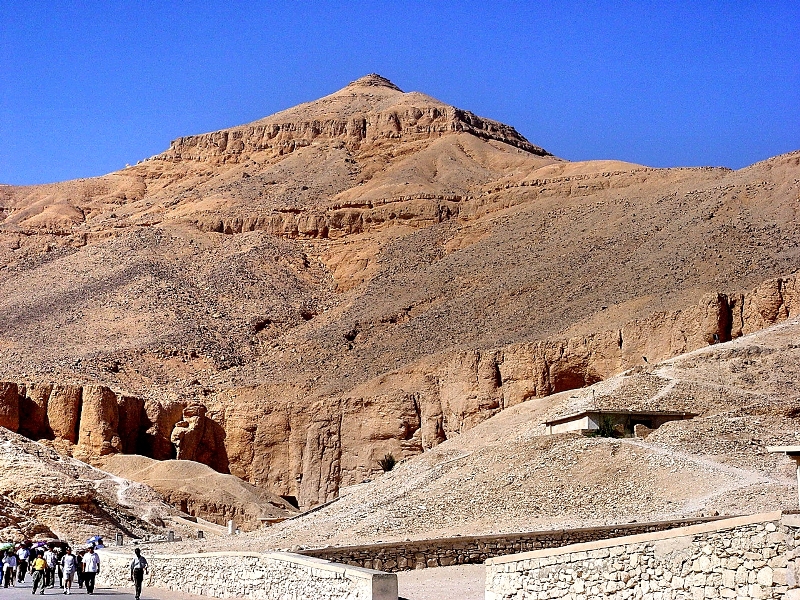
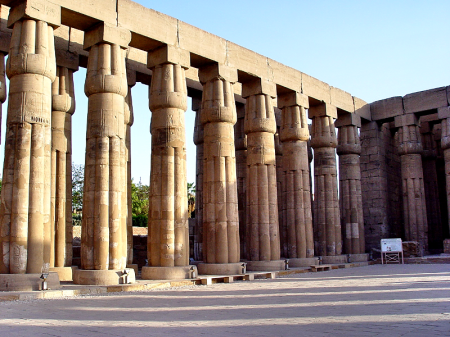
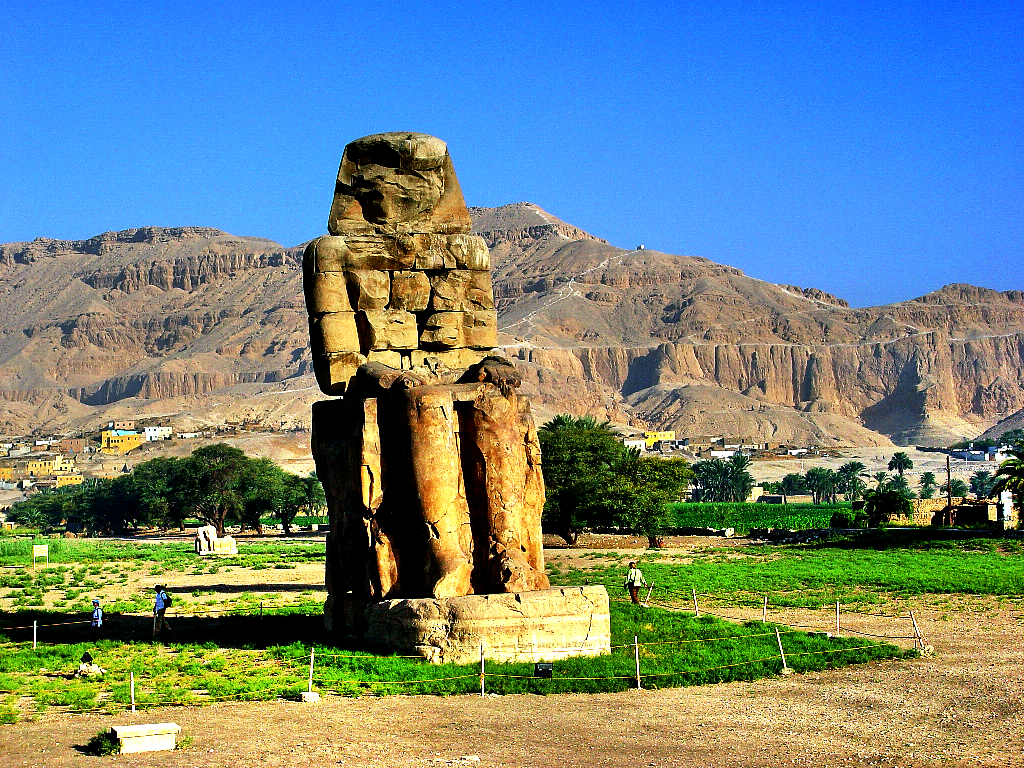
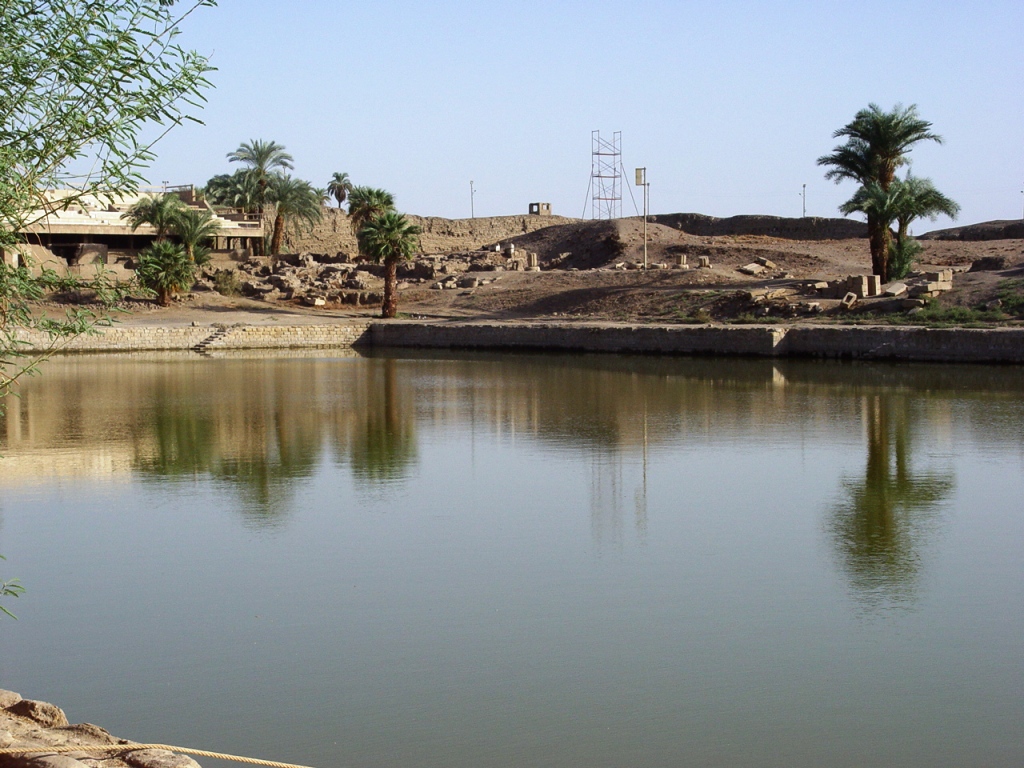
It was the Diospolis or Thebes of the Greeks, celebrated for its hundred gates and its vast population. It stood on both sides of the Nile, and is by some supposed to have included Karnak and Luxor. In grandeur and extent it can only be compared to Nineveh. It is mentioned only in the prophecies referred to, which point to its total destruction. It was first taken by the Assyrians in the time of Sargon (Isa 20:1etc.). It was afterwards "delivered into the hand" of Nebuchadnezzar and Assurbani-pal (Jer 46:25; 46:26). Cambyses, king of the Persians (B.C. 525), further laid it waste by fire. Its ruin was completed (B.C. 81) by Ptolemy Lathyrus. The ruins of this city are still among the most notable in the valley of the Nile. They have formed a great storehouse of interesting historic remains for more than two thousand years.
"As I wandered day after day with ever-growing amazement amongst these relics of ancient magnificence, I felt that if all the ruins in Europe, classical, Celtic, and medieval, were brought together into one centre, they would fall far short both in extent and grandeur of those of this single Egyptian city." Manning, The Land of the Pharaohs.
EBD - Easton's Bible Dictionary