สุสานของพระเยซูคริสต์
คำอธิบาย
โกลโกธา
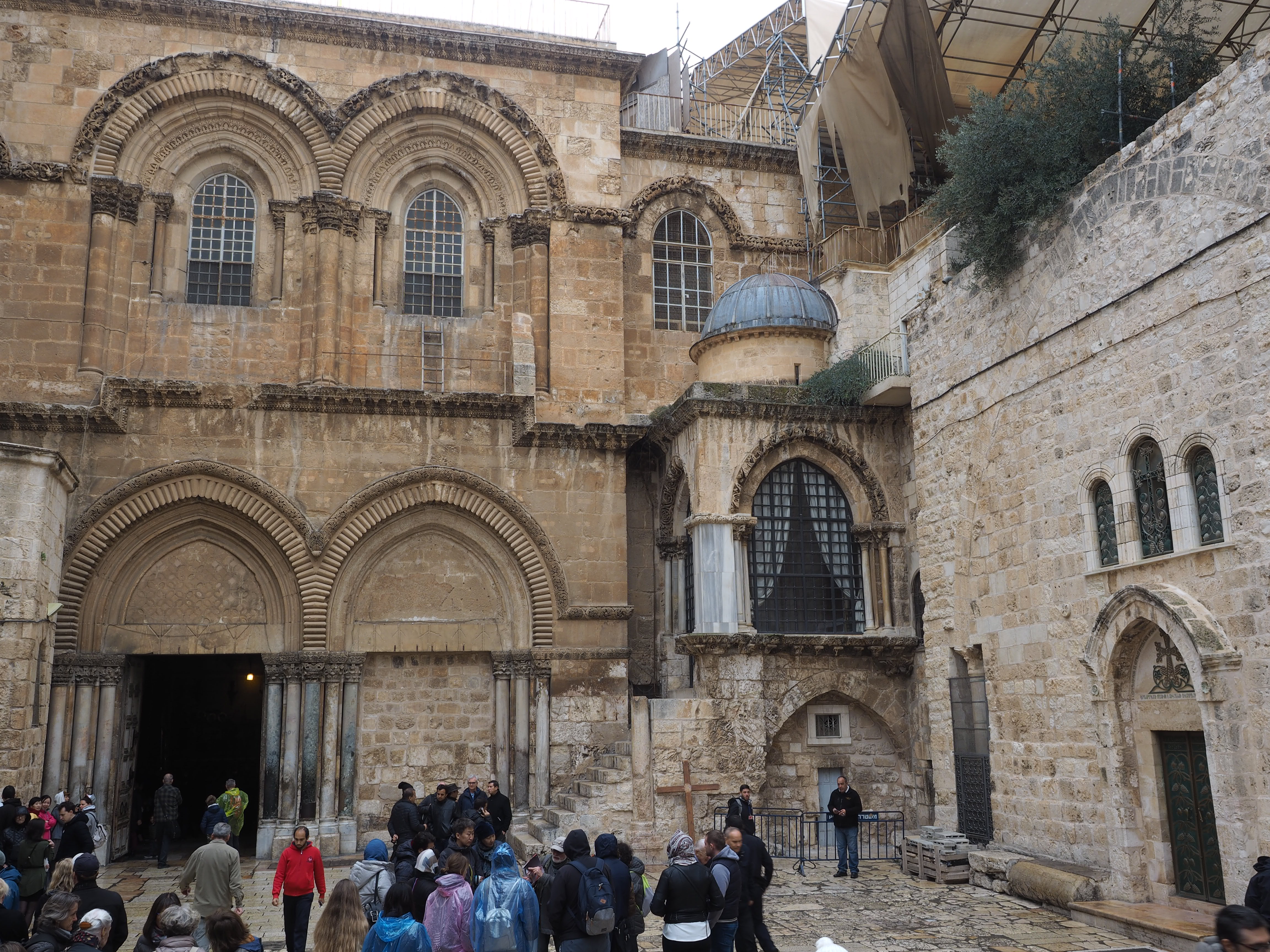
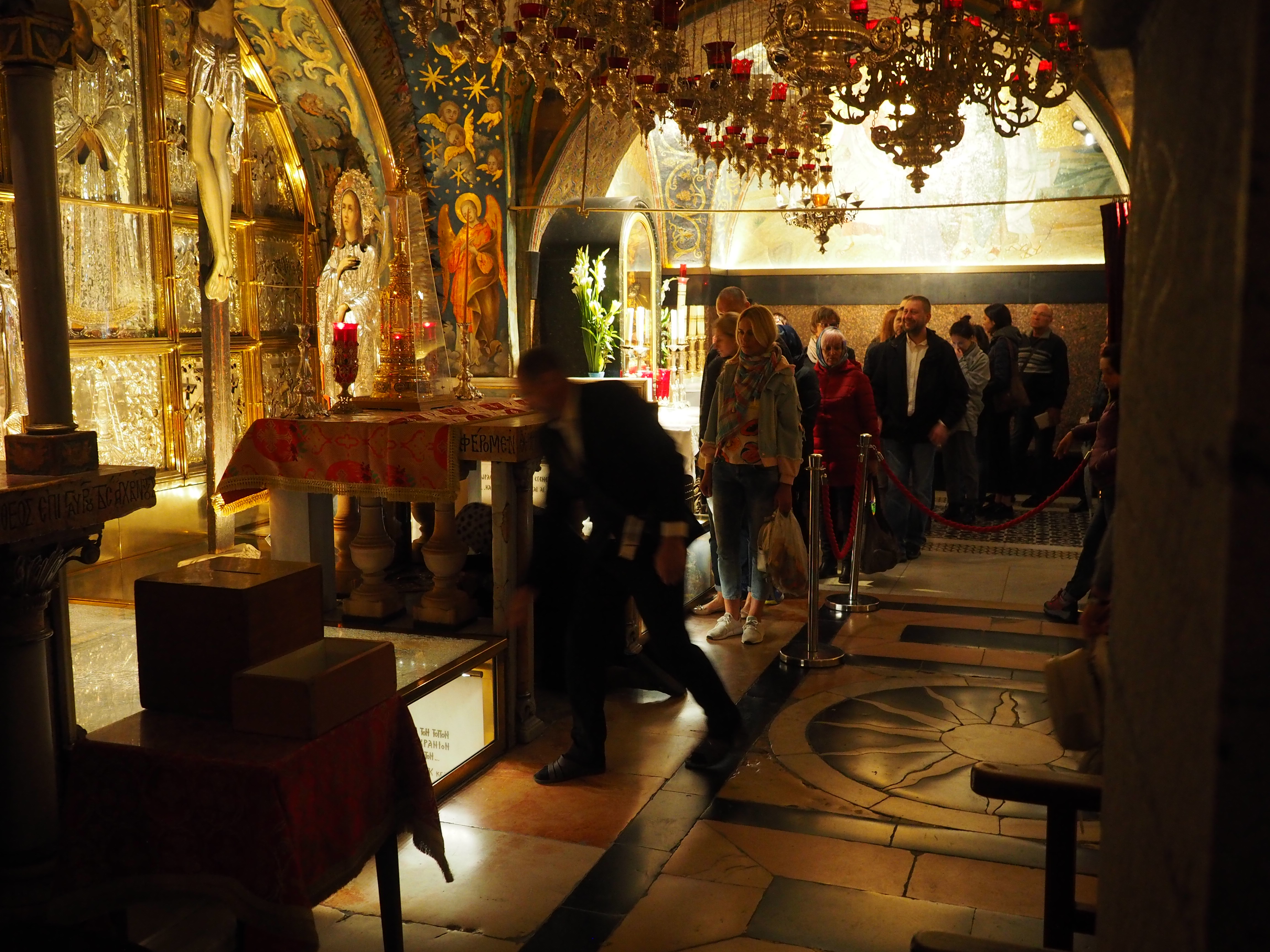
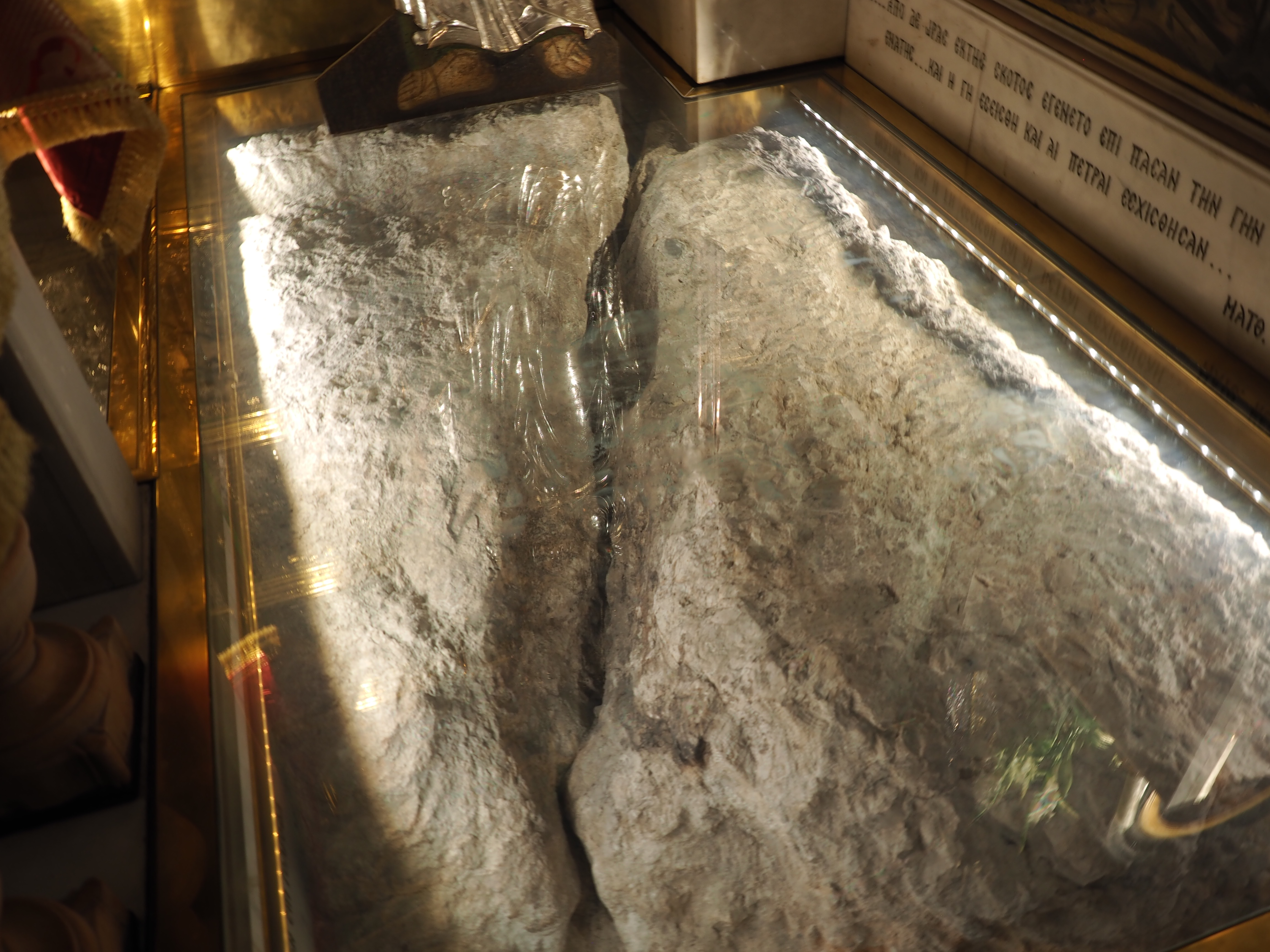
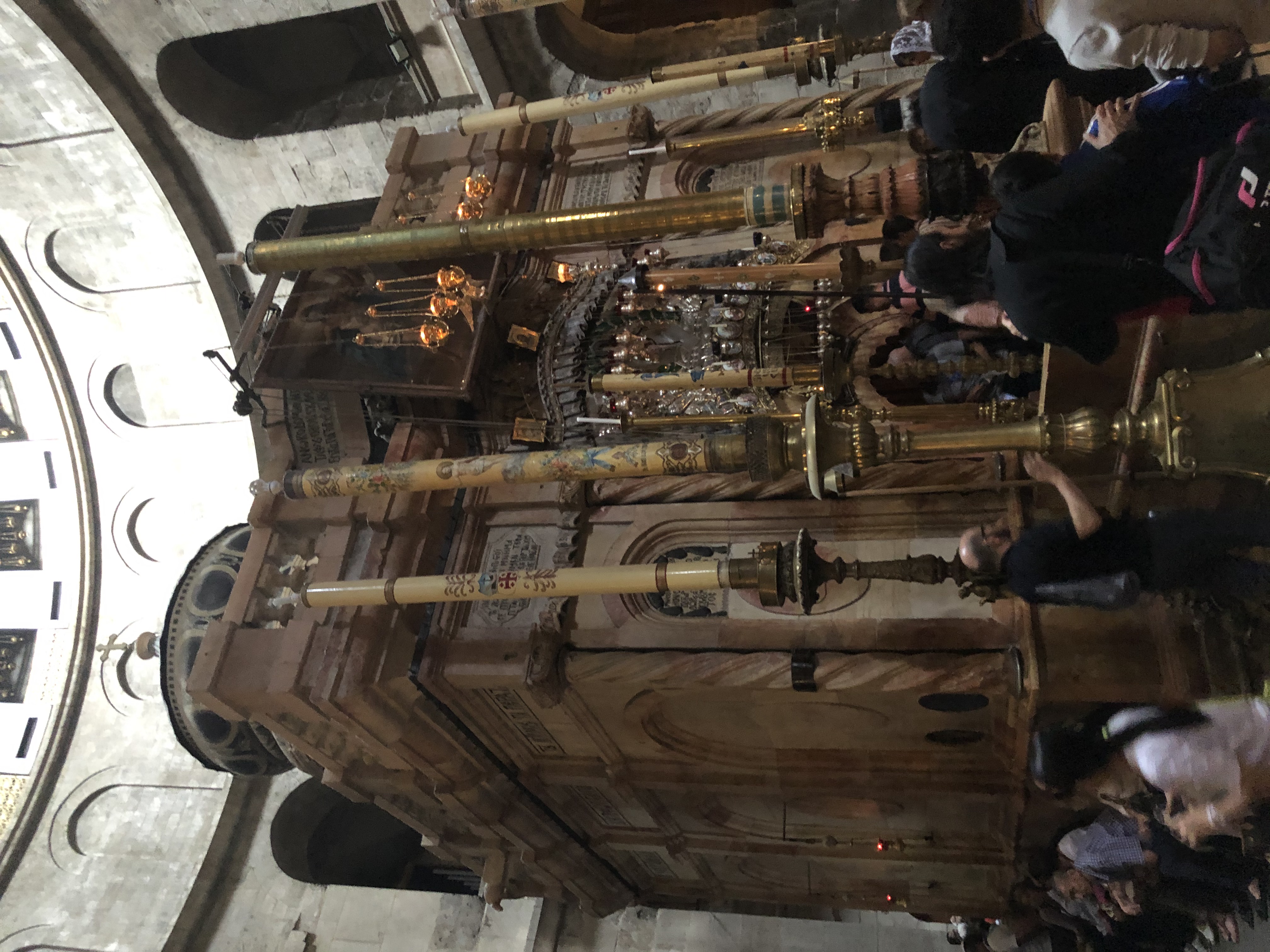
ชื่อทั่วไปของสถานที่ที่พระเยซูถูกตรึงกางเขน นักบุญผู้บันทึกพระกิตติคุณได้ตีความว่าเป็น "สถานที่ของกะโหลกศีรษะ" [มธ 27:33 ; มก 15:22 ; ยน 19:17 ] ชื่อนี้เป็นตัวอักษรกรีกของคำภาษาอราเมอิก กุลกัลธา ซึ่งเป็นคำภาษาฮีบรู กุลโกเลธ [กดว 1:2 ; 1 พศ 23:3, 24; 2 พกษ 9:35] หมายถึง "กะโหลกศีรษะ" ซึ่งเหมือนกับคำว่า คาลวารี (ดูเพิ่มเติม) มันเป็นเนินเล็กๆ ที่มีลักษณะกลมเหมือนกะโหลกศีรษะที่เปลือยเปล่า จากคำบอกเล่าของนักบุญผู้บันทึกพระกิตติคุณ เป็นที่ชัดเจนว่ามันเป็นสถานที่ที่รู้จักกันดีนอกประตูเมือง (เปรียบเทียบ [ฮบ 13:12 ]) และใกล้กับเมือง [ลก 23:26 ] มี "สวน" [ยน 19:41 ] และอยู่บนเส้นทางที่นำไปสู่ชนบท ดังนั้นจึงเป็นความคิดที่ไม่สามารถยอมรับได้ว่ามันถูกรวมอยู่ใน "โบสถ์สุสานศักดิ์สิทธิ์" ในปัจจุบัน เนินเขาเหนือถ้ำเยเรมีย์ทางตอนเหนือของเมืองน่าจะเป็นสถานที่จริงของคาลวารี ลักษณะคล้ายกะโหลกศีรษะของหินในหน้าผาทางใต้ของเนินเขานั้นน่าทึ่งมาก
ลิงก์
Street View
รูปภาพ
วิดีโอ
Church of Holy Sepulchre History
Church of Holy Sepulchre History, Death, Burial, Resurrection of Jesus Christ, Golgotha, Calvary
Church of Holy Sepulchre History Part 2: Death, Burial, Resurrection of Christ, Golgotha, Calvary
A Video Tour inside The Church of the Holy Sepulchre in Jerusalem
Jesus' Tomb Explained--the evidence & the story!
Where Jesus Was Crucified: The archaeological evidence!
Archaeological Proof for the Crucifixion and Burial Tomb of Jesus Christ. Joel Kramer, SourceFlix.
แผนที่
ข้อมูลจากพจนานุกรม
Golgotha
the common name of the spot where Jesus was crucified. It is interpreted by the evangelists as meaning "the place of a skull" (Matt 27:33; Mark 15:22; John 19:17). This name represents in Greek letters the Aramaic word Gulgaltha, which is the Hebrew Gulgoleth (Num 1:2; 1Chr 23:3; 23:24; 2Kings 9:35), meaning "a skull." It is identical with the word Calvary (q.v.). It was a little knoll rounded like a bare skull. It is obvious from the evangelists that it was some well-known spot outside the gate [comp. (Heb 13:12)], and near the city (Luke 23:26), containing a "garden" (John 19:41), and on a thoroughfare leading into the country. Hence it is an untenable idea that it is embraced within the present "Church of the Holy Sepulchre." The hillock above Jeremiah's Grotto, to the north of the city, is in all probability the true site of Calvary. The skull-like appearance of the rock in the southern precipice of the hillock is very remarkable.
EBD - Easton's Bible Dictionary