凯撒利亚腓立比
描述
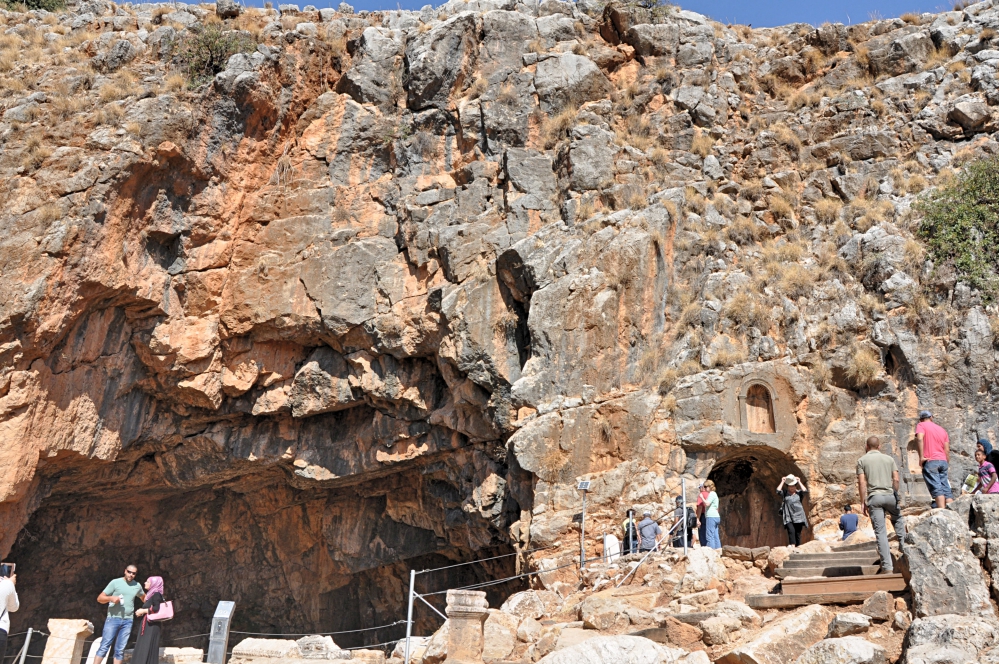
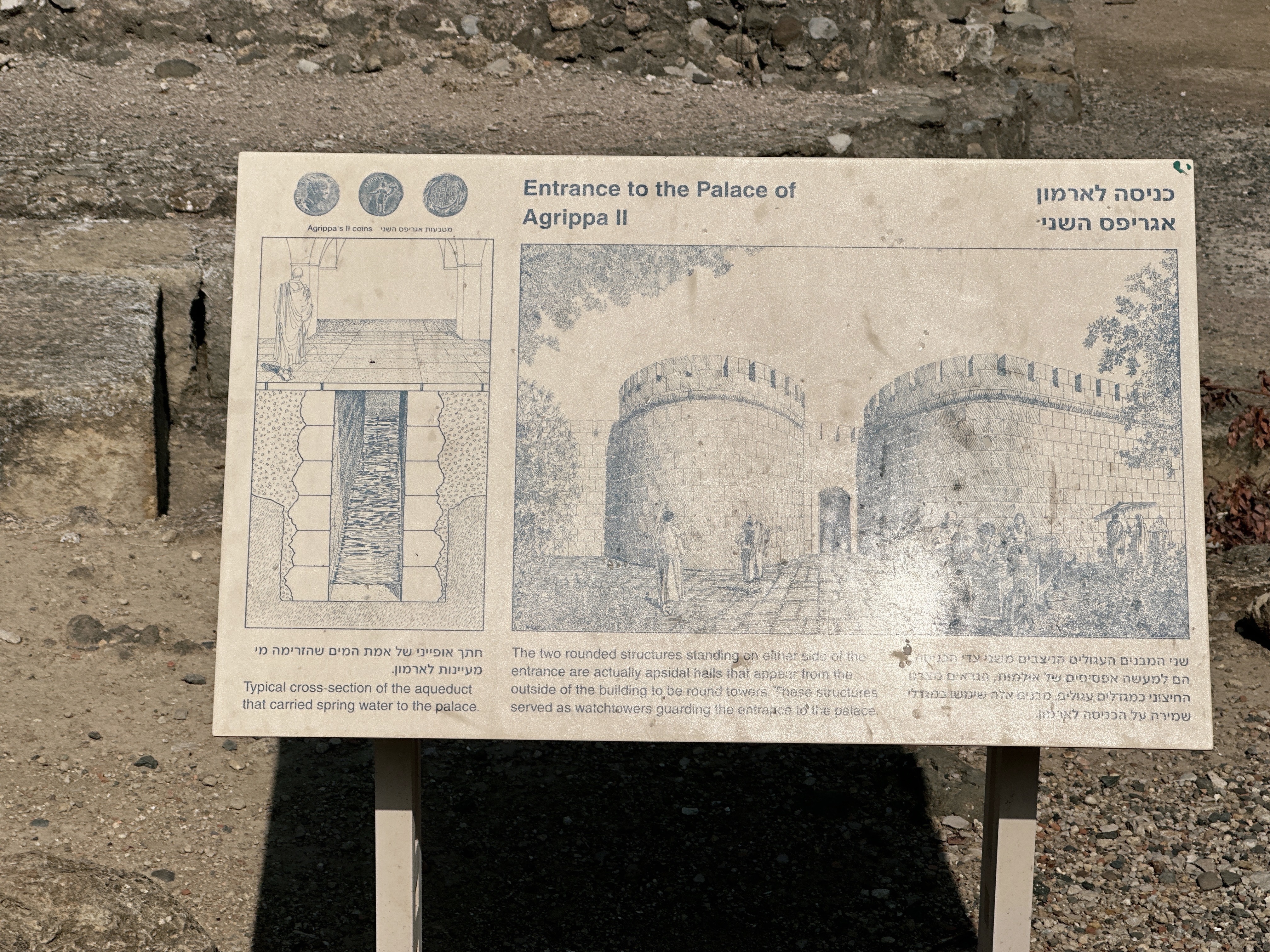
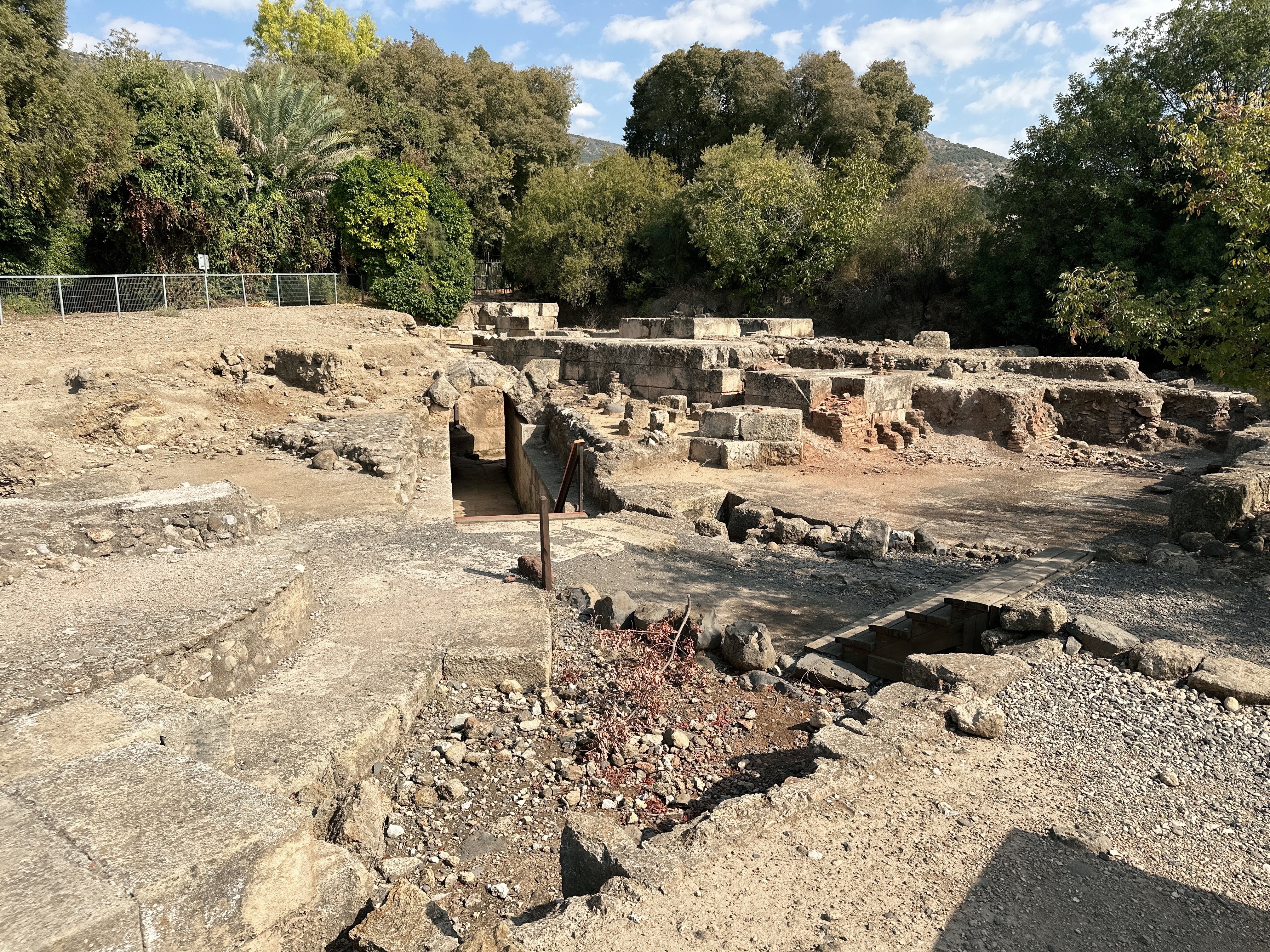
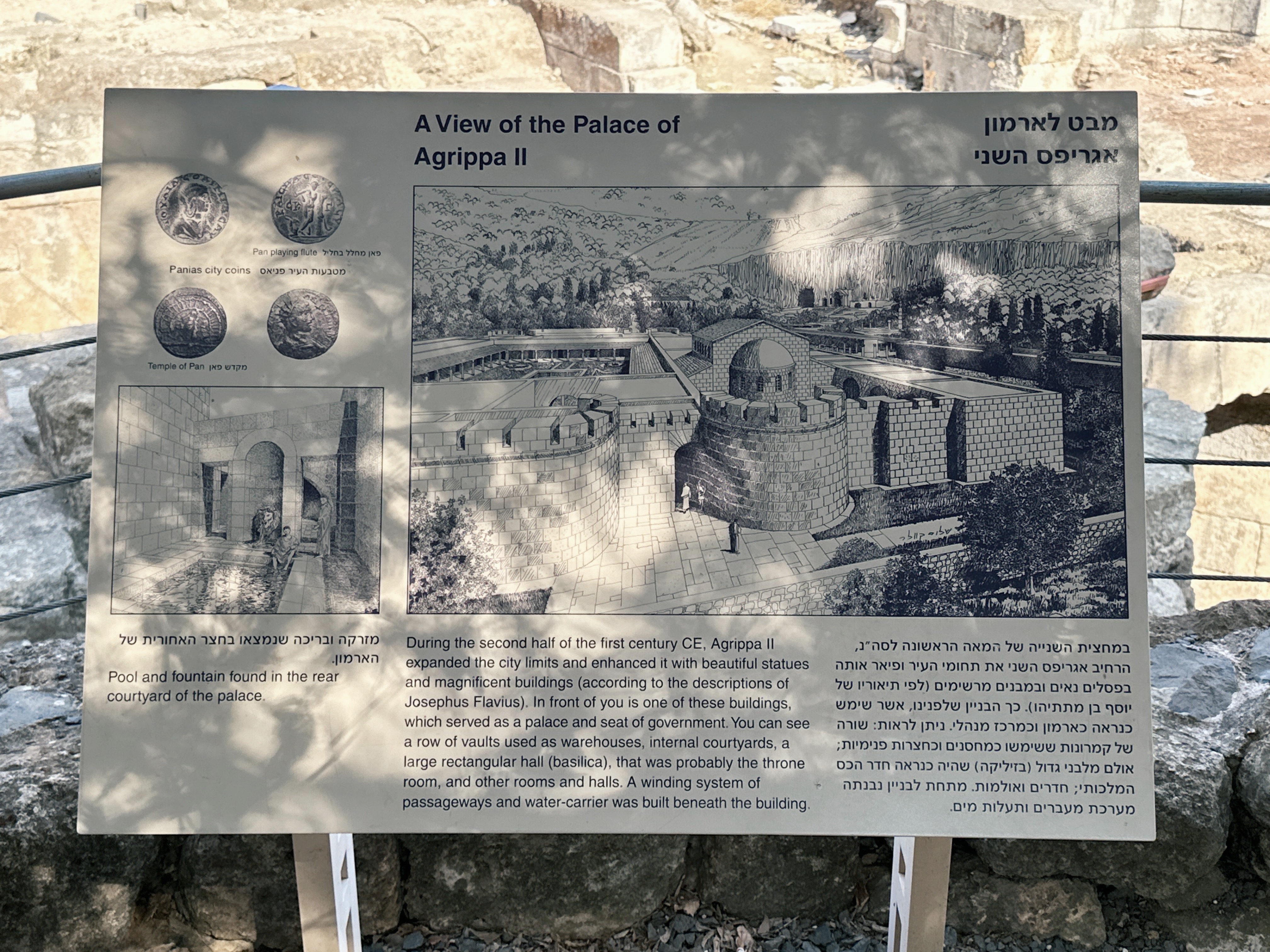
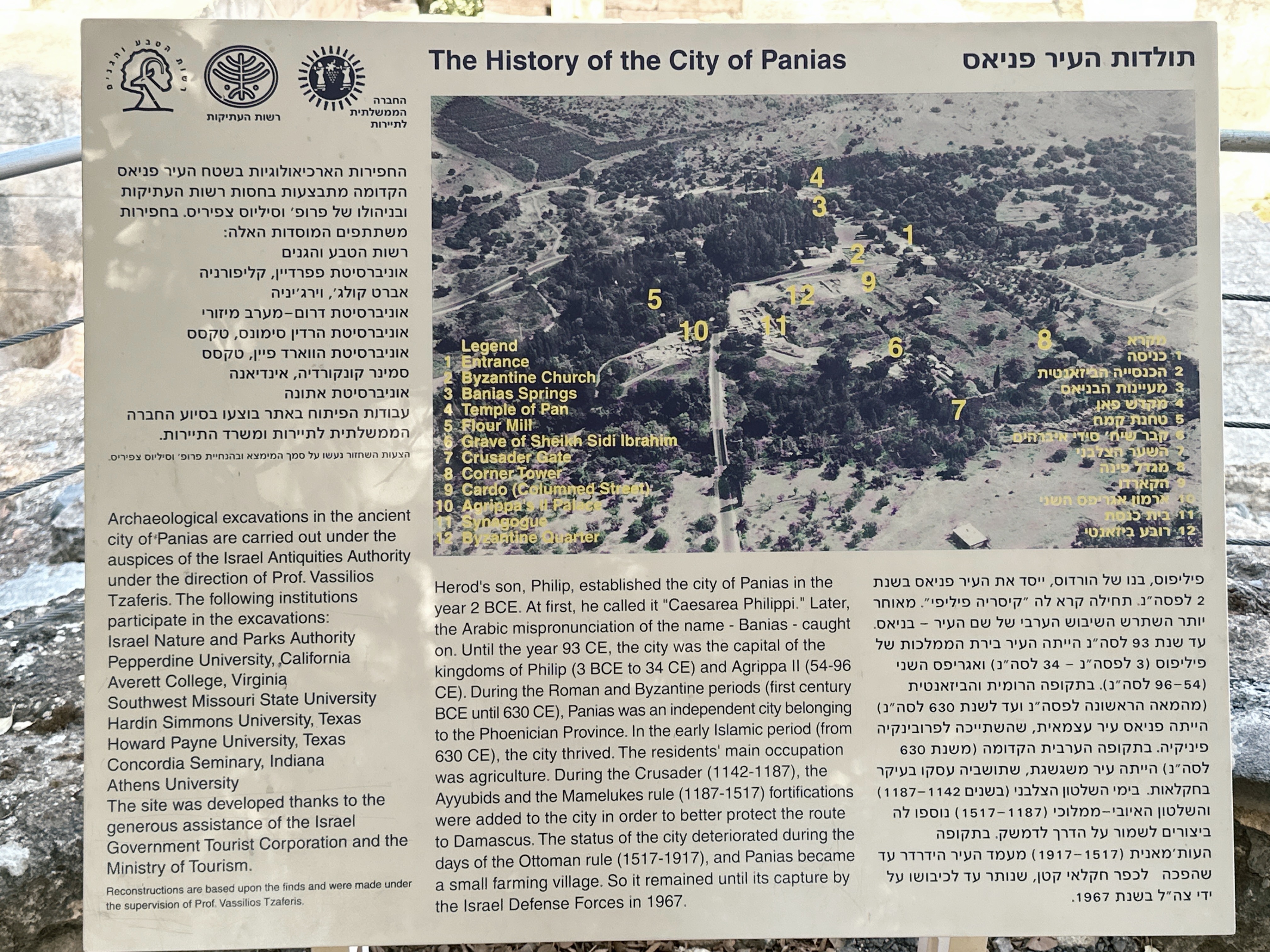
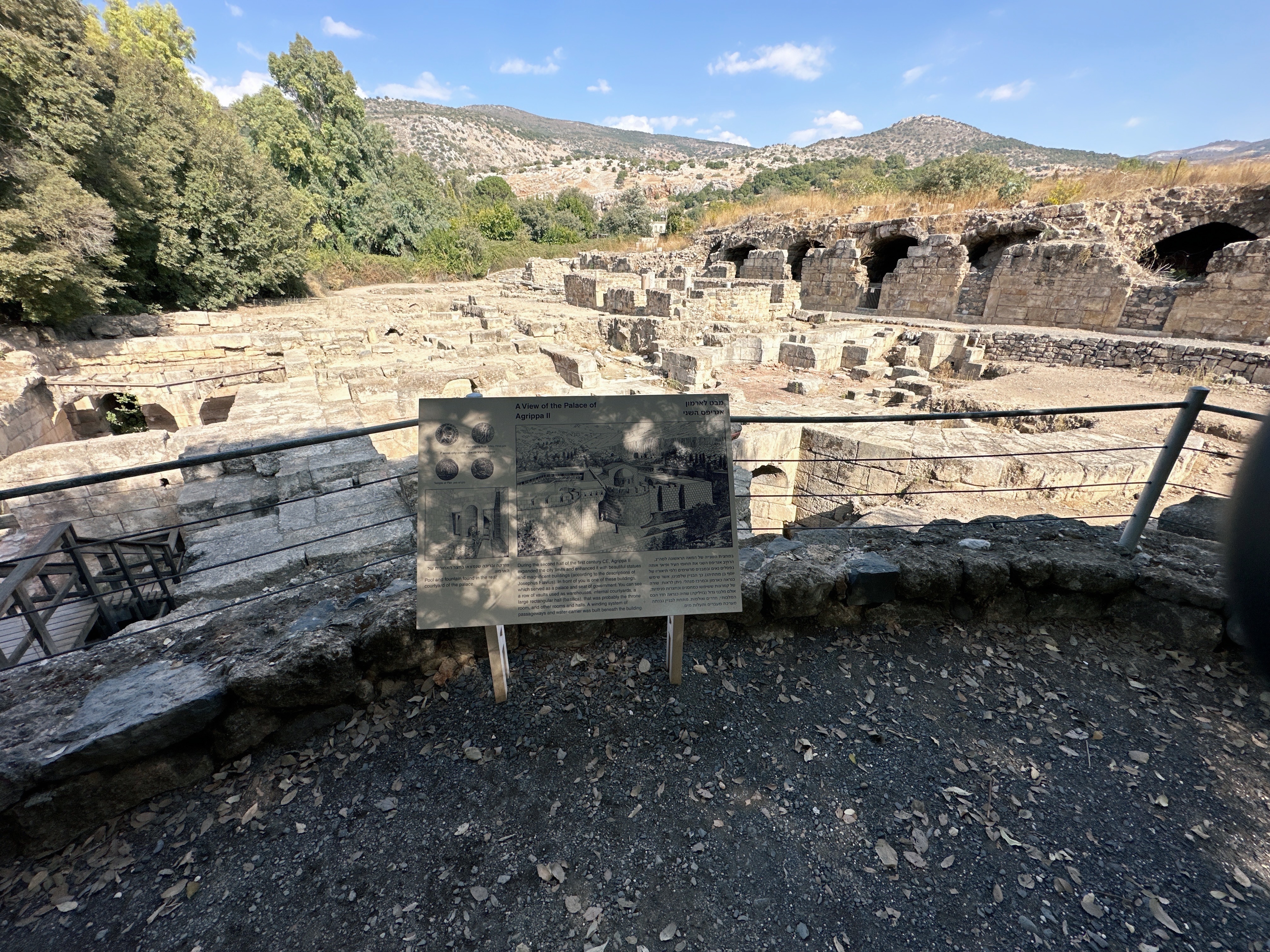
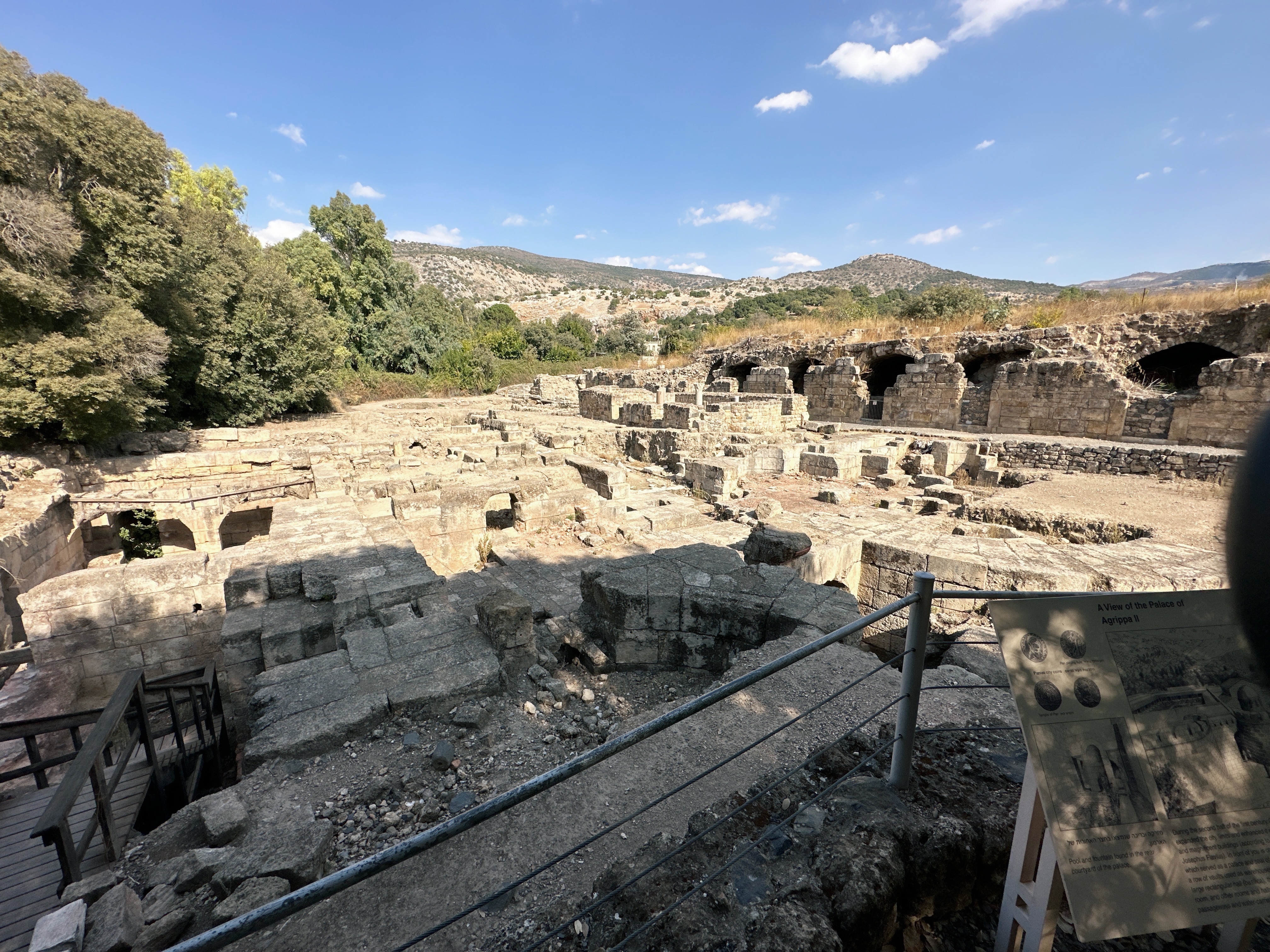
该撒利亚腓立比是一座位于赫尔蒙山美丽山脚下约旦河源头附近的城市。在彼得的弥赛亚告白期间,我们仅在前两本福音书中提到它[太 16:13 -18; 可 8:27 ]。公元前20年,奥古斯都将这座城市交给大希律王。他在罗马神潘的祭祀地附近建造了一座大理石神庙,并将城市命名为帕尼亚斯。分封王腓力扩建了这座城市,并以皇帝提比略和他自己的名义将其重命名为该撒利亚腓立比。亚基帕二世进一步发展了这座城市,并以皇帝尼禄的名义将其命名为尼罗尼亚。在犹太战争期间,提图斯在这里组织了角斗士比赛,被俘的犹太人不得不与野兽和彼此搏斗。在这座古城的废墟上,现在矗立着巴尼亚斯村[帕尼亚斯=潘神的圣地],其中有悬崖城堡的遗迹。
链接
Street View
图片
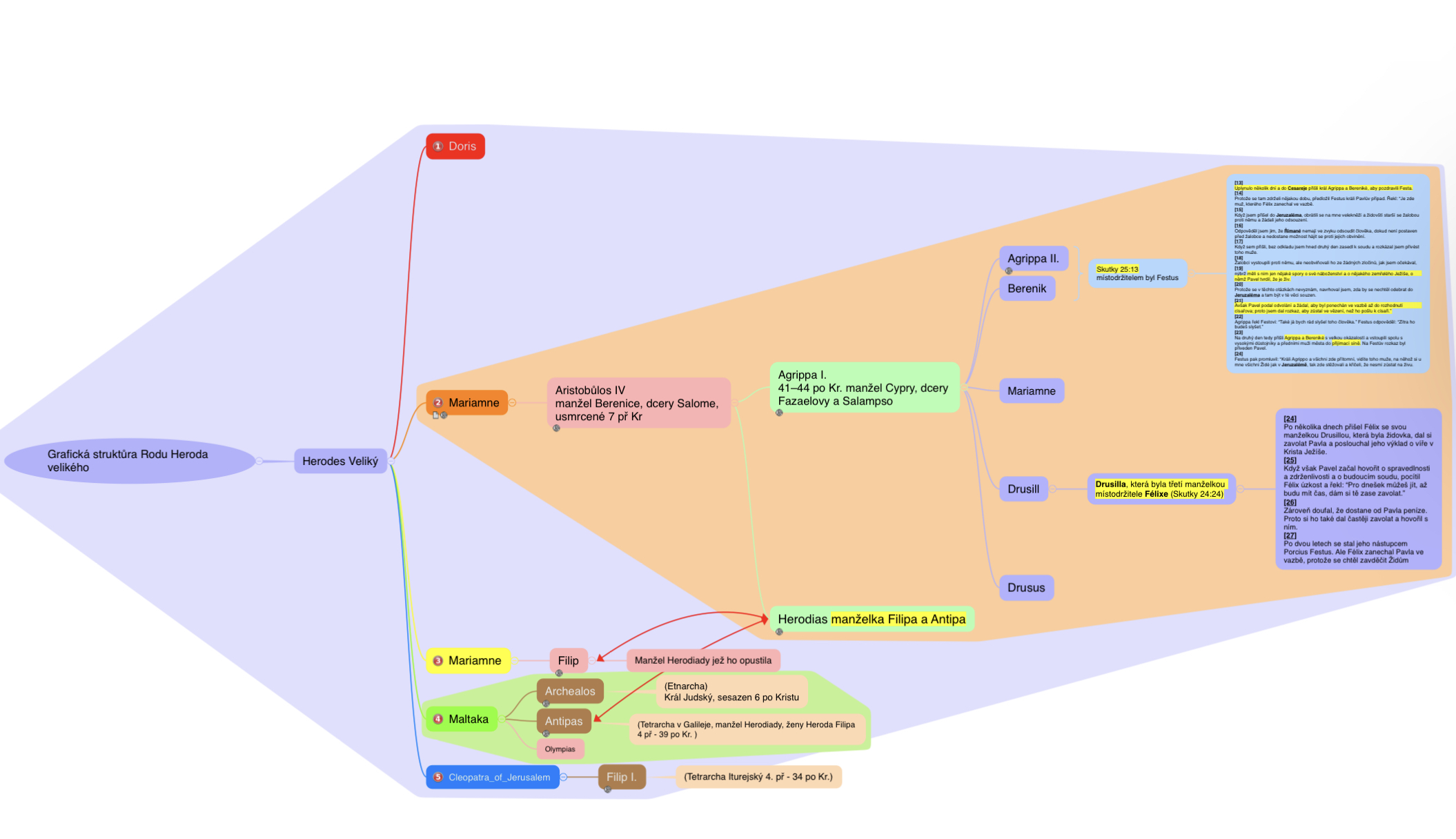
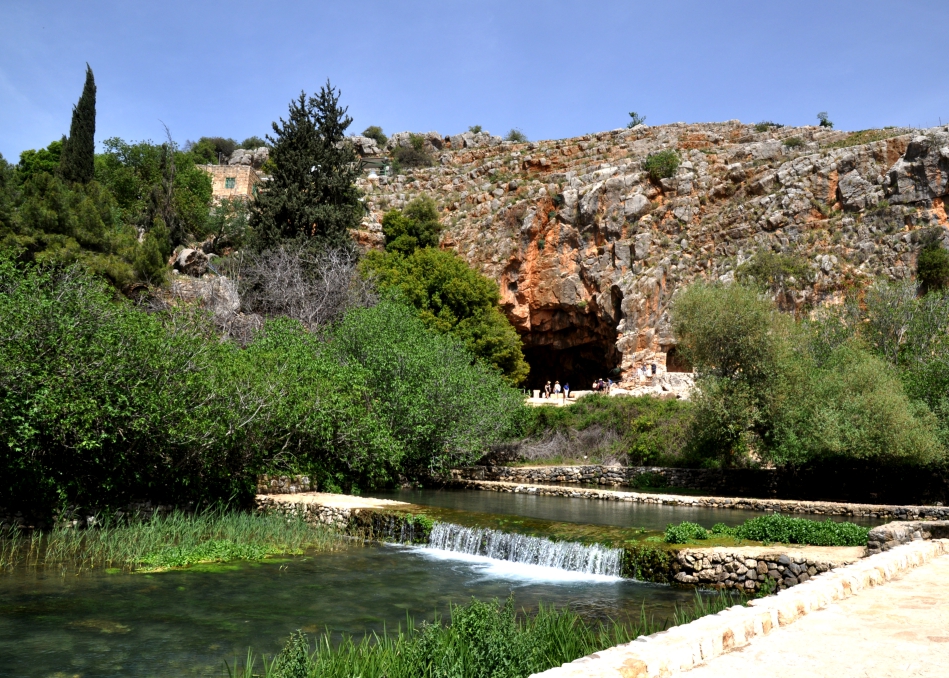
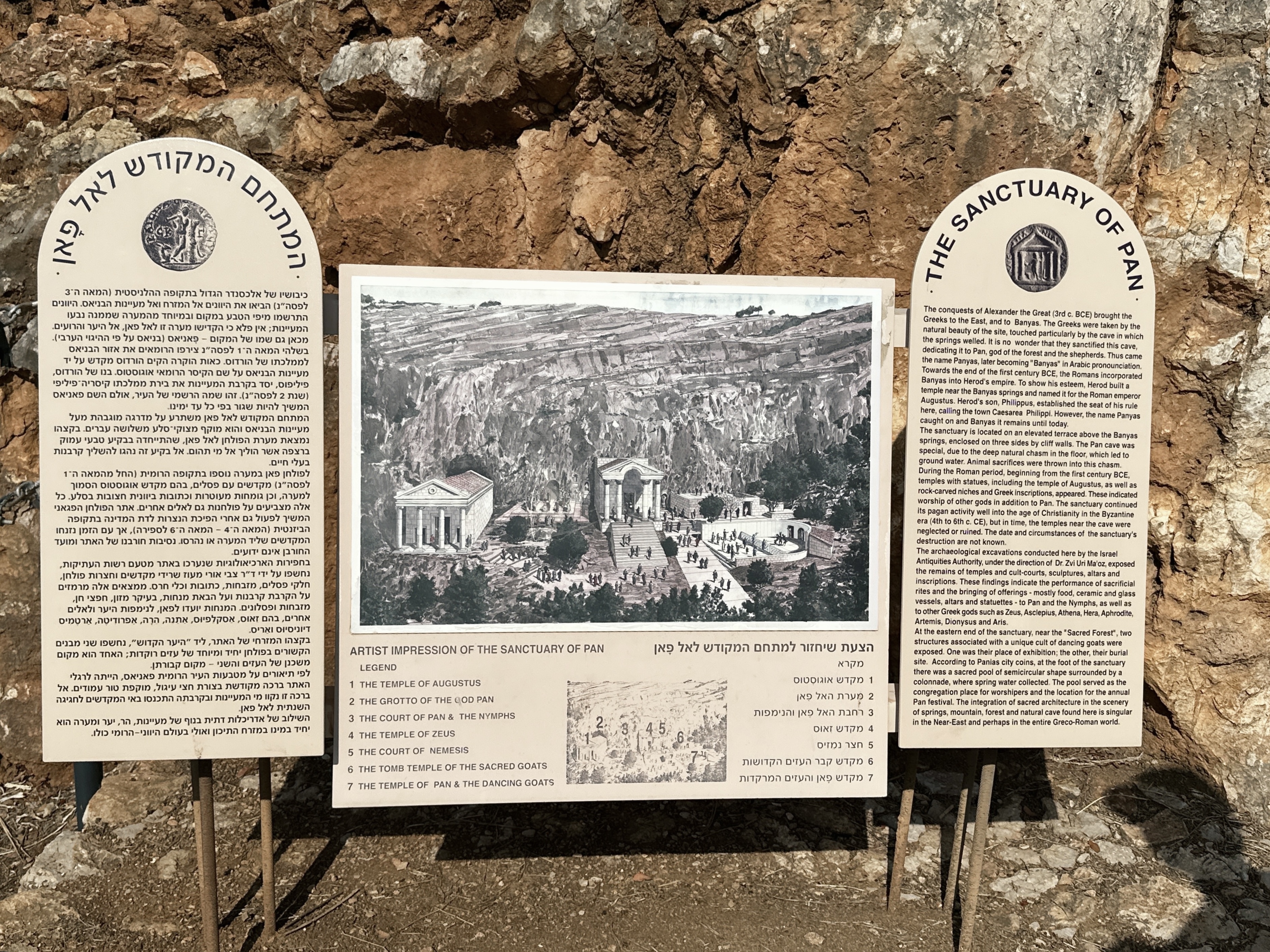
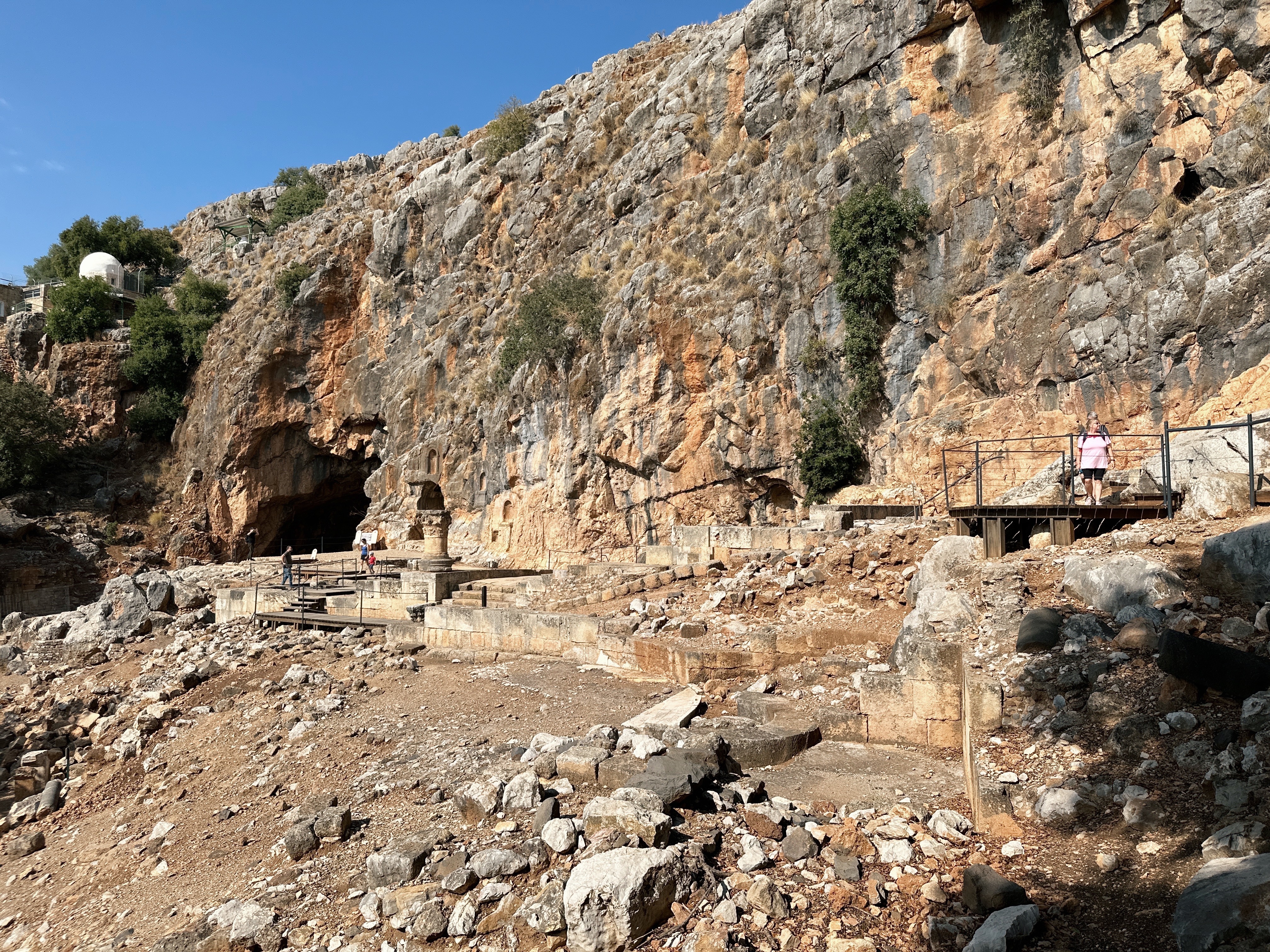
地图
来自字典的信息
Caesara Philippi
a city on the northeast of the marshy plain of el-Huleh, 120 miles north of Jerusalem, and 20 miles north of the Sea of Galilee, at the "upper source" of the Jordan, and near the base of Mount Hermon. It is mentioned in (Matt 16:13) and (Mark 8:27) as the northern limit of our Lord's public ministry. According to some its original name was Baal-Gad (Josh 11:17), or Baal-Hermon (Judg 3:3; 1Chr 5:23), when it was a Canaanite sanctuary of Baal. It was afterwards called Panium or Paneas, from a deep cavern full of water near the town. This name was given to the cavern by the Greeks of the Macedonian kingdom of Antioch because of its likeness to the grottos of Greece, which were always associated with the worship of their god Pan. Its modern name is Banias. Here Herod built a temple, which he dedicated to Augustus Caesar. This town was afterwards enlarged and embellished by Herod Philip, the tetrarch of Trachonitis, of whose territory it formed a part, and was called by him Caesarea Philippi, partly after his own name, and partly after that of the emperor Tiberius Caesar. It is thus distinguished from the Caesarea of Palestine. (See JORDAN)
EBD - Easton's Bible Dictionary