塞浦路斯
描述
塞浦路斯
[Kypros],地中海的一个岛屿,形状几乎是矩形,东北部有一个长而狭窄的半岛;面积为9601平方公里;岛上有两座山脉,北部和南部,之间的山谷有皮迪亚斯河向东流淌。岛上有几个商港。其最早已知的居民是*基庭人,他们是希腊原住民的亲属 [创 10:4 ]。当时的首都是基提。值得注意的是,来自塞浦路斯的陶器在耶路撒冷的早期青铜时代就已出现,塞浦路斯的武器甚至被荷马所歌颂。歌利亚的盔甲 [撒上 17:5 ] 非常类似于从塞浦路斯进口的希腊重装步兵的盔甲。
在所罗门圣殿的装备中可以看到塞浦路斯的影响。在基督之前的时代,赫梯人、腓尼基人、希腊人、亚述人、埃及人和波斯人相继统治该岛,他们在此开采铜矿并出口木材。公元前58年,岛屿成为罗马的一个省份。总督驻扎在帕福斯。铜矿曾被大希律王租用过一段时间。在繁荣时期,塞浦路斯的人口曾达到1,000,000,其中后来有相当多的犹太人。森林随着时间的推移被砍伐,现在超过一半的岛屿已成为干旱的荒地。基督教的起源在保罗使徒之前就已出现 [徒 11:20 ]。被驱逐的司提反的朋友逃到这里。保罗的同伴*巴拿巴来自该地 [徒 4:36 ]。马拿逊也是来自这里,关于他的记载见于 [徒 21:16 ]。塞浦路斯是使徒保罗第一次传教旅行的第一站,他与巴拿巴一起进行 [徒 4:36 ; 徒 13:4 ; 徒 15:39 ]。
基庭,基提人,基庭
雅完的后裔 [希腊的爱奥尼亚人,爱奥尼亚],他们居住在塞浦路斯和地中海的其他岛屿 [创 10:4 ; 代上 1:7 ; 赛 23:1 ,12; 耶 2:10 ]。根据 [结 27:6 ],基庭 [基提,拉纳卡] 是腓尼基人在地中海的第一个贸易城市 [在塞浦路斯]。一些专家将 [但 11:30 ] 不确定地与罗马人联系起来;在 [民 24:24 ],许多解释者认为这指的是马其顿人。
《阿道夫·诺沃特尼的圣经词典》
链接
图片
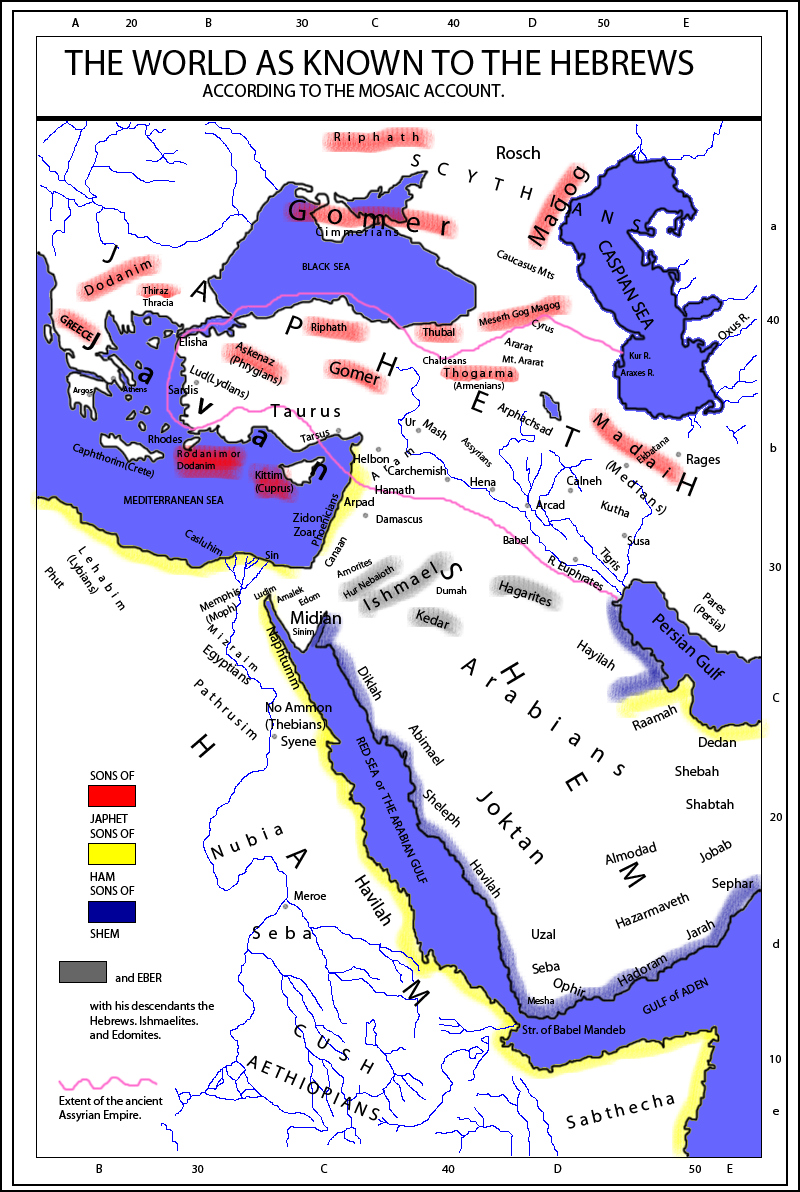
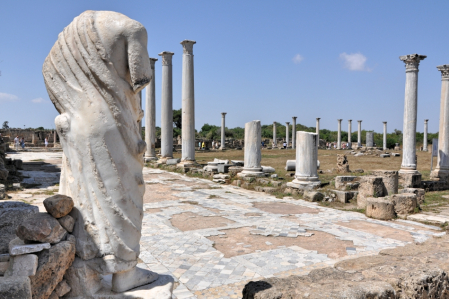
地图
来自字典的信息
Chittim
or Kittim, a plural form (Gen 10:4), the name of a branch of the descendants of Javan, the "son" of Japheth. Balaam foretold (Num 24:24) "that ships shall come from the coast of Chittim, and afflict Eber." Daniel prophesied (Dan 11:30) that the ships of Chittim would come against the king of the north. It probably denotes Cyprus, whose ancient capital was called Kition by the Greeks.
The references elsewhere made to Chittim (Isa 23:1; 23:12; Jer 2:10; Ezek 27:6) are to be explained on the ground that while the name originally designated the Phoenicians only, it came latterly to be used of all the islands and various settlements on the sea-coasts which they had occupied, and then of the people who succeeded them when the Phoenician power decayed. Hence it designates generally the islands and coasts of the Mediterranean and the races that inhabit them.
EBD - Easton's Bible Dictionary