但
描述
但
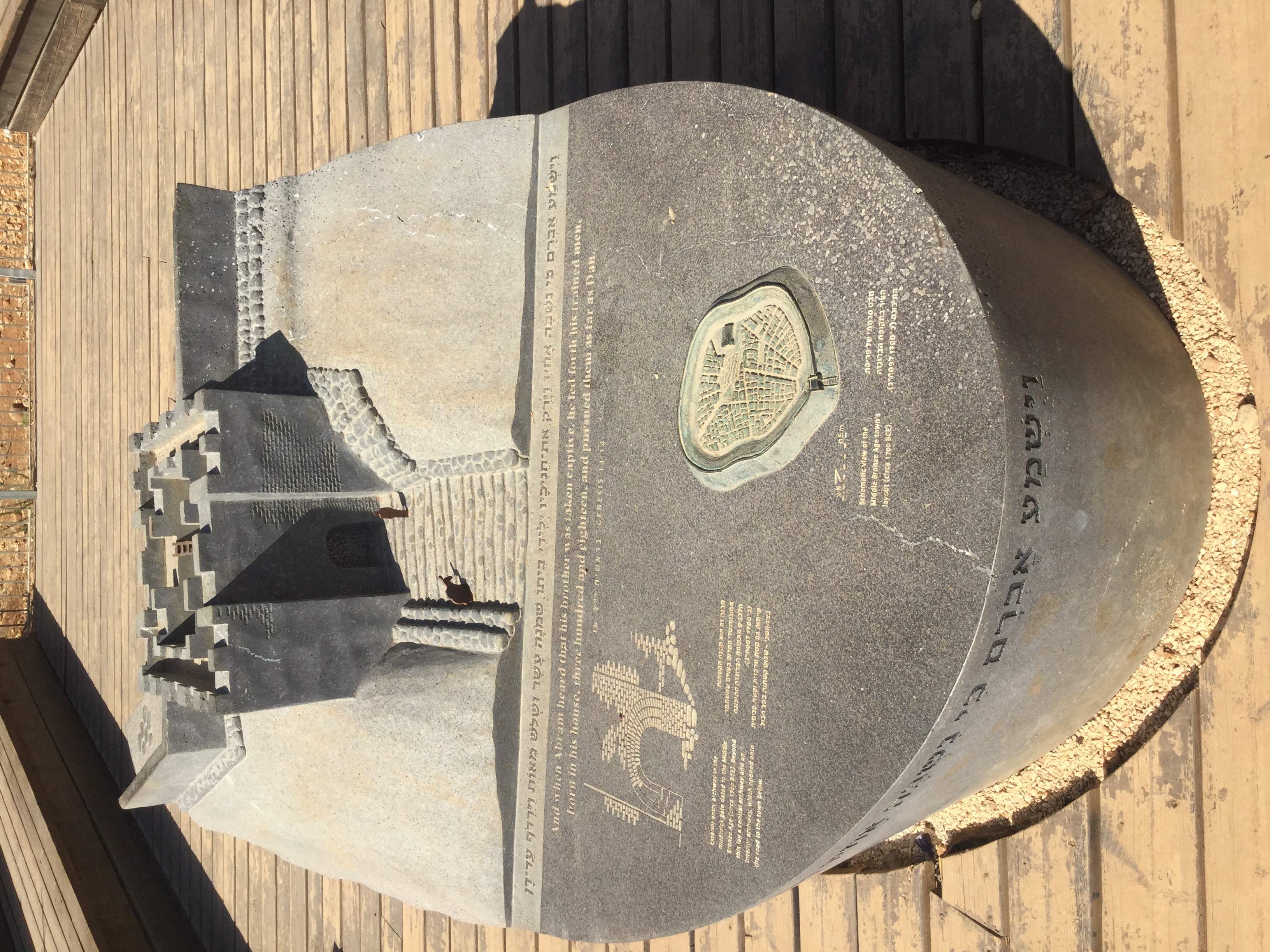
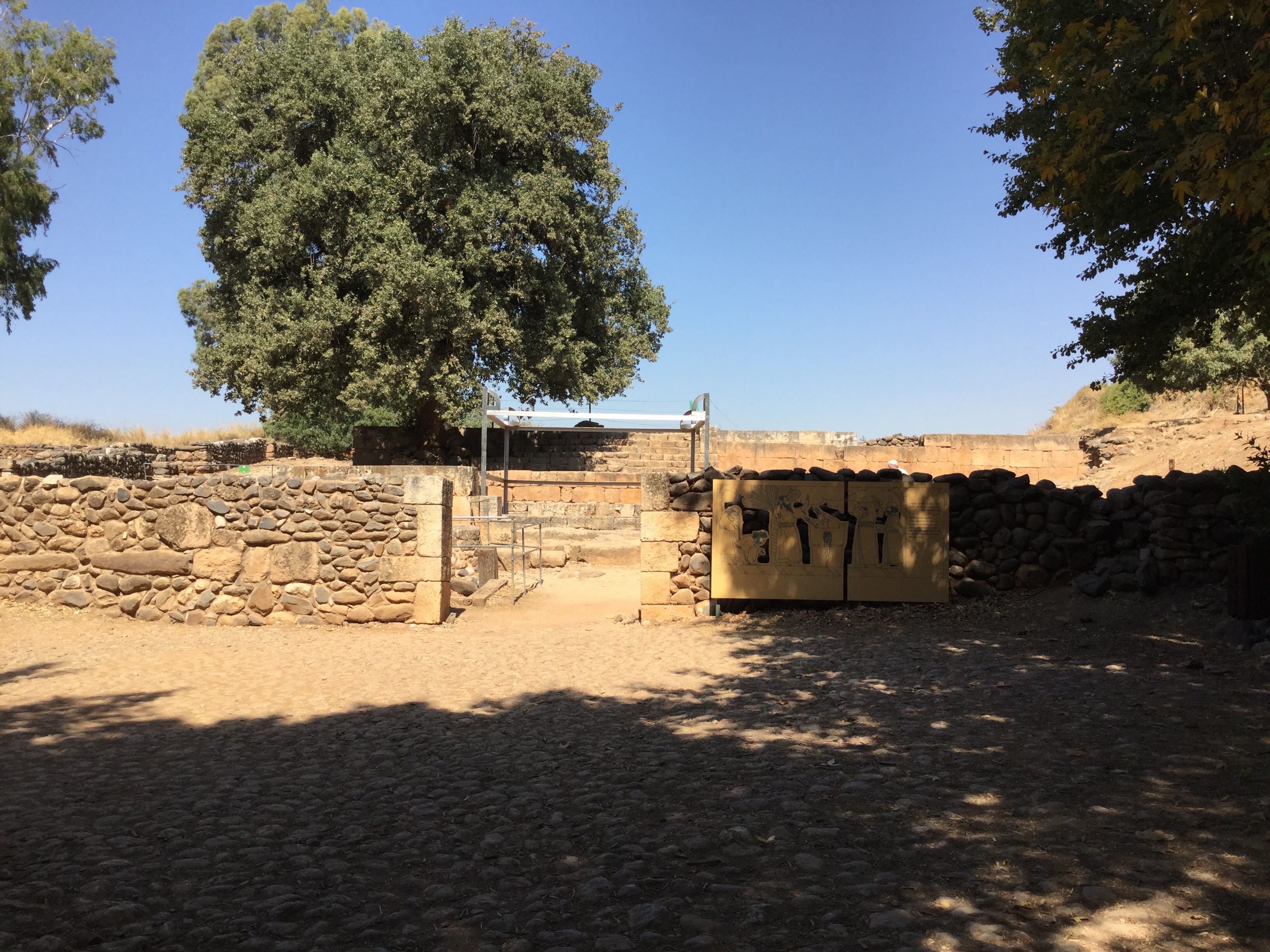
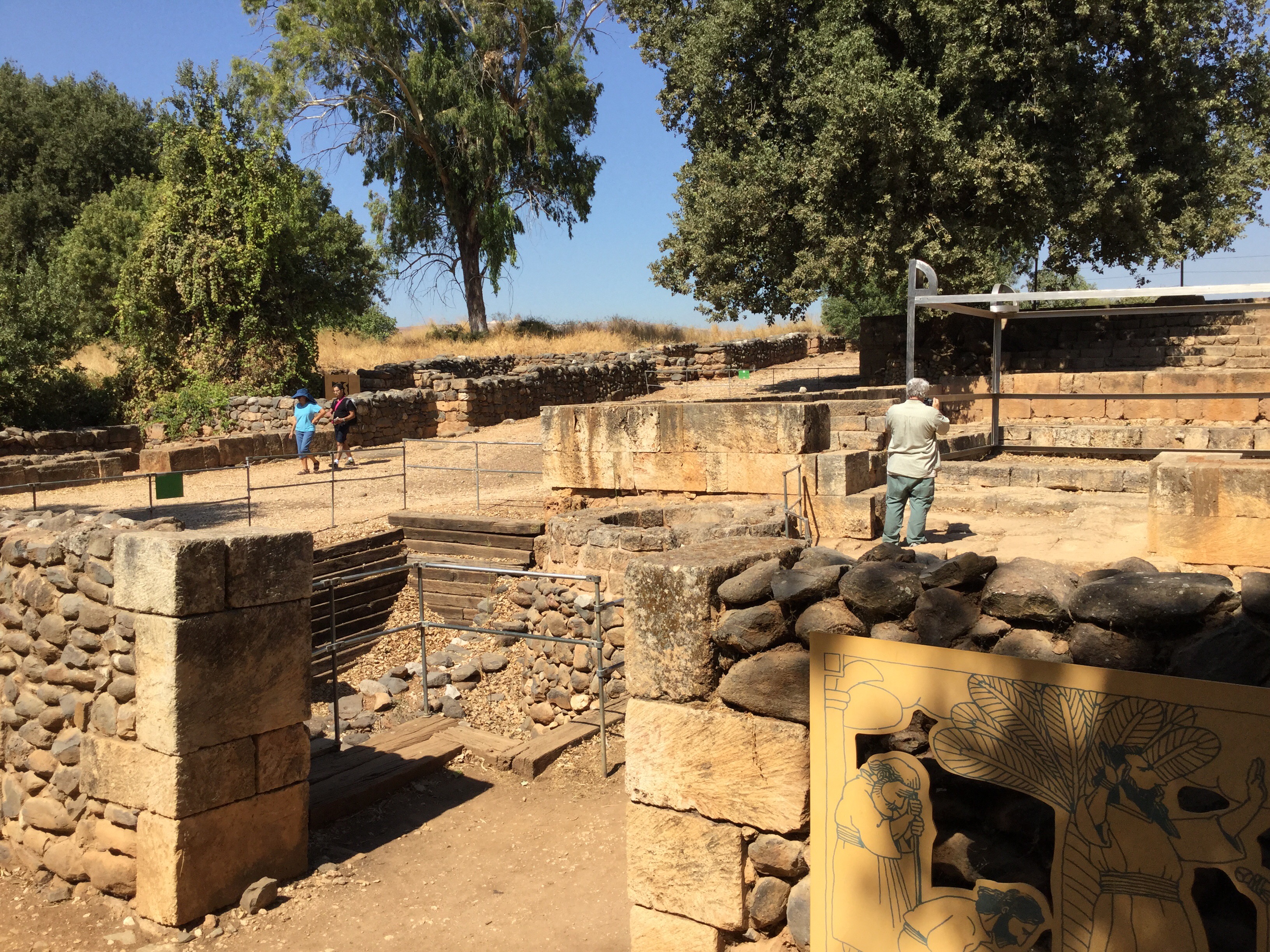
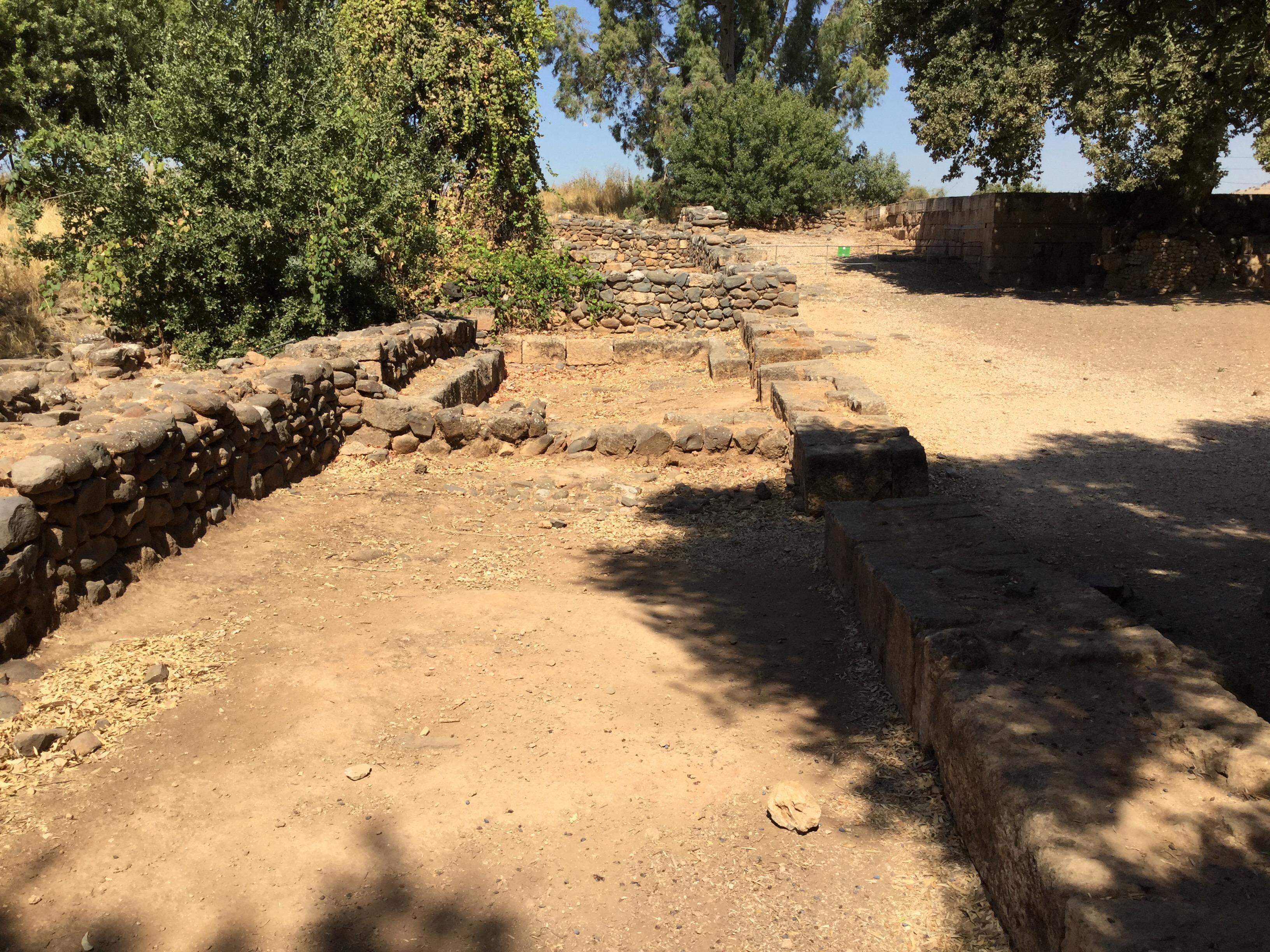
[创 14:14 ] 亚伯兰听见他兄弟被掳去,就率领他家里生养的三百一十八名精练壮丁,直追到但。
链接
Street View
图片
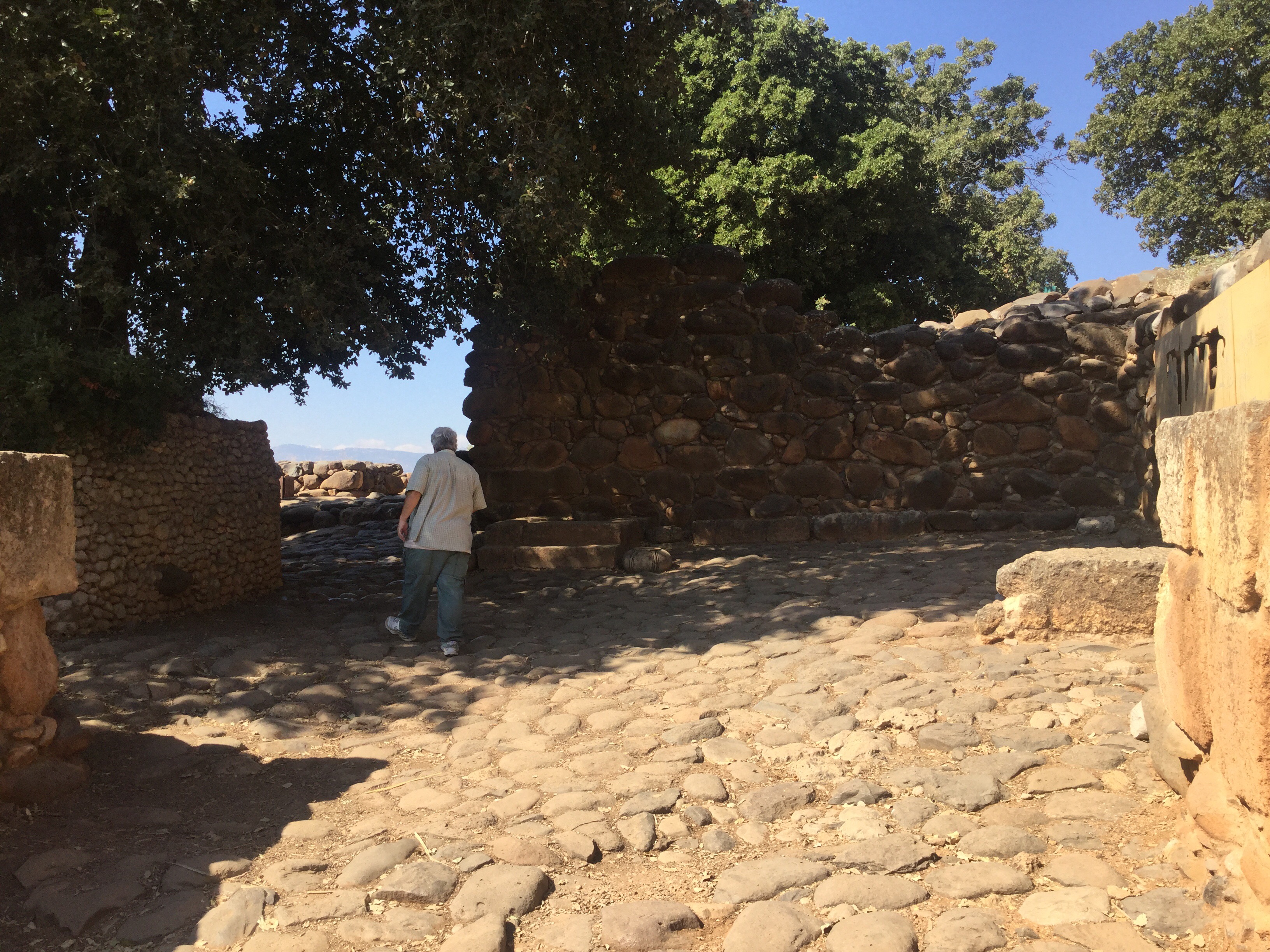
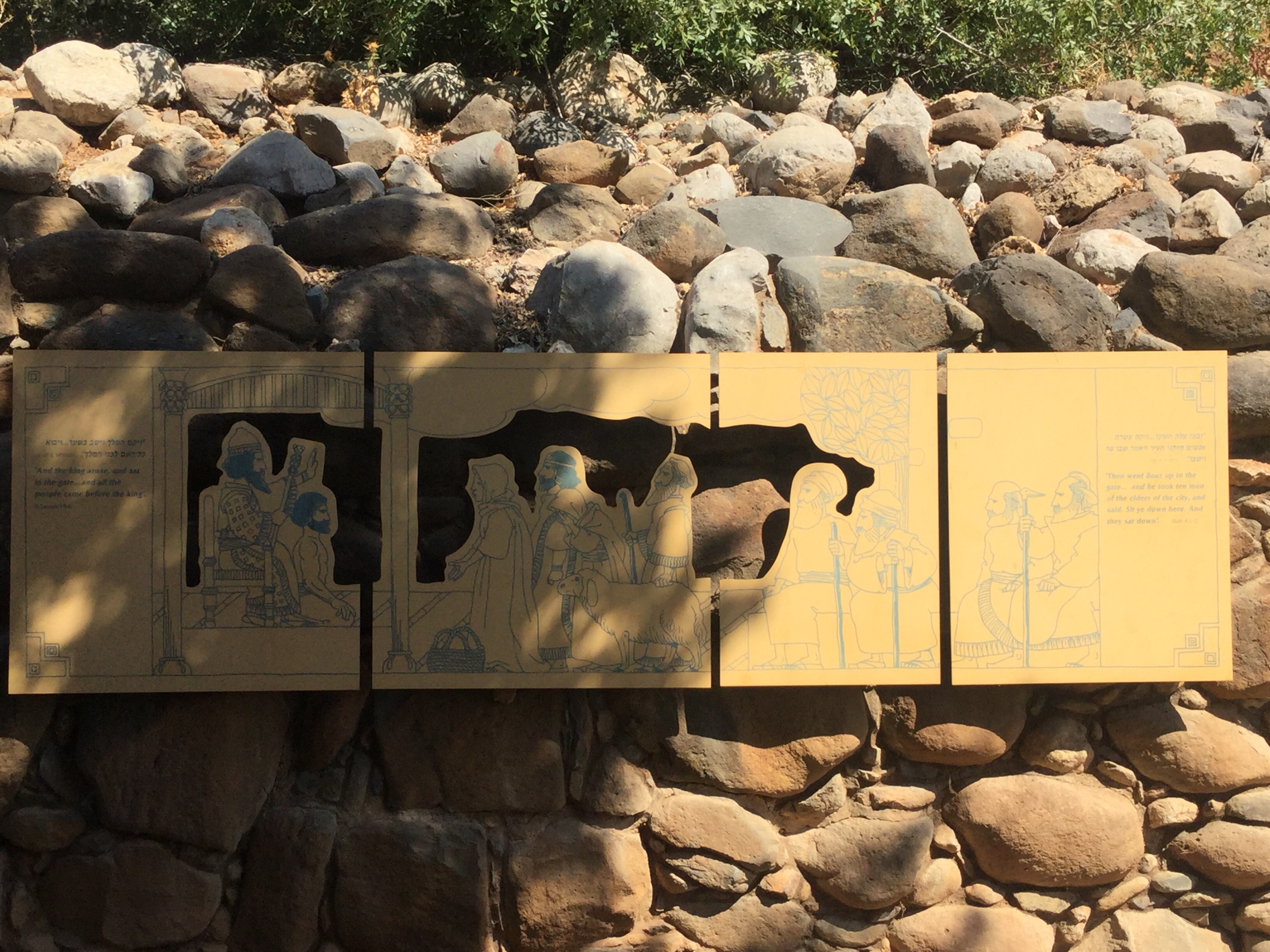
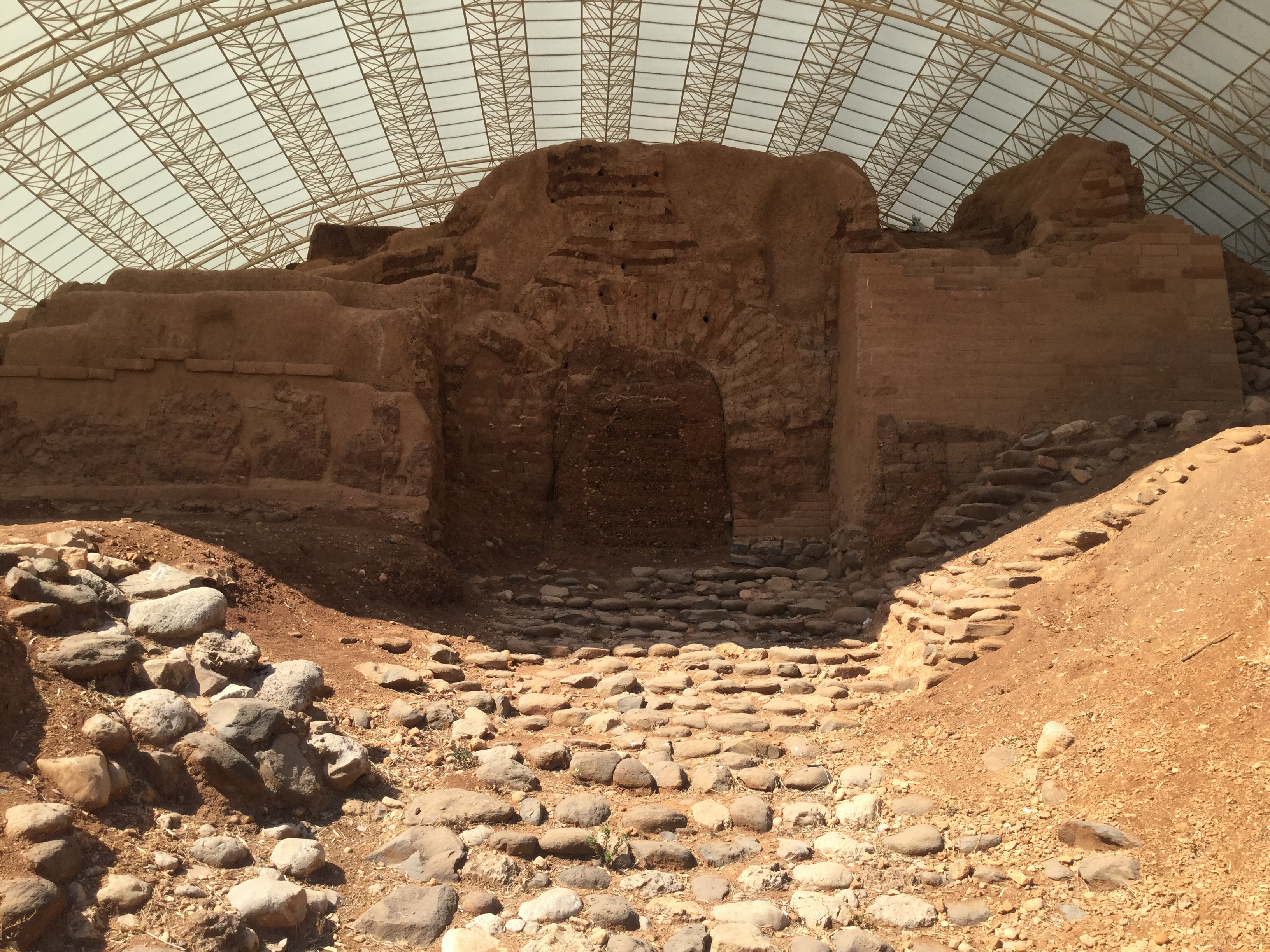
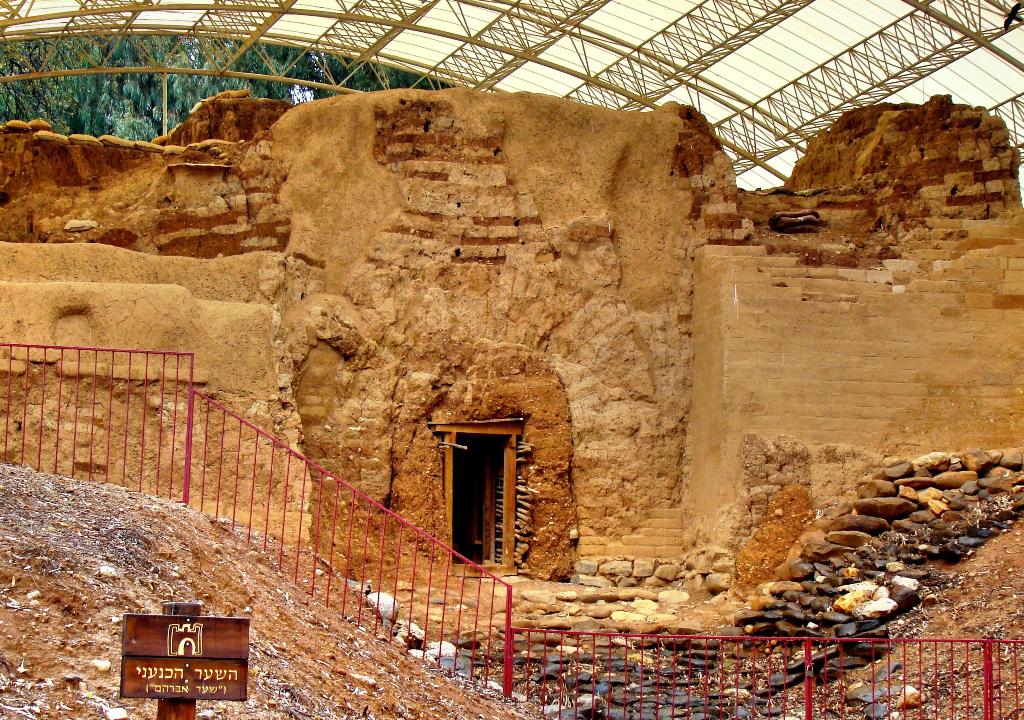
视频
Tel Dan Tour, Israel: Fall of Northern 10 Tribes of Israel, Jeroboam Golden Calf Altar
Tel Dan Tour, Israel: Part 1: Fall of the Northern 10 Tribes of Israel, Jeroboam's Golden Calf Altar
Tel Dan Tour, Israel: Part 2: Fall of the Northern 10 Tribes of Israel, Jeroboam's Golden Calf Altar
The Tel Dan Stele: A Good Answers Ministries Christian Apologetics Video One of the Good Answers series, this video tells of the discovery of the inscription at Tel Dan that includes the first ancient extrabiblical mention of the "House of David.' Though its authenticity was challenged at first, the accumulated evidence has shown that the inscription is genuine.
Tel Dan Stele - Evidence of King David?
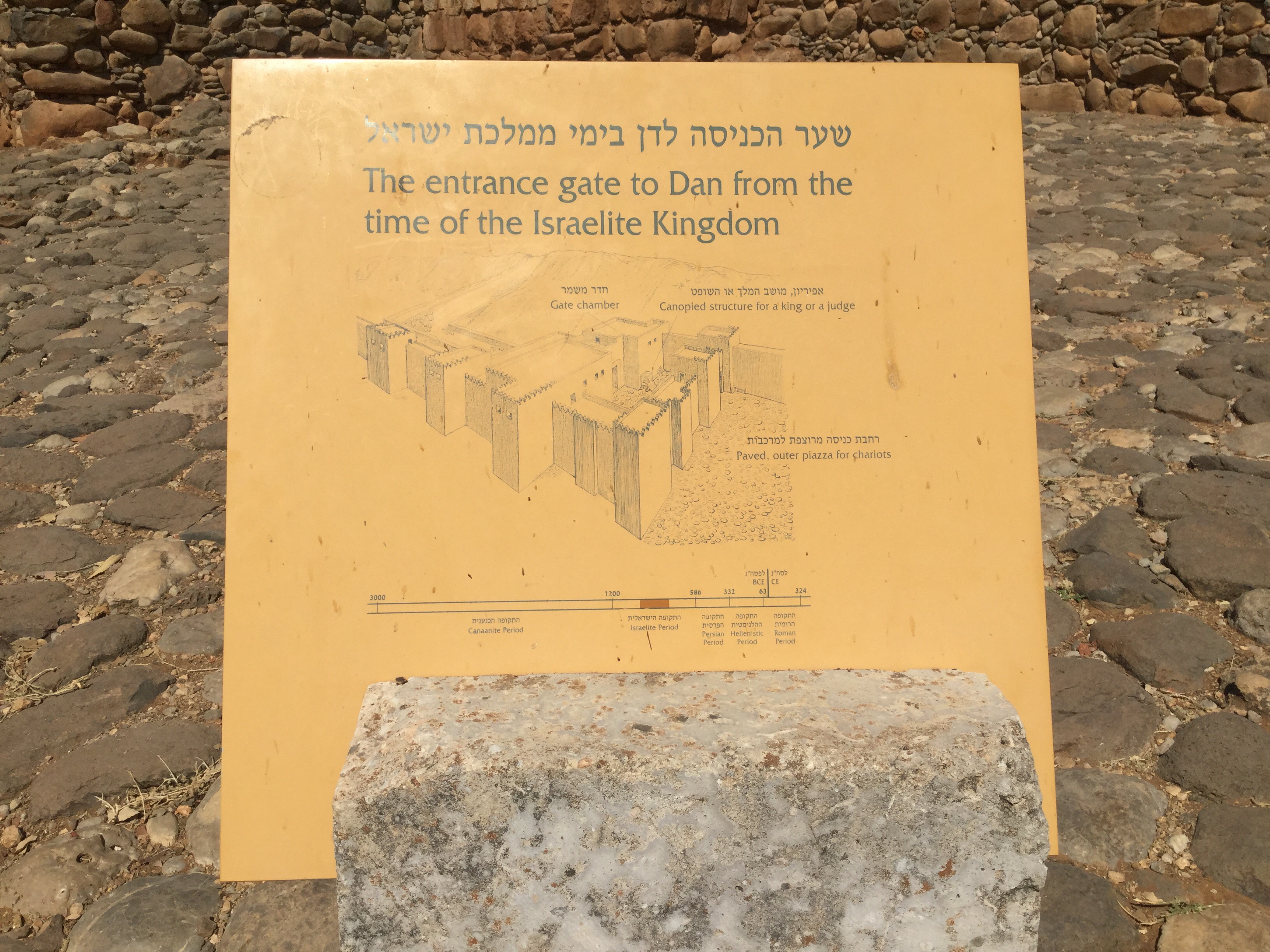
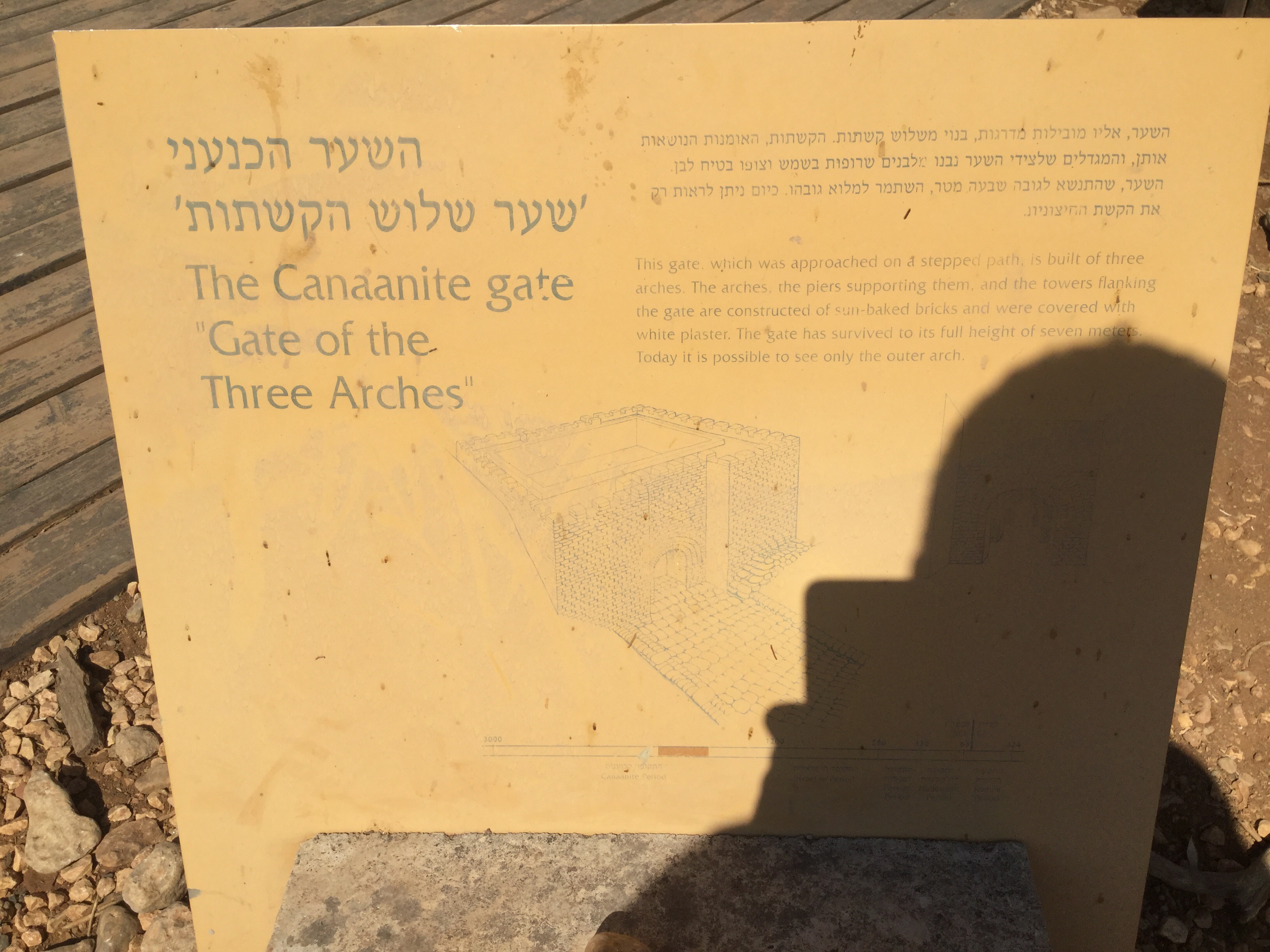
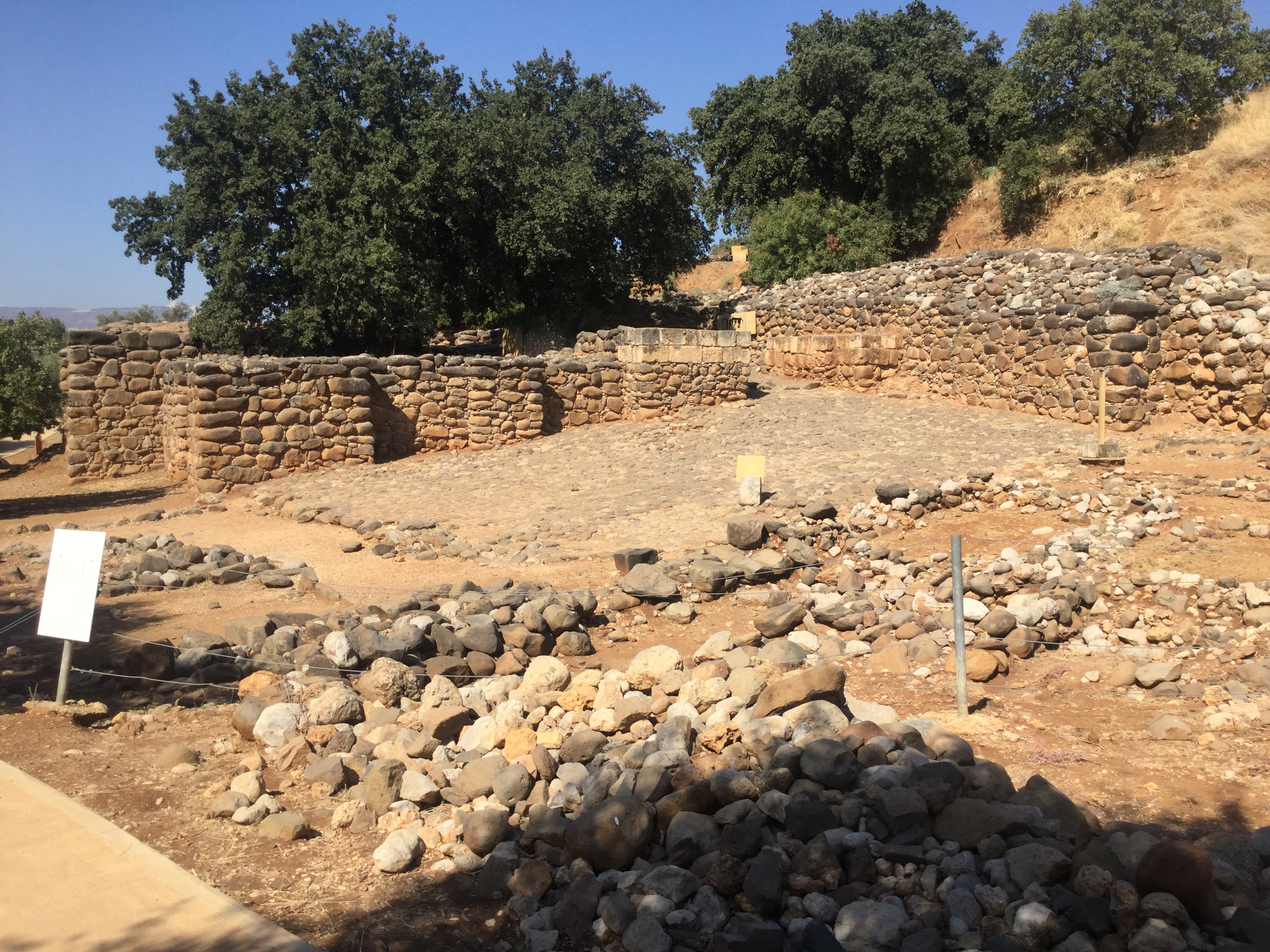
The Ancient Gate at Tel Dan
Tel Dan - Biblical Tour of Israel 2019
Tel Dan - 2nd Golden Calf Site Tour
人工制品
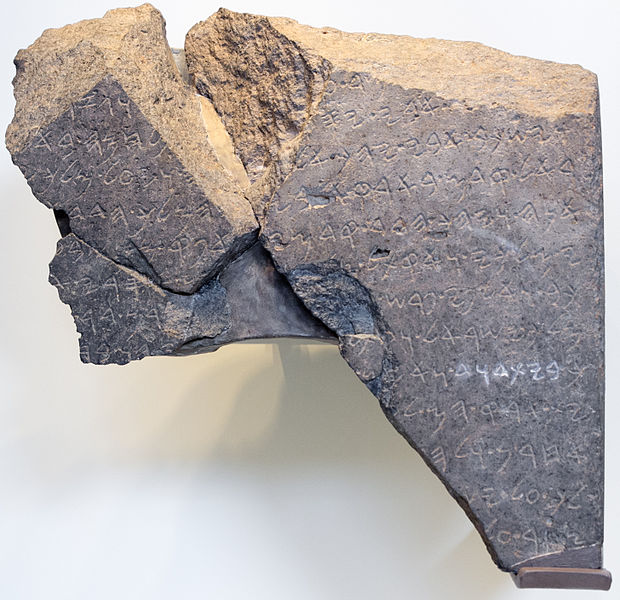
丹石碑
特尔·丹石碑是一块残缺的石碑,包含一段迦南文字铭文,日期可追溯到公元前9世纪。它因可能是最重要的、或许是唯一的关于大卫家族的圣经外考古参考而引人注目。
特尔·丹石碑于1993年在特尔·丹被吉拉·库克发现,她是亚伯拉罕·比兰领导的考古队的一员。这些碎片被用来建造一堵古老的石墙,并保存至现代。石碑上有几行亚兰文,与希伯来语密切相关,并且历史上是犹太人中常用的语言。现存的铭文详细记载了一位个人杀死了以色列的约兰,他是亚哈的儿子和大卫家族的国王。这些文字与《圣经》中的段落相符,因为《列王纪下》提到约兰(也称为约兰)是以色列国王亚哈与他的腓尼基妻子耶洗别的儿子。应用圣经的观点来看,这块石碑的可能建造者是哈薛,一位亚兰国王(因此他的语言是亚兰语),《列王纪下》提到他征服了以色列地,但未能攻占耶路撒冷。该石碑目前在以色列博物馆展出,被称为 KAI 310。
维基百科
地图
来自字典的信息
Dan
a judge.
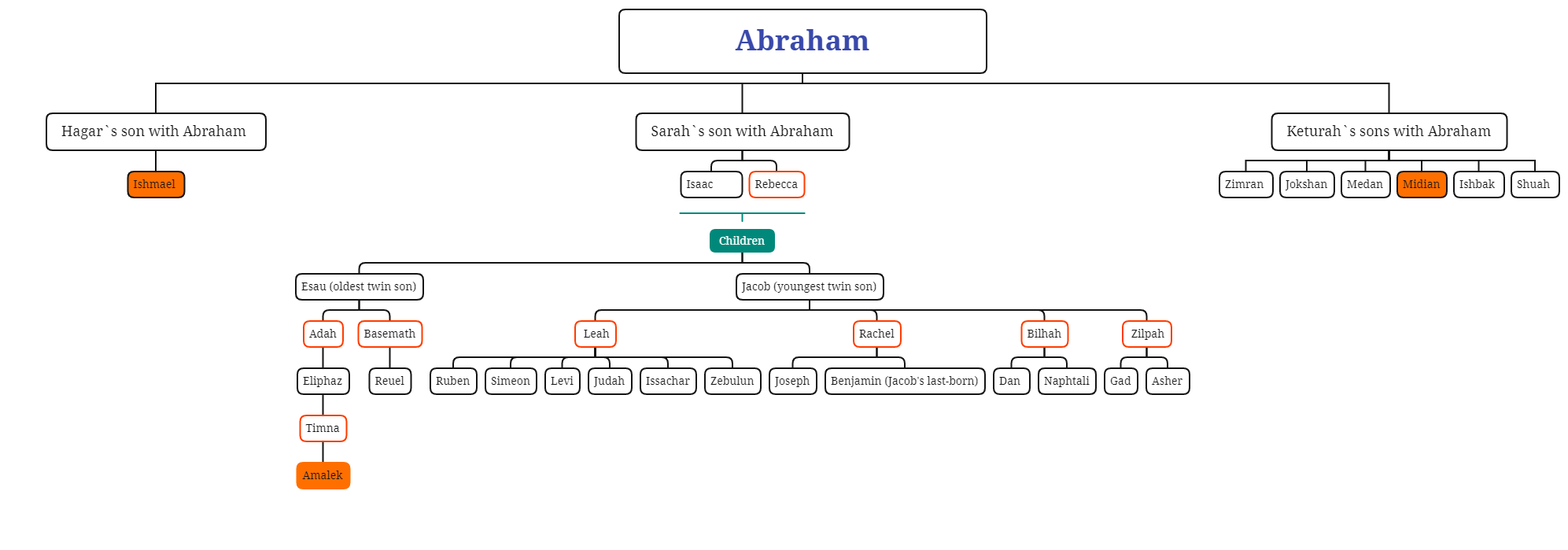
(1.) The fifth son of Jacob. His mother was Bilhah, Rachel's maid [(Gen 30:6), "God hath judged me", Heb. dananni]. The blessing pronounced on him by his father was, "Dan shall judge his people" (Gen 49:16), probably in allusion to the judgeship of Samson, who was of the tribe of Dan.
The tribe of Dan had their place in the march through the wilderness on the north side of the tabernacle (Num 2:25; 2:31; 10:25). It was the last of the tribes to receive a portion in the Land of Promise. Its position and extent are described in (Josh 19:40-48).
The territory of Dan extended from the west of that of Ephraim and Benjamin to the sea. It was a small territory, but was very fertile. It included in it, among others, the cities of Lydda, Ekron, and Joppa, which formed its northern boundary. but this district was too limited. "Squeezed into the narrow strip between the mountains and the sea, its energies were great beyond its numbers." Being pressed by the Amorites and the Philistines, whom they were unable to conquer, they longed for a wider space. They accordingly sent out five spies from two of their towns, who went north to the sources of the Jordan, and brought back a favourable report regarding that region. "Arise," they said, "be not slothful to go, and to possess the land," for it is "a place where there is no want of any thing that is in the earth" (Judg 18:10). On receiving this report, 600 Danites girded on their weapons of war, and taking with them their wives and their children, marched to the foot of Hermon, and fought against Leshem, and took it from the Sidonians, and dwelt therein, and changed the name of the conquered town to Dan (Josh 19:47). This new city of Dan became to them a new home, and was wont to be spoken of as the northern limit of Palestine, the length of which came to be denoted by the expression "from Dan to Beersheba", i.e., about 144 miles.
"But like Lot under a similar temptation, they seem to have succumbed to the evil influences around them, and to have sunk down into a condition of semi-heathenism from which they never emerged. The mounds of ruins which mark the site of the city show that it covered a considerable extent of ground. But there remains no record of any noble deed wrought by the degenerate tribe. Their name disappears from the roll-book of the natural and the spiritual Israel.", Manning's Those Holy Fields.
This old border city was originally called Laish. Its modern name is Tell el-Kady, "Hill of the Judge." It stands about four miles below Caesarea Philippi, in the midst of a region of surpassing richness and beauty.
(2.) This name occurs in (Ezek 27:19), Authorize Version; but the words there, "Dan also," should be simply, as in the Revised Version, "Vedan," an Arabian city, from which various kinds of merchandise were brought to Tyre. Some suppose it to have been the city of Aden in Arabia. (See MAHANEH-DAN)
EBD - Easton's Bible Dictionary