大祭司的宫殿
描述
亚那
公元7-14年担任大祭司。在公元25年,亚那的女婿该亚法(约 18:13 )被任命为大祭司,可能亚那被任命为公会主席或大祭司的副手,因此也被称为大祭司,与该亚法一起(路 3:2 )。根据摩西律法,大祭司的职位是终身的(民 3:10 );虽然亚那被罗马总督罢免,但犹太人可能仍然认为他是合法的大祭司。我们的主首先被带到亚那面前,在经过简短的审问后(约 1:18 -23),被送到该亚法那里,公会的一些成员已经聚集,耶稣的第一次审判在此进行(太 26:57 -68)。这次亚那对我们的主的审问仅由约翰记录。彼得和约翰被带到亚那主持的公会面前(徒 4:6 )。
EBD
该亚法
在提比略统治时期(路 3:2 ),我们的主开始公开传道时的犹太大祭司(公元27-36年),也是他被定罪和钉十字架时的大祭司(太 26:3 ; 26:57; 约 11:49 ; 18:13; 18:14)。他在彼拉多治理期间一直担任此职。他的妻子是前大祭司亚那的女儿,可能是该亚法的副手(希伯来语:sagan)。他是撒都该人(徒 5:17 ),并且在会议上发表意见,认为耶稣应该被处死“以免整个民族灭亡”(约 11:50 )。这些话中他无意中说出了一个预言。“像扫罗一样,他在不自觉中成为了先知。”该亚法没有权力执行死刑,因此耶稣被送到罗马总督彼拉多那里,由他正式宣判(太 27:2 ; 约 18:28 )。在后来的时期,他对福音的敌意依然明显(徒 4:6 )。(参见亚那)
EBD
链接
Street View
图片
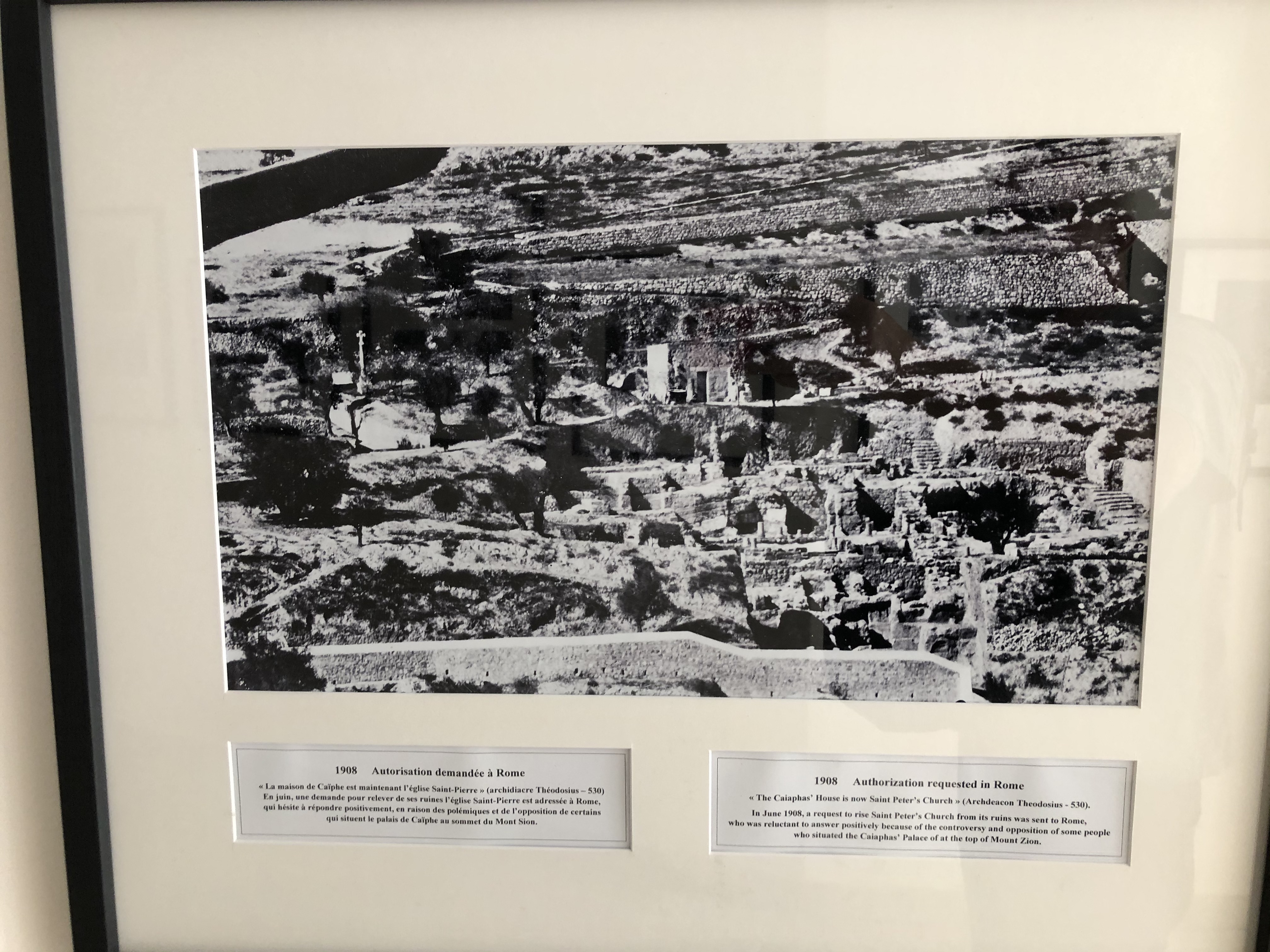
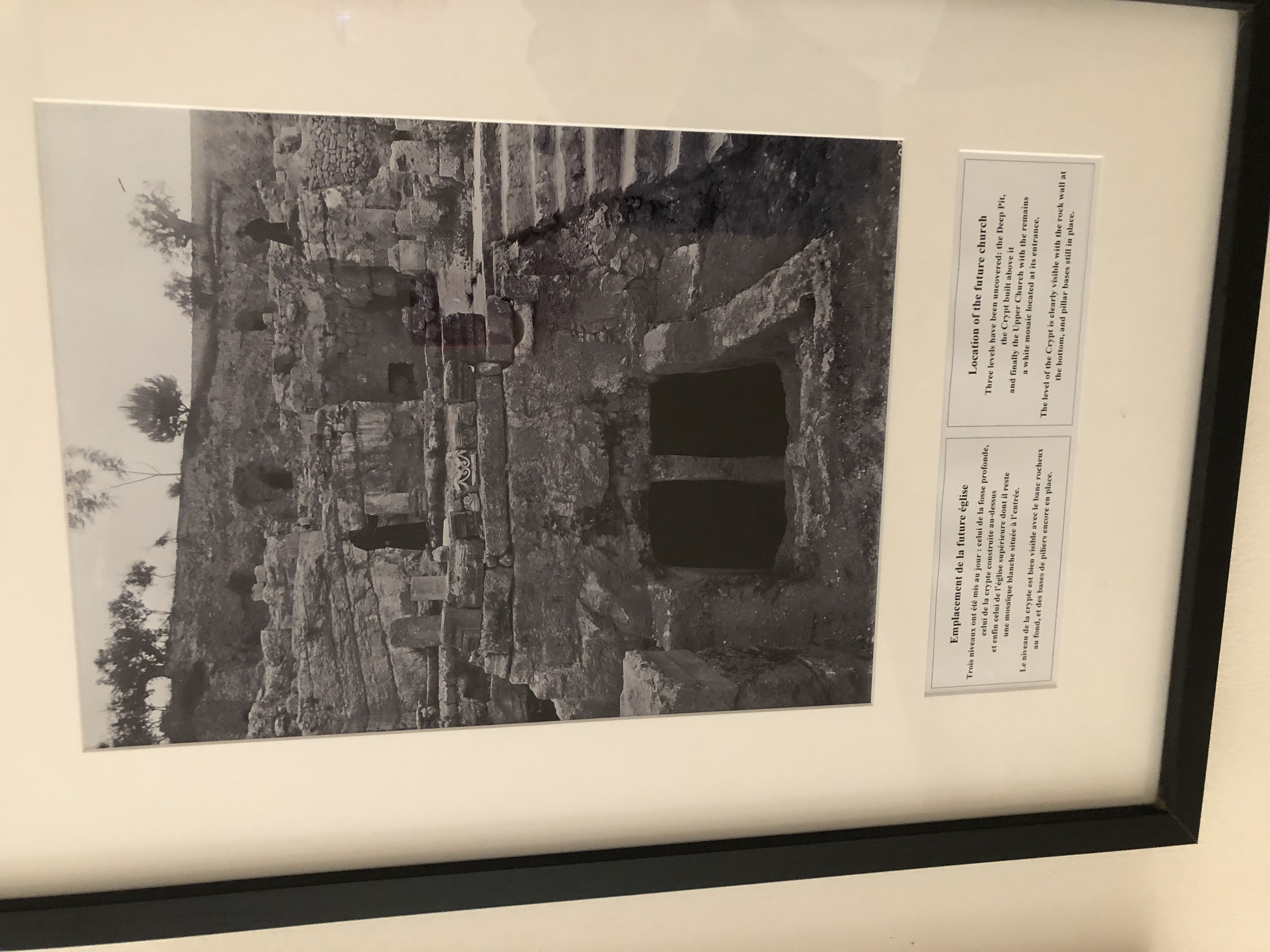
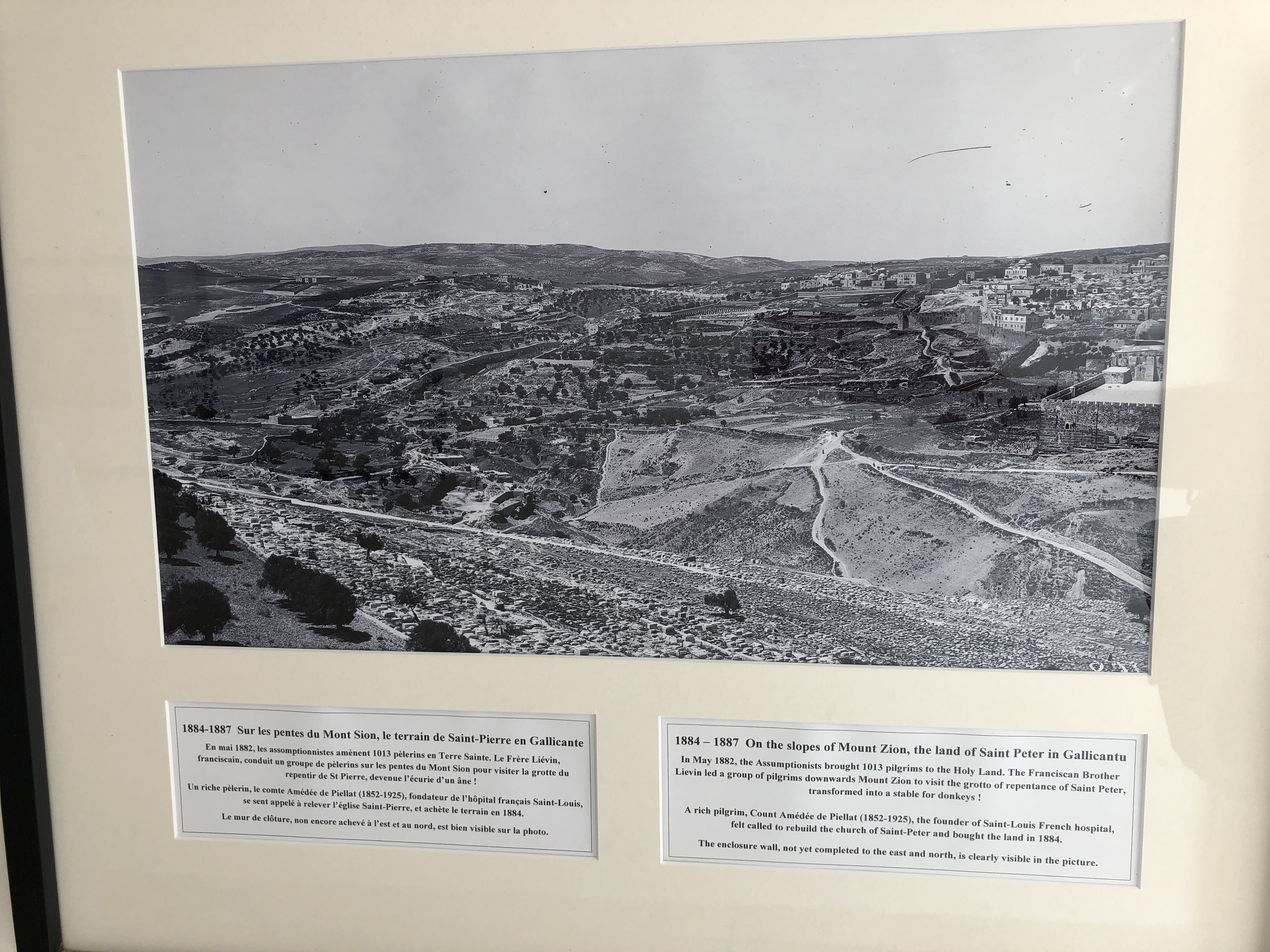
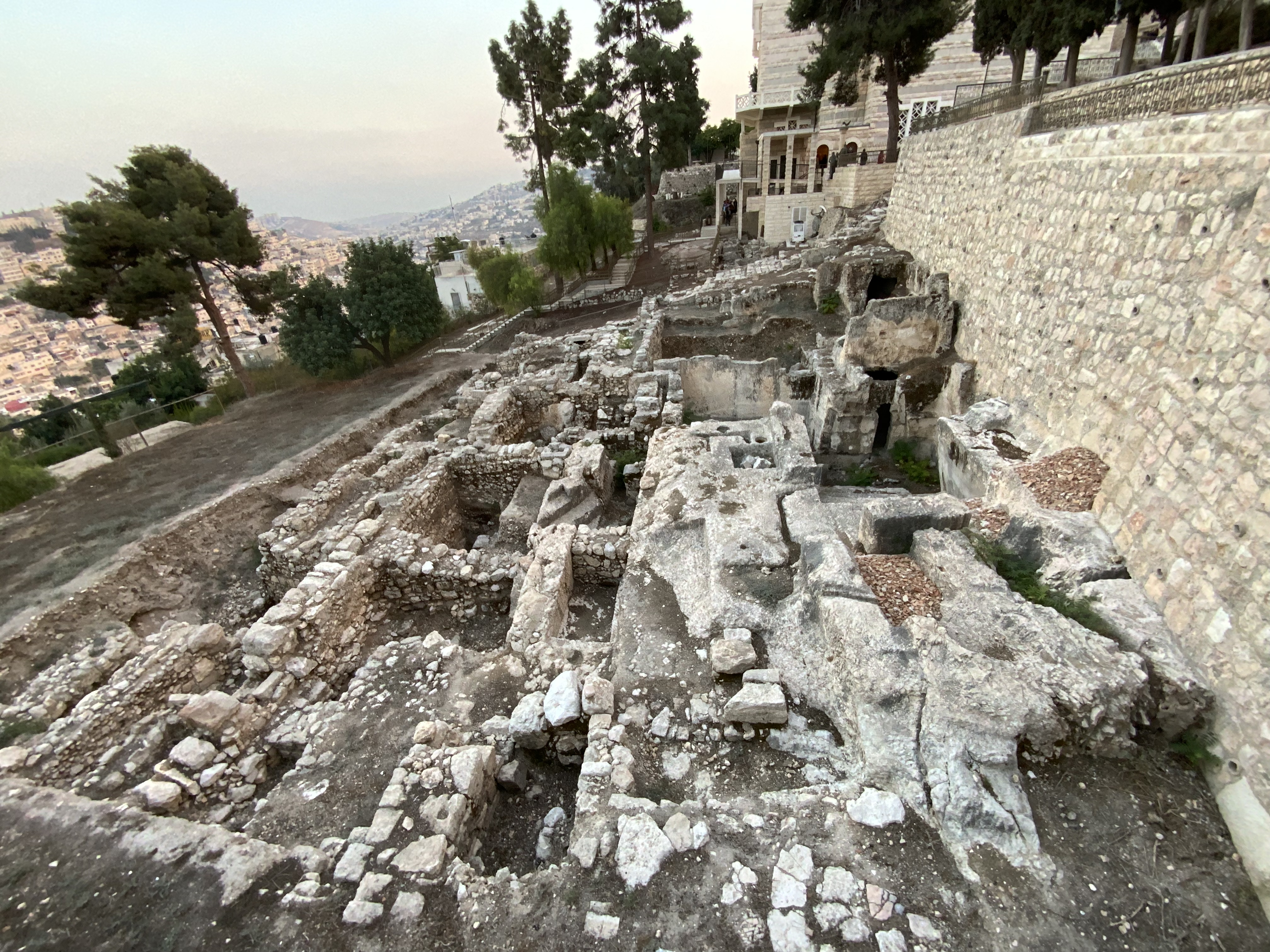
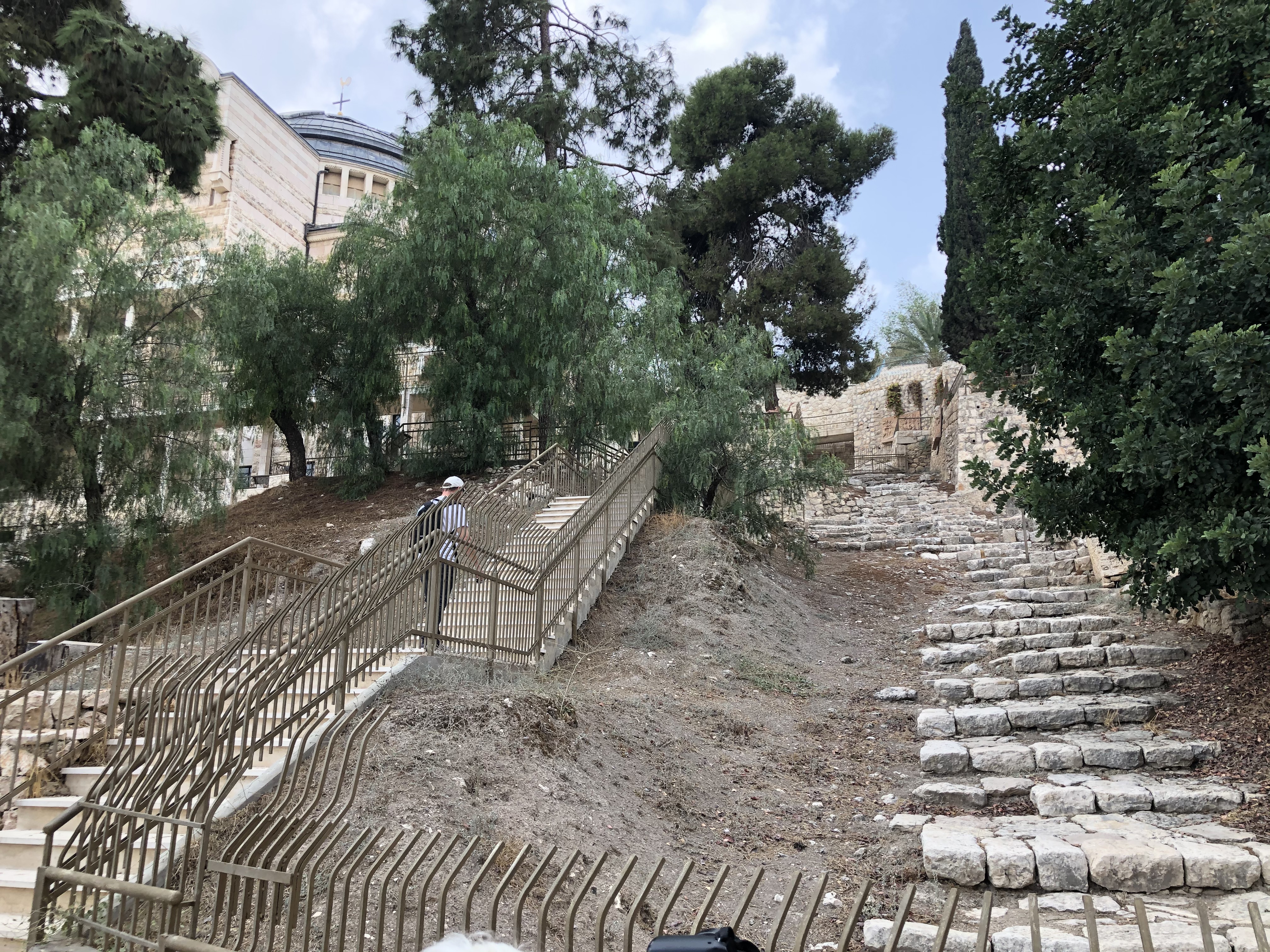
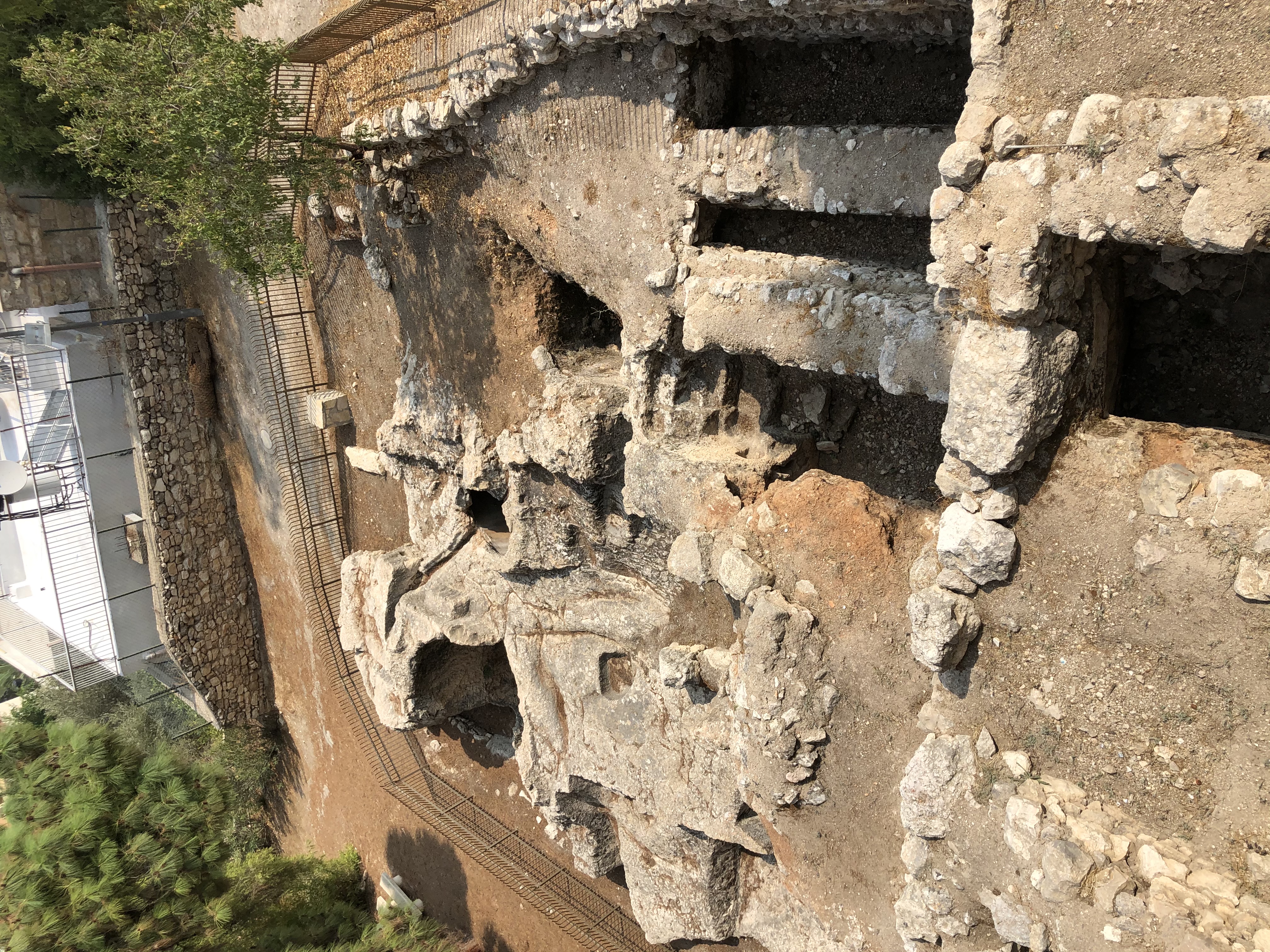
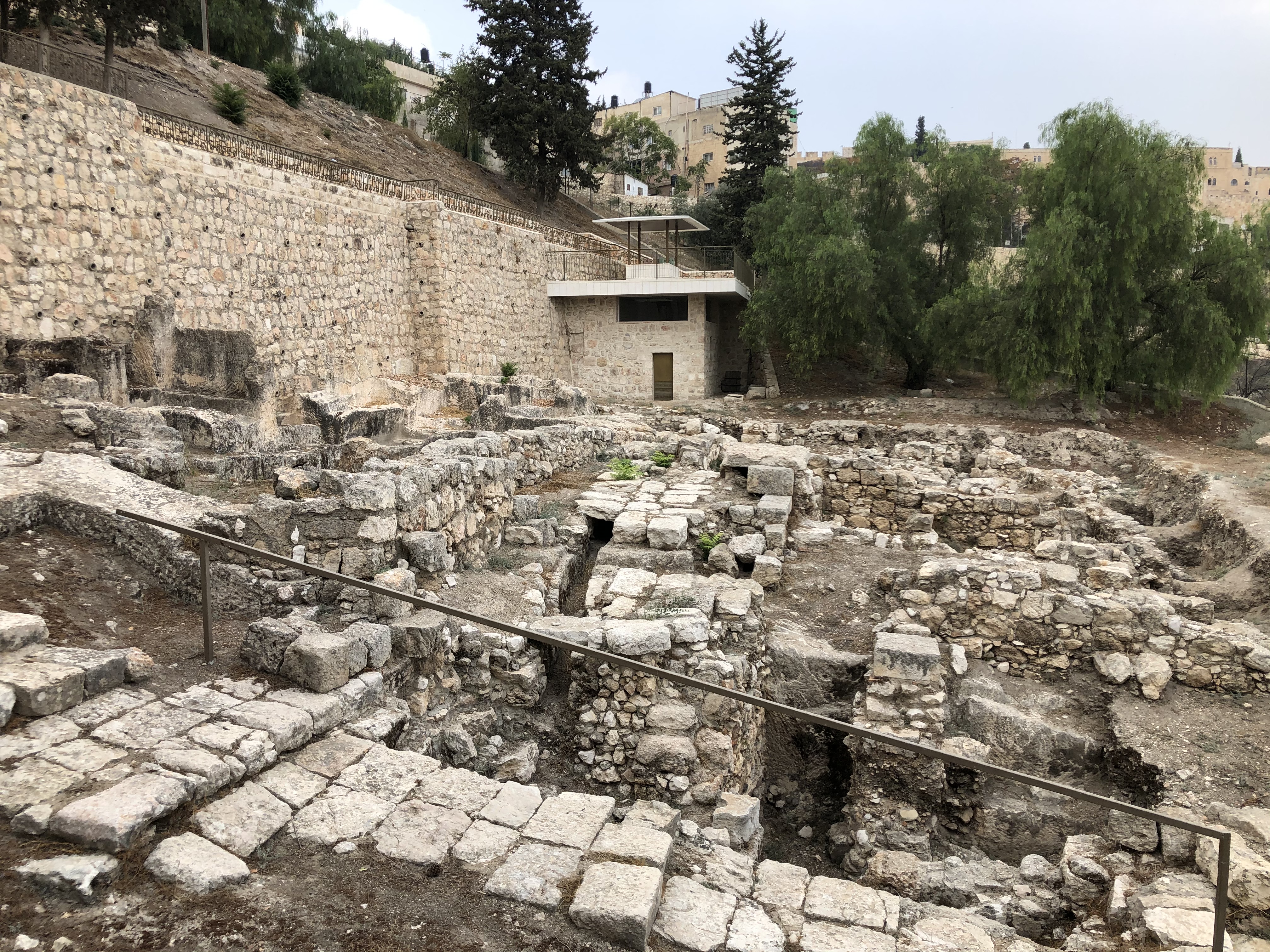
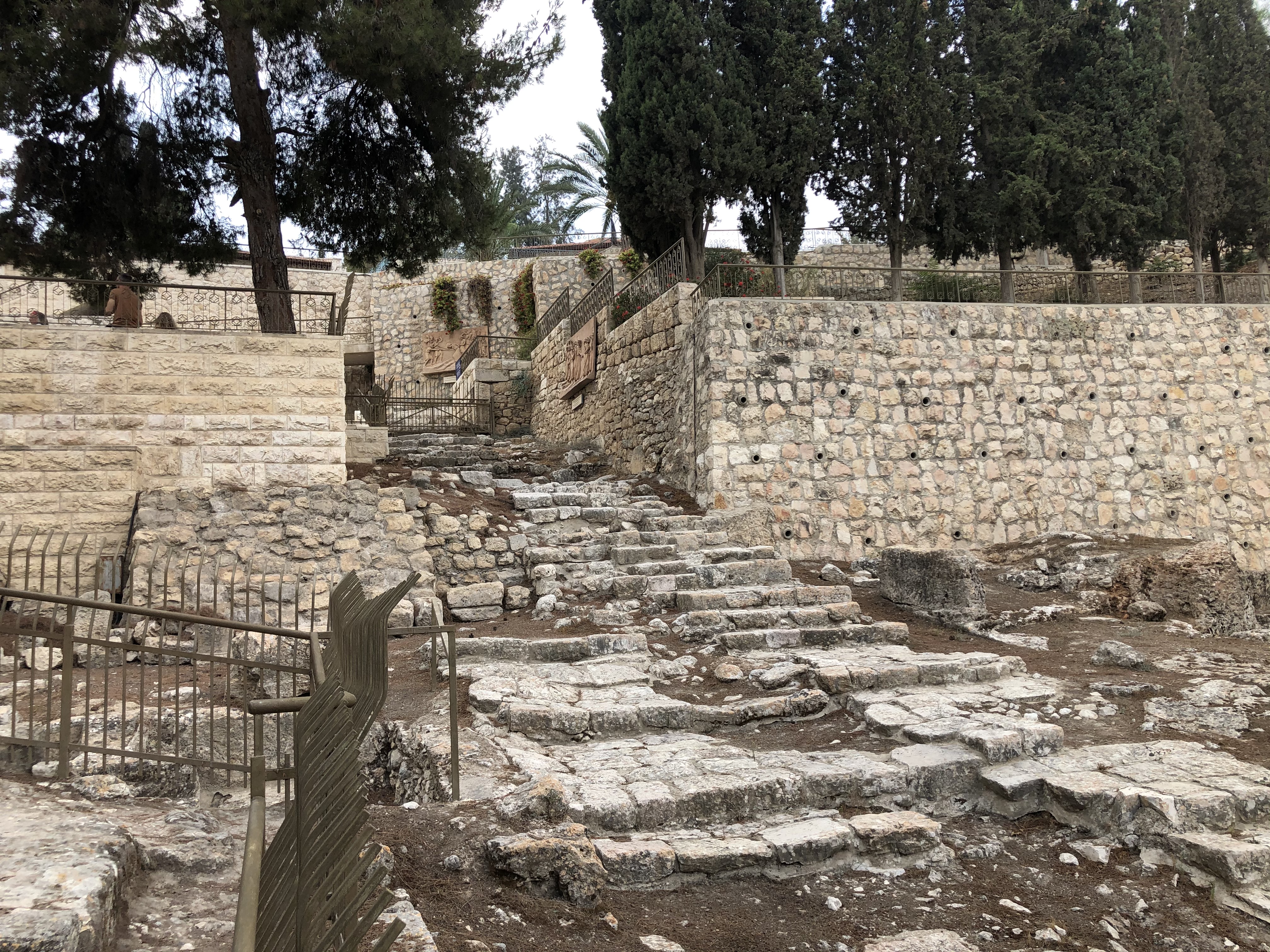
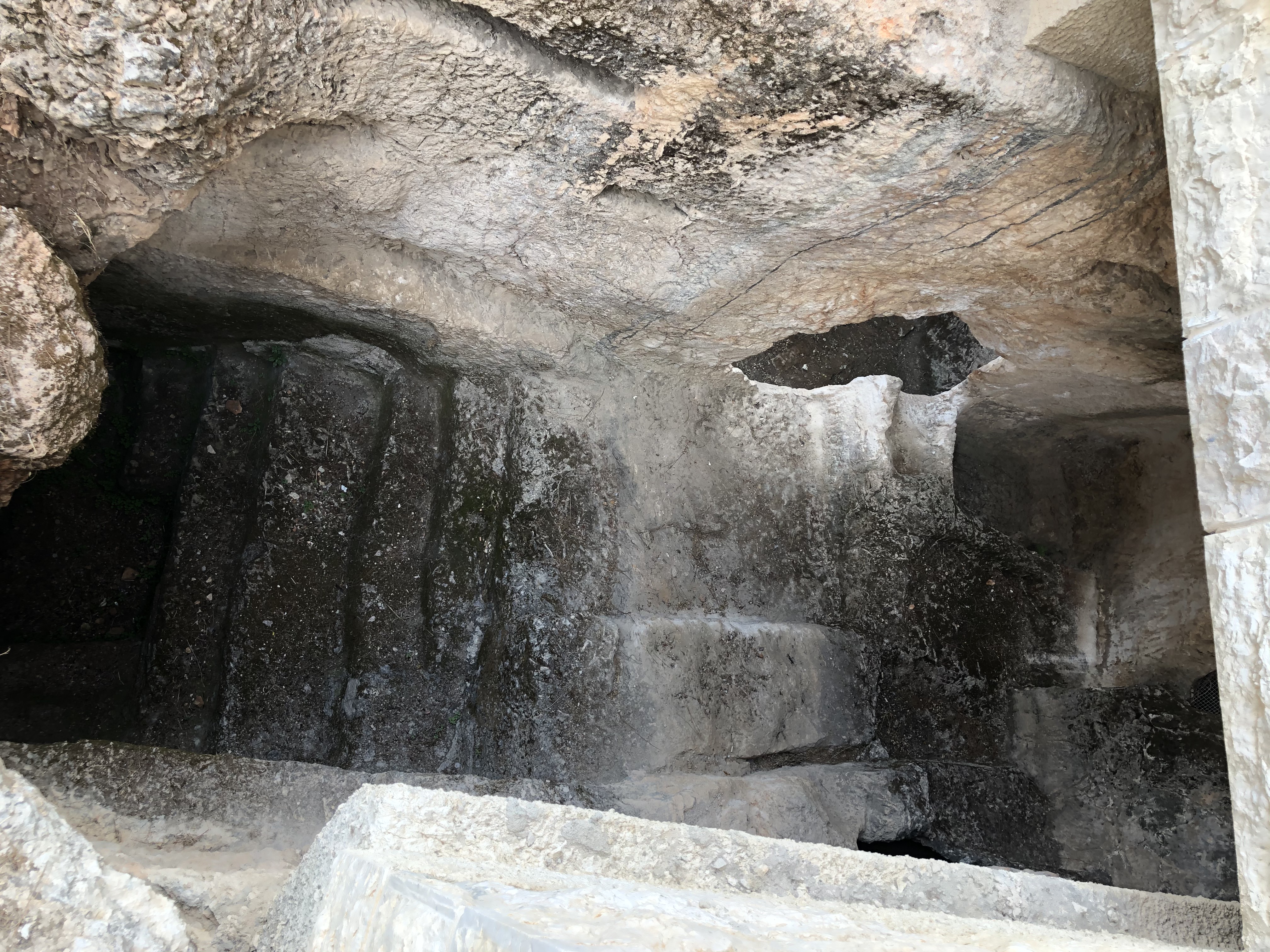
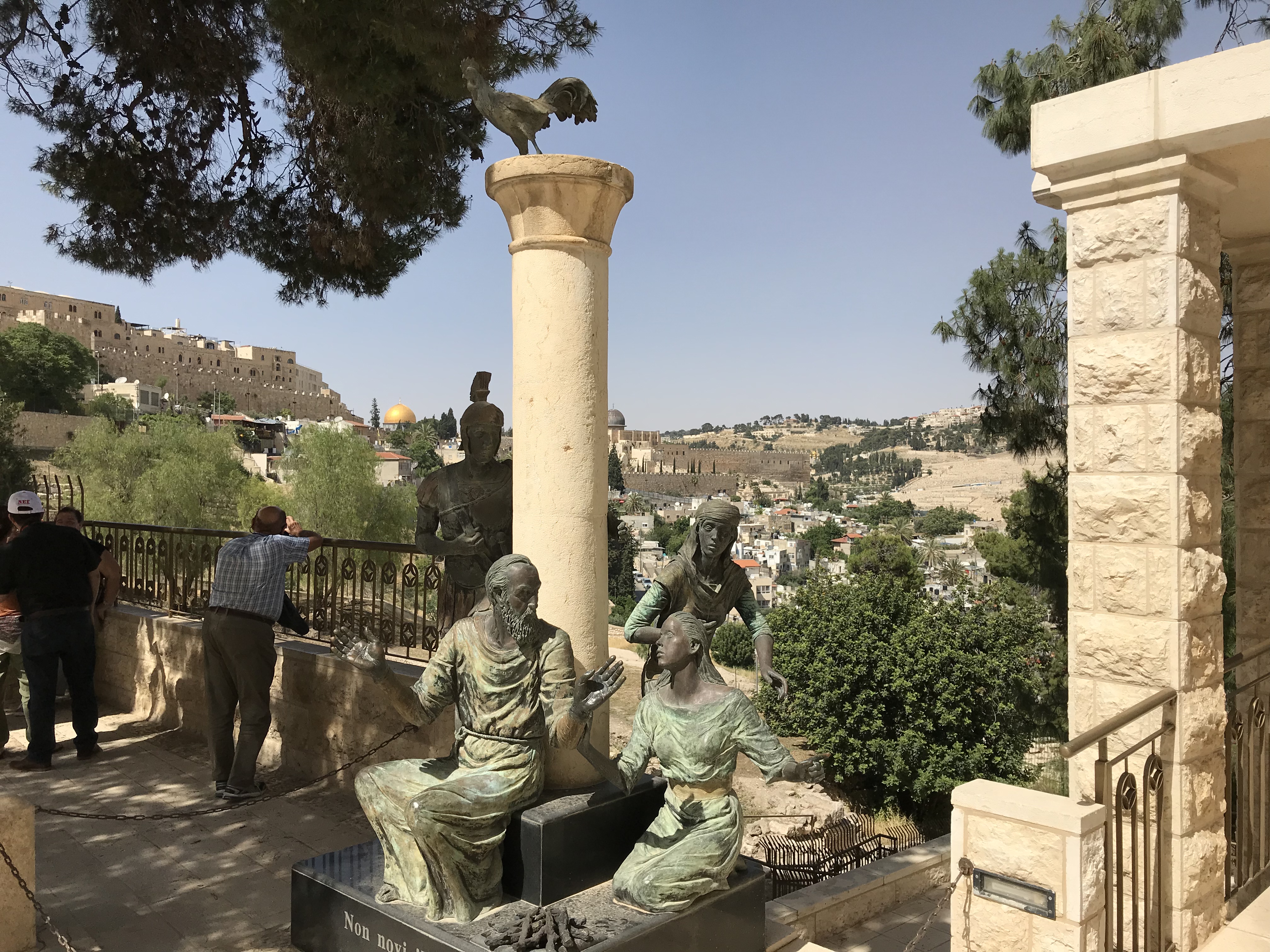
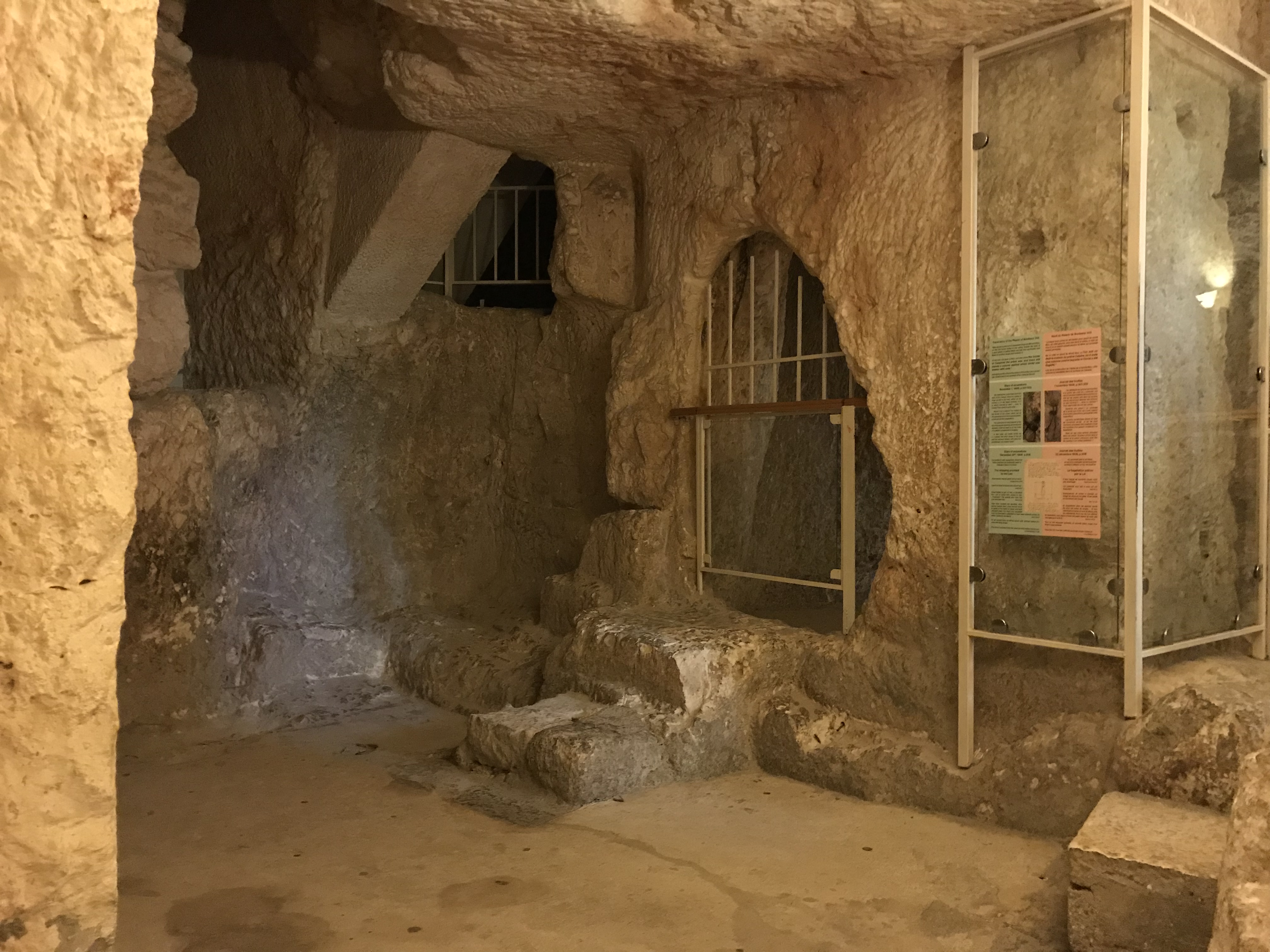
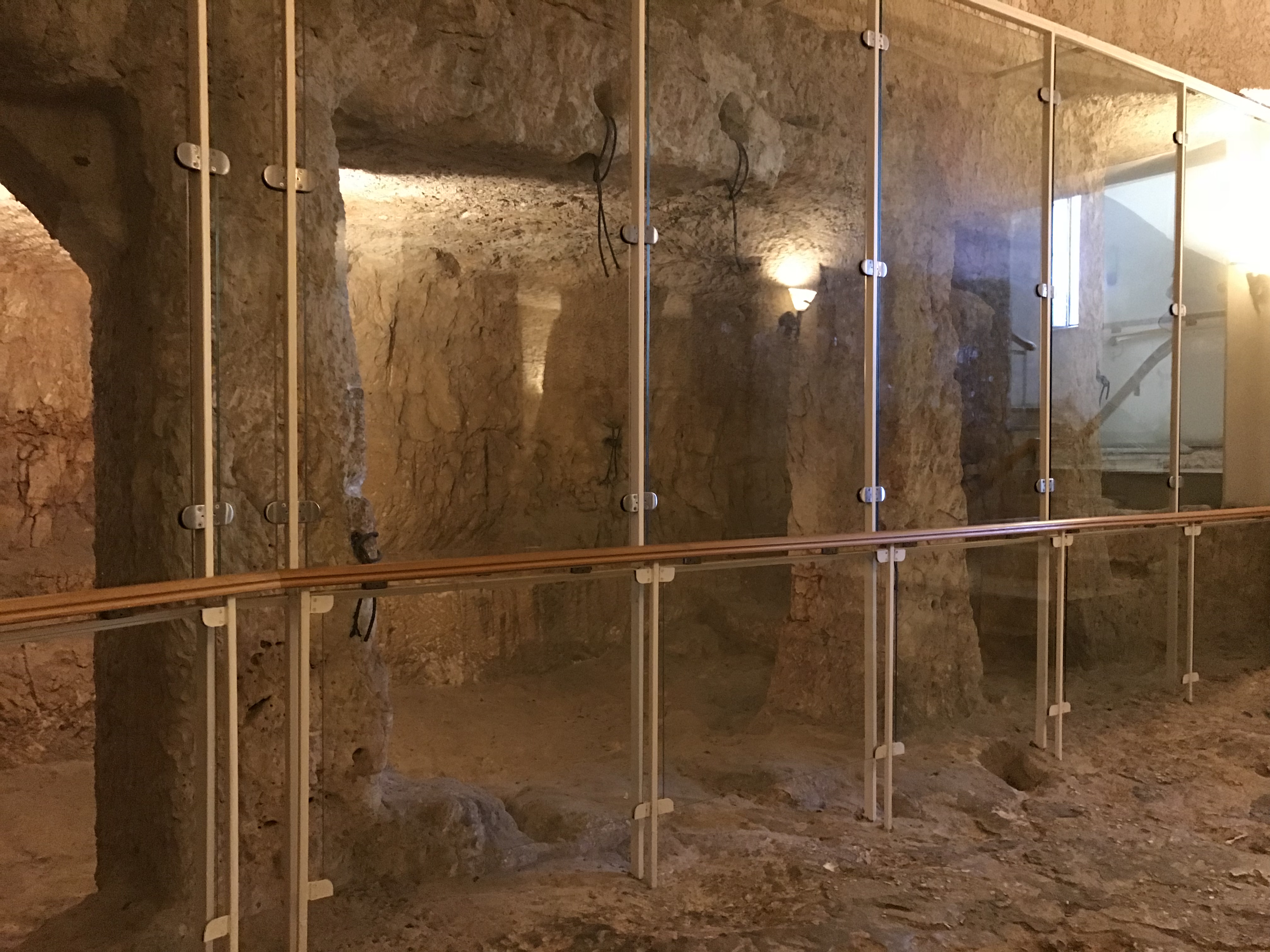
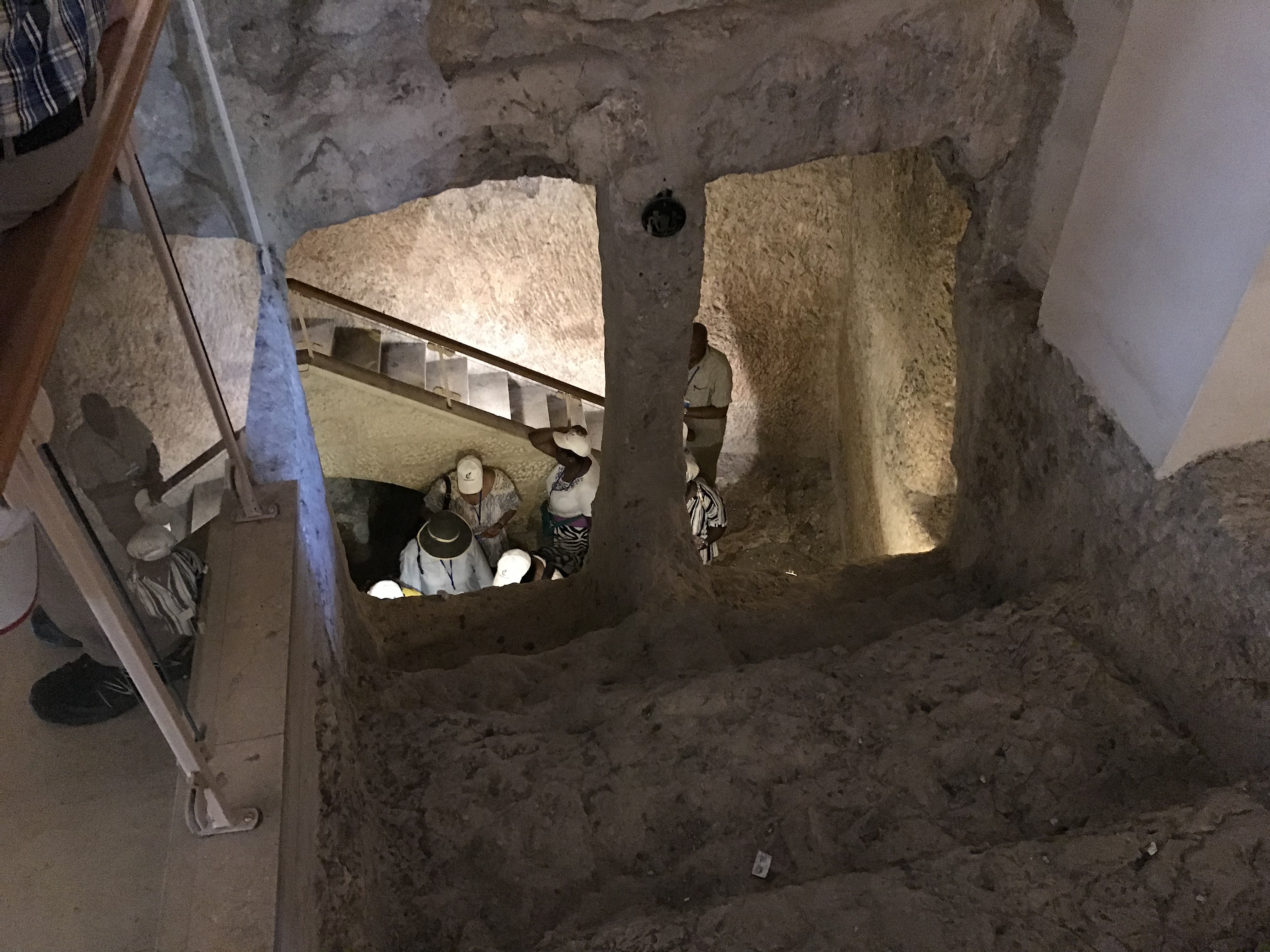
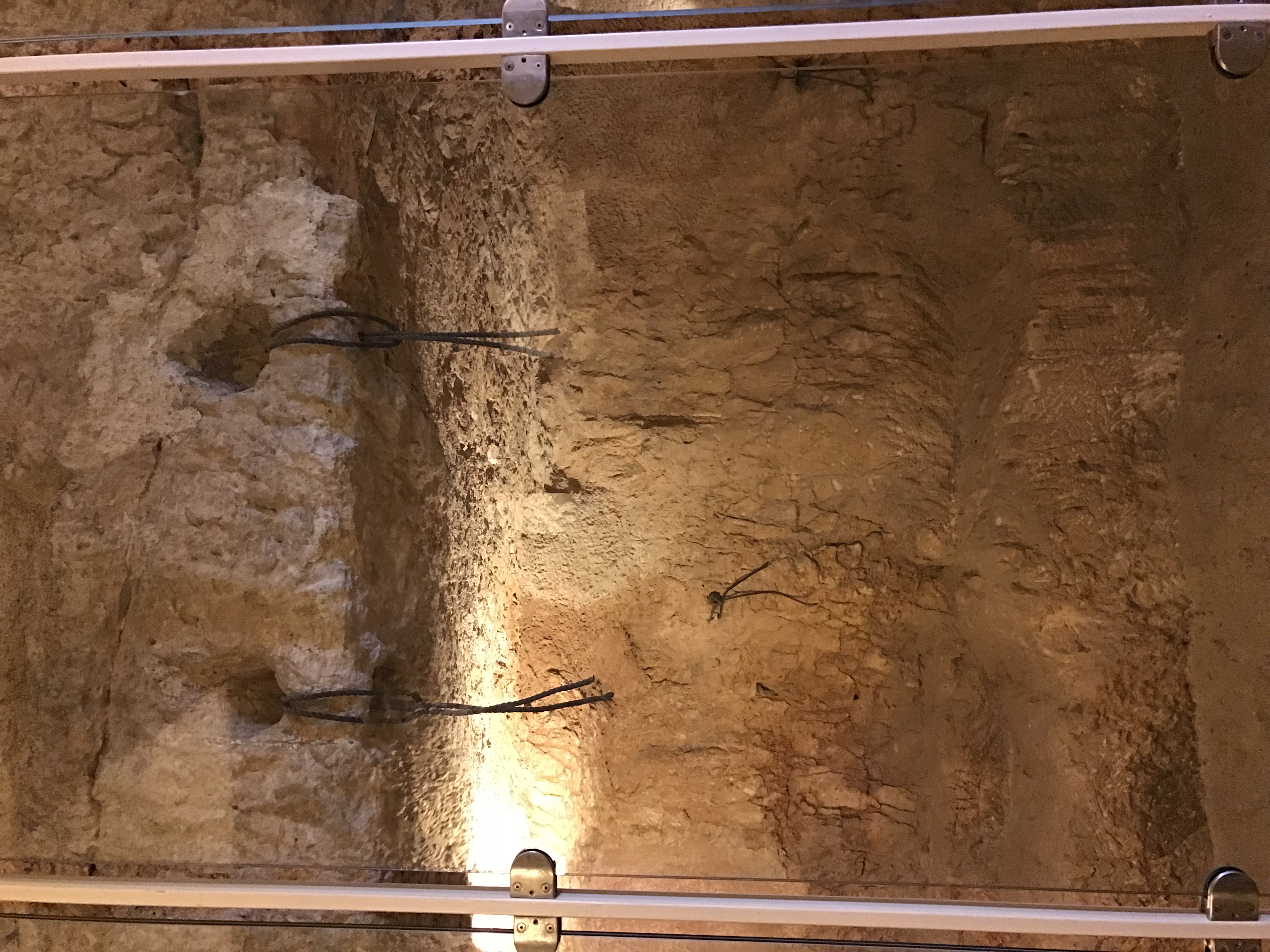
视频
House of Caiaphas: Peter's Denial of Christ, Jerusalem, Israel, Church of Saint Peter in Gallicantu!
地图
来自字典的信息
High priest
Aaron was the first who was solemnly set apart to this office (Ex 29:7; 30:23; Lev 8:12). He wore a peculiar dress, which on his death passed to his successor in office (Ex 29:29; 29:30). Besides those garments which he wore in common with all priests, there were four that were peculiar to himself as high priest:
(1.) The "robe" of the ephod, all of blue, of "woven work," worn immediately under the ephod. It was without seam or sleeves. The hem or skirt was ornamented with pomegranates and golden bells, seventy-two of each in alternate order. The sounding of the bells intimated to the people in the outer court the time when the high priest entered into the holy place to burn incense before the Lord (Ex 28:1etc.).
(2.) The "ephod" consisted of two parts, one of which covered the back and the other the breast, which were united by the "curious girdle." It was made of fine twined linen, and ornamented with gold and purple. Each of the shoulder-straps was adorned with a precious stone, on which the names of the twelve tribes were engraved. This was the high priest's distinctive vestment (1Sam 2:28; 14:3; 21:9; 23:6; 23:9; 30:7).
(3.) The "breastplate of judgment" (Ex 28:6-12; 28:25; 39:2-7) of "cunning work." It was a piece of cloth doubled, of one span square. It bore twelve precious stones, set in four rows of three in a row, which constituted the Urim and Thummim (q.v.). These stones had the names of the twelve tribes engraved on them. When the high priest, clothed with the ephod and the breastplate, inquired of the Lord, answers were given in some mysterious way by the Urim and Thummim (1Sam 14:3; 14:18; 14:19; 23:2; 23:4; 23:9; 23:11; 23:12; 28:6; 2Sam 5:23).
(4.) The "mitre", or upper turban, a twisted band of eight yards of fine linen coiled into a cap, with a gold plate in front, engraved with "Holiness to the Lord," fastened to it by a ribbon of blue.
To the high priest alone it was permitted to enter the holy of holies, which he did only once a year, on the great Day of Atonement, for "the way into the holiest of all was not yet made manifest" (Heb 9:1etc.; 10:1etc.). Wearing his gorgeous priestly vestments, he entered the temple before all the people, and then, laying them aside and assuming only his linen garments in secret, he entered the holy of holies alone, and made expiation, sprinkling the blood of the sin offering on the mercy seat, and offering up incense. Then resuming his splendid robes, he reappeared before the people (Lev 16:1etc.). Thus the wearing of these robes came to be identified with the Day of Atonement.
The office, dress, and ministration of the high priest were typical of the priesthood of our Lord (Heb 4:14; 7:25; 9:12), etc.
It is supposed that there were in all eighty-three high priests, beginning with Aaron (B.C. 1657) and ending with Phannias (A.D. 70). At its first institution the office of high priest was held for life [but comp. (1Kings 2:27)], and was hereditary in the family of Aaron (Num 3:10). The office continued in the line of Eleazar, Aaron's eldest son, for two hundred and ninety-six years, when it passed to Eli, the first of the line of Ithamar, who was the fourth son of Aaron. In this line it continued to Abiathar, whom Solomon deposed, and appointed Zadok, of the family of Eleazar, in his stead (1Kings 2:35), in which it remained till the time of the Captivity. After the Return, Joshua, the son of Josedek, of the family of Eleazar, was appointed to this office. After him the succession was changed from time to time under priestly or political influences.
EBD - Easton's Bible Dictionary