底比斯
链接
Street View
图片
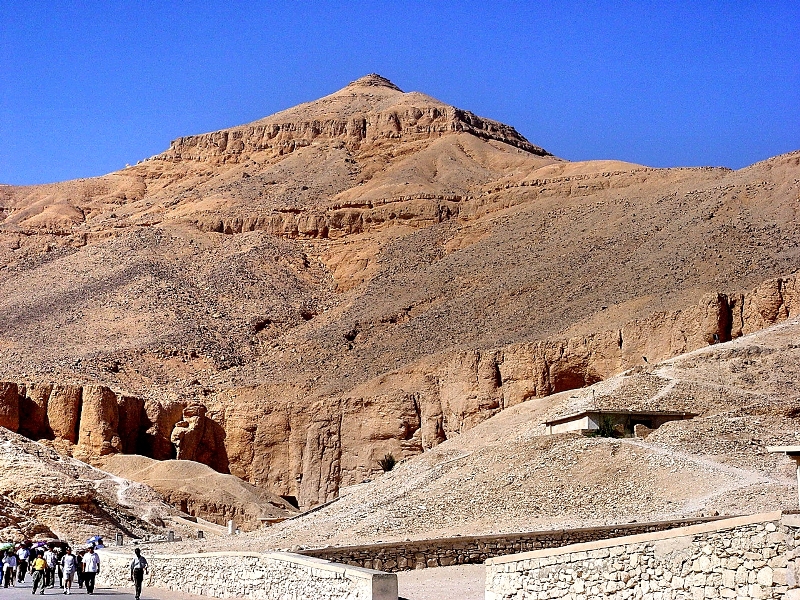
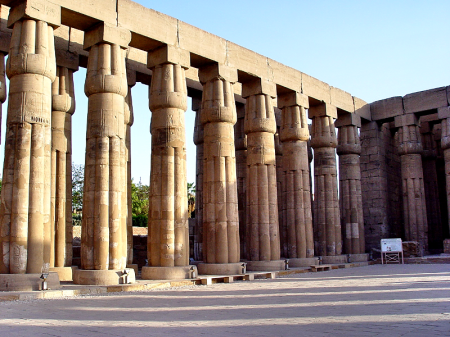
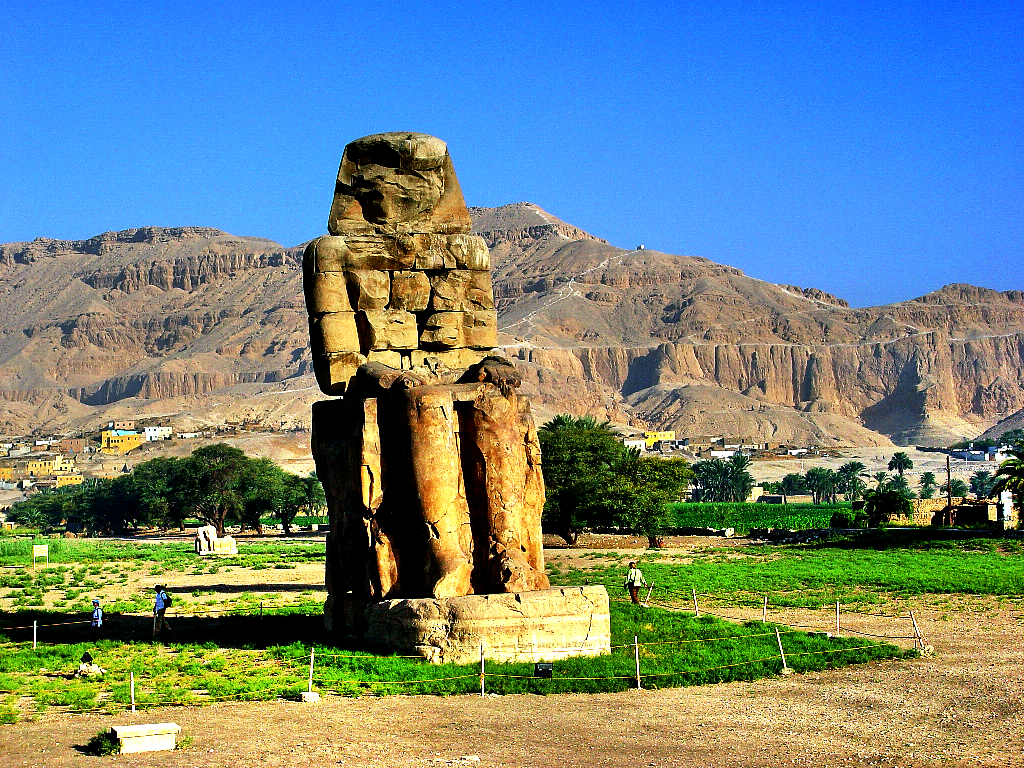
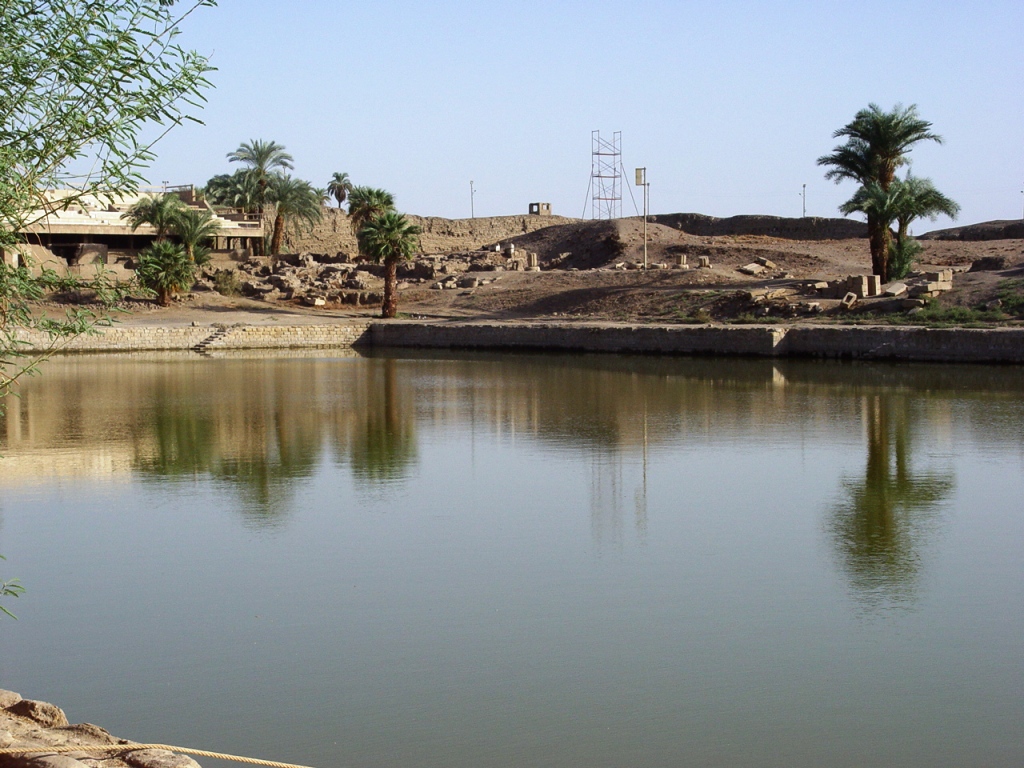
人工制品
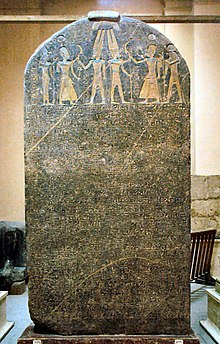
麦伦普塔石碑
梅尔奈普塔石碑,也被称为以色列石碑或梅尔奈普塔胜利石碑,是古埃及法老梅尔奈普塔的铭文,他在公元前1213年至1203年统治。1896年由弗林德斯·皮特里在底比斯发现,现在收藏于开罗的埃及博物馆。
该文本主要记载了梅尔奈普塔战胜古利比亚人及其盟友的事迹,但28行中的最后三行涉及在迦南的另一场战役,当时迦南是埃及帝国的领土的一部分。由于大多数学者将第27行的一组象形文字翻译为“以色列”,因此有时被称为“以色列石碑”。虽然提出了其他翻译,但并未被广泛接受。
该石碑代表了对以色列的最早文字记载,也是古埃及唯一的相关记载。它是铁器时代四个已知铭文之一,这些铭文提到古代以色列,其余三个是梅沙石碑、特尔·丹石碑和库尔克独石。因此,有些人认为梅尔奈普塔石碑是皮特里最著名的发现,皮特里本人也同意这一观点。
维基百科
地图
来自字典的信息
No
or No-A'mon, the home of Amon, the name of Thebes, the ancient capital of what is called the Middle Empire, in Upper or Southern Egypt. "The multitude of No" (Jer 46:25) is more correctly rendered, as in the Revised Version, "Amon of No", i.e., No, where Jupiter Amon had his temple. In (Ezek 30:14; 30:16) it is simply called "No;" but in (Ezek 30:15) the name has the Hebrew Hamon prefixed to it, "Hamon No." This prefix is probably the name simply of the god usually styled Amon or Ammon. In (Nah 3:8) the "populous No" of the Authorized Version is in the Revised Version correctly rendered "No-Amon."
It was the Diospolis or Thebes of the Greeks, celebrated for its hundred gates and its vast population. It stood on both sides of the Nile, and is by some supposed to have included Karnak and Luxor. In grandeur and extent it can only be compared to Nineveh. It is mentioned only in the prophecies referred to, which point to its total destruction. It was first taken by the Assyrians in the time of Sargon (Isa 20:1etc.). It was afterwards "delivered into the hand" of Nebuchadnezzar and Assurbani-pal (Jer 46:25; 46:26). Cambyses, king of the Persians (B.C. 525), further laid it waste by fire. Its ruin was completed (B.C. 81) by Ptolemy Lathyrus. The ruins of this city are still among the most notable in the valley of the Nile. They have formed a great storehouse of interesting historic remains for more than two thousand years.
"As I wandered day after day with ever-growing amazement amongst these relics of ancient magnificence, I felt that if all the ruins in Europe, classical, Celtic, and medieval, were brought together into one centre, they would fall far short both in extent and grandeur of those of this single Egyptian city." Manning, The Land of the Pharaohs.
EBD - Easton's Bible Dictionary