所罗门池
描述
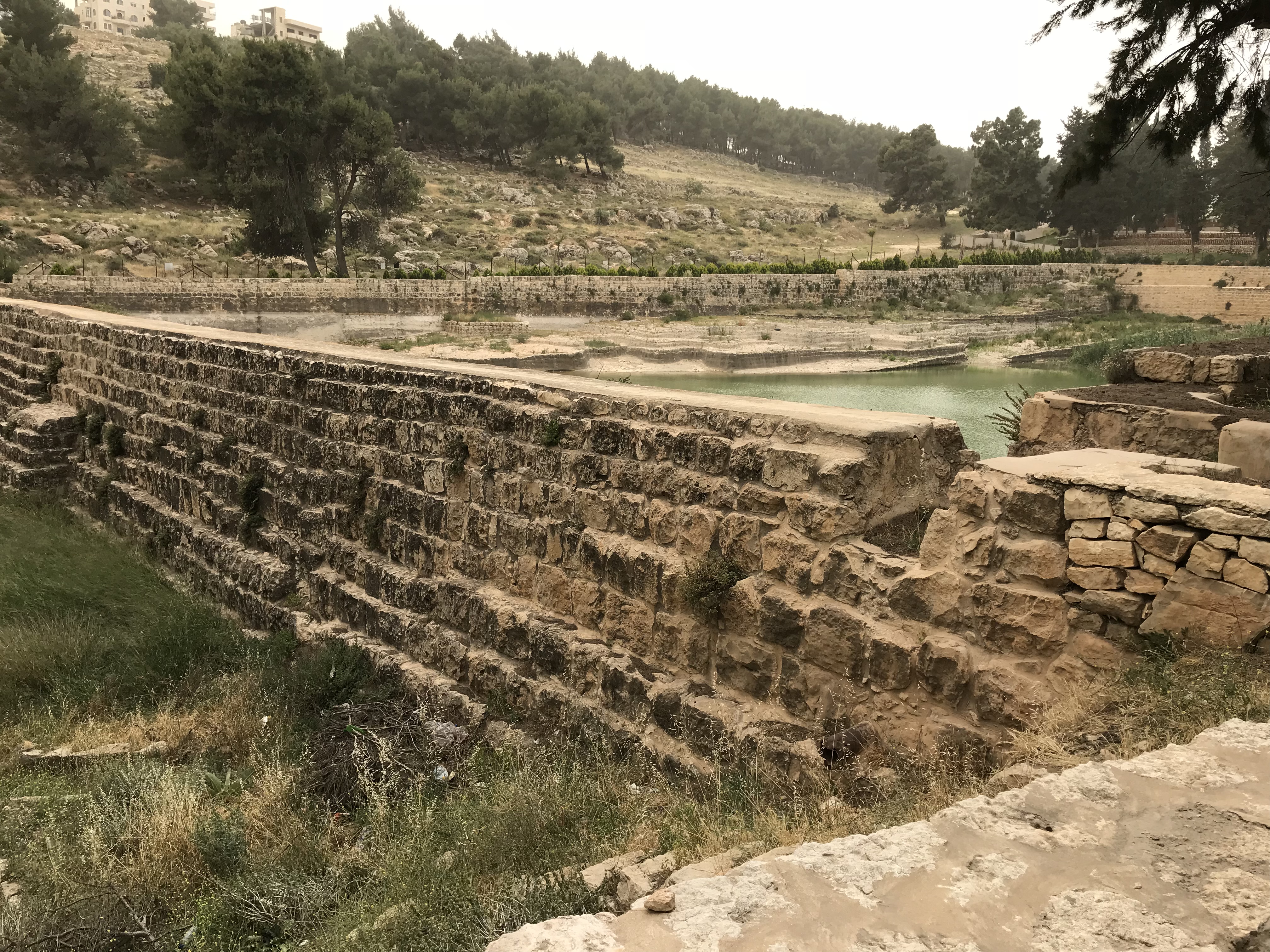
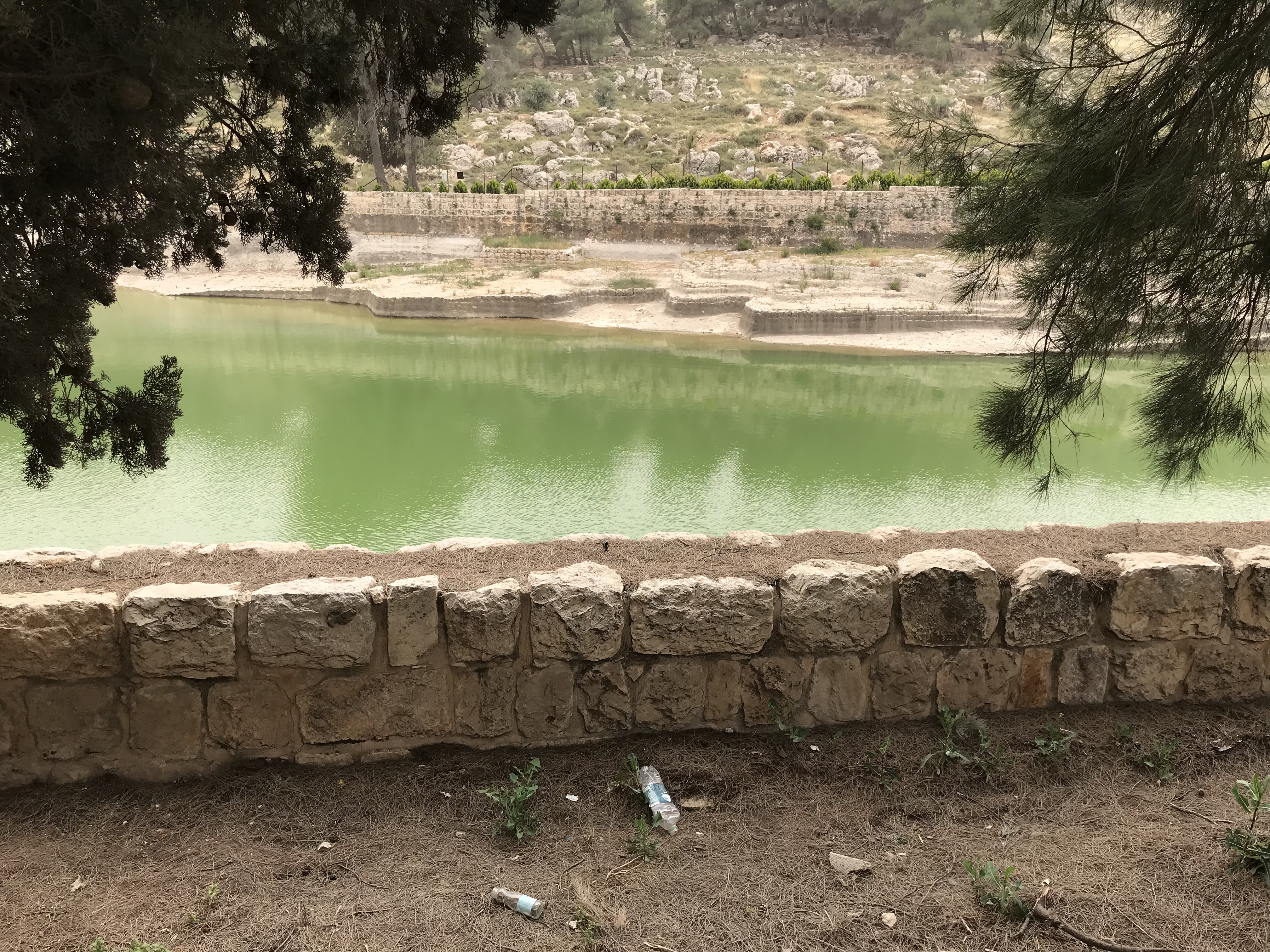
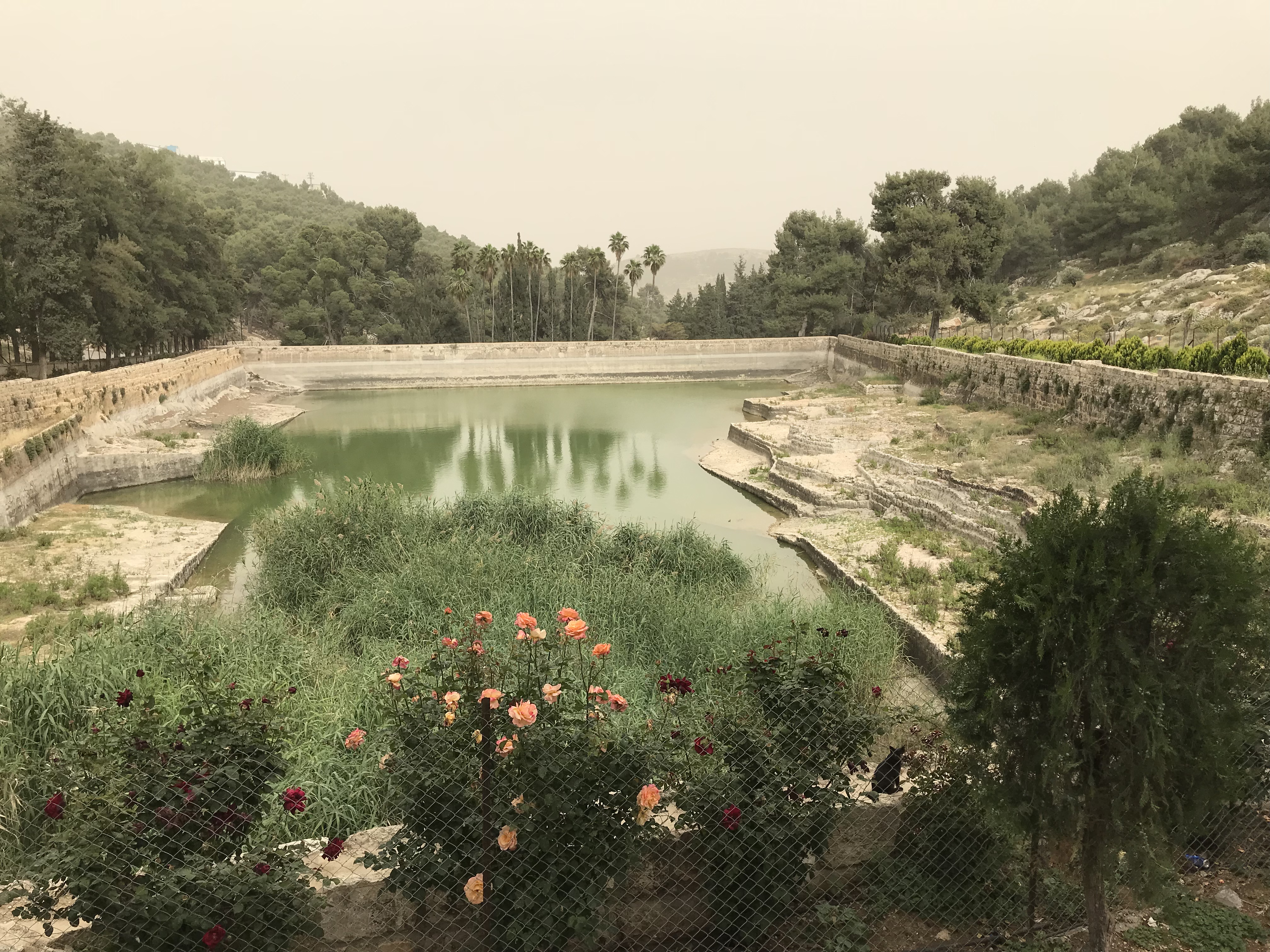
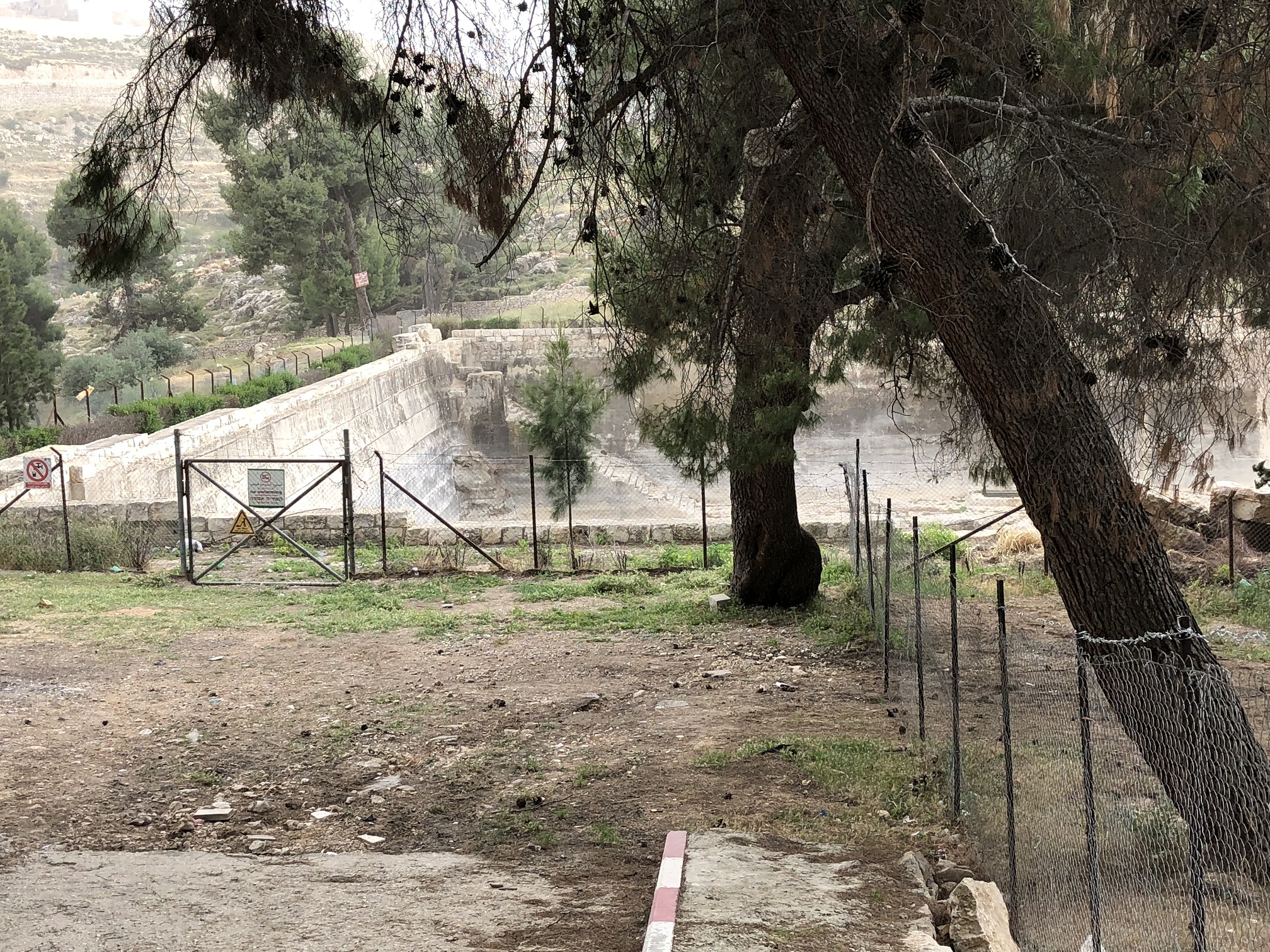
所罗门水池是三个古老的蓄水池,位于西岸中南部,阿尔-哈德尔以南,约在伯利恒西南约3.5公里,靠近通往希伯伦的道路。
维基百科
链接
Street View
图片
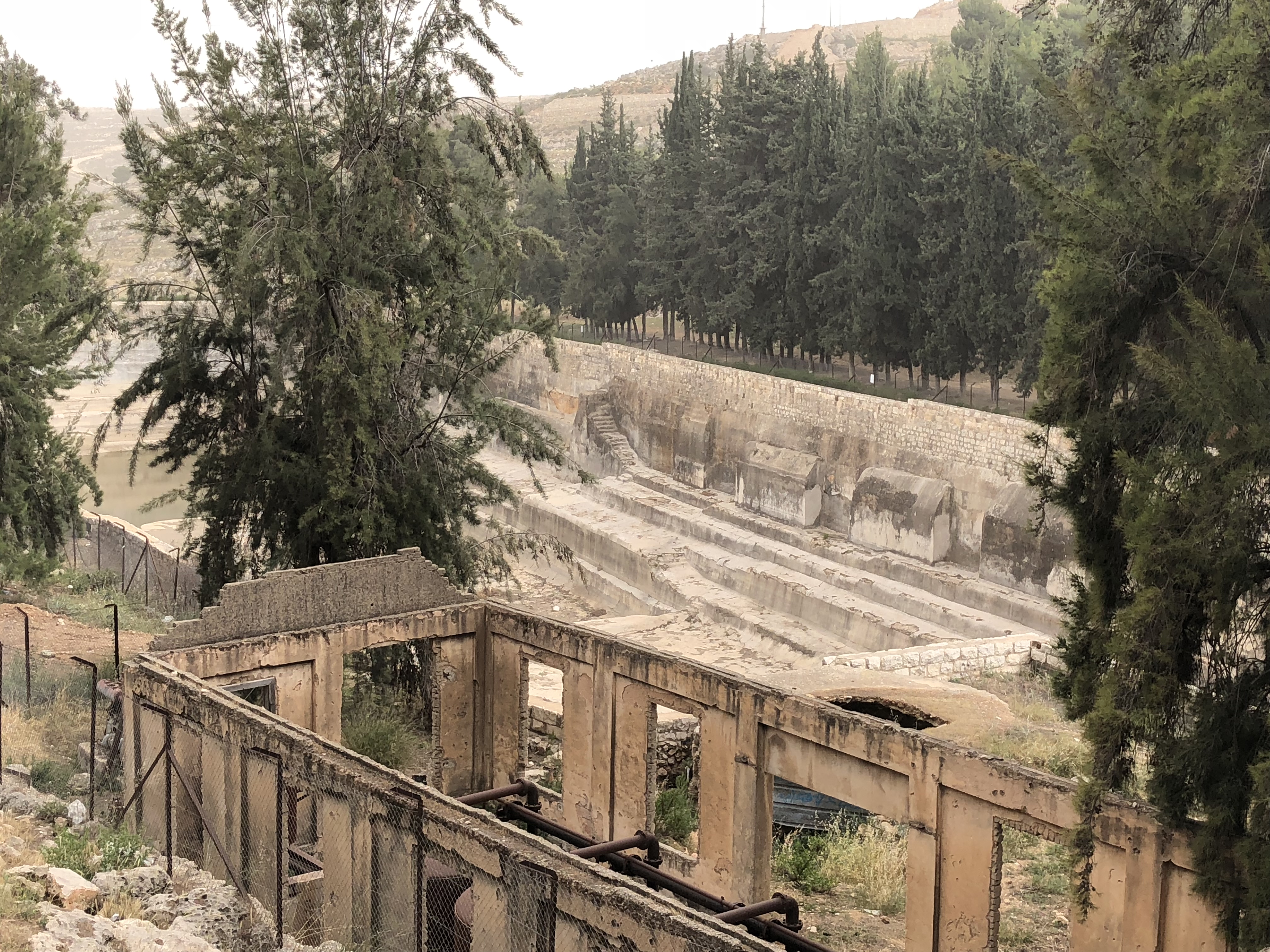
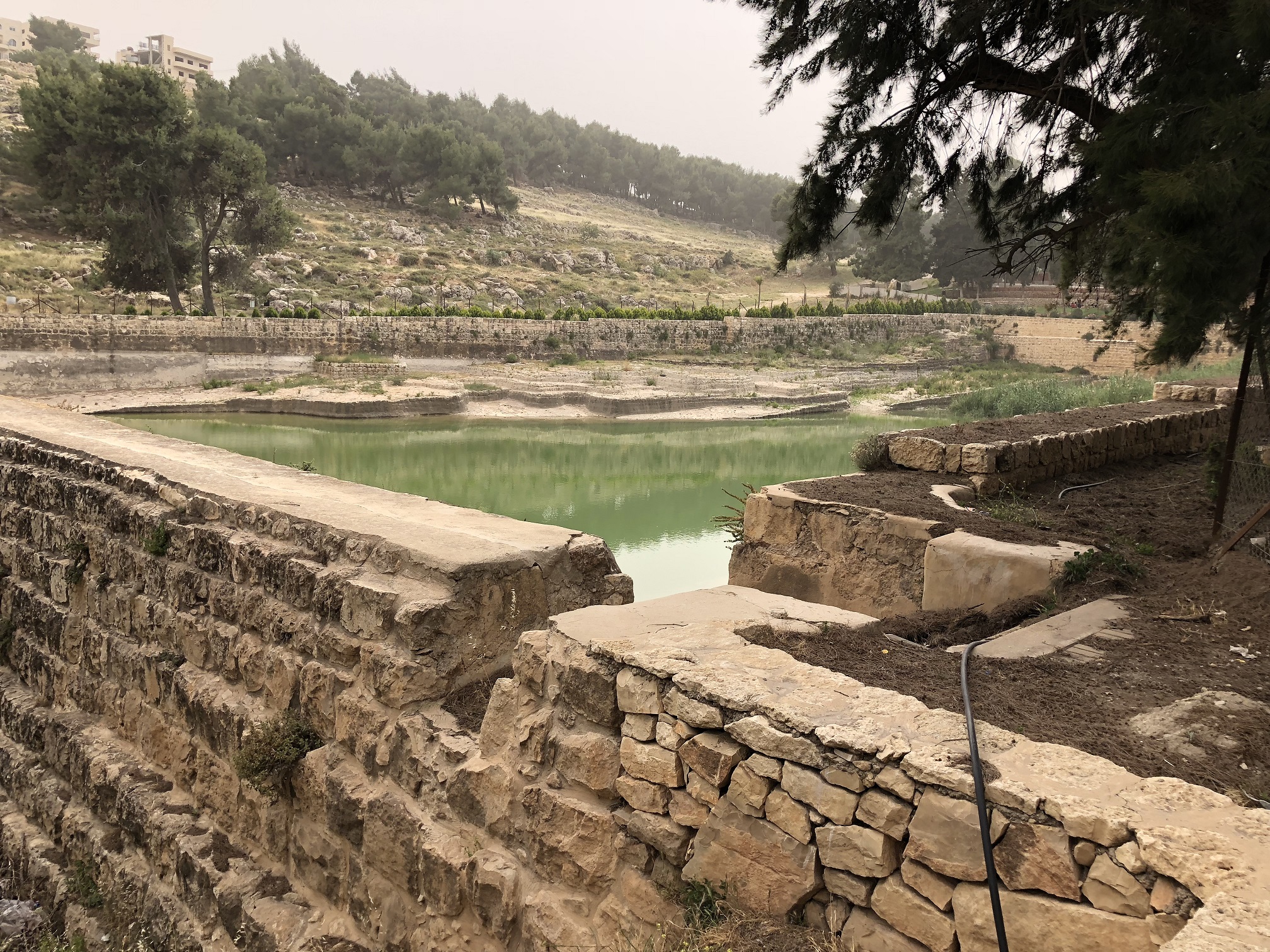
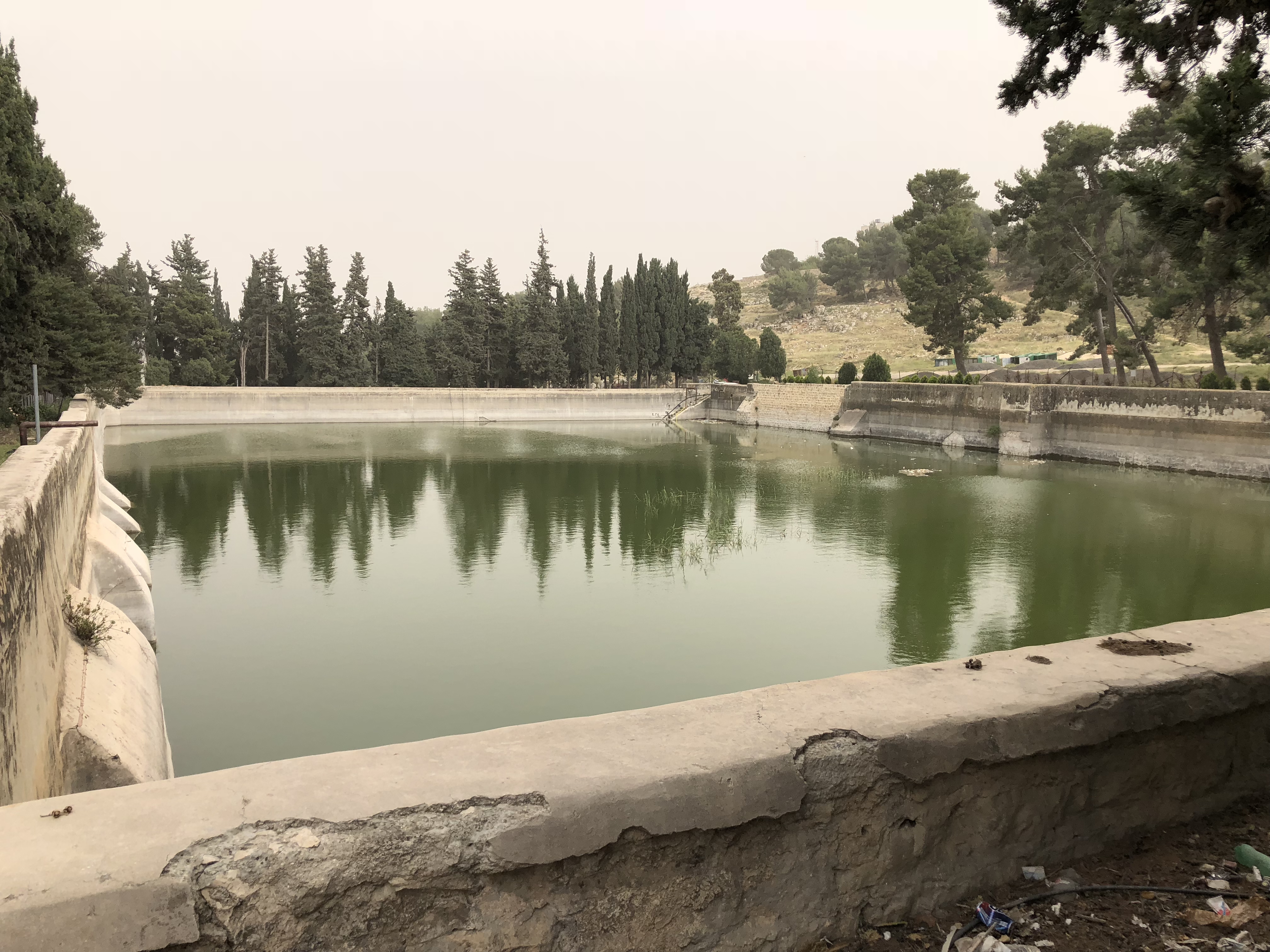
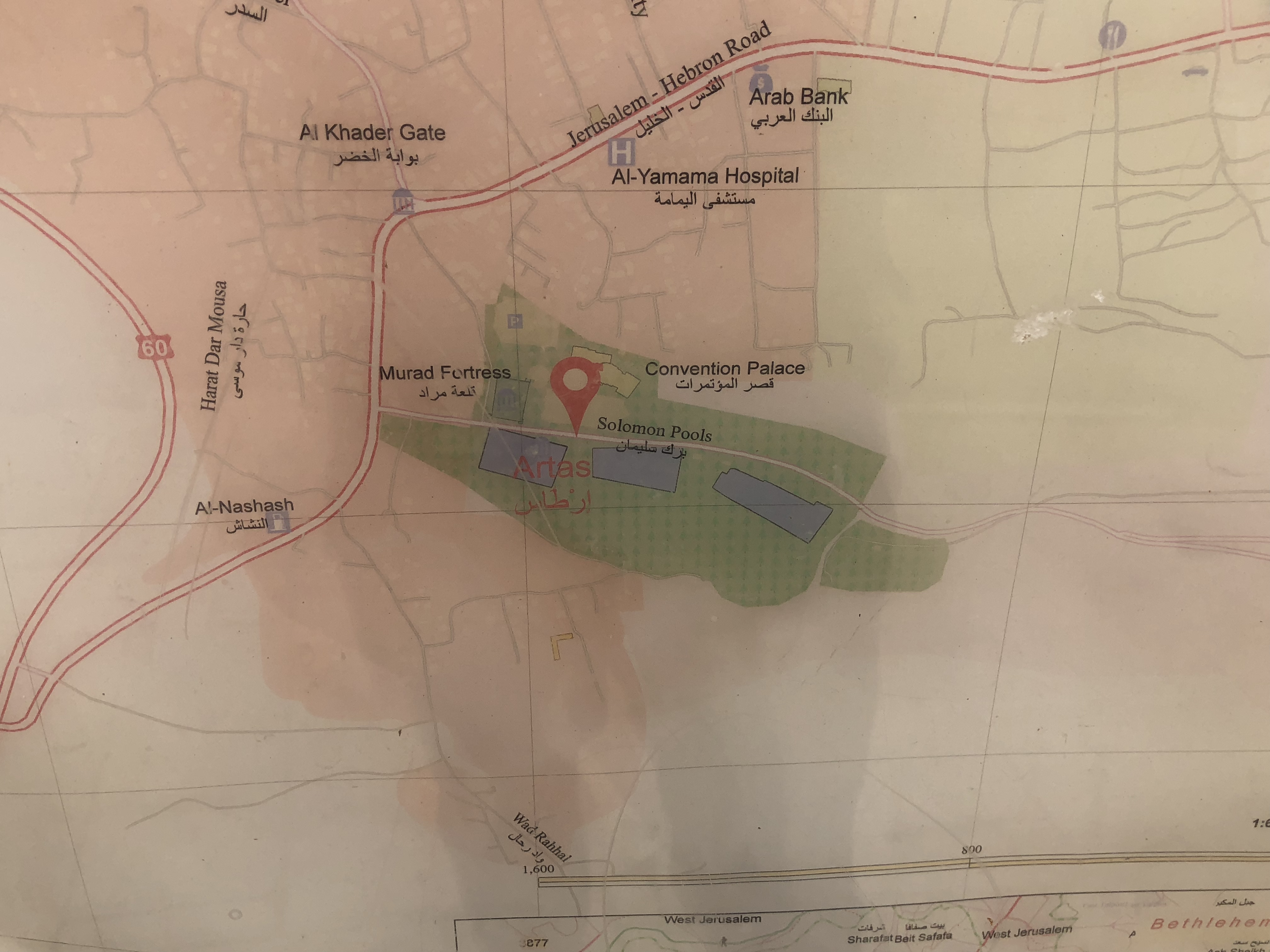
地图
来自字典的信息
Pools of Solomon
the name given to three large open cisterns at Etam, at the head of the Wady Urtas, having an average length of 400 feet by 220 in breadth, and 20 to 30 in depth. These pools derive their chief supply of water from a spring called "the sealed fountain," about 200 yards to the north-west of the upper pool, to which it is conveyed by a large subterranean passage. They are 150 feet distant from each other, and each pool is 20 feet lower than that above it, the conduits being so arranged that the lowest, which is the largest and finest of the three, is filled first, and then in succession the others. It has been estimated that these pools cover in all a space of about 7 acres, and are capable of containing three million gallons of water. They were, as is generally supposed, constructed in the days of Solomon. They are probably referred to in (Eccl 2:6). On the fourth day after his victory over the Ammonites, etc., in the wilderness of Tekoa, Jehoshaphat assembled his army in the valley of Berachah ("blessing"), and there blessed the Lord. Berachah has been identified with the modern Bereikut, some 5 miles south of Wady Urtas, and hence the "valley of Berachah" may be this valley of pools, for the word means both "blessing" and "pools;" and it has been supposed, therefore, that this victory was celebrated beside Solomon's pools (2Chr 20:26).
These pools were primarily designed to supply Jerusalem with water. From the lower pool an aqueduct has been traced conveying the water through Bethlehem and across the valley of Gihon, and along the west slope of the Tyropoeon valley, till it finds its way into the great cisterns underneath the temple hill. The water, however, from the pools reaches now only to Bethlehem. The aqueduct beyond this has been destroyed.
EBD - Easton's Bible Dictionary