耶稣基督的墓穴
描述
各各他
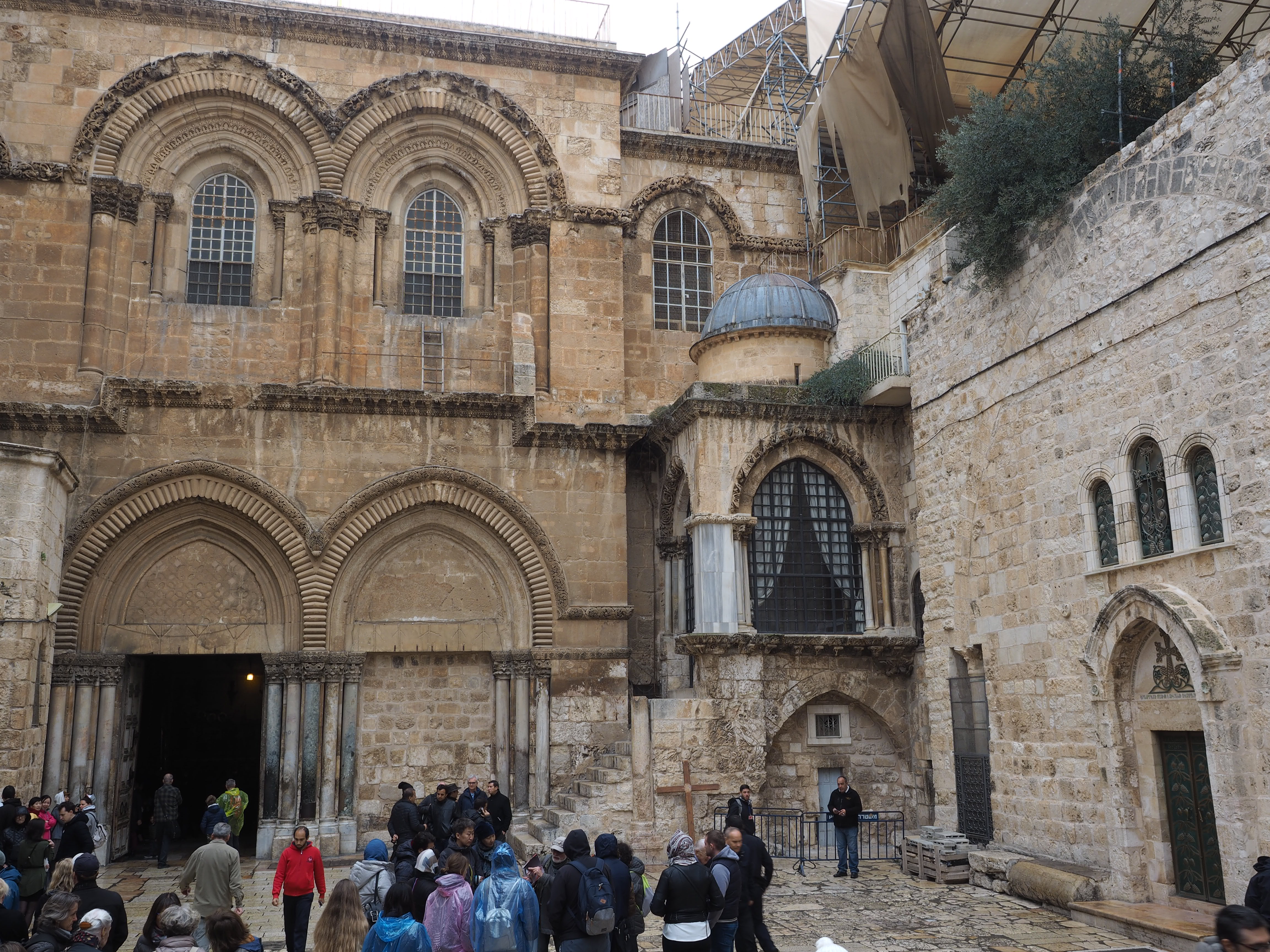
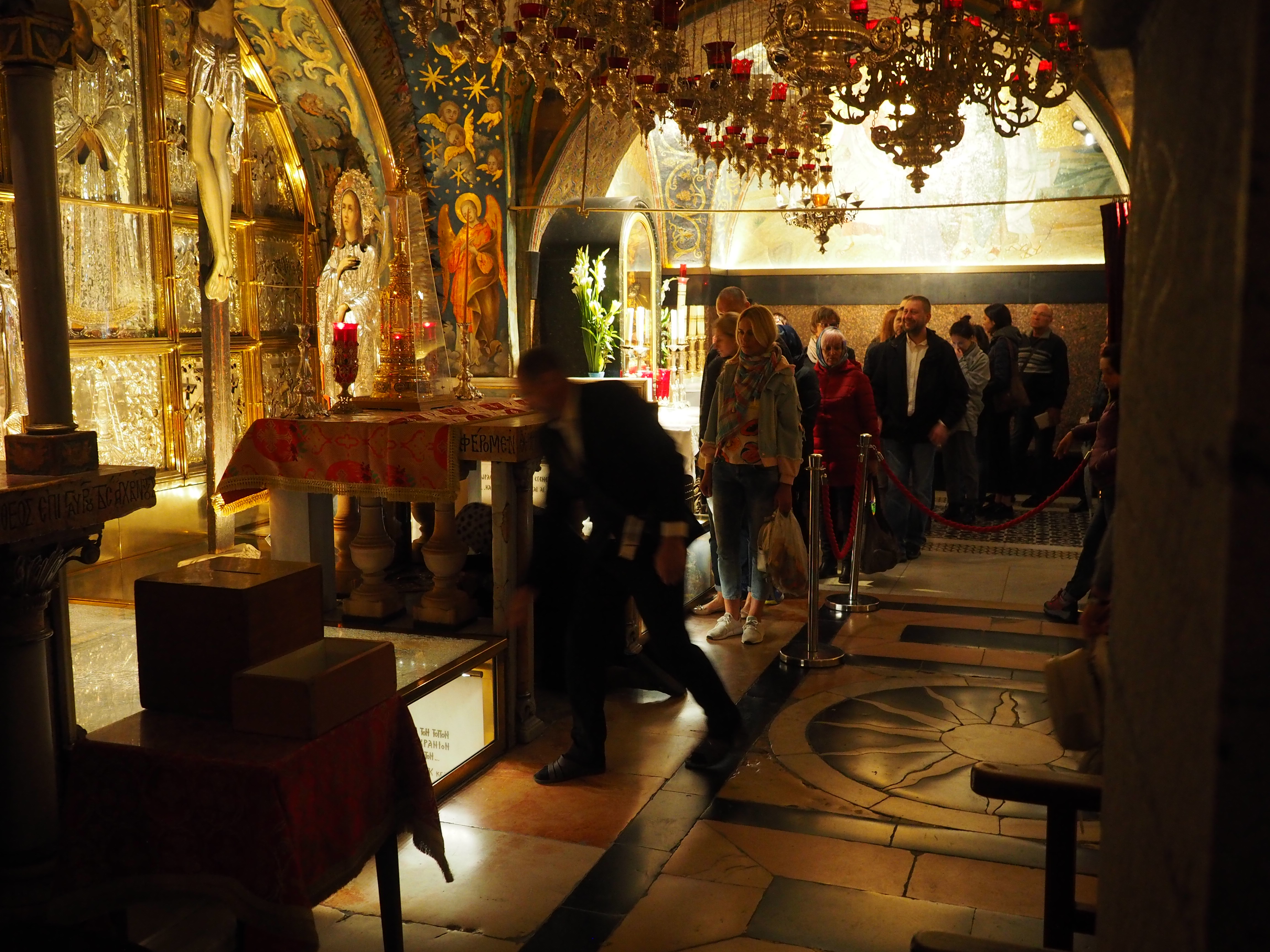
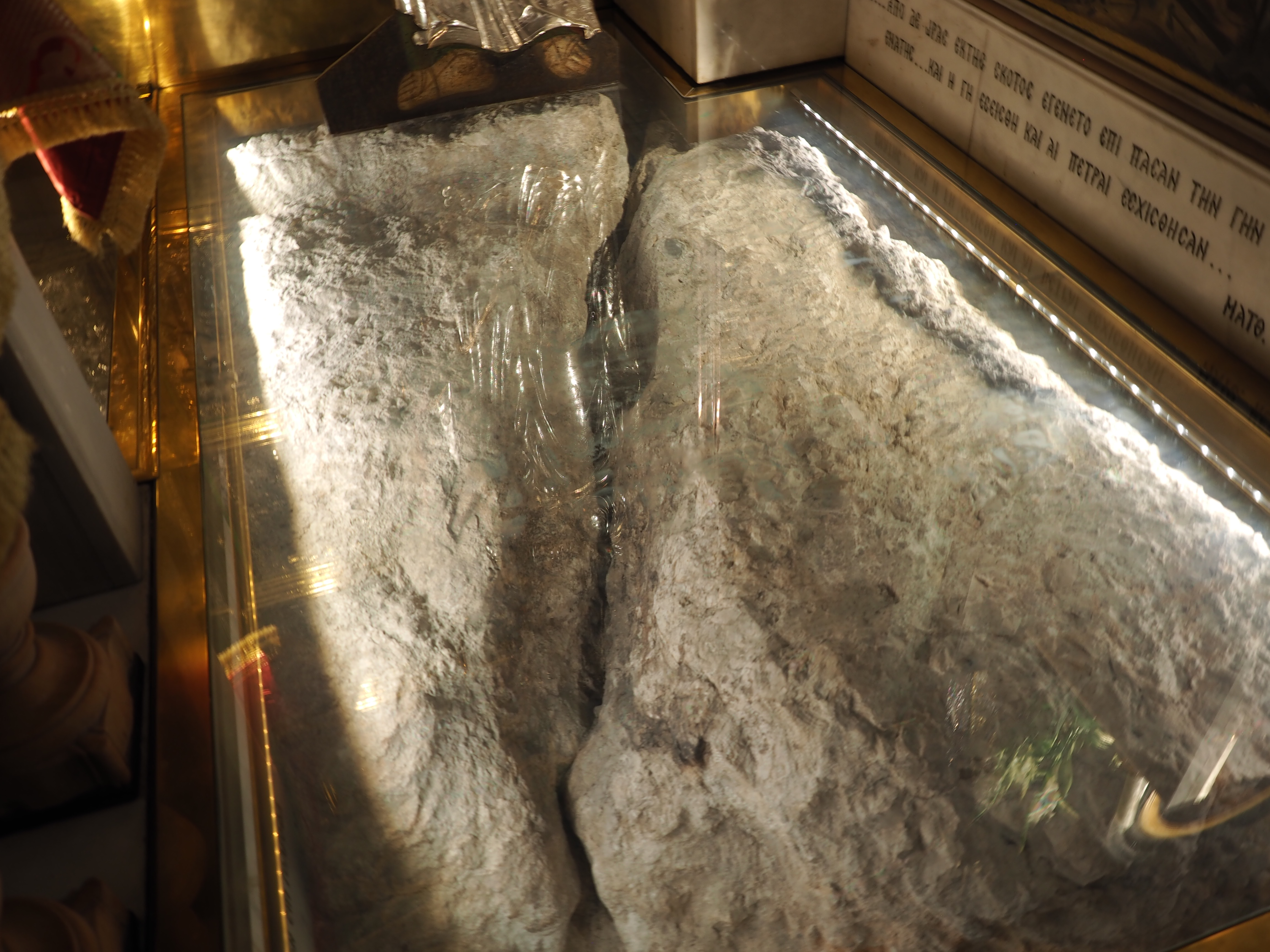
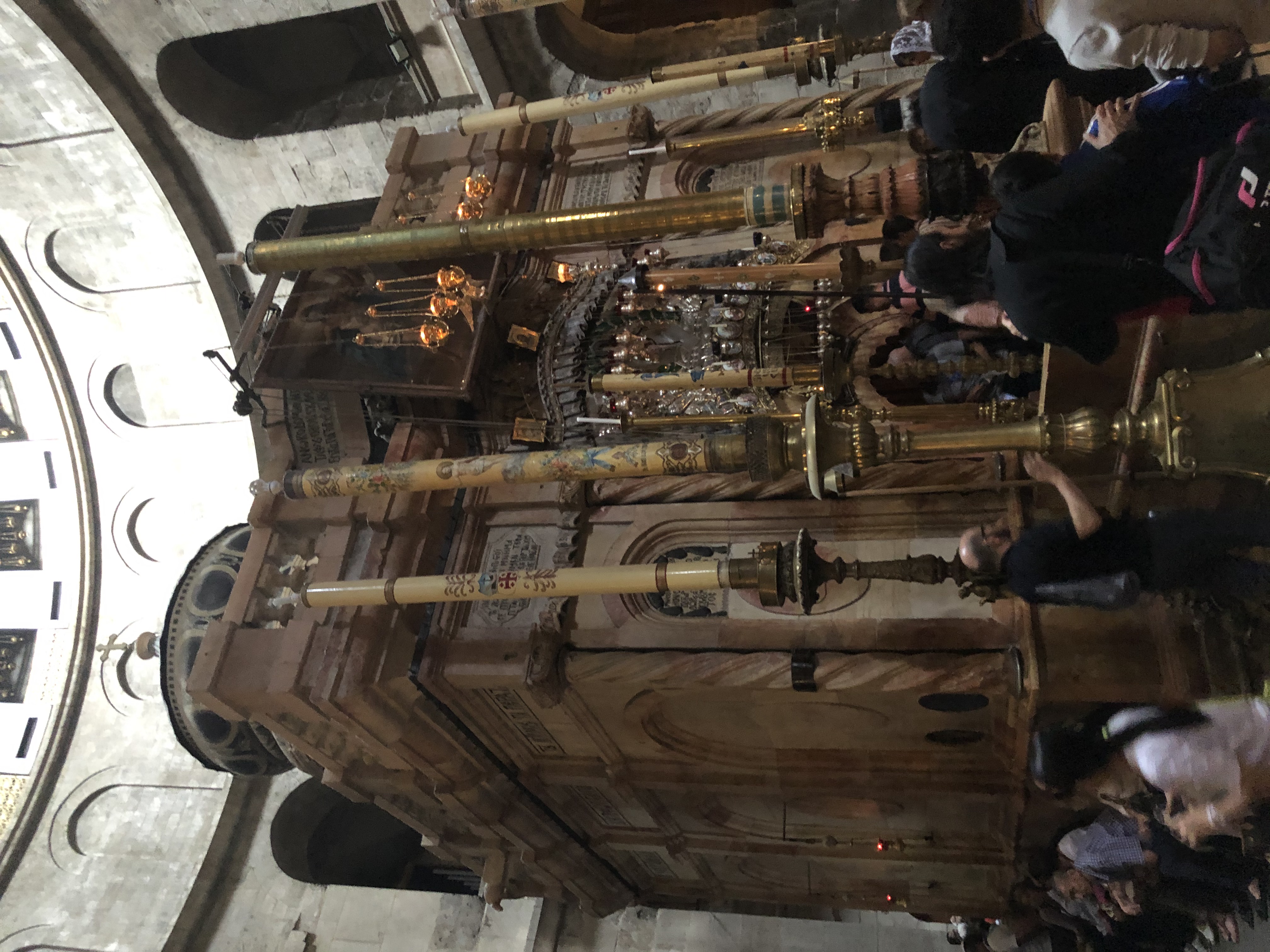
耶稣被钉十字架的地方的常用名称。福音书作者将其解释为“髑髅地”(太 27:33;可 15:22;约 19:17)。这个名字用希腊字母表示亚拉姆语的Gulgaltha,即希伯来语的Gulgoleth(民 1:2;代上 23:3, 24;王下 9:35),意思是“髑髅”。它与加略山(q.v.)相同。它是一个小山丘,形状像一个裸露的头骨。从福音书作者的描述中可以明显看出,这是一个城门外的著名地点(参见来 13:12),靠近城市(路 23:26),有一个“园子”(约 19:41),并且位于通往乡村的要道上。因此,认为它位于现今的“圣墓教堂”内的观点是站不住脚的。耶利米洞穴上方的小山丘,位于城市北部,很可能是真正的加略山。小山丘南部悬崖上岩石的头骨状外观非常显著。
链接
Street View
图片
视频
Church of Holy Sepulchre History
Church of Holy Sepulchre History, Death, Burial, Resurrection of Jesus Christ, Golgotha, Calvary
Church of Holy Sepulchre History Part 2: Death, Burial, Resurrection of Christ, Golgotha, Calvary
A Video Tour inside The Church of the Holy Sepulchre in Jerusalem
Jesus' Tomb Explained--the evidence & the story!
Where Jesus Was Crucified: The archaeological evidence!
Archaeological Proof for the Crucifixion and Burial Tomb of Jesus Christ. Joel Kramer, SourceFlix.
地图
来自字典的信息
Golgotha
the common name of the spot where Jesus was crucified. It is interpreted by the evangelists as meaning "the place of a skull" (Matt 27:33; Mark 15:22; John 19:17). This name represents in Greek letters the Aramaic word Gulgaltha, which is the Hebrew Gulgoleth (Num 1:2; 1Chr 23:3; 23:24; 2Kings 9:35), meaning "a skull." It is identical with the word Calvary (q.v.). It was a little knoll rounded like a bare skull. It is obvious from the evangelists that it was some well-known spot outside the gate [comp. (Heb 13:12)], and near the city (Luke 23:26), containing a "garden" (John 19:41), and on a thoroughfare leading into the country. Hence it is an untenable idea that it is embraced within the present "Church of the Holy Sepulchre." The hillock above Jeremiah's Grotto, to the north of the city, is in all probability the true site of Calvary. The skull-like appearance of the rock in the southern precipice of the hillock is very remarkable.
EBD - Easton's Bible Dictionary