希西家隧道
描述
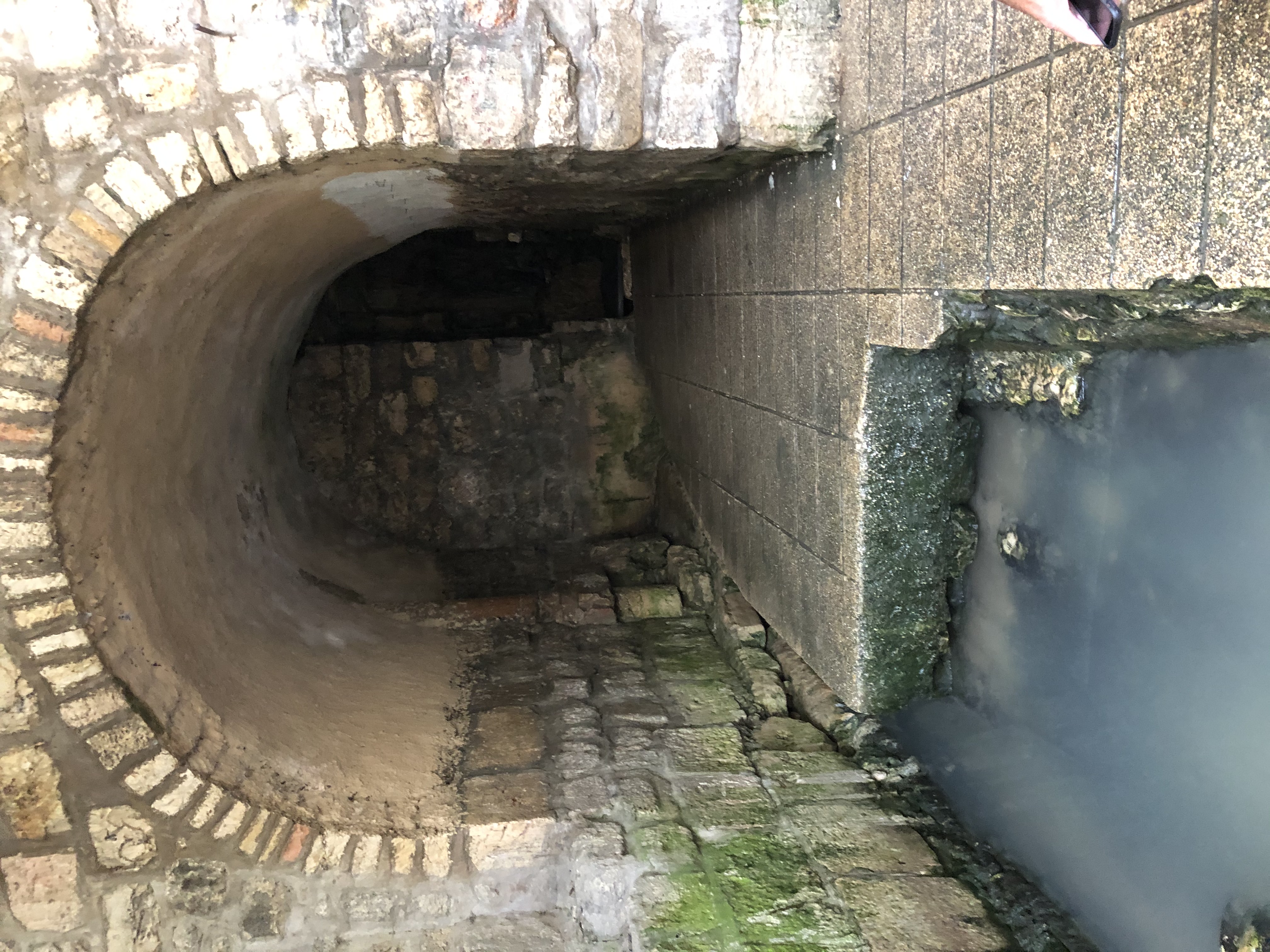
更新的西罗亚隧道(希伯来语:נִקְבַּת הַשִּׁלֹחַ,Nikbat HaShiloaḥ),也被称为希西家隧道(希伯来语:תעלת חזקיהו),是一个在古代大卫城内凿出的水道,现在位于耶路撒冷东部的阿拉伯社区西罗安。这个名字之所以流行,是因为最常见的假设认为它可以追溯到犹大王希西家的统治时期(公元前8世纪末和7世纪初),并与希伯来圣经中提到的“水道”相对应[2Kgs 20:20]。根据圣经记载,希西家王为了准备应对亚述人的围攻,"堵住了上基训的水源,并将水直引到大卫城的西边"[2Chr 32:30]。通过引导基训的水流,他阻止了辛那基立率领的敌军获得水源。
与希西家时期隧道相关的圣经经文有:[2Kgs 20:20]; [2Chr 32:2-4]; [2Chr 32:30]; [Isa 22:11]
维基百科
链接
Street View
图片
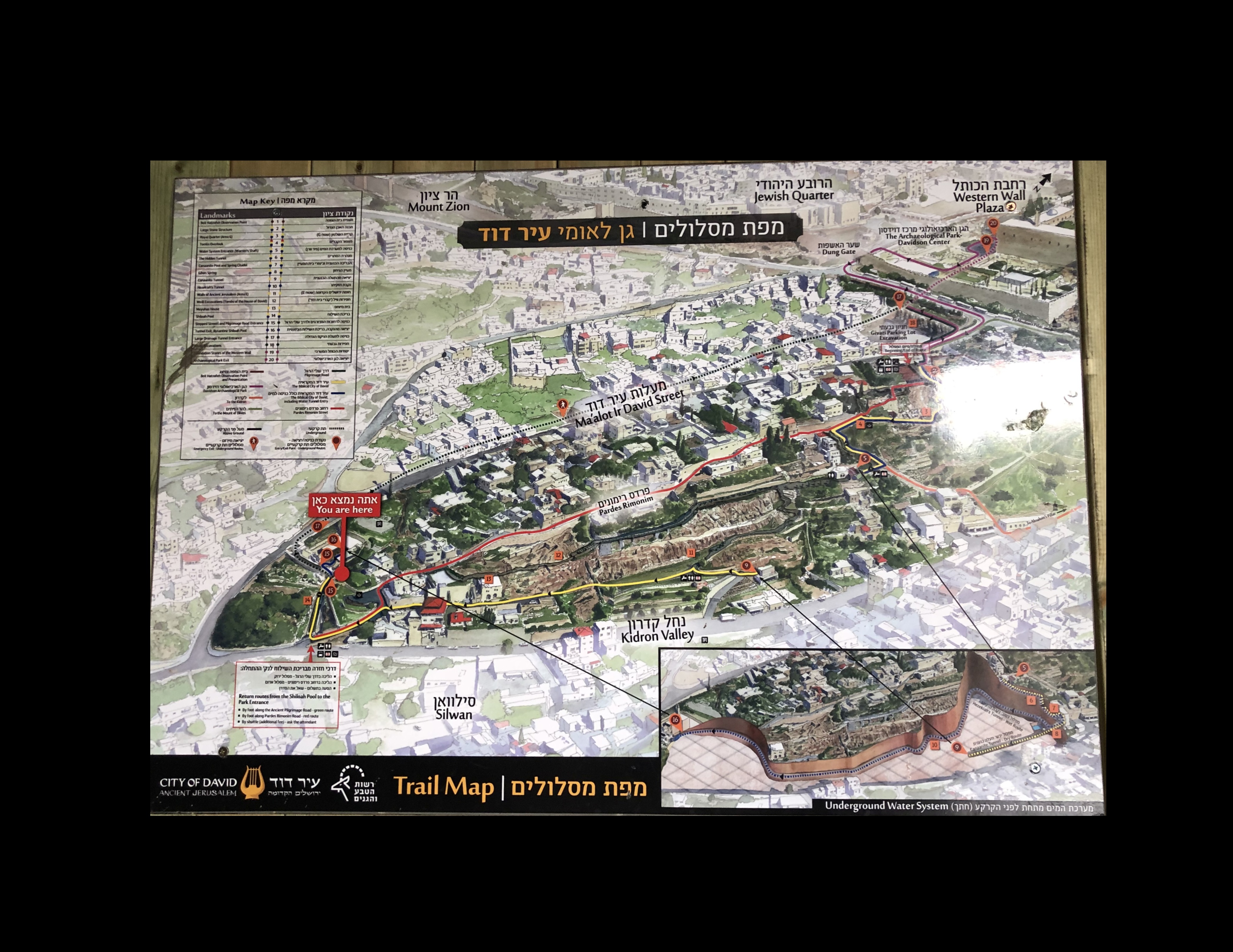
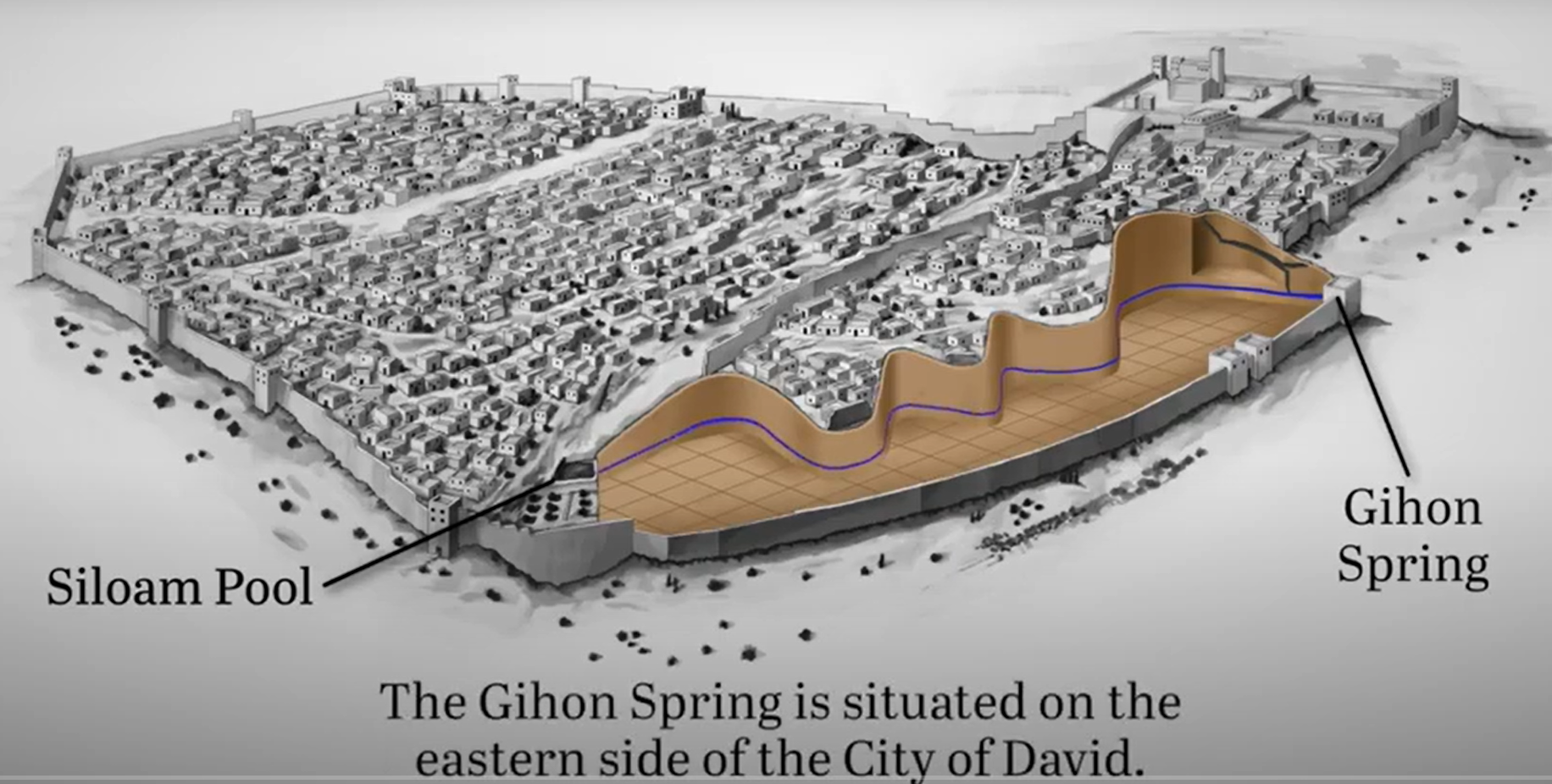
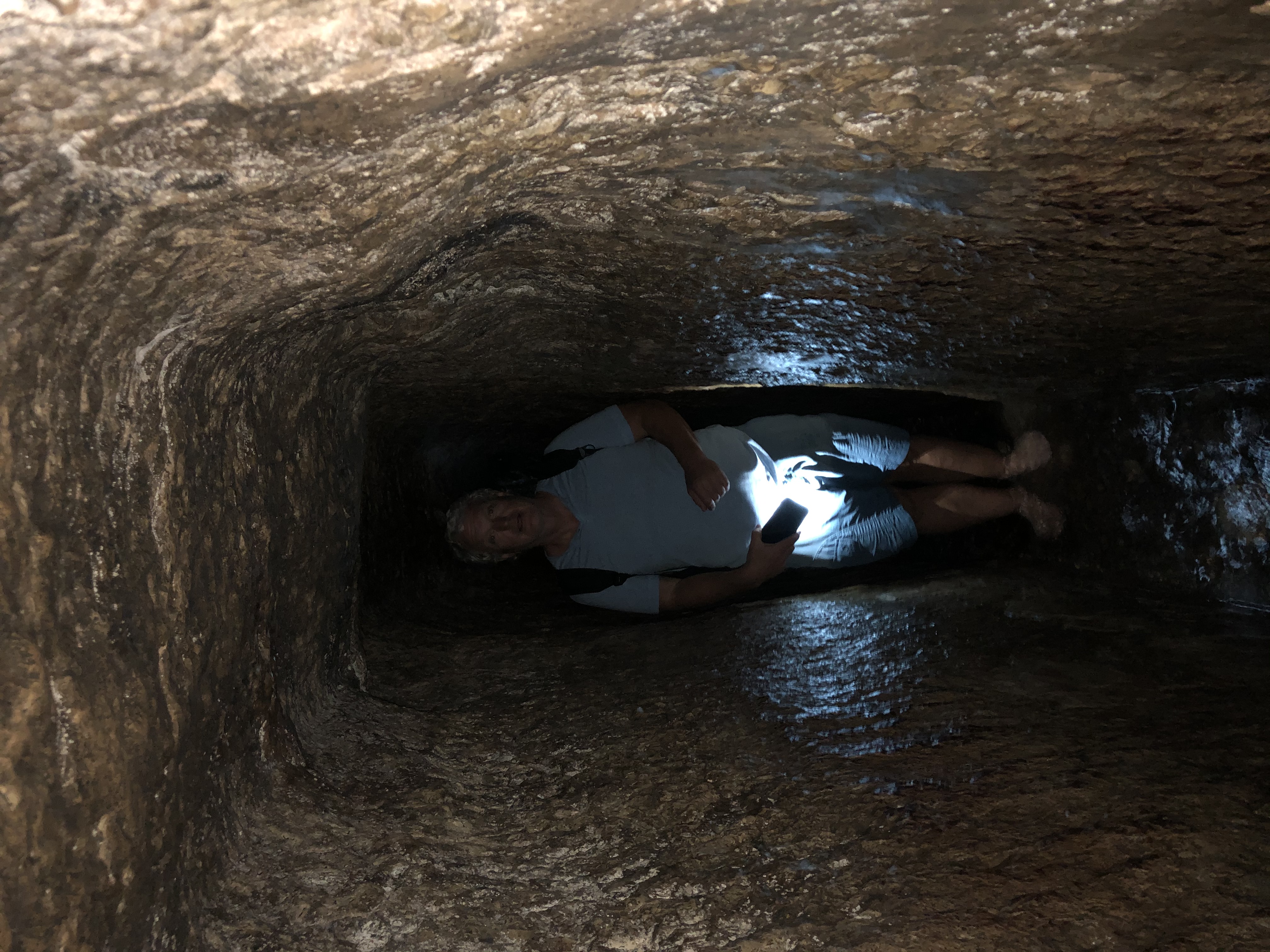
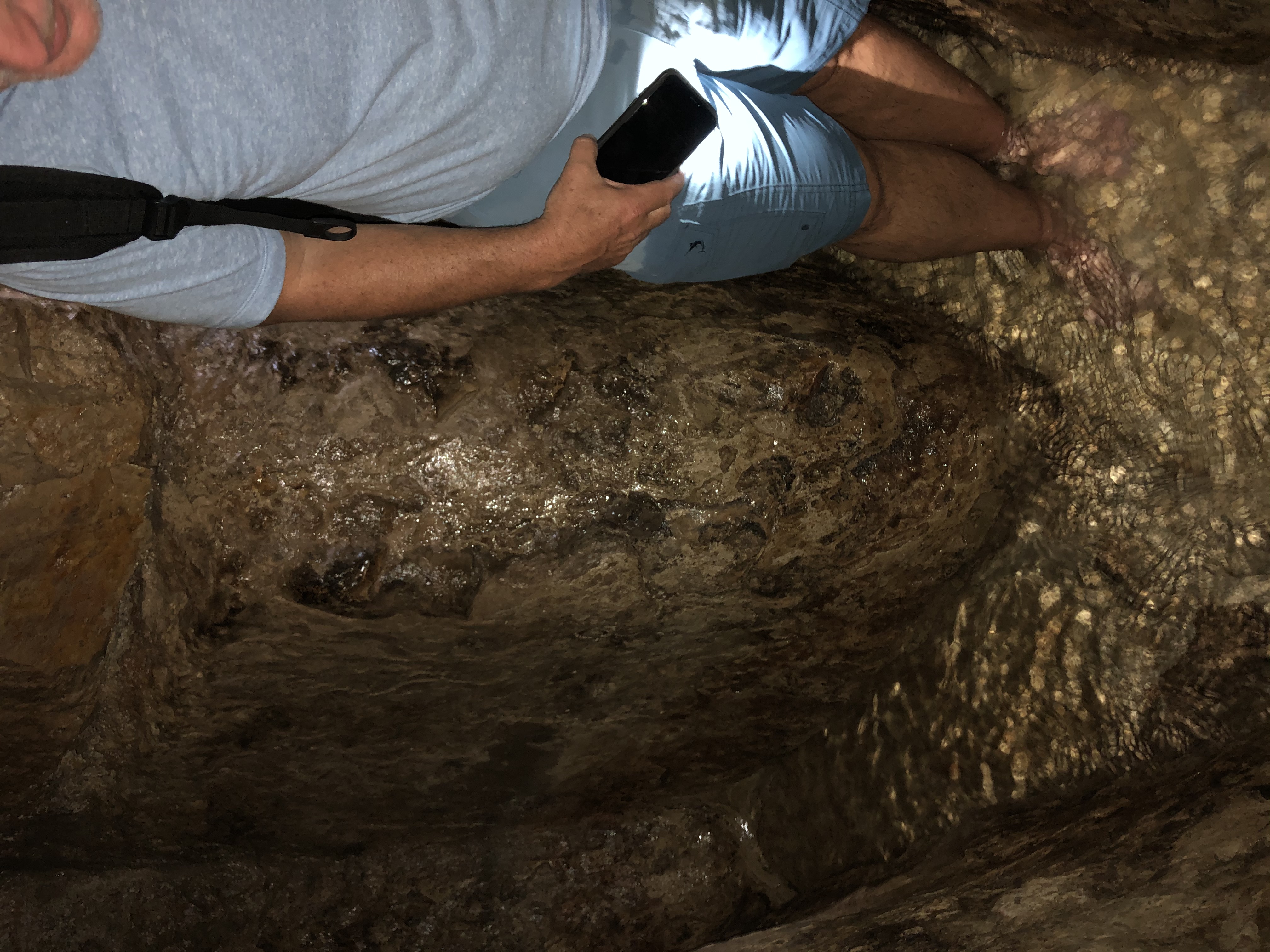
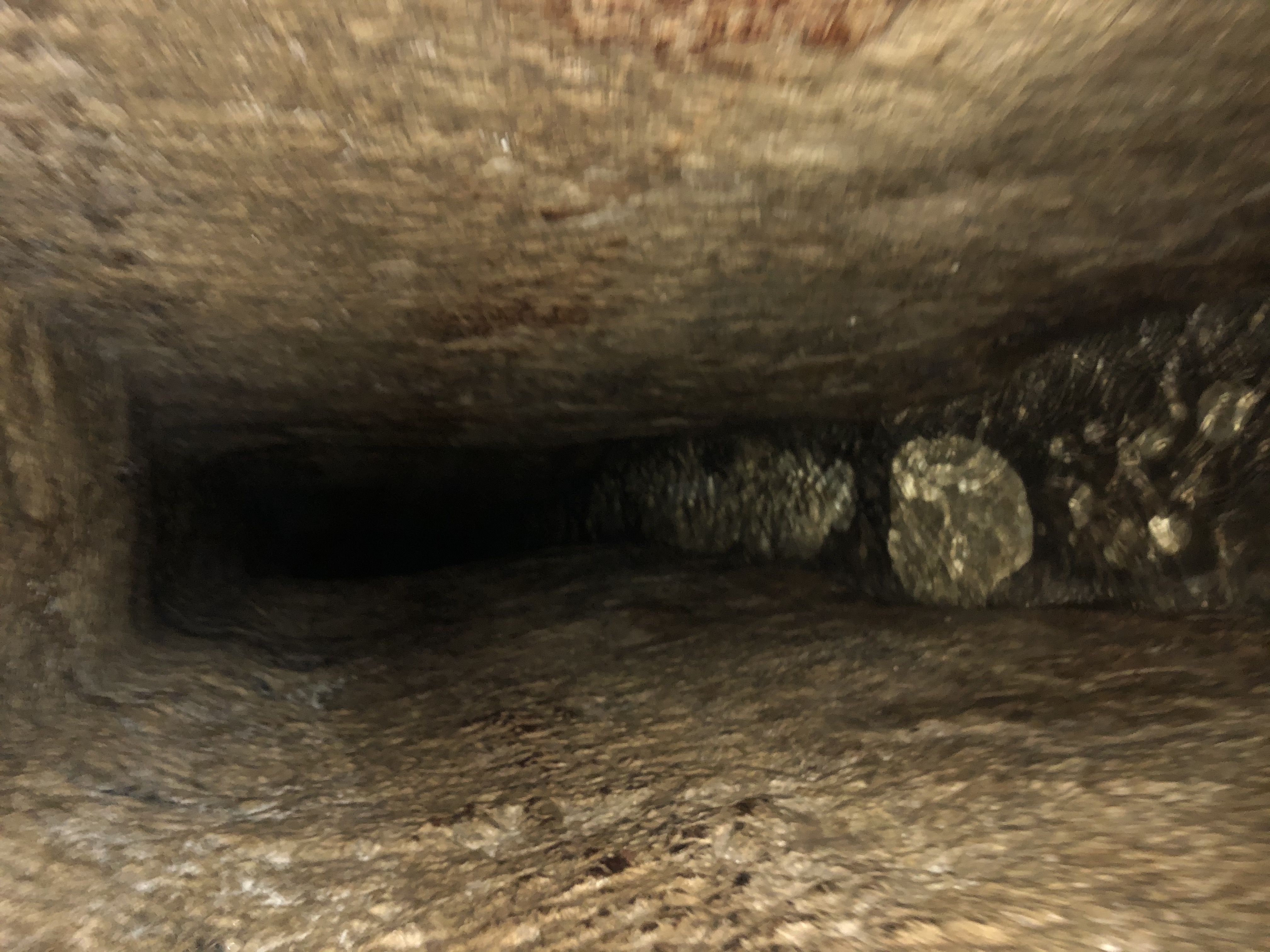
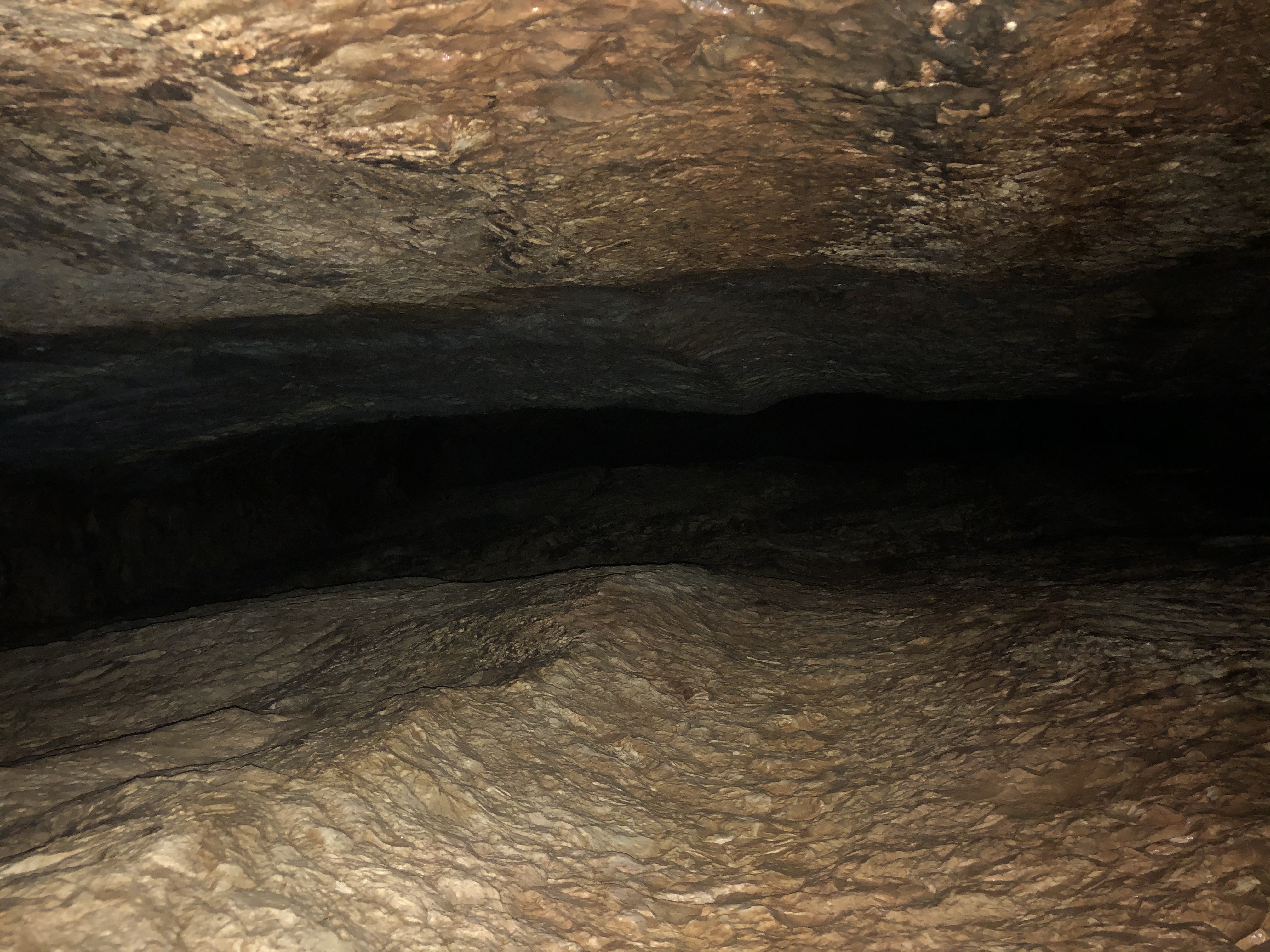
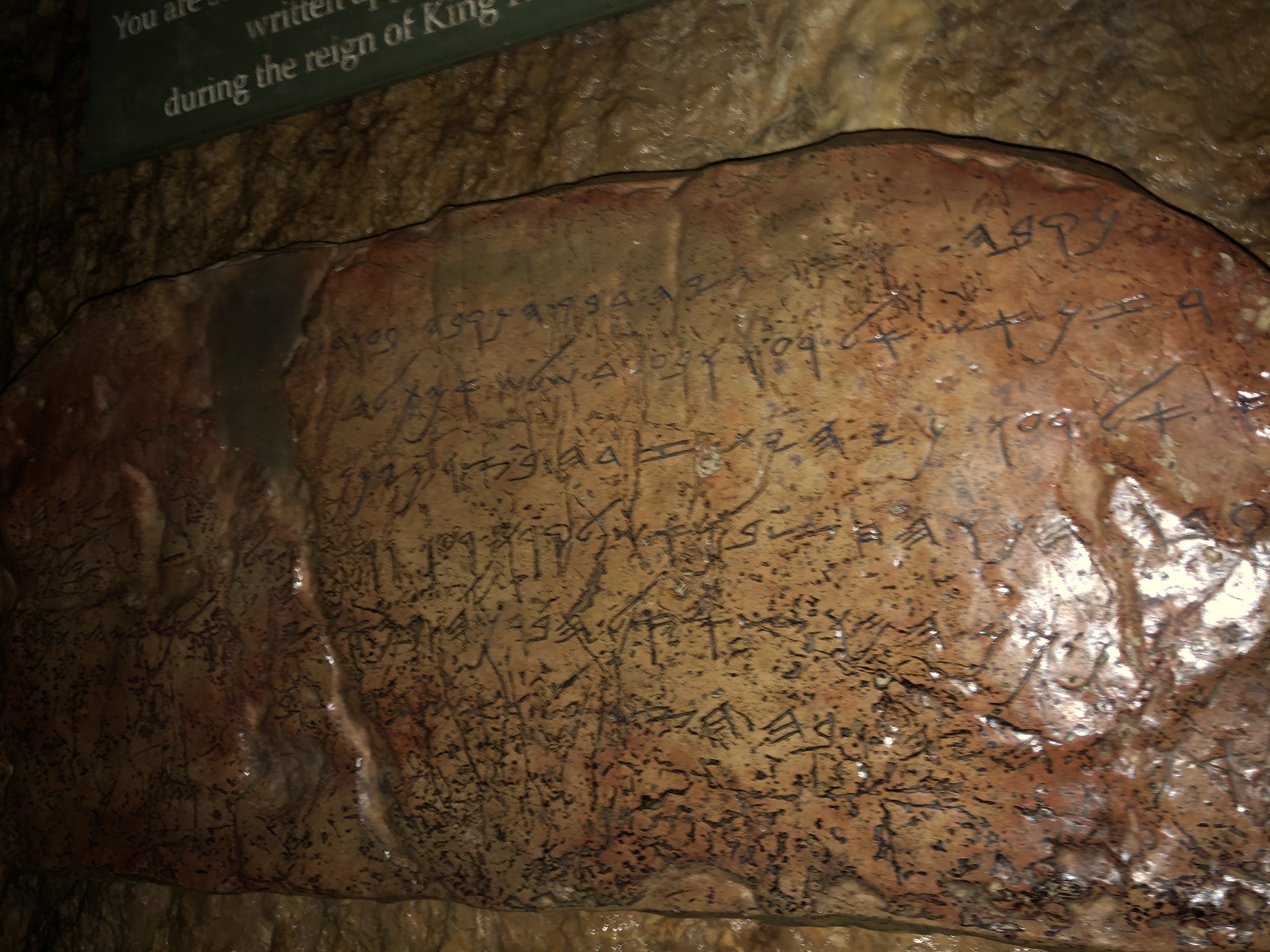
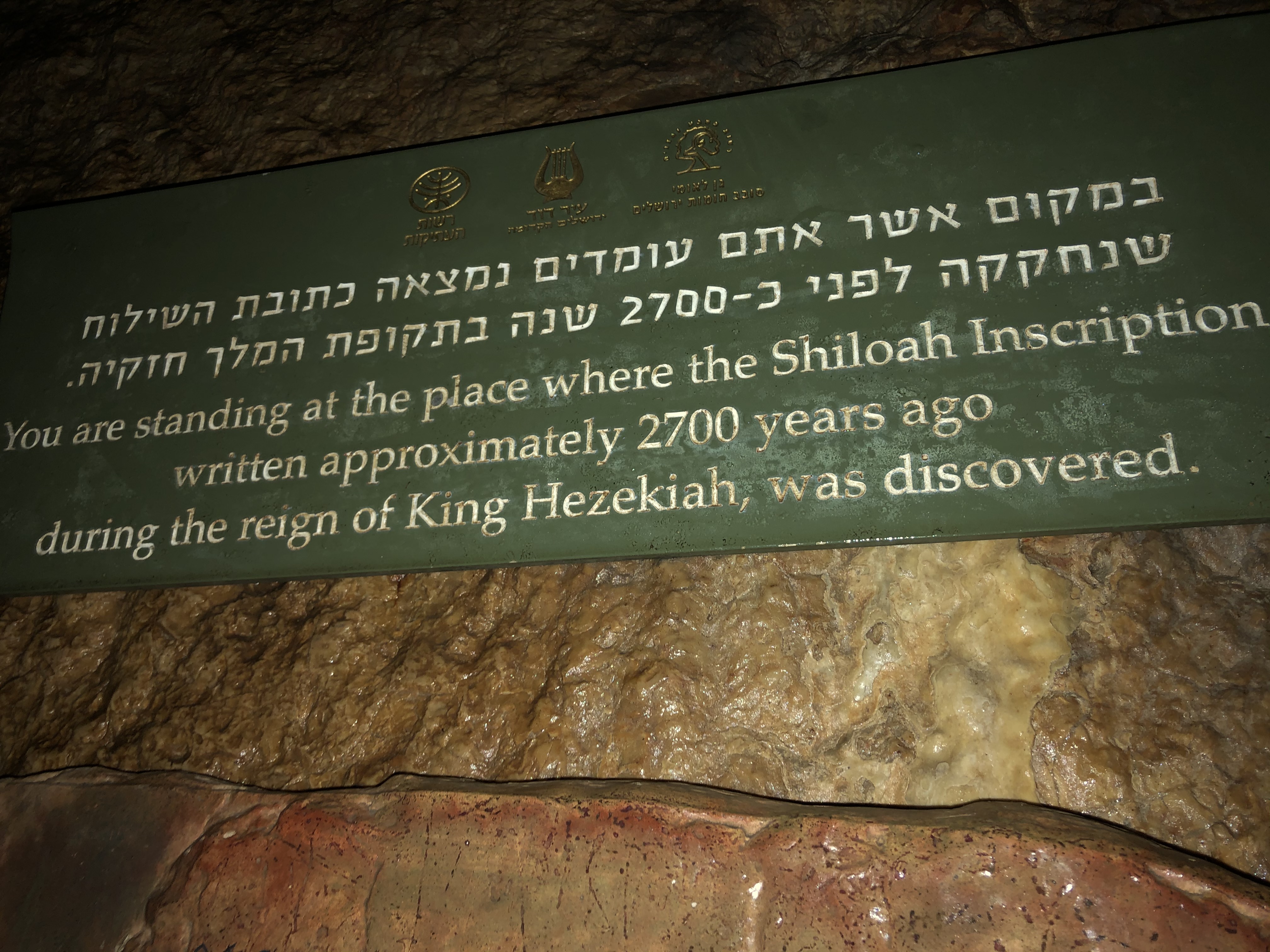
视频
Hezekiah's Tunnel - Gihon Spring to Siloam Pool
地图
来自字典的信息
Hezekiah
whom Jehovah has strengthened.
Son of Ahaz (2Kings 18:1; 2Chr 29:1), whom he succeeded on the throne of the kingdom of Judah. He reigned twenty-nine years (B.C. 726-697). The history of this king is contained in (2Kings 18:20; Isa 36:1etc.; 37:1etc.; 38:1etc.; 39:1etc.), and (2Chr 29:1etc.; 30:1etc.; 31:1etc.; 32:1etc.). He is spoken of as a great and good king. In public life he followed the example of his great-granfather Uzziah. He set himself to abolish idolatry from his kingdom, and among other things which he did for this end, he destroyed the "brazen serpent," which had been removed to Jerusalem, and had become an object of idolatrous worship (Num 21:9). A great reformation was wrought in the kingdom of Judah in his day (2Kings 18:4; 2Chr 29:3-36).
On the death of Sargon and the accession of his son Sennacherib to the throne of Assyria, Hezekiah refused to pay the tribute which his father had paid, and "rebelled against the king of Assyria, and served him not," but entered into a league with Egypt (Isa 30:1etc.; 31:1etc.; 36:6-9). This led to the invasion of Judah by Sennacherib (2Kings 18:13-16), who took forty cities, and besieged Jerusalem with mounds. Hezekiah yielded to the demands of the Assyrian king, and agreed to pay him three hundred talents of silver and thirty of gold (2Kings 18:14).
But Sennacherib dealt treacherously with Hezekiah (Isa 33:1), and a second time within two years invaded his kingdom (2Kings 18:17; 2Chr 32:9; Isa 36:1etc.). This invasion issued in the destruction of Sennacherib's army. Hezekiah prayed to God, and "that night the angel of the Lord went out, and smote in the camp of the Assyrians 185,000 men." Sennacherib fled with the shattered remnant of his forces to Nineveh, where, seventeen years after, he was assassinated by his sons Adrammelech and Sharezer (2Kings 19:37). (See SENNACHERIB)
The narrative of Hezekiah's sickness and miraculous recovery is found in (2Kings 20:1; 2Chr 32:24; Isa 38:1). Various ambassadors came to congratulate him on his recovery, and among them Merodach-baladan, the viceroy of Babylon (2Chr 32:23; 2Kings 20:12). He closed his days in peace and prosperity, and was succeeded by his son Manasseh. He was buried in the "chiefest of the sepulchres of the sons of David" (2Chr 32:27-33). He had "after him none like him among all the kings of Judah, nor any that were before him" (2Kings 18:5). (See ISAIAH)
EBD - Easton's Bible Dictionary