梅沙石碑
描述
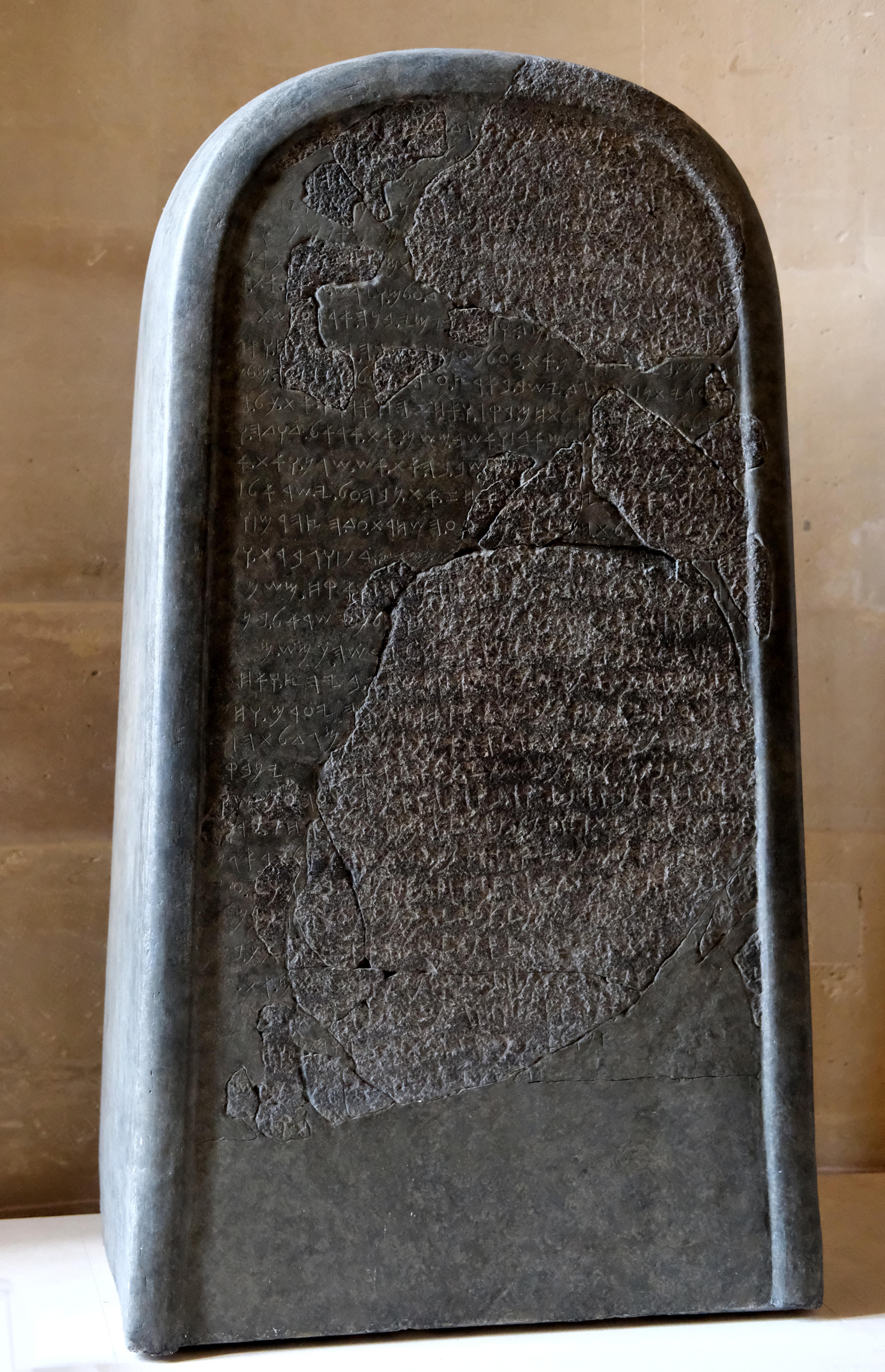
米沙石碑,也被称为摩押石,是一块大约公元前840年的石碑,上面刻有摩押王米沙名下的重要迦南铭文(摩押是位于现代约旦的一个王国)。米沙讲述了摩押的神基抹如何对他的人民发怒,使他们被以色列王国征服,但最终基抹回归并帮助米沙摆脱以色列的枷锁,恢复摩押的土地。米沙还描述了他的许多建筑项目。它是用腓尼基字母的一种变体书写的,与古希伯来文字密切相关。
这块石碑于1868年8月由英国圣公会传教士弗雷德里克·奥古斯都·克莱因在古代迪本(现约旦迪班)遗址发现。当地一位阿拉伯人为驻耶路撒冷法国领事馆的考古学家查尔斯·西蒙·克莱蒙-加诺制作了一个“挤压”(纸浆印模)。第二年,班尼·哈米达部落将石碑打碎成几块,被视为对奥斯曼当局的蔑视行为,因为奥斯曼当局曾施压贝都因人交出石碑以便送往德国。克莱蒙-加诺后来设法获取了这些碎片,并通过在石碑被毁前制作的印模将它们拼接在一起。
米沙石碑是巴勒斯坦地区发现的第一个主要的迦南铭文,也是该地区发现的最长的铁器时代铭文,构成了摩押语言的主要证据,是“闪族铭文学”的基石。石碑的故事与《圣经》中《列王记》的一段情节相似,但有一些差异([王下 3:4 -28]),提供了关于摩押语言和9世纪某一时刻摩押与以色列之间政治关系的宝贵信息。它是迄今为止发现的关于以色列王国(“暗利家”)的最广泛的铭文;它载有最早的确切的圣经外对以色列神耶和华的提及。它也是已知的四个包含以色列名字的当代铭文之一,其他三个是梅尔涅普塔石碑、特尔丹石碑和库尔克独石碑之一。多年来,其真实性一直存在争议,一些圣经极简主义者认为该文本不是历史,而是圣经寓言。今天,绝大多数圣经考古学家认为石碑本身是真实且具有历史意义的。
自1873年以来,这块石碑一直是法国巴黎卢浮宫博物馆的收藏品。自2014年以来,约旦一直要求将其归还到原产地。
链接
图片
视频
Moabite Stone (Mesha Stele)
来自字典的信息
Mesha
middle district, Vulgate, Messa.
(1.) A plain in that part of the boundaries of Arabia inhabited by the descendants of Joktan (Gen 10:30).
(2.) Heb. meysh'a, "deliverance," the eldest son of Caleb (1Chr 2:42), and brother of Jerahmeel.
(3.) Heb. id, a king of Moab, the son of Chemosh-Gad, a man of great wealth in flocks and herds (2Kings 3:4). After the death of Ahab at Ramoth-Gilead, Mesha shook off the yoke of Israel; but on the ascension of Jehoram to the throne of Israel, that king sought the help of Jehoshaphat in an attempt to reduce the Moabites again to their former condition. The united armies of the two kings came unexpectedly on the army of the Moabites, and gained over them an easy victory. The whole land was devastated by the conquering armies, and Mesha sought refuge in his last stronghold, Kir-harasheth (q.v.). Reduced to despair, he ascended the wall of the city, and there, in the sight of the allied armies, offered his first-born son a sacrifice to Chemosh, the fire-god of the Moabites. This fearful spectacle filled the beholders with horror, and they retired from before the besieged city, and recrossed the Jordan laden with spoil (2Kings 3:25-27).
The exploits of Mesha are recorded in the Phoenician inscription on a block of black basalt found at Dibon, in Moab, usually called the "Moabite stone" (q.v.).
EBD - Easton's Bible Dictionary