Cung điện của Thượng Tế
Mô tả
Anna
là thầy tế lễ thượng phẩm từ năm 7-14 SCN. Vào năm 25 SCN, Cai-phe, người đã kết hôn với con gái của Anna ([Ga 18:13 ]), được nâng lên chức vụ đó, và có lẽ Anna lúc này được bổ nhiệm làm chủ tịch của Sanhedrin, hoặc phó hoặc trợ lý của thầy tế lễ thượng phẩm, và do đó cũng được gọi là thầy tế lễ thượng phẩm cùng với Cai-phe ([Lc 3:2 ]); theo luật pháp Môi-se, chức vụ thầy tế lễ thượng phẩm được giữ suốt đời ([Ds 3:10 ]); và mặc dù Anna đã bị phế truất bởi quan tổng trấn La Mã, người Do Thái có thể vẫn coi ông là thầy tế lễ thượng phẩm hợp pháp. Chúa của chúng ta trước tiên được đưa đến trước Anna, và sau một cuộc thẩm vấn ngắn gọn ([Ga 1:18 -23]) được gửi đến Cai-phe, khi một số thành viên của Sanhedrin đã họp, và cuộc xét xử đầu tiên của Chúa Giê-su diễn ra ([Mt 26:57 -68]). Cuộc thẩm vấn này của Chúa chúng ta trước Anna chỉ được ghi lại bởi Giăng. Anna là chủ tịch của Sanhedrin trước khi Phi-e-rơ và Giăng bị đưa đến ([Cv 4:6 ]).
EBD
Cai-phe
là thầy tế lễ thượng phẩm Do Thái (năm 27-36 SCN) vào đầu chức vụ công khai của Chúa chúng ta, dưới triều đại của Tiberius ([Lc 3:2 ]), và cũng vào thời điểm Ngài bị kết án và đóng đinh ([Mt 26:3 ; Mt 26:57 ; Ga 11:49 ; Ga 18:13 ; Ga 18:14 ]). Ông giữ chức vụ này trong suốt thời gian cai trị của Phi-lát. Vợ ông là con gái của Anna, người trước đây đã là thầy tế lễ thượng phẩm, và có lẽ là phó hoặc trợ lý (tiếng Hê-bơ-rơ: sagan) của Cai-phe. Ông thuộc phái Sa-đu-sê ([Cv 5:17 ]), và là thành viên của hội đồng khi ông đưa ra ý kiến rằng Chúa Giê-su nên bị xử tử "vì dân chúng, và để cả dân tộc không bị diệt vong" ([Ga 11:50 ]). Trong những lời này, ông vô tình nói ra một lời tiên tri. "Giống như Sau-lơ, ông là một nhà tiên tri mặc dù không tự nhận thức." Cai-phe không có quyền thực hiện hình phạt tử hình, do đó Chúa Giê-su được gửi đến Phi-lát, quan tổng trấn La Mã, để ông có thể chính thức tuyên án chống lại Ngài ([Mt 27:2 ; Ga 18:28 ]). Vào một thời điểm sau đó, sự thù địch của ông đối với phúc âm vẫn rõ ràng ([Cv 4:6 ]). (Xem ANNA)
EBD
liên kết
Street View
hình ảnh
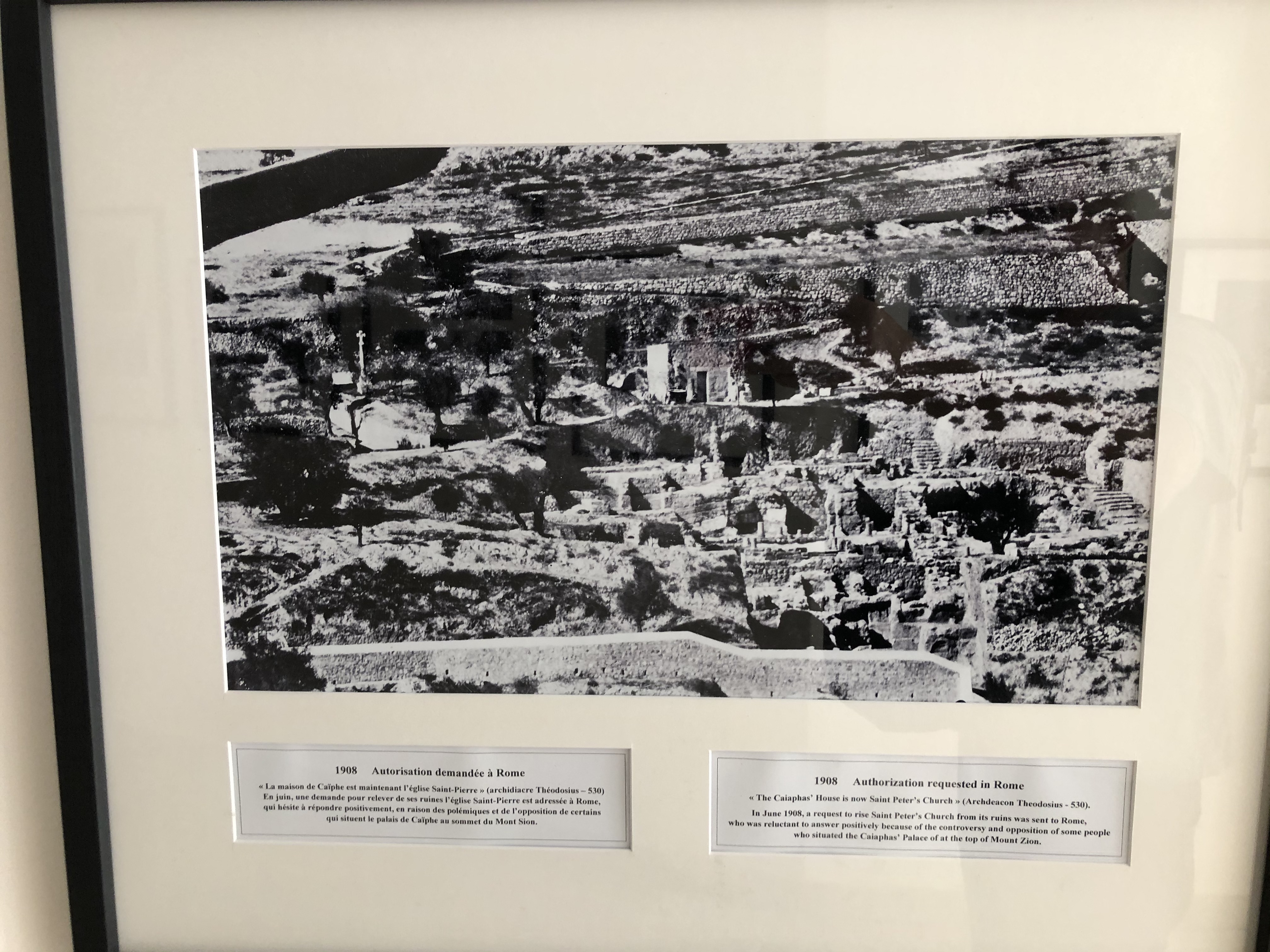
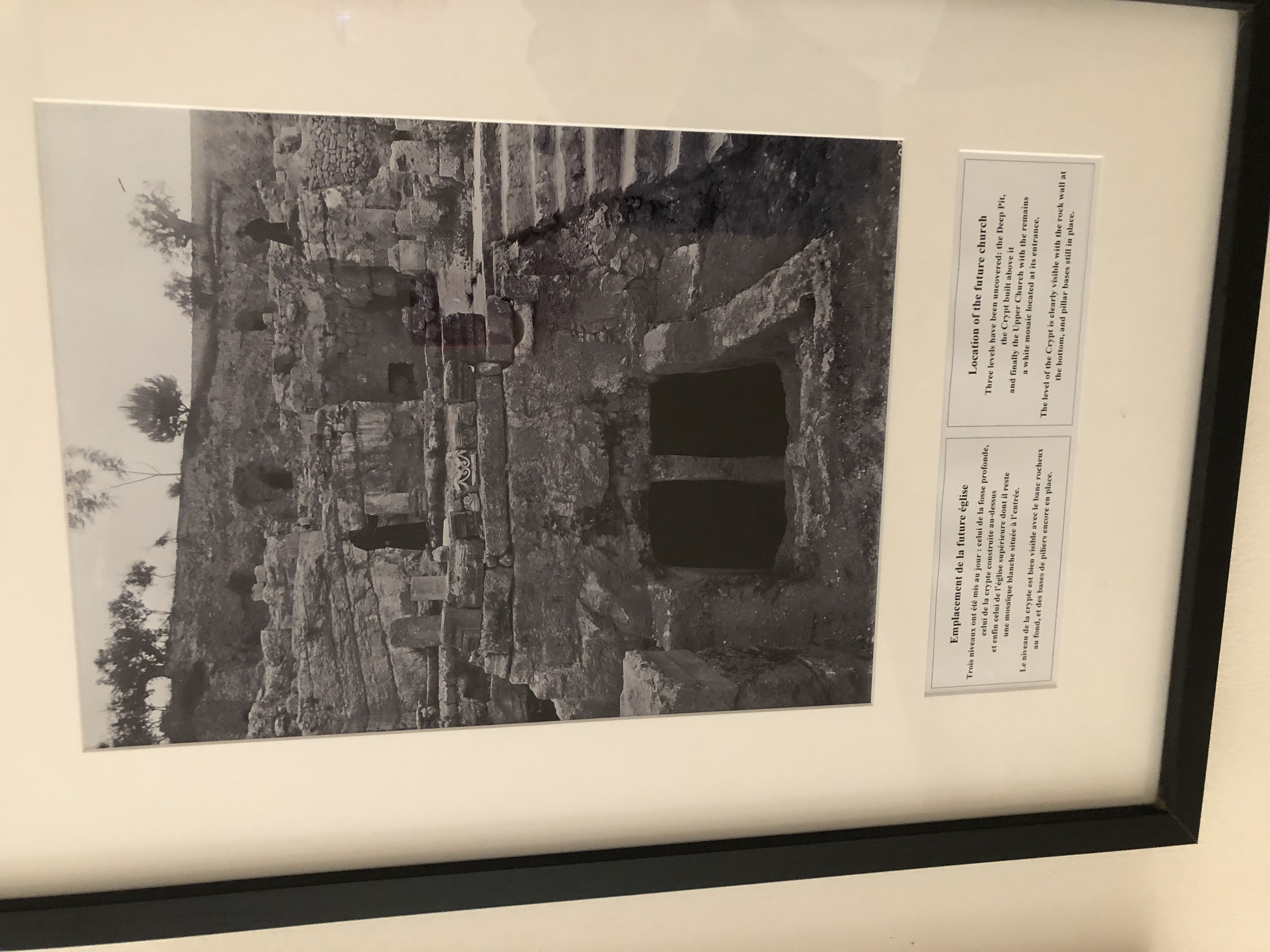
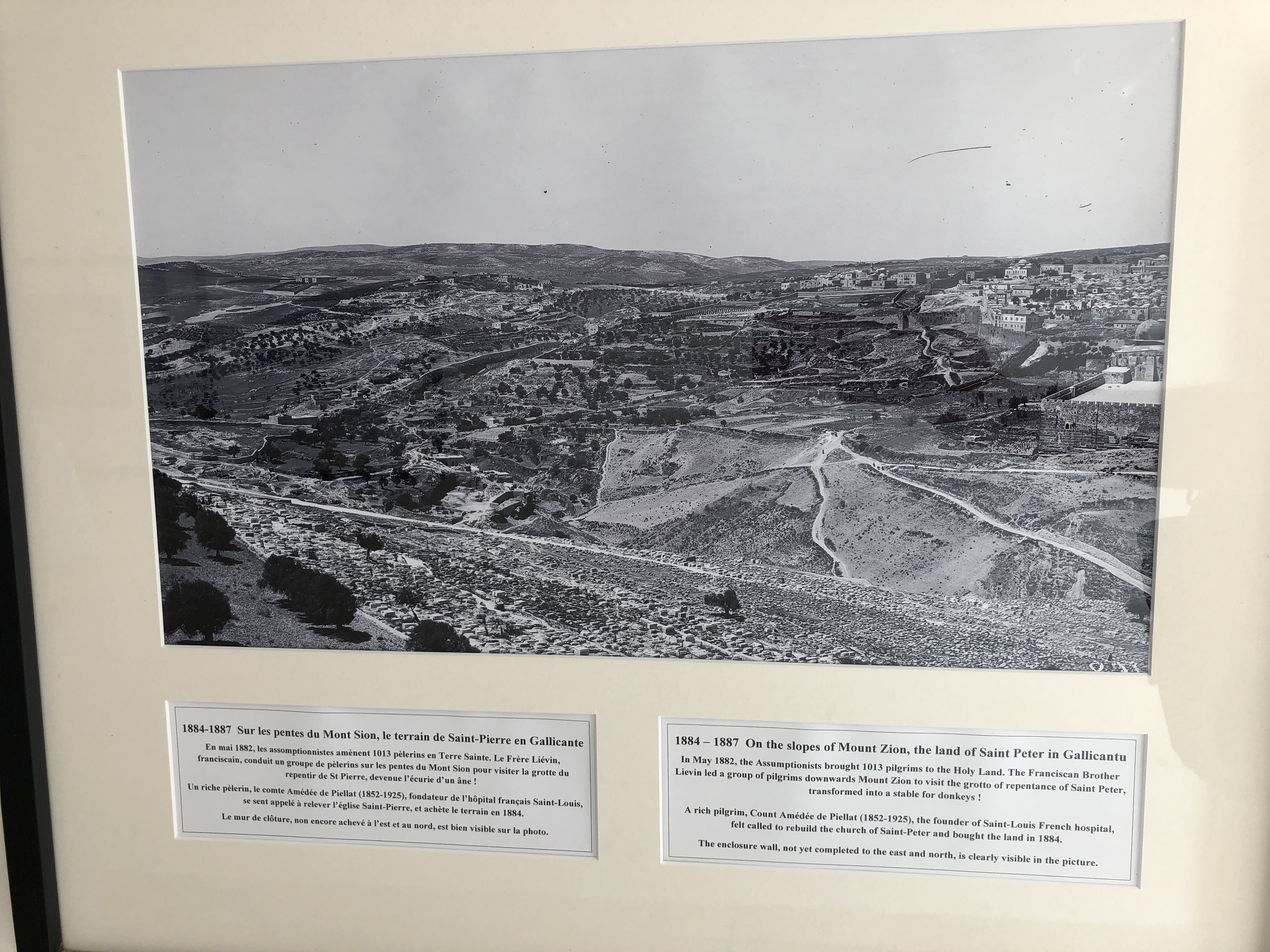
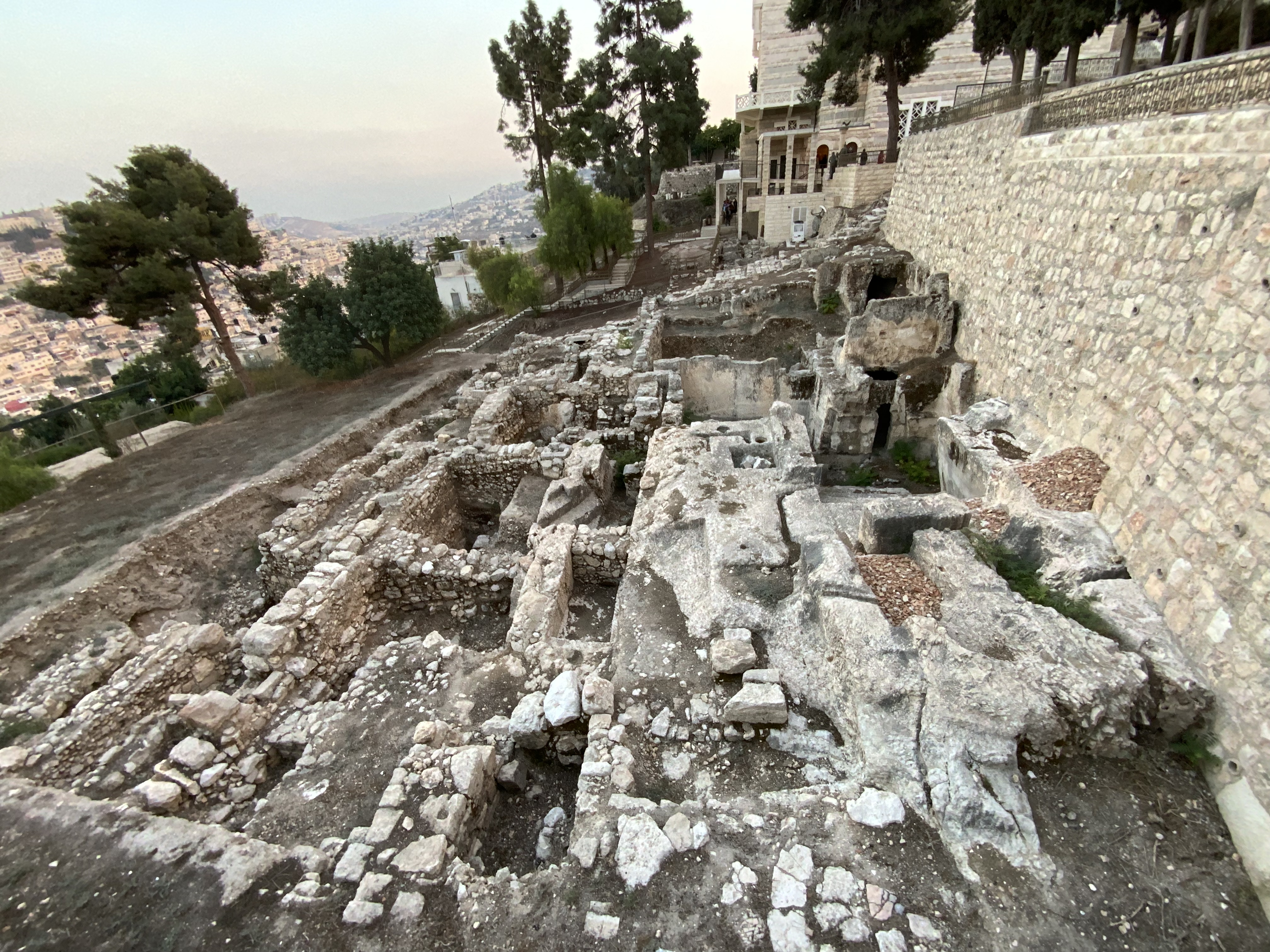
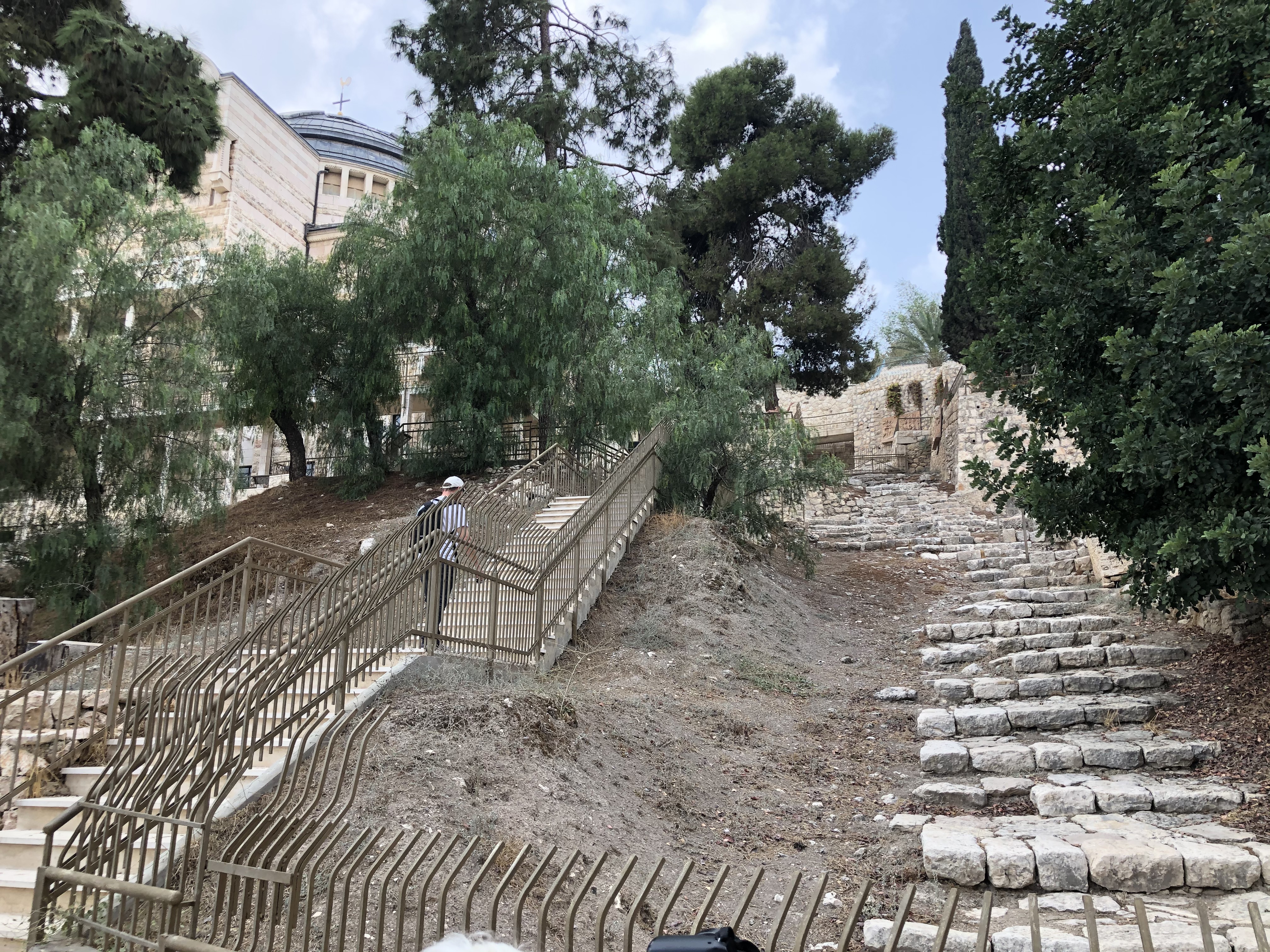
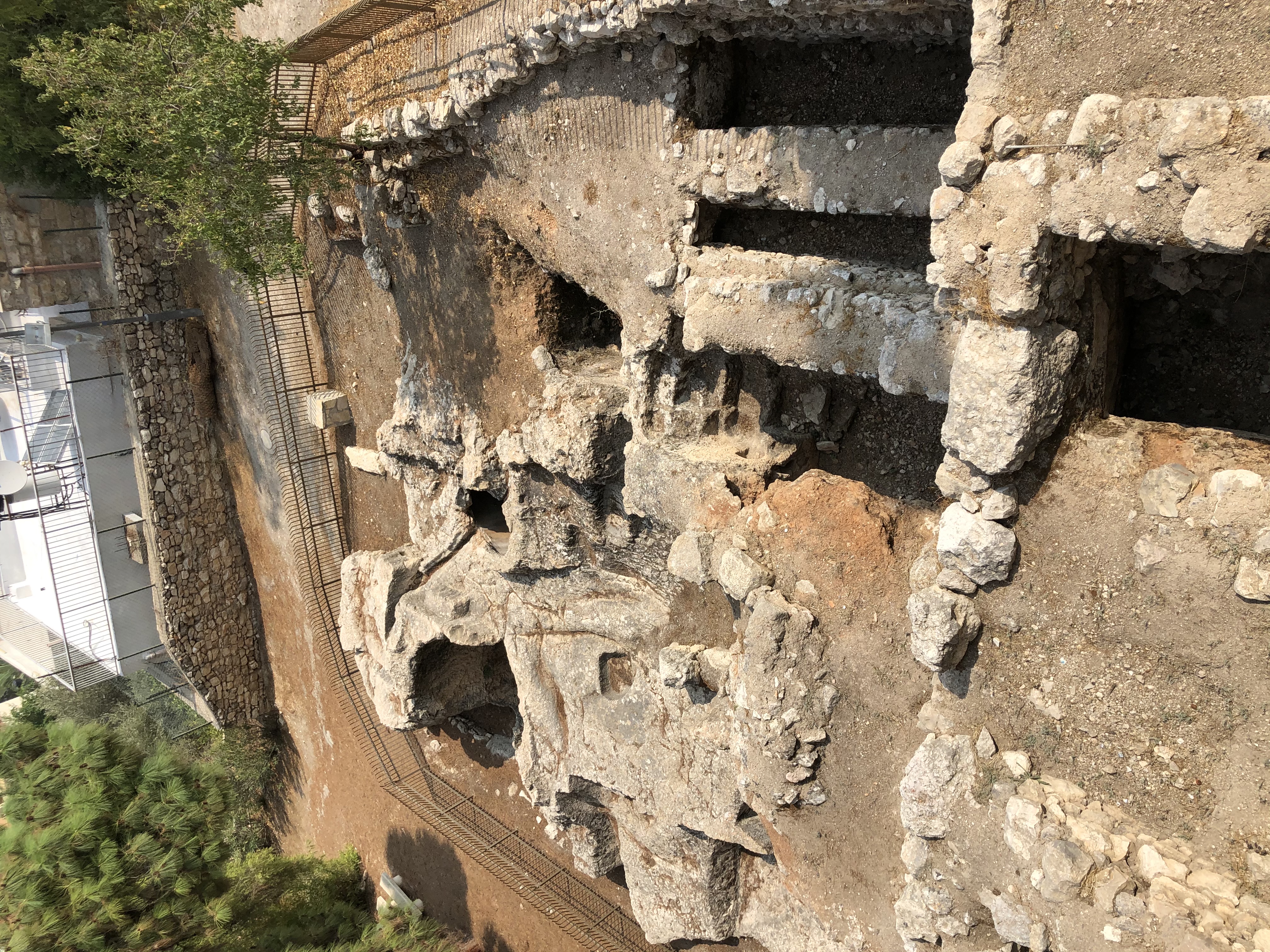
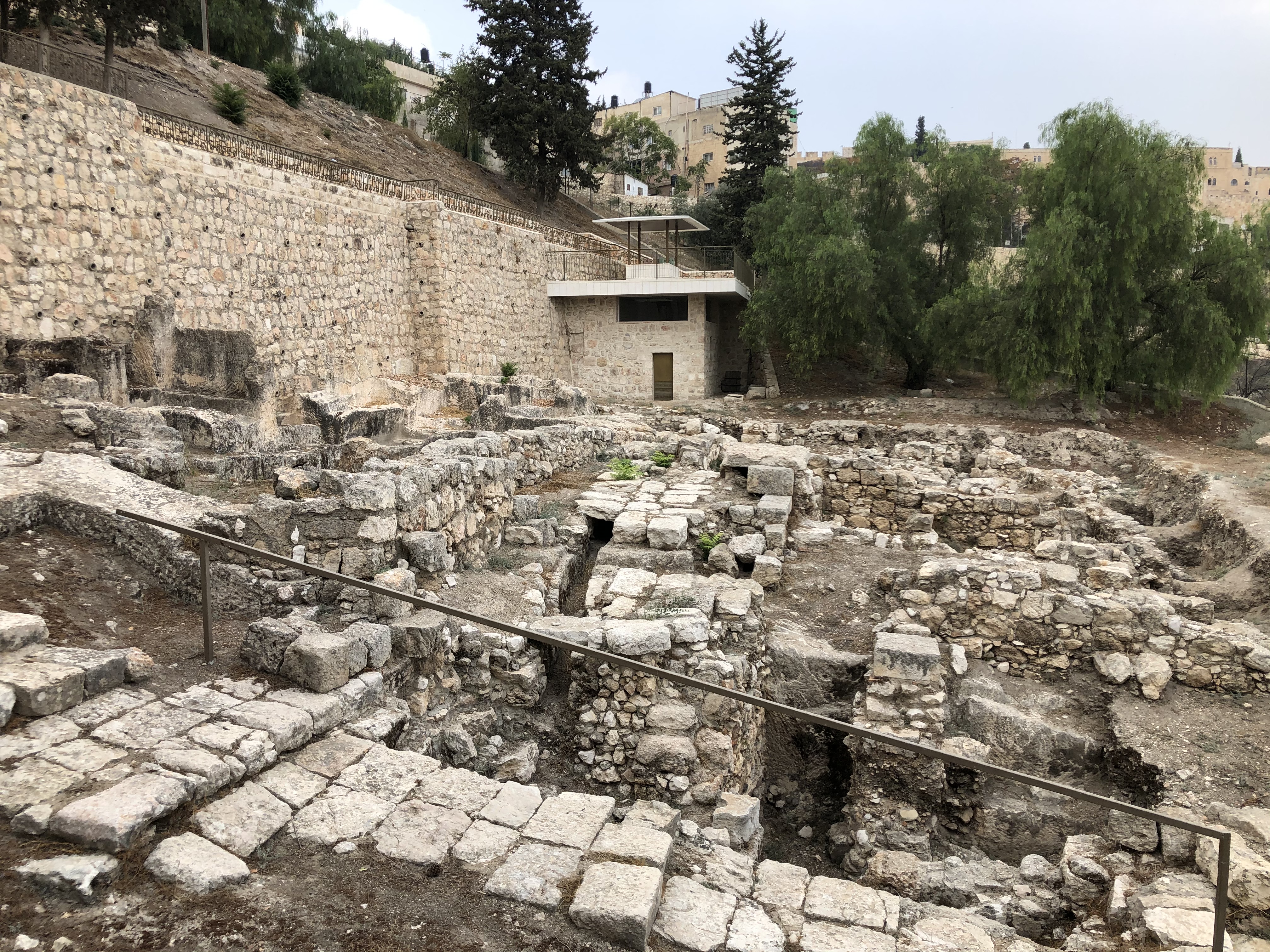
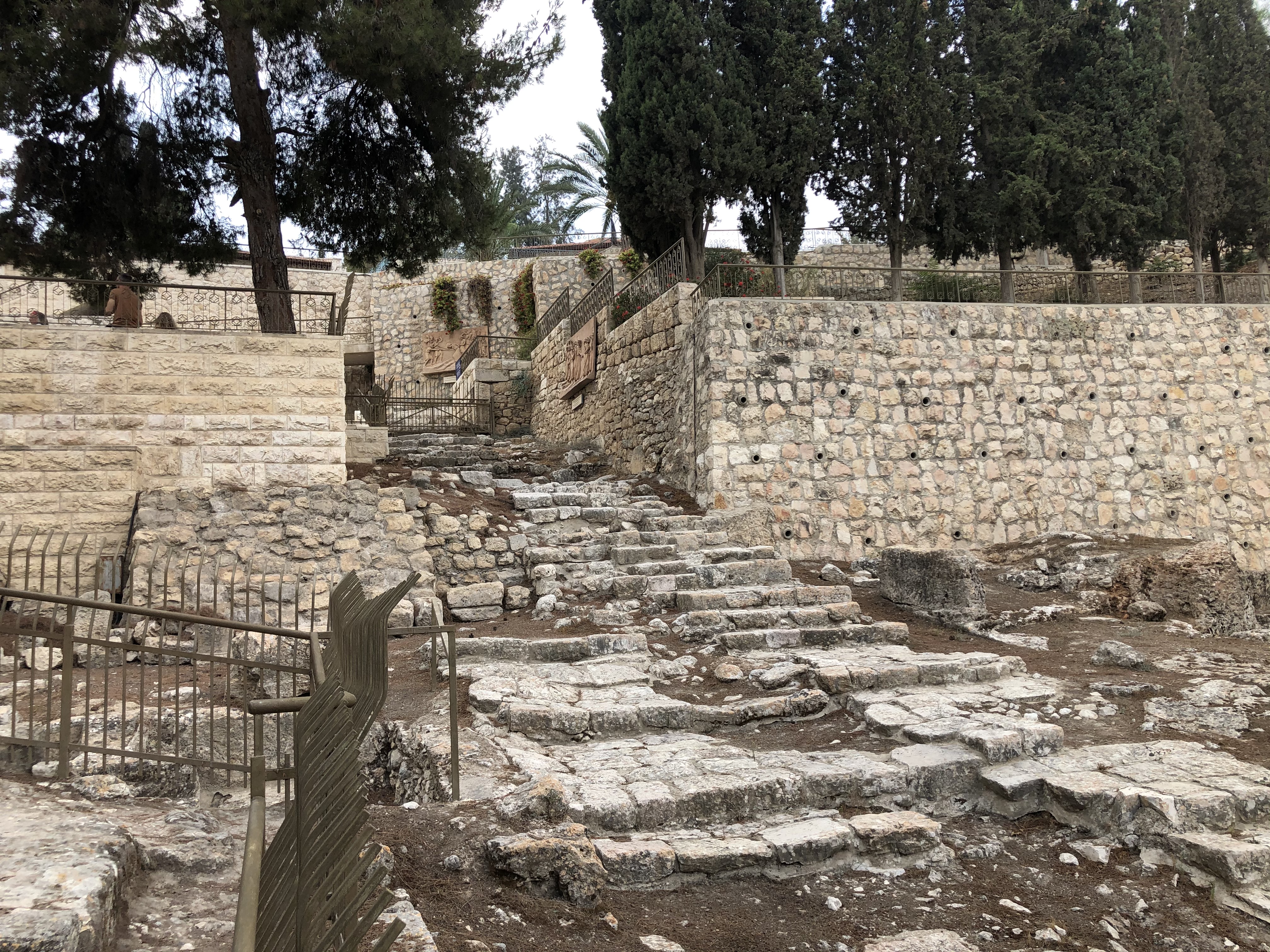
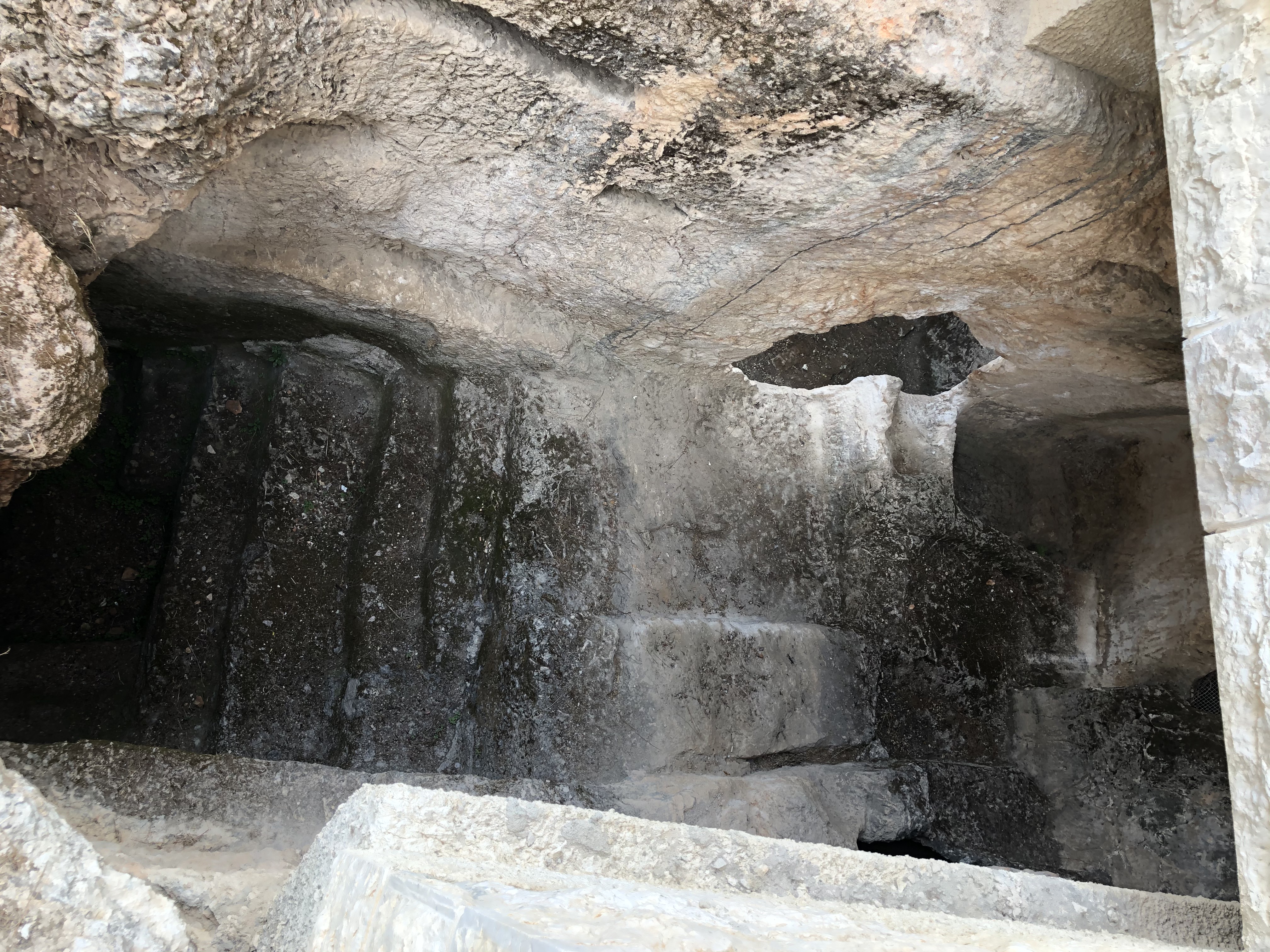
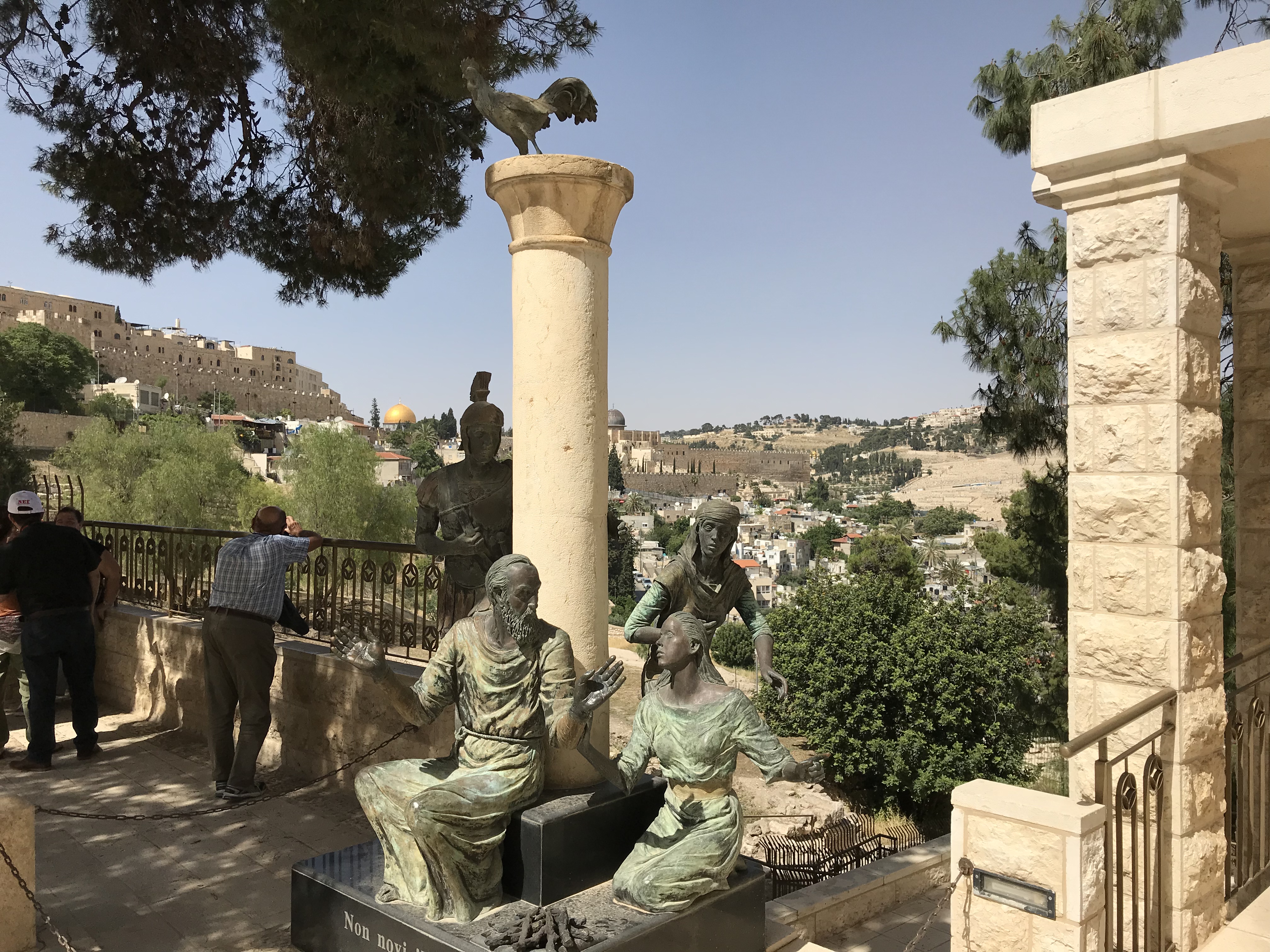
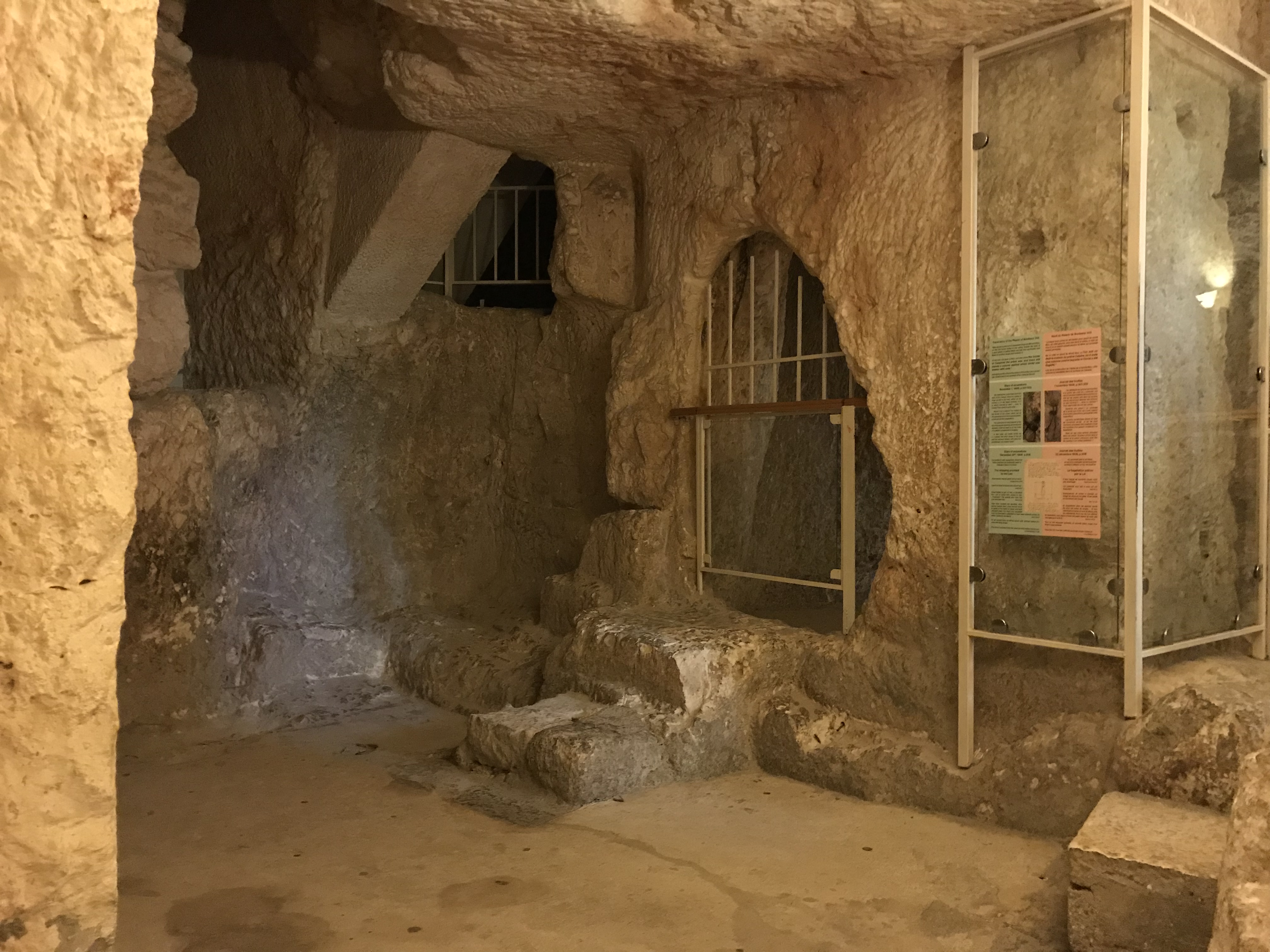
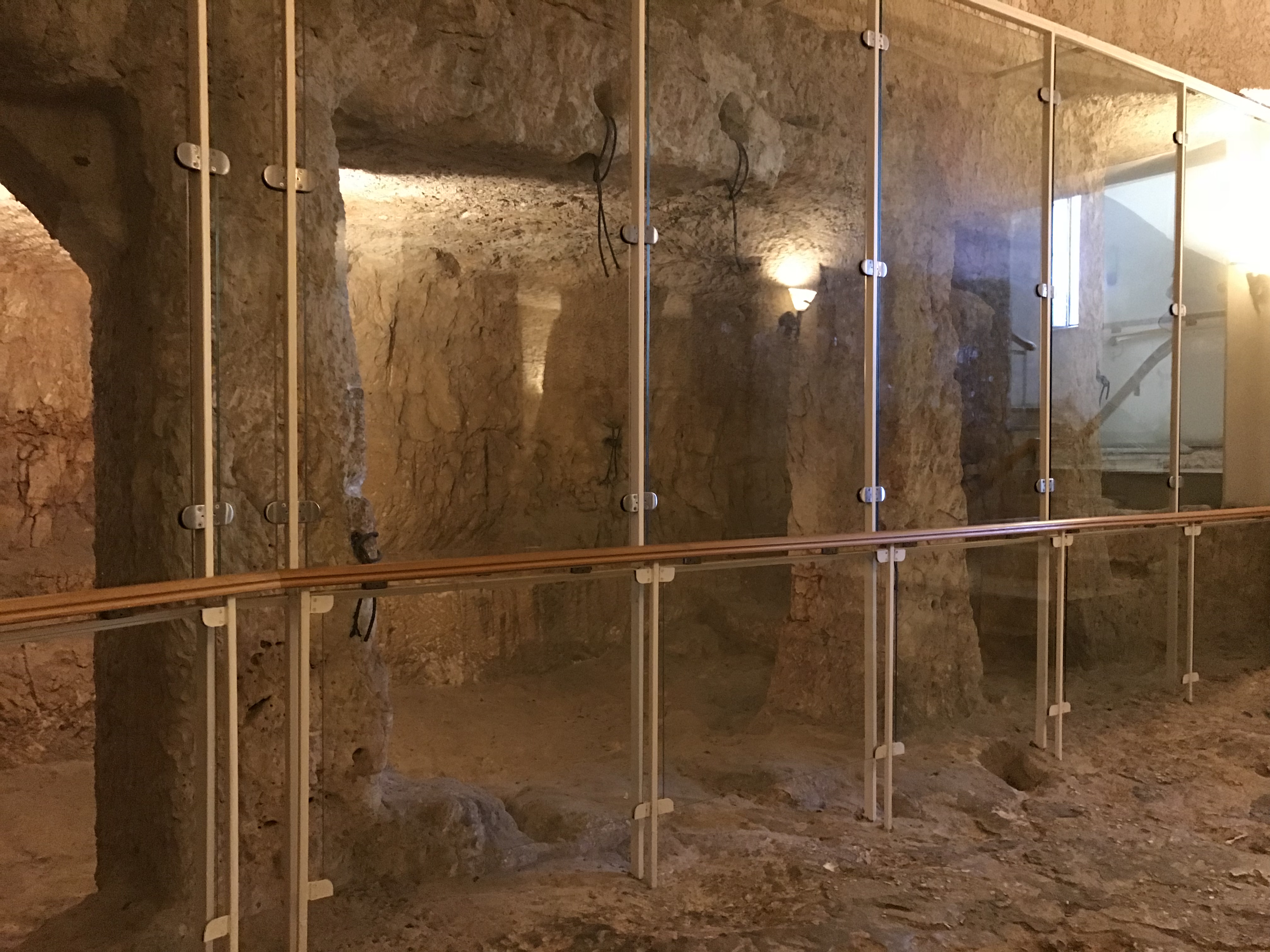
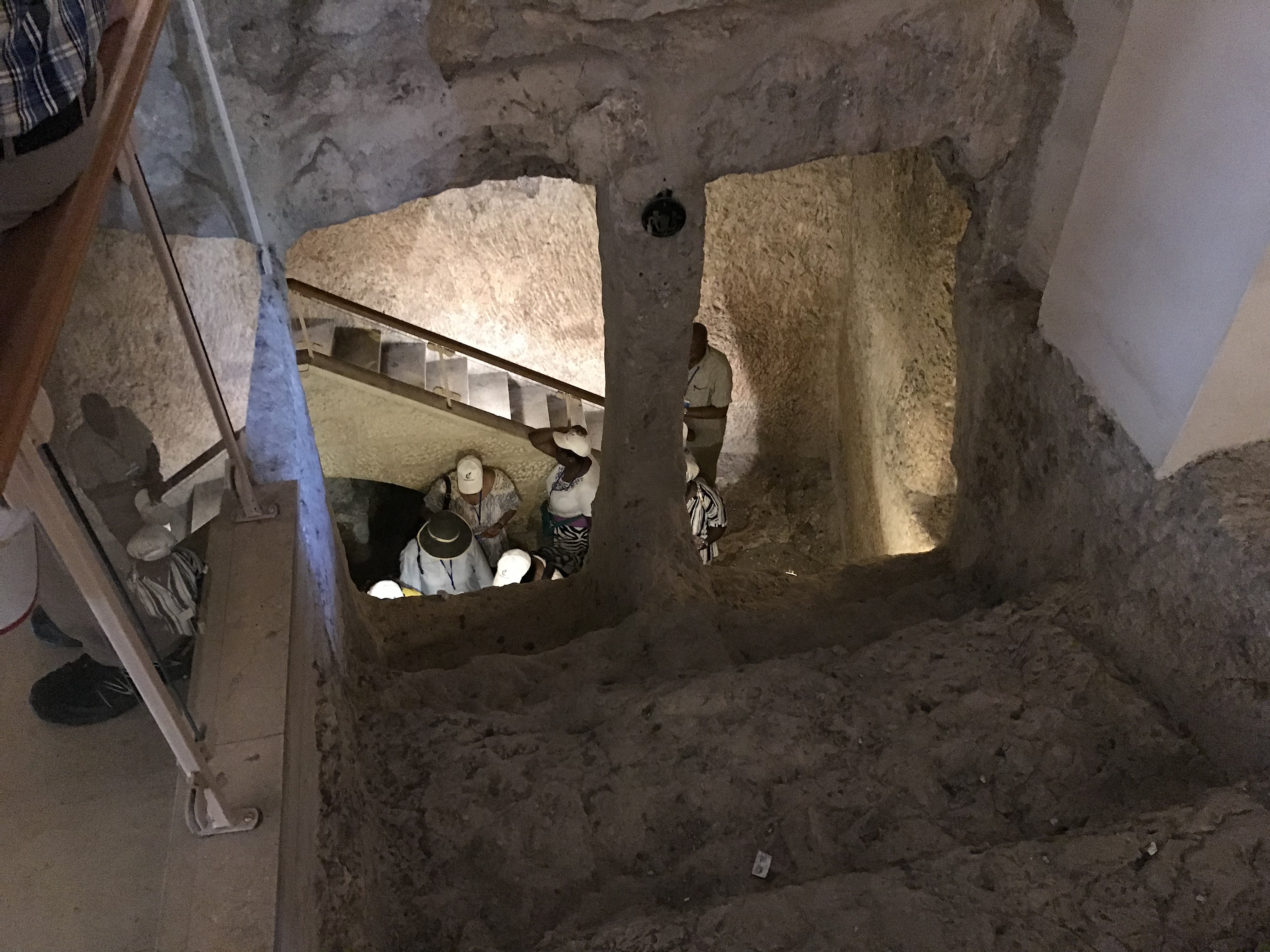
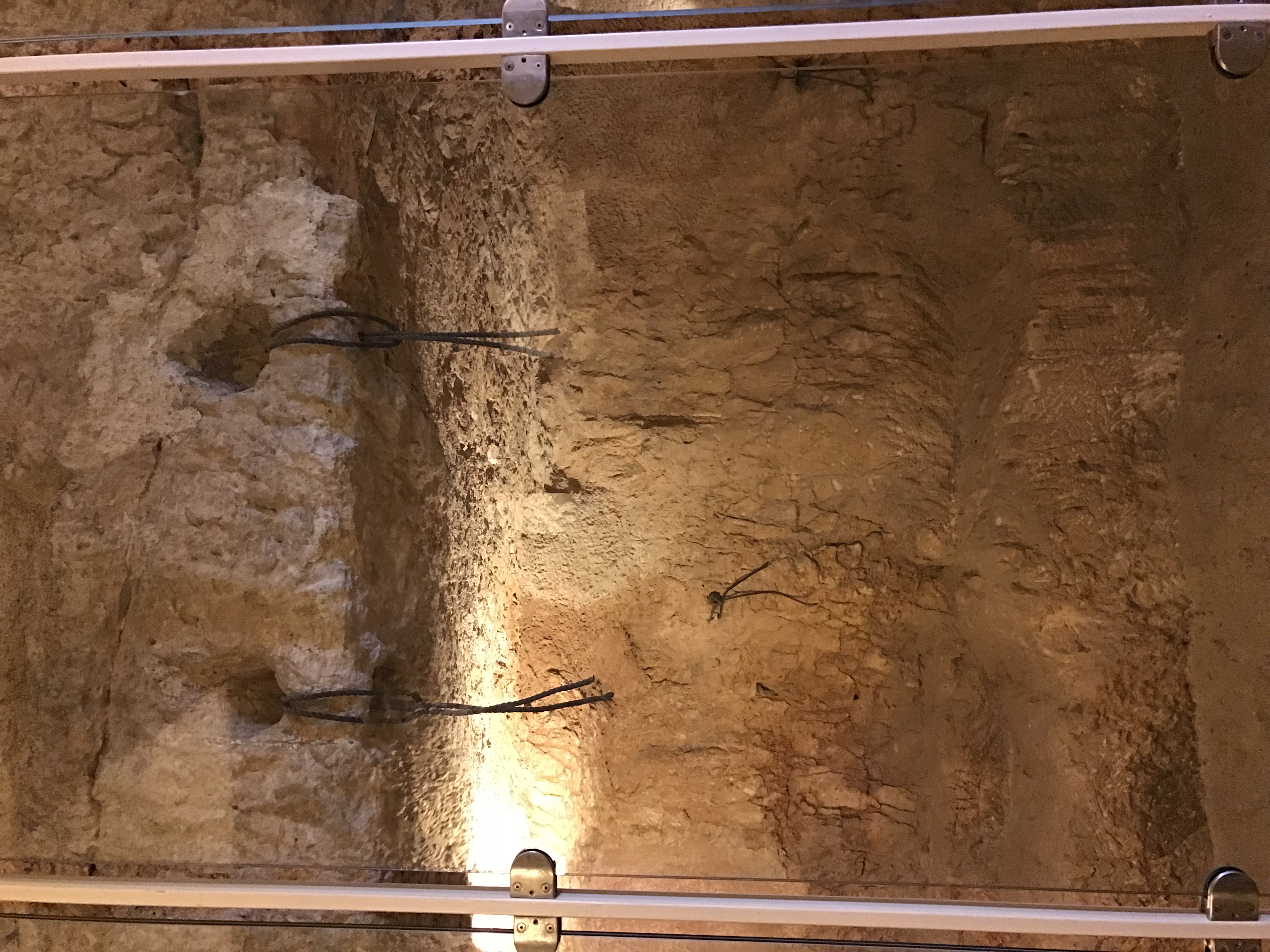
video
House of Caiaphas: Peter's Denial of Christ, Jerusalem, Israel, Church of Saint Peter in Gallicantu!
Bản đồ
thông tin từ từ điển
High priest
Aaron was the first who was solemnly set apart to this office (Ex 29:7; 30:23; Lev 8:12). He wore a peculiar dress, which on his death passed to his successor in office (Ex 29:29; 29:30). Besides those garments which he wore in common with all priests, there were four that were peculiar to himself as high priest:
(1.) The "robe" of the ephod, all of blue, of "woven work," worn immediately under the ephod. It was without seam or sleeves. The hem or skirt was ornamented with pomegranates and golden bells, seventy-two of each in alternate order. The sounding of the bells intimated to the people in the outer court the time when the high priest entered into the holy place to burn incense before the Lord (Ex 28:1etc.).
(2.) The "ephod" consisted of two parts, one of which covered the back and the other the breast, which were united by the "curious girdle." It was made of fine twined linen, and ornamented with gold and purple. Each of the shoulder-straps was adorned with a precious stone, on which the names of the twelve tribes were engraved. This was the high priest's distinctive vestment (1Sam 2:28; 14:3; 21:9; 23:6; 23:9; 30:7).
(3.) The "breastplate of judgment" (Ex 28:6-12; 28:25; 39:2-7) of "cunning work." It was a piece of cloth doubled, of one span square. It bore twelve precious stones, set in four rows of three in a row, which constituted the Urim and Thummim (q.v.). These stones had the names of the twelve tribes engraved on them. When the high priest, clothed with the ephod and the breastplate, inquired of the Lord, answers were given in some mysterious way by the Urim and Thummim (1Sam 14:3; 14:18; 14:19; 23:2; 23:4; 23:9; 23:11; 23:12; 28:6; 2Sam 5:23).
(4.) The "mitre", or upper turban, a twisted band of eight yards of fine linen coiled into a cap, with a gold plate in front, engraved with "Holiness to the Lord," fastened to it by a ribbon of blue.
To the high priest alone it was permitted to enter the holy of holies, which he did only once a year, on the great Day of Atonement, for "the way into the holiest of all was not yet made manifest" (Heb 9:1etc.; 10:1etc.). Wearing his gorgeous priestly vestments, he entered the temple before all the people, and then, laying them aside and assuming only his linen garments in secret, he entered the holy of holies alone, and made expiation, sprinkling the blood of the sin offering on the mercy seat, and offering up incense. Then resuming his splendid robes, he reappeared before the people (Lev 16:1etc.). Thus the wearing of these robes came to be identified with the Day of Atonement.
The office, dress, and ministration of the high priest were typical of the priesthood of our Lord (Heb 4:14; 7:25; 9:12), etc.
It is supposed that there were in all eighty-three high priests, beginning with Aaron (B.C. 1657) and ending with Phannias (A.D. 70). At its first institution the office of high priest was held for life [but comp. (1Kings 2:27)], and was hereditary in the family of Aaron (Num 3:10). The office continued in the line of Eleazar, Aaron's eldest son, for two hundred and ninety-six years, when it passed to Eli, the first of the line of Ithamar, who was the fourth son of Aaron. In this line it continued to Abiathar, whom Solomon deposed, and appointed Zadok, of the family of Eleazar, in his stead (1Kings 2:35), in which it remained till the time of the Captivity. After the Return, Joshua, the son of Josedek, of the family of Eleazar, was appointed to this office. After him the succession was changed from time to time under priestly or political influences.
EBD - Easton's Bible Dictionary