Không, Thebes
liên kết
Street View
hình ảnh
hiện vật
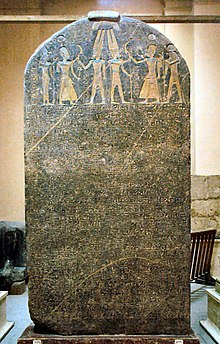
Bia Merneptah
Đài kỷ niệm Merneptah, còn được gọi là Đài kỷ niệm Israel hoặc Đài kỷ niệm Chiến thắng của Merneptah, là một bản khắc của Merneptah, một pharaoh của Ai Cập cổ đại, người trị vì từ năm 1213 đến 1203 TCN. Được phát hiện bởi Flinders Petrie tại Thebes vào năm 1896, hiện nay nó được lưu giữ tại Bảo tàng Ai Cập ở Cairo.
Văn bản chủ yếu là ghi chép về chiến thắng của Merneptah trước người Libya cổ đại và các đồng minh của họ, nhưng ba dòng cuối cùng trong tổng số 28 dòng lại đề cập đến một chiến dịch riêng biệt ở Canaan, khi đó là một phần của các vùng đất thuộc đế chế Ai Cập. Nó đôi khi được gọi là "Đài kỷ niệm Israel" vì phần lớn các học giả dịch một tập hợp các chữ tượng hình trong dòng 27 là "Israel". Các bản dịch thay thế đã được đưa ra nhưng không được chấp nhận rộng rãi.
Đài kỷ niệm này là tài liệu tham khảo văn bản sớm nhất về Israel và là tài liệu tham khảo duy nhất từ Ai Cập cổ đại. Đây là một trong bốn bản khắc được biết đến từ Thời đại Sắt có niên đại cùng thời và đề cập đến Israel cổ đại theo tên, với các bản khác là Đài kỷ niệm Mesha, Đài kỷ niệm Tel Dan và Đài kỷ niệm Kurkh. Do đó, một số người coi Đài kỷ niệm Merneptah là phát hiện nổi tiếng nhất của Petrie, một quan điểm mà chính Petrie cũng đồng ý.
Wikipedia
Bản đồ
thông tin từ từ điển
No
or No-A'mon, the home of Amon, the name of Thebes, the ancient capital of what is called the Middle Empire, in Upper or Southern Egypt. "The multitude of No" (Jer 46:25) is more correctly rendered, as in the Revised Version, "Amon of No", i.e., No, where Jupiter Amon had his temple. In (Ezek 30:14; 30:16) it is simply called "No;" but in (Ezek 30:15) the name has the Hebrew Hamon prefixed to it, "Hamon No." This prefix is probably the name simply of the god usually styled Amon or Ammon. In (Nah 3:8) the "populous No" of the Authorized Version is in the Revised Version correctly rendered "No-Amon."
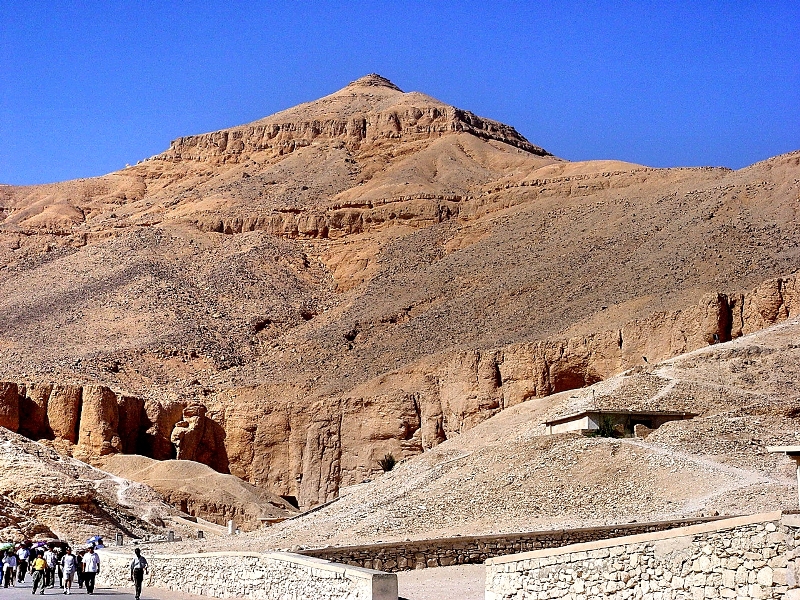
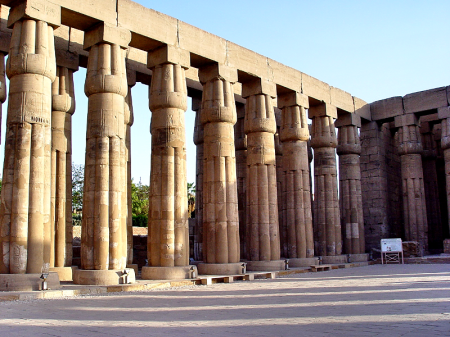
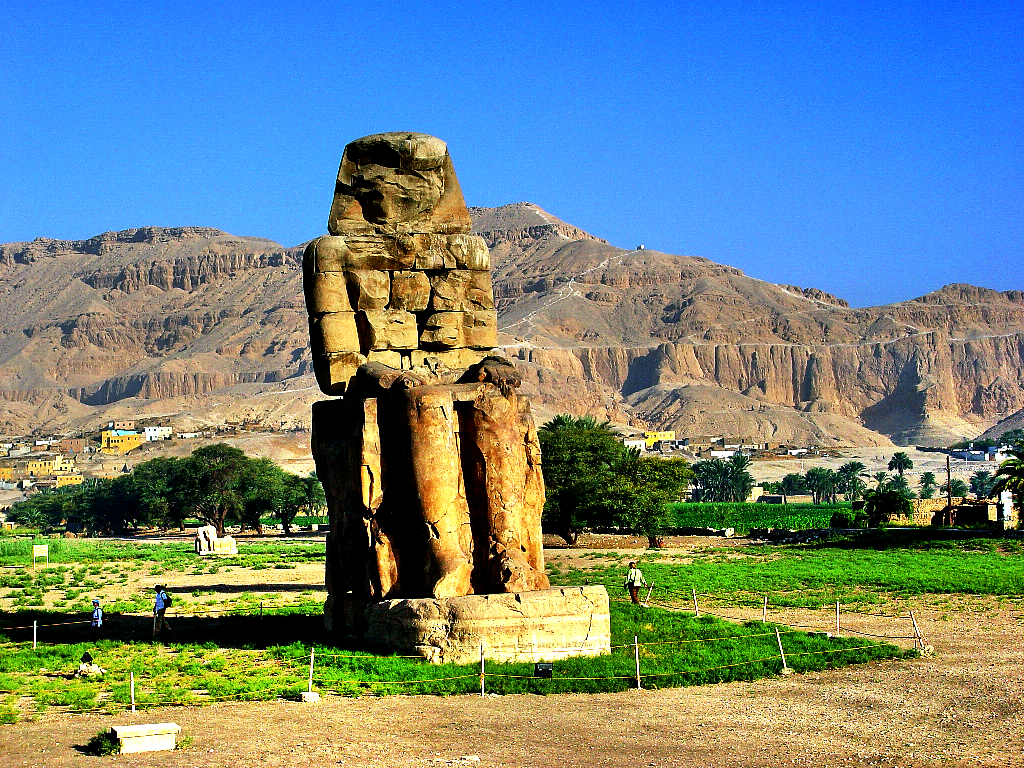
It was the Diospolis or Thebes of the Greeks, celebrated for its hundred gates and its vast population. It stood on both sides of the Nile, and is by some supposed to have included Karnak and Luxor. In grandeur and extent it can only be compared to Nineveh. It is mentioned only in the prophecies referred to, which point to its total destruction. It was first taken by the Assyrians in the time of Sargon (Isa 20:1etc.). It was afterwards "delivered into the hand" of Nebuchadnezzar and Assurbani-pal (Jer 46:25; 46:26). Cambyses, king of the Persians (B.C. 525), further laid it waste by fire. Its ruin was completed (B.C. 81) by Ptolemy Lathyrus. The ruins of this city are still among the most notable in the valley of the Nile. They have formed a great storehouse of interesting historic remains for more than two thousand years.
"As I wandered day after day with ever-growing amazement amongst these relics of ancient magnificence, I felt that if all the ruins in Europe, classical, Celtic, and medieval, were brought together into one centre, they would fall far short both in extent and grandeur of those of this single Egyptian city." Manning, The Land of the Pharaohs.
EBD - Easton's Bible Dictionary